How CNC Machining is Shaping the Future of Industrial Production

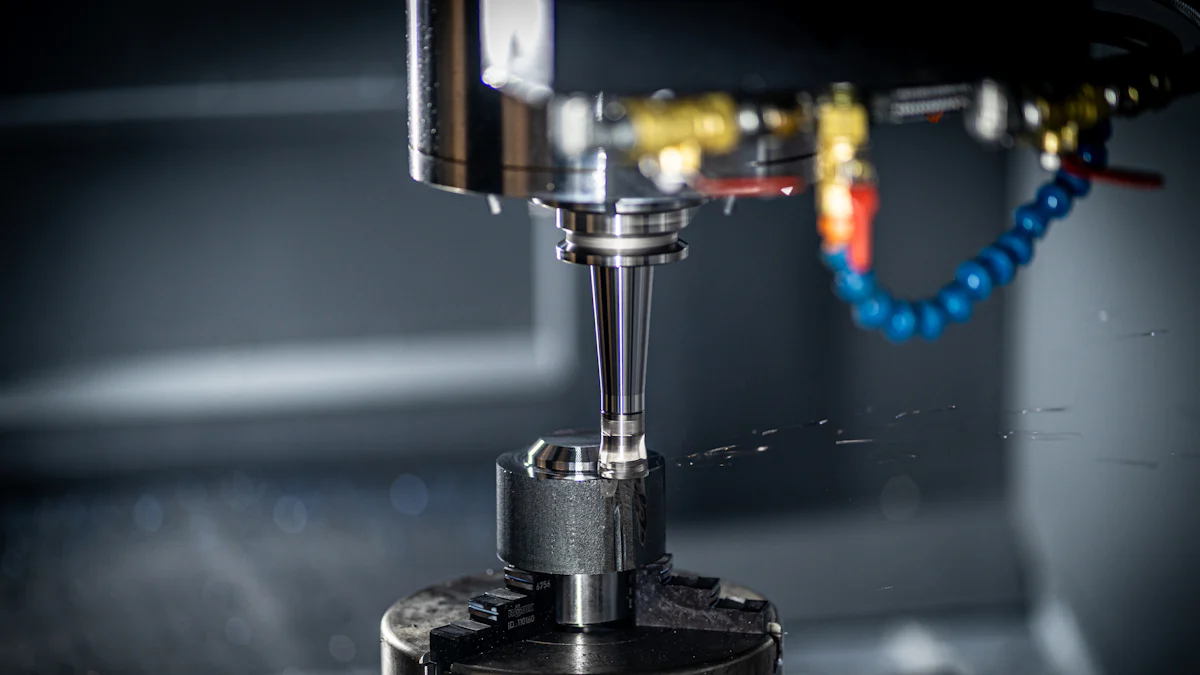
The rise of CNC machining has revolutionized industrial production, making it a cornerstone of the modern manufacturing industry. You can now achieve levels of precision and efficiency that were once unimaginable. This technology minimizes waste by using fewer materials and reduces errors, saving both time and resources. Industries like aerospace and automotive rely on CNC machining to produce intricate parts with unmatched accuracy. Its ability to drive innovation has also made it essential for creating advanced components that meet the demands of today’s competitive markets. With spending on CNC machining projected to grow to $115 billion by 2026, its impact continues to expand.
Key Takeaways
CNC machining improves accuracy and speed, making it vital for industries like airplanes and cars.
Automation in CNC machining lowers worker costs and cuts mistakes, saving money and boosting production.
CNC machining helps the environment by using materials and energy wisely, reducing waste.
Adding IoT and AI to CNC machines allows better tracking and fixing problems before they happen, making work smoother.
Training workers and improving cybersecurity are important to stay updated with CNC technology and keep production safe.
What is CNC Machining?
Definition and Core Principles
CNC machining, or Computer Numerical Control machining, is a manufacturing process that uses pre-programmed computer software to control machinery and tools. This technology allows you to produce parts with exceptional precision and consistency. Unlike traditional manufacturing methods, which often rely on manual labor, CNC machining operates based on four core principles: precision, efficiency, versatility, and automation. These principles enable you to achieve high accuracy, repeatability, and adaptability across various applications.
High precision ensures that every part meets exact specifications.
Repeatability allows you to produce identical components consistently.
Efficiency reduces production time and material waste.
Versatility supports a wide range of materials and complex designs.
By embracing these principles, CNC machining has become a cornerstone of modern industrial production.
How CNC Machines Work
CNC machines follow a series of steps to transform raw materials into finished products. The process begins with a digital design, which you create using CAD (Computer-Aided Design) software. This design is then converted into a set of instructions, or G-code, that guides the machine's movements.
Here’s how the operation ensures precision:
Dimensional Accuracy and Tolerance: The machine measures dimensions to match specifications within a specific range.
Material Hardness and Strength: It verifies that materials meet the required standards.
Roughness and Surface Finish: The machine achieves a smooth surface for optimal performance.
Machining Process Control: Cutting parameters are monitored and adjusted to maintain quality.
Geometric Tolerance: Precise tolerances are applied to ensure proper fit and function.
Assembly and Fit: Components are checked to confirm seamless integration.
This step-by-step process ensures that every part meets your exact requirements.
Types of CNC Machines
CNC machining offers a variety of machines, each designed for specific tasks. Here are some common types and their applications:
CNC Router: Ideal for machining softer materials like wood and plastic.
CNC Drilling Machine: Creates cylindrical holes using rotating drill bits.
CNC Lathe Machine: Removes material with single-point cutting tools, perfect for turning applications.
5-Axis CNC Machine: Accesses five sides of a workpiece in one operation, suitable for complex shapes.
CNC Milling Machine: Shapes materials using rotating multi-point cutting tools.
CNC Plasma Cutting Machine: Cuts tough, electrically conductive materials with a plasma torch.
CNC Laser Cutting Machine: Uses lasers to cut both metal and non-metal materials.
Each machine type enhances productivity and accuracy, making CNC machining indispensable in industrial production.
Advantages of CNC Machining in Industrial Production
Precision and Accuracy
CNC machining delivers unmatched precision, making it a vital tool in industries where accuracy is non-negotiable. You can rely on this technology to produce machined components that meet exact specifications, ensuring consistent quality. For example:
In aerospace, CNC machining creates high-precision parts like turbine blades, which must meet strict safety and performance standards.
The medical field depends on CNC machining for orthopedic implants and surgical instruments, where even minor errors could jeopardize patient safety.
This level of precision reduces the risk of defective components, which is critical in industries where safety and reliability are paramount. By using CNC machining, you can achieve high precision and maintain the integrity of your products.
Efficiency and Scalability
CNC machining revolutionizes manufacturing by enhancing efficiency and scalability. Unlike traditional methods, CNC machines operate continuously without manual intervention. This capability allows you to complete projects faster and switch between tasks with minimal setup time.
Here’s how CNC machining improves efficiency:
It enables seamless scaling of operations, from small batches to mass production.
Automation reduces errors, ensuring consistent quality.
Machines work autonomously, freeing up labor for strategic tasks.
Additionally, CNC machines can run 24/7, significantly increasing production capacity. This continuous operation helps you meet customer demands promptly while maintaining high efficiency.
Cost-Effectiveness
CNC machining offers a cost-effective solution for industrial production. By automating processes, it minimizes labor costs and reduces the risk of human error. You can also optimize cutting paths to reduce material waste, which lowers operating costs over time.
For instance, Company A, a precision engineering firm, adopted CNC machining and reduced lead times by 50%. This transition increased their production capacity by 30% while cutting labor costs and material waste. These improvements not only enhanced profitability but also demonstrated the long-term cost benefits of CNC machining.
By investing in CNC technology, you can streamline your operations, reduce expenses, and improve overall profitability.
Sustainability and Waste Reduction
CNC machining plays a vital role in promoting sustainability in industrial production. This technology optimizes energy usage, reducing its environmental impact. Modern CNC machines feature energy-saving capabilities, such as automatic shut-off, which minimizes unnecessary energy consumption. By using only the energy required for specific tasks, these machines help you lower energy costs while protecting the environment.
Recycling strategies in CNC machining also contribute to waste reduction. You can implement closed-loop systems to recycle and reintroduce waste materials into production. This approach not only reduces material waste but also supports a circular economy. Additionally, lean manufacturing principles help you minimize material usage and energy consumption. These practices ensure efficient resource utilization, which is essential for sustainable manufacturing.
The use of eco-friendly materials further enhances the environmental benefits of CNC machining. By choosing these materials, you decrease the demand for raw resources and reduce your carbon footprint. Some CNC machines even operate using renewable energy sources, which lowers reliance on non-renewable energy. This shift significantly reduces greenhouse gas emissions, making your production processes more sustainable.
Efficient material usage is another advantage of CNC machining. By optimizing cutting paths and reducing scrap, you can maximize material utilization. This efficiency not only saves costs but also minimizes the environmental impact of your operations. Over time, adopting sustainable practices in CNC machining leads to significant cost savings and a reduced ecological footprint.
By integrating these strategies, CNC machining helps you achieve sustainability goals while maintaining high production standards. This technology ensures that your manufacturing processes are both efficient and environmentally responsible.
Applications of CNC Machining Across Industries
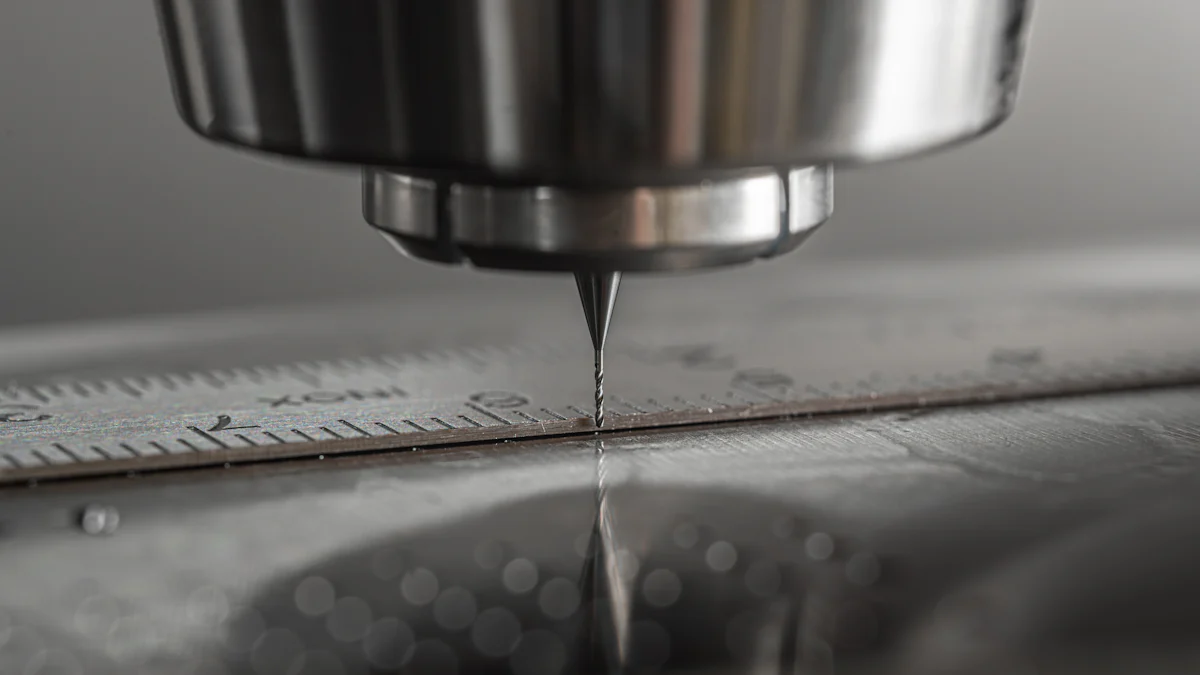
Aerospace Industry
CNC machining plays a critical role in aerospace manufacturing, where precision and reliability are paramount. You can use this technology to produce highly accurate components that meet stringent safety and performance standards. For example:
Electrical connectors ensure seamless communication for commercial aircraft, flight control, and navigation systems.
Valves manage the flow of fuel, propulsion, pneumatics, and fluids.
Oxygen-generating system components enhance safety and comply with strict regulations.
These CNC machined components contribute to the efficiency and safety of modern aircraft. By leveraging CNC machining, you can achieve the precision required for aerospace applications while maintaining compliance with industry standards.
Automotive Industry
The automotive industry has embraced CNC machining to revolutionize production and innovation. This technology ensures consistent and accurate part dimensions, improving engine efficiency and vehicle performance. Key benefits include:
Automation reduces reliance on manual labor, speeding up production cycles and increasing output.
Continuous operation minimizes downtime, maximizing production time.
CNC machines perform diverse operations like milling, turning, drilling, and grinding.
You can also modify CNC programs easily to accommodate design changes, making the process highly adaptable. These advancements allow you to produce machined components with precision and efficiency, meeting the demands of modern automotive manufacturing.
Medical and Healthcare Sector
CNC machining has transformed the medical field by enabling the production of reliable and customized solutions. You can use this technology to create identical components with precision and repeatability, ensuring consistent quality. Benefits include:
Flexibility in material choice, such as biocompatible metals and advanced plastics, to meet diverse medical needs.
Customization of implants and prosthetics, improving patient comfort and recovery times.
Reduced production time, allowing rapid responses to market demands.
Integration with CAD/CAM software enhances design flexibility and minimizes errors. By adopting CNC machining, you can streamline the production of medical devices, ensuring safety and innovation in healthcare.
Electronics and Consumer Goods
CNC machining has become a cornerstone in the production of electronics and consumer goods. You can rely on this technology to create intricate and high-precision components essential for modern devices. As consumer electronics evolve, the demand for smaller, more complex parts continues to grow. CNC machining meets this demand by delivering exceptional accuracy and consistency.
Applications in Electronics Manufacturing:
Fabricates intricate circuit board components.
Produces heat sinks and housings for electronic devices.
Ensures precision for small, detailed parts like connectors and switches.
The consumer electronics industry depends on CNC machining for devices such as smartphones, laptops, and wearables. These devices require components with fine details and intricate geometries. CNC machines excel in producing these parts, ensuring they meet the exact specifications needed for functionality and durability. For example, the precision of CNC machining allows you to manufacture compact smartphone frames that house advanced features without compromising quality.
In addition to electronics, CNC machining plays a vital role in consumer goods. You can use it to create durable and aesthetically pleasing products like kitchen appliances, power tools, and even custom furniture. The versatility of CNC machines enables you to work with various materials, including metals, plastics, and composites, ensuring high-quality results across different applications.
Tip: By leveraging CNC machining, you can stay ahead in industries where precision and innovation drive success.
Emerging Applications in Renewable Energy and Robotics
CNC machining is paving the way for advancements in renewable energy and robotics. You can see its impact in the production of components that require durability and precision to operate under challenging conditions. Here’s how CNC machining contributes to these fields:
Application | Description |
|---|---|
Wind Turbine Components | Produces turbine blades and rotors that withstand extreme weather and operational stress. |
Solar Panel Frames | Crafts robust frames with precise dimensions to maximize energy absorption. |
Hydropower Components | Manufactures turbine blades and other parts for efficient energy generation. |
Biomass Energy Systems | Creates specialized machinery components for processing organic materials into renewable energy. |
In robotics, CNC machining enables you to produce lightweight yet strong components for robotic arms, joints, and sensors. These parts require tight tolerances to ensure smooth and accurate movements. As robotics technology advances, CNC machining will remain essential for creating the intricate parts needed for automation and AI-driven systems.
By adopting CNC machining, you can contribute to the development of sustainable energy solutions and cutting-edge robotics. This technology ensures that the components you produce meet the highest standards of quality and performance.
Note: The integration of CNC machining in these emerging fields highlights its potential to drive innovation and address global challenges.
Advancements in CNC Technology
5-Axis Machining
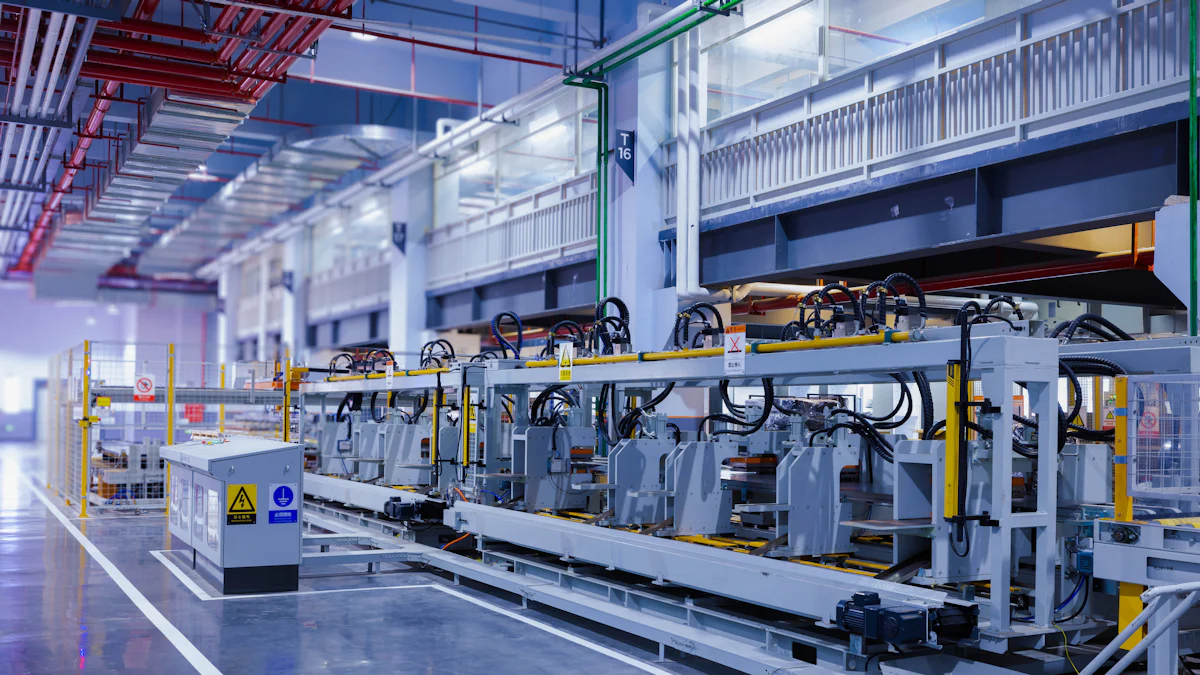
5-axis machining represents one of the most groundbreaking developments in CNC technology. This advanced machining method allows you to move tools or parts along five different axes simultaneously. By doing so, it eliminates the need for multiple setups, saving time and reducing errors. You can complete complex parts in a single configuration, which boosts efficiency and ensures superior precision.
Key advancements in 5-axis machining include:
Single-setup machining that enhances productivity.
Optimal cutting positions that extend tool life and improve cycle times.
Advanced CNC controls and software that adapt quickly to design changes.
This technology also offers unmatched versatility. You can produce customized parts with intricate geometries while maintaining high accuracy. By adopting 5-axis machining, you can achieve faster production cycles and meet the demands of modern manufacturing.
Material Versatility
CNC machining excels in handling a wide range of materials, making it indispensable across industries. Its ability to work with metals, plastics, composites, and ceramics expands its applications significantly.
Material Type | Applications |
|---|---|
Metals | Aluminum, Steel, Titanium |
Plastics | Various industrial components |
Composites | Aerospace and automotive parts |
Ceramics | Medical devices and tooling |
This versatility allows you to create components for diverse sectors, from aerospace to healthcare. CNC machining’s precision and efficiency ensure that each material meets the specific requirements of its application. Additionally, advancements in multi-axis machining and high-speed production enhance flexibility, enabling you to adapt quickly to changing demands. By leveraging this material versatility, you can address the needs of modern manufacturing processes effectively.
Integration with Automation and AI
The integration of automation and AI has transformed CNC machining into a cornerstone of Industry 4.0. IoT-connected CNC machines can communicate with each other and central systems, streamlining operations and enabling automatic adjustments. This connectivity enhances efficiency and reduces downtime.
Automation plays a pivotal role in optimizing production. AI and machine learning automate repetitive tasks, improving consistency and reducing human error. This leads to less waste and fewer reworks, saving both time and resources. Robotics further enhances CNC machining by enabling precise and flexible operations.
By embracing these advancements, you can tackle challenges like labor shortages and rising production costs while meeting the growing demand for high-quality products. The integration of automation and AI ensures that CNC machining remains at the forefront of technological innovation.
Real-Time Monitoring and IoT Connectivity
Real-time monitoring and IoT connectivity have transformed CNC machining into a smarter and more efficient process. By integrating IoT sensors, you can collect real-time data on machine performance, enabling immediate adjustments to maintain optimal operations. This approach ensures that your machines operate at peak efficiency, reducing errors and downtime.
IoT connectivity allows you to monitor and control CNC machines remotely. This capability improves response times and gives you greater flexibility in managing operations. For instance, if a machine encounters an issue, you can address it promptly without being physically present. This remote access enhances productivity and minimizes disruptions.
Real-time data also supports predictive maintenance. By analyzing machine condition data, AI-driven algorithms can forecast potential failures before they occur. This proactive approach reduces maintenance costs and prevents unexpected downtime. You can shift from traditional preventive maintenance to a predictive model, ensuring your machines remain operational for longer periods.
Here are some key benefits of real-time monitoring and IoT connectivity in CNC machining:
Machines can adjust workflows automatically based on real-time data, reducing manual intervention.
Operators can monitor performance remotely, improving operational flexibility.
Predictive maintenance algorithms analyze data to prevent failures and reduce costs.
Data-driven insights enhance decision-making across the manufacturing process.
This technology also helps you identify downtime issues accurately. With this understanding, you can improve training and refine strategies for setup and changeovers. These advancements ensure that your production processes remain efficient and adaptable to changing demands.
By embracing real-time monitoring and IoT connectivity, you can stay ahead in the competitive manufacturing landscape. This integration not only boosts efficiency but also positions your operations at the forefront of modern manufacturing technology.
The Future of CNC Machining in Industrial Production
Trends in Smart Manufacturing
Smart manufacturing is reshaping how you approach CNC machining. Increased automation allows machines to operate with minimal human intervention, streamlining complex processes. High-mix, low-volume manufacturing is becoming more common, enabling you to produce diverse products efficiently. Multipurpose CNC machines now perform multiple operations in one setup, reducing production time and errors.
You can also leverage resource management software to gain full control over production planning. This software optimizes workflows, ensuring that every step aligns with your goals. Additionally, sustainability trends are driving the adoption of energy-efficient machines and lean manufacturing practices. These advancements not only improve efficiency but also reduce waste, aligning with global environmental goals.
Role in Industry 4.0
CNC machining plays a pivotal role in Industry 4.0 by integrating advanced technologies like IoT and AI. IoT connectivity allows machines to communicate in real-time, enhancing coordination and reducing errors. You can monitor every aspect of the production process, ensuring optimal resource utilization. Predictive maintenance, powered by AI, minimizes downtime by identifying potential issues before they occur.
This integration also improves workplace safety. Automation reduces the need for manual intervention, allowing you to focus on strategic tasks. By adopting Industry 4.0 technologies, you can achieve shorter lead times, stringent quality control, and sustainable manufacturing practices.
Expanding Customization Capabilities
CNC machining is revolutionizing customization. Industry 4.0 enables you to switch seamlessly between mass production and customized products. This flexibility allows you to meet specific customer demands without sacrificing efficiency. CNC machines can quickly adapt to new specifications, making it easier to produce intricate and personalized components.
Technologies like 3D printing and robotics further enhance customization. You can create unique designs and prototypes rapidly, responding to market changes with agility. On-demand manufacturing reduces costs and waste, ensuring that your production processes remain both efficient and customer-focused. These advancements position CNC machining as a key driver of innovation in industrial production.
Addressing Challenges in Workforce Training and Cybersecurity
The rapid evolution of CNC machining has introduced new challenges in workforce training and cybersecurity. As CNC systems integrate advanced technologies like IoT and data analytics, the need for skilled workers has grown significantly. You must ensure that your workforce can operate and maintain these complex systems effectively. However, an aging workforce in the manufacturing sector has created a skills gap. This makes it essential to invest in targeted training programs that prepare the next generation of workers.
Training programs should focus on developing expertise in areas like programming, machine operation, and troubleshooting. Hands-on experience with CNC systems can help workers adapt to technological advancements. You can also incorporate online learning platforms and virtual simulations to make training more accessible. These tools allow workers to practice and refine their skills in a controlled environment, reducing the risk of errors during actual production.
Cybersecurity has become another critical concern in CNC machining. The increased connectivity of CNC systems enhances production efficiency and real-time monitoring. However, it also exposes your systems to potential cyber threats. Hackers can exploit vulnerabilities in interconnected machines, leading to data breaches or production disruptions. To address this, you must implement robust cybersecurity measures.
Start by securing your network with firewalls and encryption protocols. Regular software updates and patches can protect your systems from known vulnerabilities. Training your workforce in cybersecurity best practices is equally important. Workers should understand how to identify phishing attempts and follow protocols to safeguard sensitive information. By prioritizing cybersecurity, you can protect your operations and maintain the integrity of your production processes.
Addressing these challenges ensures that CNC machining remains a reliable and efficient tool in industrial production. By investing in workforce training and cybersecurity, you can stay ahead in the competitive manufacturing landscape.
CNC machining continues to redefine industrial production by enhancing precision, efficiency, and sustainability. You can now create intricate parts with tight tolerances that were once impossible to achieve manually. The integration of CAD/CAM software and multi-axis machining boosts flexibility, while IoT connectivity optimizes production processes. These advancements not only drive innovation but also address global challenges like waste reduction and energy efficiency. As the future of manufacturing evolves, embracing CNC technology will position you to meet growing demands and remain competitive in a rapidly changing landscape.
FAQ
What industries benefit the most from CNC machining?
CNC machining benefits industries like aerospace, automotive, medical, electronics, and renewable energy. You can use it to create precise components, improve efficiency, and meet strict quality standards. Its versatility makes it essential for producing parts in high-demand sectors requiring accuracy and reliability.
How does CNC machining reduce production costs?
CNC machining reduces costs by automating processes, minimizing material waste, and lowering labor expenses. You can optimize cutting paths and use fewer raw materials. Additionally, its precision reduces errors, saving time and resources during production.
Can CNC machines work with all materials?
CNC machines handle a wide range of materials, including metals, plastics, composites, and ceramics. You can choose materials based on your project’s requirements. For example, metals like aluminum and titanium suit aerospace, while biocompatible plastics work well in medical applications.
Is CNC machining environmentally friendly?
Yes, CNC machining supports sustainability. You can reduce waste by optimizing material usage and recycling scrap. Modern machines also feature energy-saving modes, and some even use renewable energy sources. These practices help lower your environmental impact.
What skills are needed to operate CNC machines?
To operate CNC machines, you need skills in programming, machine setup, and troubleshooting. You should also understand CAD/CAM software and basic machining principles. Training programs and hands-on experience can help you develop these essential skills.
Tip: Investing in training ensures you stay updated with advancements in CNC technology.
See Also
CNC Machining Innovations Revolutionizing Precision Manufacturing Techniques
Understanding CNC Precision Machining Benefits and Upcoming Trends
Exploring CNC Technology: Advancements and Its Manufacturing Applications
CNC Technology Journey: Past Developments and Future Innovations
Recent CNC Machining Developments Shaping Precision Engineering Practices
About US
Follow Us
Your prototype holds unparalleled significance, and we deeply value its uniqueness. Collaborating with you during the preparation phase for running your prototype or parts is a commitment we gladly embrace. Whether it's a single part or a complex assembly, we are dedicated to selecting the optimal tools and pathways to bring your envisioned product to life.
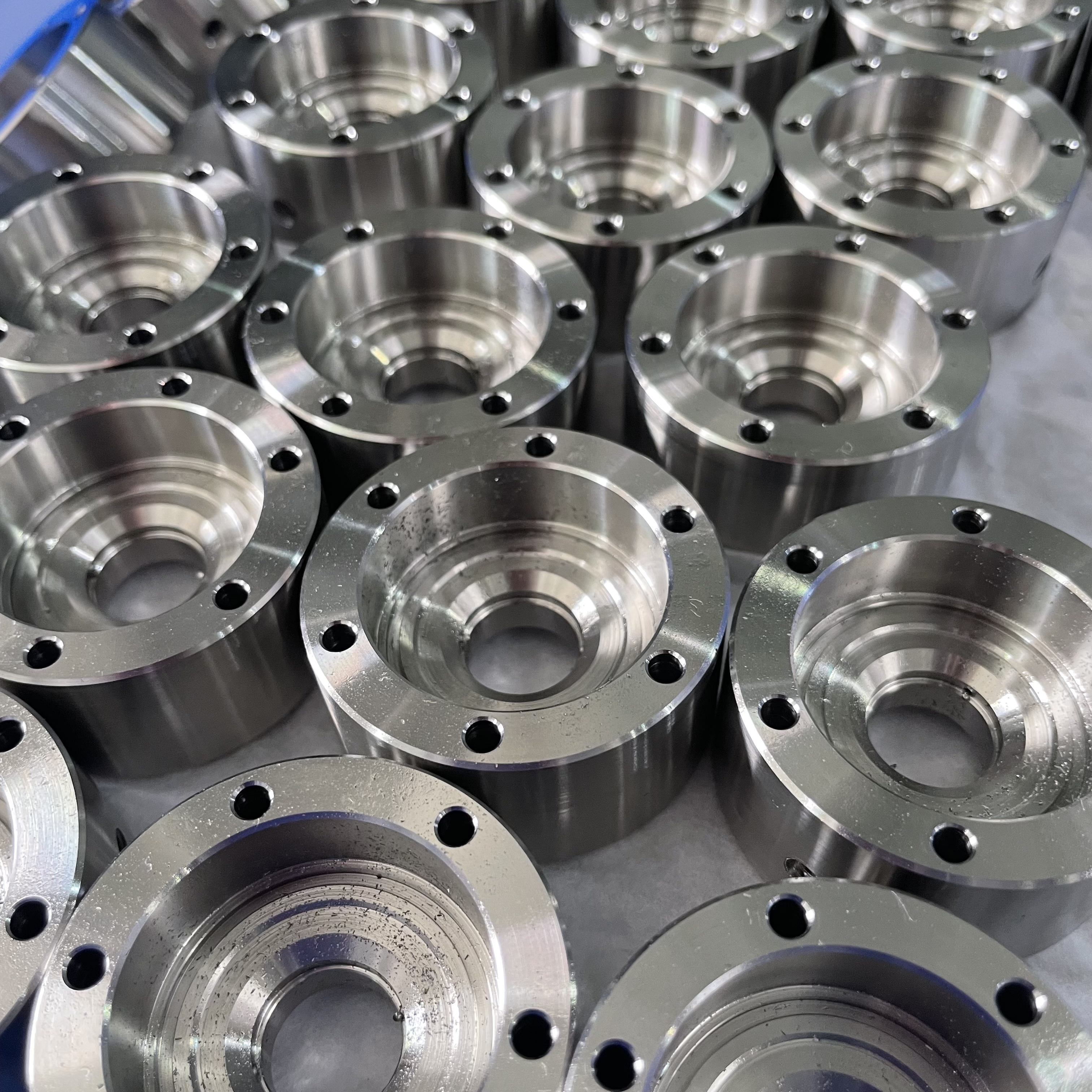
At Precision Fab CNC Machining, we specialize in producing parts for prototypes, short runs, and high-volume production. Our prototyping machine capabilities extend across metal, plastic, and wood machining, with welding fabrication services available to complement and finalize your prototype if required.
Address
Address: Room320 10F, Building A,Nanshan international building, Dayawan District, Huizhou, Guangdong, 516001 China
Contacts
billy@timaycnc.com