Challenges of CNC Machining Gold and Silver Components

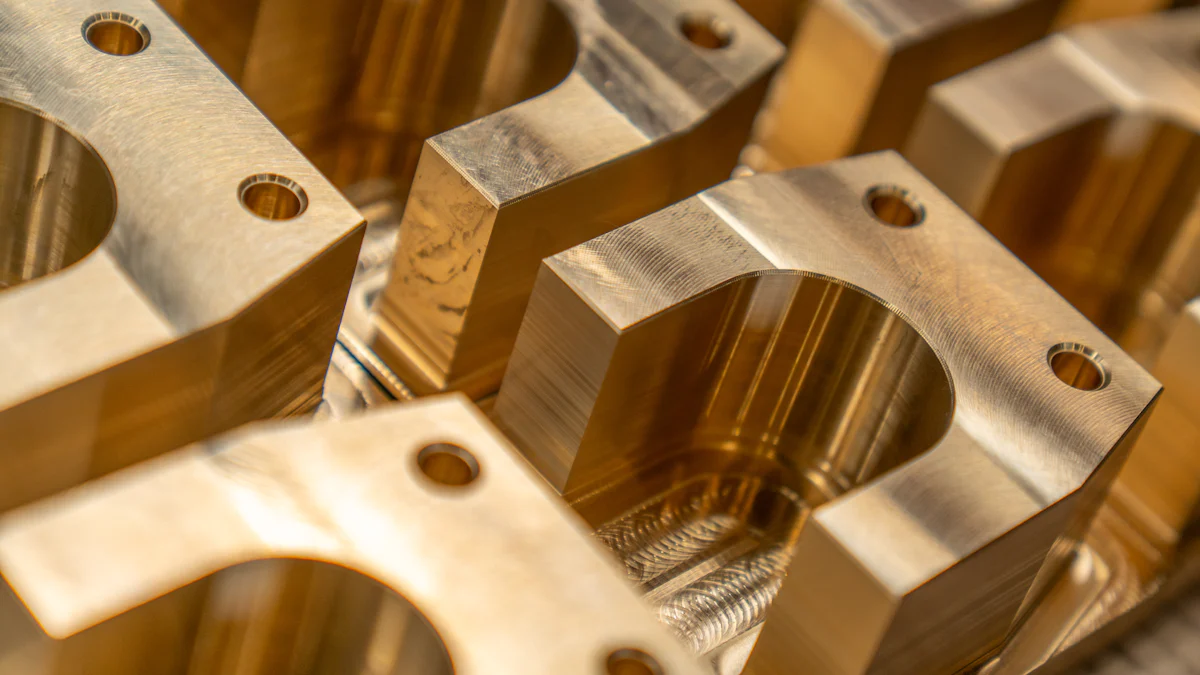
Gold and silver bring unique challenges to CNC machining. Their softness and high ductility make them prone to producing long, stringy chips during the process. This behavior, often called "gumminess," can lead to poor surface finishes and reduced precision. You may also notice material buildup on cutting tools, which shortens their lifespan. These issues demand careful attention to machining techniques and tool maintenance. Addressing these challenges ensures you achieve the desired quality while minimizing waste.
Key Takeaways
Gold and silver are soft metals needing sharp tools to cut cleanly.
Cooling methods, like mist coolants, help control heat and keep accuracy.
Taking care of CNC machines, like checking tools and coolants, avoids problems.
Adjusting settings, like speed and feed rates, makes smoother surfaces and saves tools.
Training workers improves their skills to handle precious metal machining challenges.
Material Challenges in CNC Machining Gold and Silver
Softness and Malleability
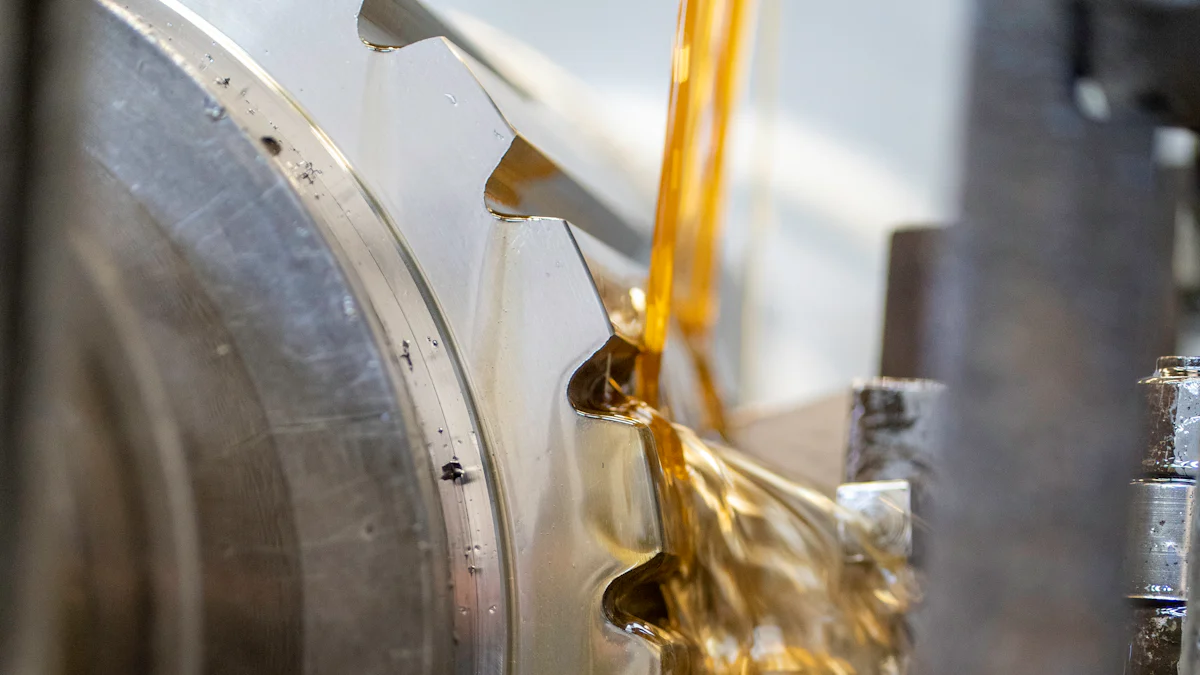
Gold and silver are among the softest metals used in CNC machining. Their malleability makes them prone to deformation during the machining process. You need to select sharper cutting tools to handle the gummy nature of these metals effectively. Without proper tools, the high ductility of gold and silver can lead to long, stringy chips that compromise surface finish and reduce tool life. To address this, lubrication or mist coolant application becomes essential. These techniques improve feed rates and help maintain the integrity of the material.
Additionally, machining these metals requires higher RPM settings. This ensures smoother cuts and reduces the risk of material buildup on the tools. However, you must carefully monitor heat generation to prevent warping or deformities, especially when working with wax molds. Cooling systems or water jet CNC machines can help manage heat and reduce tooling changes.
Thermal Conductivity
Gold and silver have excellent thermal conductivity, which presents unique challenges during machining. These metals quickly transfer heat away from the cutting zone, making it harder to maintain consistent temperatures. You need to apply proper cooling techniques to prevent overheating of tools and ensure dimensional accuracy. Without adequate cooling, the heat generated during machining can cause surface defects or distortions in the final product.
Using mist coolants or specialized cooling systems can help you manage this issue. These methods not only protect the tools but also enhance the overall machining process. By controlling heat effectively, you can achieve better precision and reduce the risk of material waste.
Density and Weight
The high density of gold and silver adds another layer of complexity to CNC machining. These metals are significantly heavier than most materials, which can affect machine calibration and tool wear. You need to ensure that your CNC machine is properly calibrated to handle the weight of these metals. This step is crucial for maintaining tight tolerances and achieving the desired surface finish.
The weight of these metals also increases the importance of minimizing waste. Even small errors during machining can lead to significant material loss, which directly impacts costs. By understanding the properties of gold and silver, you can optimize your machining parameters and reduce unnecessary waste.
Tool Wear and Maintenance in CNC Machining
Abrasive Nature of Precious Metals
Gold and silver may seem soft, but their machining can still wear down tools quickly. Their ductility causes long, stringy chips to form, which can damage cutting edges and reduce tool life. This phenomenon, often called "gumminess," also leads to built-up edges on tools. These edges can break off and gouge the workpiece, compromising tolerances and surface quality.
To address these challenges, you should use sharp cutting tools designed specifically for precious metals. Tools with specialized flute designs can help manage chip formation and improve machining efficiency. Regularly inspecting tools for wear and replacing them when necessary ensures consistent results and prevents damage to your CNC machine.
Tool Coating and Material Selection
Choosing the right tool coating is essential when machining gold and silver. Coatings improve tool performance by reducing friction, enhancing wear resistance, and extending tool life. For precious metals, amorphous diamond coatings work exceptionally well. They provide excellent lubricity and wear resistance without rounding the cutting edge. Zirconium nitride coatings offer a cost-effective alternative, delivering high hardness and abrasion resistance.
Coating Type | Key Features | Suitable Materials | Max Working Temp | Hardness (HV 0.05) | Coefficient of Friction |
|---|---|---|---|---|---|
Amorphous Diamond | Improves lubricity and wear resistance; thin coating prevents edge rounding. | Gold, Silver, Copper, Brass, etc. | 750° F | 7,954 - 8,973 | 0.10 |
Zirconium Nitride | High hardness, lubricity, and abrasion resistance; cost-effective alternative. | Brass, Bronze, Copper, Aluminum Alloys | 1,100° F | 2,243 | 0.40 |
Selecting the right coating depends on your specific machining needs. Consider factors like material type, desired surface finish, and budget when making your choice.
Regular Maintenance Practices
Proper maintenance of your CNC machine is critical when working with precious metals. Coolant management plays a key role in dissipating heat and preventing tool wear. Ensure coolant levels and concentration remain optimal. Efficient cooling of spindles also helps avoid overheating, which can affect machining accuracy.
Lubricating moving parts regularly keeps your machine running smoothly and reduces wear. Monitor hydraulic and other fluid levels to detect unusual consumption early. Cleaning machine surfaces frequently ensures a precise work environment, free from debris that could interfere with machining.
Establishing a maintenance schedule tailored to your shop's needs minimizes downtime and ensures consistent performance. Proactive maintenance prevents unexpected breakdowns, saving you time and money in the long run.
Achieving Precision in CNC Machining
Importance of Tight Tolerances
Precision is critical when machining gold and silver. These metals are highly malleable, making it challenging to achieve tight tolerances. Every contact during machining can alter the final dimensions. You must control the process carefully to maintain accuracy.
Several factors influence tolerances:
Hardness determines how easily the material can be machined.
Density affects the material's response to machining forces.
Heat stability dictates how the material behaves under machining conditions.
Gold and silver require precise machining techniques to meet these demands. Using sharp tools and maintaining consistent feed rates ensures better control. Proper cooling systems also help prevent heat-related distortions. By addressing these factors, you can achieve the tight tolerances needed for high-quality results.
Surface Finish Quality
The surface finish of gold and silver components directly impacts their appearance and functionality. These metals are prone to scratches and imperfections during machining. You need to use sharp cutting tools to minimize surface defects. Tools made from durable materials like carbide are ideal for this purpose.
Effective cooling and lubrication systems also play a vital role. They reduce friction and heat, which can cause surface irregularities. Maintaining optimal spindle speeds further enhances the finish quality. By focusing on these aspects, you can produce components with smooth, polished surfaces that meet industry standards.
CNC Machine Calibration
Proper calibration of your CNC machine is essential for precision machining. Gold and silver's unique properties demand accurate machine settings. Regularly calibrating tools ensures consistent performance. You should also control the machine's temperature to minimize expansion issues.
Follow these best practices for calibration:
Use sharp tools made from durable materials.
Set spindle speeds based on the material's hardness.
Implement effective cooling and lubrication systems.
These steps help maintain accuracy and reduce errors. A well-calibrated machine ensures that your components meet the required specifications every time.
Cost Considerations in Machining Precious Metals
Material Costs and Waste Minimization
Gold and silver are among the most expensive materials used in CNC machining. Their high costs stem from their scarcity, complex refinement processes, and the energy-intensive methods required to produce them. These factors make their raw material costs significantly higher than metals like steel or aluminum. Even small amounts of waste can lead to substantial financial losses.
To minimize waste, you can adopt several strategies. Optimizing material consumption reduces raw material costs. For example, using precise cutting paths and nesting techniques ensures maximum utilization of the material. Waste reduction also improves operational efficiency by lowering cleanup and disposal efforts. Additionally, sustainable waste management practices enhance your company's reputation by promoting eco-friendly production.
Material waste is a major concern when machining precious metals.
Effective waste management prevents unnecessary expenses.
Implementing waste minimization strategies improves financial outcomes.
By focusing on these approaches, you can reduce costs while maintaining high-quality results.
Operational Costs
Machining gold and silver involves unique challenges that can increase operational costs. Their softness and ductility require specialized cutting tools, which often wear out faster. This increases the frequency of tool replacements and maintenance. High ductility also leads to issues like "gumminess," which affects surface finish and tool life. Managing these properties requires precise techniques and advanced equipment, further adding to costs.
Cooling systems, lubricants, and calibration efforts also contribute to operational expenses. However, investing in these measures ensures better efficiency and reduces long-term costs. By balancing these factors, you can maintain profitability while achieving precision.
Balancing Cost and Quality
Balancing cost and quality is essential when machining precious metals. While reducing expenses is important, compromising on quality can lead to defects and rework, which ultimately increase costs. You should prioritize precision and surface finish to meet industry standards.
Investing in high-quality tools and equipment may seem costly upfront, but it enhances return on investment. Effective machining strategies, such as optimizing feed rates and using proper cooling systems, improve efficiency and reduce waste. By focusing on both cost and quality, you can achieve better financial outcomes and maintain customer satisfaction.
Best Practices for CNC Machining Gold and Silver
Selecting the Right CNC Machine
Choosing the right CNC machine is essential for machining gold and silver effectively. These metals require machines that can handle their unique properties, such as softness and high ductility. Look for a CNC machine equipped with features like high-speed spindles, which allow for higher RPMs. This ensures smoother cuts and reduces the risk of material deformation. Machines with built-in cooling systems are also beneficial. They help manage heat during machining, preventing warping and maintaining dimensional accuracy.
You should also consider machines with jewelry-specific add-ons. These include precise spindle adjustments for intricate designs and better control over small diameters. Such features enhance precision and reduce material waste. Additionally, sharp cutting tools and specific end mill designs, such as 3 or 4-flute configurations, are crucial. These tools manage the gummy nature of gold and silver, ensuring a clean finish. By selecting a machine tailored to these needs, you can achieve consistent, high-quality results.
Optimizing Machining Parameters
Optimizing machining parameters is key to working with precious metals. Start by adjusting feed rates and spindle speeds to match the softness of gold and silver. Higher RPMs combined with slower feed rates often yield better results. This approach minimizes tool wear and improves surface finish.
Lubrication plays a vital role in optimizing parameters. Mist coolant or lubrication systems reduce friction and heat, which can otherwise damage the material or tools. Proper cooling also prevents built-up edges on tools, ensuring smoother cuts. Regularly monitor and fine-tune these parameters based on the specific project requirements. This helps you maintain precision and reduce material waste.
Training and Expertise
Investing in training and expertise is just as important as having the right equipment. Operators must understand the unique challenges of machining gold and silver. Training programs should focus on material properties, tool selection, and machine calibration. Skilled operators can identify issues like tool wear or improper settings early, preventing costly mistakes.
Hands-on experience with CNC machining enhances problem-solving skills. It allows operators to adapt quickly to challenges, such as managing chip formation or achieving tight tolerances. By prioritizing training, you ensure that your team can handle the complexities of machining precious metals with confidence.
CNC machining gold and silver demands careful attention to material properties, tool wear, precision, and costs. Advanced technology plays a vital role in improving accuracy and speed. It enables you to create intricate designs while minimizing waste. Modern CNC machines also combine engraving and cutting, streamlining production and reducing errors. Skilled operators further enhance outcomes by identifying issues early and optimizing processes. Implementing best practices, such as regular maintenance and precise calibration, ensures consistent quality. By combining advanced tools with expertise, you can achieve reliable results and cost efficiency when working with precious metals.
FAQ
What tools work best for machining gold and silver?
Sharp carbide tools with specialized coatings like amorphous diamond or zirconium nitride work best. These tools reduce friction, improve wear resistance, and handle the gummy nature of precious metals effectively.
How can you minimize waste when machining gold and silver?
Use precise cutting paths, nesting techniques, and optimized machining parameters. These strategies maximize material usage and reduce waste. Regularly inspect tools and machines to avoid errors that lead to material loss.
Why is cooling important in CNC machining precious metals?
Cooling prevents heat buildup, which can cause warping, surface defects, or tool wear. Mist coolants or specialized cooling systems help maintain dimensional accuracy and improve surface finish quality.
How do you achieve a polished surface finish on gold and silver?
Use sharp tools, slower feed rates, and effective lubrication. Proper spindle speed and cooling systems also reduce friction and heat, ensuring a smooth, polished finish.
What CNC machine features are essential for gold and silver?
High-speed spindles, built-in cooling systems, and precise adjustments for intricate designs are essential. Machines with jewelry-specific add-ons enhance precision and reduce material waste.
See Also
Discovering CNC Machining Solutions for Accurate Production
Perfecting CNC Machining Techniques for Precise Component Creation
Fulfilling Standards for Precision CNC Machining of Components
Grasping Material Needs for CNC Precision Machining Processes
Investigating CNC Technology and Precision Engineering in Electronics
About US
Follow Us
Your prototype holds unparalleled significance, and we deeply value its uniqueness. Collaborating with you during the preparation phase for running your prototype or parts is a commitment we gladly embrace. Whether it's a single part or a complex assembly, we are dedicated to selecting the optimal tools and pathways to bring your envisioned product to life.
At Precision Fab CNC Machining, we specialize in producing parts for prototypes, short runs, and high-volume production. Our prototyping machine capabilities extend across metal, plastic, and wood machining, with welding fabrication services available to complement and finalize your prototype if required.
Address
Address: Room320 10F, Building A,Nanshan international building, Dayawan District, Huizhou, Guangdong, 516001 China
Contacts
billy@timaycnc.com