How CNC Services Contribute to Green Manufacturing Initiatives

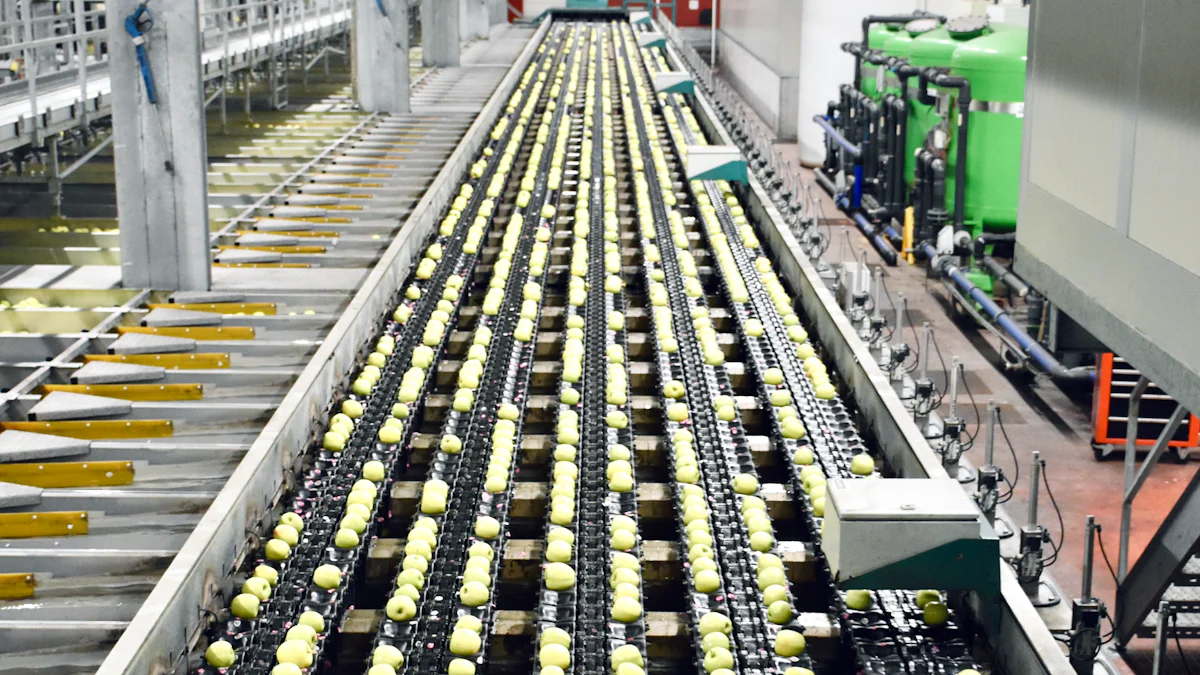
CNC machining empowers you to embrace green manufacturing by prioritizing sustainability at every step. Unlike traditional methods, CNC machining reduces energy consumption through advanced technologies and renewable energy sources, lowering your carbon footprint. It also optimizes material usage, ensuring minimal waste while supporting recycling and circular economy principles. Emerging trends like IoT and AI integration further enhance efficiency, enabling fast and efficient production with reduced environmental impact. By adopting sustainable practices, CNC manufacturing not only protects the planet but also ensures a future where innovation and responsibility go hand in hand.
Key Takeaways
CNC machines use less energy and cut carbon emissions with new tech and green energy.
Using precise machining and nesting saves materials and reduces waste.
Recycling and reusing scrap materials help save resources and follow eco-friendly rules.
Energy-saving machines and green energy make work cheaper and more sustainable.
Making products only when needed and reusing materials lowers waste in CNC work.
Material Efficiency in CNC Machining
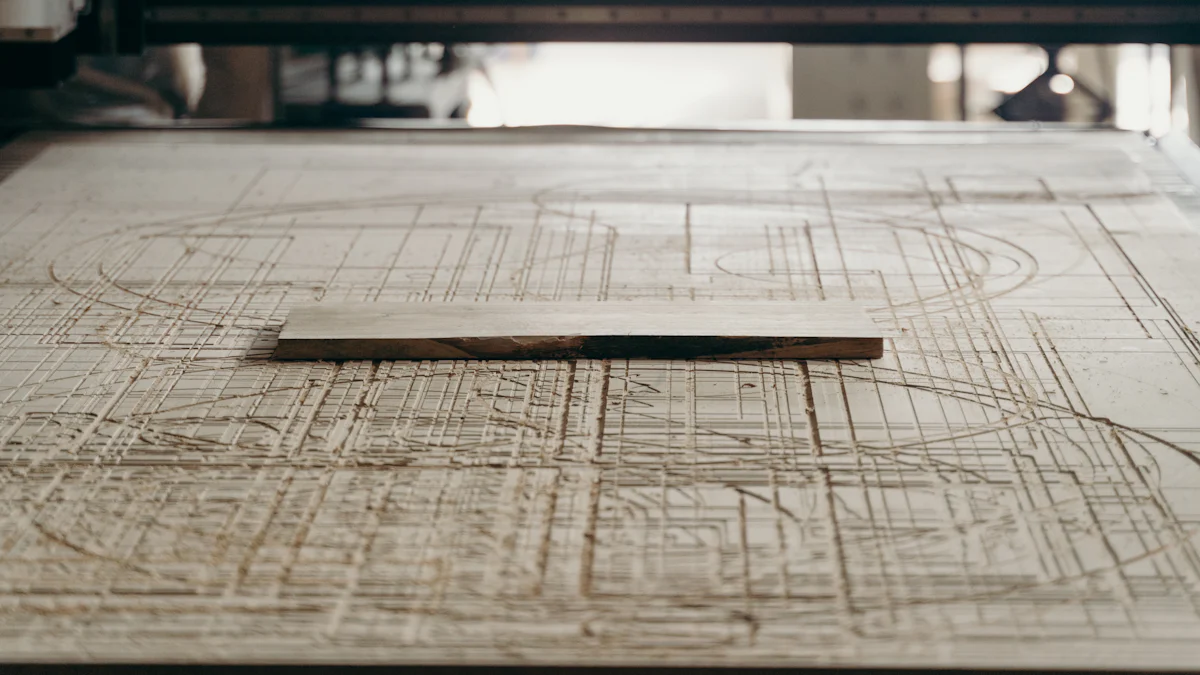
Optimized Material Usage
Precision machining for minimal waste
CNC machining empowers you to achieve unmatched precision, ensuring minimal material waste during production. By leveraging advanced programming and cutting-edge tools, you can create high precision parts that meet exact specifications. This approach eliminates the need for excessive material removal, reducing scrap and conserving resources. Industries like automotive, medical devices, and consumer electronics benefit significantly from this. For example:
Automotive manufacturers use lightweight, high precision parts to improve fuel efficiency.
Medical device companies rely on CNC precision machining to produce instruments and implants with exceptional accuracy, ensuring patient safety.
Consumer electronics demand compact, high precision components to deliver feature-rich devices.
When you prioritize precision, you not only enhance material efficiency but also contribute to sustainable manufacturing practices.
Nesting techniques for efficient material cutting
Nesting techniques take material efficiency to the next level. By strategically arranging parts on raw materials, you can maximize usage and minimize waste. CNC machining software enables you to optimize cutting patterns, ensuring every inch of material serves a purpose. This method is especially effective when working with expensive or limited resources like metals and composites. Nesting not only reduces waste but also lowers costs, making your manufacturing process more sustainable and cost-effective.
Recycling and Circular Economy
Repurposing scrap materials in production
Recycling plays a vital role in CNC machining by supporting the circular economy. Scrap materials generated during production can be repurposed into new components, reducing the need for virgin resources. For instance, leftover metal shavings can be melted down and reused, while plastic scraps can be reprocessed into raw material for future projects. This approach not only conserves resources but also aligns your operations with eco-friendly manufacturing goals.
Collaborating with recycling programs for metal and plastic waste
Partnering with specialized recycling programs ensures that your metal and plastic waste doesn’t end up in landfills. These programs help you process excess material efficiently, turning waste into valuable resources. Additionally, CNC machining allows you to adopt sustainable practices like dry machining and closed-loop systems, which further enhance your recycling efforts. By embracing these methods, you can reduce your environmental footprint while maintaining the quality of your high precision parts.
Energy Conservation in CNC Operations
Energy-Efficient CNC Machines
Features like energy-saving modes and variable frequency drives
Energy-efficient CNC machines are transforming how you approach manufacturing. These machines come equipped with advanced features like energy-saving modes and variable frequency drives, which optimize tool usage and reduce unnecessary energy consumption. For instance, standby modes automatically switch machines to low-energy states during downtime, conserving power without interrupting operations. Software solutions, such as the Sinumerik CNC by Siemens, allow you to monitor and manage energy use effectively. By adopting these technologies, you can significantly lower electricity consumption, which accounts for over half of the energy used in manufacturing.
Reducing energy use through optimized machine setups
Optimized machine setups further enhance energy efficiency in CNC machining. Modern advancements, such as smaller and lighter components, reduce energy demands while maintaining precision. Rigid structural designs and lower torque spindles improve performance without excessive power usage. IoT-enabled systems take this a step further by monitoring energy consumption in real time, ensuring every process operates at peak efficiency. These innovations not only conserve energy but also align your operations with green energy goals, making your facility more sustainable.
Renewable Energy Integration
Powering CNC facilities with solar and wind energy
Integrating renewable energy sources like solar and wind power into your CNC facilities can revolutionize your approach to green manufacturing. By reducing reliance on non-renewable energy, you lower your carbon footprint and contribute to a sustainable future. CNC machining processes already consume less energy compared to traditional methods, making them ideal for renewable energy integration. Facilities powered by green energy encourage eco-friendly practices, reduce waste, and align with global sustainability goals. This shift not only benefits the environment but also enhances your facility’s reputation as a leader in green manufacturing.
Using energy storage systems for consistent operations
Energy storage systems ensure consistent operations, even when renewable energy sources fluctuate. These systems store excess energy generated during peak production times, providing a reliable power supply when solar or wind energy is unavailable. This approach supports continuous CNC machining, enabling you to produce precision parts efficiently without interruptions. While the initial investment in renewable energy technologies may seem significant, the long-term savings in energy costs and reduced environmental impact make it a worthwhile endeavor. By embracing renewable energy and storage solutions, you position your facility as a pioneer in green energy adoption.
Sustainable Practices in CNC Machining
Lean Manufacturing and Waste Reduction
Just-in-time (JIT) production to avoid overproduction
You can revolutionize your CNC machining processes by adopting just-in-time (JIT) production. This method ensures you produce only what your customers need, precisely when they need it. By aligning production with demand, you eliminate overproduction and reduce waste. Unlike traditional push systems that create excess inventory, JIT pulls production based on real-time orders. This approach minimizes material usage and prevents unnecessary energy consumption. It also enhances your ability to deliver high-precision parts efficiently, meeting customer expectations while supporting sustainable practices.
Closed-loop systems for continuous improvement
Closed-loop systems take waste reduction to the next level. These systems collect and reintroduce waste materials, such as scrap metal or coolant fluids, back into the production cycle. For instance, closed-loop coolant systems recycle and filter fluids, significantly reducing water usage. This not only lowers costs but also conserves resources. By implementing closed-loop systems, you create a cycle of continuous improvement, ensuring your CNC machining operations remain efficient and sustainable. This strategy aligns perfectly with lean manufacturing principles, helping you achieve minimal environmental impact while maintaining high precision.
Minimizing Environmental Impact
Reducing emissions through efficient machining processes
Efficient machining processes are key to reducing emissions in CNC machining. By using advanced nesting software, you can optimize material layouts and minimize scrap. This reduces the need for additional resources, lowering your carbon footprint. Additionally, lean manufacturing principles help you cut down on energy consumption and material waste. Repurposing cuttings and shavings or converting waste into resources for other processes further supports a circular economy. These strategies not only enhance efficiency but also ensure your operations have minimal environmental impact.
Lowering transportation needs with digital file transfers
Digital file transfers offer a simple yet powerful way to reduce transportation-related emissions. By sending electronic CAD files directly to CNC facilities, you eliminate the need for physical travel. This reduces your carbon footprint and streamlines the manufacturing process. With digital transfers, you can collaborate with clients and suppliers seamlessly, ensuring precision and efficiency in every project. This approach aligns with green manufacturing goals, helping you achieve sustainable operations with minimal environmental impact.
Water Conservation in CNC Machining
Dry Machining Techniques
Eliminating coolant fluids in specific applications
You can make a significant impact on water conservation by adopting dry machining techniques. These methods eliminate the need for coolant fluids in specific applications, leading to substantial water savings. By removing coolant from the equation, you simplify the machining process and reduce the environmental challenges associated with coolant disposal. This approach not only conserves water but also enhances your facility’s sustainability efforts. Dry machining minimizes waste treatment requirements, making it an excellent choice for eco-conscious manufacturing.
Advanced cutting tools to reduce water usage
Advanced cutting tools play a vital role in reducing water usage during CNC machining. These tools are designed to perform efficiently without relying on coolant fluids. For example:
Dry machining techniques reduce the need for coolant, conserving water and lowering environmental impact.
Closed-loop coolant systems recycle and reuse fluids, significantly decreasing water demand.
By using these innovative tools, you can achieve precision machining while protecting valuable water resources. This strategy aligns perfectly with your commitment to sustainable manufacturing practices.
Closed-Loop Cooling Systems
Recycling water in cooling processes
Closed-loop cooling systems revolutionize water conservation in CNC machining. These systems recycle and reuse coolant fluids, drastically reducing the need for fresh water. By capturing and filtering used coolant, you create a continuous cycle that minimizes water intake. This approach not only conserves resources but also reduces the environmental impact of wastewater discharge. With closed-loop systems, you can maintain efficient operations while prioritizing sustainability.
Filtration systems to minimize water waste
Filtration systems take water conservation to the next level. By filtering and reusing coolant fluids, you can significantly lower the amount of hazardous waste generated. For instance, a facility starting with 500 gallons of used coolant can reduce this to just 50 gallons of waste through filtration. This process not only minimizes environmental harm but also saves costs on coolant purchases and waste disposal. By implementing filtration systems, you demonstrate a strong commitment to eco-friendly CNC machining practices.
Eco-Friendly Facility Designs
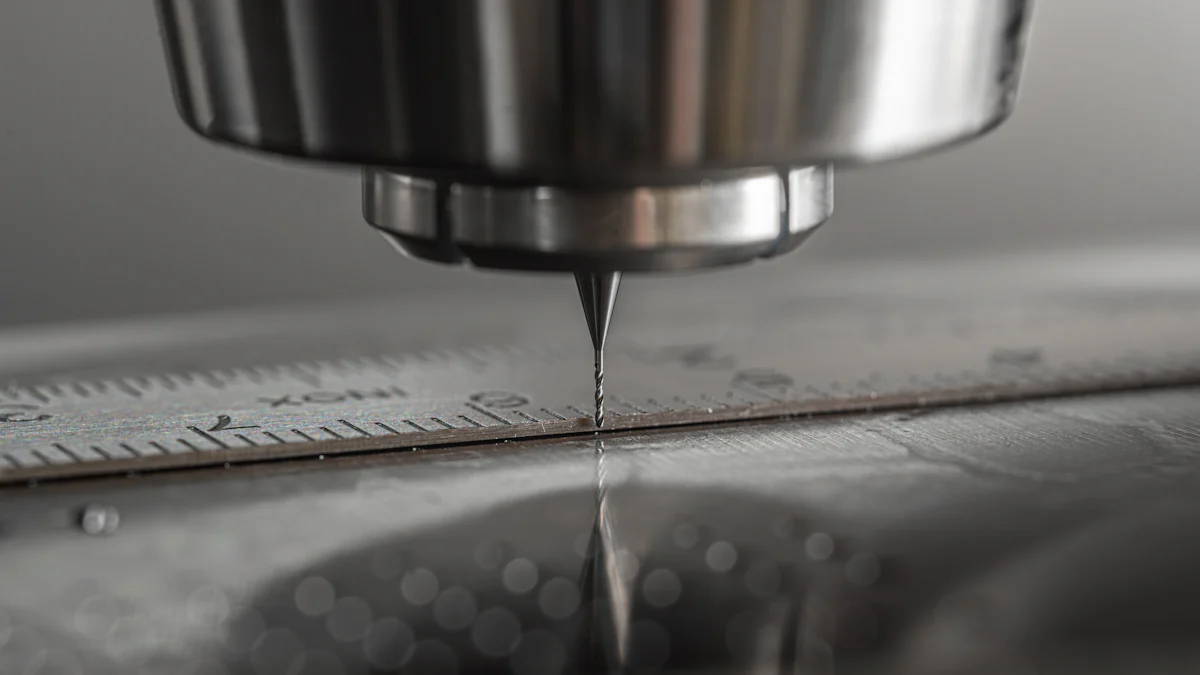
Sustainable Materials in CNC Operations
Using biodegradable or recyclable materials
You can transform your CNC machining processes by choosing biodegradable or recyclable materials. These materials not only reduce waste but also support a zero-waste mindset. For example:
Recycled aluminum significantly lowers energy use during production compared to virgin aluminum.
Bamboo composites, a renewable resource, offer durability and sustainability.
Bioplastics like PLA provide biodegradable options for low-stress applications.
Recycled plastics, such as rPET, shorten manufacturing cycles and reduce pollution.
Low-carbon steel delivers strength while producing fewer CO2 emissions.
By using these green materials, you reduce the demand for virgin resources and minimize your carbon footprint. This environmentally friendly approach ensures your operations align with sustainable manufacturing goals.
Sourcing from environmentally responsible suppliers
Sourcing materials from environmentally responsible suppliers strengthens your commitment to sustainability. These suppliers integrate environmental, social, and governance (ESG) criteria into their practices. This approach minimizes harm to ecosystems, biodiversity, and natural resources. It also helps mitigate climate change by reducing carbon emissions and promoting energy efficiency. By partnering with such suppliers, you contribute to the preservation of environmental balance and the long-term sustainability of our planet.
Green Facility Features
Energy-efficient lighting and HVAC systems
Incorporating energy-efficient lighting and HVAC systems into your CNC facilities can drastically reduce energy consumption. LED lights use up to 75% less energy than traditional bulbs and last longer, cutting maintenance costs. Smart lighting controls adjust based on occupancy or natural light levels, optimizing energy use. Daylight harvesting further reduces energy needs by supplementing artificial lighting with natural light. Energy-efficient HVAC systems, equipped with variable speed motors and programmable thermostats, maintain comfort while lowering energy use. These features not only save costs but also align your facility with green energy initiatives.
Natural ventilation and insulation for reduced energy use
Natural ventilation and proper insulation enhance your facility’s energy efficiency. Ventilation systems that utilize fresh air reduce the need for mechanical cooling, conserving energy. High-quality insulation minimizes heat loss in winter and keeps interiors cool in summer, reducing HVAC reliance. These green features create a comfortable working environment while lowering energy use. By adopting these practices, you demonstrate a strong commitment to sustainable and environmentally friendly operations.
CNC machining stands as a vital pillar in green manufacturing, driving sustainable progress across industries. By integrating eco-friendly practices, you can reduce waste, conserve energy, and align with global sustainability goals. This technology minimizes environmental impact through precise cutting, optimized energy usage, and innovative techniques like dry machining.
Adopting CNC services allows you to embrace recycling and circular economy principles while maintaining high efficiency and quality. Companies that prioritize sustainability often see measurable outcomes, such as reduced costs, improved reputation, and increased revenue. For example:
Measurable Outcome | Description |
|---|---|
Improved environmental impact | Reducing energy consumption and waste helps lower carbon footprint and environmental damage. |
Reduced costs | Less material waste leads to lower purchasing costs and reduced energy bills. |
Greater reputation and increased revenue | Sustainable practices attract environmentally conscious customers, boosting revenue potential. |
By investing in CNC machining, you contribute to a greener future for manufacturing. These advancements position your operations as a leader in sustainable innovation, ensuring long-term success while protecting the planet.
🌱 "Sustainability is not just a choice; it’s the path to a thriving future."
FAQ
What makes CNC machining eco-friendly?
CNC machining minimizes waste by using precise cutting techniques and advanced software. It also supports recycling and integrates energy-efficient technologies. These practices help you reduce your environmental footprint while maintaining high-quality production standards. 🌍
How does CNC machining conserve energy?
Energy-efficient CNC machines use features like standby modes and optimized setups. You can also power facilities with renewable energy sources like solar or wind. These strategies lower energy consumption and align your operations with green manufacturing goals. ⚡
Can CNC machining reduce water usage?
Yes! Dry machining techniques eliminate coolant fluids in specific applications. Closed-loop cooling systems recycle water, reducing waste. These methods help you conserve water while maintaining precision and efficiency in your operations. 💧
How does CNC machining support the circular economy?
CNC machining repurposes scrap materials and collaborates with recycling programs. By reusing metal shavings or plastic scraps, you reduce the need for virgin resources. This approach aligns your manufacturing with circular economy principles. ♻️
Are eco-friendly CNC practices cost-effective?
Absolutely! Sustainable practices like material optimization and energy conservation lower costs. Recycling and water-saving techniques reduce expenses further. By adopting these methods, you save money while contributing to a greener future. 💰
🌟 Tip: Small changes in your CNC processes can lead to big environmental and financial benefits. Start today!
See Also
Understanding CNC Technology's Role in Modern Manufacturing Innovations
Investigating Precision Manufacturing Through CNC Machining Solutions
Uncovering Seven Advantages of CNC Machining in Manufacturing
Streamlined CNC Machining Solutions for Accurate Manufacturing Needs
About US
Follow Us
Your prototype holds unparalleled significance, and we deeply value its uniqueness. Collaborating with you during the preparation phase for running your prototype or parts is a commitment we gladly embrace. Whether it's a single part or a complex assembly, we are dedicated to selecting the optimal tools and pathways to bring your envisioned product to life.
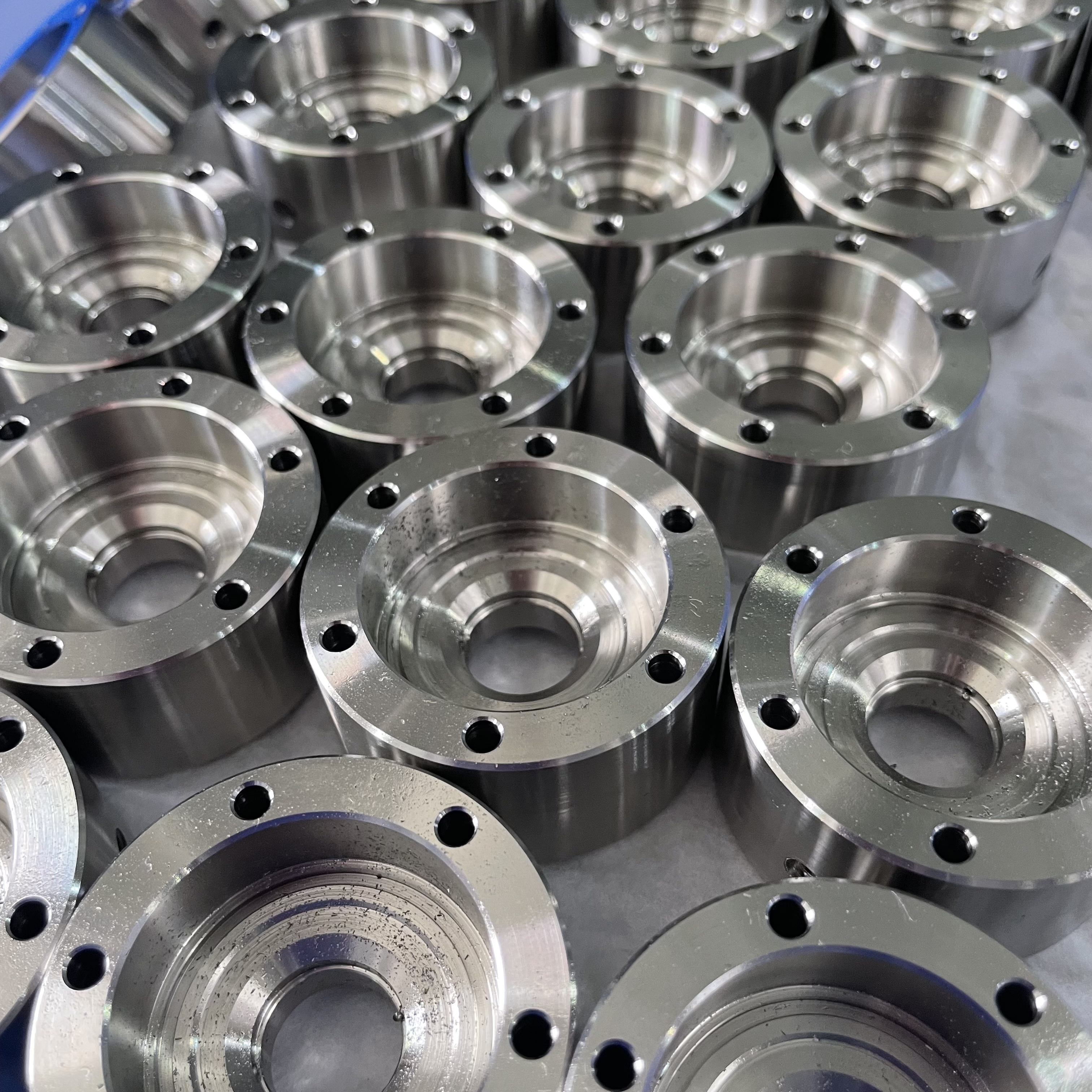
At Precision Fab CNC Machining, we specialize in producing parts for prototypes, short runs, and high-volume production. Our prototyping machine capabilities extend across metal, plastic, and wood machining, with welding fabrication services available to complement and finalize your prototype if required.
Address
Address: Room320 10F, Building A,Nanshan international building, Dayawan District, Huizhou, Guangdong, 516001 China
Contacts
billy@timaycnc.com