How CNC Machining Aligns with Green Manufacturing Standards

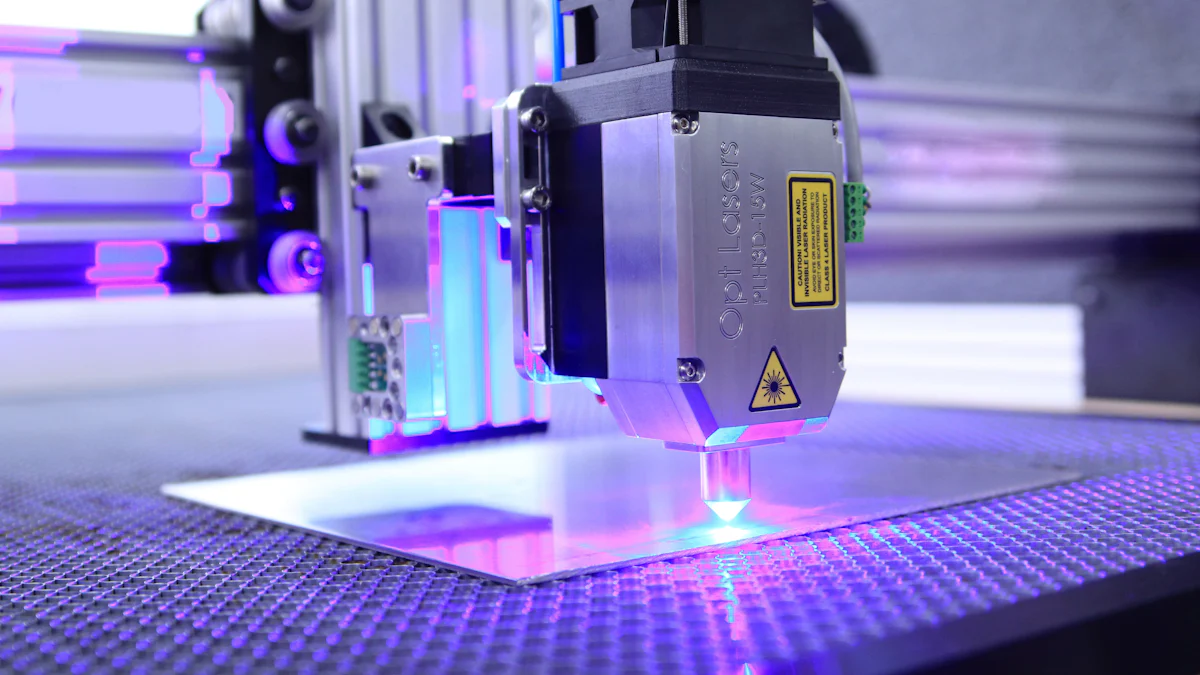
You play a vital role in shaping a sustainable future by adopting eco-friendly manufacturing practices. CNC machining stands out as a key contributor to this effort. Its precision reduces waste by cutting materials with exact accuracy, while advanced software optimizes material usage. Compared to traditional methods, CNC machining consumes less energy, thanks to energy-efficient motors and innovative control systems. Many manufacturers now integrate renewable energy sources, such as solar or wind power, into their operations. These advancements make CNC machining a cornerstone of green manufacturing, aligning production with global sustainability goals.
Key Takeaways
CNC machining cuts materials precisely, reducing waste and using them well.
CAD/CAM software helps save materials, speeds up work, and improves efficiency.
Using solar or wind power in CNC work cuts energy costs and pollution.
Closed-loop cooling systems save water by reusing coolant, helping the environment.
Eco-friendly materials and coatings are safer, better, and support sustainability.
Material Efficiency and Waste Reduction
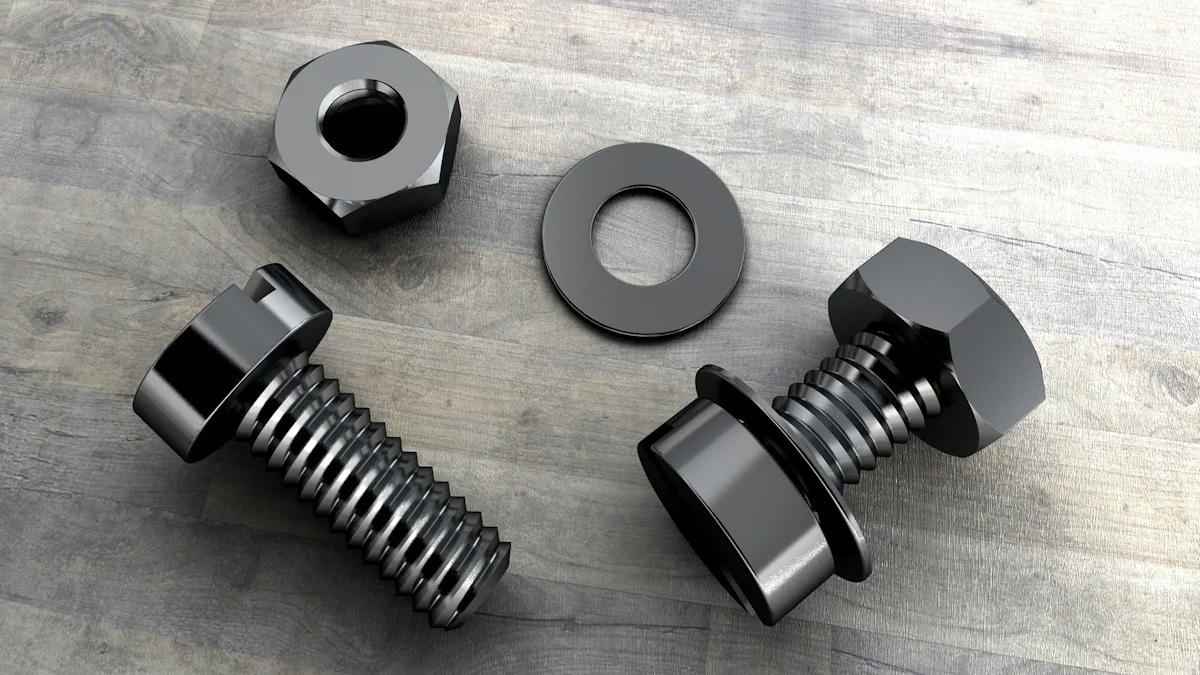
Precision in CNC Machining
Minimizing material waste through exact cutting and shaping.
CNC machining excels in precision manufacturing, allowing you to achieve exact cuts and shapes with minimal material waste. Unlike traditional methods, CNC machines follow pre-programmed instructions to remove only the necessary material. This approach reduces excess scrap and ensures that every piece of raw material is used efficiently. For example, when cutting metals or plastics, CNC machines can create intricate designs without compromising material efficiency. By minimizing waste, you not only save resources but also contribute to waste reduction in your manufacturing processes.
Optimizing material usage with CAD/CAM software.
CAD/CAM software plays a critical role in enhancing material efficiency. It helps you design and plan manufacturing processes with remarkable accuracy. Here’s how it optimizes material usage:
Minimizes material wastage by calculating precise dimensions.
Reduces production downtime by streamlining operations.
Outlines the most efficient toolpaths for milling, drilling, and turning.
Anticipates potential issues to prevent defects and rework.
By leveraging CAD/CAM software, you can ensure that every step of the CNC machining process is optimized for sustainability. This not only improves your operational efficiency but also aligns your production with green manufacturing standards.
Recycling and Reuse in CNC Processes
Recycling scrap materials generated during machining.
Recycling is a vital part of CNC machining’s contribution to the recycling and circular economy. You can recycle scrap materials like metal shavings and chips to reduce waste and recover valuable resources. Common methods include:
Using proper chip management techniques to collect and sort scrap.
Recycling chips and shavings for use in other processes, such as metal casting or additive manufacturing.
Selecting the right cutting tools and parameters to minimize waste generation.
These practices help you turn waste into reusable materials, reducing the environmental impact of your operations.
Reintroducing leftover materials into the production cycle.
CNC machining allows you to reintroduce leftover materials into the production cycle, further enhancing material efficiency. For instance, you can reuse cuttings and offcuts in secondary manufacturing processes. This approach not only conserves resources but also supports a sustainable production model. By integrating recycling and reuse strategies, you can align your operations with the principles of waste reduction and sustainability.
Energy Efficiency in CNC Machining
Optimized Toolpaths
Reducing energy consumption through efficient machine movements.
Efficient toolpath planning plays a crucial role in reducing energy consumption during CNC machining. By using computer-aided manufacturing (CAM) software, you can eliminate unnecessary machine movements and minimize idle times. This approach ensures that the machine operates only when needed, conserving energy while maintaining precision. For example, optimized toolpaths reduce the distance a cutting tool travels, which directly lowers the energy required for operation. These small adjustments can lead to significant energy savings over time.
💡 Tip: Energy-efficient CNC machines with smaller motors and drive electronics can further enhance your operational cost savings annually.
Shorter machining times and their impact on energy savings.
Shorter machining times not only improve productivity but also contribute to energy efficiency. When you reduce the time a CNC machine spends on a task, you decrease its overall energy consumption. Optimized toolpaths and advanced programming techniques allow you to complete jobs faster without compromising quality. This efficiency translates into lower electricity usage, helping you cut costs and reduce your environmental footprint.
Advanced Energy-Efficient Technologies
High-speed machining and its role in reducing energy use.
High-speed machining offers multiple benefits for energy efficiency. By achieving higher material removal rates, you can complete tasks more quickly, which reduces the machine's runtime. This method also improves productivity and lowers manufacturing costs. Despite operating at higher speeds, modern CNC machines maintain precision and quality, ensuring you achieve excellent results while conserving energy.
⚙️ Note: High-speed machining is particularly effective when paired with energy-efficient CNC machines equipped with advanced motor designs.
Innovations in CNC machines with energy-efficient motors.
Modern CNC machines incorporate cutting-edge technologies to enhance energy efficiency. Features like regenerative braking systems and power management systems reduce energy consumption during operation. Lightweight materials, such as carbon fiber, are used in machine construction to lower overall mass, which decreases energy use. Additionally, digital technologies like IoT and machine learning enable real-time monitoring and optimization of processes. These innovations allow you to maintain high-quality production while minimizing energy usage.
🌱 Pro Tip: Consider investing in CNC machines with energy recovery mechanisms or variable speed drives to further optimize energy consumption based on load requirements.
Sustainable Practices in CNC Machining
Lean Manufacturing Principles
Eliminating waste and improving efficiency.
Lean manufacturing focuses on reducing waste and enhancing efficiency in your production processes. CNC machining aligns perfectly with these principles by minimizing material waste and optimizing workflows. For example, you can analyze your production process to identify non-value-adding activities and eliminate them. This approach ensures smoother operations and reduces unnecessary resource consumption.
Principle | Description |
|---|---|
Define Customer Value | Understanding what features customers value and are willing to pay for, aligning processes to deliver products efficiently. |
Map the Value Stream | Analyzing the workflow to identify waste, visualizing the entire production process to eliminate non-value-adding activities. |
Create Flow | Ensuring a smooth production flow by removing bottlenecks, which reduces lead times and increases productivity. |
Establish a Pull System | Producing based on actual demand to minimize inventory levels and reduce overproduction, allowing better response to customer needs. |
Pursue Perfection | Engaging in continuous improvement by reviewing and refining processes to achieve higher efficiency and reduce defects. |
Supporting just-in-time production with CNC machining.
CNC machining supports just-in-time production by enabling on-demand manufacturing. This reduces excess inventory and prevents overproduction, which are common sources of waste. You can produce only what is needed, when it is needed, ensuring efficient use of resources. This method also helps you align with lean manufacturing principles, reducing environmental impact while improving cost savings.
Water Conservation Techniques
Using closed-loop cooling systems to minimize water waste.
Closed-loop cooling systems are an excellent way to conserve water in CNC machining. These systems recycle wastewater, significantly reducing the need for freshwater. They also create a sustainable cycle by treating and reusing water, which minimizes the environmental impact of industrial wastewater discharge. Advanced filtration methods further enhance water quality, allowing you to reuse it in your machining processes.
Alternatives to traditional coolant systems.
Innovative alternatives to traditional coolant systems promote sustainability in CNC machining. For instance:
Zero Coolant Waste: Pure-Cut® eliminates the need for traditional coolants, leaving no residue or waste.
Reduced Energy Use: These systems consume less energy, leading to cost savings.
Sustainable CO₂ Sourcing: Reclaimed CO₂ supports a circular economy.
No Harmful Chemicals: Pure-Cut® ensures a safer work environment by eliminating exposure to hazardous substances.
Clean, Residue-Free Operations: It minimizes maintenance and cleanup efforts.
Improved Air Quality: Reduces airborne particles and coolant mist, creating a healthier workspace.
Incorporating Eco-Friendly Materials
Using biodegradable or recyclable materials in CNC processes.
Biodegradable materials, derived from natural sources, are gaining popularity in CNC machining. These materials decompose naturally, reducing environmental impact. Recycled metals like aluminum, brass, and steel are also widely used. Biodegradable plastics, made from renewable resources such as corn starch and vegetable oils, offer sustainable options for packaging and disposable products.
Sourcing green materials for sustainable production.
Sourcing green materials enhances your commitment to sustainable practices. Recycled inputs lower material costs and reduce emissions, improving your brand reputation. However, challenges like maintaining material quality and ensuring a consistent supply chain may arise. Overcoming these challenges can position your business as a leader in eco-friendly manufacturing, appealing to environmentally conscious consumers.
Integration of Renewable Energy and Green Facility Designs

Renewable Energy in CNC Operations
Using solar or wind power to run CNC machines.
You can harness renewable energy sources like solar and wind power to operate CNC machining systems. Solar panels and wind turbines generate clean energy, reducing reliance on fossil fuels. This approach not only lowers greenhouse gas emissions but also cuts energy costs over time. CNC machining plays a critical role in manufacturing components for renewable energy systems. For example, it ensures precision in producing parts for solar panels and wind turbines, enhancing their efficiency and reliability. By adopting renewable energy, you contribute to a sustainable future while optimizing your operations.
Examples of manufacturers adopting renewable energy sources.
Many manufacturers have embraced renewable energy to power their CNC machining processes. This shift supports eco-friendly production and aligns with global sustainability goals. Key benefits include:
CNC machining offers high flexibility and customization for renewable energy projects.
Quick adjustments to designs and specifications ensure adaptability.
These capabilities meet the specific requirements of renewable energy systems.
By integrating renewable energy into your operations, you can reduce your environmental footprint and improve your brand's reputation.
Green Facility Designs for CNC Machining
Designing energy-efficient manufacturing facilities.
Energy-efficient facility designs significantly enhance the sustainability of CNC machining operations. You can achieve this by incorporating features like energy-efficient motors, which reduce power consumption and operational costs. Additionally, green building certifications, such as LEED, promote energy efficiency through optimized layouts and workflows. These designs ensure that your facility operates with minimal energy waste, supporting both environmental and economic goals.
Incorporating sustainable building materials and practices.
Using sustainable building materials in your CNC machining facilities offers multiple advantages. For instance:
Energy-efficient CNC machines reduce the carbon footprint.
Advanced power management systems ensure power is used only when necessary.
Regenerative drive systems convert kinetic energy back into electrical energy.
Green materials also lower material costs and decrease emissions, enhancing your environmental stewardship. By adopting eco-friendly materials, you preserve natural resources, minimize waste, and reduce pollution. These practices not only align with sustainability standards but also attract environmentally conscious customers, boosting your market share and fostering loyalty.
Reducing Environmental Impact Through CNC Machining
Circular Economy Support
Promoting reuse and recycling of materials.
CNC machining supports the circular economy by promoting the reuse and recycling of materials. You can utilize recycled metals and plastics in your processes, reducing the need for virgin resources. The precision of CNC machining ensures minimal waste by following optimized cutting patterns. Advanced CAM software further enhances this by arranging parts efficiently on raw materials, reducing scrap. These practices not only conserve resources but also lower your production costs.
♻️ Tip: Recycled materials like aluminum and steel are excellent choices for sustainable CNC machining projects.
Enhancing sustainability through closed-loop systems.
Closed-loop systems in CNC machining significantly enhance sustainability. These systems recycle and reuse coolant fluids, reducing the demand for water. For example, closed-loop coolant systems capture, filter, and return coolant to the machine, eliminating the need for large volumes of fresh water. This approach minimizes waste and conserves resources, aligning your operations with green manufacturing standards. By adopting closed-loop systems, you can reduce your environmental impact while maintaining high efficiency.
Eco-Friendly Coatings and Finishes
Minimizing harmful chemicals in finishing processes.
Eco-friendly coatings and finishes play a crucial role in reducing the environmental impact of CNC machining. These coatings minimize the use of harmful chemicals, which helps reduce pollution in production. By adopting greener materials, you meet regulatory requirements and preserve natural resources. For instance, water-based coatings and powder finishes are excellent alternatives to solvent-based options. These choices ensure a safer work environment and contribute to sustainable manufacturing practices.
🌱 Pro Tip: Switching to eco-friendly finishes can improve air quality in your facility and reduce hazardous waste disposal costs.
Aligning CNC machining with sustainable production standards.
Eco-friendly coatings align CNC machining with sustainable production standards by reducing environmental harm. These coatings not only lower chemical usage but also enhance the overall sustainability of your products. For example, biodegradable or recyclable finishes ensure that your machined parts have a reduced ecological footprint. By integrating these practices, you demonstrate your commitment to sustainability and attract environmentally conscious customers.
💡 Note: Sustainable finishes can also improve the durability and performance of your products, adding value for your customers.
CNC machining helps you align with green manufacturing standards by reducing waste, conserving energy, and adopting sustainable practices. Its precision and efficiency minimize material usage, while energy-efficient technologies and renewable energy sources lower your environmental impact. By integrating eco-friendly materials and recycling strategies, you can contribute to a circular economy. Modern trends, such as digital twin technology and on-demand production, further enhance sustainability. These advancements not only support global sustainability goals but also offer economic benefits like cost savings and government incentives. CNC machining remains essential for building a greener future.
FAQ
What makes CNC machining eco-friendly?
CNC machining minimizes waste by using precise cutting techniques and optimized toolpaths. It also incorporates energy-efficient technologies and supports recycling. These features reduce resource consumption and environmental impact, making it a sustainable manufacturing method.
🌱 Tip: Use CAD/CAM software to further enhance material efficiency and reduce waste.
Can CNC machining work with biodegradable materials?
Yes, CNC machining can process biodegradable materials like bioplastics and natural composites. These materials decompose naturally, reducing environmental harm. By using them, you align your production with green manufacturing standards and appeal to eco-conscious customers.
💡 Note: Ensure your CNC tools are compatible with the properties of biodegradable materials.
How does CNC machining support renewable energy?
CNC machining produces precise components for renewable energy systems like wind turbines and solar panels. It also integrates with renewable energy sources, such as solar or wind power, to operate sustainably. This dual role enhances its contribution to a greener future.
What are closed-loop cooling systems in CNC machining?
Closed-loop cooling systems recycle and reuse coolant fluids, reducing water waste. These systems filter and return coolant to the machine, conserving resources and minimizing environmental impact. They are an excellent choice for sustainable CNC operations.
⚙️ Pro Tip: Regularly maintain your cooling system to ensure optimal performance and efficiency.
Are eco-friendly coatings effective in CNC machining?
Eco-friendly coatings, like water-based or powder finishes, reduce harmful chemicals and pollution. They improve air quality, ensure safer working conditions, and align with sustainability goals. These coatings also enhance product durability, adding value for your customers.
♻️ Tip: Switch to eco-friendly finishes to lower hazardous waste disposal costs.
See Also
Exploring CNC Technology's Role in Modern Manufacturing Advancements
A Comprehensive Guide to CNC Machining Fundamentals for Production
The Crucial Role of Precision in CNC Machining Processes
Discovering CNC Machining Services for High-Precision Production
Comparing CNC and Traditional Manufacturing: Effects Across Industries
About US
Follow Us
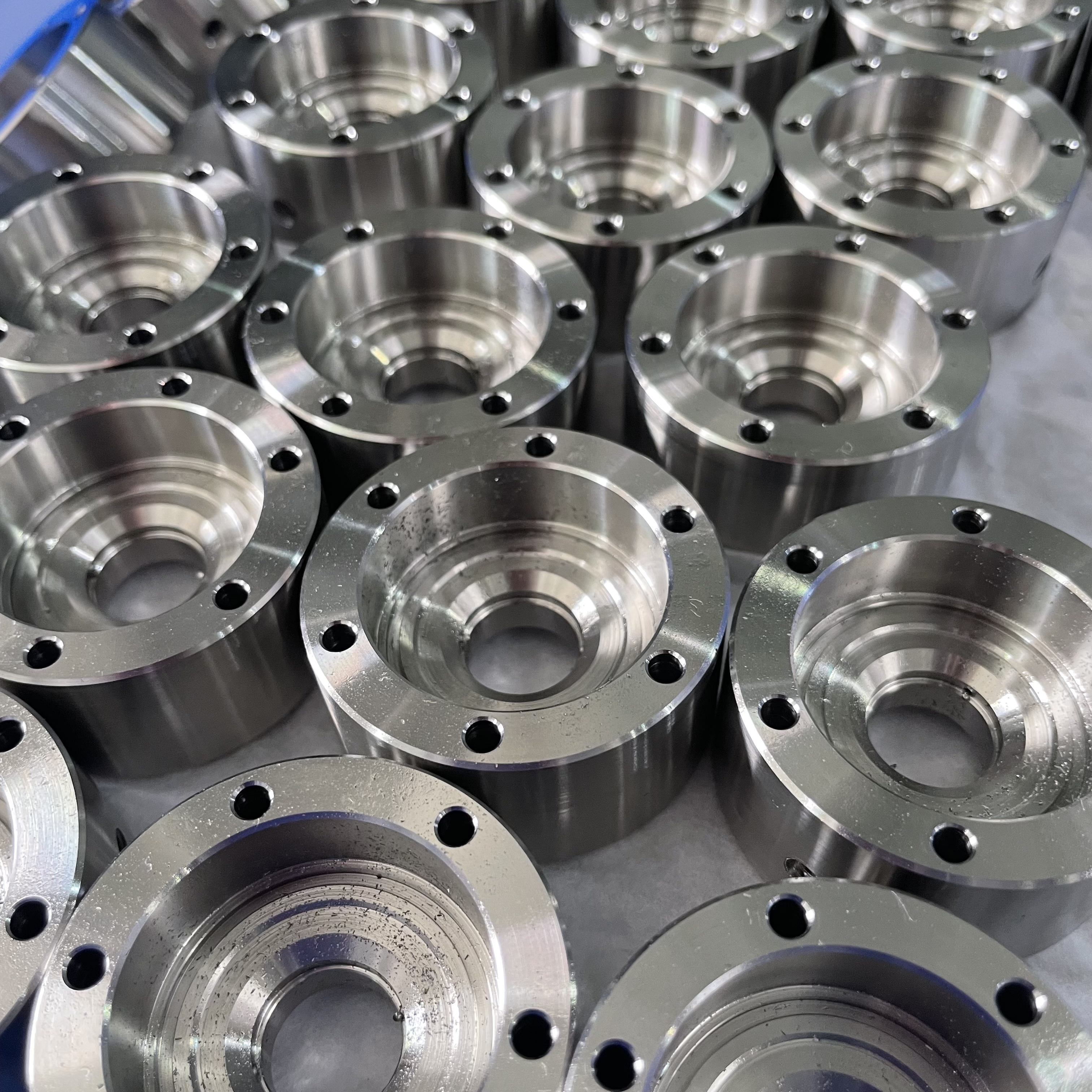
Your prototype holds unparalleled significance, and we deeply value its uniqueness. Collaborating with you during the preparation phase for running your prototype or parts is a commitment we gladly embrace. Whether it's a single part or a complex assembly, we are dedicated to selecting the optimal tools and pathways to bring your envisioned product to life.
At Precision Fab CNC Machining, we specialize in producing parts for prototypes, short runs, and high-volume production. Our prototyping machine capabilities extend across metal, plastic, and wood machining, with welding fabrication services available to complement and finalize your prototype if required.
Address
Address: Room320 10F, Building A,Nanshan international building, Dayawan District, Huizhou, Guangdong, 516001 China
Contacts
billy@timaycnc.com