The Advantages of CNC Machining for Hard-to-Machine Materials

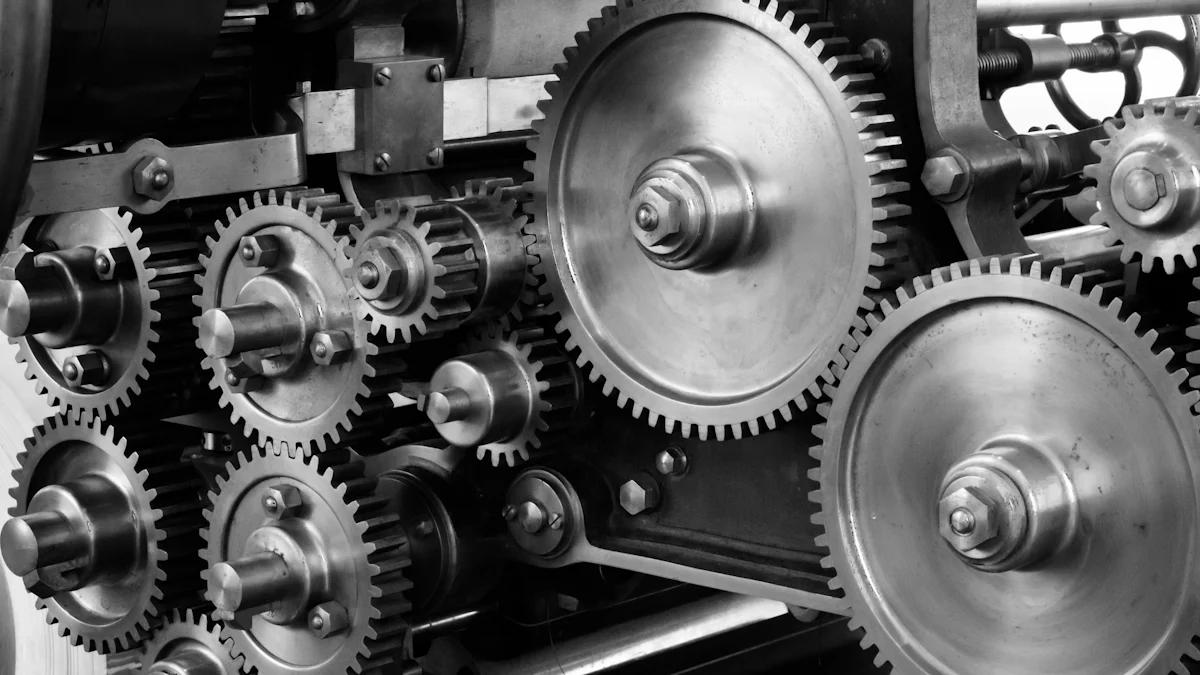
Machining hard metals and other challenging materials requires advanced technology to achieve consistent results. CNC machining excels in this area by combining automation with high precision. You can rely on CNC machines to produce complex parts with tight tolerances, eliminating the need for secondary operations. These machines also work continuously without breaks, ensuring faster production and consistent quality. Industries like aerospace, automotive, and medical increasingly depend on CNC technology to meet the demand for durable and reliable components. By reducing waste and improving efficiency, CNC machining offers a cost-effective solution for machining hard metals.
Key Takeaways
CNC machines are very accurate. They make detailed parts with exact measurements, often as close as ±0.0002 inches.
With special cooling systems, CNC machines control heat well. This helps tools last longer and keeps hard materials in good shape.
CNC machines save time by working nonstop and needing less setup. This makes the process faster and more efficient.
Special tools and fast cutting speeds improve results. They create smoother surfaces and make tools last longer.
CNC machines waste less material by using exact programs. This saves money and improves product quality.
Challenges of Machining Hard-to-Machine Materials
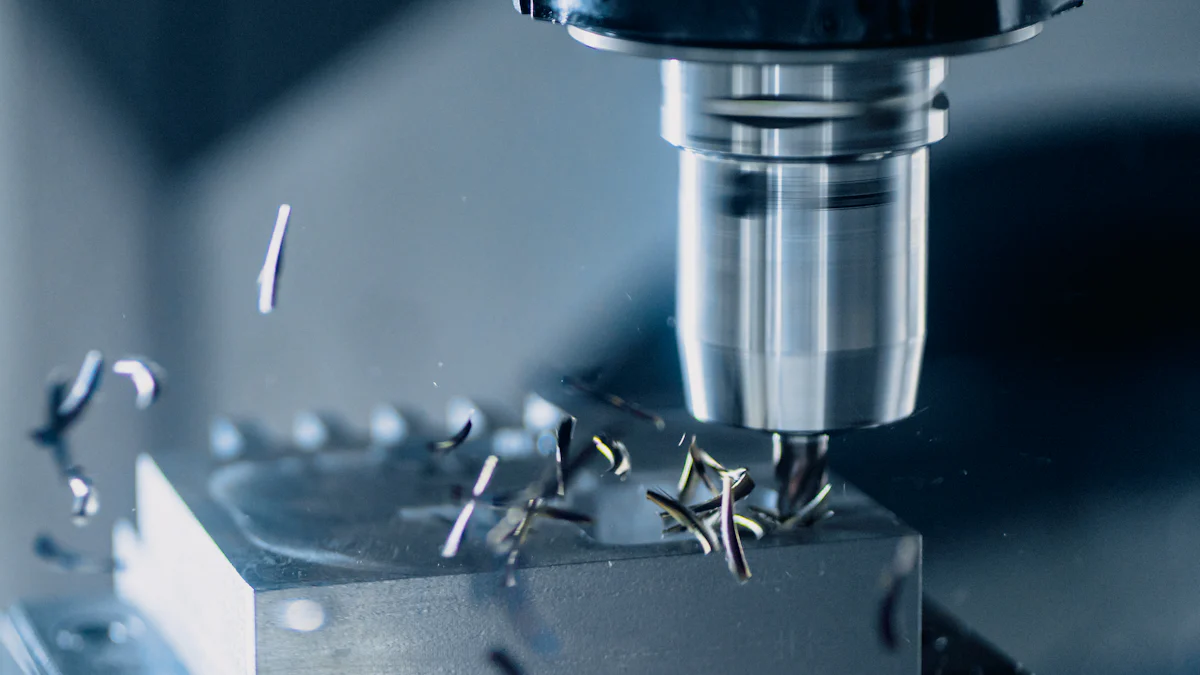
Material Properties That Make Machining Difficult
High hardness and toughness
Some materials, like stainless steel and titanium, are incredibly hard and tough. These properties make them resistant to deformation but also increase the cutting forces required during machining. For example, stainless steel generates significant heat and causes rapid tool wear. Titanium, on the other hand, has high strength and low thermal conductivity, which makes it prone to overheating.
Material | Properties |
|---|---|
Stainless Steel | Hardness, high cutting forces, heat generation, rapid tool wear. |
Titanium | High strength, low thermal conductivity, tendency to work harden, requires specialized tooling. |
Thermal sensitivity and heat resistance
Heat-resistant materials, such as titanium and exotic alloys, pose unique challenges. Their ability to withstand high temperatures means they retain heat during machining. This can lead to excessive tool wear and reduced precision. You need specialized tools and techniques to manage the heat effectively.
Tendency for work hardening
Certain materials, like titanium, tend to harden when subjected to stress during machining. This phenomenon, known as work hardening, makes subsequent cutting operations even more difficult. Without proper tooling and strategies, you risk damaging the tools and compromising the final product.
Common Issues in Traditional Machining
Chatter and vibration
Traditional machining methods often struggle with chatter and vibration when working on hard materials. These issues arise due to the high cutting forces and rigidity of the materials. Vibrations not only reduce precision but also affect the surface finish.
"Getting the tools to last is one of the biggest challenges... Harder metals can eat through the wrong inserts almost as quickly as you can replace them." - Ben Morone, Applications Engineer
Tool wear and breakage
Hard-to-machine materials cause rapid tool wear and frequent breakage. This happens because the cutting edges face extreme stress and heat. For instance, machining titanium generates excessive heat, which accelerates tool degradation.
Tool wear
Heat generation
Material deformation
Inconsistent tolerances and surface finishes
Achieving consistent tolerances and smooth surface finishes is challenging with traditional methods. Hard materials require precise tools and techniques to eliminate spindle runout and maintain accuracy. Without these, you risk poor dimensional accuracy and rough finishes.
Machining hard metals is a delicate process. There’s a lot of room for error, machining takes more time, and you have to fine-tune every aspect of your process. When you’re dealing with expensive, exotic materials, preparation is critical.
How CNC Machining Addresses These Challenges
Precision and Accuracy in Machining Hard Metals
Advanced software for precise control
CNC machining uses advanced software to achieve exceptional precision when working with hard metals. This software allows you to program intricate designs and control every aspect of the machining process. Multi-axis CNC machines enhance your ability to create complex geometries with tight tolerances, often as precise as ±0.0002” (±0.00508 mm). These capabilities ensure that even the most challenging parts meet your exact specifications.
Consistent tolerances even with complex geometries
Maintaining consistent tolerances is critical when machining hard metals. CNC machines excel in this area by combining precise control with advanced tooling. Factors like material properties and cutting parameters are carefully managed to reduce errors. This ensures that your parts maintain dimensional accuracy and functionality, even for intricate designs. CNC machining also delivers smooth surface finishes, eliminating the need for additional finishing processes.
Thermal Stability and Heat Management
Use of coolant systems to reduce heat
Heat management is essential when machining heat-resistant materials. CNC machines use coolant systems to dissipate heat generated during cutting. These systems cool the workpiece during high-speed machining and lubricate the cutting tool at lower speeds. By maintaining optimal temperatures, you can extend tool life and prevent workpiece deformation. This dual function ensures consistent performance and high-quality results.
Stable machining processes for heat-resistant materials
CNC machining provides stable processes for materials sensitive to heat. Coolants absorb heat and carry it away from the cutting zone, preventing overheating. This stability is crucial for achieving precise results and protecting both the tools and the workpiece. By understanding material properties and selecting the right machining parameters, you can minimize the effects of heat and maintain thermal stability throughout the process.
Advanced Tooling and Techniques in CNC
Specialized cutting tools for hard materials
CNC machining relies on specialized cutting tools to handle hard metals effectively. Tools made from materials like carbide and ceramic are designed to withstand extreme stress and heat. Diamond-coated carbides, for example, are ideal for machining hard metals due to their durability and precision. Proper coatings and unique tool geometries further enhance efficiency and reduce machining time.
High-speed machining capabilities
High-speed machining allows you to make faster, lighter cuts, reducing tool wear and improving surface finish. This technique ensures consistent chip loads and precise material engagement, which are essential for machining hard metals. By leveraging high-speed capabilities, you can achieve greater efficiency and precision while minimizing tool degradation.
Enhanced Workholding for Precision Machining
Custom fixtures to minimize vibration
When machining hard-to-machine materials, vibration can significantly impact the quality of your work. Custom fixtures play a critical role in reducing these vibrations. By securely holding the workpiece in place, they stabilize the machining process and prevent tool chatter. This stability leads to several benefits:
Improved surface finish: Vibrations often cause irregularities on the surface of the material. Custom fixtures eliminate this issue, resulting in smoother finishes.
Extended tool life: Vibrations accelerate tool wear. By minimizing movement, custom fixtures help your tools last longer.
Enhanced precision: Tight tolerances are essential when machining hard materials. Custom fixtures ensure the workpiece remains steady, allowing you to achieve the required accuracy.
Using custom fixtures also allows you to adapt to the unique geometry of each part. Whether you're machining a flat plate or a complex 3D shape, these fixtures provide the stability needed for consistent results.
Tip: Always design your fixtures to match the specific dimensions and material properties of your workpiece. This ensures maximum vibration reduction and optimal machining performance.
Secure clamping for complex shapes
Machining intricate parts requires precise positioning and stability. Secure clamping ensures the workpiece stays in place throughout the process. This is especially important for complex shapes, where even slight movement can lead to errors.
Here’s how secure clamping improves precision:
It ensures accurate positioning, which is essential for consistent cuts.
It prevents the workpiece from moving or vibrating during machining.
It holds the workpiece steady, enabling you to achieve tight tolerances.
Stability is critical when working with hard-to-machine materials. Without proper clamping, the workpiece may shift under the cutting forces, leading to dimensional inaccuracies or surface defects. Secure clamping eliminates this risk, allowing you to focus on achieving high-quality results.
For complex shapes, you can use specialized clamps designed to grip irregular surfaces. These clamps distribute pressure evenly, preventing damage to the material while maintaining a firm hold.
Note: Always inspect your clamping setup before starting the machining process. A secure and stable workpiece is the foundation of precision machining.
Key Advantages of CNC Machining for Hard-to-Machine Materials
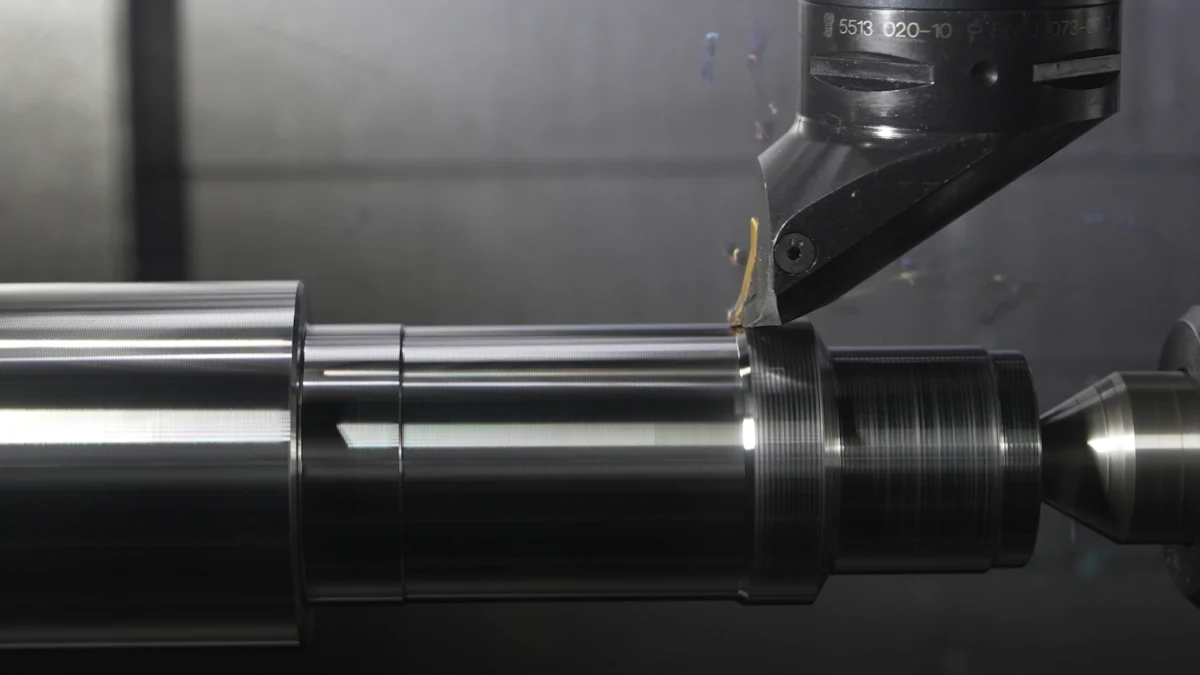
Improved Efficiency and Productivity
Faster machining cycles
CNC machining significantly improves production speed. Automated processes eliminate manual intervention, allowing machines to operate continuously without breaks. This automation ensures faster machining cycles and reduces the time required to complete complex tasks. CNC machines also adapt quickly to different parts through programmable settings, minimizing setup time. You can rely on CNC technology to deliver consistent results while meeting tight deadlines.
CNC machines operate without interruptions, increasing production speed.
Built-in tool changers reduce setup time, enhancing efficiency.
Real-time monitoring allows quick adjustments, ensuring optimal performance.
Reduced downtime due to tool wear
Tool wear often disrupts traditional machining processes. CNC machining addresses this issue with advanced monitoring systems. These systems track tool wear in real time, enabling timely replacements and preventing catastrophic failures. Predictive maintenance schedules further reduce downtime by replacing tools during planned breaks.
Method | Description |
|---|---|
Predictive Maintenance | Schedule tool replacements during downtime to avoid production delays. |
Tool Wear Monitoring | Replace tools promptly to maintain quality and reduce costs. |
Real-time Monitoring | Adjust machining parameters for optimal tool performance. |
Catastrophic Failure Prevention | Prevent tool failures, saving repair costs and avoiding material waste. |
Superior Surface Finishes with CNC
High-quality finishes for critical applications
CNC machining ensures superior surface finishes, which are essential for industries like aerospace and medical. Factors such as cutting speed, feed rate, and tool geometry contribute to achieving smooth finishes. Coolants and lubricants also play a vital role by dissipating heat and removing chips during machining. You can depend on CNC machines to deliver high-quality results for critical applications.
Cutting parameters like speed and depth influence surface quality.
Tool geometry, including nose radius, enhances finish precision.
Coolants reduce heat and improve chip removal, ensuring smooth surfaces.
Elimination of secondary finishing processes
CNC machining minimizes the need for additional finishing steps. The precision of CNC machines produces parts with excellent surface quality right from the start. This eliminates the time and cost associated with secondary processes like grinding or polishing. By reducing these extra steps, you can streamline production and improve overall efficiency.
Cost-Effectiveness in Precision Machining
Reduced material waste
CNC machining reduces material waste through precise programming and automation. CAD software ensures accurate cutting paths, minimizing errors and scrap. Automation eliminates human mistakes, ensuring consistent production and better quality control. You can achieve significant cost savings by optimizing material usage.
CAD software ensures precise cutting paths, reducing errors.
Automation prevents mistakes in repetitive tasks.
Consistent production minimizes scrap and enhances quality.
Lower maintenance and tooling costs
Efficient tooling strategies and regular maintenance lower CNC machining costs. Selecting the right tools and optimizing tool paths reduce wear and machining time. Routine maintenance prevents unexpected failures, ensuring tools operate efficiently. These practices save money and maintain high-quality production standards.
Proper tooling strategies reduce machining time and expenses.
Regular maintenance prevents tool failures and reduces downtime costs.
Optimized tool paths enhance cutting efficiency and extend tool life.
CNC machining provides effective solutions for the challenges posed by hard-to-machine materials. For instance, titanium’s strength and corrosion resistance make it ideal for aerospace and medical applications, but its hardness and tendency to bind to tools create difficulties. CNC machining overcomes these issues by precisely controlling speed, feed rates, and coolant application. You can also rely on CNC technology to handle exotic materials with minimal errors, thanks to its advanced programming and tooling strategies.
The benefits of CNC machining extend beyond precision. It enhances efficiency by reducing downtime and eliminates waste through optimized processes. Industries like oil and gas, defense, and consumer goods depend on CNC machining to produce components that meet exact specifications. Whether you need intricate designs or durable parts, CNC machining ensures reliability and consistency. Its role in modern manufacturing is indispensable, offering unmatched accuracy and productivity for even the most demanding applications.
FAQ
What makes CNC machining better for hard-to-machine materials?
CNC machining offers precision, efficiency, and reliability. It uses advanced software, specialized tools, and stable processes to handle tough materials. You can achieve tight tolerances, smooth finishes, and reduced tool wear, making it ideal for machining hard metals like titanium and stainless steel.
Can CNC machines handle heat-resistant materials?
Yes, CNC machines excel at machining heat-resistant materials. Coolant systems and optimized cutting parameters manage heat effectively. You can rely on CNC technology to maintain thermal stability, prevent tool damage, and ensure consistent results when working with materials like titanium or exotic alloys.
How does CNC machining reduce material waste?
CNC machining uses precise programming to optimize cutting paths. This minimizes errors and scrap. Automation eliminates human mistakes, ensuring consistent production. You can save costs and reduce waste by relying on CNC technology to maximize material usage and maintain high-quality standards.
What industries benefit most from CNC machining?
Industries like aerospace, automotive, medical, and defense benefit greatly. CNC machining produces durable, precise components for critical applications. You can depend on it for intricate designs, tight tolerances, and high-quality finishes, making it essential for modern manufacturing.
Are CNC machines cost-effective for hard materials?
Yes, CNC machines reduce costs by minimizing tool wear, material waste, and downtime. You can achieve faster production cycles and eliminate secondary finishing processes. These advantages make CNC machining a cost-effective solution for hard-to-machine materials.
See Also
Streamlined CNC Machining Solutions for Accurate Production
Benefits of Utilizing Aluminum in CNC Machining Services
Investigating CNC Machining Options for Precision Production
The Impact of CNC Machining on Advanced Precision Manufacturing
About US
Follow Us
Your prototype holds unparalleled significance, and we deeply value its uniqueness. Collaborating with you during the preparation phase for running your prototype or parts is a commitment we gladly embrace. Whether it's a single part or a complex assembly, we are dedicated to selecting the optimal tools and pathways to bring your envisioned product to life.
At Precision Fab CNC Machining, we specialize in producing parts for prototypes, short runs, and high-volume production. Our prototyping machine capabilities extend across metal, plastic, and wood machining, with welding fabrication services available to complement and finalize your prototype if required.
Address
Address: Room320 10F, Building A,Nanshan international building, Dayawan District, Huizhou, Guangdong, 516001 China
Contacts
billy@timaycnc.com