When to Use CNC Machining for Kevlar-Based Materials

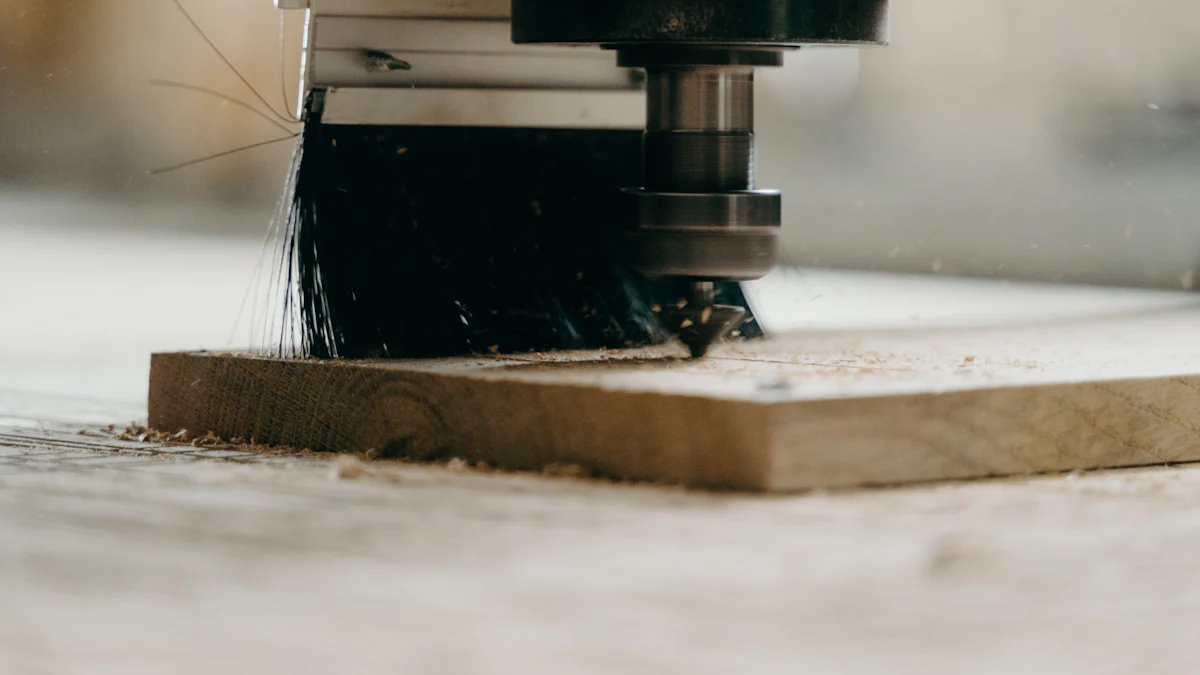
You should consider CNC machining when working with Kevlar-based materials that demand precision and consistency. This advanced manufacturing method excels at producing intricate designs while maintaining tight tolerances. Kevlar’s toughness and abrasion resistance often challenge traditional cutting techniques, but CNC machining overcomes these obstacles with ease. Industries like aerospace, defense, and automotive rely on this technology to create high-performance components. Its ability to handle complex geometries and deliver repeatable results makes it an essential tool for manufacturing Kevlar parts.
Key Takeaways
CNC machining works well for Kevlar because it is precise. It can handle tricky designs, so it’s great for aerospace and defense.
Using diamond-coated or carbide tools helps tools last longer. It also makes cutting Kevlar easier and better.
Setting the right cutting speeds and feed rates is important. This stops too much heat and fraying, giving good results.
CNC machining wastes less material than older methods. This makes it a cheaper choice for high-performance jobs.
Holding the material tightly in place is very important. It stops movement and keeps the product accurate and high-quality.
Key Properties of Kevlar Relevant to CNC Machining
High Strength and Toughness
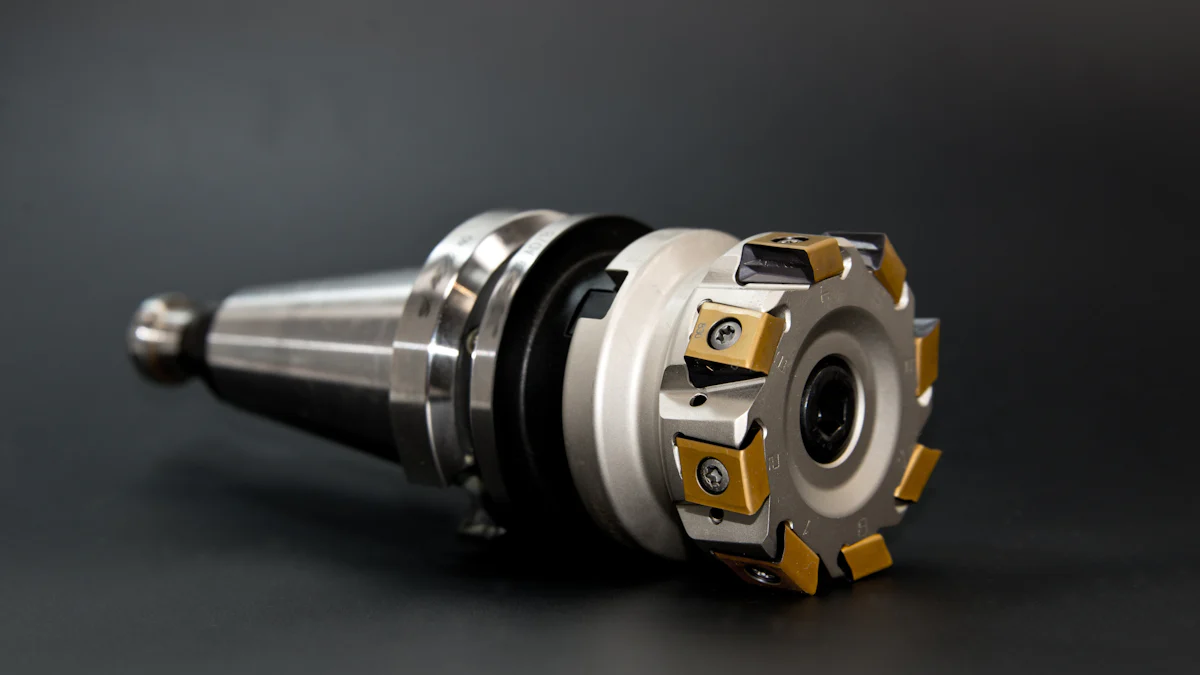
Kevlar stands out for its exceptional strength and toughness, making it a preferred material for high-performance applications. Its tensile strength ranges from 22 to 26 grams per denier (gpd), which is significantly higher than many materials commonly used in CNC machining. This strength allows Kevlar to endure heavy loads without breaking. Additionally, its breaking elongation falls between 2.5% and 4.4%, highlighting its ability to resist deformation under stress. These properties make Kevlar ideal for components that require durability and reliability, especially in industries like aerospace and defense. However, its toughness also poses challenges during machining, as it can accelerate tool wear and complicate the cutting process.
Resistance to Abrasion and Heat
Kevlar's resistance to abrasion and heat sets it apart from other high-performance materials. Its durable fiber structure provides superior protection against wear and tear, making it suitable for environments with constant friction. For example, Kevlar performs exceptionally well in applications where components face repeated contact or movement. In terms of heat resistance, Kevlar can withstand temperatures up to 500°C (932°F) before decomposition. This capability far exceeds that of materials like high-performance polyethylene (HPPE), which softens at around 130°C (266°F). These characteristics ensure that Kevlar maintains its integrity in extreme conditions, making it a reliable choice for CNC machining projects requiring thermal and abrasion resistance.
Lightweight and High Strength-to-Weight Ratio
Kevlar combines high strength with a lightweight structure, offering an impressive strength-to-weight ratio. This property makes it an excellent choice for applications where reducing weight is critical without compromising performance. For instance, aerospace components benefit from Kevlar's ability to provide structural support while minimizing overall weight. This advantage also extends to automotive and sporting goods industries, where lightweight materials improve efficiency and usability. By leveraging Kevlar's unique balance of strength and weight, you can create components that meet demanding performance standards while optimizing material usage.
Challenges of Kevlar's Fibrous Structure in Machining
Kevlar's fibrous structure presents unique challenges during CNC machining. Its tightly woven fibers, while responsible for its strength, can complicate the cutting process and impact the quality of the final product. You need to address these challenges to achieve optimal results.
Tool Wear and Damage
Kevlar's toughness accelerates tool wear. Its fibers resist cutting, causing significant friction between the tool and the material. This friction can dull cutting edges quickly, reducing tool life and increasing operational costs. You may also encounter tool chipping or breakage if the machining parameters are not optimized.Fraying and Fuzzing
The fibrous nature of Kevlar often leads to fraying or fuzzing along the edges of machined parts. As the tool cuts through the material, it can pull and unravel the fibers instead of creating clean cuts. This issue affects the surface finish and may require additional post-processing steps, increasing production time.Heat Generation
Machining Kevlar generates substantial heat due to its high friction coefficient. Excessive heat can weaken the material's structural integrity or cause localized melting in composite applications. You must carefully manage cutting speeds and use coolants to minimize heat buildup.
Tip: Using diamond-coated or carbide tools can help reduce tool wear and improve cutting performance when working with Kevlar.
Material Delamination
In composite forms, Kevlar layers may delaminate during machining. Improper clamping or excessive cutting forces can separate the layers, compromising the part's strength. Ensuring proper fixturing and using sharp tools can mitigate this risk.
Understanding these challenges allows you to select the right tools, techniques, and parameters for machining Kevlar effectively. By addressing these issues, you can maintain the material's integrity and produce high-quality components.
Benefits of CNC Machining for Kevlar
Precision and Accuracy for Complex Designs
CNC machining offers unmatched precision and accuracy, making it ideal for crafting intricate designs from Kevlar. You can achieve precise cuts with minimal errors, even when working with complex geometries. This level of accuracy is essential for industries like aerospace and defense, where even minor deviations can compromise performance. The programmable nature of CNC machining allows you to create intricate shapes while maintaining tight tolerances. This capability ensures that each part meets exact specifications, reducing the need for rework and improving overall efficiency. By leveraging CNC machining, you can produce high-quality Kevlar components that meet demanding design requirements.
Consistency and Repeatability in Production
When manufacturing Kevlar-based parts, consistency is crucial. CNC machining excels in delivering repeatable results across multiple production runs. Once you program the machine, it replicates the same design with high precision, ensuring uniformity in every component. This consistency minimizes human error, which is especially important when working with high-performance materials like Kevlar. Whether you are producing a single prototype or scaling up for mass production, CNC machining provides the stability and reliability needed to maintain quality. This process also enhances production speed, allowing you to meet tight deadlines without sacrificing accuracy.
Reduced Material Waste Compared to Manual Methods
CNC machining significantly reduces material waste, making it a cost-effective choice for working with Kevlar. Traditional manual methods often result in uneven cuts and excess material loss, especially when dealing with Kevlar's tough and fibrous structure. CNC machining, on the other hand, optimizes material usage by following precise cutting paths. This efficiency not only lowers production costs but also minimizes environmental impact. Additionally, the ability to program the machine ensures that you use only the necessary amount of material for each part. By adopting CNC machining, you can maximize resource efficiency while maintaining high-quality output.
Ability to Work with High-Performance Materials
CNC machining excels when working with high-performance materials like Kevlar. These materials often possess unique properties, such as exceptional strength, heat resistance, and durability, which make them indispensable in demanding industries. However, their very nature also makes them challenging to process using traditional methods. You can rely on CNC machining to overcome these challenges and achieve precise results.
Kevlar, for instance, is known for its toughness and fibrous structure. These characteristics can cause issues like tool wear or material fraying during manual cutting. CNC machining addresses these problems by employing advanced tools and techniques. The programmable nature of CNC machines allows you to fine-tune cutting parameters, ensuring clean cuts and minimal material damage. This capability is especially valuable when working with composites or multi-layered materials, where precision is critical to maintaining structural integrity.
Another advantage of CNC machining is its ability to handle a wide range of high-performance materials beyond Kevlar. Whether you are working with carbon fiber, titanium, or advanced polymers, CNC machines provide the flexibility and adaptability needed to meet your project requirements. You can achieve consistent results across different materials without compromising quality.
Additionally, CNC machining minimizes waste, which is particularly important when dealing with expensive high-performance materials. By optimizing cutting paths and reducing errors, you can maximize material usage and lower production costs. This efficiency makes CNC machining a cost-effective solution for manufacturing high-quality components.
When precision, adaptability, and efficiency are essential, CNC machining proves to be the ideal choice for processing high-performance materials. Its ability to handle the unique challenges of these materials ensures superior results in every application.
Challenges and Limitations of CNC Machining Kevlar
Tool Wear Due to Kevlar's Toughness
Kevlar's toughness, while beneficial for performance, creates significant challenges during machining. Its highly abrasive fibers cause rapid tool wear, reducing the lifespan of standard cutting tools. This wear increases operational costs and requires frequent tool replacements. The friction generated during cutting also contributes to tool damage, especially when machining at high speeds. To address this, you should use diamond-coated or carbide tools, which offer greater durability and resistance to wear. These specialized tools ensure consistent performance and reduce downtime caused by tool changes.
Risk of Material Fraying and Fuzzing
The fibrous structure of Kevlar often leads to fraying and fuzzing during machining. As the cutting tool interacts with the material, it can pull and unravel the fibers instead of creating clean edges. This issue compromises the surface finish and may require additional post-processing, increasing production time. You can minimize fraying by optimizing cutting parameters, such as feed rates and spindle speeds. Employing sharp tools and ensuring proper clamping also helps maintain the material's integrity. These adjustments improve the quality of the final product and reduce the need for rework.
Need for Specialized Tools and Techniques
Machining Kevlar demands precision tooling and specific techniques to overcome its unique challenges. Standard tools fail to handle Kevlar's abrasive nature effectively, leading to poor results and increased costs. You should rely on advanced tools, such as diamond-coated or carbide-tipped cutters, to achieve clean cuts and maintain the material's structural integrity. Additionally, controlling fraying requires careful adjustments to machining parameters. Techniques like conventional milling and the use of coolants can further enhance performance by reducing heat buildup and preventing material damage. These specialized approaches ensure that you can shape Kevlar effectively without compromising its properties.
Note: While CNC machining Kevlar involves higher upfront costs due to specialized tools, it remains more cost-effective than machining materials like carbon fiber. This makes Kevlar an attractive option for applications requiring a balance of performance and affordability.
Higher Costs and Setup Requirements
CNC machining Kevlar involves higher costs and setup requirements compared to other materials. You need to account for these factors when planning your project to ensure it remains cost-effective and efficient.
1. Specialized Tools and Equipment
Machining Kevlar requires advanced tools like diamond-coated or carbide-tipped cutters. These tools cost significantly more than standard options. Their durability offsets some expenses, but the initial investment can strain your budget. Additionally, CNC machines capable of handling Kevlar's toughness often come with higher price tags. You may also need to invest in auxiliary equipment, such as cooling systems, to manage heat during machining.
2. Increased Setup Time
Preparing a CNC machine for Kevlar machining takes longer than for other materials. You must carefully select cutting parameters, such as feed rates and spindle speeds, to avoid issues like fraying or delamination. Proper fixturing is also essential to prevent material movement during machining. This meticulous setup process ensures high-quality results but adds to production time.
Tip: Document your setup parameters for future use. This practice reduces preparation time for subsequent production runs.
3. Maintenance and Tool Replacement Costs
Kevlar's abrasive nature accelerates tool wear, leading to frequent replacements. You must budget for ongoing maintenance to keep your CNC machine in optimal condition. Neglecting maintenance can result in poor machining performance and increased downtime.
4. Training and Expertise
Operating CNC machines for Kevlar requires skilled technicians. You may need to invest in training programs to ensure your team understands the material's unique challenges. Hiring experienced operators can also increase labor costs.
While these factors raise the overall cost of CNC machining Kevlar, the benefits often outweigh the expenses. By planning carefully and optimizing your processes, you can achieve superior results without compromising your budget.
Practical Applications of CNC Machining for Kevlar
Aerospace Components (e.g., lightweight panels, structural parts)
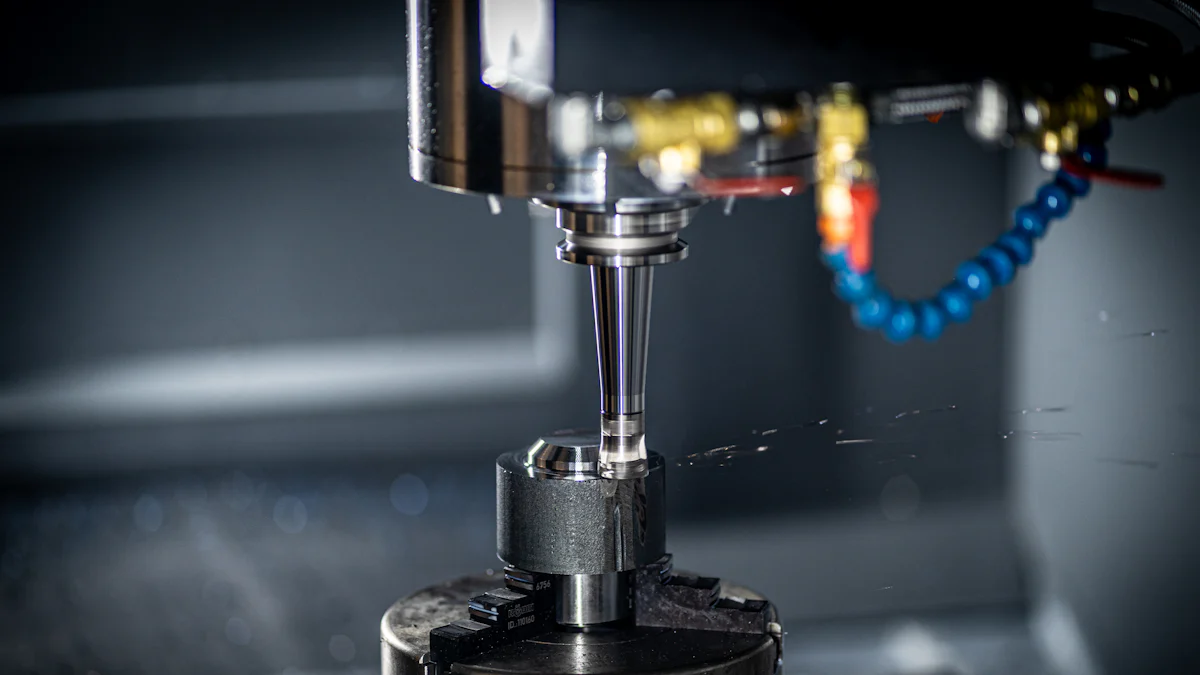
You can use CNC machining to produce high-performance Kevlar components for the aerospace industry. This material's lightweight and high strength-to-weight ratio make it ideal for reducing aircraft weight while maintaining structural integrity. CNC machining ensures precise cuts and tight tolerances, which are essential for aerospace applications.
Aircraft components made from Kevlar include:
Lightweight panels for fuselages.
Structural reinforcements for wings and tails.
Protective covers for sensitive equipment.
These parts benefit from Kevlar's ability to withstand extreme conditions, such as high temperatures and mechanical stress. CNC machining allows you to create intricate designs that meet the stringent safety and performance standards of the aerospace sector.
Defense and Ballistic Equipment (e.g., armor, helmets)
In the defense industry, CNC machining plays a critical role in manufacturing Kevlar-based ballistic equipment. This technology ensures precision and consistency, which are vital for creating protective gear that meets military-grade standards.
CNC machining enhances the production of:
Armored plates for vehicles and tanks, improving their robustness and agility in combat.
Lightweight body armor that offers protection without compromising mobility.
Helmets designed to shield soldiers from ballistic threats.
By achieving sub-micron tolerances, CNC machining ensures the integrity and safety of these components. It also allows for repeatable production, ensuring every piece meets the same high-quality standards. This reliability is crucial for defense applications, where equipment failure is not an option.
Automotive Parts (e.g., high-strength reinforcements)
CNC machining enables you to create Kevlar components that enhance the performance and safety of vehicles. Kevlar's toughness and lightweight properties make it an excellent choice for automotive applications.
Common uses of Kevlar in the automotive industry include:
High-strength reinforcements for car frames and chassis.
Protective linings for tires to improve durability.
Heat-resistant shields for engine compartments.
CNC machining ensures these parts meet precise specifications, improving vehicle efficiency and safety. By reducing material waste, this method also lowers production costs, making it a practical choice for large-scale manufacturing.
Sporting Goods and High-Performance Gear (e.g., bicycles, protective equipment)
CNC machining plays a vital role in manufacturing Kevlar-based sporting goods and high-performance gear. You can rely on this technology to produce lightweight, durable, and precisely engineered components that meet the demands of athletes and outdoor enthusiasts.
Applications in Sporting Goods
Kevlar's unique properties make it an excellent choice for various sports equipment. CNC machining ensures these products meet exact specifications, enhancing their performance and reliability.
Bicycles:
Kevlar-reinforced frames provide exceptional strength while keeping the bike lightweight.
CNC machining allows you to create aerodynamic designs that improve speed and efficiency.
Brake pads and tires with Kevlar linings offer enhanced durability and resistance to wear.
Protective Equipment:
Helmets made with Kevlar offer superior impact resistance, ensuring safety during high-risk activities.
Body armor for extreme sports, such as motocross or skiing, benefits from Kevlar's toughness and flexibility.
CNC machining ensures these items fit comfortably while maintaining their protective qualities.
Advantages for High-Performance Gear
CNC machining provides several benefits when working with Kevlar for high-performance gear:
Precision Engineering: You can achieve intricate designs and tight tolerances, which are critical for performance-focused equipment.
Consistency: Every product maintains the same high quality, whether you're producing a single prototype or a large batch.
Material Efficiency: CNC machining minimizes waste, making it a cost-effective solution for premium materials like Kevlar.
Tip: To maximize the durability of Kevlar-based gear, use diamond-coated tools and optimize cutting parameters during machining.
By leveraging CNC machining, you can create sporting goods and gear that combine strength, lightweight properties, and precision. These qualities ensure athletes and enthusiasts perform at their best while staying safe.
Tips for Successful CNC Machining of Kevlar
Use of Diamond-Coated or Carbide Tools
Selecting the right tools is critical when machining Kevlar. Diamond-coated tools, especially polycrystalline diamond (PCD) tooling, offer exceptional durability and cost efficiency. These tools last significantly longer than carbide alternatives, reducing the frequency of replacements. For instance, PCD tooling costs only 19.6% of carbide tools when comparing the cost per linear foot machined. This longevity minimizes downtime and ensures consistent performance throughout the machining process.
Diamond-coated tools also deliver superior surface finishes. Unlike carbide tools, which deteriorate quickly after the first cut, PCD tools maintain their sharpness. This reduces the need for additional sanding or post-processing, saving you time and resources. By investing in high-quality tools, you can achieve cleaner cuts and extend tool life, making your machining process more efficient and cost-effective.
Optimizing Cutting Speeds and Feed Rates
Properly adjusting cutting speeds and feed rates is essential for machining Kevlar effectively. High speeds can generate excessive heat, which weakens the material and accelerates tool wear. Conversely, low speeds may cause fraying or fuzzing, compromising the surface finish. You should aim for a balanced approach that minimizes heat buildup while maintaining cutting efficiency.
Feed rates also play a crucial role in achieving clean cuts. A slower feed rate allows the tool to interact with the material more precisely, reducing the risk of delamination or fiber pullout. However, excessively slow rates can increase machining time and operational costs. Experimenting with different parameters and monitoring the results will help you identify the optimal settings for your specific application.
Tip: Document your successful speed and feed rate combinations for future reference. This practice ensures consistency across production runs.
Employing Conventional Milling for Better Surface Finish
Conventional milling often produces better results when machining Kevlar. This technique involves cutting against the direction of the material's fibers, which reduces the likelihood of fraying and fuzzing. By contrast, climb milling—where the tool moves in the same direction as the fibers—can pull and unravel the material, leading to poor surface quality.
Using conventional milling also helps maintain the structural integrity of Kevlar composites. The controlled cutting action minimizes stress on the material, preventing issues like delamination. Pairing this technique with sharp, diamond-coated tools further enhances the surface finish, ensuring your components meet high-quality standards.
Note: While conventional milling may take slightly longer than climb milling, the improved results often justify the additional time investment.
Applying Coolants to Minimize Heat and Tool Wear
Using coolants effectively is essential when machining Kevlar. The material's toughness generates significant friction during cutting, which leads to excessive heat buildup. This heat can weaken the material, damage cutting tools, and compromise the quality of the final product. Applying coolants helps you manage these challenges by reducing heat and extending tool life.
Benefits of Coolants in CNC Machining Kevlar:
Heat Dissipation: Coolants absorb and carry away heat from the cutting zone, preventing thermal damage to both the material and the tool.
Improved Tool Longevity: By minimizing friction, coolants reduce wear on cutting edges, allowing tools to maintain their sharpness for longer periods.
Enhanced Surface Finish: Lower temperatures result in cleaner cuts, reducing the risk of fraying or fuzzing along the edges.
You can choose from various coolant types, such as water-based solutions, oil-based lubricants, or synthetic coolants. Each option offers unique advantages depending on your machining setup.
Tip: Use mist or flood coolant systems for optimal coverage. These methods ensure even distribution, keeping the cutting area cool and lubricated.
Proper coolant application also requires monitoring flow rates and pressure. Insufficient coolant can lead to uneven cooling, while excessive amounts may cause splashing or waste. Adjusting these parameters ensures efficient cooling and consistent results.
Ensuring Proper Clamping to Prevent Material Movement
Securing Kevlar firmly during machining is critical for achieving precision and avoiding defects. Improper clamping can cause the material to shift, leading to inaccuracies, frayed edges, or even delamination in composite forms.
Key Clamping Techniques:
Vacuum Fixtures: Ideal for thin or lightweight Kevlar sheets, vacuum fixtures hold the material in place without causing deformation.
Mechanical Clamps: Use padded clamps to prevent surface damage while ensuring a tight grip.
Custom Jigs: For complex geometries, custom jigs provide tailored support, reducing the risk of movement during machining.
Note: Always test your clamping setup before starting the machining process. This step ensures stability and prevents costly errors.
Proper clamping also involves balancing the force applied. Excessive pressure can crush or deform Kevlar, while insufficient force may allow movement. By fine-tuning your clamping strategy, you can maintain the material's integrity and produce high-quality components.
CNC machining offers unmatched precision and repeatability for Kevlar-based materials, making it the go-to method for complex designs. While challenges like tool wear and material fraying arise due to Kevlar's abrasive nature, you can mitigate these issues with effective strategies:
Use diamond-coated or polycrystalline diamond tools to resist wear.
Optimize tool paths to reduce stress and prevent delamination.
Adjust cutting speeds to manage heat and force effectively.
Apply cooling techniques, such as spray mist or cryogenic cooling, to maintain tool sharpness.
Industries like aerospace, defense, and automotive benefit significantly from CNC machining's ability to handle Kevlar's unique properties. By understanding these challenges and employing best practices, you can achieve superior results while maintaining cost efficiency.
Challenge | Solution/Consideration |
|---|---|
Abrasive nature of Kevlar | Use durable machining tools to withstand wear |
Fraying during cutting | Implement precise cutting techniques to minimize fraying |
Delamination while machining | Adopt suitable cutting parameters and sharp tools |
By leveraging these insights, you can maximize the potential of CNC machining for high-performance Kevlar applications.
FAQ
What tools work best for CNC machining Kevlar?
Diamond-coated or carbide tools perform best. These tools resist wear and maintain sharpness, ensuring clean cuts. Polycrystalline diamond (PCD) tools offer exceptional durability and cost efficiency, making them ideal for Kevlar's abrasive nature.
How do you prevent fraying during machining?
Optimize cutting speeds and feed rates to reduce fiber pullout. Use sharp tools and conventional milling techniques. Proper clamping and applying coolants also help maintain clean edges and minimize fraying.
Can CNC machining handle Kevlar composites?
Yes, CNC machining excels with Kevlar composites. It ensures precision and prevents delamination by using sharp tools, optimized parameters, and proper fixturing. This method maintains the structural integrity of multi-layered materials.
Is CNC machining cost-effective for Kevlar?
CNC machining reduces material waste and ensures consistent results, making it cost-effective. While upfront costs for specialized tools are higher, the long-term benefits, such as reduced rework and tool longevity, outweigh the expenses.
What industries benefit most from CNC machining Kevlar?
Industries like aerospace, defense, automotive, and sporting goods benefit significantly. CNC machining produces lightweight, durable, and high-performance components that meet stringent safety and quality standards.
See Also
Grasping Material Needs for CNC Precision Machining
Streamlined CNC Machining Solutions for Accurate Production
Investigating CNC Machining Options for Precision Production
2024 Overview: CNC Processing of Aluminum Alloys 6061 and 7075
CNC Precision Component Processing: Impacting Production Expenses
About US
Follow Us
Your prototype holds unparalleled significance, and we deeply value its uniqueness. Collaborating with you during the preparation phase for running your prototype or parts is a commitment we gladly embrace. Whether it's a single part or a complex assembly, we are dedicated to selecting the optimal tools and pathways to bring your envisioned product to life.
At Precision Fab CNC Machining, we specialize in producing parts for prototypes, short runs, and high-volume production. Our prototyping machine capabilities extend across metal, plastic, and wood machining, with welding fabrication services available to complement and finalize your prototype if required.
Address
Address: Room320 10F, Building A,Nanshan international building, Dayawan District, Huizhou, Guangdong, 516001 China
Contacts
billy@timaycnc.com