CNC Techniques for Testing Material Elasticity

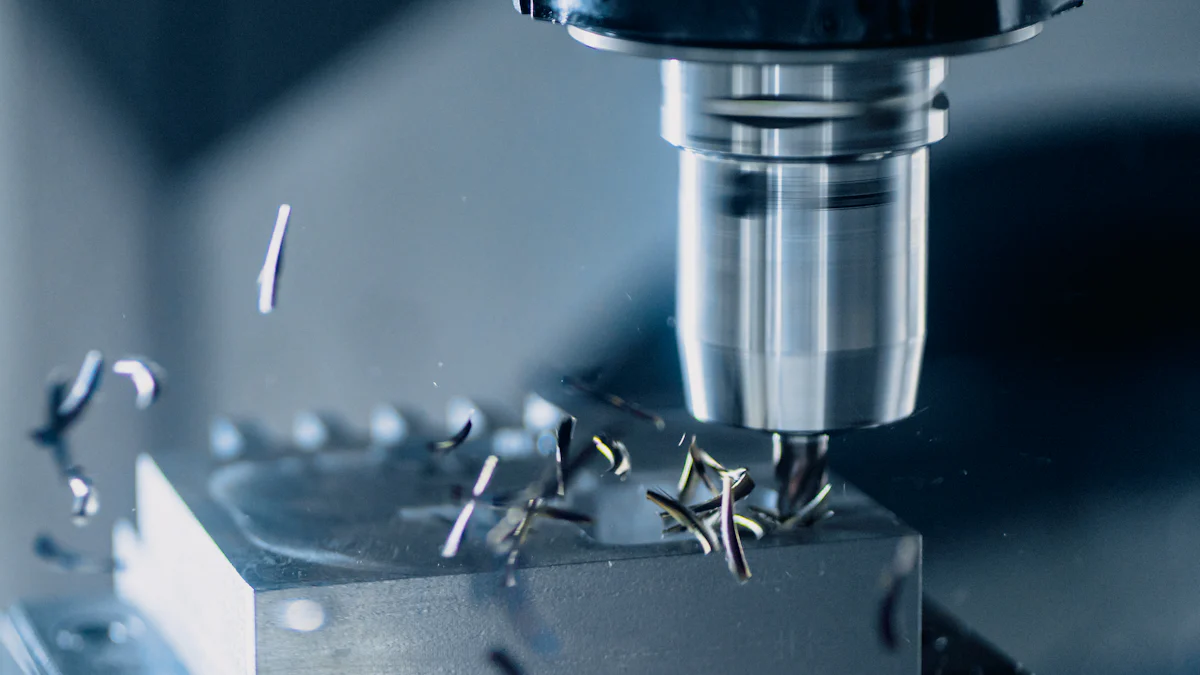
CNC machining plays a vital role in material testing by delivering unmatched precision and consistency. Elasticity testing helps you understand how materials respond to stress and strain, which is critical for designing durable products. CNC technology ensures that every test is repeatable and accurate, eliminating errors caused by manual processes. This technology also prepares samples efficiently for tensile, flexural, and other tests, saving time and reducing inconsistencies. With the CNC market projected to grow from $93.50 billion in 2023 to $136.05 billion by 2028, its importance in material testing continues to rise.
Key Takeaways
CNC machines help test materials by giving exact and repeatable results. This ensures correct measurements of how stretchy and strong materials are.
Knowing how stretchy a material is helps pick ones that won’t break or change shape under stress.
Using CNC tools to prepare samples reduces mistakes and keeps test results the same every time.
Collecting and understanding accurate data is important for choosing how materials will work in different uses.
CNC machines are used in industries like airplanes and cars to make sure materials are strong and last long.
Understanding Material Elasticity
Defining Material Elasticity
Material elasticity refers to the ability of a material to deform under stress and return to its original shape once the stress is removed. This property is crucial for understanding how materials behave under different forces. For example, rubber and springs are common elastic materials that can stretch or bend without permanent changes. Elasticity is governed by principles like Hooke's Law, which states that the force exerted on a material is proportional to its deformation, as long as it stays within its elastic limit. Beyond this limit, permanent deformation occurs, and the material loses its ability to return to its original form.
Stress and strain are key concepts in elasticity. Stress measures the internal forces acting on a material per unit area, while strain describes the resulting deformation. Within the elastic limit, stress and strain maintain a direct relationship, allowing materials to recover their shape after the force is removed.
Importance of Elasticity in Material Testing
Elasticity plays a vital role in material testing. It helps you evaluate how materials respond to forces like tension, compression, and bending. This information is essential for selecting materials for applications requiring high strength and durability. For instance, in industries like aerospace and construction, elasticity testing ensures that materials can withstand operational stresses without permanent damage.
CNC machining enhances elasticity testing by providing precise and repeatable results. It allows you to test materials under controlled conditions, ensuring accurate measurements of their elastic properties. This precision is especially important when working with CNC machining materials, where even small variations can impact performance.
Key Properties Measured in Elasticity Testing
Elasticity testing focuses on several key properties:
Elastic Modulus: This measures a material's stiffness and its ability to resist deformation under stress. Higher values indicate greater stiffness.
Yield Strength: This defines the stress level at which a material begins to deform permanently.
Ultimate Strength: This measures the maximum stress a material can withstand before failure.
Resilience: This property evaluates a material's ability to absorb energy and return to its original shape.
CNC technology plays a critical role in measuring these properties. It ensures that tests are conducted with high precision, enabling you to gather reliable data for material testing. This data helps you select the right materials for applications requiring high strength and elasticity.
CNC Machining Techniques for Material Testing
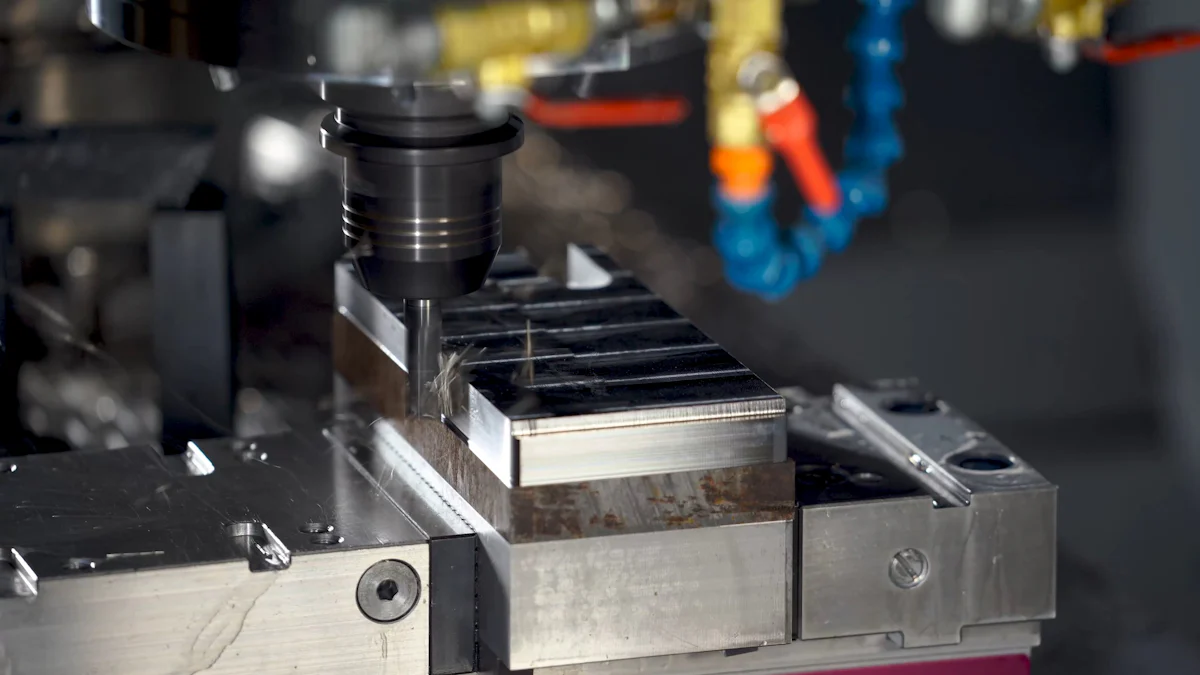
Tools for CNC Elasticity Testing
Load Cells and Force Sensors
Load cells and force sensors are essential tools for elasticity testing. These devices measure the forces applied to materials during testing. They provide accurate data on stress and strain, which helps you evaluate material properties like tensile strength and elasticity. CNC technology integrates these sensors seamlessly, ensuring precise force application and reliable measurements. This precision is critical when testing CNC machining materials, where even minor inaccuracies can affect results.
Precision Grips and Fixtures
Precision grips and fixtures hold materials securely during testing. They prevent slippage and ensure proper alignment, which is vital for accurate results. Different fixtures serve specific purposes, as shown in the table below:
Fixture Type | Purpose |
|---|---|
Tensile Grips | Securely hold specimens during tensile testing for proper alignment. |
Compression Platens | Apply compressive force ensuring even load distribution. |
Bending Fixtures | Support materials during bend tests for precise force application. |
Shear Test Fixtures | Apply shear forces to test resistance to sliding failure. |
Torsion Test Fixtures | Assess response to rotational forces through twisting. |
Extensometers | Measure elongation or strain for precise deformation readings. |
Clamps and Supports | Hold specimens firmly to prevent slippage or misalignment during tests. |
Using these fixtures enhances the machinability of materials and ensures consistent results across multiple tests.
CNC Processes for Elasticity Testing
Tensile Testing
Tensile testing evaluates how materials respond to pulling forces. CNC machining excels in preparing tensile samples with smooth edges and uniform dimensions. Unlike laser cutting, CNC milling avoids burning or melting specimen edges, preserving material properties. It also uses machine coolant to prevent heat damage, ensuring the integrity of tensile samples.
Compression Testing
Compression testing measures how materials behave under compressive forces. CNC machining ensures that specimens have flat, parallel surfaces for even load distribution. This precision minimizes errors and provides reliable data on material strength and elasticity.
Flexural Testing
Flexural testing assesses a material's ability to resist bending forces. CNC technology prepares impact specimens with high accuracy, ensuring consistent dimensions. This accuracy is crucial for obtaining reliable results in flexural testing, especially for materials requiring high strength.
Sample Preparation for CNC Elasticity Testing
Proper sample preparation is vital for accurate material testing. CNC machining simplifies this process by producing specimens with precise dimensions and smooth surfaces. Follow these best practices for sample preparation:
Cut specimens without jagged edges or nicks to maintain tensile strength.
Handle specimens carefully to avoid damage that could affect results.
Use CNC milling to prevent heat-affected zones and surface deformation.
These steps ensure that your samples meet the required standards for elasticity testing.
Step-by-Step Guide to CNC Elasticity Testing
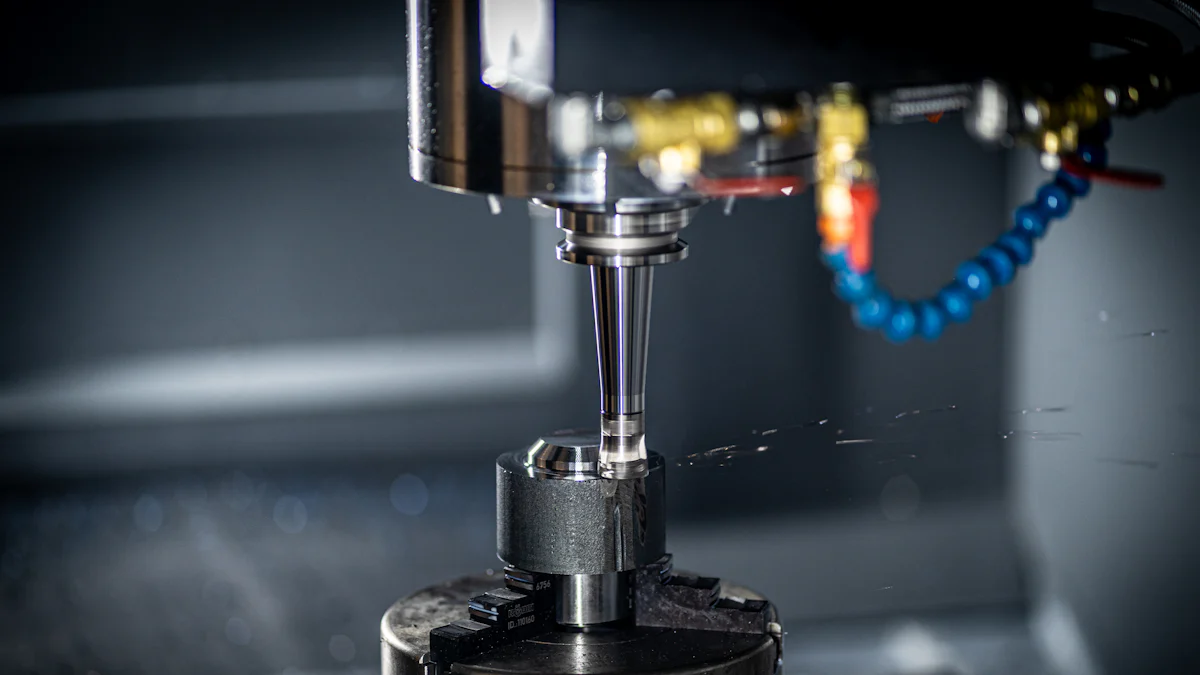
Preparing the Material Sample
Proper sample preparation is the foundation of accurate material testing. Start by selecting materials that meet the required specifications for elasticity testing. Use CNC technology to cut and shape the samples with precision. This ensures uniformity and eliminates irregularities that could affect test results. For tensile samples, ensure smooth edges and consistent dimensions to maintain tensile strength during testing.
Handle the samples carefully to avoid introducing defects. Even minor scratches or nicks can compromise the machinability and accuracy of the test. CNC machining simplifies this process by delivering consistent results across multiple samples. When preparing impact specimens, focus on achieving precise dimensions and smooth surfaces. This step ensures reliable data for elasticity and hardness tests.
Setting Up the CNC Machine
Setting up the CNC machine correctly is crucial for accurate testing. Begin by calibrating the machine to ensure it operates within the required tolerances. Use appropriate fixtures and grips to secure the material samples. For tensile tests, tensile grips provide proper alignment and prevent slippage. Compression platens and bending fixtures are essential for other types of elasticity testing.
Check the machine's alignment and ensure all components are functioning properly. CNC technology allows you to automate many of these steps, reducing errors and saving time. A well-prepared machine ensures consistent force application and reliable results during material testing.
Configuring Testing Parameters
Configuring the right testing parameters is the final step before running the test. Set the force, speed, and duration based on the type of test and the material's properties. For example, materials with high strength require higher force settings. Use CNC technology to input these parameters with precision. This ensures repeatability and accuracy across multiple tests.
Monitor the machine's settings throughout the process. Adjustments may be necessary to account for variations in materials or environmental conditions. Proper configuration ensures that the test results accurately reflect the material's tensile strength, elasticity, and other properties.
Running the Test
Once you’ve prepared the material sample and configured the CNC machine, you’re ready to run the test. Start by securely placing the sample in the appropriate fixture or grip. For tensile samples, ensure the grips hold the material firmly to prevent slippage during the test. If you’re testing impact specimens, double-check that the setup aligns with the testing parameters.
Activate the CNC machine and monitor its operation closely. CNC technology ensures precise force application and consistent testing conditions. As the machine applies stress to the material, observe the deformation and record the data. The machine will measure key properties like elasticity, strength, and resilience in real time. This process eliminates human error and provides reliable results.
Pay attention to any unusual behavior during the test. For example, if the material fails prematurely, it could indicate an issue with sample preparation or machining accuracy. Once the test concludes, the machine will generate detailed data for analysis. Save this data for the next step.
Analyzing and Interpreting Results
After completing the test, analyze the data to understand the material’s performance. Focus on key metrics like elastic modulus, yield strength, and ultimate strength. These values help you determine whether the material meets the required specifications for its intended application.
Use CNC technology to visualize the results through graphs and charts. For example, a stress-strain curve can reveal how the material behaves under different forces. Look for patterns that indicate high strength or good machinability. If the material exhibits consistent performance, it’s suitable for applications requiring durability and elasticity.
Compare the results with industry standards or benchmarks. This step ensures the material’s properties align with expectations. If the data shows inconsistencies, revisit the sample preparation process or testing parameters. Accurate interpretation of results is crucial for making informed decisions about CNC machining materials.
By following these steps, you can confidently evaluate materials for various applications. Whether you’re testing for aerospace, construction, or consumer products, CNC machining provides the precision and reliability you need.
Factors Influencing CNC Elasticity Testing
Material Properties and Types
The properties of materials significantly impact the outcomes of elasticity testing. You must consider factors like strength, durability, and wear resistance when selecting materials for testing. These qualities ensure reliable results and prevent premature failure during tests. CNC technology plays a vital role in creating precise test specimens. Accurate dimensions and tolerances are essential for obtaining consistent data. For example, tensile test results depend on the uniformity of the sample's geometry. Even minor irregularities can lead to inaccurate measurements.
When working with CNC machining materials, you should prioritize those that can withstand the forces applied during testing. High-strength materials are particularly important for applications requiring durability. Proper sample preparation ensures that the specimens meet the required standards, further enhancing the reliability of your results.
Precision and Calibration of CNC Machines
The precision of CNC machining directly affects the accuracy of elasticity testing. You need to ensure that the CNC machine is calibrated correctly before starting any test. High precision is critical because even small deviations in specimen geometry can alter the test outcomes. For instance, uneven surfaces or misaligned edges can skew the stress-strain relationship, leading to unreliable data.
CNC technology allows you to manufacture intricate parts with exact specifications. This capability ensures consistent and controlled testing conditions. Regular calibration of the machine minimizes errors and maintains the integrity of the results. By focusing on precision, you can achieve repeatable and accurate measurements, which are crucial for material testing.
Environmental Conditions
Environmental factors also influence the results of elasticity testing. Temperature, humidity, and vibration can affect the behavior of materials during tests. For example, high temperatures may soften certain materials, reducing their strength and elasticity. Similarly, excessive humidity can cause some materials to absorb moisture, altering their properties.
You should conduct tests in a controlled environment to minimize these variables. CNC technology helps maintain consistent testing conditions by automating the process and reducing human interference. Proper sample preparation and machine calibration further ensure that environmental factors have minimal impact on the results. By controlling these conditions, you can obtain reliable data for evaluating material performance.
Data Accuracy and Interpretation
Accurate data is the cornerstone of reliable elasticity testing. When you test materials using CNC machines, even minor inaccuracies can lead to flawed conclusions. Ensuring data accuracy involves careful calibration, precise sample preparation, and consistent testing conditions. Each step in the process contributes to the reliability of your results.
Why Data Accuracy Matters
Accurate data allows you to make informed decisions about material performance. For example, if you’re testing a material for aerospace applications, incorrect data could result in selecting a material that fails under stress. This could lead to costly failures or safety risks. By prioritizing accuracy, you ensure that your results reflect the true properties of the material.
Tip: Always double-check your CNC machine’s calibration before starting a test. A well-calibrated machine minimizes errors and ensures consistent results.
Interpreting Test Results
Interpreting the data correctly is just as important as collecting it. Start by analyzing key metrics like elastic modulus, yield strength, and resilience. Use graphs, such as stress-strain curves, to visualize how the material behaves under different forces. These curves help you identify patterns and anomalies in the data.
Here’s an example of what to look for in a stress-strain curve:
Curve Section | What It Represents |
|---|---|
Linear Region | Material’s elastic behavior (Hooke’s Law). |
Yield Point | Stress level where permanent deformation begins. |
Ultimate Strength | Maximum stress the material can withstand. |
Compare your results with industry standards or benchmarks. If the data deviates significantly, revisit your testing parameters or sample preparation process. Accurate interpretation ensures that you select materials suited for their intended applications.
Note: Misinterpreting data can lead to incorrect material choices. Always validate your findings against established benchmarks.
By focusing on accuracy and proper interpretation, you can confidently evaluate materials for any project. This approach ensures safety, reliability, and performance in your applications.
Applications of CNC Machining in Material Testing
Aerospace and Automotive Industries
CNC machining plays a critical role in the aerospace and automotive industries. In aerospace, you can use this technology to produce lightweight components from advanced materials like aluminum and titanium. These materials are essential for manufacturing aircraft parts such as turbine blades and landing gear. The precision of CNC machining ensures that these components meet strict safety and performance standards.
In the automotive sector, CNC machining supports the production of precision engine components and high-performance parts. You can also use it for rapid prototyping, which speeds up the design process. This technology allows you to create customized parts that enhance vehicle efficiency and performance. By using CNC machining, you ensure that the materials used in these industries maintain high strength and durability.
Construction and Civil Engineering
CNC machining is indispensable in construction and civil engineering for material testing. It enables precise sample preparation, which is crucial for evaluating the quality and strength of construction materials. For example, you can use CNC technology to prepare samples for testing load-bearing components in infrastructure projects. This ensures that the materials conform to specific standards, providing reliable test results. Accurate machining of samples helps you assess the structural integrity of materials, which is vital for safety in construction projects.
Consumer Product Manufacturing
In consumer product manufacturing, CNC machining supports a wide range of material testing applications. You can use CNC-prepared samples for tensile, compression, and impact tests to evaluate properties like flexibility and impact resistance. For example, in the medical device industry, CNC technology ensures uniform specimens for durability and flexibility tests. In the electronics sector, precise sample preparation allows for mechanical and microstructural testing of advanced materials like ceramics and polymers.
By using CNC machining, you can achieve consistent results across various industries. This technology ensures that the materials used in consumer products meet high strength and performance standards. Whether you are testing materials for durability or flexibility, CNC machining provides the precision you need.
Research and Development
CNC machining plays a transformative role in research and development (R&D) for material science. It provides you with the tools to explore new materials and improve existing ones. By using CNC technology, you can manufacture precise test specimens, which is essential for accurate material testing. This precision allows you to evaluate mechanical properties like tensile strength and elasticity with confidence.
In R&D, tensile testing is a cornerstone for understanding material behavior. CNC machining ensures that the specimens used in these tests meet exact specifications. This accuracy helps you gather reliable data, which is critical when developing new materials or composites. For example, when creating lightweight yet durable materials for aerospace or automotive applications, precise testing is non-negotiable.
Tip: Always ensure your CNC machine is calibrated before producing test specimens. Proper calibration guarantees consistent results.
Advanced CNC technology also enables you to produce complex geometries. This capability is invaluable when designing high-performance components for industries like aerospace, medical devices, or renewable energy. You can experiment with intricate designs and test their feasibility, pushing the boundaries of innovation.
Key contributions of CNC machining in R&D include:
Precise manufacturing of test specimens for accurate tensile testing.
Insights into mechanical properties that drive material innovation.
The ability to create complex shapes for high-performance applications.
By leveraging CNC machining, you can accelerate the development of cutting-edge materials. This technology not only enhances the accuracy of your research but also opens new possibilities for innovation. Whether you’re working on advanced composites or exploring sustainable materials, CNC machining provides the precision and flexibility you need to succeed.
CNC machining has revolutionized material elasticity testing by automating the preparation of test specimens. This technology ensures precise dimensions and tolerances, which are critical for accurate tensile and elasticity tests. By reducing manual labor and inconsistencies, CNC technology delivers reliable results and enhances the efficiency of your testing processes.
Precision and repeatability play a pivotal role in advancing material science. Accurate sample preparation minimizes variability and human error, ensuring consistent results across multiple tests. This approach not only saves time but also reduces material waste, making it a sustainable choice for testing.
The benefits of CNC-based testing extend across industries. From aerospace to consumer products, you can rely on CNC machining to evaluate materials with high strength and durability. Its adaptability to various sample types makes it an indispensable tool for research, development, and manufacturing.
Key Takeaway: CNC machining combines precision, efficiency, and reliability, enabling you to push the boundaries of material science and engineering.
FAQ
What is the role of CNC machining in material elasticity testing?
CNC machining ensures precise sample preparation and consistent testing conditions. It eliminates human error and provides repeatable results. This precision allows you to measure material properties like elasticity, tensile strength, and resilience accurately.
Why is elasticity testing important for manufacturing?
Elasticity testing helps you determine how materials respond to stress and strain. This ensures that the materials used in products can withstand operational forces without permanent damage. It’s essential for creating durable and reliable products.
How does CNC technology improve testing accuracy?
CNC machines operate with high precision and repeatability. They prepare samples with exact dimensions and tolerances. This accuracy minimizes variability in test results and ensures reliable data for evaluating material properties.
What industries benefit most from CNC-based elasticity testing?
Industries like aerospace, automotive, construction, and consumer products benefit greatly. You can use CNC machining to test materials for strength, durability, and flexibility, ensuring they meet safety and performance standards.
Can CNC machines handle complex material testing?
Yes! CNC machines can prepare samples for various tests, including tensile, compression, and flexural testing. Their ability to produce intricate shapes and maintain precise tolerances makes them ideal for advanced material testing.
Tip: Always calibrate your CNC machine before testing to ensure accurate results. 🛠️
See Also
Grasping Material Needs for CNC Precision Machining Success
Three Key Strategies for CNC Clamping Precision Accuracy
Excelling in CNC Machining: Tolerances, Prototypes, and Materials
Why CNC Cutting Precision Matters in Engineering Excellence
Overcoming Obstacles: Boosting CNC Prototyping Accuracy and Speed
About US
Follow Us
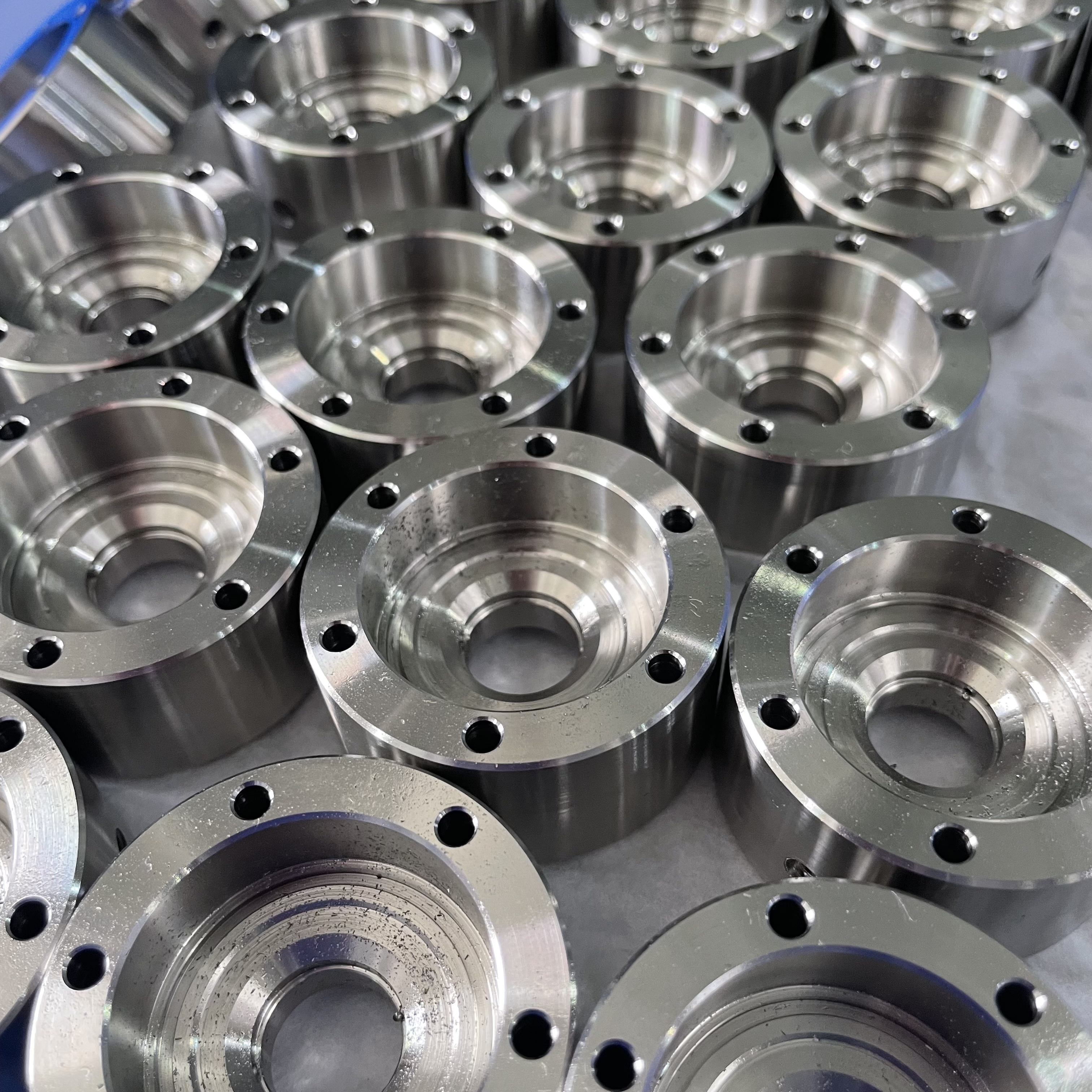
Your prototype holds unparalleled significance, and we deeply value its uniqueness. Collaborating with you during the preparation phase for running your prototype or parts is a commitment we gladly embrace. Whether it's a single part or a complex assembly, we are dedicated to selecting the optimal tools and pathways to bring your envisioned product to life.
At Precision Fab CNC Machining, we specialize in producing parts for prototypes, short runs, and high-volume production. Our prototyping machine capabilities extend across metal, plastic, and wood machining, with welding fabrication services available to complement and finalize your prototype if required.
Address
Address: Room320 10F, Building A,Nanshan international building, Dayawan District, Huizhou, Guangdong, 516001 China
Contacts
billy@timaycnc.com