A Comprehensive Guide to CNC Machining Material Selection

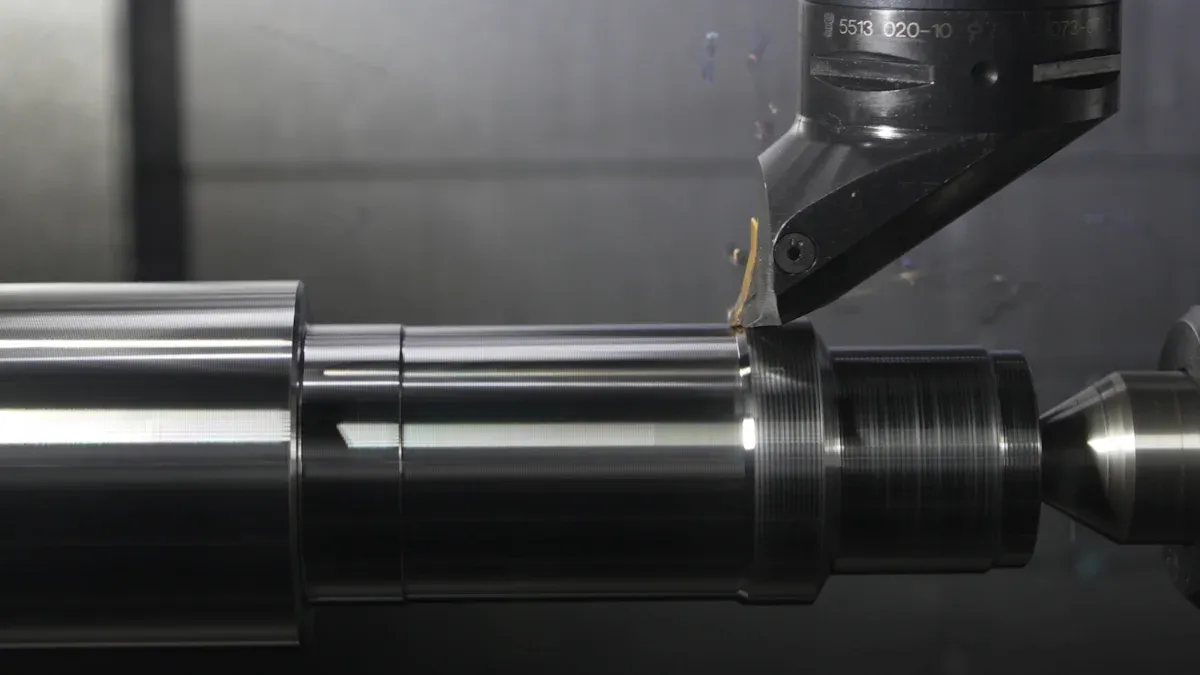
Material selection plays a vital role in CNC machining. It directly affects tool life, cutting speed, and surface finish. For example, aluminum offers a great strength-to-weight ratio, while steel provides durability but is harder to machine. Choosing the right material ensures optimal performance, reduces costs, and supports sustainable manufacturing practices.
Key Takeaways
Picking the right material for CNC machining is important. It impacts tool use, cutting speed, and surface smoothness. Use aluminum for light parts and steel for strong ones.
Think about strength and hardness when choosing materials. Softer ones are easier to cut, but harder ones need special tools.
Check costs closely. Match material features with your budget to save money but keep good quality.
Key Factors for CNC Machining Materials Selection
Mechanical Properties
When selecting materials for CNC machining, mechanical properties play a crucial role. You need to consider factors like strength, hardness, and ductility. Strength determines how much load a material can handle without breaking, while hardness affects its resistance to scratches or dents. For example, aluminum offers a good balance of strength and machinability, making it ideal for lightweight parts. On the other hand, tougher materials like titanium or carbon fiber require specialized tools due to their hardness, which can increase machining difficulty.
Other important properties include elasticity, which measures how much a material can stretch and return to its original shape, and toughness, which indicates resistance to impact. Softer materials like plastic are easier to machine but may lack durability for high-stress applications. Understanding these properties ensures you choose the right material for your project.
Thermal and Electrical Properties
Thermal and electrical properties significantly influence CNC machining outcomes. High thermal conductivity materials, such as aluminum and copper, help dissipate heat during machining. This reduces tool wear and prevents overheating. Conversely, poor thermal conductivity can lead to heat buildup, affecting both the workpiece and cutting tools.
Electrical conductivity is another key factor, especially for components used in electrical applications. Metals like copper excel in this area due to their high conductivity. For applications requiring insulation, materials like ceramics or certain plastics are better suited. Considering these properties ensures the durability and functionality of your CNC-machined parts.
Cost and Budget
Budget constraints often dictate material selection. You must balance material properties with cost-effectiveness. For instance, aluminum and steel are affordable options, with costs ranging from $1 to $5 per pound. Stainless steel and titanium, while more durable, are significantly pricier.
Machining costs also add to the overall expense. Softer materials like plastic are easier and cheaper to machine, while harder metals require more time and specialized tools. Evaluating the total cost, including raw material and machining expenses, helps you make informed decisions.
Material | Cost Range (per pound) |
|---|---|
Aluminum | $1 - $5 |
Steel | $0.50 - $5 |
Stainless Steel | $2 - $15 |
Brass | $4 - $8 |
Plastics | $1 - $10 |
Environmental Impact
CNC machining materials have varying environmental impacts. Metals like aluminum and steel are highly recyclable, making them sustainable choices. Non-ferrous metals, such as brass, yield higher returns when recycled. However, CNC machining processes consume significant energy and generate waste, including chips and metalworking fluids.
Sustainable material options can reduce environmental harm. For example, using recyclable materials or energy-efficient machines lowers carbon emissions. By prioritizing greener choices, you not only minimize waste but also achieve long-term cost savings.
Common CNC Machining Materials
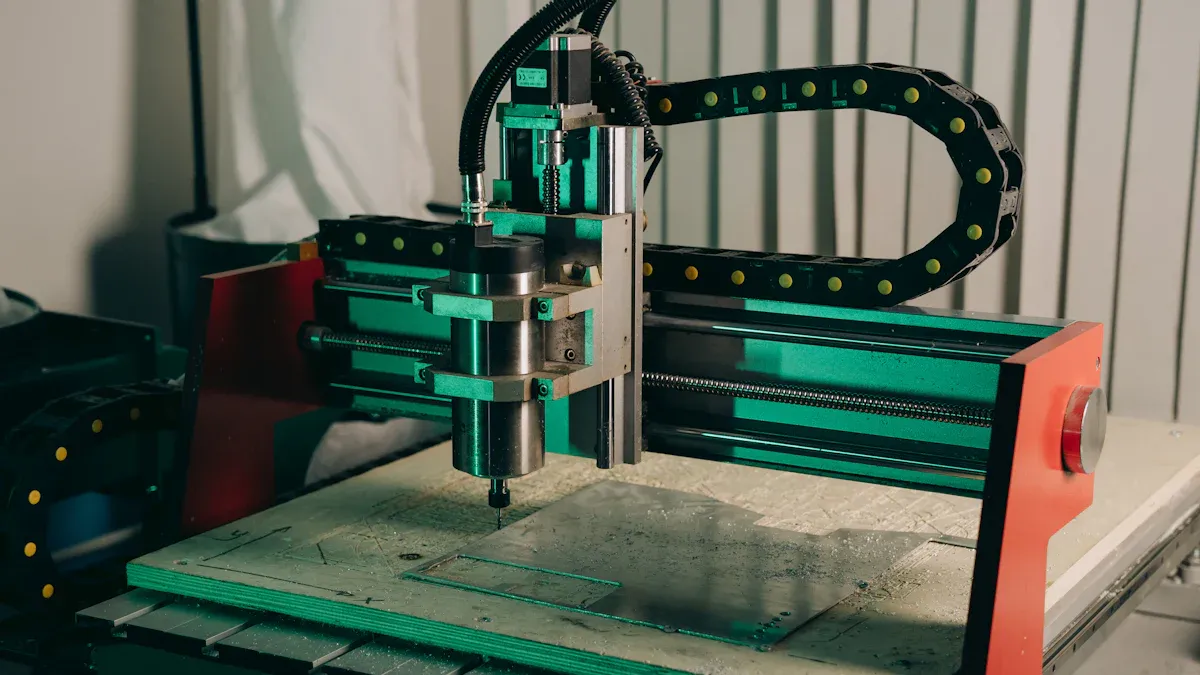
Metals for CNC Machining
Metals are among the most common types of materials for CNC machining due to their strength, durability, and versatility. You can choose from a variety of metal options based on your project’s requirements.
Aluminum: Lightweight and strong, aluminum is ideal for applications in aerospace and transportation. Its excellent thermal and electrical conductivity also makes it a popular choice for housings and gears.
Brass: Known for its corrosion resistance and machinability, brass is often used in plumbing fittings and electrical components.
Bronze: This durable alloy is perfect for precision parts like bushings and gears.
Copper: With high thermal and electrical conductivity, copper is widely used in electronics and valves.
Nickel Alloys: These metals resist high temperatures and corrosive environments, making them suitable for aerospace and petrochemical industries.
These types of metal materials offer a range of properties, ensuring you can find the right fit for your CNC machining needs.
Plastics for CNC Machining
Plastics are another popular choice for CNC machining materials. They provide unique advantages for lightweight and corrosion-resistant parts.
Advantages | Disadvantages |
|---|---|
Faster machining speeds | Low strength and hardness |
Less tool wear | High thermal expansion |
Light weight | Surface quality |
Good corrosion resistance | Poor temperature resistance |
Good insulating properties |
You can use plastics for applications requiring good insulation or lightweight designs. However, their lower strength compared to metals limits their use in high-load environments.
Comparing Metals and Plastics
When deciding between metals and plastics, you must consider machinability, cost, and performance. Metals excel in strength and durability, making them suitable for high-load applications. Plastics, on the other hand, offer faster machining speeds and lower costs.
Aspect | Metals | Plastics |
|---|---|---|
Strength and Durability | Suitable for high loads and impacts | Suitable for lightweight and moderate strength |
Manufacturing Processes | Processed by cutting, welding, casting | Processed by injection molding, 3D printing |
Cost-effectiveness | Higher raw material and processing costs | Lower raw material and processing costs |
Plastics work well for lightweight designs, while metals remain the go-to choice for heavy-duty applications. By understanding these differences, you can select the best material options for your CNC machining project.
Matching Materials to Applications
Industry-Specific Material Choices
Different industries require specific materials for CNC machining based on their unique demands. For example:
Aerospace: Titanium alloys and nickel-based superalloys are common for turbine blades and structural components due to their strength and heat resistance.
Automotive: Aluminum alloys and cast iron are used for engine parts like pistons and cylinder heads.
Electronics: Copper and FR-4 are ideal for PCBs and other electrical components because of their conductivity.
Medical: Stainless steel, titanium, and medical-grade plastics are preferred for surgical tools and implants.
General Manufacturing: Composites like carbon fiber reinforced polymers (CFRP) offer a high strength-to-weight ratio for lightweight designs.
Selecting the right material ensures your machined parts meet industry standards and perform reliably.
Prototyping vs. Production
Material requirements differ between prototyping and production. Prototyping often uses a wider range of materials, including wood and plastics, to test designs. Production focuses on cost-efficient materials like metals and composites.
Aspect | Prototyping | Production |
|---|---|---|
Supported Materials | Wood, plastic, metals, alloys | Metals, plastics, and composites |
Material Costs | Higher due to detail focus | More optimized for cost efficiency |
Material Consumption | Generally lower for initial tests | Higher for mass production |
Prototyping prioritizes precision, while production emphasizes scalability and cost-effectiveness.
Balancing Cost and Performance
Balancing cost and performance in CNC machining requires strategic planning. You can:
Choose materials like aluminum for their machinability and affordability.
Simplify part designs to reduce machining steps.
Use standardized components to avoid custom tooling.
Optimize machining processes to save time and reduce waste.
By evaluating material options and streamlining processes, you can achieve high-quality results without overspending.
Finishing and Secondary Processes
Surface Treatments
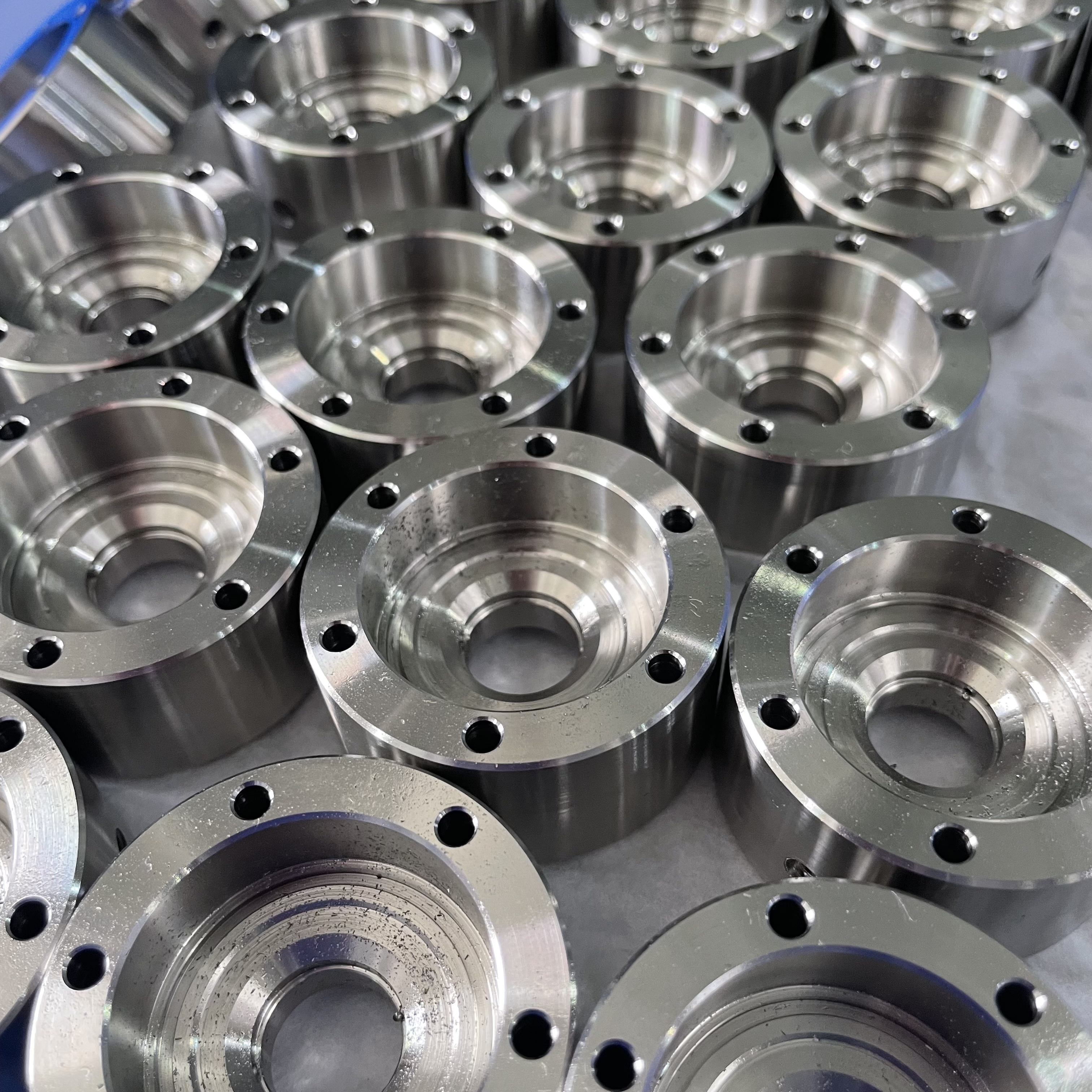
Surface treatments enhance the appearance, durability, and functionality of CNC-machined parts. These processes can improve corrosion resistance, wear resistance, and surface smoothness. Common treatments include polishing, bead blasting, and anodizing.
Surface Treatment | Function | Suitable Materials |
|---|---|---|
Polishing | Creates a high-gloss finish, enhances corrosion resistance | Aluminum, stainless steel, brass |
Bead Blasting | Improves visual appearance, creates a smoother surface | Metal materials |
Anodizing | Develops a protective oxide layer, shields from corrosion and wear | Machined metal parts |
For example, anodizing works well for aluminum and titanium alloys, making it a popular choice in aerospace and automotive industries. Bead blasting, on the other hand, is suitable for both metals and plastics, offering decorative finishes for electronic housings or automotive parts.
Post-Machining Techniques
Post-machining techniques refine CNC-machined parts further, ensuring they meet functional and aesthetic requirements. These techniques include deburring, sanding, and coating. Deburring removes sharp edges, while sanding smooths rough surfaces. Coating treatments, such as nickel or chrome plating, enhance wear resistance and protect against corrosion.
Electropolishing is another option for stainless steel and aluminum. It smooths surfaces and improves hygiene, making it ideal for medical and food-processing equipment. By selecting the right post-machining technique, you can achieve the desired finish for your parts.
Finishing and Material Compatibility
Material compatibility plays a critical role in choosing the right finishing process. Some materials, like aluminum, respond well to anodizing, while others, like stainless steel, are better suited for electropolishing. Surface preparation is equally important. Proper cleaning and priming ensure coatings adhere effectively, enhancing durability.
When selecting materials, consider their ability to achieve smooth finishes. For instance, metals generally allow for finer finishes than plastics. Matching the finishing process to the material ensures optimal results in both appearance and performance.
Practical Advice for CNC Machining Materials
Tips for Material Machinability
Improving machinability can save time and reduce costs in CNC machining. You can follow these practical tips to enhance the process:
Choose materials with good machinability, such as re-sulfurized steel or aluminum, instead of harder options like high-carbon steel.
Invest in high-quality cutting tools, such as carbide tools, to handle demanding machining tasks effectively.
Use high-performance cutting fluids to minimize friction and extend tool life.
Apply heat treatments, like annealing, to soften tough materials and make them easier to machine.
Testing machinability before starting production can also help. Highly machinable materials reduce tool wear, improve surface finish quality, and lower production costs. Selecting the right material ensures efficiency and accuracy in your CNC projects.
Durability and Longevity
Durability depends on the material's properties and functional requirements. Stronger materials like titanium or stainless steel excel in high-stress environments, while millable plastics like POM or nylon work well for lightweight applications. Consider these factors:
Material Properties: Strength, hardness, and corrosion resistance affect how long parts last.
Operating Temperatures: Each material has a safe temperature range to maintain structural integrity.
Balancing quality and cost is essential. While softer materials like aluminum are easier to machine, tougher options like carbon fiber offer better longevity. Choosing the right material ensures your CNC-machined parts perform reliably over time.
Cost-Effective Material Choices
Selecting cost-effective materials without compromising quality is crucial for CNC machining. Here are some top millable plastics and metals to consider:
Material | Benefits |
|---|---|
Affordable, excellent machinability, good strength-to-weight ratio | |
Steel Alloys | Durable, easy to machine, and widely available |
Brass | Aesthetic appeal, good machinability, and corrosion resistance |
ABS | Lightweight, shock-resistant, and ideal for prototypes |
POM | Excellent dimensional stability and low friction |
Nylon | Good mechanical properties and easy to machine |
For lightweight designs, millable plastics like ABS and POM are the best plastic for CNC engraving. Metals like aluminum and brass offer a balance of machinability and durability. By choosing the right material, you can optimize costs while maintaining high-quality results.
Selecting the right material is crucial for cnc machining success. Understanding the properties of metals and plastics helps you match materials to application needs, cost, and machinability. Proper planning ensures your material meets functional requirements like strength or heat resistance. For complex decisions, consult experts to balance performance, aesthetics, and budget effectively.
FAQ
What is the most machinable material for CNC machining?
Aluminum is one of the easiest materials to machine. It offers excellent machinability, good strength, and affordability, making it ideal for prototypes and production parts.
How do you choose between metals and plastics for CNC machining?
Evaluate your project’s requirements. Use metals for strength and durability. Choose plastics for lightweight designs, corrosion resistance, or electrical insulation.
💡 Tip: Always test material properties before finalizing your choice.
Can CNC machining handle complex geometries?
Yes, CNC machining can produce intricate designs. However, material selection and tool capabilities influence the level of detail achievable.
See Also
Essential Techniques for CNC Machining and Material Choices
CNC Machining Essentials: Understanding Tolerances and Prototyping
Key Material Considerations for CNC Precision Machining
Comprehensive Insights into CNC Machining and Manufacturing
In-Depth Exploration of CNC Milling and Precision Engineering
About US
Follow Us
Your prototype holds unparalleled significance, and we deeply value its uniqueness. Collaborating with you during the preparation phase for running your prototype or parts is a commitment we gladly embrace. Whether it's a single part or a complex assembly, we are dedicated to selecting the optimal tools and pathways to bring your envisioned product to life.
At Precision Fab CNC Machining, we specialize in producing parts for prototypes, short runs, and high-volume production. Our prototyping machine capabilities extend across metal, plastic, and wood machining, with welding fabrication services available to complement and finalize your prototype if required.
Address
Address: Room320 10F, Building A,Nanshan international building, Dayawan District, Huizhou, Guangdong, 516001 China
Contacts
billy@timaycnc.com