How CNC Machining Enhances Precision in the Automotive Industry


CNC machining has revolutionized the automotive industry by delivering unmatched precision in manufacturing. You can rely on this technology to produce identical parts with tolerances as tight as ±0.001″. This level of accuracy is essential for automotive components, especially when the industry produces over 81.5 million cars annually. By automating processes, CNC machining eliminates human error, reduces inspection costs, and ensures faster production times. These advancements make it a cornerstone of modern automotive manufacturing.
Key Takeaways
CNC machines are very accurate, with errors as small as ±0.001 inches. This makes sure car parts are high quality.
CNC automation cuts down mistakes, saves money, and speeds up making parts.
It works with many materials to make strong, light parts needed for today’s cars.
CNC Machining and Its Role in Precision Manufacturing
What is CNC Machining?
CNC machining, or computer numerical control machining, is a manufacturing process that uses pre-programmed software to control machinery. This technology integrates computer-aided design (CAD) and computer-aided manufacturing (CAM) systems. CAD models are converted into machine-readable instructions, guiding the precise movements of cutting tools. This allows you to create complex geometries and intricate details with enhanced precision. The process involves setup, machining operations, and post-processing, ensuring that automotive parts meet exact specifications.
CNC machines come in various types, each designed for specific tasks:
CNC milling machines reshape materials using rotating cutting tools.
CNC lathes rotate raw materials while stationary tools cut them.
CNC drilling machines create cylindrical holes with rotating drill bits.
Electrical discharge machines (EDM) shape materials using electrical sparks.
CNC plasma cutting machines use high-powered plasma torches for cutting.
CNC precision grinding machines deliver smooth finishes with exceptional accuracy.
Automation and Accuracy in CNC Processes
Automation plays a critical role in CNC machining, ensuring accuracy and consistency in manufacturing. Modern CNC systems use IoT and big data analytics to enable real-time communication between machines. This reduces errors and defects, improving the quality of automotive components. Predictive maintenance powered by AI monitors machine performance, preventing unexpected downtime and increasing efficiency.
Automation also optimizes production processes, enhancing machine uptime and reliability. By analyzing data, AI fine-tunes machining operations, achieving higher precision and efficiency. These advancements make CNC machining indispensable in the automotive industry, where accuracy and consistency are paramount.
Achieving Tight Tolerances in Automotive Components
Tight tolerances are essential for the performance and safety of automotive parts. CNC machining achieves tolerances as precise as ±0.001 inches, ensuring consistent and accurate dimensions. This level of precision improves engine efficiency, reduces friction, and enhances overall vehicle performance.
For example, standard machining tolerances are typically ±0.005 inches, while precision machining can achieve tolerances as tight as ±0.002 inches. Reamed holes and feature locations often require even greater precision, with tolerances of ±0.0005 inches and ±0.002 inches, respectively. These tight tolerances ensure that components fit and function perfectly, reducing turnaround time and machining costs.
By delivering unmatched precision, CNC machining supports the production of reliable and high-quality automotive parts, making it a cornerstone of precision manufacturing.
Benefits of CNC Machining in the Automotive Industry
Consistency and Repeatability in Manufacturing
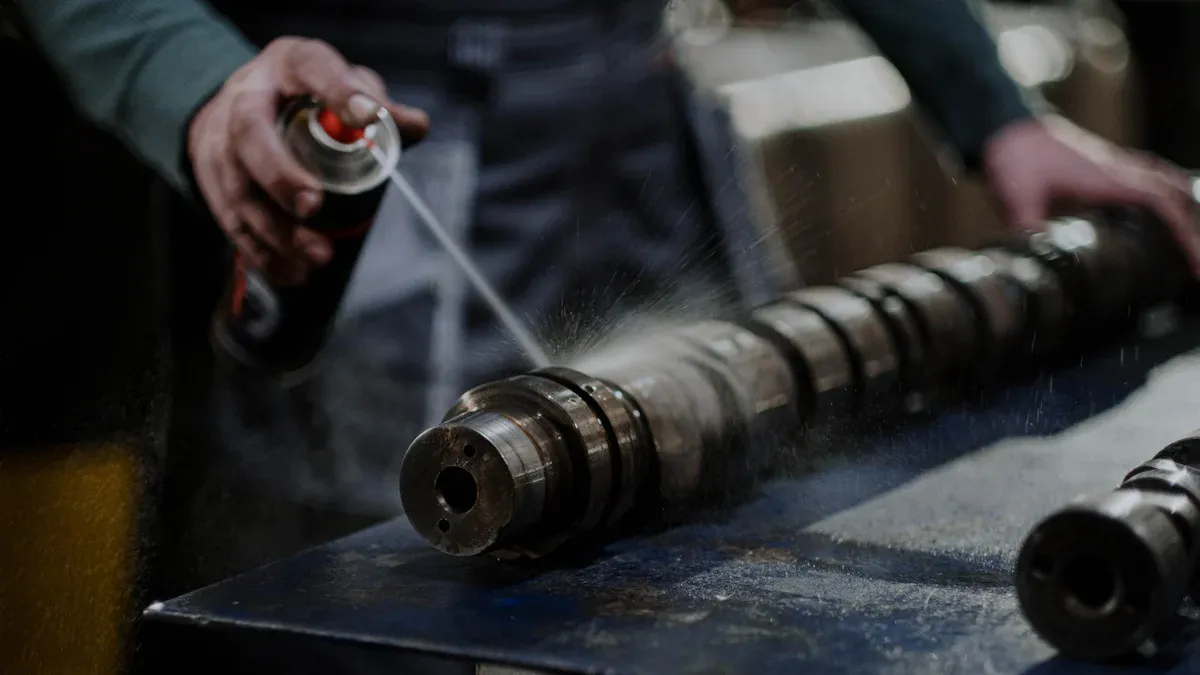
CNC machining ensures unmatched consistency in automotive production. You can rely on this technology to produce identical parts in large quantities, minimizing variability and ensuring each part meets exact specifications. This consistency is vital for seamless assembly and maintaining high-quality standards in the automotive industry.
The repeatability of CNC machining allows you to manufacture components with strict quality control. Once programmed, CNC machines can perform the same operation multiple times without discrepancies. This guarantees uniformity in dimensions and performance characteristics, which is essential for reliable automotive parts. By maintaining consistent quality across batches, CNC machining supports the production of vehicles that meet stringent industry standards.
Material Versatility for Automotive Applications
CNC machining offers remarkable material versatility, enabling you to create diverse automotive components. This technology can handle a wide range of materials, including aluminum, steel, and specialized alloys. These materials are essential for producing lightweight, fuel-efficient, and durable parts.
From metals like aluminum alloys and titanium to plastics and composites, CNC machining accommodates various substances. This flexibility allows you to quickly adapt to design changes or new requirements, ensuring enhanced precision in automotive production. The ability to work with different materials makes CNC machining indispensable for manufacturing components like engine blocks, interior trims, and safety-critical parts.
Material Type | Properties | Applications |
|---|---|---|
Aluminum Alloys | Lightweight, heat dissipation | Engine blocks, cylinder heads |
Polycarbonate | Optical clarity, impact resistance | Headlamp lenses |
Steel Alloys | High strength | Crankshafts, connecting rods |
Minimizing Human Error for Enhanced Efficiency
CNC machining significantly reduces human error, leading to increased efficiency in automotive manufacturing. Automated processes eliminate variability caused by manual operations, ensuring each part meets precise specifications. This reduces the need for extensive inspections and lowers production costs.
Common errors in traditional manufacturing, such as programming mistakes or improper tool usage, are minimized with CNC technology. By automating these processes, you can achieve exceptional precision and reliability in automotive parts. This not only enhances production efficiency but also shortens lead times, making CNC machining a cornerstone of modern automotive customization and personalization.
Applications of CNC Machining in Automotive Manufacturing
Engine and Powertrain Components
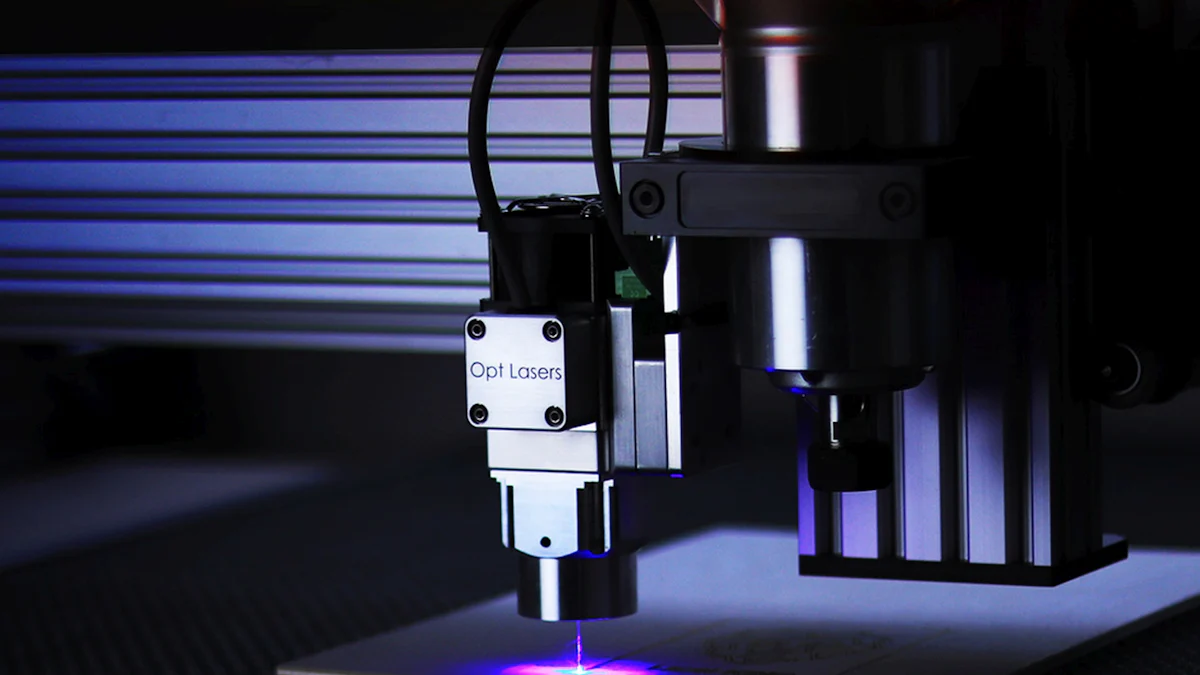
CNC machining plays a vital role in producing precise engine and powertrain components. You can rely on this technology to manufacture critical parts like cylinder blocks, crankshafts, and pistons with exceptional accuracy. These components must meet tight tolerances to ensure optimal engine performance and fuel efficiency. CNC machining also supports the production of transmission parts, such as gears and shafts, which require consistent dimensions for smooth operation.
Component Type | Specific Parts Produced |
|---|---|
Engine Components | Cylinder Blocks, Heads, Crankshafts, Connecting Rods, Pistons, Valves |
Transmission Components | Gears, Shafts, Housings |
Suspension Components | Control Arms, Steering Knuckles |
Brake Components | Calipers, Rotors |
Fuel System Components | Fuel Injectors, Pumps |
Other Components | Turbochargers, Superchargers, Steering Wheels |
This level of precision ensures that every part contributes to the reliability and performance of modern vehicles. Whether for prototyping or mass production, cutting-edge CNC solutions deliver consistent results for the automotive industry.
Brake Systems and Safety-Critical Parts
Brake systems demand the highest level of precision, as even minor deviations can compromise safety. CNC machining ensures that every brake component, from calipers to rotors, meets exact specifications. You can trust this technology to produce parts with tolerances as tight as a few micrometers, ensuring consistent performance under extreme conditions.
CNC machining guarantees precise dimensions for brake components, reducing the risk of failure.
It allows for the customization of parts tailored to specific vehicle models or performance needs.
High-performance and luxury vehicles benefit from the flexibility of CNC machining.
This technology ensures reliability in safety-critical automotive parts, where accuracy is non-negotiable.
By leveraging the transformative power of CNC machining, manufacturers can deliver brake systems that meet the rigorous demands of the automotive industry.
Electric Vehicle Components and Lightweight Materials
The shift toward electric vehicles (EVs) has increased the demand for lightweight and efficient components. CNC machining excels in producing parts from materials like aluminum, titanium, and carbon fiber composites. These materials reduce vehicle weight, improving range and performance.
CNC machining creates lightweight brackets, frames, and structural components essential for EVs.
It supports the production of precision parts for electric powertrains, such as battery connectors and motor shafts.
Advanced CNC Swiss machining techniques enhance fuel efficiency and reduce emissions by enabling the use of composite alloys.
You can see how cutting-edge CNC machining services are driving innovation in EV manufacturing. By combining precision with material versatility, this technology supports the automotive industry's transition to sustainable and efficient vehicles.
The Impact of CNC Machining on the Automotive Industry
Driving Innovation in Automotive Design
CNC machining empowers you to explore groundbreaking designs in the automotive industry. This technology enables the creation of lightweight components using advanced materials like titanium and carbon fiber composites. These materials not only improve fuel efficiency but also enhance vehicle performance. You can also produce custom interior components tailored to individual preferences, offering a unique blend of functionality and aesthetics.
With CNC machining, you can manufacture intricate engine parts such as cylinder heads, crankshafts, and connecting rods. These components ensure optimal engine performance and durability. Additionally, CNC machining supports the development of precision suspension systems, including control arms and shock absorbers, which improve ride quality. For electric vehicles, CNC machining enhances drive units, increasing range and reducing production costs. This versatility makes CNC machining a key driver of innovation in automotive design.
Supporting Sustainability and Material Optimization
CNC machining plays a vital role in promoting sustainability in the automotive industry. By optimizing cutting paths, this technology minimizes material waste, especially when working with expensive metals like aluminum. You can achieve more parts per material unit, maximizing the use of raw materials and reducing costs.
Automated CNC processes also lower energy consumption, making production more eco-friendly. Precise machines eliminate unnecessary material removal, further reducing waste. Advanced CAD/CAM software enhances material efficiency by ensuring every cut is deliberate and accurate. These practices align with the automotive industry's growing focus on sustainability and resource conservation.
Enhancing Cost-Efficiency in Production
CNC machining significantly reduces production costs while maintaining high-quality standards. Automated processes minimize the need for manual labor, saving time and reducing human error. Faster production times increase overall efficiency, allowing you to meet tight deadlines without compromising quality.
This technology also optimizes cutting paths, reducing material waste and lowering expenses, particularly for large production runs. Continuous operation and improved cycle times further enhance cost-efficiency. By streamlining the manufacturing process, CNC machining ensures you can produce reliable automotive parts at a competitive price.
CNC machining continues to revolutionize automotive manufacturing by delivering unmatched precision and efficiency.
Key takeaways include:
Lower labor costs through automation
Consistent mass production of identical parts
Flexibility for complex designs
Future advancements, such as AI-driven automation and lightweight component production, will further enhance sustainability and innovation in the industry.
FAQ
What makes CNC machining better than traditional manufacturing methods?
CNC machining offers unmatched precision, consistency, and efficiency. It eliminates human error, reduces waste, and produces complex parts with tight tolerances that traditional methods cannot achieve.
Can CNC machining handle custom automotive designs?
Yes, CNC machining excels at creating custom designs. You can produce intricate, one-of-a-kind components tailored to specific vehicle models or unique customer requirements with ease.
Is CNC machining suitable for electric vehicle production?
Absolutely! CNC machining supports EV manufacturing by producing lightweight, precise components like battery connectors, motor shafts, and structural parts from advanced materials like aluminum and carbon fiber.
See Also
Exploring CNC Machining's Role in Aerospace Precision Engineering
The Impact of CNC Machining on Precision Manufacturing Innovations
The Significance of Precision CNC Machining in Modern Manufacturing
Innovations in CNC Machining and Their Precision Engineering Impact
Achieving Excellence in Precision Parts Through CNC Machining
About US
Follow Us
Your prototype holds unparalleled significance, and we deeply value its uniqueness. Collaborating with you during the preparation phase for running your prototype or parts is a commitment we gladly embrace. Whether it's a single part or a complex assembly, we are dedicated to selecting the optimal tools and pathways to bring your envisioned product to life.
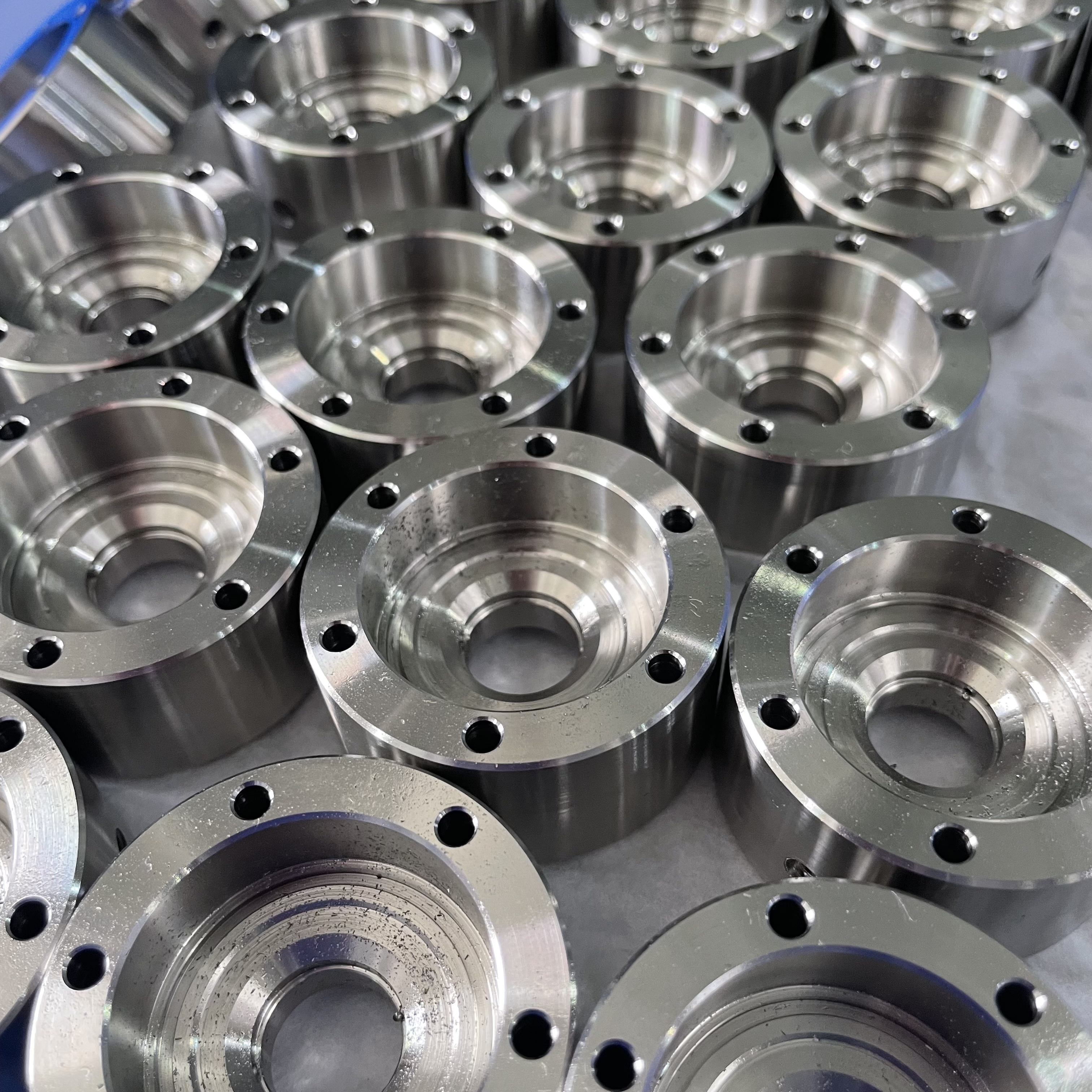
At Precision Fab CNC Machining, we specialize in producing parts for prototypes, short runs, and high-volume production. Our prototyping machine capabilities extend across metal, plastic, and wood machining, with welding fabrication services available to complement and finalize your prototype if required.
Address
Address: Room320 10F, Building A,Nanshan international building, Dayawan District, Huizhou, Guangdong, 516001 China
Contacts
billy@timaycnc.com