How CNC Machining Revolutionizes Product Development in 2025

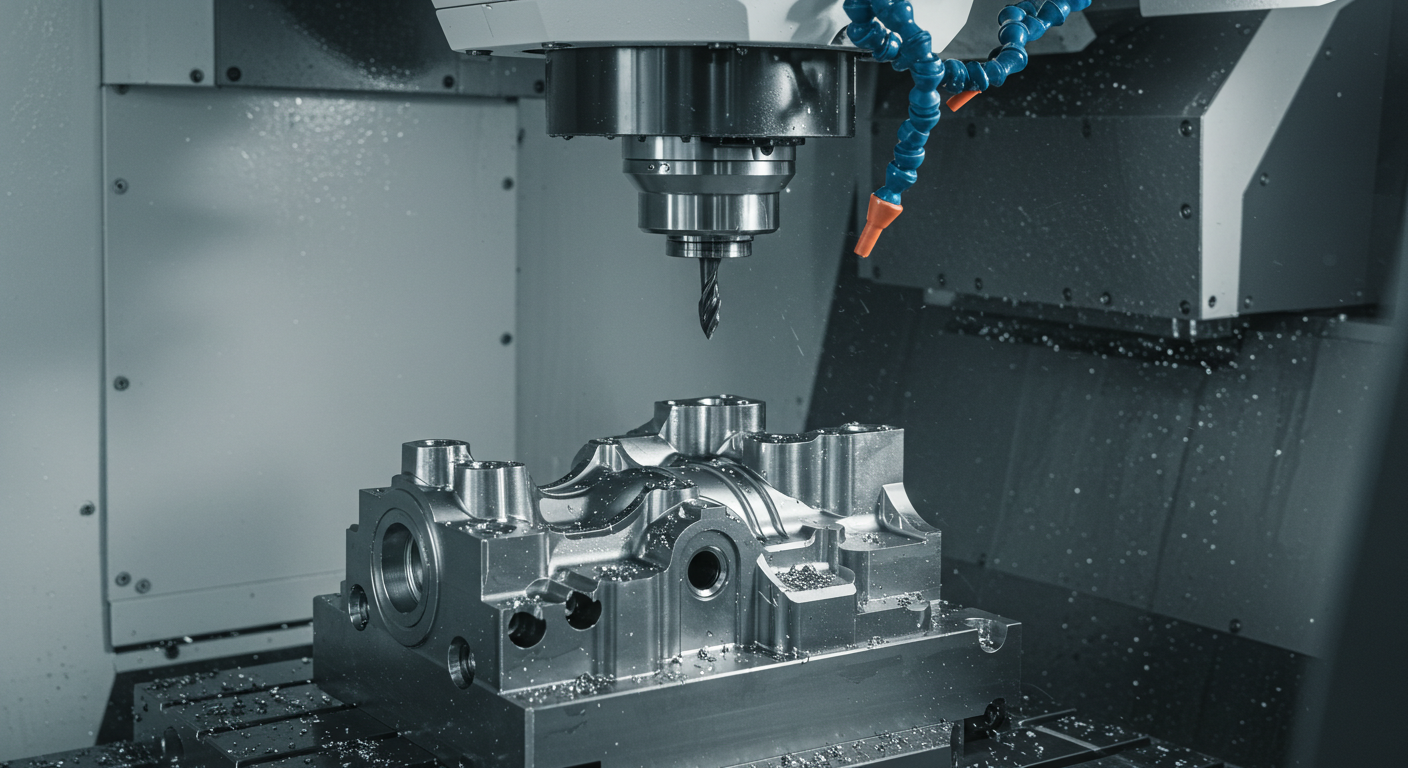
CNC machining transforms how you approach product development in 2025. It combines speed, precision, and cost-efficiency to meet modern demands. Automation and advanced software enhance accuracy, while eco-friendly practices align with global regulations. You can accelerate rapid prototyping, reduce time-to-market, and create intricate designs with unmatched precision. This fosters innovation and adaptability.
Key Takeaways
CNC machining speeds up product creation with quick prototyping. This saves time.
It provides great accuracy and consistency, perfect for detailed designs.
CNC machining helps the environment by cutting waste and using resources wisely.
CNC Machining: The Backbone of Modern Product Development
What Is CNC Machining?
CNC machining, or Computer Numerical Control machining, automates the operation of tools like lathes, mills, and routers. It uses computerized controls, often programmed with G-code, to dictate precise movements and operations. This ensures high accuracy and repeatability in manufacturing. You can rely on CNC machining to produce intricate components with tight tolerances, making it indispensable for industries like aerospace, automotive, and medical devices.
The versatility of CNC machines allows them to work with a wide range of materials, including metals, plastics, and composites. They can perform multiple operations, such as cutting, drilling, and milling, in a single setup. This automation not only enhances productivity but also ensures consistent quality across production runs. Whether you're creating prototypes or scaling up for mass production, CNC machining provides the tools you need to meet modern manufacturing demands.
Why CNC Machining Is Essential for Product Development in 2025
CNC machining plays a critical role in product development by addressing key challenges and enabling innovation. It accelerates rapid prototyping, allowing you to bring products to market faster. The technology supports the creation of complex designs with unmatched precision, pushing the boundaries of what’s possible in manufacturing. This is especially valuable in industries like consumer electronics and defense, where intricate components are essential.
Scalability and flexibility are other reasons why CNC machining is indispensable. You can easily transition from prototyping to full-scale production without compromising quality. The ability to experiment with designs quickly and cost-effectively fosters creativity and innovation. By shortening development cycles, CNC machining helps you stay competitive in a fast-paced market. It’s not just a tool; it’s a catalyst for future-ready product development.
Key Benefits of CNC Machining for Rapid Prototyping
Speed: Accelerating the Prototyping Process
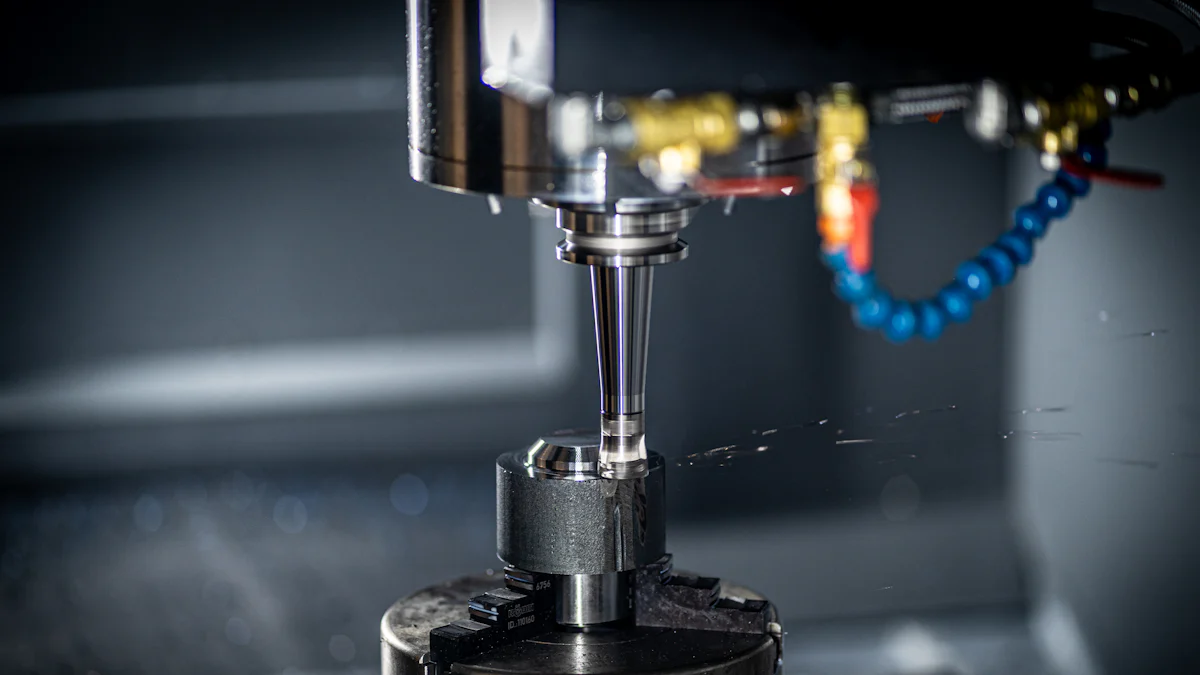
CNC machining dramatically enhances the speed of production in rapid prototyping. Traditional methods like injection molding require extensive setup times, but CNC machining eliminates this delay. You can convert CAD files into cutting instructions within hours, and the actual machining process often takes only minutes. This efficiency allows you to iterate designs quickly, reducing time-to-market. For example:
CNC machining significantly shortens lead times compared to injection molding.
It supports iterative design processes by enabling rapid adjustments.
Parts are ready for finishing and shipment shortly after machining.
This speed advantage makes CNC machining indispensable for fast-paced product development.
Precision: Delivering High-Quality Prototypes
CNC machining ensures high accuracy and repeatability, making it ideal for creating high-fidelity prototypes. Machines can achieve tolerances as tight as ±0.001 inches, allowing you to test functional prototypes under real-world conditions. This level of precision ensures that high precision parts meet exact specifications. Whether you need intricate geometries or tight tolerances, CNC machining delivers high-quality results every time.
Material Versatility: Meeting Diverse Product Needs
CNC machining supports a wide range of materials, enabling you to create functional prototypes for various industries. Metals like aluminum and titanium offer strength and corrosion resistance, while plastics such as ABS and acrylic provide lightweight and versatile options. This material diversity ensures that CNC machining meets the specific requirements of industries like aerospace, automotive, and medical devices.
Cost-Efficiency: Optimizing Resources and Reducing Waste
CNC machining offers cost-effective prototyping by optimizing material usage and reducing waste. While initial costs may be higher than 3D printing, the accuracy and material versatility justify the expense. For large production runs, CNC machining becomes more economical due to lower per-unit costs. This balance of cost and efficiency makes it a preferred choice for creating high-fidelity prototypes.
Bridging Prototyping and Production with CNC Machining
Enabling Complex and Custom Designs
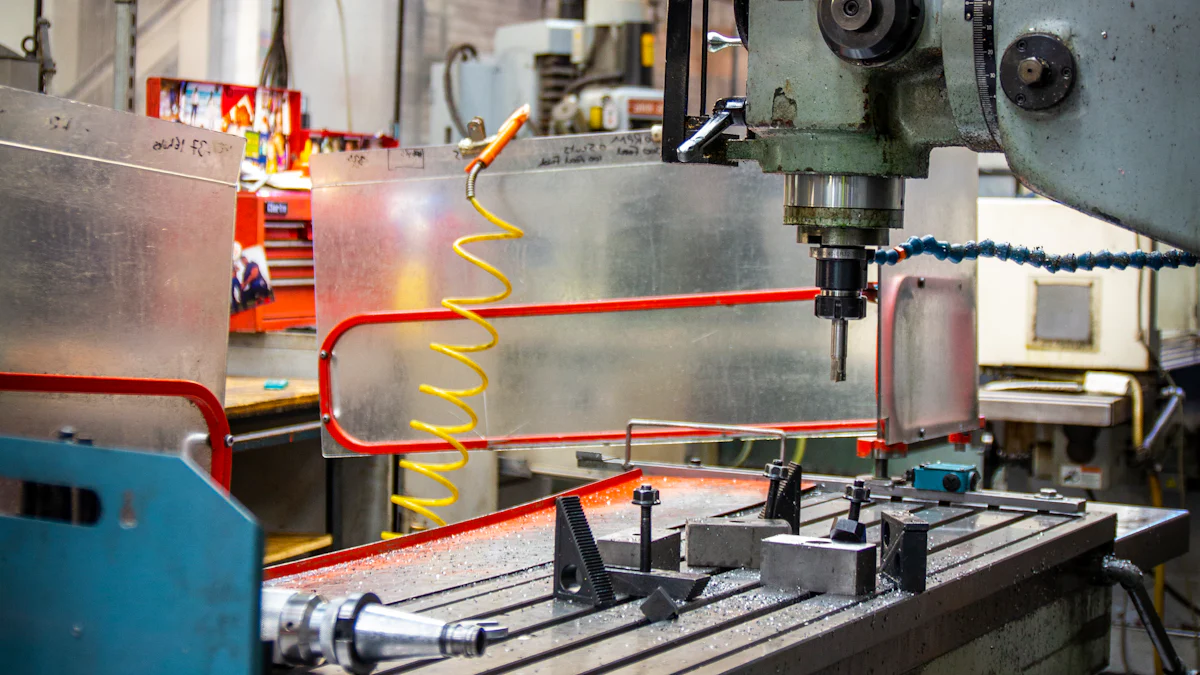
CNC machining empowers you to create intricate and custom designs that traditional methods cannot achieve. Its advanced technology transforms complex geometries into manufacturable realities. Multi-axis CNC machining provides the flexibility and precision needed to produce shapes with high accuracy. By eliminating the need for repositioning, this technology ensures consistent quality throughout the process. Whether you are working on aerospace components or medical devices, CNC machining delivers the precision and repeatability required for success.
Seamless Transition from Prototype to Production
CNC machining bridges the gap between prototyping and production by delivering production-ready prototypes. These prototypes are visually and functionally identical to final components, allowing you to conduct rigorous testing and validation. This ensures a smooth transition to full-scale manufacturing. CNC machining also offers scalability, enabling you to produce one-off prototypes or small batches without significant reconfiguration. As demand grows, you can easily scale up production while maintaining consistent quality. This adaptability reduces time-to-market and enhances your product development process.
Supporting Scalable and Sustainable Manufacturing
CNC machining supports scalable and sustainable manufacturing practices by optimizing resource use and reducing waste. Its precise programming minimizes material waste, while automation reduces errors that lead to scrap. Advanced cutting techniques further enhance efficiency, maximizing raw material utilization. CNC machining also incorporates eco-friendly practices, such as using recycled metals and biodegradable plastics. By lowering energy consumption and integrating renewable energy sources, it promotes energy efficiency. These features make CNC machining a sustainable choice for modern manufacturing.
CNC Machining as a Catalyst for Innovation
Encouraging Experimentation and Creativity
CNC machining empowers you to push the boundaries of creativity during product development. Its ability to process a wide variety of materials enhances the versatility of rapid prototyping. You can experiment with metals, plastics, and composites without needing to change manufacturing methods. This adaptability allows you to test different materials and refine your designs with ease.
Additionally, CNC machining enables the creation of intricate geometries that traditional manufacturing methods cannot achieve. You can explore complex features and innovative shapes during the prototyping phase. This capability fosters design validation testing, ensuring that your prototypes meet functional and aesthetic requirements. By encouraging experimentation, CNC machining helps you unlock new possibilities in product design.
Shortening Development Cycles for Competitive Advantage
In today’s fast-paced market, shorter time to market is critical for staying ahead of competitors. CNC machining accelerates development cycles by streamlining prototyping techniques. You can quickly produce production-ready prototypes that are durable and functionally identical to final products. This rapid prototyping process allows for early validation, enabling you to identify and address design flaws before moving to full-scale production.
The precision of CNC machining ensures that your prototypes meet exact specifications, reducing the need for repeated iterations. This efficiency not only saves time but also minimizes costs, making it a cost-effective production method. By shortening development cycles, CNC machining gives you a competitive edge in delivering innovative products to market.
Driving Future-Ready Product Development
CNC machining plays a pivotal role in preparing you for the future of manufacturing. Its advanced prototyping techniques support early validation and rigorous testing and validation processes. You can create prototypes that are visually and functionally identical to final components, ensuring seamless design validation testing. This precision is essential for adapting to evolving market demands and maintaining product quality.
Moreover, CNC machining promotes sustainable and scalable manufacturing practices. Its ability to optimize material usage and reduce waste aligns with the growing emphasis on eco-friendly production. By integrating CNC machining into your product development strategy, you can achieve cost-effective production while staying responsive to market trends. This positions you to lead in a future-ready manufacturing landscape.
CNC machining continues to redefine product development in 2025, offering unmatched speed, precision, and adaptability. Advancements like AI integration and real-time monitoring enhance efficiency while reducing costs. Automation minimizes errors and boosts productivity, helping you stay competitive. By shortening time-to-market and supporting sustainable practices, CNC machining empowers you to lead in a rapidly evolving manufacturing landscape.
FAQ
What industries benefit the most from CNC machining in 2025?
CNC machining benefits industries like aerospace, automotive, medical devices, and consumer electronics. Its precision and scalability meet the demands of these high-tech sectors.
How does CNC machining compare to 3D printing for prototyping?
CNC machining offers superior material versatility, precision, and durability. While 3D printing excels in speed and cost for simple designs, CNC machining handles complex geometries more effectively.
💡 Tip: Use CNC machining for prototypes requiring tight tolerances or functional testing.
Can CNC machining support sustainable manufacturing practices?
Yes, CNC machining minimizes material waste and energy consumption. It also integrates eco-friendly materials like recycled metals and biodegradable plastics, aligning with sustainable production goals.
🌱 Note: CNC machining helps you reduce your environmental footprint while maintaining high-quality production.
See Also
CNC Machining Innovations Revolutionizing Precision Manufacturing Techniques
Understanding CNC: Its Growth and Upcoming Technological Developments
CNC Precision Machining Trends Shaping Consumer Electronics in 2024
CNC Technology Advancements and Their Applications in Manufacturing
Benefits and Future Directions of CNC Precision Machining Technology
About US
Follow Us
Your prototype holds unparalleled significance, and we deeply value its uniqueness. Collaborating with you during the preparation phase for running your prototype or parts is a commitment we gladly embrace. Whether it's a single part or a complex assembly, we are dedicated to selecting the optimal tools and pathways to bring your envisioned product to life.
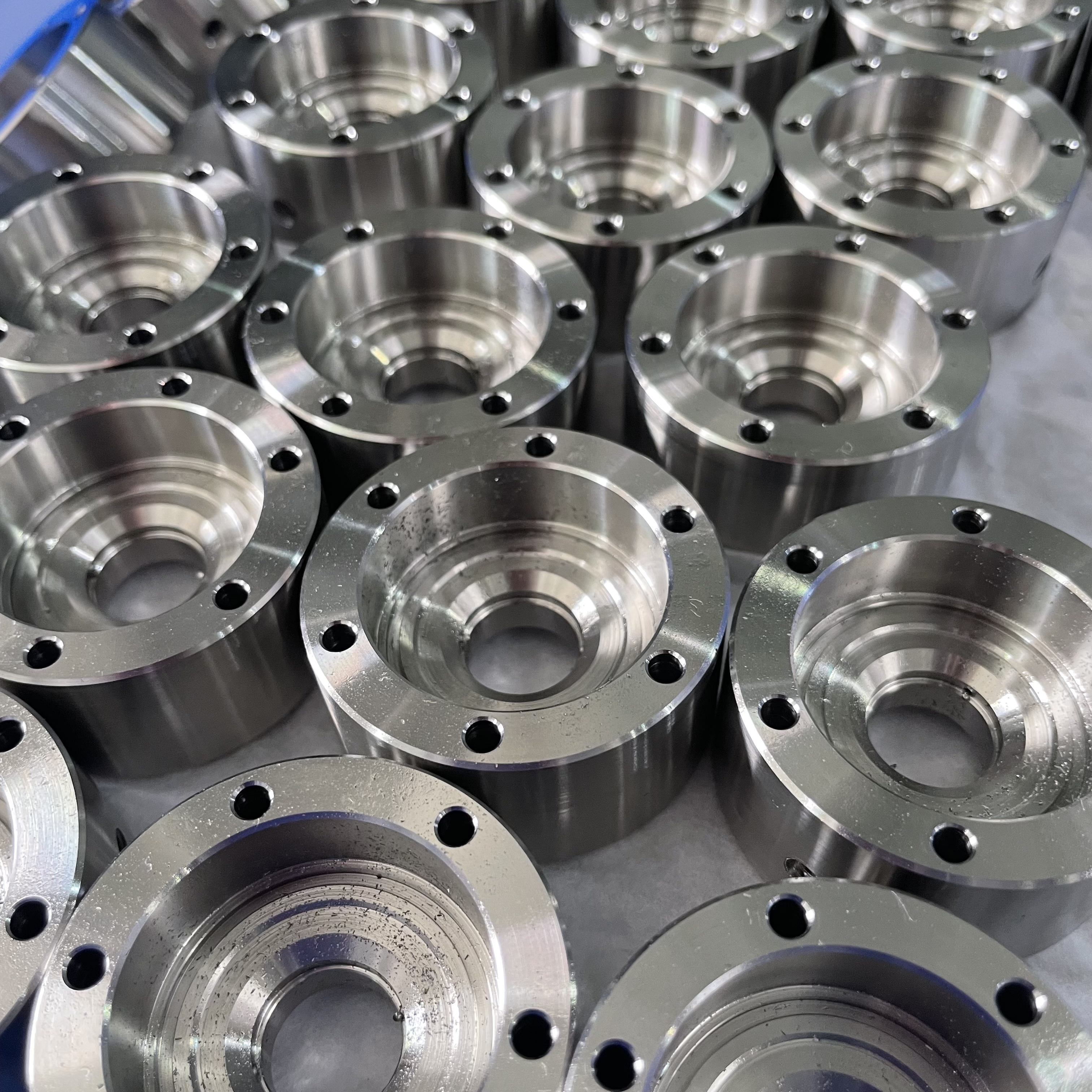
At Precision Fab CNC Machining, we specialize in producing parts for prototypes, short runs, and high-volume production. Our prototyping machine capabilities extend across metal, plastic, and wood machining, with welding fabrication services available to complement and finalize your prototype if required.
Address
Address: Room320 10F, Building A,Nanshan international building, Dayawan District, Huizhou, Guangdong, 516001 China
Contacts
billy@timaycnc.com