How CNC Machining Reduces Waste and Promotes Sustainability

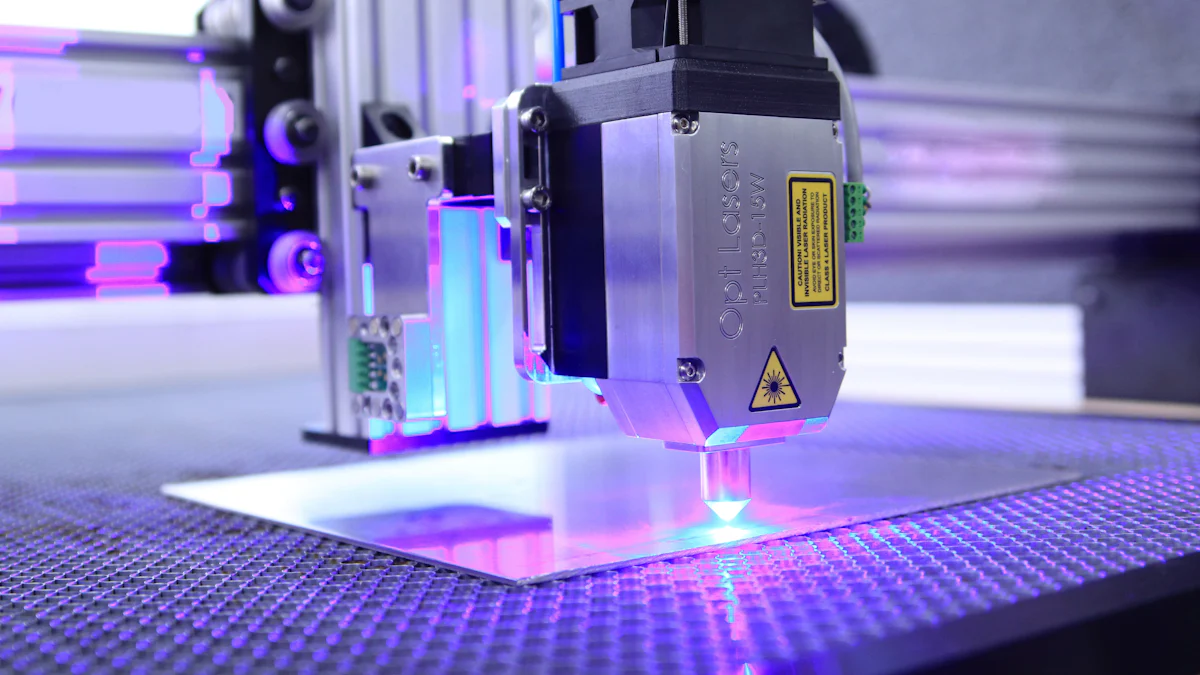
CNC machining transforms manufacturing by prioritizing precision and sustainability. You benefit from its ability to conserve natural resources and reduce waste. CNC machines optimize energy use and often rely on renewable energy sources like solar power. By adopting eco-friendly materials and recycling strategies, CNC machining promotes a cleaner environment and supports global sustainability efforts.
Key Takeaways
CNC machining reduces waste by using exact programs. It removes only the needed material during production.
Using energy-saving CNC machines and green energy can cut pollution and save money.
Recycling in CNC machining saves materials and helps the environment. It also supports a reuse system that helps businesses and nature.
Understanding CNC Machining and Its Role in Sustainable Manufacturing
What Is CNC Machining?
CNC machining, or Computer Numerical Control machining, is a manufacturing process that uses pre-programmed software to control machinery. You can think of it as a highly automated system where machines perform tasks like cutting, drilling, and shaping materials with extreme precision. Unlike manual machining, CNC eliminates human error by following exact instructions from a digital design file. This ensures consistent results, even for complex designs.
The process works with various materials, including metals, plastics, and composites. You can use CNC machining to create parts for industries like aerospace, automotive, and medical. Its ability to produce intricate designs with minimal waste makes it a key player in sustainable manufacturing. By optimizing material usage, CNC machining reduces the environmental impact of production.
Why CNC Machining Matters in Modern Manufacturing
CNC machining plays a vital role in modern manufacturing by aligning with sustainability goals. It integrates environmentally friendly processes and technologies, significantly lowering the ecological impact of precision engineering. For example, you can transition to biodegradable materials instead of traditional fossil fuel-derived options. CNC machines also support renewable energy sources like solar and wind, reducing their carbon footprint.
Here are some ways CNC machining promotes sustainability:
Optimizing resource utilization to minimize waste.
Decreasing energy consumption throughout the machining process.
Aligning manufacturing practices with global sustainability goals.
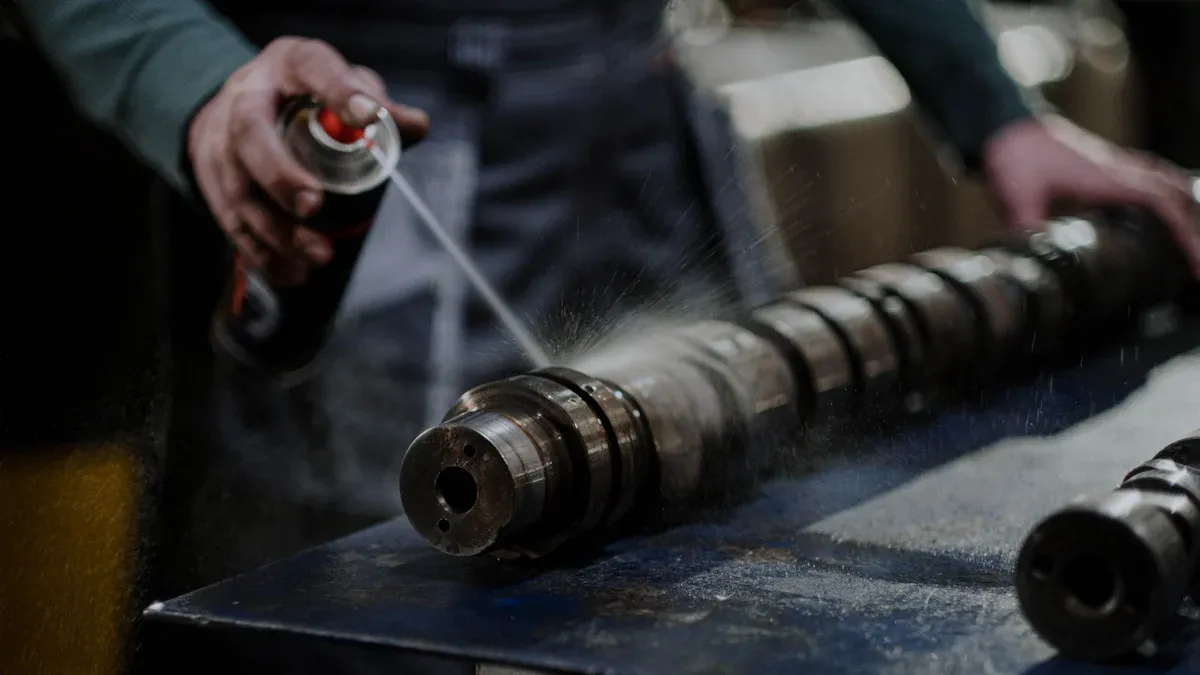
Additionally, CNC machining uses eco-friendly coolants and lubricants. These materials minimize environmental impact and promote recycling through closed-loop systems. By adopting these practices, you can ensure that your manufacturing processes meet the growing demand for responsible production.
Comparing Environmental Impact: CNC Machining vs. Traditional Methods
Reducing Waste Through Precision
CNC machining excels in reducing waste material by delivering high precision in every operation. Unlike traditional methods, where the final product depends on the operator's skill, CNC machining relies on advanced programming. This eliminates human error and ensures consistent results. For example:
CNC machining achieves machining accuracy within .0001, which minimizes material waste.
Traditional methods often lead to inconsistencies, resulting in more waste material.
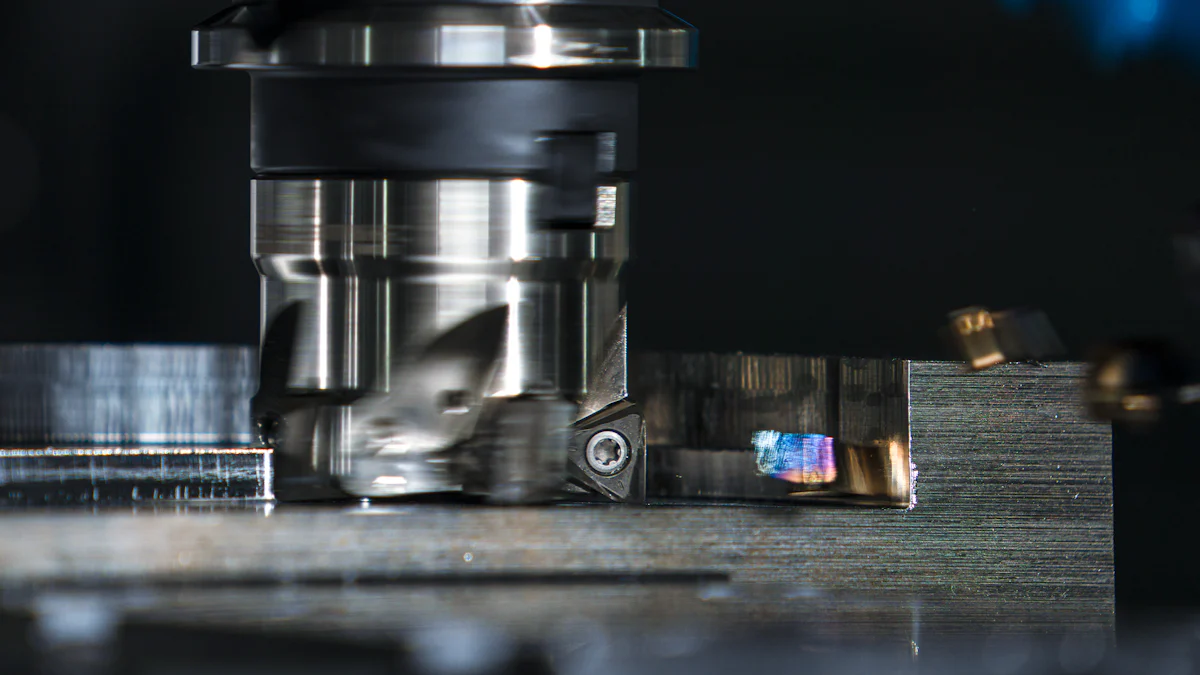
By using computer-aided design (CAD), CNC machines remove only the necessary material. This precision reduces scrap and optimizes production efficiency. You can trust CNC machining to create uniform parts, which is especially important in industries like automotive and electronics.
Energy Efficiency in CNC Machining
CNC machining also stands out for its energy efficiency. These machines incorporate automation and control systems that reduce energy consumption. For instance, energy-efficient motors and variable frequency drives (VFDs) help lower electricity use. You can further enhance sustainability by integrating renewable energy sources like solar or wind power into CNC operations. This approach not only conserves energy but also reduces the carbon footprint of manufacturing.
Lower Carbon Footprint in Sustainable Manufacturing
CNC machining significantly lowers the carbon footprint compared to traditional methods. It maximizes raw material use and extends tool lifespan, reducing emissions. Additionally, CNC training using virtual machines produces only a fraction of the carbon emissions associated with real machines. By adopting CNC machining, you contribute to sustainable manufacturing practices that prioritize environmental responsibility.
Key Sustainable Practices in CNC Machining
Recycling and Reusing Materials
Recycling and reusing materials play a crucial role in making CNC machining more sustainable. You can implement comprehensive scrap recycling programs to transform waste into valuable resources. This approach conserves raw materials and requires less energy than processing new ones. It also reduces landfill strain and the demand for new raw materials.
Here are some effective strategies for recycling metal scraps and other materials:
Repurpose cuttings and shavings instead of discarding them.
Convert waste material into resources for other manufacturing processes.
Save on raw material costs by reusing by-products.
Many materials used in CNC machining are highly recyclable. For example:
Material | Recyclability | Applications |
|---|---|---|
Stainless Steel | 100% | Cookware, cutlery, surgical equipment, industrial equipment, etc. |
Aluminum | 100% | Lightweight, strong, used in aerospace; retains properties indefinitely. |
Brass | 100% | Ideal for machining, cuts easily at high speeds, used in various manufacturing applications. |
Copper | High | Used as a conductor, in building materials, and various alloys; significant recycling in the U.S. |
By adopting these eco-friendly practices, you can reduce waste and promote sustainable materials in your operations.
Energy-Efficient Machines and Processes
Energy-efficient machines are transforming CNC machining by reducing energy consumption and operational costs. Smart CNC machines now integrate AI and IoT to optimize energy use in real time. Variable Speed Drive (VSD) technology adjusts power consumption based on machining requirements, ensuring energy efficiency.
You can also adopt Minimum Quantity Lubrication (MQL) systems, which reduce fluid consumption and waste compared to traditional methods. Additionally, using LED lighting in CNC facilities lowers energy usage, contributing to overall operational efficiency. These advancements not only reduce costs but also align with eco-friendly practices.
Optimizing Operations for Minimal Waste
Optimized machining processes ensure minimal waste during production. You can integrate CAD/CAM software to visualize and simulate machining processes, reducing material waste. Nesting software helps organize multiple parts on a single sheet, maximizing material usage.
Lean manufacturing principles further enhance operational efficiency by aligning production with demand. This reduces material usage and energy consumption. By selecting sustainable materials during the design stage, you can minimize excess waste and lower your carbon footprint.
Adopting these strategies ensures that CNC machining remains both efficient and environmentally responsible.
Benefits of Sustainable CNC Machining
Environmental Advantages of Reducing Waste
Sustainable CNC machining offers measurable environmental benefits by reducing waste and conserving resources. When you minimize material waste, you help preserve natural resources like metals and plastics. CNC machines also consume less energy compared to traditional methods, which contributes to a healthier planet.
By implementing recycling and waste reduction strategies, you can promote a circular economy. For example, CNC machining allows you to reuse scrap materials, reducing the need for new raw materials. This approach lowers carbon emissions and decreases the amount of waste sent to landfills. Additionally, energy-efficient CNC machines optimize energy usage, further reducing the environmental impact of manufacturing.
Tip: Adopting sustainable CNC machining practices not only benefits the environment but also enhances your company's reputation among eco-conscious customers.
Economic Benefits of Sustainable Manufacturing
Sustainable CNC machining practices provide significant economic advantages. By maximizing raw material use and extending tool lifespan, you can lower production costs. Energy-efficient CNC machines, equipped with advanced power management systems, reduce operational costs and increase productivity. For instance, regenerative drive systems convert kinetic energy into electrical energy, further cutting energy expenses.
Minimizing waste and energy consumption also leads to long-term cost savings. Companies that adopt sustainable practices often see increased profitability and competitiveness. Additionally, these practices enhance brand reputation, attracting environmentally conscious customers and driving business growth.
Supporting Corporate Sustainability Goals
CNC machining plays a vital role in helping companies achieve their sustainability goals. By using eco-friendly materials like recycled metals and biodegradable plastics, you can align your manufacturing processes with global sustainability standards. Closed-loop systems, which collect and reuse scrap materials, further promote a circular economy.
CNC machining also integrates environmentally friendly processes, optimizing resource utilization and reducing waste. For example, companies like Tesla and Ford use CNC machining to produce parts from recycled materials while employing energy-efficient machines. These efforts not only reduce emissions but also demonstrate a commitment to sustainable manufacturing.
By adopting these practices, you can position your company as a leader in sustainability, meeting both environmental and corporate objectives.
Future Trends in Sustainable CNC Machining
AI and Machine Learning for Enhanced Efficiency
AI and machine learning are transforming cnc machining by automating repetitive tasks and enhancing precision. You can rely on AI to program cnc machines using advanced algorithms, which optimize the generation of control codes. This reduces programming time and ensures consistent results. Machine learning also predicts tool wear and enables real-time adjustments, improving efficiency and sustainability.
AI-powered quality control systems analyze real-time data to reduce defect rates by up to 50%. These systems enhance machining precision and minimize material waste. Predictive maintenance, another AI-driven innovation, lowers maintenance costs by 25% and reduces unplanned downtime by 30-40%. Additionally, AI-driven scheduling systems optimize toolpaths and manage machine availability, increasing production efficiency by up to 20%.
By integrating AI and machine learning, you can achieve higher efficiency, lower costs, and a more sustainable cnc machining process.
Renewable Energy Integration in CNC Operations
Renewable energy is becoming a cornerstone of sustainable cnc machining. You can integrate solar or wind power into cnc operations to significantly lower the carbon footprint. Energy-efficient cnc machines equipped with advanced controls and sensors further enhance sustainability by optimizing energy usage.
CNC machining also supports renewable energy industries by enabling the production of complex components like wind turbine blades and solar panel supports. This adaptability allows you to optimize designs for diverse energy needs. Additionally, precise machining reduces material waste, streamlining production processes and lowering costs.
By adopting renewable energy sources, you can reduce environmental impact while improving operational efficiency.
Innovations in Eco-Friendly Materials
Eco-friendly materials are revolutionizing cnc machining by promoting sustainability. You can use recycled metals like aluminum and steel, which retain their properties through repeated recycling. Bioplastics, such as PLA, offer biodegradable options for low-stress applications. Bamboo composites, known for their durability and renewability, are gaining popularity in sustainable manufacturing.
These materials align with a zero-waste mentality by minimizing waste generation. For example, recycled aluminum significantly lowers energy consumption during production. Businesses can also choose biodegradable plastics and eco-friendly coatings to ensure greener manufacturing processes.
By incorporating these innovations, you can enhance the sustainability of your cnc machining operations while meeting environmental goals.
CNC machining stands as a transformative force in sustainable manufacturing. By adopting eco-friendly materials and recycling strategies, you can reduce waste and conserve resources. Energy-efficient CNC machines and advanced technologies like AI further enhance sustainability. These practices not only lower environmental impact but also align with global sustainability goals.
🌱 Key Takeaway: Sustainable CNC machining reduces greenhouse gas emissions, promotes resource conservation, and supports a circular economy.
The future of CNC machining lies in innovation. Emerging trends, such as renewable energy integration and additive manufacturing, will continue to drive eco-friendly solutions. By embracing these advancements, you can achieve both environmental and economic benefits while contributing to a greener planet.
FAQ
What makes CNC machining environmentally friendly?
CNC machining minimizes waste and energy use. It supports green manufacturing facilities by recycling materials and using energy-efficient machines, which contribute to reduced emissions and sustainability.
How does CNC machining help reduce pollution?
CNC machining reduces pollution by optimizing material usage and energy consumption. It also uses eco-friendly coolants and lubricants, which lower harmful environmental impacts during production.
Can CNC machining support renewable energy industries?
Yes, CNC machining produces components for renewable energy systems like wind turbines and solar panels. Its precision and efficiency align with the goals of green manufacturing facilities.
See Also
Streamlined CNC Machining Solutions For Accurate Production Needs
Discovering Seven Major Advantages Of CNC Machining In Manufacturing
Enhancing Production Standards Through CNC Precision Machining Techniques
Recognizing The Significance Of Precision CNC Machining In Production
The Impact Of CNC Machining On Premium Precision Manufacturing
About US
Follow Us
Your prototype holds unparalleled significance, and we deeply value its uniqueness. Collaborating with you during the preparation phase for running your prototype or parts is a commitment we gladly embrace. Whether it's a single part or a complex assembly, we are dedicated to selecting the optimal tools and pathways to bring your envisioned product to life.
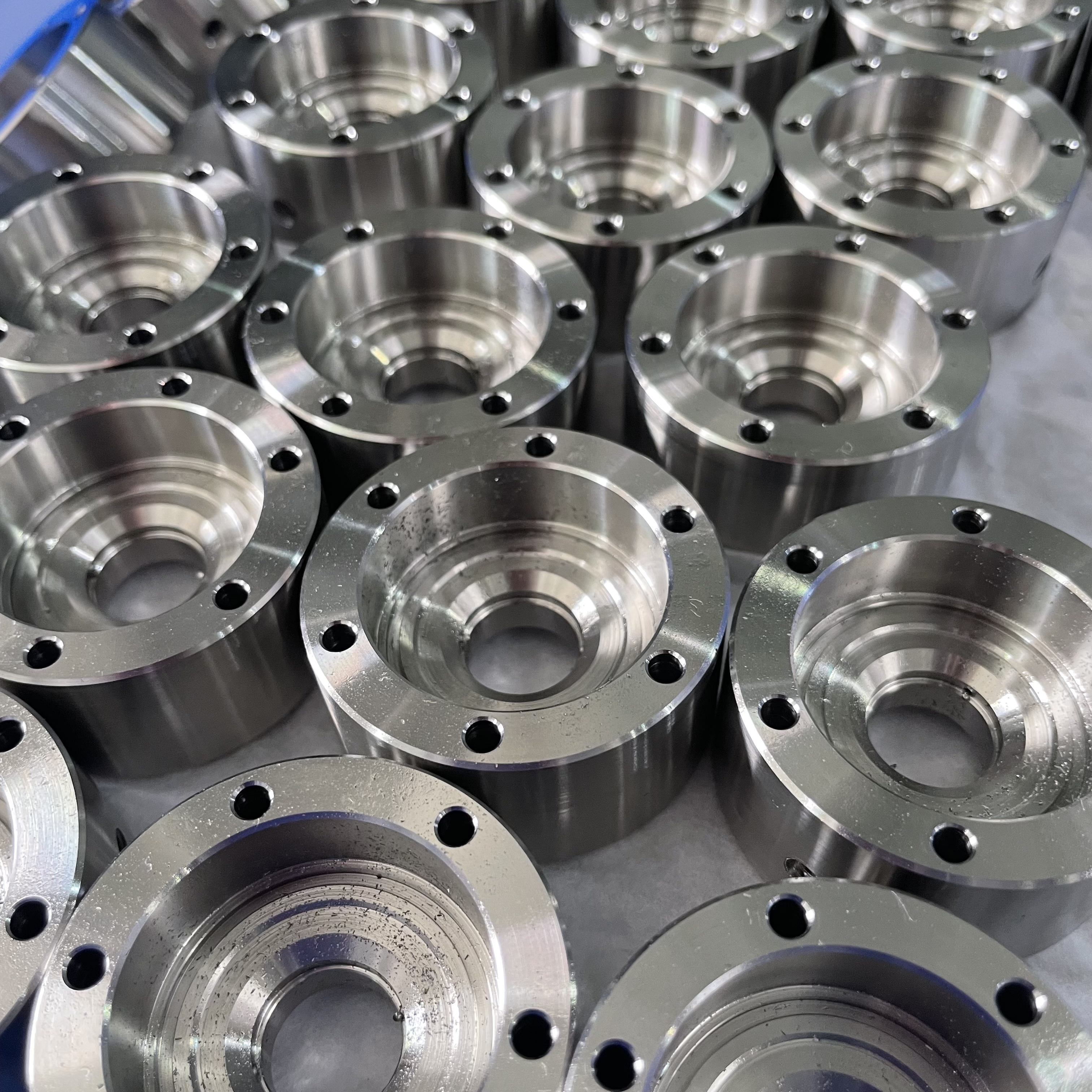
At Precision Fab CNC Machining, we specialize in producing parts for prototypes, short runs, and high-volume production. Our prototyping machine capabilities extend across metal, plastic, and wood machining, with welding fabrication services available to complement and finalize your prototype if required.
Address
Address: Room320 10F, Building A,Nanshan international building, Dayawan District, Huizhou, Guangdong, 516001 China
Contacts
billy@timaycnc.com