Why Businesses Choose CNC Machining for Small-Batch Production

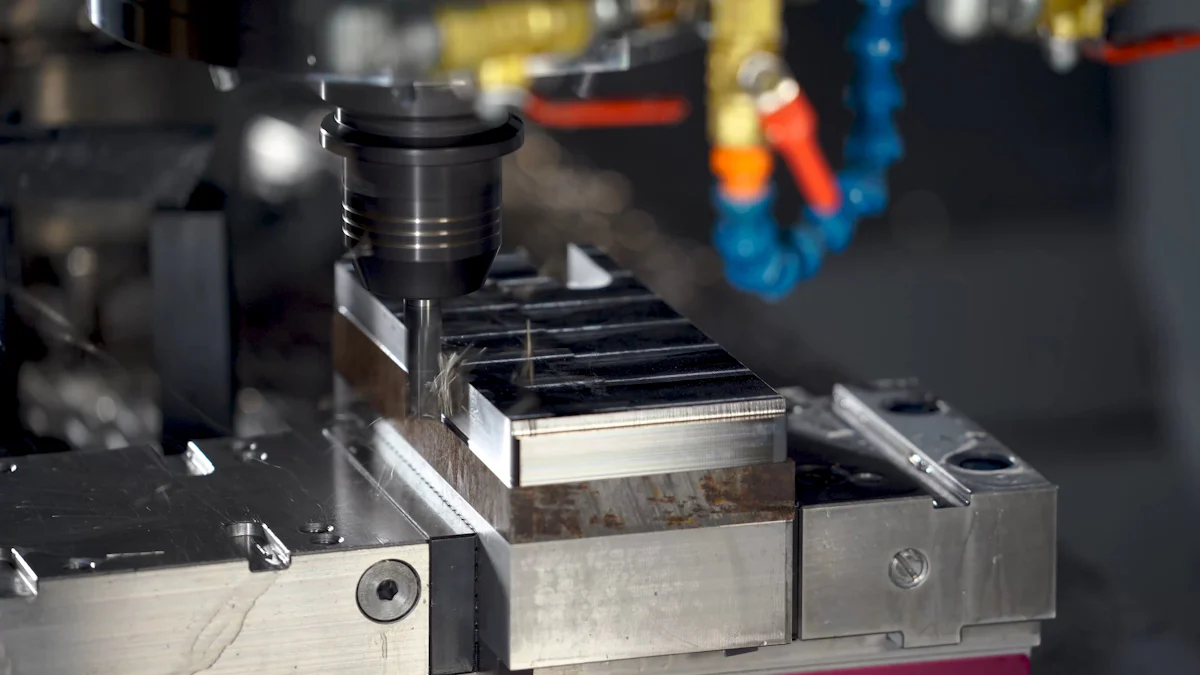
CNC machining offers you a cost-effective solution for small-batch production. Its precision ensures consistent quality, even for intricate designs. Industries like aerospace, medical, and automotive rely on this technology to meet their unique demands. In Germany, the rise of 2.6 million small-scale industries highlights the growing need for CNC machining. This method minimizes waste by producing only what you need, making it both efficient and sustainable. Unlike traditional manufacturing, CNC machining allows you to create high-quality products without expensive tooling, giving your business a competitive edge.
Key Takeaways
CNC machining is very accurate, perfect for industries needing precision like aerospace and medical.
Using machines instead of people lowers labor costs and speeds up production.
This process uses materials wisely, saving money and helping the environment.
CNC machining helps make prototypes fast, so businesses can test ideas and fix problems early.
Picking a good CNC supplier is important; check for experience, quality checks, and clear communication for good results.
Benefits of CNC Machining for Small-Batch Production
Precision and Consistency
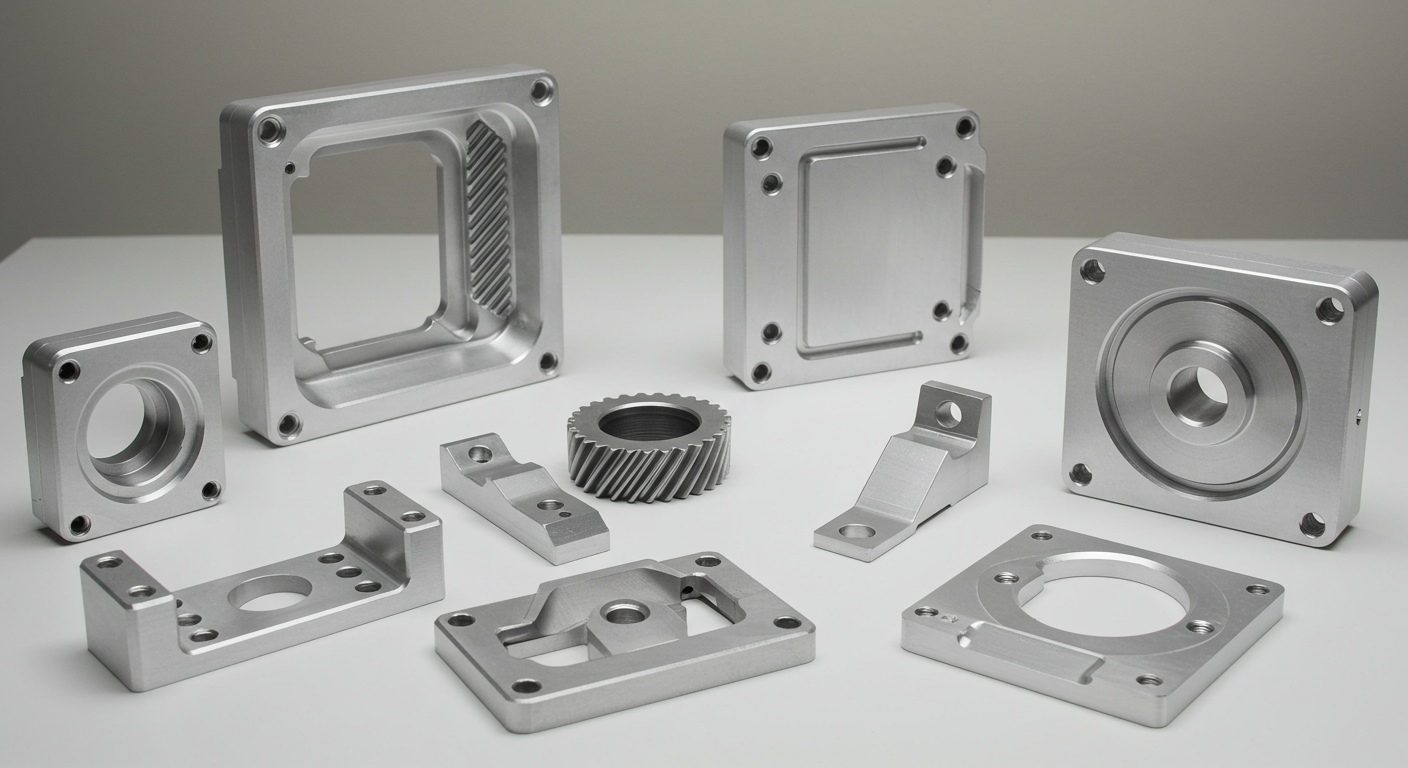
CNC machining ensures unmatched precision and consistency, making it an ideal solution for small-batch production. CNC machines follow programmed instructions with high accuracy, ensuring each part matches the original design. This process eliminates variations, which is critical for industries like medical devices and aerospace, where even minor errors can lead to significant issues.
You can rely on CNC machining to produce high-quality parts that meet tight tolerances. Each piece undergoes close monitoring to ensure compliance with stringent standards. For example, in the oil and gas industry, CNC machining produces components that withstand extreme conditions, while in the defense sector, it delivers durable and precise military equipment.
Industry | Benefit |
|---|---|
Marine | CNC machining is a critical asset that helps businesses stay competitive. |
Oil and Gas | Essential for producing high-precision components that withstand extreme conditions. |
Defense | Relies on CNC machining for unmatched precision and durability in military equipment. |
Consumer Goods | Enables the production of high-quality, intricate components with consistent precision. |
Industrial Equipment | Allows for the production of custom components with exact specifications. |
Automotive | Plays an essential role in producing high-precision components efficiently. |
Medical Devices | Vital for producing custom surgical instruments that meet exact specifications. |
Electronics | Essential for crafting precise components like circuit boards and enclosures. |
Reduced Labor Costs
CNC machining significantly reduces labor costs by automating the manufacturing process. Automation streamlines production, minimizes manual intervention, and enhances precision. Machines operate with pre-programmed instructions, reducing errors and material waste. This efficiency leads to faster turnaround times and higher output.
Automation also allows CNC machines to run continuously, even during breaks, optimizing spindle utilization. For instance, the introduction of robotics in the 1990s enabled machines to operate unattended, cutting labor costs further. By reducing setup times and improving cycle times, CNC machining ensures cost-effective production for small batches.
Versatility in Materials and Designs
CNC machining offers greater flexibility in handling a wide range of materials and complex designs. You can use materials like aluminum, stainless steel, and plastics to create custom parts for various applications. Aluminum is lightweight and corrosion-resistant, making it suitable for aerospace and automotive industries. Stainless steel provides durability and is ideal for medical devices.
Material | Key Properties | Common Applications |
|---|---|---|
Aluminum | Lightweight, strong, good thermal conductivity | Aerospace, automotive |
Stainless Steel | Corrosion resistance, strength, maintains integrity under high temperatures | Medical devices, food processing |
Brass | Aesthetic appeal, good machinability, corrosion resistance | Decorative components, electrical parts |
Titanium | High strength-to-weight ratio, corrosion resistance | Aerospace, medical applications |
Plastics (ABS, PEEK) | Versatile, lightweight, corrosion resistant | Prototyping, high-temperature applications |
CNC machining also excels in producing intricate designs that traditional methods cannot achieve. Computerized control ensures high precision, enabling the creation of parts with tight tolerances and complex geometries. This versatility makes CNC machining an effective choice for small-batch production.
Why Small Batch CNC Machining is Cost-Effective
Minimal Material Waste
CNC machining minimizes material waste by optimizing the use of raw materials. During the design phase, you can carefully select materials that meet your project’s requirements while reducing excess. CNC machines use computer-aided design (CAD) software to ensure precise cuts and alignments, which significantly lowers the chances of errors. This precision reduces scrap material and ensures that every piece of raw material contributes to the final product.
You can also implement sustainable practices like reusing materials or recycling waste back into production. For example, a closed-loop system allows you to repurpose leftover materials, reducing costs and environmental impact. CNC machining’s ability to maximize material usage makes it an environmentally friendly and cost-effective choice for small-batch production.
Efficient Prototyping
CNC machining excels in creating prototypes with high precision and tight tolerances. You can achieve an accuracy of ±0.05mm, ensuring that prototypes match CAD specifications. This level of detail allows you to test designs that closely resemble the final product in both appearance and functionality.
For cylindrical features, turning machines with lathe tools provide detailed prototypes. Rapid CNC prototyping also enables you to detect design flaws early in the development process. By addressing these issues promptly, you save time and resources while improving the overall quality of your product. Faster prototyping means you can deliver products to the market more quickly, giving your business a competitive edge.
No Need for Expensive Tooling
Traditional manufacturing often requires costly molds or dies, which can make small-batch production financially unfeasible. CNC machining eliminates this need, reducing initial setup costs. You can produce parts directly from CAD files without investing in physical tooling. This approach provides greater flexibility, allowing you to adjust designs or create custom parts for specific applications.
Small-batch CNC machining is particularly effective for low-volume production. It avoids the inflexibility of mass production methods, making it practical for short runs. By eliminating tooling costs, you can focus on delivering high-quality products while keeping expenses under control. This makes CNC machining a smart choice for businesses looking to balance cost and quality in small-batch production.
Applications of CNC Machining in Small-Batch Production
Niche Products
CNC machining is an excellent choice for producing niche products due to its flexibility and ability to handle complex designs. You can create custom components tailored to specific industries or unique consumer needs. This capability makes CNC machining highly effective for small-batch production.
Industries that rely on CNC machining for niche products include:
Oil and Gas: Components like valves, drill bits, and pump parts.
Defense: Precision parts for military equipment, including aircraft and naval vessels.
Consumer Goods: Items such as smartphones, kitchen appliances, and toys.
Dental Equipment: Custom prostheses, crowns, and implants.
Jewelry: Intricate designs for rings, molds, and engravings.
Furniture: Decorative carvings, moldings, and metal frames.
Musical Instruments: Guitar necks, wooden bodies, and piano components.
CNC machining allows you to produce high-quality parts with high precision, ensuring that even the most intricate designs meet your exact specifications. This adaptability makes it a valuable tool for manufacturing niche products in small batches.
Rapid Prototyping
CNC machining is ideal for rapid prototyping, offering unmatched speed and accuracy. You can create prototypes that closely resemble the final product, both in appearance and functionality. This process ensures high precision, allowing you to test designs effectively before full-scale production.
Key CNC machining techniques for prototyping include:
CNC milling for complex geometries and quick material removal.
CNC turning for cylindrical parts like shafts or pins.
Electrical discharge machining (EDM) for delicate, intricate designs.
Compared to traditional methods like injection molding, CNC machining significantly reduces prototyping time. This efficiency helps you identify and address design flaws early, saving costs and improving product quality. Rapid prototyping with CNC machining ensures you can bring products to market faster, giving your business a competitive edge.
Replacement Parts and Repairs
CNC machining excels in producing replacement parts and facilitating repairs. Its precision ensures that every part matches the original specifications, maintaining the quality and functionality of your equipment.
Advantage | Description |
|---|---|
Accuracy | CNC machining delivers improved accuracy compared to handmade components. |
Reproducibility | Identical parts can be produced repeatedly, ensuring consistent quality. |
Efficiency | Machines operate continuously with minimal intervention, boosting output. |
CNC machining supports a wide range of materials, including metals like aluminum, steel, and titanium, as well as various plastics. This versatility allows you to create durable replacement parts for diverse applications. Additionally, CNC machines can save prototype designs for future use, ensuring consistent quality assurance across batches. Whether you need a single replacement part or a small batch for repairs, CNC machining provides an effective and cost-efficient solution.
Practical Considerations for Small-Batch CNC Machining
Choosing the Right Supplier
Selecting the right CNC supplier is crucial for successful small-batch production. You should evaluate their experience and expertise in handling small production runs. Suppliers with advanced CNC machining capabilities can handle complex designs and ensure high precision. Look for providers with strong quality assurance measures, such as testing equipment like calipers and micrometers, to guarantee consistent results.
Effective communication is another key factor. A supplier who maintains continuous dialogue can address issues promptly and collaborate on design modifications. Additionally, consider their turnaround time and pricing. A reliable supplier should offer competitive rates and detailed quotes without compromising quality. By choosing a supplier with proven expertise and excellent customer support, you can streamline your production process and achieve cost savings.
Inventory Management
Effective inventory management is essential for agile small batch production. CNC machining allows you to adopt a just-in-time approach, producing only what you need when you need it. This strategy minimizes storage costs for raw materials and finished goods, offering significant financial benefits.
To ensure smooth operations, you should focus on supplier reliability. Timely delivery of materials and components is critical to prevent production delays. Tools like ERP and PRP software can help you plan materials effectively and maintain proper inventory levels. By combining just-in-time production with dependable suppliers, you can optimize your inventory management and reduce costs.
Balancing Costs and Quality
Balancing costs and quality is a common challenge in small-batch CNC machining. Engaging with machinists early in the design process can provide valuable insights to enhance manufacturability. Adjusting designs based on expert feedback can help you achieve high-quality output while managing costs.
Choosing the right CNC machining service provider is another critical step. A provider with custom manufacturing solutions can meet your specific needs efficiently. Continuous communication with your provider ensures any issues are addressed promptly, maintaining a balance between cost and quality assurance. By leveraging these strategies, you can produce high-quality parts while keeping expenses under control.
CNC machining offers you a powerful combination of precision, efficiency, and cost savings, making it an effective solution for small-batch production. Its ability to minimize waste through optimized material usage not only reduces costs but also supports sustainability by lowering energy consumption and scrap. You can rely on CNC machining to maintain high quality across all units, even when handling intricate designs or custom parts. Businesses that adopt CNC machining benefit from flexibility, allowing quick adjustments to design changes and just-in-time production to reduce storage costs. By leveraging these capabilities, you can streamline your operations, reduce waste, and achieve consistent results tailored to your needs.
FAQ
What is small batch CNC machining?
Small batch CNC machining refers to producing a limited quantity of parts using CNC machines. It is ideal for businesses needing high precision and quality without the high costs of mass production. This method ensures flexibility and efficiency for custom or niche products.
How does CNC machining reduce costs for small batches?
CNC machining eliminates the need for expensive tooling and minimizes material waste. You can produce parts directly from CAD designs, saving time and resources. Its automation also reduces labor costs, making it an effective choice for small-batch production.
What materials can you use in small batch CNC machining?
You can use a wide range of materials, including metals like aluminum, stainless steel, and titanium, as well as plastics like ABS and PEEK. This versatility allows you to create parts for various industries, from aerospace to consumer goods.
Why is CNC machining suitable for prototyping?
CNC machining offers high precision and tight tolerances, ensuring prototypes match design specifications. You can test designs effectively and identify flaws early. This process accelerates product development and reduces costs, making it ideal for rapid prototyping.
How do you choose the right CNC supplier for small batches?
Look for suppliers with experience in small batch CNC machining and advanced capabilities. Evaluate their quality assurance processes, turnaround times, and pricing. Effective communication and proven expertise ensure your production needs are met efficiently.
See Also
Streamlined CNC Machining Solutions for Accurate Production
Investigating CNC Machining Options for Exact Manufacturing
Perfecting CNC Machining Techniques for Precision Component Creation
Recognizing the Significance of Accurate CNC Machining in Production
About US
Follow Us
Your prototype holds unparalleled significance, and we deeply value its uniqueness. Collaborating with you during the preparation phase for running your prototype or parts is a commitment we gladly embrace. Whether it's a single part or a complex assembly, we are dedicated to selecting the optimal tools and pathways to bring your envisioned product to life.
At Precision Fab CNC Machining, we specialize in producing parts for prototypes, short runs, and high-volume production. Our prototyping machine capabilities extend across metal, plastic, and wood machining, with welding fabrication services available to complement and finalize your prototype if required.
Address
Address: Room320 10F, Building A,Nanshan international building, Dayawan District, Huizhou, Guangdong, 516001 China
Contacts
billy@timaycnc.com