CNC Machining for Smart Textiles and Wearables


CNC machining, or Computer Numerical Control machining, uses automated tools to create precise parts. You can rely on this technology for its unmatched accuracy and efficiency in manufacturing. Its role in wearable technology and textiles is groundbreaking. It enables the production of intricate components that enhance both functionality and design. For example, CNC machining ensures high-quality parts for wearables, meeting the demands of durability and customization. This precision-driven process also supports rapid prototyping, helping you bring innovative ideas to life. With CNC, you can achieve the perfect balance of performance and aesthetics in smart textiles and wearables.
Key Takeaways
CNC machining is very precise, making detailed designs for smart clothes.
This method makes fabrics stronger, so they last longer and work well.
CNC helps create and test new designs quickly for wearable tech.
It can use many materials, making smart clothes comfy and strong.
Future tools like AI and AR/VR will improve designs and learning, helping wearable tech grow.
Understanding CNC Machining
Basics of CNC Machining
Definition and Principles
CNC machining transforms digital designs into precise physical components. It operates through Computer Numerical Control, which directs machinery and tools with unmatched accuracy. This process relies on several key principles:
Computerized Control: CNC machines use computer systems and G-code to dictate movements and operations.
Precision and Accuracy: These machines produce parts to exact specifications, significantly reducing errors.
Automation: CNC machining runs continuously with minimal human intervention, boosting productivity.
Versatility: CNC machines handle various materials and perform multiple operations, making them adaptable to different manufacturing needs.
These principles make CNC machining a cornerstone of modern manufacturing, especially when precision and efficiency are critical.
Key Components and Functionality
A CNC machine consists of several essential components that work together to deliver precise results. The controller acts as the brain, interpreting the G-code and sending commands to the machine. The spindle rotates cutting tools at high speeds, while the worktable holds the material in place. Motors and drives ensure smooth and accurate movements along the X, Y, and Z axes.
You can rely on CNC machines to perform tasks like cutting, drilling, and milling with exceptional accuracy. This functionality makes them indispensable for industries requiring intricate designs and consistent quality.
Applications Across Industries
Precision in Manufacturing
CNC machining plays a vital role in industries where precision is non-negotiable. For example, it creates high-precision molds for semiconductors, lenses for optical communication, and robotic arm components for automation. Its ability to produce parts with exact specifications ensures reliability and performance across various applications.
Customization and Scalability
CNC machining excels in customization and scalability. It allows you to create parts tailored to specific needs, whether for medical devices or textiles. The same setup can handle both small and large-scale production without compromising quality. This adaptability makes CNC machining ideal for industries that demand personalized products or rapid prototyping.
By leveraging CNC machining, you can achieve intricate designs, test prototypes quickly, and scale production efficiently. This versatility supports innovation and growth across multiple sectors.
CNC Machining in Smart Textiles and Wearable Technology
Role in Smart Textiles
Creating conductive patterns
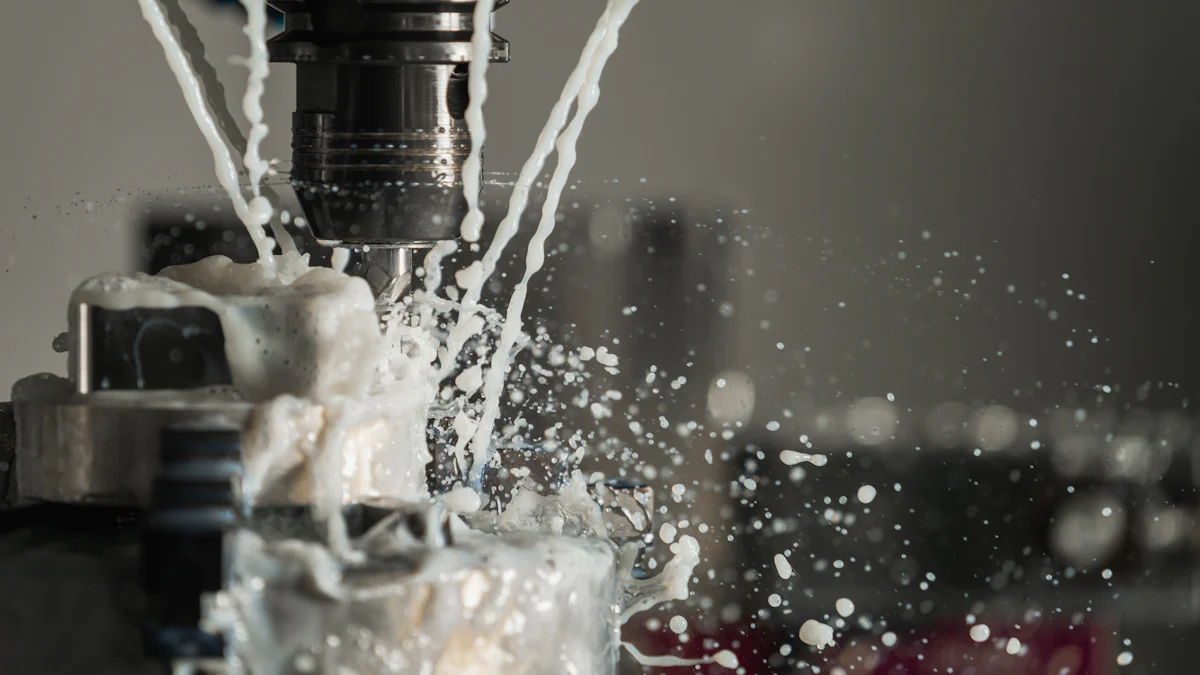
CNC machining plays a vital role in the development of smart textiles by enabling the creation of intricate conductive patterns. These patterns are essential for integrating electronic components into smart fabrics. You can use CNC to achieve high precision, ensuring the patterns function seamlessly within the fabric. This precision is critical for applications like health monitoring clothes, where sensors must provide accurate real-time insights. CNC machining also supports advancements in smart fabrics by allowing you to experiment with new designs and materials, pushing the boundaries of innovation.
Enhancing fabric durability
Smart clothing must endure daily wear and tear while maintaining functionality. CNC machining enhances fabric durability by enabling precise cutting and shaping of materials. This process ensures that smart fabrics retain their structural integrity, even under stress. For example, CNC machining can create reinforced sections in textiles, making them more resistant to mechanical impact. This durability is especially important for fitness trackers embedded in smart clothing, as they must withstand sweat, heat, and movement. By using CNC, you can produce smart textiles that combine longevity with advanced functionality.
Applications in Smart Wearables
Manufacturing compact components
CNC machining is essential for producing the compact components required in smart wearables. These devices, such as fitness trackers and health monitoring clothes, rely on small yet powerful parts to function effectively. CNC allows you to create intricate and complex designs with high accuracy, ensuring each component fits perfectly. High-speed and 5-axis machining techniques further enhance productivity, enabling you to meet the demands of wearable devices. This precision ensures that smart wearables deliver reliable performance, even in challenging conditions.
Customizing ergonomic designs
Smart wearables must provide comfort and functionality. CNC machining helps you achieve this by enabling the customization of ergonomic designs. Precision tooling allows you to create intricate details that ensure a perfect fit for the user. For example, CNC machining preserves the integrity of hypoallergenic materials, making them suitable for extended wear. This is particularly important for interactive wearables, where comfort and durability are non-negotiable. By leveraging CNC, you can design smart clothing that adapts to the user's needs while maintaining high-quality standards.
Benefits of CNC Machining for Smart Textiles and Wearables
Precision and Efficiency
Achieving intricate designs
CNC machining allows you to create intricate designs with unmatched precision. This capability is essential for smart textiles and smart clothing, where every detail matters. For example, CNC machining produces tiny, precise components for smart wearables like fitness trackers. These devices require high accuracy to function effectively. CNC technology also supports rapid prototyping, enabling you to test and refine designs quickly. This process ensures that your wearable devices meet both functional and aesthetic standards.
CNC machining produces custom parts with high accuracy and quality.
It ensures precision in creating complex shapes that manual methods cannot achieve.
The process enhances speed and efficiency, crucial for wearable technology production.
Consistency in production
CNC machining ensures consistency in every piece you produce. This reliability is vital for wearable devices, especially medical wearables, where failure is not an option. The technology maintains the integrity of each part, ensuring they withstand daily use. For example, CNC machining helps you create miniaturized components with consistent quality, which is critical for the performance of smart wearables. Rapid prototyping also allows you to iterate designs efficiently, reducing time to market.
CNC machining ensures wearables can endure the rigors of daily life.
It produces complex components with consistent quality, enhancing consumer satisfaction.
The technology supports quick design iterations during product development.
Material Versatility
Compatibility with diverse materials
CNC machining works with a wide range of materials, making it ideal for smart textiles and wearable technology. You can choose materials that prioritize comfort, durability, and lightweight properties. For instance, aircraft-grade aluminum is often used for smartwatch cases due to its strength-to-weight ratio. This material ensures durability while remaining lightweight, enhancing user comfort. CNC machining also accommodates materials compatible with electronic components, ensuring seamless integration.
Materials must resist wear and tear, including sweat and heat.
Lightweight options improve user comfort and convenience.
CNC machining supports materials that integrate well with sensors and electronics.
Supporting innovation in textiles and wearables
CNC machining drives innovation in smart textiles and sustainable fashion. It enables you to create intricate parts that enhance both functionality and aesthetics. High-speed and 5-axis machining techniques improve precision and productivity. The technology also supports rapid prototyping, allowing you to experiment with new designs and materials. This adaptability ensures that your products stay ahead of trends in wearable technology.
CNC machining produces high-quality, customized components.
It facilitates quick testing and iteration of prototypes.
Innovations like IoT integration enhance automation and accuracy.
Cost-Effectiveness
Reducing material waste
CNC machining minimizes material waste, aligning with sustainability goals. Techniques like nesting optimization and CAD/CAM integration maximize material usage. For example, engineers can visualize and correct design issues before production, reducing waste. This approach supports recycling and the circular economy by optimizing raw material consumption. By reducing waste through tech, you contribute to a more sustainable future for smart textiles.
Effective material selection reduces excess waste.
Nesting optimization maximizes material consumption.
Design optimization prevents errors, saving resources.
Lowering production costs
CNC machining lowers production costs by automating processes and reducing labor expenses. You can produce parts without costly molds or dies, making it cost-effective for small quantities. The technology also enhances efficiency, allowing you to scale production without compromising quality. This affordability makes CNC machining an excellent choice for manufacturers of smart clothing and wearable devices.
Automation reduces labor costs and boosts efficiency.
CNC machining eliminates the need for expensive molds.
It offers a cost-effective solution for producing precise parts.
Challenges in CNC Machining for Smart Textiles and Wearables
Material and Design Constraints
Adapting to flexible materials
CNC machining faces challenges when working with flexible materials like soft fabrics and elastomers. These materials, while comfortable, often lack durability. For example, silicone bands used in smart wearables provide comfort but tear more easily than metals or hard plastics. On the other hand, durable materials like metals can resist wear but may compromise comfort for long-term use.
Tip: Balancing comfort and durability is essential when designing smart textiles. You can achieve this by carefully selecting materials based on the intended application.
Constraint Type | Description |
|---|---|
Durability | Metals and hard plastics resist wear but can be uncomfortable for long-term wear. |
Comfort | Soft fabrics and elastomers are comfortable but less durable. |
Example | Silicone bands offer comfort but may tear more easily than durable materials like metal. |
Ensuring seamless integration of electronics
Integrating electronics into textiles requires precision. CNC machining must create intricate designs that allow sensors and circuits to function without compromising the fabric's flexibility. For instance, health-monitoring wearables demand seamless integration to ensure accurate data collection. Achieving this balance remains a significant challenge.
Software Limitations
Current CAD/CAM software challenges
The software used in CNC machining often struggles to meet the demands of smart wearables. Creating intricate designs that conform to the human body while maintaining durability and comfort is complex. High costs associated with precision manufacturing and specialized tools add to the difficulty.
Precision: Designing small, detailed components for wearables can be challenging.
Device Compatibility: Ensuring smart wearables work seamlessly with other devices is often difficult.
Software Constraints: Proprietary software systems may limit customization and efficiency.
Need for specialized expertise
Operating CNC machines for smart textiles requires expertise in CAD/CAM software. You need skilled professionals to overcome software limitations and ensure precision. Specialized knowledge helps address challenges like creating ergonomic designs and integrating electronics into textiles effectively.
Scalability Issues
Balancing customization with mass production
CNC machining excels in customization but struggles with scalability. Producing unique designs for smart wearables can be time-consuming and costly. Balancing the need for personalized products with the efficiency of mass production remains a hurdle.
Addressing cost barriers for small-scale manufacturers
Small-scale manufacturers often face cost barriers when adopting CNC machining. The high initial investment and operational costs can deter them from entering the market. However, advancements in recycling and the circular economy can help reduce these costs, making CNC machining more accessible.
Future Innovations in CNC Machining for Smart Textiles and Wearables
AI and Machine Learning
Automating design processes
AI and machine learning are revolutionizing how you approach design in CNC machining for smart textiles. These technologies analyze extensive datasets, helping you create innovative patterns and styles. By leveraging AI, you can:
Use data from past designs and customer preferences to develop modern, appealing products.
Generate unique patterns and recommend fabric types that align with market trends.
Personalize smart textiles for health tracking and real-time feedback.
AI-driven tools also enhance the functionality of future wearables by analyzing data from fabric components. This leads to smarter designs that meet both aesthetic and practical needs.
Predictive maintenance for machines
Predictive maintenance powered by AI ensures your CNC machines operate efficiently. This approach reduces unplanned downtime by 30% and extends the lifespan of your equipment. You can schedule timely interventions, preventing unexpected breakdowns and maintaining smooth operations. This not only enhances productivity but also ensures better quality control in manufacturing processes.
High-Speed and Micro-Machining
Advancing precision for smaller components
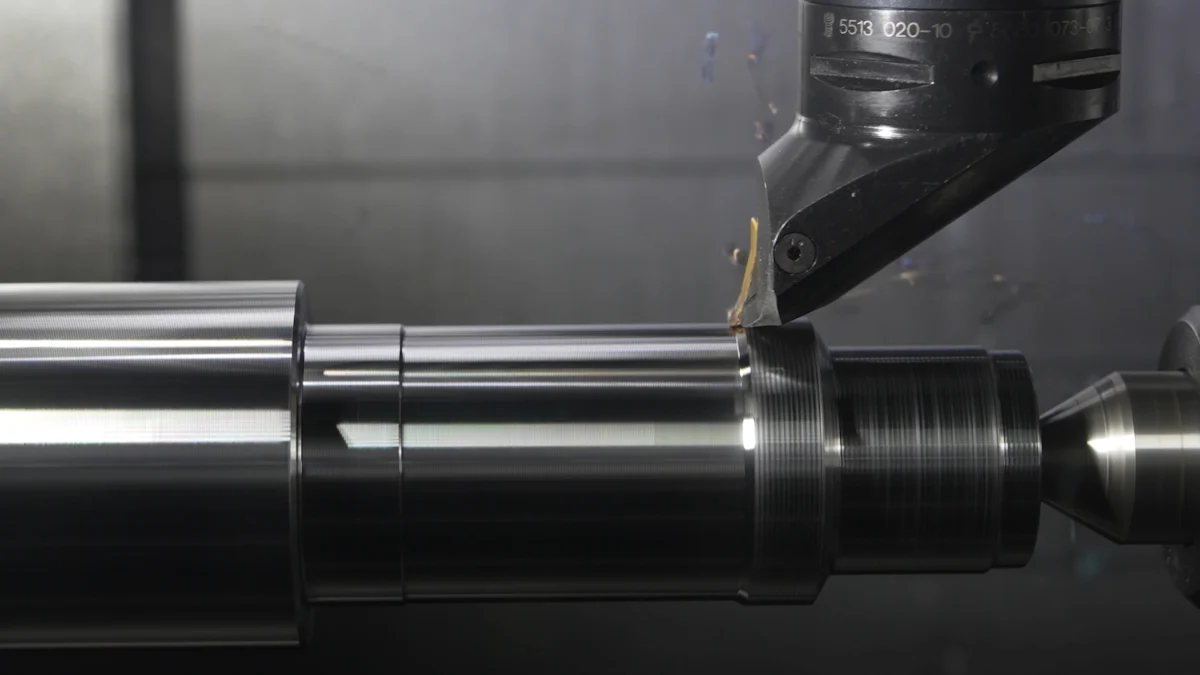
High-speed machining allows you to make fast, small cuts, which is essential for creating intricate parts in wearable technology. Micro-machining techniques further improve precision, enabling you to produce components that are both functional and visually appealing. These advancements are critical for future wearables, where compact and precise designs are a priority.
Reducing production time
High-speed machining significantly reduces production time for smart textiles. It enables the creation of custom parts with high accuracy, meeting the demands of the wearable market. Future improvements, such as AI integration for autonomous decision-making, will further accelerate production while reducing costs. This ensures you can keep up with the fast-paced demands of the industry.
AR/VR Integration
Enhancing design visualization
AR and VR technologies transform how you visualize designs in CNC machining. These tools allow you to create and test detailed 3D models before production. By identifying design flaws early, you save time and reduce costs. Immersive environments also let you interact with CNC machines risk-free, ensuring your designs align perfectly with your vision.
Training for CNC operators
AR and VR play a vital role in training CNC operators for smart textile manufacturing. These technologies create realistic simulations where operators can practice complex processes without real-world consequences. This shortens the learning curve, enhances safety, and ensures operators are well-prepared to handle the challenges of producing future wearables.
CNC machining has revolutionized the production of smart textiles and wearable technology. It enables you to create intricate and precise components essential for functionality and aesthetics. This process ensures high-quality parts tailored to meet the demands of wearable devices.
Innovative CNC machining processes have proven to play a pivotal role in enhancing precision and efficiency in wearable technology manufacturing, significantly transforming the production of wearable devices.
The benefits of CNC include unmatched precision, material versatility, and cost-effectiveness. These advantages allow you to produce durable, ergonomic designs while minimizing waste. Future innovations, such as AI-driven automation and AR/VR integration, promise to overcome current challenges and drive progress in this field.
FAQ
What is CNC machining, and why is it important for smart textiles?
CNC machining uses computer-controlled tools to create precise components. It ensures accuracy and consistency, which are essential for integrating electronics into smart textiles. This technology helps you produce durable, functional, and innovative designs for wearable devices.
Can CNC machines work with flexible materials like fabrics?
Yes, CNC machines can handle flexible materials, but it requires careful adjustments. You need to optimize settings and use specialized tools to ensure precision without damaging the material. This approach allows you to create intricate designs on soft fabrics.
How does CNC machining reduce production costs?
CNC machining automates processes, reducing labor expenses. It minimizes material waste through precise cutting and nesting optimization. You can also avoid costly molds, making it a cost-effective solution for both small and large-scale production.
What types of materials are compatible with CNC machining?
CNC machining works with metals, plastics, composites, and even some fabrics. You can choose materials based on your needs, such as lightweight options for comfort or durable ones for wear resistance. This versatility supports innovation in smart textiles and wearables.
How does CNC machining support innovation in wearable technology?
CNC machining enables rapid prototyping, allowing you to test and refine designs quickly. It supports intricate patterns and ergonomic shapes, essential for wearables. By using this technology, you can create advanced, functional, and aesthetically pleasing devices that meet market demands.
See Also
Streamlined CNC Machining Solutions for Accurate Production Needs
Perfecting CNC Machining Techniques for High-Precision Components
Investigating CNC Machining Options for Exact Manufacturing Processes
Upcoming CNC Precision Machining Innovations for Electronics in 2024
Delving into CNC Machinery and Precision Engineering in Electronics
About US
Follow Us
Your prototype holds unparalleled significance, and we deeply value its uniqueness. Collaborating with you during the preparation phase for running your prototype or parts is a commitment we gladly embrace. Whether it's a single part or a complex assembly, we are dedicated to selecting the optimal tools and pathways to bring your envisioned product to life.
At Precision Fab CNC Machining, we specialize in producing parts for prototypes, short runs, and high-volume production. Our prototyping machine capabilities extend across metal, plastic, and wood machining, with welding fabrication services available to complement and finalize your prototype if required.
Address
Address: Room320 10F, Building A,Nanshan international building, Dayawan District, Huizhou, Guangdong, 516001 China
Contacts
billy@timaycnc.com