The Role of CNC Machining in Sustainable Aluminum Recycling

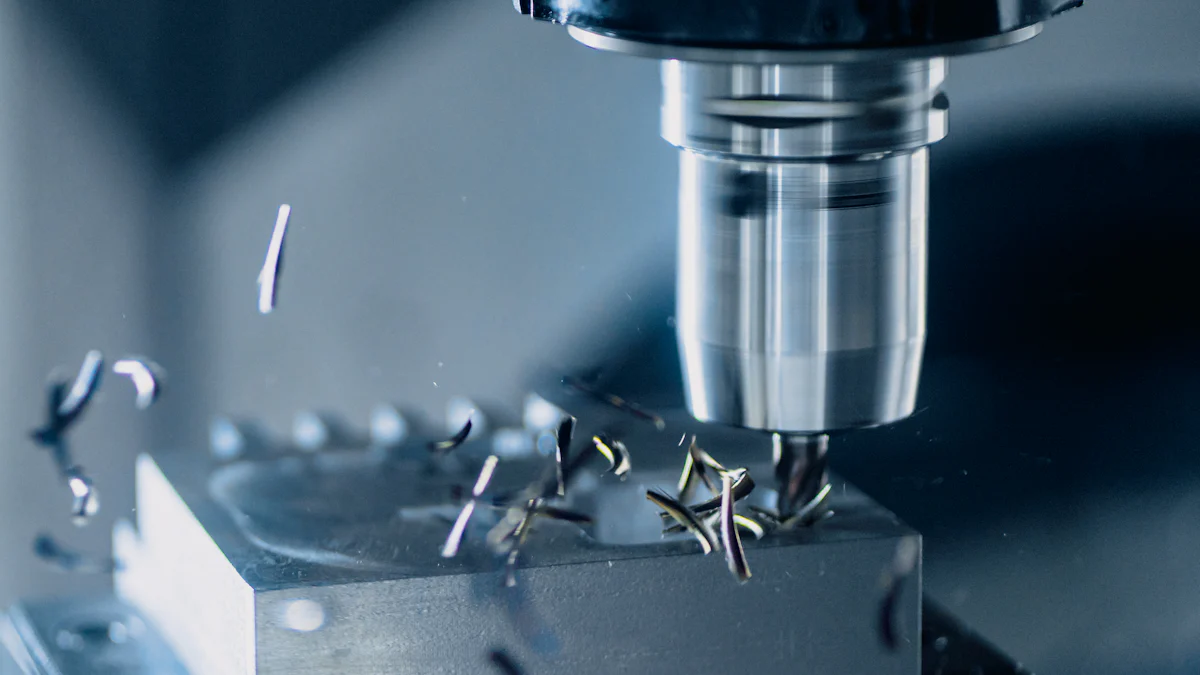
Aluminum recycling is vital for conserving resources and reducing environmental impact. You can rely on CNC machining to enhance this process. It minimizes waste by optimizing cutting patterns and generates recyclable chips. This approach supports sustainability by promoting resource efficiency and reducing energy use, making the recycling of aluminum chips more effective.
Key Takeaways
CNC machining helps recycle aluminum by cutting accurately and reducing waste.
Recycling aluminum uses much less energy, about 5% of what making new aluminum needs. This cuts down greenhouse gases a lot.
Using energy-saving CNC machines saves money and helps the planet by lowering carbon emissions.
The Importance of Aluminum Recycling
Environmental Benefits of Recycling Aluminum
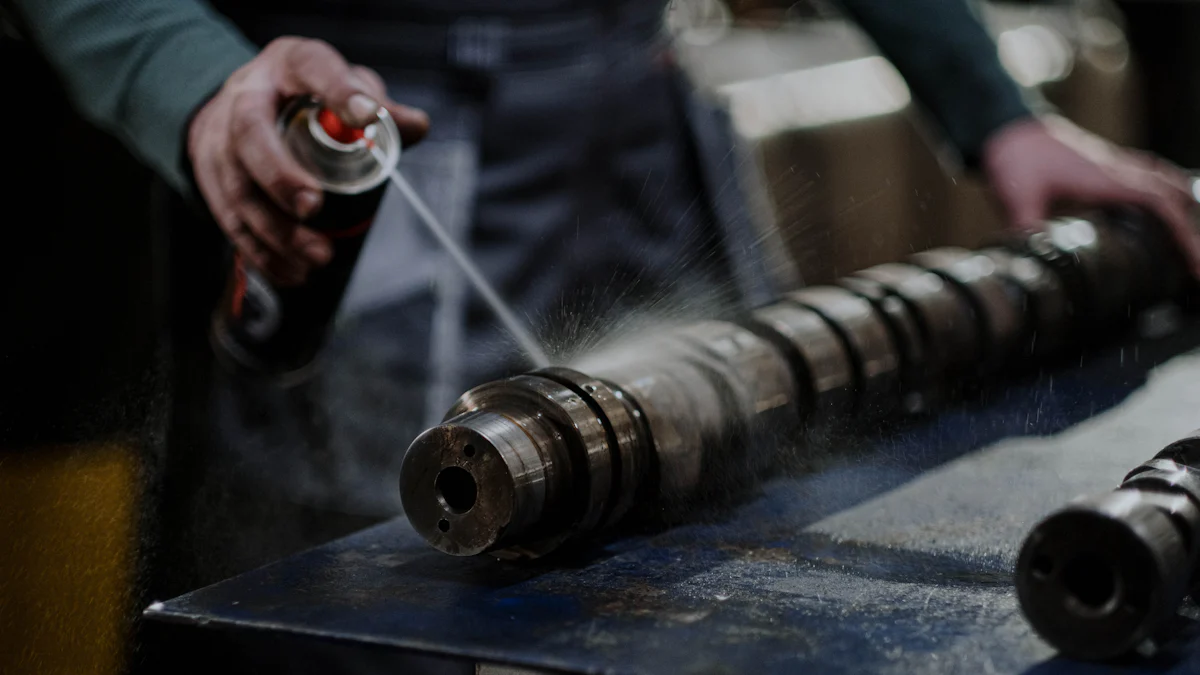
Recycling aluminum offers significant environmental advantages compared to producing new aluminum. The process conserves energy, using only about 5% of the energy required for primary production. This energy efficiency translates into a substantial reduction in greenhouse gas emissions. For every ton of recycled aluminum, only 0.6 tonnes of CO2 equivalent are emitted, compared to 16.6 tonnes from raw material production. Recycling also preserves natural resources by reducing the need to extract bauxite ore, which protects ecosystems and minimizes environmental degradation.
Environmental Benefit | Description |
|---|---|
Energy Conservation | Recycling aluminum uses only about 5% of the energy required to produce new aluminum from raw materials. |
Reduction in Greenhouse Gas Emissions | Recycling emits only 0.6 tonnes of CO2 equivalent per tonne, compared to 16.6 tonnes from raw materials. |
Conservation of Natural Resources | Reduces the need to extract bauxite ore, protecting ecosystems and minimizing environmental degradation. |
Waste Reduction | Diverts waste from landfills, conserving space and reducing pollution. |
Long-Term Resource Preservation | Ensures valuable aluminum materials are available for future generations. |
Aluminum's Role in a Circular Economy
Aluminum plays a pivotal role in promoting a circular economy. Its recyclability ensures that aluminum parts can be reused repeatedly without losing quality. CNC machining enhances this process by providing precise control over material removal, minimizing waste. Advanced CAM software optimizes the layout of aluminum parts on raw materials, further reducing scrap. By supporting the use of recycled metals, CNC machining aligns with the principles of sustainability and a circular economy.
Challenges in Recycling Metal Scraps
Recycling metal scraps, particularly aluminum, presents several challenges. Contamination from non-metallic materials, chemicals, and dirt can affect the quality of recycled aluminum. Processing diverse metal streams complicates separation due to varying properties.
The main challenge in recycling dirty aluminum is the separation of aluminum from other attached materials, which can be labor-intensive and time-consuming. Impurities complicate the melting process, potentially leading to lower-quality recycled aluminum.
Varying compositions of wrought and cast alloys complicate recycling processes.
Impurity control is critical, as high levels of certain metals can render recycled aluminum unsuitable for high-performance applications.
Limitations of current recycling technologies hinder efficient processing of aluminum scrap.
How CNC Aluminum Machining Optimizes Recycling
Precision Cutting for Maximum Material Recovery
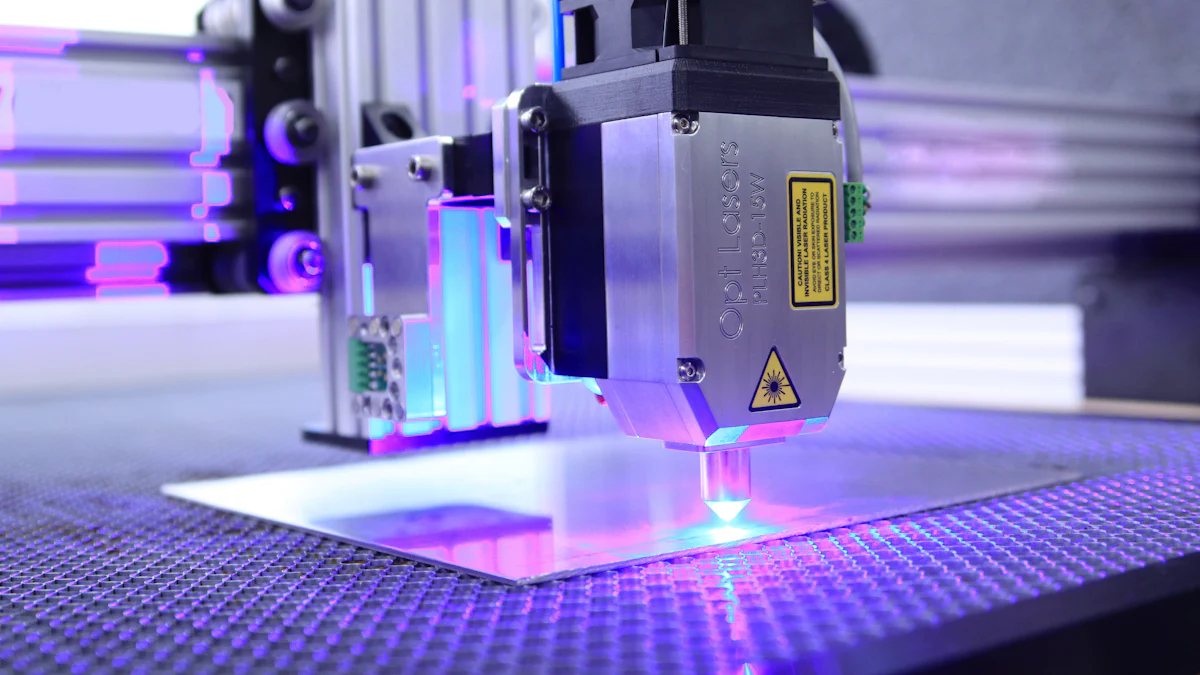
CNC aluminum machining ensures precise cutting, which maximizes material recovery during recycling. By using advanced tools and software, you can achieve high accuracy in separating usable aluminum from scrap. This precision minimizes the loss of valuable material, allowing you to recover more aluminum for reuse. CNC machining also enables you to handle complex geometries, ensuring that even intricate aluminum components are recycled effectively.
The precision of CNC aluminum machining reduces the need for secondary processing, saving time and resources. With optimized cutting paths, you can extract the maximum amount of recyclable aluminum from raw materials, supporting sustainable practices. This approach not only conserves resources but also aligns with the principles of energy consumption and waste reduction.
Waste Reduction Through CNC Machining
CNC aluminum machining employs innovative techniques to minimize waste during the recycling process. These methods include:
Micro-Machining: Reduces material waste by offering unmatched precision, especially for expensive aluminum alloys.
Cryogenic Machining: Lowers heat during cutting, preserving material integrity and extending tool life.
Laser-Assisted Machining (LAM): Softens aluminum to reduce cutting forces, improving surface finish and tool longevity.
Adaptive Machining: Uses real-time feedback to adjust machining paths, ensuring minimal waste and high tolerances.
Electrochemical Machining (ECM): Removes material without direct contact, preventing residual stresses and heat damage.
By adopting these techniques, you can significantly reduce aluminum waste, making the recycling process more efficient and environmentally friendly.
Energy-Efficient Machines in Recycling Processes
Energy-efficient machines play a crucial role in CNC aluminum machining. These machines are equipped with advanced power management systems that operate only when necessary, reducing energy consumption. This not only lowers operational costs but also decreases the carbon footprint of recycling processes. By using energy-efficient machines, you contribute to sustainable recycling practices while improving profitability.
Additionally, many CNC machines can run on renewable energy sources, further reducing their environmental impact. This integration supports a circular economy by aligning with sustainable manufacturing goals. Adopting energy-efficient technologies allows you to achieve both environmental and economic benefits, making CNC aluminum machining a cornerstone of modern recycling efforts.
Technological Advancements in CNC Machining
Automation for Efficient Recycling
Automation has revolutionized CNC machining, making aluminum recycling more efficient and sustainable. Modern CNC machines now recycle or reuse machining fluids and aluminum chips, reducing waste and environmental impact. By automating repetitive tasks, you can achieve consistent results while minimizing errors. This ensures that material waste during the manufacturing process is kept to a minimum.
Automated systems also streamline the recycling of aluminum chips, which supports green manufacturing facilities. These systems allow you to focus on other critical aspects of production while maintaining high levels of efficiency. With automation, CNC machining not only enhances productivity but also aligns with sustainable practices.
Software for Optimized Material Usage
Advanced software solutions play a crucial role in optimizing material usage in CNC aluminum machining. Tools like CAD, CAM, and simulation software help you reduce errors and material wastage. For example:
Software Type | Description |
|---|---|
CAD Software | Creates detailed 3D models and technical drawings. Examples: AutoCAD, SolidWorks. |
CAM Software | Converts CAD designs into G-code for CNC machines. Examples: Mastercam, Fusion 360. |
Simulation Software | Tests machining paths to minimize errors and waste. Example: Vericut. |
G-code Editors | Allows direct G-code modifications for better control. Examples: NCPlot, CIMCO Edit. |
By using these tools, you can implement optimized machining processes that maximize material recovery and reduce costs. This approach ensures that every piece of aluminum is utilized effectively, supporting both economic and environmental goals.
Smart Systems for CNC Aluminum Machining
Smart systems have introduced a new level of precision and efficiency to CNC aluminum machining. These systems use adaptive machining to adjust parameters in real-time, ensuring accuracy and minimizing waste. For instance, smart control systems monitor cutting forces, temperatures, and vibrations, making automatic adjustments to optimize machining conditions.
By leveraging these technologies, you can achieve higher precision and reduce material loss. Smart systems also enhance the sustainability of CNC machining by improving energy efficiency and reducing the need for manual intervention. This makes them an essential component of modern green manufacturing facilities.
Economic and Environmental Benefits of CNC Machining
Cost Savings Through Recycling Metal Scraps
Recycling metal scraps with CNC machining offers significant economic advantages. You can reduce operational costs by using less energy compared to processing virgin materials. Optimized machining processes minimize waste and energy usage, further enhancing cost efficiency.
Recycling aluminum scraps transforms waste into a valuable resource, supporting financial sustainability.
Strategic recycling streamlines operations and reduces overhead costs, boosting profitability.
Using recycled materials for parts eliminates the need for new raw materials, leading to substantial savings.
By implementing recycling programs, you not only lower costs but also improve your brand image. This approach demonstrates a commitment to sustainability while achieving economic benefits.
Lowering Carbon Footprint with CNC Technology
CNC technology plays a vital role in reducing the carbon footprint of aluminum recycling. Adaptive machining tailors processes to minimize material removal, resulting in less waste. Real-time adjustments during machining ensure efficient material usage, which is especially critical for high-cost materials like aluminum.
Energy-efficient technologies significantly lower electricity consumption, reducing both costs and environmental impact.
Digital simulation tools allow you to perfect designs and machining strategies, avoiding errors and material overuse.
Recycling aluminum scraps reduces the demand for new raw materials, further contributing to a lower carbon footprint.
By adopting CNC technology, you align your operations with eco-friendly practices while maintaining high productivity.
Long-Term Sustainability with Energy-Efficient Machines
Energy-efficient CNC machines ensure long-term sustainability in aluminum recycling. These machines feature advanced power management systems that minimize energy consumption. Some even include regenerative drive systems, converting kinetic energy into reusable electrical energy.
Feature | Description |
|---|---|
Energy Efficiency | Advanced systems reduce energy usage, lowering operational costs. |
Regenerative Drive Systems | Converts kinetic energy into electricity, enhancing sustainability. |
Economic Benefits | Reduces carbon footprint and energy costs, proving eco-friendly practices are profitable. |
Recycling aluminum with energy-efficient machines not only benefits the environment but also strengthens your market competitiveness. This approach ensures that your operations remain sustainable and cost-effective in the long run.
CNC machining has become a cornerstone of sustainable aluminum recycling. You can rely on its precision to recover more material while reducing waste through adaptive machining and digital simulation. Industries adopting this technology have achieved significant benefits, including enhanced material efficiency and lower operational costs. By embracing CNC machining, you support a circular economy and promote long-term sustainability. Future advancements, such as versatile alloys and improved recycling technologies, will further enhance the integration of CNC machining with aluminum recycling. These innovations will ensure that aluminum remains a valuable resource for generations.
FAQ
What makes CNC machining essential for aluminum recycling?
CNC machining ensures precise material recovery, reduces waste, and optimizes energy use. Its advanced technologies make recycling processes more efficient, supporting sustainability and a circular economy.
How does CNC machining reduce aluminum waste?
CNC machining uses techniques like adaptive machining and laser-assisted cutting. These methods minimize material loss, ensuring maximum recovery of aluminum during recycling.
Can CNC machines run on renewable energy?
Yes, many modern CNC machines operate on renewable energy sources. This reduces their environmental impact and aligns with sustainable manufacturing practices.
💡 Tip: Investing in energy-efficient CNC machines can lower operational costs and improve your sustainability efforts.
See Also
Benefits of Utilizing Aluminum CNC Machining Services Today
CNC Machining Aluminum Alloys 6061 and 7075: A 2024 Overview
CNC Machining Process and Uses of Aluminum Alloy 7075
Precision Manufacturing Through Efficient CNC Machining Services
Tips for Achieving Scratch-Free CNC Machining of Aluminum Parts
About US
Follow Us
Your prototype holds unparalleled significance, and we deeply value its uniqueness. Collaborating with you during the preparation phase for running your prototype or parts is a commitment we gladly embrace. Whether it's a single part or a complex assembly, we are dedicated to selecting the optimal tools and pathways to bring your envisioned product to life.
At Precision Fab CNC Machining, we specialize in producing parts for prototypes, short runs, and high-volume production. Our prototyping machine capabilities extend across metal, plastic, and wood machining, with welding fabrication services available to complement and finalize your prototype if required.
Address
Address: Room320 10F, Building A,Nanshan international building, Dayawan District, Huizhou, Guangdong, 516001 China
Contacts
billy@timaycnc.com