How CNC Machining Supports Sustainable Manufacturing Goals

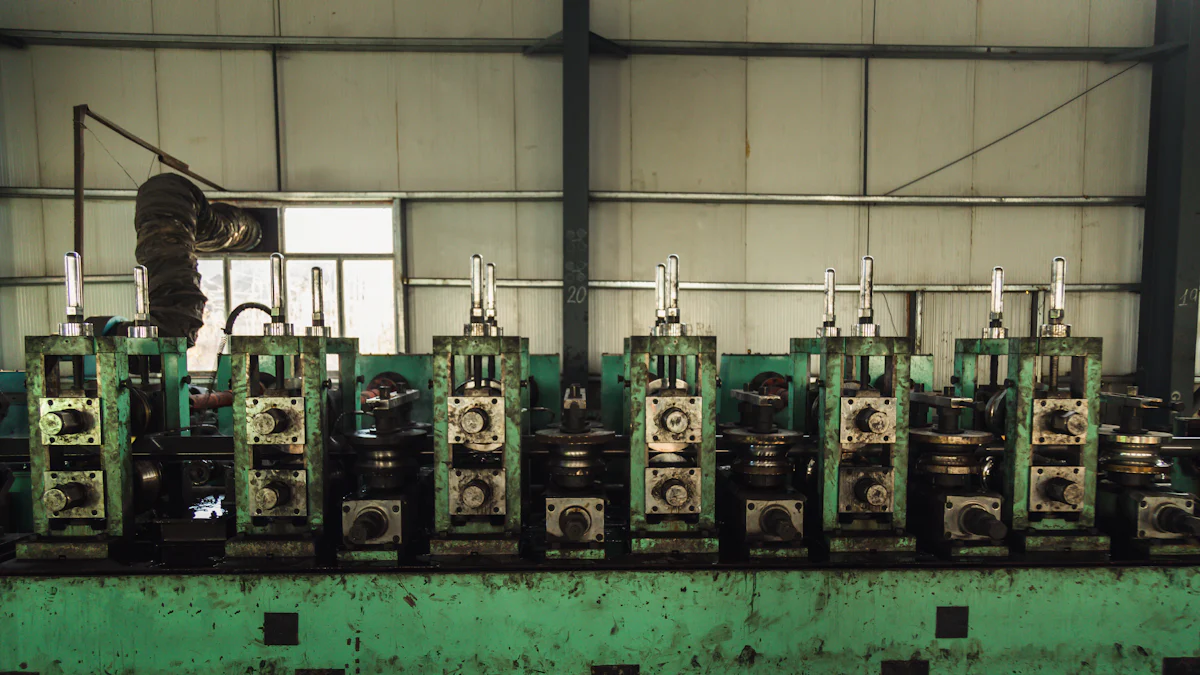
You might not realize it, but CNC machining plays a huge role in making manufacturing more sustainable. Its precision reduces waste by optimizing material usage and cutting down on errors. For example, adaptive cutting techniques adjust tool paths in real-time, minimizing scrap and extending tool life. Facilities using renewable energy sources like solar or wind power also lower electricity consumption. Plus, smaller cut widths and laser cutting improve efficiency while reducing waste. These innovations make CNC machining a game-changer for sustainability, helping industries produce high-quality goods with less environmental impact.
Key Takeaways
CNC machining cuts materials exactly, saving resources and money.
New CNC machines use less energy, lowering power use and costs.
CNC machining helps make parts for wind turbines and solar panels.
Using eco-friendly materials in CNC work reduces harm to nature.
CNC automation improves production, lowers mistakes, and helps the environment.
Environmental Benefits of CNC Machining
Reduced Material Waste
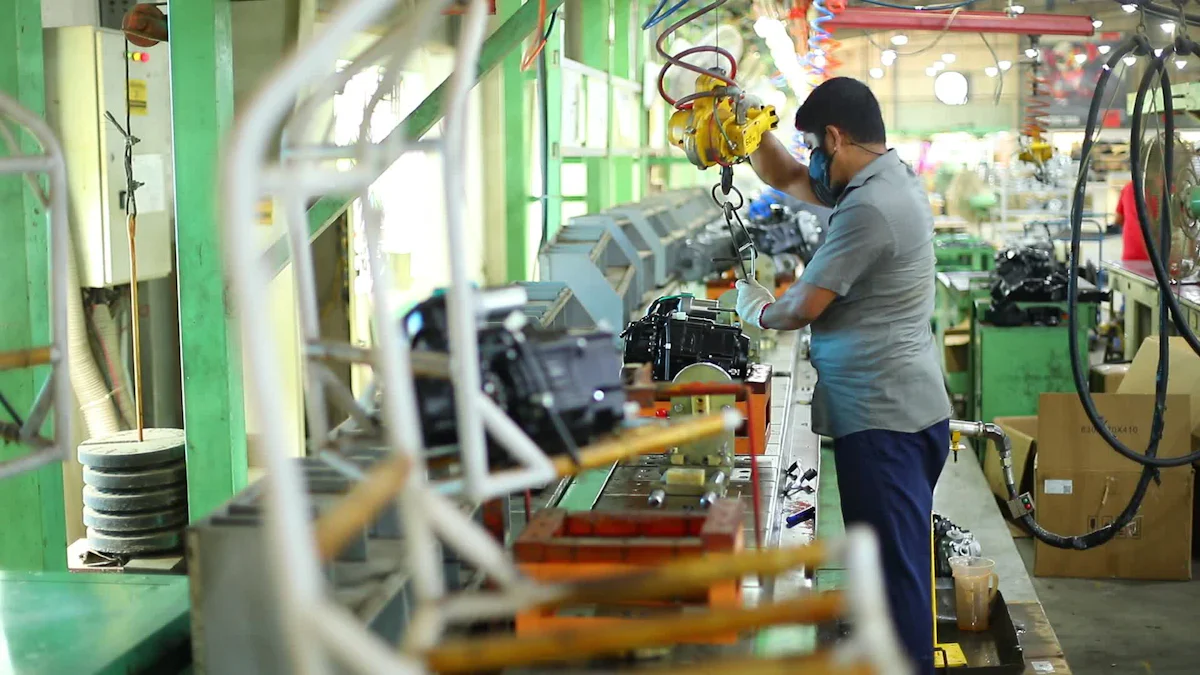
CNC machining is a game-changer when it comes to reducing material waste. Its precision allows you to use only what’s needed, thanks to computer-aided design (CAD) software. This software programs exact cuts and holes, ensuring minimal mistakes. Fewer errors mean less material gets scrapped, which helps you save resources and money. Plus, automated processes maintain consistency, so every part meets the same high-quality standards.
You’ll also find that many CNC processes use recyclable materials. Metals like aluminum, brass, and stainless steel are commonly recycled, making them eco-friendly choices. Here’s a quick look at some of the most recyclable materials used in CNC machining:
Material | Recyclability | Common Uses |
|---|---|---|
Stainless Steel | 100% | Cookware, cutlery, industrial equipment |
Steel | >90% | Construction, tools, vehicles |
Brass | 100% | Machining, various metal products |
Aluminum | 100% | Aerospace, construction |
Copper | High | Electrical components, building materials |
By choosing these materials, you’re not just reducing waste—you’re actively contributing to sustainable manufacturing.
Energy Efficiency in CNC Operations
Modern CNC machines are designed with energy efficiency in mind. Advanced software optimizes toolpaths, reducing machining time and energy consumption. High-speed machining techniques also play a role here. They allow for rapid, precise cutting, which lowers the energy used per part. This means you can produce more while consuming less power.
Older CNC machines often consumed more electricity due to outdated motors and control systems. In contrast, newer models use energy-efficient technologies that significantly cut down on power usage. By upgrading to modern equipment, you not only save on operational costs but also reduce your environmental impact.
Lower Carbon Footprint
CNC machining helps you lower your carbon footprint in several ways. First, it reduces the need for multiple production steps. With its precision, you can create complex parts in a single process, cutting down on energy and material use. Second, localized production becomes more feasible. By manufacturing parts closer to where they’re needed, you reduce transportation emissions.
Sustainable CNC machining also integrates eco-friendly practices. For example, efficient nesting of parts on raw materials minimizes scrap, while optimized resource utilization decreases waste. These efforts make CNC machining a more eco-friendly alternative to traditional manufacturing methods.
CNC Machining's Role in Sustainable Manufacturing
Supporting Renewable Energy Technologies
CNC machining plays a vital role in advancing renewable energy technologies. It’s used to produce critical components for systems like wind turbines, solar panels, and hydroelectric generators. For instance, CNC machines craft precise parts such as turbine blades, panel frames, and tracking systems. These components are essential for ensuring the efficiency and reliability of renewable energy systems.
Here’s a quick look at some renewable energy technologies and the key components CNC machining helps create:
Renewable Energy Technology | Key Components Produced Using CNC Machining |
|---|---|
Solar Energy | Panel Frames, Mounting Brackets, Tracking Systems |
Hydroelectric Energy | Turbine Blades, Gate Valves, Control Mechanisms |
Geothermal Energy | Casing Pipes, Wellhead Equipment, Turbine Components |
Biomass Energy | Pellet Mill Dies, Rollers, Combustor Components |
Energy Storage Systems | Battery Enclosures, Heat Exchangers, Cooling Systems |
The precision of CNC machining ensures that every part fits perfectly and functions flawlessly. This level of accuracy not only optimizes performance but also extends the lifespan of renewable energy systems. By reducing material waste and improving efficiency, CNC machining supports the shift toward more environmentally friendly energy solutions.
Enabling Circular Economy Practices
CNC machining is a key enabler of circular economy practices. It facilitates the repair and reuse of parts, reducing the need for new materials. For example, you can use CNC machines to refurbish worn components, giving them a second life instead of discarding them. This approach conserves resources and minimizes waste.
Scrap materials from CNC processes are also highly recyclable. Manufacturers often collect and sort these materials, ensuring proper recycling and recovery. Metals like aluminum and steel can be melted down and reused, preserving their value and reducing environmental harm. By optimizing cutting patterns, CNC machining further minimizes waste, making it a sustainable choice for modern manufacturing.
Promoting Eco-Friendly Production
CNC machining promotes eco-friendly production by reducing reliance on harmful chemicals. Many CNC processes now use water-based coolants instead of oil-based ones, which are less damaging to the environment. Additionally, the precision of CNC machining minimizes errors, so you waste fewer materials during production.
Automation in CNC machining also plays a big role in sustainability. Automated machines operate faster and more consistently than manual methods, reducing the risk of human error. This means fewer defective parts and less scrap material. Automated inspection systems can even detect flaws early, allowing you to make corrections before completing a part. These advancements make CNC machining a cornerstone of sustainable manufacturing.
Examples of Eco-Friendly CNC Machining Practices
Use of Sustainable Materials
Biodegradable and recyclable materials in CNC processes.
You can make a big difference by choosing sustainable materials for your CNC machining projects. Many options are both biodegradable and recyclable, helping you reduce waste and environmental impact. Here are some popular choices:
Recycled Aluminum: This material uses significantly less energy during production compared to virgin aluminum.
Bamboo Composites: Durable and renewable, bamboo is gaining traction in eco-friendly manufacturing.
Bioplastics: Materials like PLA are biodegradable and work well with CNC processes.
Recycled Plastics: Options like rPET minimize pollution and give plastic waste a second life.
Low-Carbon Steel: Produced with reduced CO2 emissions, it’s a great choice for sustainable projects.
Lightweight materials that reduce energy consumption in end products.
Lightweight materials like aluminum, magnesium, and titanium are game-changers. They reduce the overall weight of products, which means less energy is needed to move or operate them. For example, in the automotive and aerospace industries, lighter components improve fuel efficiency and performance. Here’s how these materials contribute to energy savings:
Aspect | Contribution to Energy Savings |
|---|---|
Toolpath Optimization | Reduces power consumption by planning efficient paths. |
High-Speed Machining | Cuts machining time, lowering energy use per part. |
By using these materials, you’re not just saving energy—you’re also creating more efficient and sustainable products.
Adoption of Green Manufacturing Technologies
Integration of renewable energy sources in CNC facilities.
Switching to renewable energy sources can transform your CNC machining operations. Facilities powered by solar panels or wind turbines reduce their reliance on non-renewable energy, cutting their carbon footprint. For example, wind power helps produce durable components like bearings and blades, while solar power supports the creation of frames and rails for energy systems. By integrating these technologies, you align your operations with eco-friendly manufacturing goals.
Use of water-based coolants instead of oil-based ones.
Water-based coolants are another step toward sustainability. They dissipate heat effectively and provide excellent lubrication during machining. Unlike oil-based coolants, they’re more environmentally friendly and cost-effective. However, you’ll need to monitor them for bacterial growth and potential corrosion in certain metals. Despite these challenges, they’re a greener choice for CNC machining.
Case Studies of Sustainable CNC Machining
Companies implementing zero-waste CNC machining.
Some companies are leading the way in zero-waste practices. For instance, Elevated Materials has diverted nearly 200,000 pounds of carbon fiber waste from landfills. They’ve achieved this through innovative CNC machining and waterjet cutting processes. Their efforts show how you can combine precision manufacturing with sustainability.
Examples of industries benefiting from sustainable CNC practices.
Several industries have embraced sustainable CNC machining with great success:
Automotive Industry: Lightweight materials improve fuel efficiency and reduce emissions.
Aerospace Industry: Advanced CNC software minimizes waste and enhances precision.
Consumer Electronics Sector: Additive manufacturing and waste reduction strategies lower environmental impact.
By adopting these practices, you can join these industries in creating a more sustainable future.
CNC machining is more than just a manufacturing tool—it’s a pathway to sustainability. By reducing waste, conserving energy, and embracing eco-friendly materials, you can align your production processes with global sustainability goals. Studies show that optimizing resource use and adopting renewable energy in CNC operations significantly lower the carbon footprint. Plus, advancements like AI and green technologies promise even greater efficiency. As industries prioritize sustainability, CNC machining will remain a key player in shaping a cleaner, greener future. Why not make it part of your journey toward responsible manufacturing?
FAQ
What makes CNC machining a sustainable choice for manufacturing?
CNC machining reduces waste by using precise cuts and recyclable materials. It also supports automation, which optimizes energy use and minimizes errors. These features make it a key player in smart manufacturing and eco-friendly production.
How does automation improve CNC machining sustainability?
Automation enhances efficiency by reducing human error and waste. It ensures consistent quality and faster production. With automation, CNC machining aligns with smart manufacturing goals, helping you save resources and energy while maintaining high standards.
Can CNC machining support renewable energy industries?
Yes! CNC machining creates precise components for wind turbines, solar panels, and other renewable systems. Its accuracy ensures durability and efficiency, making it essential for smart manufacturing in the renewable energy sector.
What role does CNC machining play in smart manufacturing?
CNC machining is central to smart manufacturing. It integrates automation to streamline production, reduce waste, and optimize energy use. This approach helps you achieve sustainable goals while maintaining high-quality output.
Are CNC processes compatible with eco-friendly materials?
Absolutely. CNC machining works with biodegradable and recyclable materials like bamboo composites and recycled aluminum. These materials align with smart manufacturing principles, reducing environmental impact and promoting sustainability.
See Also
Discovering Seven Essential Advantages of CNC Machining Today
Understanding CNC Technology: Innovations and Uses in Manufacturing
Streamlined CNC Machining Solutions for Accurate Manufacturing Needs
Investigating CNC Machining Options for High-Precision Production
The Impact of CNC Machining on Precision Manufacturing Innovations
About US
Follow Us
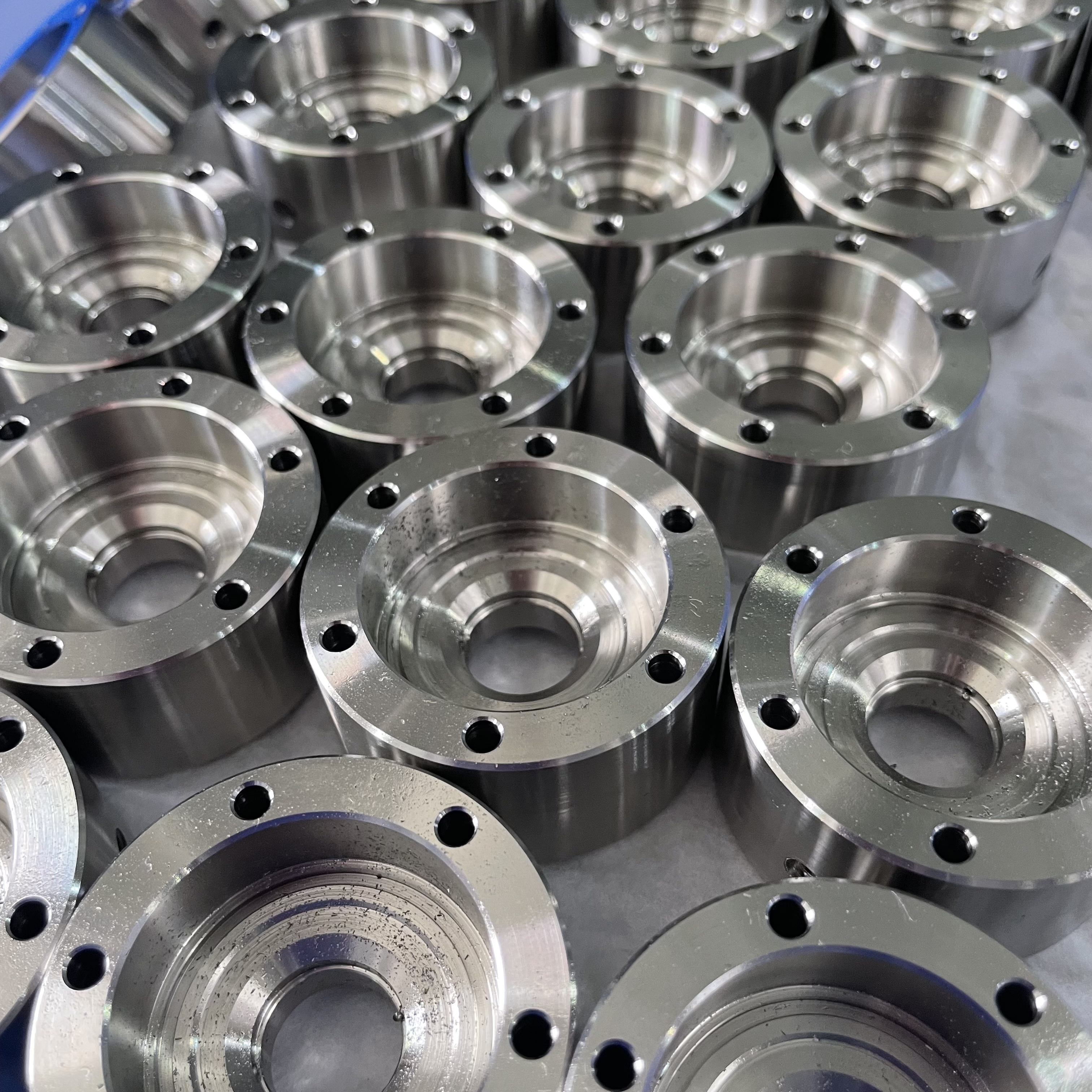
Your prototype holds unparalleled significance, and we deeply value its uniqueness. Collaborating with you during the preparation phase for running your prototype or parts is a commitment we gladly embrace. Whether it's a single part or a complex assembly, we are dedicated to selecting the optimal tools and pathways to bring your envisioned product to life.
At Precision Fab CNC Machining, we specialize in producing parts for prototypes, short runs, and high-volume production. Our prototyping machine capabilities extend across metal, plastic, and wood machining, with welding fabrication services available to complement and finalize your prototype if required.
Address
Address: Room320 10F, Building A,Nanshan international building, Dayawan District, Huizhou, Guangdong, 516001 China
Contacts
billy@timaycnc.com