How CNC Customization Supports Sustainable Manufacturing Practices

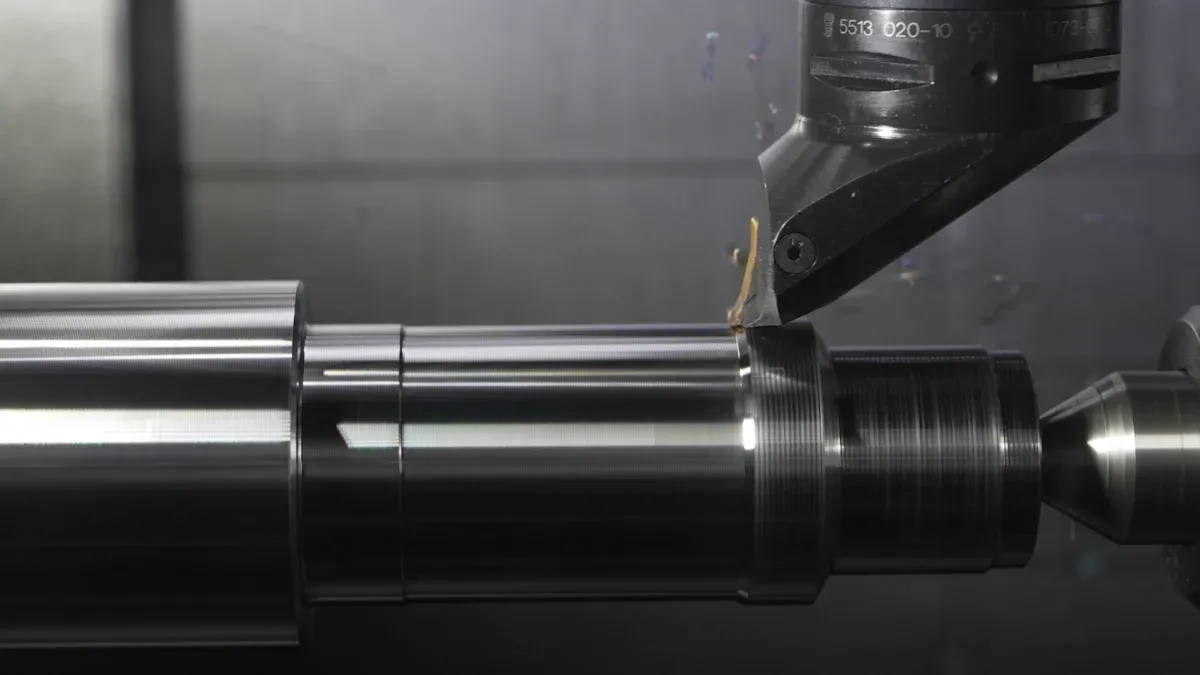
CNC machining empowers you to embrace sustainable manufacturing by reducing waste and conserving resources. Its precision minimizes material loss, while customization ensures efficient designs tailored for durability. Industries like renewable energy benefit from CNC’s ability to optimize material usage and energy consumption, aligning production with eco-friendly goals and enhancing long-term sustainability.
Key Takeaways
CNC machines cut materials precisely, reducing waste and saving resources.
Custom CNC designs use materials better, cutting costs and saving more.
Using renewable energy in CNC shops makes manufacturing cleaner and greener.
Material Efficiency and Waste Reduction in CNC Machining
Precision Machining for Minimal Waste
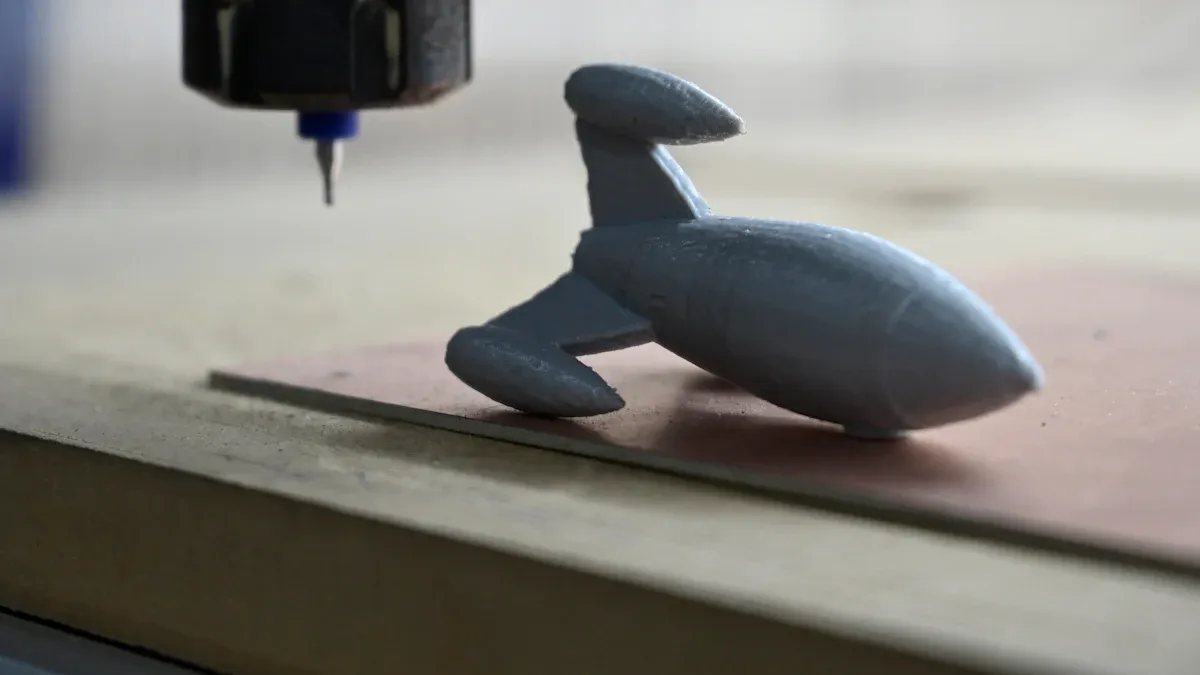
CNC machining excels at reducing material waste through its precision. Unlike traditional methods, it removes only the necessary material, leaving minimal scrap behind. Advanced CAM software enhances this process by efficiently nesting parts on raw materials, ensuring maximum utilization. You can also optimize roughing procedures and use adaptive toolpaths to further minimize waste. By programming CNC machines with exact specifications, you avoid errors that lead to material scrapping. This precision not only saves resources but also supports sustainable manufacturing practices.
Recycling and Reusing Scrap Materials
Recycling and reusing scrap materials play a vital role in CNC machining. Metal scraps, cuttings, and shavings can be collected and repurposed for other processes, such as metal casting or additive manufacturing. Many facilities implement closed-loop systems to recycle coolant and wastewater, reducing environmental impact. Using green materials made from recycled resources or biodegradable plastics also aligns with sustainable goals. These practices promote a circular economy, balancing material consumption and reducing waste.
Optimized Material Usage Through Customization
Customization in CNC machining allows you to design parts that maximize material usage. By tailoring designs to specific needs, you can reduce excess material and improve efficiency. CNC milling’s precise control ensures raw materials are used effectively, conserving resources and lowering costs. This approach not only minimizes waste but also supports your commitment to sustainable manufacturing.
Energy Efficiency and Renewable Integration
Energy-Saving Features in CNC Machines
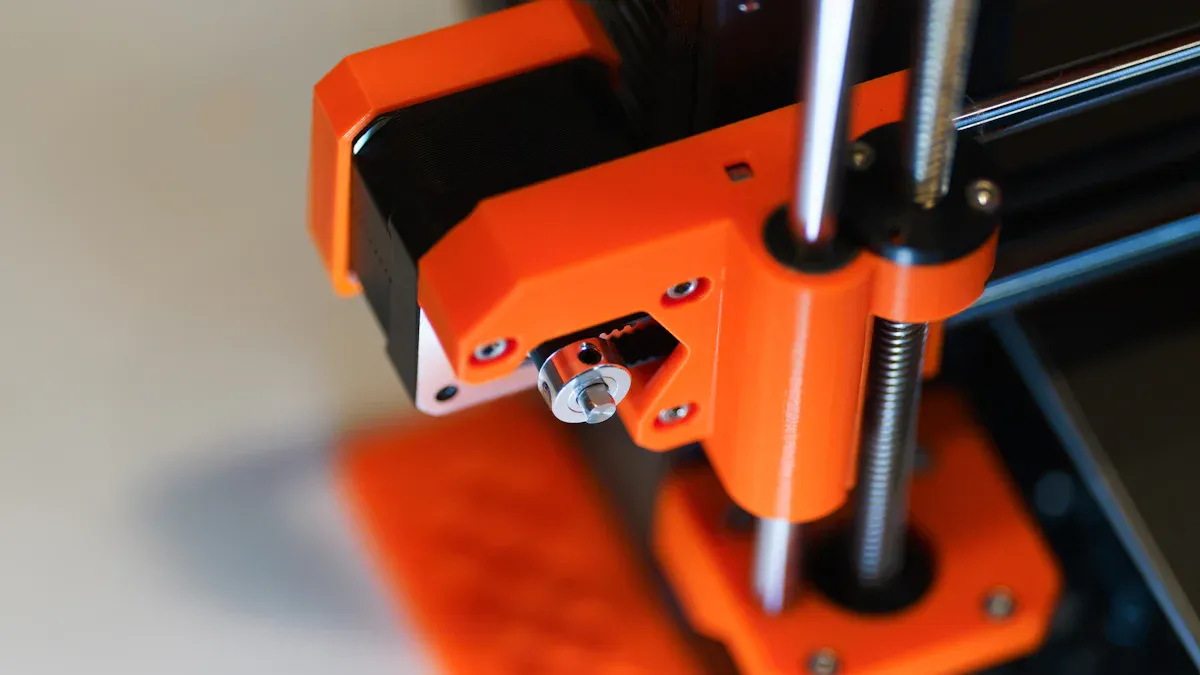
Modern CNC machining systems include several energy-saving features that help you reduce operational costs and environmental impact.
Smaller motors and lightweight components lower energy consumption during operations.
Energy-efficient spindles and drive electronics enhance performance while minimizing power usage.
Regenerative braking systems capture and reuse energy, further improving efficiency.
You can also benefit from features like variable speed drives, which adjust machine speeds based on load, and real-time monitoring systems that identify inefficiencies. Automatic shut-off functions prevent energy waste when machines are idle, ensuring that no power is consumed unnecessarily. These advancements make CNC machining a cornerstone of sustainable manufacturing.
Process Optimization for Reduced Energy Consumption
Optimizing machining processes allows you to conserve energy while maintaining precision. CNC machining achieves this by controlling cutting speeds, feeds, and tool paths. For example, toolpath optimization using CAM software reduces unnecessary movements and idle times, saving energy. Variable speed drives also adjust machine operations based on demand, ensuring efficient energy use.
Automation and advanced control systems further enhance energy efficiency. By removing only the required material, CNC machining minimizes waste and extends tool lifespan. These measures not only reduce energy consumption but also lower production costs, making your operations more sustainable.
Renewable Energy Applications in CNC Facilities
CNC machining facilities increasingly integrate renewable energy sources to support sustainability goals. Hydropower enables the production of large components like turbine housings and shafts, which handle immense pressure. Wind power relies on CNC machining for manufacturing gears, gearbox housings, and pitch bearings essential for blade adjustments. Solar power facilities use CNC machining to create support components like panel frames and carrier rails.
While renewable energy adoption faces challenges, such as high initial costs and precision requirements, its long-term benefits outweigh these barriers. By embracing renewable energy, you contribute to a cleaner, more sustainable future.
Eco-Friendly Practices in CNC Machining
Use of Green and Sustainable Materials
CNC machining supports the use of green and sustainable materials, helping you reduce environmental impact. Many facilities now work with materials like recycled aluminum, which requires less energy to produce, and bamboo composites, a renewable and durable option. Bioplastics, such as PLA derived from corn or sugarcane, offer biodegradable alternatives to traditional plastics. Recycled plastics like rPET and low-carbon steel also align with sustainability goals by minimizing pollution and lowering CO2 emissions.
Switching to these materials not only reduces waste but also meets the growing demand for eco-friendly products. CNC machining’s precision ensures maximum utilization of these resources, conserving raw materials and reducing your ecological footprint. By adopting sustainable materials, you contribute to a greener manufacturing process while meeting consumer expectations for environmentally conscious products.
Water Conservation in CNC Operations
Water conservation is another critical aspect of sustainable CNC machining. You can implement dry machining techniques to minimize coolant use, significantly reducing water consumption. Closed-loop coolant systems recycle and reuse coolant, cutting down on overall water demand. These systems also prevent the disposal of harmful wastewater, reducing environmental harm.
Effluent filtration and purification methods further enhance water conservation. By treating wastewater and reusing it in CNC processes, you can lower your reliance on fresh water. These practices not only conserve resources but also reduce operational costs, making your facility more sustainable.
Lean Manufacturing for Sustainable Production
Lean manufacturing principles optimize workflows and minimize waste, directly supporting sustainable CNC machining. By streamlining processes, you can eliminate redundant steps and improve resource efficiency. Smart software and real-time monitoring systems help identify inefficiencies, allowing you to adapt quickly and reduce waste.
This approach also aligns production rates with demand, preventing excess material usage and energy consumption. Continuous improvement ensures that your operations remain efficient and environmentally friendly. Lean manufacturing reduces waste sent to landfills, lowers energy use, and enhances your facility’s reputation among eco-conscious customers. These benefits make it an essential strategy for achieving sustainability goals in CNC machining.
CNC machining empowers you to achieve sustainable manufacturing by reducing waste, conserving energy, and optimizing material use. Facilities adopting renewable energy sources like solar or wind further enhance sustainability. Emerging technologies, such as AI and IoT, improve efficiency and reduce environmental impact. These advancements ensure CNC machining remains vital for eco-friendly production.
FAQ
What makes CNC machining sustainable?
CNC machining minimizes waste by using precise cutting techniques. It also supports recycling, energy efficiency, and renewable energy integration, making your manufacturing process more eco-friendly.
Can CNC machines work with sustainable materials?
Yes, CNC machines can process sustainable materials like recycled metals, bioplastics, and bamboo composites. These materials reduce environmental impact and align with green manufacturing goals.
How does CNC machining conserve energy?
Energy-saving features like variable speed drives and regenerative braking reduce power usage. Process optimization and renewable energy adoption further enhance energy efficiency in CNC facilities.
See Also
Understanding CNC Technology's Role in Modern Manufacturing Advancements
A Deep Dive into CNC Machining Services for Precision Work
Maximizing Efficiency with CNC Machining for Precision Production
The Impact of CNC Machining on High-End Precision Manufacturing
Discovering Seven Advantages of CNC Machining in Advanced Manufacturing
About US
Follow Us
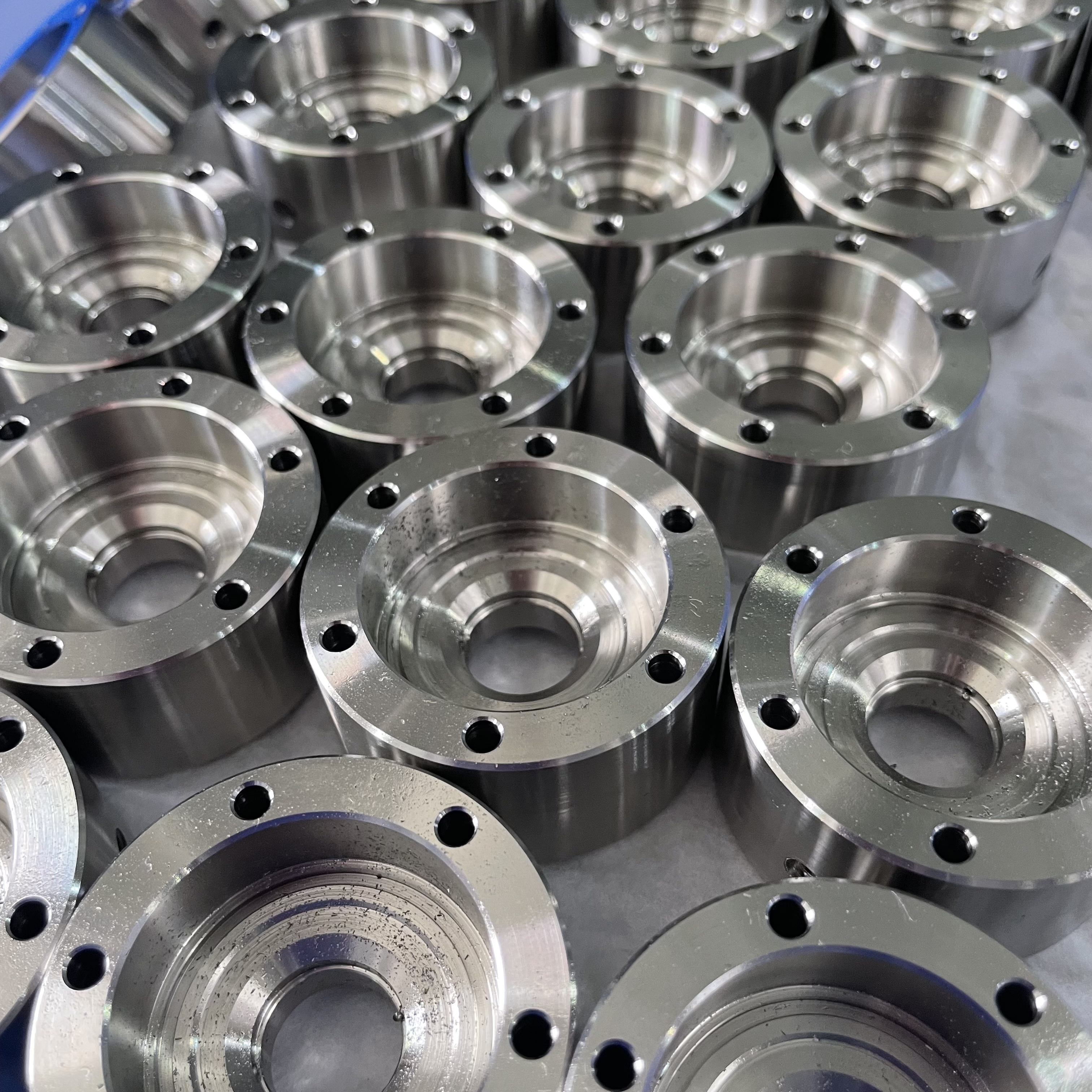
Your prototype holds unparalleled significance, and we deeply value its uniqueness. Collaborating with you during the preparation phase for running your prototype or parts is a commitment we gladly embrace. Whether it's a single part or a complex assembly, we are dedicated to selecting the optimal tools and pathways to bring your envisioned product to life.
At Precision Fab CNC Machining, we specialize in producing parts for prototypes, short runs, and high-volume production. Our prototyping machine capabilities extend across metal, plastic, and wood machining, with welding fabrication services available to complement and finalize your prototype if required.
Address
Address: Room320 10F, Building A,Nanshan international building, Dayawan District, Huizhou, Guangdong, 516001 China
Contacts
billy@timaycnc.com