CNC Machining for Sustainable Building Materials

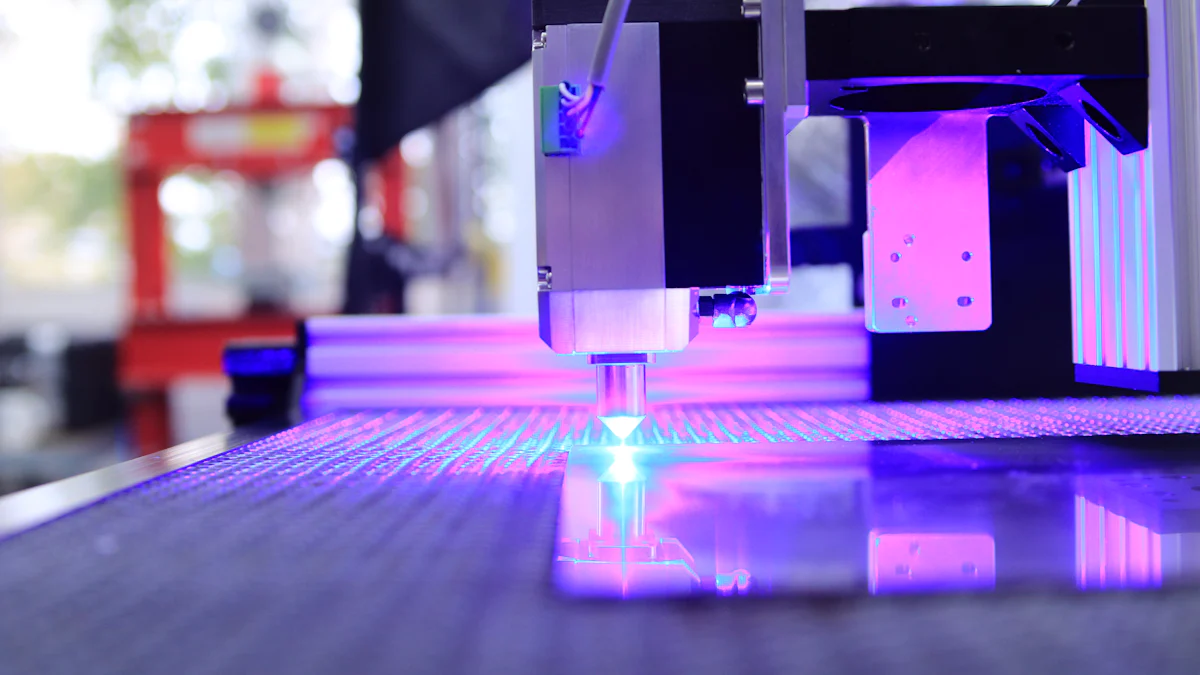
CNC machining is revolutionizing how you approach construction projects. Its precision ensures minimal material waste by cutting with pinpoint accuracy. Unlike traditional methods, CNC machines reduce errors and extend the lifespan of tools, saving resources. Automation optimizes energy use, consuming only what is necessary. These features align with sustainability goals, helping you adopt eco-friendly practices. By integrating recycled materials and reducing reliance on handheld tools, CNC machining supports a greener future for construction.
Key Takeaways
CNC machines cut materials precisely, reducing waste in construction work.
Automated CNC machines save energy, cutting costs and helping the planet.
Using recycled or biodegradable materials in CNC supports the environment.
Adding renewable energy to CNC machines lowers pollution and helps nature.
CNC machining saves money over time by using less material and labor.
CNC Machining and Its Role in Sustainability
Understanding CNC Machining
Key features of CNC machines: precision, automation, and versatility.
CNC machines stand out for their precision, automation, and versatility. These machines use advanced programming to cut and shape materials with unmatched accuracy. This precision reduces errors, ensuring you use raw materials efficiently. Automation allows CNC machines to operate continuously with minimal human intervention, saving time and energy. Their versatility enables them to work with a wide range of materials, including eco-friendly options like recycled metals and biodegradable plastics. These features make CNC machines an essential tool for sustainable manufacturing.
Applications of CNC machining in sustainable manufacturing.
CNC machining plays a vital role in sustainable manufacturing. It supports the recycling of materials, helping you align with circular economy principles. By enabling precise control over material removal, CNC machines minimize waste during production. They also allow for on-demand manufacturing, reducing excess inventory and its environmental impact. Additionally, CNC machines can process sustainable materials, such as bio-based plastics, promoting eco-friendly construction practices. These applications demonstrate how CNC machining contributes to sustainability in the construction industry.
CNC Machining and Sustainable Practices
How CNC machining aligns with sustainability goals in construction.
CNC machining aligns with sustainability goals by maximizing material efficiency and reducing waste. Its precision ensures that you use only the necessary amount of material, lowering costs and environmental impact. CNC machines also extend the lifespan of tools, reducing the need for frequent replacements. Energy-efficient models consume less power, further supporting sustainable practices. By integrating recycled and biodegradable materials, CNC machining helps you adopt greener construction methods.
The importance of precision in achieving material efficiency.
Precision is key to achieving material efficiency in construction. CNC machines excel at cutting materials with exact measurements, leaving little to no waste. This accuracy allows you to optimize the use of raw materials, reducing costs and conserving resources. For example, CNC machining can create complex designs without excess material, ensuring every piece serves a purpose. By minimizing waste, you contribute to a more sustainable construction process while saving money.
Material Efficiency and Waste Reduction
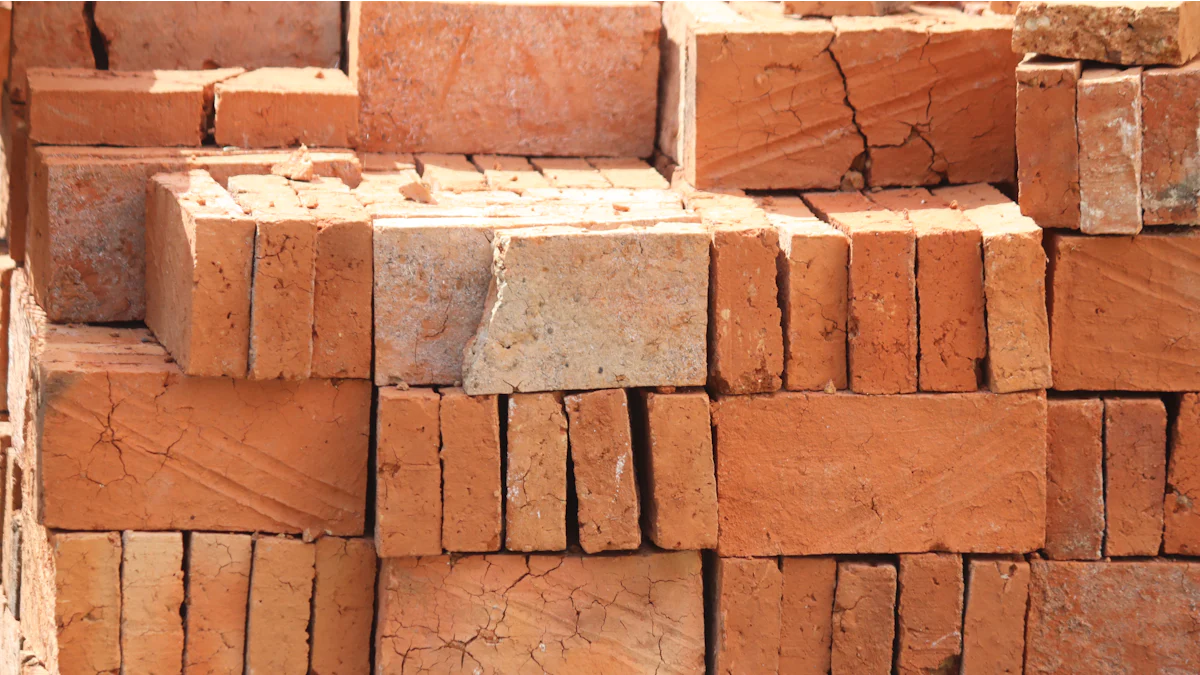
Precision Cutting for Material Optimization
How CNC machining minimizes waste through accurate cutting.
CNC machining helps you achieve precise material removal by cutting with pinpoint accuracy. Unlike traditional methods, CNC machines use computer-aided design (CAD) software to program exact movements. This ensures each cut aligns perfectly with the design, reducing errors and minimizing material waste. By optimizing cutting parameters like speed and feed rate, CNC machining allows you to use only the necessary amount of material. This approach not only reduces waste but also conserves resources, making your construction projects more sustainable.
Examples of material efficiency in sustainable construction projects.
You can see material efficiency in action through several precision cutting techniques used in CNC machining:
CAD/CAM Design: Accurate digital models created through CAD software ensure precise machining.
Material Selection and Preparation: Choosing and preparing the right material optimizes cutting results.
Tooling Selection: Using tools like carbide or diamond-tipped cutters maintains precision.
Fixture and Workholding: Properly securing the workpiece prevents movement during machining.
Cutting Parameters Optimization: Adjusting speed and feed rate ensures efficient cutting.
These techniques have been applied in sustainable construction projects to reduce waste and improve material usage. For example, CNC machining has been used to create intricate wooden panels for eco-friendly buildings, ensuring no excess material is discarded.
Recycling and Reusing Materials
CNC machining's capability to process recycled materials.
CNC machining supports sustainability by enabling you to process recycled materials effectively. Materials like aluminum, steel, and brass are highly recyclable and retain their quality after reuse. CNC machines can handle these materials with precision, ensuring they meet the required specifications for construction. By incorporating recycled materials into your projects, you contribute to reducing waste and conserving natural resources.
Case studies of recycled materials in CNC machining.
Recycling materials plays a significant role in sustainable CNC machining. Commonly recycled materials include:
Stainless Steel: Fully recyclable and widely used in industrial applications.
Aluminum: Lightweight and extensively recycled in aerospace and construction.
Brass: Ideal for machining due to its ease of cutting and recyclability.
Copper: Frequently recovered and reused in electrical components.
For instance, a construction company used recycled aluminum to fabricate lightweight structural components for a green building project. Another example involves reusing steel alloys to create durable frameworks for eco-friendly homes. These cases highlight how CNC machining promotes recycling materials while reducing waste.
Energy Efficiency in CNC Machines
Energy-Saving Features of CNC Machines
Modern CNC machines designed for energy efficiency.
Modern CNC machines incorporate advanced features to enhance energy efficiency. These machines optimize power usage through technologies like variable frequency drives (VFDs), which adjust motor speed and torque based on load requirements. Energy-efficient motors further reduce electricity consumption, making these machines ideal for sustainable manufacturing. Automatic shut-off systems save energy by powering down machines during idle periods. Additionally, software optimization fine-tunes parameters like spindle speed, feed rate, and cutting depth to minimize energy usage without compromising productivity.
Energy-Saving Feature | Description |
|---|---|
Spindle Speed | Optimizing spindle speed improves efficiency and reduces power usage. |
Feed Rate | Higher feed rates increase power demand but reduce machining time. |
Cutting Depth | Optimizing cutting depth reduces energy usage while maintaining productivity. |
Tool Path | Efficient tool paths lower electricity consumption by reducing unnecessary movements. |
Variable Frequency Drives (VFDs) | Control motor speed and torque, reducing energy consumption during low-load operations. |
Energy-Efficient Motors | High-efficiency motors lower electricity consumption. |
Software Optimization | Advanced software minimizes energy usage by optimizing parameters. |
Energy Management Systems | Monitor and manage electricity consumption for efficiency. |
Automatic Shut-off | Machines automatically shut off when idle, saving energy. |
The role of automation in reducing energy consumption.
Automation in CNC machining plays a crucial role in reducing energy consumption. Automated processes enhance precision and eliminate unnecessary movements, which lowers electricity usage. Variable frequency drives (VFDs) adjust motor performance to match operational needs, avoiding energy waste. Advanced software optimizes tool paths and feed rates, ensuring efficient machining. By streamlining operations, automation minimizes waste material and energy usage, making CNC machining a cornerstone of sustainable manufacturing.
Renewable Energy Integration
Using solar or wind energy to power CNC operations.
Integrating renewable energy sources like solar or wind into CNC machining operations offers significant benefits. Solar panels and wind turbines can generate clean energy to power CNC machines, reducing reliance on fossil fuels. This approach aligns with sustainability goals and lowers operational costs. CNC machining supports renewable energy systems by producing high-precision components like wind turbine blades and solar panel frames. These parts ensure reliability and efficiency, contributing to the overall stability of renewable energy solutions.
Examples of companies adopting renewable energy in CNC machining.
Several companies have successfully adopted renewable energy for CNC machining. A hydroelectric dam in Asia used CNC machining to produce durable parts capable of withstanding immense pressure. In Iceland, a geothermal plant relied on CNC machining to fabricate heat exchangers and pump components, ensuring efficiency under extreme conditions. A hydrogen fueling station in California utilized CNC machining for high-pressure storage tanks and dispensing units, achieving safety and reliability. These examples highlight how CNC machining facilities can reduce their environmental impact by integrating renewable energy sources, fostering sustainable manufacturing practices.
Sustainable Materials in CNC Machining
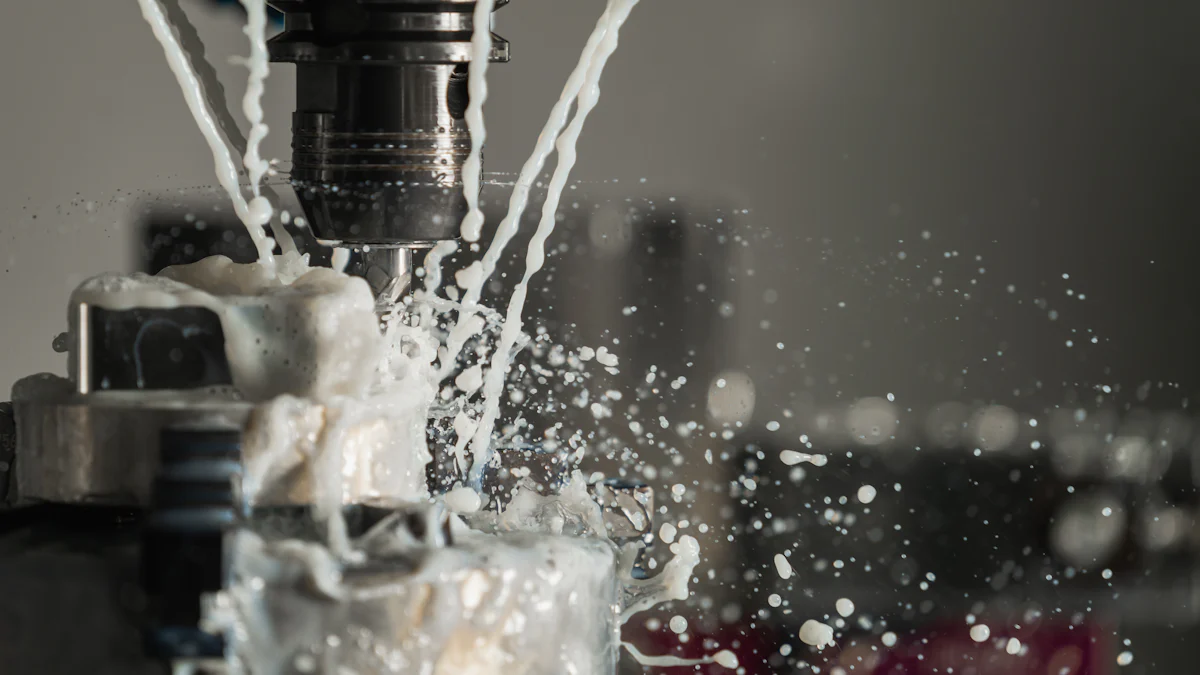
Biodegradable and Eco-Friendly Materials
Types of biodegradable materials compatible with CNC machining.
You can use various biodegradable materials with CNC machining to support sustainable manufacturing. These materials include:
Biodegradable plastics made from renewable resources like recycled food waste.
Corn starch-based plastics that decompose naturally.
Vegetable oils and fats, which serve as eco-friendly alternatives in material production.
These materials are not only compatible with CNC machining but also align with global sustainability goals.
Benefits of using eco-friendly materials in construction.
Incorporating eco-friendly materials into your construction projects offers numerous environmental and economic benefits:
Reducing waste through the use of recycled metals and biodegradable plastics.
Promoting a circular economy by reusing scrap materials in closed-loop systems.
Lowering material costs and decreasing emissions during production.
Meeting the growing demand for sustainable products, which enhances customer loyalty and market share.
By choosing green materials, you actively reduce your ecological footprint and contribute to sustainable CNC machining practices.
Recycled and Upcycled Materials
How CNC machining supports the use of recycled materials.
CNC machining plays a vital role in utilizing recycled materials effectively. Its precision allows you to optimize cutting patterns, ensuring minimal waste and maximum material usage. This capability is essential for processing recycled metals and plastics, which are crucial for sustainable construction. CNC machines also enable you to produce high-quality components from recycled materials, supporting eco-friendly building solutions.
Examples of upcycled materials in sustainable building projects.
Upcycled materials have become a cornerstone of sustainable construction. For instance:
Recycled aluminum is used to create lightweight yet durable structural components.
Old wooden beams are repurposed into decorative panels or furniture through CNC machining.
Plastic waste is transformed into modular building blocks for eco-friendly homes.
These examples demonstrate how CNC machining supports innovative uses of upcycled materials, reducing waste and promoting sustainability in construction.
Economic and Environmental Benefits of CNC Machining
Cost Savings Through Material Efficiency
How material and energy efficiency reduce production costs.
CNC machining helps you save costs by optimizing material usage and energy consumption. Its precision cutting technology minimizes waste, ensuring you use only the required amount of material. Traditional methods often result in excess waste, which increases expenses and environmental impact. CNC machines, on the other hand, produce parts with minimal waste, reducing material costs and supporting sustainable construction practices.
Additionally, CNC machining automates processes, lowering labor costs. Automation reduces the need for manual intervention, saving time and minimizing human error. By optimizing cutting paths, CNC machines further reduce waste, contributing to cost savings and sustainability. These features make CNC machining an efficient and cost-effective solution for your construction projects.
Long-term savings for construction companies adopting CNC machining.
Adopting CNC machining offers significant long-term financial benefits. Automation streamlines production, reducing construction time and labor expenses. The precision of CNC machines minimizes errors and reworks, saving you money on materials and repairs. Over time, these efficiencies lead to substantial cost reductions.
CNC machining also supports sustainable manufacturing by reducing waste and energy consumption. This not only lowers operational costs but also enhances your company’s reputation as an environmentally responsible business. By investing in CNC technology, you position your company for long-term success while contributing to sustainability goals.
Reducing Carbon Footprint
Lowering emissions through waste reduction and energy efficiency.
CNC machining plays a vital role in reducing your carbon footprint. Recycling metal scraps conserves raw materials and requires less energy than processing new materials. CNC machines also support the use of biodegradable plastics and closed-loop systems, which reuse scrap materials. These practices reduce landfill strain and the demand for virgin resources, lowering emissions.
Energy-efficient CNC machines further contribute by consuming less power while maintaining productivity. Advanced power management systems optimize energy usage, ensuring minimal environmental impact. By reducing waste and energy consumption, CNC machining helps you achieve sustainability in your construction projects.
The broader environmental impact of sustainable CNC practices.
Sustainable CNC machining practices have far-reaching environmental benefits. Recycling programs transform waste into valuable resources, conserving natural materials and reducing energy consumption. Energy-efficient machines lower carbon emissions and operational costs, making your projects more eco-friendly.
Adopting renewable energy sources, such as solar or wind power, further decreases your carbon footprint. These practices not only enhance sustainability but also improve your brand reputation. Customers increasingly value environmentally responsible companies, and sustainable CNC machining helps you meet this demand while protecting the planet.
CNC machining stands as a vital tool for sustainable construction. It enhances material efficiency by reducing waste and supporting recycling efforts. Energy-efficient designs, such as toolpath optimization and high-speed machining, lower energy consumption and emissions. You can also integrate renewable energy sources to further reduce environmental impact. By adopting eco-friendly materials like biodegradable plastics and recycled metals, you contribute to a circular economy. These practices not only save costs but also promote sustainability, helping you build a greener future.
FAQ
What makes CNC machining sustainable?
CNC machining minimizes waste by cutting materials with precision. It supports recycling by processing reused materials like metals and plastics. Energy-efficient machines and renewable energy integration further enhance sustainability. These features help you reduce environmental impact while maintaining high-quality production.
Can CNC machines work with eco-friendly materials?
Yes, CNC machines can process biodegradable and recycled materials. You can use options like corn starch-based plastics, recycled aluminum, or upcycled wood. These materials align with sustainability goals and reduce waste in construction projects.
How does CNC machining save energy?
Modern CNC machines include energy-saving features like variable frequency drives and automatic shut-off systems. These technologies optimize power usage during operations. Automation also reduces unnecessary movements, lowering electricity consumption and making your projects more energy-efficient.
Is CNC machining cost-effective for sustainable construction?
CNC machining reduces costs by optimizing material usage and minimizing waste. Automation lowers labor expenses, while energy-efficient machines cut electricity bills. Over time, these savings make CNC machining a cost-effective solution for sustainable construction projects.
Can CNC machining reduce a project’s carbon footprint?
Yes, CNC machining reduces carbon emissions by recycling materials and using energy-efficient processes. You can further lower your footprint by integrating renewable energy sources like solar or wind power. These practices help you achieve eco-friendly construction goals.
See Also
Streamlined CNC Machining Solutions For Accurate Production
Grasping Material Needs For CNC Precision Machining
Investigating CNC Machining Options For Precise Production
Excelling In CNC Machining For Accurate Parts Creation
Revealing CNC Machining Accuracy Within The Aerospace Sector
About US
Follow Us
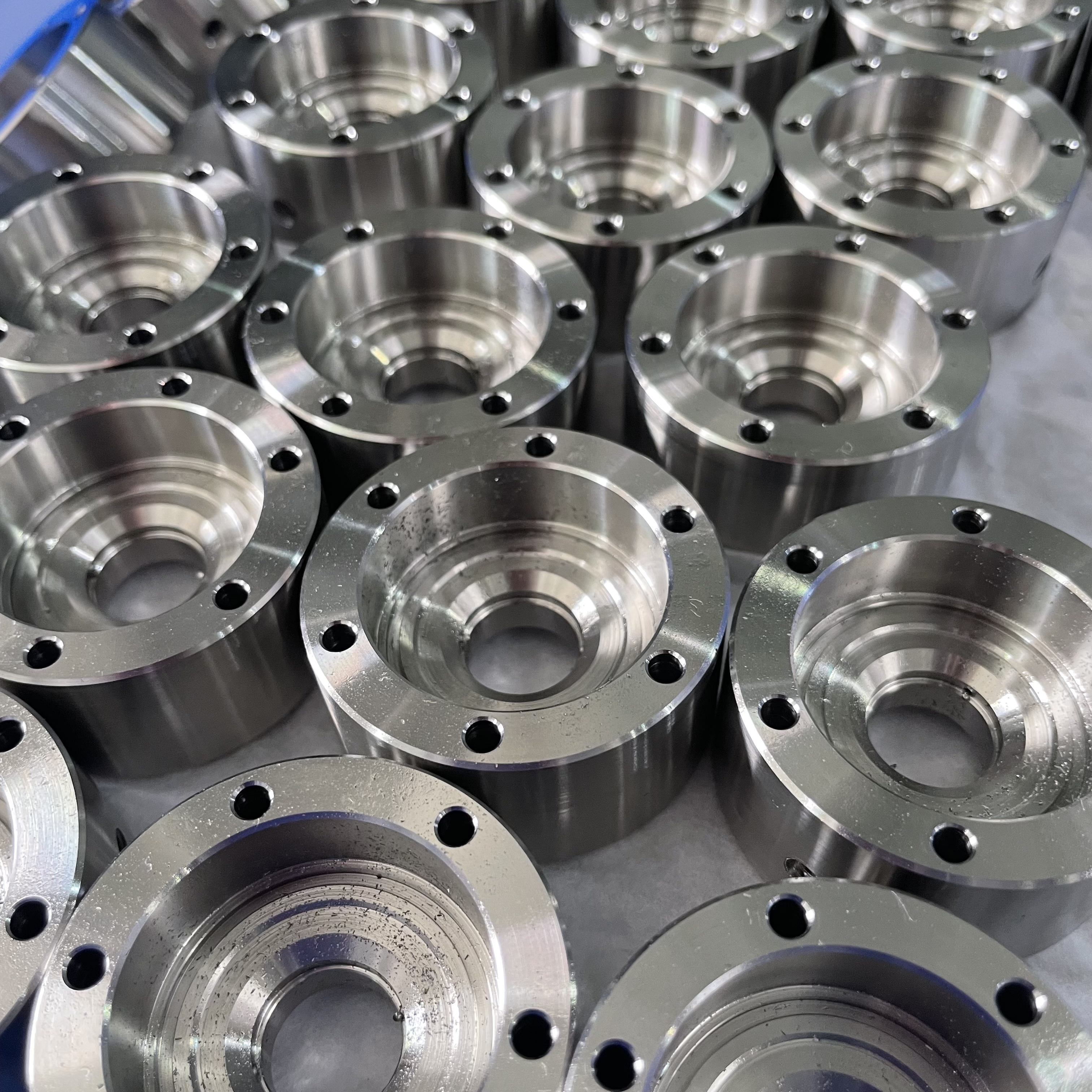
Your prototype holds unparalleled significance, and we deeply value its uniqueness. Collaborating with you during the preparation phase for running your prototype or parts is a commitment we gladly embrace. Whether it's a single part or a complex assembly, we are dedicated to selecting the optimal tools and pathways to bring your envisioned product to life.
At Precision Fab CNC Machining, we specialize in producing parts for prototypes, short runs, and high-volume production. Our prototyping machine capabilities extend across metal, plastic, and wood machining, with welding fabrication services available to complement and finalize your prototype if required.
Address
Address: Room320 10F, Building A,Nanshan international building, Dayawan District, Huizhou, Guangdong, 516001 China
Contacts
billy@timaycnc.com