The Growing Role of CNC in Creating Sustainable Products for Eco-Friendly Businesses

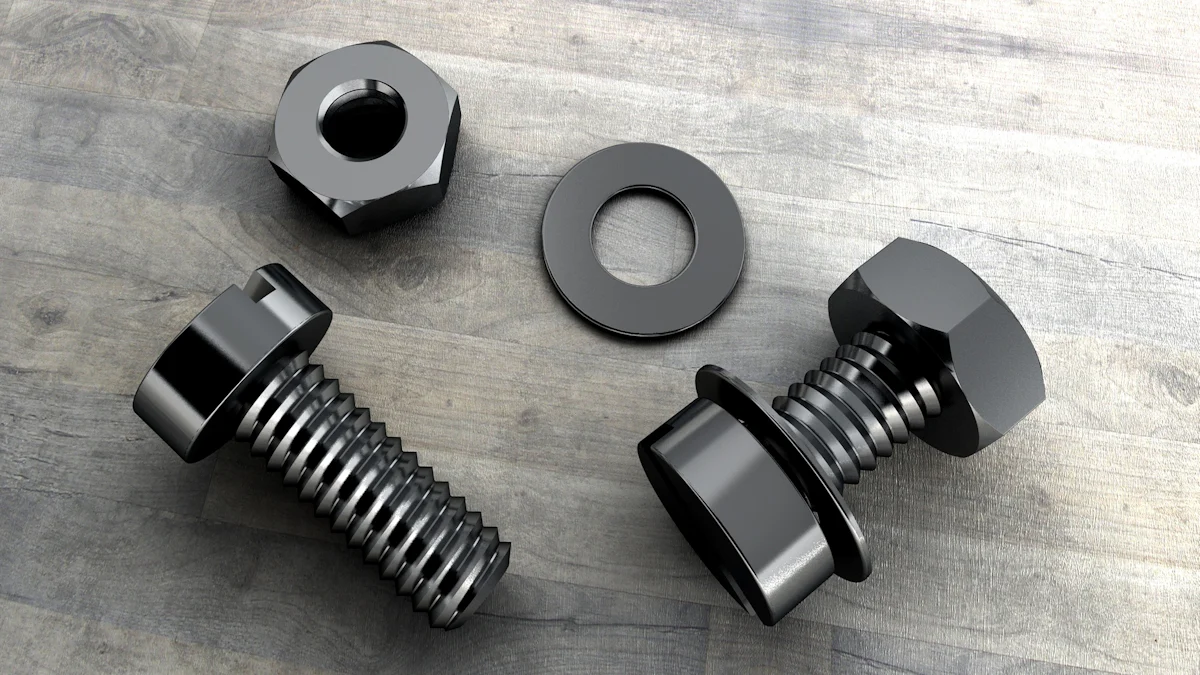
CNC machining plays a pivotal role in shaping a more sustainable future for manufacturing. By prioritizing precision, it minimizes material waste and optimizes resource use. Unlike traditional methods, CNC employs energy-efficient tools and eco-friendly materials, reducing its environmental footprint. You can embrace this technology to create sustainable products while aligning with eco-friendly business goals. Its transformative impact lies in its ability to balance innovation with sustainability, paving the way for greener production practices.
Key Takeaways
CNC machines reduce waste and use resources wisely, helping sustainability.
Using green methods in CNC machining saves money and boosts brand image.
Using energy-saving tools and recycled items supports eco-friendly business aims.
CNC Machining and Sustainability
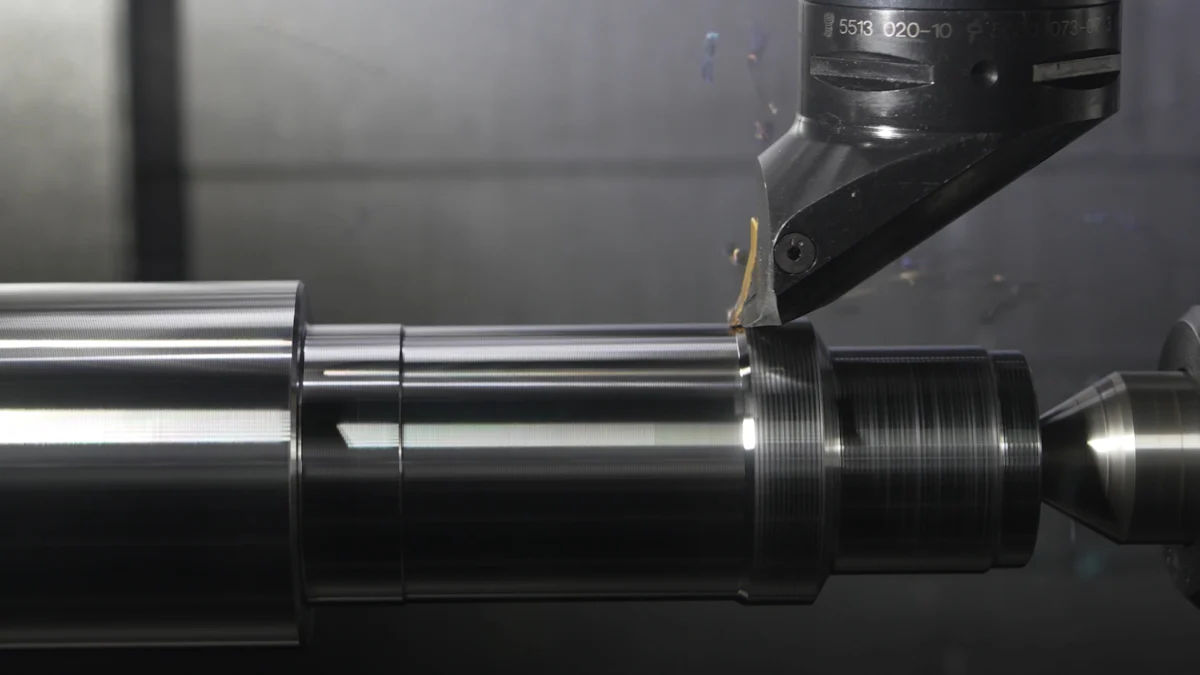
Defining CNC machining and its relevance to modern manufacturing
CNC machining, or Computer Numerical Control machining, is a cutting-edge method for controlling machine tools like mills, lathes, and grinders. It has evolved significantly from its early days of punch-driven devices to today’s advanced computer-controlled systems. This transformation has made CNC machining a cornerstone of modern manufacturing.
It integrates CAD (Computer-Aided Design) and CAM (Computer-Aided Manufacturing) software, enabling you to create complex designs with precision.
These tools allow for digital storage of designs, automatic error correction, and virtual testing before production begins.
Modern CNC machines offer unmatched accuracy, faster production times, and greater customization, meeting the demands of industries like aerospace and medical.
"The rise of computer technology in the late 20th century revolutionized CNC machining, making it more efficient, accurate, and versatile than ever before."
How CNC machining contributes to sustainable manufacturing practices
CNC machining plays a vital role in sustainable manufacturing by optimizing resources and reducing waste. Its precision ensures that every cut counts, minimizing material loss. You can also adopt lean manufacturing principles to enhance efficiency and lower costs.
CNC machining supports recycling by working with sustainable materials like recycled metals and plastics.
Energy-efficient machines and toolpath optimization reduce energy consumption during production.
Techniques like dry machining and closed-loop coolant systems conserve water, further promoting environmental sustainability.
By embracing these sustainable practices, you not only reduce your environmental footprint but also align with the growing demand for eco-friendly products.
The environmental benefits of precision and reduced waste in CNC machining
Precision is the hallmark of CNC machining, and it directly contributes to waste reduction. CNC machines are programmed with exact specifications, ensuring fewer mistakes and less material waste. This level of accuracy also allows for intricate cuts that manual tools cannot achieve.
Automation minimizes human error, ensuring consistent production quality.
Operators can monitor and adjust processes in real-time, preventing defects and saving resources.
High-speed machining techniques reduce energy usage per part, making the process more eco-friendly.
Benefit | Description |
|---|---|
Improved environmental impact | Reducing waste and energy consumption lowers your carbon footprint and protects the planet. |
Reduced costs | Using fewer materials and energy translates to significant savings for your business. |
Greater reputation | Eco-friendly CNC machining attracts environmentally conscious customers, boosting your brand image. |
By leveraging the precision of CNC machining, you can achieve both environmental sustainability and operational efficiency, paving the way for a greener future.
Key Practices in Eco-Friendly CNC Machining
Material optimization and the use of recycled materials
Optimizing material usage in CNC machining is a cornerstone of sustainable practices. By carefully planning and executing your machining processes, you can significantly reduce waste and conserve resources. Here are some best practices to consider:
Design for manufacturability by selecting materials and geometries that simplify machining.
Choose the right tools and optimize toolpaths to minimize wear and machining time.
Use effective workholding techniques to maintain stability and precision.
Monitor machining parameters like cutting forces and speeds to ensure efficiency.
Perform regular maintenance to keep machines running smoothly and prevent breakdowns.
Incorporating recycled materials into your CNC processes further enhances sustainability. Recycled metals like aluminum, brass, and stainless steel are excellent options. You can also explore biodegradable plastics made from renewable resources, such as corn starch or vegetable oils. These materials not only reduce environmental impact but also align with eco-friendly business goals.
Energy-efficient technologies in CNC machining
Energy-efficient machines are transforming CNC machining into a more sustainable process. Modern CNC systems come equipped with features that reduce energy consumption while maintaining high performance. For example:
Variable speed drives allow machines to adjust speeds based on load, saving energy.
CAM software optimizes toolpaths, reducing machining time and power usage.
High-efficiency cutting tools and precision machining minimize waste and energy use.
You can also implement real-time monitoring systems to track energy consumption and identify areas for improvement. By adopting these technologies, you contribute to sustainability while lowering operational costs.
Waste management and recycling strategies in green CNC machining
Effective waste management is essential for green CNC machining. Recycling metal scraps and repurposing cuttings or shavings can significantly reduce waste. For instance, you can reuse these by-products in processes like metal casting or additive manufacturing. This approach not only minimizes waste but also supports a circular economy.
Lean manufacturing principles further enhance waste reduction by aligning production with demand. Closed-loop systems allow you to reuse materials, cutting down on resource consumption. Additionally, advanced water conservation technologies, such as closed-loop coolant systems, help reduce environmental impact. By implementing these strategies, you can achieve both sustainability and operational efficiency.
Innovations in Sustainable CNC Machining
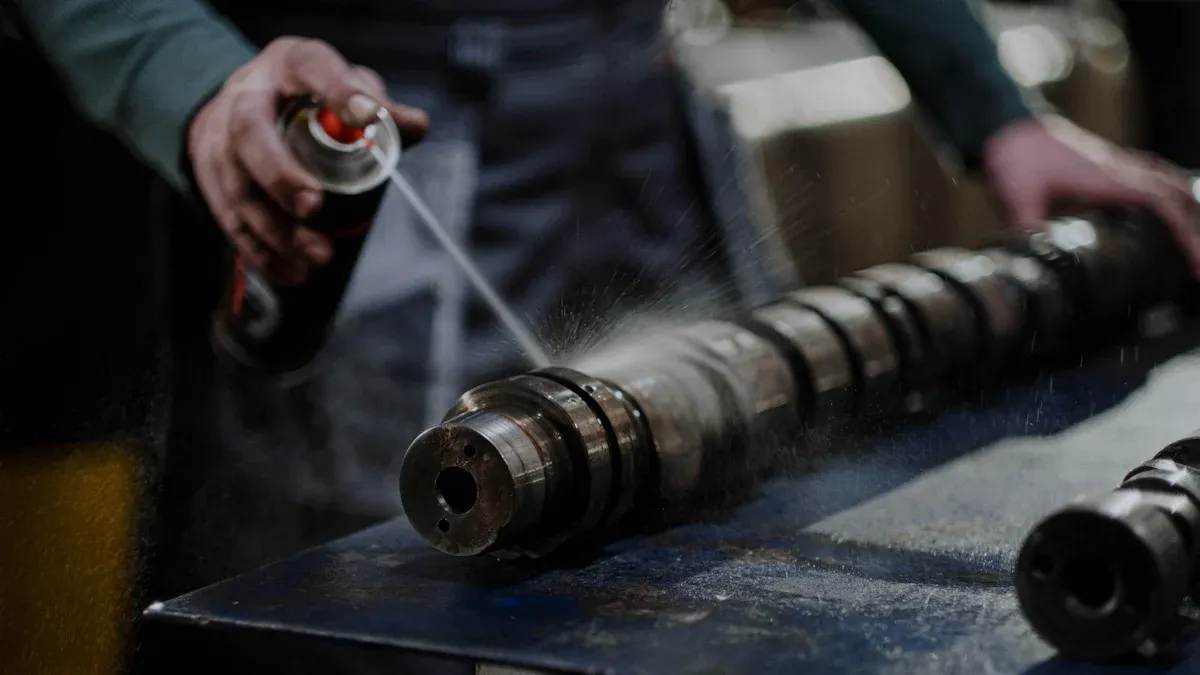
AI and advanced software for optimizing machining processes
Artificial intelligence (AI) is revolutionizing CNC machining by making processes smarter and more sustainable. You can leverage AI to optimize tool paths, reducing material waste and improving efficiency. Machine learning algorithms analyze material characteristics and adjust feed rates and cutting speeds in real time. This ensures precision while minimizing errors.
Advanced software also plays a crucial role in sustainable manufacturing. Predictive analytics powered by AI prevents costly mistakes and extends machine lifespan. Virtual modeling through simulation software allows you to test machining strategies before production begins, saving resources. Additionally, IoT-enabled systems provide real-time monitoring, helping you make informed decisions and improve operational efficiency.
By adopting AI and advanced software, you can achieve greater consistency, reduce waste, and contribute to a more eco-friendly production environment.
Renewable energy integration in CNC operations
Renewable energy is becoming a cornerstone of sustainable CNC machining. You can integrate solar, wind, or hydro energy to power your operations, reducing reliance on fossil fuels. CNC machining’s compatibility with various materials makes it ideal for producing components for renewable energy systems, such as wind turbines and solar panel frames.
This approach offers multiple benefits. It reduces energy consumption, lowers your carbon footprint, and enhances scalability. Tailored solutions and precise engineering ensure that components meet the high demands of renewable energy systems. By going green with renewable energy, you not only support sustainability but also position your business as a leader in eco-friendly practices.
Emerging green technologies in CNC machining
The future of CNC machining lies in adopting emerging green technologies. Energy-efficient motors are now available to lower power consumption without compromising performance. You can also explore eco-friendly coolants and lubricants that enhance machining efficiency while minimizing environmental impact.
Transitioning to sustainable materials, such as biodegradable plastics, supports the circular economy. Advanced software continues to drive waste reduction by optimizing material usage. Additionally, renewable energy sources like solar and wind are being embraced to power CNC machines, further reducing environmental impact.
These innovations empower you to align your operations with sustainable manufacturing goals, ensuring long-term success and environmental responsibility.
Benefits of Sustainable CNC Machining for Businesses
Cost savings through resource efficiency and waste reduction
Sustainable CNC machining offers significant cost savings by optimizing resources and reducing waste. You can simplify part designs to minimize machining time and costs. Using standardized components eliminates the need for custom tooling, while selecting cost-effective materials ensures functionality without exceeding your budget.
Automation in CNC machining further reduces labor costs. Machines streamline production, minimizing the need for manual labor and the risk of human error. This precision not only saves time but also enhances product quality. By optimizing cutting paths, CNC machining minimizes material waste, lowering purchasing costs and contributing to sustainable manufacturing practices.
"Investing in CNC machines leads to long-term savings on material costs and energy bills, making it a smart choice for businesses committed to going green."
Enhanced brand reputation and customer loyalty
Adopting sustainable CNC machining elevates your brand reputation. Businesses that prioritize eco-friendly practices attract environmentally conscious customers, partners, and investors. A strong commitment to sustainability positions you as a leader in responsible manufacturing, building trust with stakeholders.
The growing demand for sustainable products creates opportunities to expand your market share. Customers value companies that align with their environmental values, fostering loyalty and repeat business. By embracing sustainable practices, you not only meet consumer expectations but also strengthen your competitive edge.
Positive environmental impact and regulatory compliance
Sustainable CNC machining helps you achieve a positive environmental impact while complying with regulations. Using recycled metals and biodegradable plastics reduces waste and lowers emissions. Closed-loop systems conserve water by treating and reusing wastewater, demonstrating effective resource management.
These practices align with sustainability goals and promote a circular economy. By adopting energy-efficient machines and optimizing cutting parameters, you reduce energy consumption and maintain high-quality production. This proactive approach ensures compliance with environmental standards, positioning your business as a responsible and forward-thinking organization.
Overcoming Challenges in Sustainable CNC Machining
Addressing barriers to adopting sustainable practices
Transitioning to sustainable CNC machining can feel daunting. You may face challenges like high initial costs for new technologies, difficulty sourcing eco-friendly materials, and the need to retrain your staff. These barriers often discourage businesses from adopting sustainable practices. However, understanding these obstacles is the first step toward overcoming them.
Investing in advanced CNC systems may seem expensive at first, but the long-term benefits outweigh the costs. Eco-friendly materials, though sometimes harder to source, are becoming more accessible as demand grows. Retraining your team might require time and effort, but it ensures they can operate new technologies effectively. By addressing these challenges head-on, you can position your business as a leader in sustainability.
Strategies for implementing eco-friendly CNC machining
You can take practical steps to implement eco-friendly CNC machining in your operations. Start by assessing your current environmental impact. Conduct energy audits, evaluate waste management strategies, and analyze emissions. This helps you identify areas for improvement.
Create a green transition plan with clear sustainability goals.
Upgrade to energy-efficient CNC machines and train your staff on sustainable practices.
Address financial concerns by calculating the return on investment from energy savings.
Focus on integrating new technologies while maintaining product quality.
These strategies not only make going green achievable but also ensure your business remains competitive in a sustainable business landscape.
The importance of industry collaboration and innovation
Collaboration within the CNC industry drives innovation and accelerates the adoption of sustainable practices. Manufacturers, suppliers, and researchers working together can overcome technological and financial barriers. For example, a European manufacturer reduced energy consumption by 30% by integrating servo motors and renewable energy sources. This success story serves as a benchmark for others.
Training your employees on sustainable practices fosters a culture of responsibility. Incentive programs can motivate your team to embrace eco-friendly methods, ensuring long-term success. By collaborating and innovating, you contribute to a shared vision of environmental sustainability and waste reduction.
CNC machining stands as a cornerstone of sustainable manufacturing. Its precision and efficiency help you reduce waste and optimize resources, making it a vital tool for going green. By adopting eco-friendly CNC practices, you unlock long-term benefits for your business and the environment. These include cost savings, improved brand reputation, and a reduced environmental impact.
Sustainability in CNC machining goes beyond waste reduction. It requires rethinking operations to embrace green innovations. You can achieve this by optimizing cutting parameters, recycling material waste, upgrading to eco-friendly coolants, and utilizing sustainable materials. These steps align your business with both economic and environmental goals.
Now is the time to embrace green CNC machining. By doing so, you contribute to a sustainable future while positioning your business as a leader in responsible manufacturing. Your efforts today will shape a greener tomorrow.
FAQ
What makes CNC machining eco-friendly?
CNC machining reduces waste through precision and uses energy-efficient technologies. You can also integrate recycled materials and renewable energy to further enhance sustainability.
Can small businesses afford sustainable CNC practices?
Yes! Start small by optimizing processes and using recycled materials. Over time, energy savings and reduced waste will offset initial costs, making it a smart investment.
How can you begin transitioning to green CNC machining?
Begin by conducting an energy audit. Upgrade to efficient machines, adopt eco-friendly materials, and train your team on sustainable practices. Small steps lead to big changes.
💡 Tip: Focus on one area of improvement at a time. Gradual changes make the transition smoother and more manageable.
See Also
Understanding CNC Technology: Innovations and Uses in Manufacturing
Comparing CNC and Traditional Manufacturing: Effects Across Industries
How CNC Machining Transforms Toy Production Techniques and Efficiency
CNC Technology Journey: Past Developments and Future Innovations
Benefits of CNC Precision Machining: Current Trends and Future Outlook
About US
Follow Us
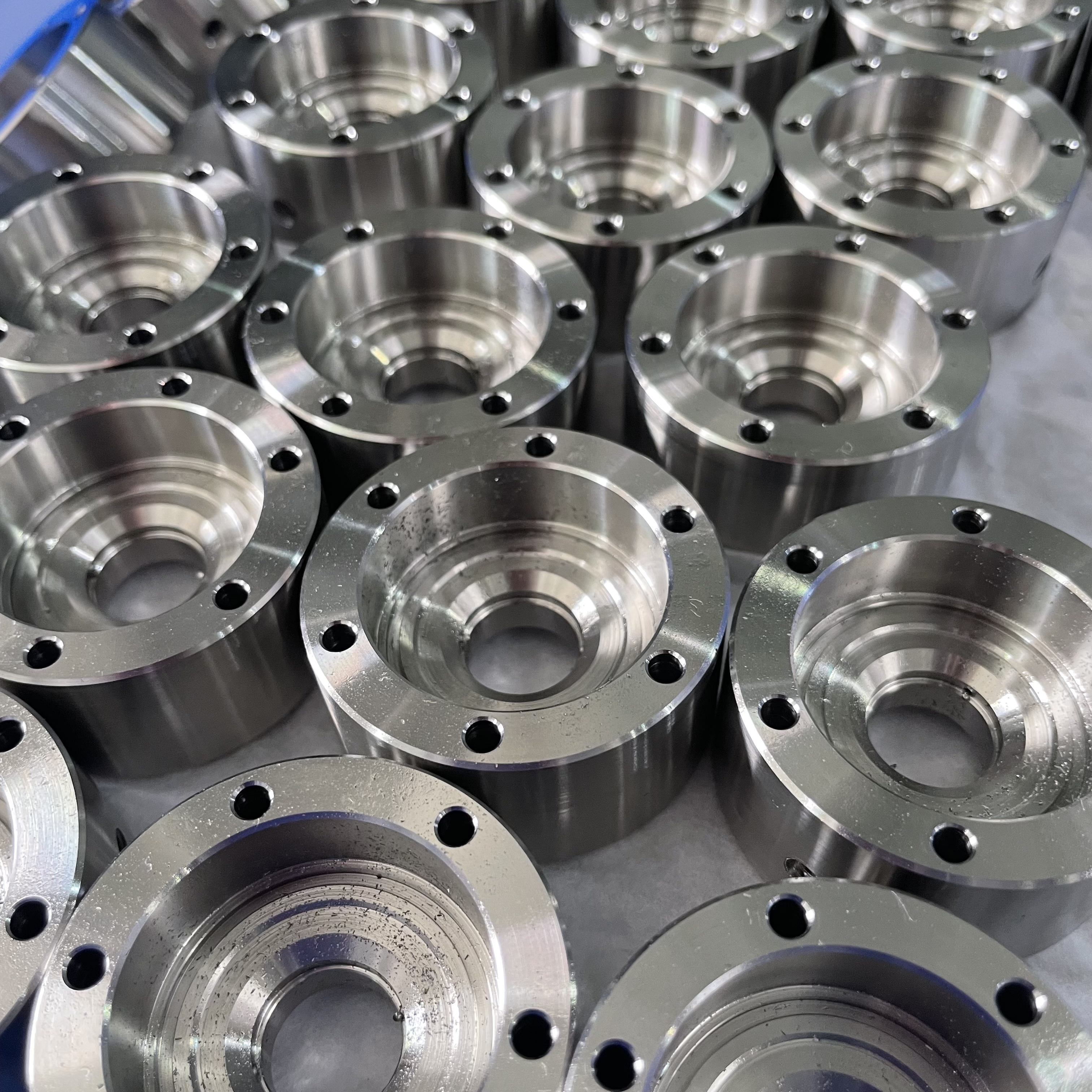
Your prototype holds unparalleled significance, and we deeply value its uniqueness. Collaborating with you during the preparation phase for running your prototype or parts is a commitment we gladly embrace. Whether it's a single part or a complex assembly, we are dedicated to selecting the optimal tools and pathways to bring your envisioned product to life.
At Precision Fab CNC Machining, we specialize in producing parts for prototypes, short runs, and high-volume production. Our prototyping machine capabilities extend across metal, plastic, and wood machining, with welding fabrication services available to complement and finalize your prototype if required.
Address
Address: Room320 10F, Building A,Nanshan international building, Dayawan District, Huizhou, Guangdong, 516001 China
Contacts
billy@timaycnc.com