Overcoming Challenges in CNC Machining Thin-Walled Aluminum Parts

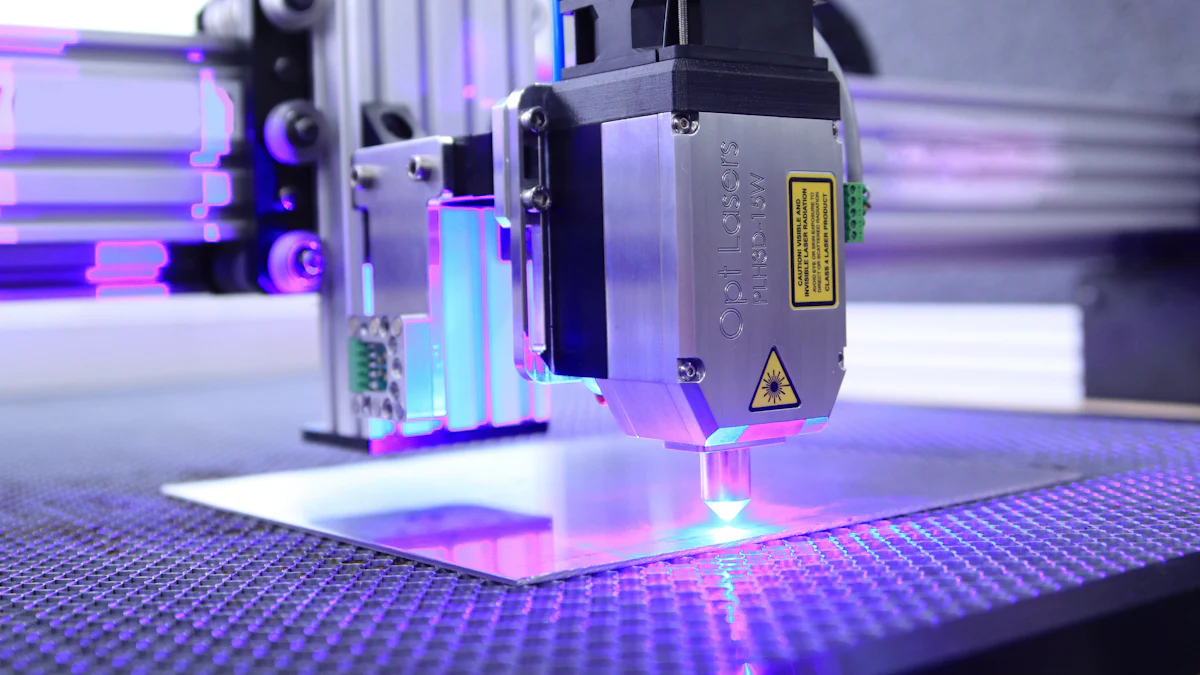
Thin-walled aluminum parts play a vital role in precision manufacturing, offering lightweight and durable solutions for complex designs. However, machining these parts presents unique challenges. Deformation and warping often occur due to aluminum’s low stiffness. Vibrations during CNC machining can reduce surface quality, while thermal expansion and tool wear further complicate cutting processes. Adopting effective strategies ensures success.
Key Takeaways
Thin aluminum parts need smart designs to avoid bending. Keep the height-to-thickness ratio between 10:1 and 20:1 for strength.
Picking the right tools is very important. Use spiral-shaped end mills and climb milling tools to lower shaking and make smoother surfaces.
Adjusting cutting settings can stop bending. Methods like even machining and removing layers evenly control heat and stress, giving more accurate results.
Challenges in Machining Thin-Wall Aluminum Parts
Deformation and Structural Instability
Deformation and warping are among the most significant challenges in machining thin-wall aluminum parts. These issues often arise due to the material properties of aluminum, such as its low stiffness and high thermal expansion. Thin-walled components are particularly prone to elastic deformation under clamping forces, which can lead to uneven surfaces or dimensional inaccuracies. Residual stress from the initial manufacturing process further exacerbates this problem, causing distortion during machining. Additionally, aggressive cutting parameters can introduce forces that the thin walls cannot withstand, increasing the likelihood of bending or warping. To address these challenges, you must carefully balance cutting forces and optimize machining strategies to maintain precision.
Excessive Vibration During Machining
Vibration issues, commonly referred to as chatter, are another obstacle when machining thin-wall aluminum parts. Thin walls lack rigidity, making them more susceptible to vibrations during high-speed CNC machining. These vibrations can degrade surface quality, resulting in rough finishes and dimensional inaccuracies. Furthermore, excessive vibration accelerates tool wear, reducing tool life and process stability. To minimize these effects, you should use cutting tools designed for stability and adjust spindle speeds and feed rates to reduce vibration.
Tool Deflection and Wear Issues
Tool deflection is a common problem when machining thin-walled aluminum alloy parts. Factors such as aluminum’s low stiffness, high thermal expansion, and machining forces contribute to this issue. For example, aggressive cutting parameters can create forces that deflect the tool, leading to inaccuracies in the final part. Heat generation during machining also accelerates tool wear, further compromising precision. To mitigate these challenges, you should select cutting tools with high rigidity and optimize cutting parameters to reduce stress on the tool.
Heat Buildup and Thermal Expansion
Heat buildup during machining poses a unique challenge due to aluminum’s high thermal expansion rate. Thin sections of aluminum are particularly vulnerable to dimensional changes caused by rapid temperature fluctuations. This can result in warping or uneven surfaces, compromising the part’s precision. Additionally, aluminum’s excellent thermal conductivity can lead to uneven heat distribution, further increasing the risk of deformation. To manage these issues, you should adopt techniques like symmetrical machining and layered material removal. These methods help balance heat distribution and reduce stress, ensuring better dimensional accuracy.
Material Considerations for Thin-Walled Aluminum Alloy Parts
Properties of Aluminum and Their Impact on Machining
Understanding aluminum alloy properties is essential for machining thin-wall aluminum parts effectively. Aluminum offers a high strength-to-weight ratio, making it ideal for lightweight applications. Its excellent corrosion resistance ensures durability in harsh environments. Additionally, aluminum’s thermal conductivity helps dissipate heat during machining, reducing the risk of overheating. However, its softness can lead to material deformation instead of clean cuts, especially in thin-walled sections. High ductility further complicates precision machining, as it increases the likelihood of chatter and tool deflection. You must carefully evaluate these material properties of aluminum to optimize your CNC machining processes.
Selecting the Right Aluminum Alloy for Thin-Walled Applications
Choosing the correct aluminum alloy is crucial for machining thin-walled aluminum alloy parts. Different alloys offer unique benefits depending on the application. For example, 6061 and 7075 alloys provide high strength-to-weight ratios, making them suitable for aerospace and automotive components. Alloys like 5083 and 5052 excel in corrosion resistance, ideal for marine and outdoor applications. If conductivity is a priority, 6063 and 3003 alloys are excellent choices for heat sinks and HVAC systems. The table below highlights some common alloys and their applications:
Feature | Benefit | Application Examples | Recommended Alloy |
|---|---|---|---|
Lightweight | Improves fuel efficiency and performance | Aircraft fuselages, body panels, boat hulls | 6061, 7075, 5083 |
High Strength-to-Weight | Maintains strength despite thin walls | Trusses, bicycle frames, orthopedic implants | 6061, 6063, 7075 |
Corrosion Resistance | Withstands rust and corrosion | Patio chairs, boat railings, cladding | 6061, 5083, 5052 |
Good Conductivity | Efficient heat and electricity transfer | Heat sinks, air ducts | 6063, 5083, 3003 |
Machinability and Workability | Easy to cut, bend, and weld | Furniture frames, decorative railings | 6061, 5052, 3003 |
Selecting the right alloy ensures better machinability and performance for your thin-walled designs.
Advantages and Limitations of Aluminum in CNC Machining
Aluminum offers several advantages in CNC machining. Its lightweight nature and high strength-to-weight ratio make it perfect for aerospace and automotive industries. Corrosion resistance allows it to perform well in harsh environments, while its high machinability reduces cutting time and tool wear. Aluminum’s excellent thermal conductivity ensures efficient heat dissipation, which is critical for electronic components. Additionally, it supports various surface finishes, enhancing both aesthetics and functionality. However, aluminum has limitations. It deforms easily under stress, especially in thin-walled parts. Its lower strength compared to steel restricts its use in high-load applications. Furthermore, aluminum’s fatigue resistance and performance in high-temperature environments are less favorable. You must weigh these advantages and limitations when deciding if aluminum is the right material for your CNC machining project.
Design Recommendations for Thin-Walled Aluminum Parts
Optimal Wall Thickness and Height-to-Thickness Ratios
Determining the right wall thickness is critical when machining thin-wall aluminum parts. Thin walls improve weight reduction but compromise structural integrity if they are too slender. You should aim for an optimal height-to-thickness ratio, typically between 10:1 and 20:1, depending on the application. Ratios exceeding this range increase the risk of deformation during cnc machining. Maintaining uniform wall thickness across the part minimizes stress concentrations and ensures better precision. Avoid abrupt transitions in thickness, as they can lead to weak points and warping during machining. By carefully planning the wall dimensions, you can achieve a balance between strength and weight efficiency.
Incorporating Ribs and Supports for Structural Integrity
Adding ribs and supports enhances the structural integrity of thin-walled aluminum alloy parts. Ribs prevent warpage by maintaining the shape of long, thin sections during cnc machining. Increasing the number of ribs improves stiffness more effectively than increasing their height. This approach strengthens the part without adding excessive material, which is essential for manufacturing efficiency. Ribs also reduce stress and deflection, ensuring better performance and safety. The table below highlights the benefits of incorporating ribs:
Feature | Explanation |
|---|---|
Ribs prevent warpage | Ribs help maintain the shape of long, thin-walled sections during fabrication. |
Increasing number of ribs | More ribs increase stiffness more effectively than taller ribs. |
Strength without excess material | Ribs improve strength without significantly increasing material use. |
Reduced stress and deflection | Ribs manage stresses and deflections, enhancing overall performance. |
Incorporating these features into your design ensures that your parts remain stable and precise during machining.
Avoiding Sharp Corners and Stress Concentrations
Sharp corners in thin-walled aluminum parts act as stress concentrators, increasing the likelihood of cracks and deformation. You should replace sharp edges with fillets or rounded corners to distribute stress more evenly. This design choice reduces the risk of failure and improves the durability of the part. Additionally, machining thin-wall aluminum parts with rounded features minimizes cutting forces and vibrations, leading to better surface finishes. By addressing potential stress points during the design phase, you can enhance the overall reliability and precision of your components.
Effective CNC Machining Strategies
Selecting the Right Cutting Tools for Thin-Walled Parts
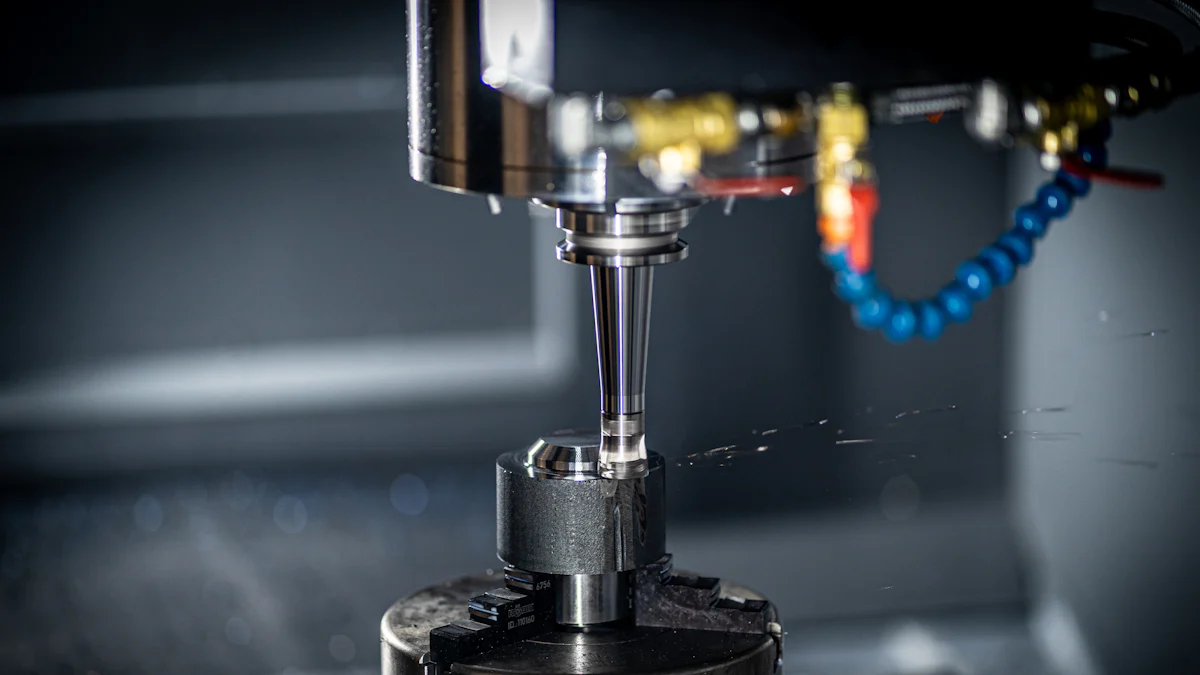
Choosing the right tools is critical for machining thin-wall aluminum parts. Spiral-fluted end mills provide smooth, continuous cutting while minimizing vibration. Ball nose end mills excel at machining complex contours, reducing stress on thin walls. Climb milling tools improve surface finish by reducing heat and friction. For deep pockets and extended reaches, necked tools maintain rigidity and prevent deflection. Mirror edge tools dampen vibrations, enhancing surface quality and reducing chatter. Feather blend tools create smooth transitions, eliminating swirl lines and reducing ledging. These tools ensure precision and efficiency in CNC machining processes.
Optimizing Cutting Parameters to Minimize Deformation
Optimized cutting parameters are essential for maintaining precision and reducing deformation in thin-walled aluminum alloy parts. High-speed milling minimizes residual tensions and cutting forces, improving surface quality. Pre-processing aluminum to relieve internal stresses further enhances stability. Use sharp tools with optimized geometries to reduce cutting forces. Symmetrical machining and layered material removal help balance heat and stress distribution. Adjusting parameters like feed rate, speed, and depth of cut prevents excessive cutting forces and heat generation. For example, reducing back cutting depth while increasing feed and speed can improve efficiency and minimize deformation. These strategies to mitigate deformation ensure better results in CNC machining.
Fixturing Techniques for Stability and Precision
Proper fixturing techniques are vital for machining thin-wall aluminum parts. Pre-machining screw through-holes enhances fixing and positioning during subsequent steps. The locking and pressing method applies uniform clamping force, preventing warping during machining. Sequential machining with a platen stabilizes the workpiece after machining other areas, maintaining precision throughout the process. These techniques ensure stability and reduce the risk of distortion, enabling you to achieve high-quality results in CNC machining.
Using Coolants and Lubricants to Control Heat
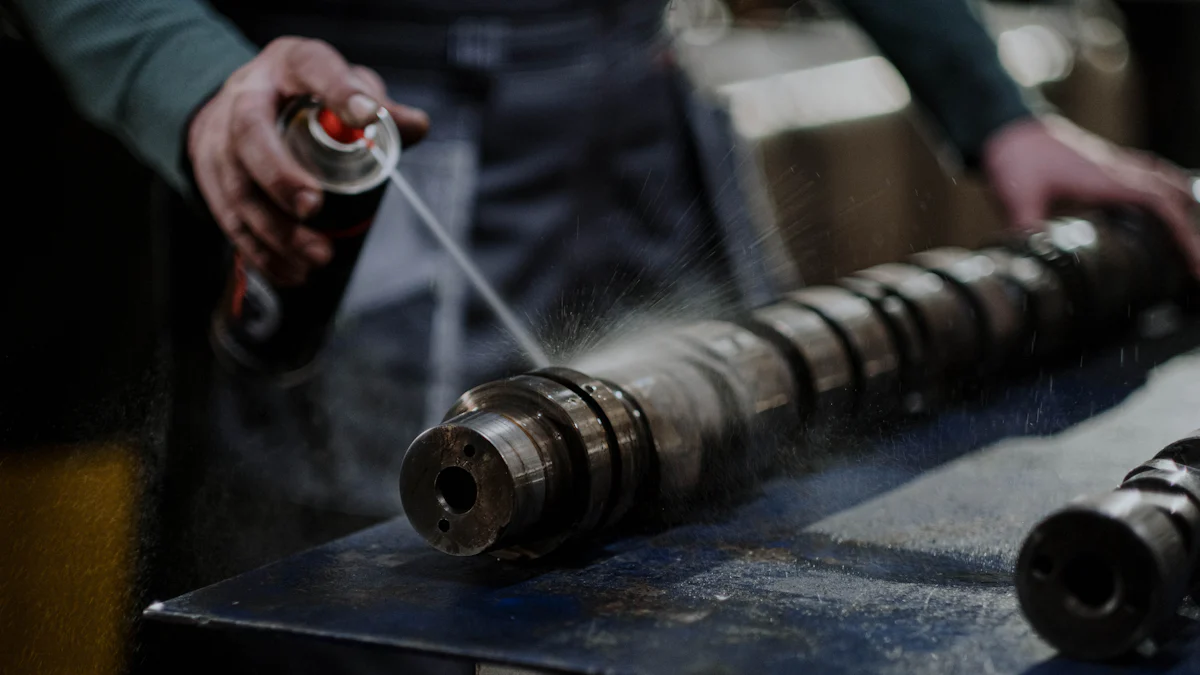
Managing heat is crucial when machining thin-wall aluminum parts. Coolants and lubricants play a key role in reducing cutting forces and heat generation. They prevent thermal expansion, which can lead to warping or dimensional inaccuracies. Applying coolants during high-speed CNC machining dissipates heat effectively, ensuring consistent performance. Lubricants reduce friction between the tool and workpiece, extending tool life and improving surface finish. Incorporating these measures into your machining process enhances precision and reduces the risk of deformation.
Quality Control in Machining Thin-Walled Aluminum Parts
Inspection Methods for Thin-Walled Components
Ensuring the quality of thin-walled aluminum parts requires precise inspection methods. You can use ultrasonic testing to detect internal defects without damaging the component. Contact ultrasound, where a transducer is placed directly on the material, helps identify voids or inclusions. For complex geometries, phased array ultrasonic testing (PAUT) provides real-time imaging with high precision. These methods ensure that your parts meet the required standards for structural integrity and performance.
Managing Tolerances and Surface Finish
Maintaining tight tolerances and achieving a smooth surface finish are critical in machining thin-wall aluminum parts. You should use high-precision CNC machines to achieve consistent results. Employing sharp cutting tools and optimized cutting parameters minimizes surface irregularities. Layered material removal techniques help maintain dimensional accuracy by reducing stress on the part. Regularly inspecting the surface finish during machining ensures that the final product meets your specifications. These practices enhance the overall quality and reliability of your components.
Addressing Post-Machining Warping and Distortion
Post-machining warping often occurs due to aluminum's low stiffness and high thermal expansion. Uneven heat generation during machining can cause dimensional changes, while residual stresses from previous processes may lead to unexpected deformations. To address these issues, you should adopt symmetrical machining techniques to balance stresses. Gradual material removal through layered machining reduces the forces acting on thin sections. Optimizing cutting parameters, such as feed rates and spindle speeds, minimizes heat buildup. Stress relief techniques, like annealing, can also help manage residual stresses, ensuring your parts remain stable and precise.
Machining thin-wall aluminum parts presents challenges like deformation, vibration, and maintaining precision. You can overcome these by pre-processing aluminum to relieve stress, selecting sharp tools, and using effective clamping methods. Integrating design, material selection, and machining techniques enhances outcomes by improving precision, reducing waste, and ensuring durability. Adopting these strategies ensures success in CNC machining processes.
FAQ
What are the best cutting tools for thin-walled aluminum parts?
You should use spiral-fluted end mills, ball nose end mills, or climb milling tools. These tools minimize vibration, reduce stress, and improve surface finish.
How can you prevent deformation during CNC machining of thin-walled parts?
Optimize cutting parameters, use symmetrical machining, and apply layered material removal. These strategies balance stress and heat, ensuring dimensional accuracy.
Why is fixturing important in CNC machining thin-walled aluminum parts?
Fixturing stabilizes the workpiece, prevents warping, and ensures precision. Techniques like uniform clamping and sequential machining maintain structural integrity during the process.
See Also
Essential Strategies for Flawless CNC Machining of Aluminum
Achieving Excellence in CNC Machining for Precision Components
Overcoming Obstacles to Improve CNC Prototyping Precision and Speed
Understanding the Benefits of CNC Machining for Aluminum Parts
Comprehensive Insights into CNC Turning for RC Car Components
About US
Follow Us
Your prototype holds unparalleled significance, and we deeply value its uniqueness. Collaborating with you during the preparation phase for running your prototype or parts is a commitment we gladly embrace. Whether it's a single part or a complex assembly, we are dedicated to selecting the optimal tools and pathways to bring your envisioned product to life.
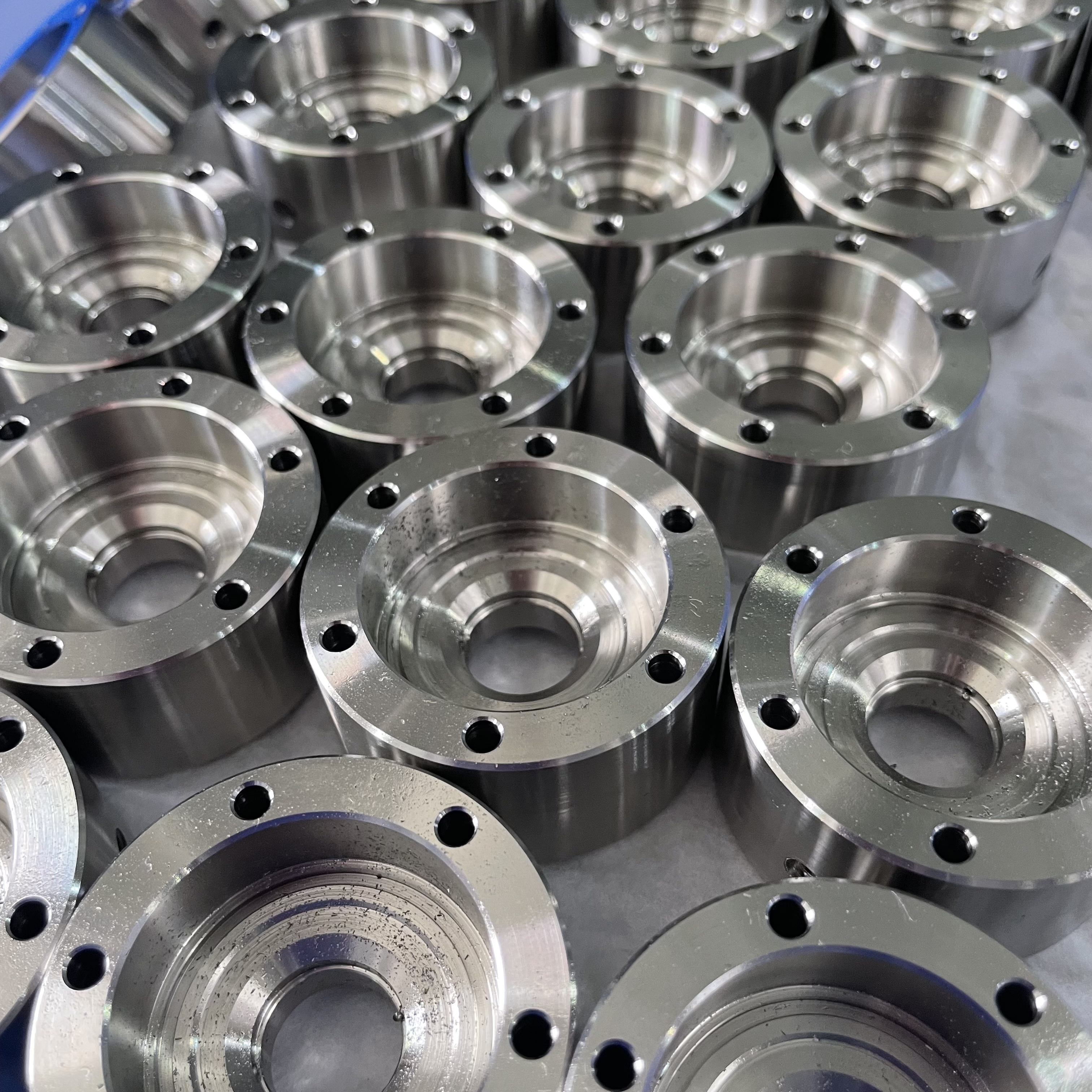
At Precision Fab CNC Machining, we specialize in producing parts for prototypes, short runs, and high-volume production. Our prototyping machine capabilities extend across metal, plastic, and wood machining, with welding fabrication services available to complement and finalize your prototype if required.
Address
Address: Room320 10F, Building A,Nanshan international building, Dayawan District, Huizhou, Guangdong, 516001 China
Contacts
billy@timaycnc.com