How to Work with CNC Machining Services on a Tight Deadline

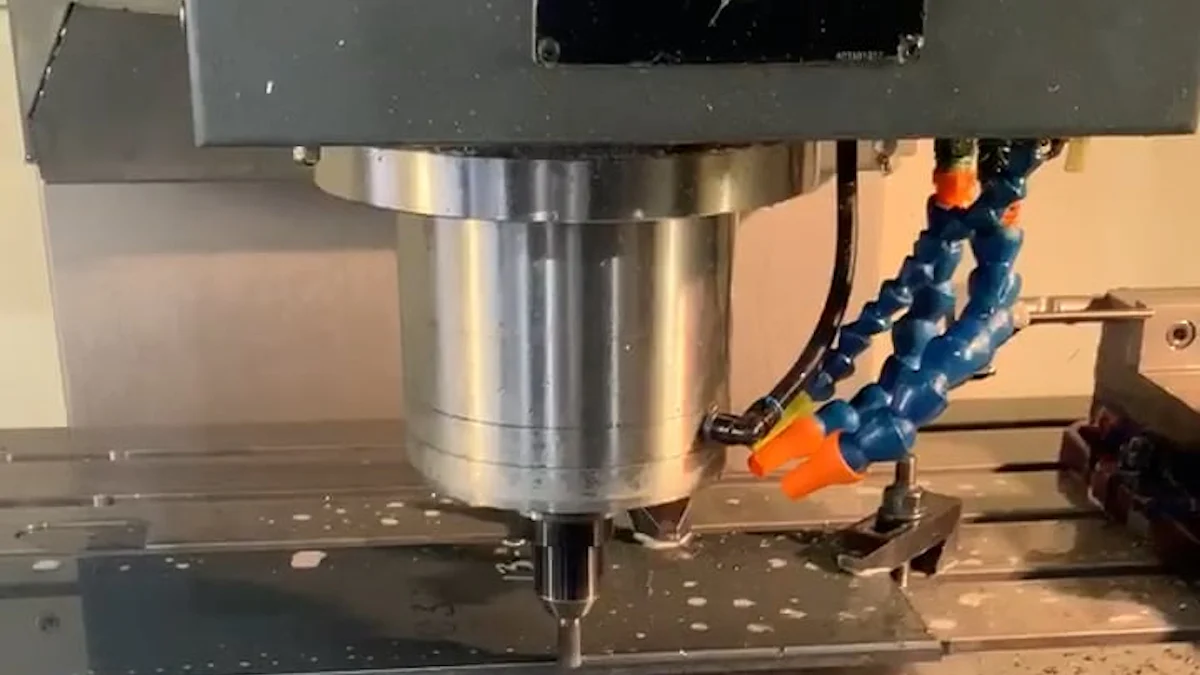
Meeting tight deadlines in CNC machining projects can feel overwhelming. Complex workflows often slow down production, while material shortages and equipment failures disrupt schedules. These challenges demand a proactive approach to ensure success. You must focus on strategic collaboration and clear communication with your machining service provider. Proper preparation, such as sourcing materials early and maintaining equipment, minimizes delays. Leveraging advanced technology, like CAD/CAM software, ensures accurate machining and faster production. Flexible ordering options also help you adapt to changing machining needs. By addressing these factors, you can achieve timely delivery without compromising quality.
Key Takeaways
Clearly explain what you need to help the CNC shop understand.
Plan deadlines wisely by thinking about part details and delays.
Talk often with your CNC shop to fix problems quickly.
Save time during setup to work faster and spend less money.
Use smart tools like CAD/CAM software and machines to work faster.
Communicate Effectively with Your CNC Machine Shop
Define Clear Project Requirements
Defining your project requirements upfront ensures smooth collaboration with your CNC machine shop. Start by specifying dimensions, tolerances, and materials. These details help the shop understand your expectations and deliver parts that meet your needs. For example, tighter tolerances require additional machining time, so clarity here avoids delays. Sharing detailed CAD files and technical drawings is equally important. These documents provide the shop with precise instructions, reducing the risk of errors or miscommunication.
Benefits of defining clear requirements include:
Improved communication between you and the shop.
Aligned expectations regarding the final product.
Enhanced accuracy in achieving desired specifications.
Set Realistic Deadlines
Discussing timelines with your CNC machine shop is critical for meeting tight deadlines. Simple parts with standard tolerances often have lead times of 1 to 3 weeks, while complex components may take 5 to 8 weeks or longer. Consider these averages when setting your deadlines. Account for potential delays caused by material sourcing, part complexity, or secondary operations like finishing. For example, intricate designs or unique materials can extend production times. By planning for these factors, you can avoid last-minute surprises.
Factors to consider when accounting for delays:
Part complexity and material selection.
Tighter tolerances requiring additional inspection time.
Machine availability and supplier lead times.
Maintain Open Communication
Maintaining open communication with your CNC machine shop ensures a successful partnership. Establish a single point of contact to streamline updates and reduce confusion. Regular check-ins allow you to address issues promptly and keep the project on track. Early discussions about design challenges, cost implications, and quality expectations help align your goals with the shop’s capabilities. Miscommunication, such as unclear job instructions, can lead to defective parts and rework. Transparent communication prevents these setbacks and fosters trust.
Best practices for open communication:
Discuss project requirements and desired outcomes early.
Align on quality, timelines, and costs to ensure a shared vision.
Be proactive in addressing potential challenges.
Streamline Processes with Setup Reduction
Benefits of Setup Reduction
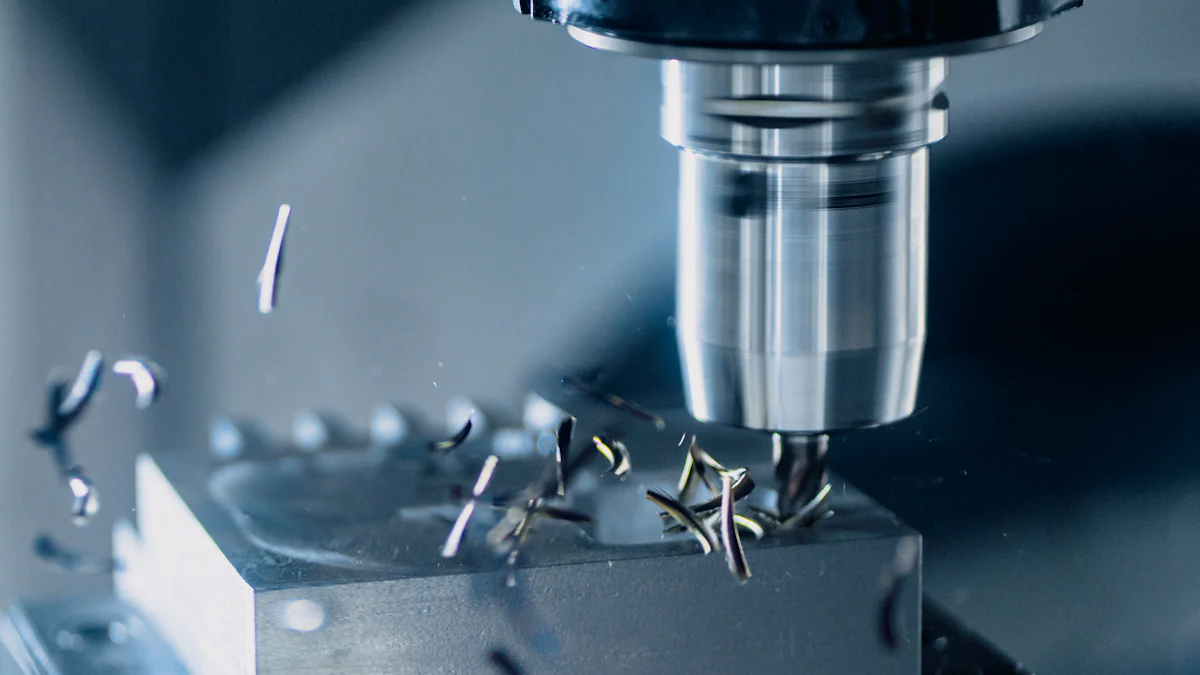
Reducing the time spent on the setup process can significantly enhance efficiency in CNC machining. By minimizing machine setup times, you can lower costs and improve production timelines. Setup reduction also reduces downtime between production runs, allowing you to increase uptime and handle more jobs with the same equipment.
Key benefits of setup reduction include:
Lower setup costs by reducing the need for multiple setups.
Improved quality through consistent processes, minimizing defects and rework.
Enhanced tool clearance and better surface finishes with advanced techniques like 5-axis machining.
Faster production cycles, leading to quicker returns on investment.
For example, General Grind & Machine implemented setup reduction strategies and gained an additional 6,900 hours of machine capacity. This improvement doubled their machine utilization and showcased the tangible impact of reducing setup times on production efficiency.
Optimize Design for CNC Machining
Optimizing your design can save time and improve efficiency during machining. Simplify complex geometries to reduce machining time and avoid unnecessary complications. Use standard tooling and materials whenever possible to streamline the setup process and minimize downtime.
Here are some practical design tips:
Group similar operations or machine multiple parts simultaneously to reduce cycle time.
Avoid sharp corners in your designs to prevent machining issues.
Choose materials that are easier to machine, such as aluminum, to reduce overall machining time.
Design parts for minimal human intervention, which lowers lead times and labor costs.
For instance, designing parts that can be machined in a single setup or consolidating multiple parts into one setup can significantly reduce setup times and improve efficiency.
Prepare Materials in Advance
Preparing materials before production begins ensures a smooth workflow and reduces downtime. Source materials early and inspect them to confirm they meet the required specifications. This proactive approach prevents delays caused by material shortages or quality issues.
Steps to prepare materials effectively:
Use standard stock sizes to minimize material handling time and waste.
Inspect materials for defects or inconsistencies to avoid disruptions during machining.
Ensure materials align with your project’s specifications to achieve accurate setup times.
By preparing materials in advance, you can maintain continuous improvement in your production process and ensure timely delivery of high-quality parts.
Leverage Technology for Timely Delivery
Use Advanced CAD/CAM Software
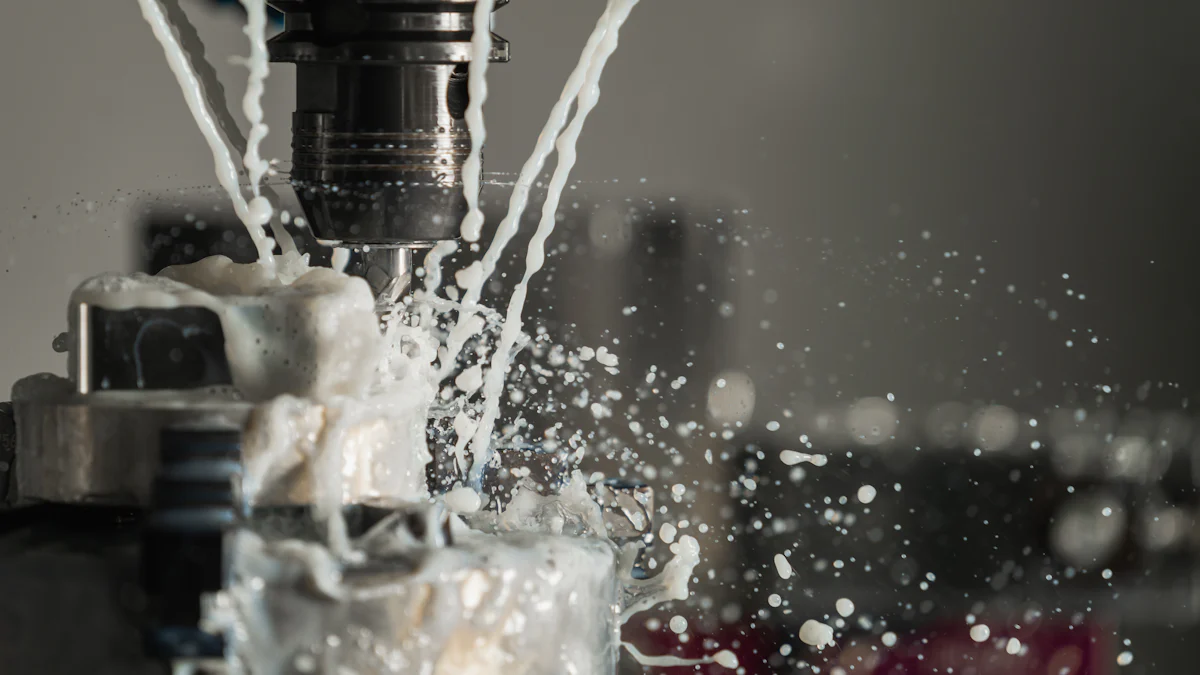
Advanced CAD/CAM software plays a crucial role in improving the efficiency of the machining process. By simulating machining processes, you can identify potential issues like tool collisions or inefficiencies before production begins. This proactive approach prevents costly errors and ensures smooth operations. For example, virtual simulations allow you to inspect the machining process visually, enabling adjustments to avoid problems.
Optimizing tool paths is another advantage of CAD/CAM software. High-speed adaptive toolpath technology reduces cycle times and tool wear, boosting productivity. Features like the CAM Tree Manager help you track and modify jobs throughout the machining process, ensuring better control. Automation within the software simplifies parameter settings, reducing errors and saving time. These tools also allow you to create complex toolpath operations for 3, 4, and 5-axis machining efficiently, streamlining workflows.
Benefits of CAD/CAM software include:
Faster production cycles with optimized tool paths.
Reduced errors through powerful simulation features.
Enhanced programming efficiency with automation tools.
Implement On-Machine Inspections
On-machine inspections improve accuracy and reduce the need for post-production adjustments. Probing systems verify part dimensions during the machining process, ensuring each component meets specifications. This real-time feedback allows you to address issues immediately, minimizing rework.
By integrating on-machine inspections, you can maintain consistent quality while saving time. For example, probing systems eliminate the need for separate inspection steps, streamlining the production process. This approach ensures that parts are accurate from the start, reducing delays caused by defects.
Explore Automation in CNC Machining
Automation technologies significantly enhance the efficiency of CNC machining. Automating repetitive tasks, such as tool changes or material handling, saves time and reduces human error. Robots can operate continuously, speeding up production and maintaining consistent quality.
Examples of automation technologies:
Fixed automation for high-speed production of singular products.
Flexible automation using industrial robots for tasks like welding or machine tending.
Programmable automation for batch production with CNC machine tools.
Robotic arms, for instance, handle materials with precision, ensuring smooth transitions between machining processes. Automation also improves reliability, as robots work without fatigue, maintaining consistent output. By adopting these technologies, you can optimize your machining process and meet tight deadlines effectively.
Choose the Right CNC Machining Service Provider
Evaluate Experience and Certifications
When selecting a CNC machining service provider, evaluating their experience ensures you partner with a capable team. Look for providers with a proven track record in projects similar to yours. Review their past projects to assess their expertise and ability to handle complex tasks. Providers with rapid prototyping capabilities and scalable operations can adapt to your evolving needs. Certifications like ISO 9001 and AS9100D indicate adherence to strict quality management standards. These certifications reflect their commitment to delivering high-quality products while maintaining compliance with industry regulations.
Key factors to evaluate:
Equipment used and material availability.
Workforce skill level and continuous improvement practices.
Communication effectiveness and lead times.
For aerospace projects, prioritize providers with AS9100 certification, which emphasizes risk management and product traceability. For medical device manufacturing, ISO 13485 certification ensures compliance with safety and performance standards.
Assess Reliability and Capacity
A reliable CNC machining provider must meet your deadlines without compromising quality. Ensure they have the resources to handle both high and low-volume orders efficiently. Providers with robust quality control measures, such as in-process inspections and final checks, prevent errors and delays. Reading customer reviews and requesting references offers insights into their reliability and performance.
Scalability is another critical factor. A scalable provider can adapt to increased demand, ensuring your future growth is not hindered. Reviewing their past projects helps you understand their capacity to handle diverse requirements. Reliable providers also implement rigorous inspection processes at every production stage to maintain consistent quality.
Prioritize Quality Assurance
Quality assurance processes ensure the delivery of high-quality products. Confirm that the provider follows strict quality control protocols, including real-time monitoring systems and statistical process control software. These tools help maintain process stability and identify deviations early. Ask about their inspection reports and testing capabilities to verify their commitment to quality management.
Examples of quality checks:
First Article Inspection (FAI) to validate initial production.
In-process inspections to monitor dimensions and tolerances.
Final inspections using tools like Coordinate Measuring Machines (CMM) and surface roughness testers.
Providers with advanced testing capabilities, such as non-destructive testing methods and material analysis equipment, ensure precise results. Documentation and traceability systems further enhance their quality management practices, giving you confidence in their ability to deliver high-quality products.
Meeting tight deadlines in cnc machining projects requires a strategic approach. Effective communication ensures clear expectations and minimizes surprises. Setup reduction and leveraging advanced technology streamline production, saving time and resources. Selecting a reliable machining partner with proven expertise guarantees quality and timely delivery.
To stay proactive, start with a detailed project brief and maintain open communication. Align on goals, timelines, and costs to avoid misunderstandings. Adaptability is key—adjust schedules, optimize designs, and explore innovative solutions to overcome challenges. By following these steps, you can balance speed with quality and achieve successful outcomes.
FAQ
What is the fastest way to get CNC parts made?
Focus on clear communication with your CNC provider. Share detailed CAD files and specify materials early. Simplify your design to reduce machining time. Choose a provider with advanced technology and automation for faster production.
How can I avoid delays in CNC machining projects?
Prepare materials in advance and inspect them for quality. Set realistic deadlines and account for potential delays. Use regular check-ins with your CNC provider to address issues quickly.
Does simplifying my design affect part quality?
No, simplifying your design often improves quality. It reduces machining complexity, minimizes errors, and speeds up production. Use standard materials and tooling to maintain precision while saving time.
How do I choose the right CNC machining service?
Evaluate their experience and certifications. Check reviews and request references. Ensure they have the capacity to meet your deadlines and follow strict quality assurance processes.
Can automation help meet tight deadlines?
Yes, automation speeds up repetitive tasks like material handling and tool changes. It ensures consistent quality and reduces human error. Robotic arms and advanced software optimize workflows for faster delivery.
See Also
Streamlined CNC Machining Solutions for Accurate Production
Investigating CNC Machining Options for Exact Manufacturing
Tailored CNC Milling Solutions: Excelling in Precision Engineering
Fulfilling Standards for CNC Precision Part Machining
Perfecting CNC Machining Techniques for Precision Part Production
About US
Follow Us
Your prototype holds unparalleled significance, and we deeply value its uniqueness. Collaborating with you during the preparation phase for running your prototype or parts is a commitment we gladly embrace. Whether it's a single part or a complex assembly, we are dedicated to selecting the optimal tools and pathways to bring your envisioned product to life.
At Precision Fab CNC Machining, we specialize in producing parts for prototypes, short runs, and high-volume production. Our prototyping machine capabilities extend across metal, plastic, and wood machining, with welding fabrication services available to complement and finalize your prototype if required.
Address
Address: Room320 10F, Building A,Nanshan international building, Dayawan District, Huizhou, Guangdong, 516001 China
Contacts
billy@timaycnc.com