How CNC Machines Achieve Tight Tolerances for Critical Parts

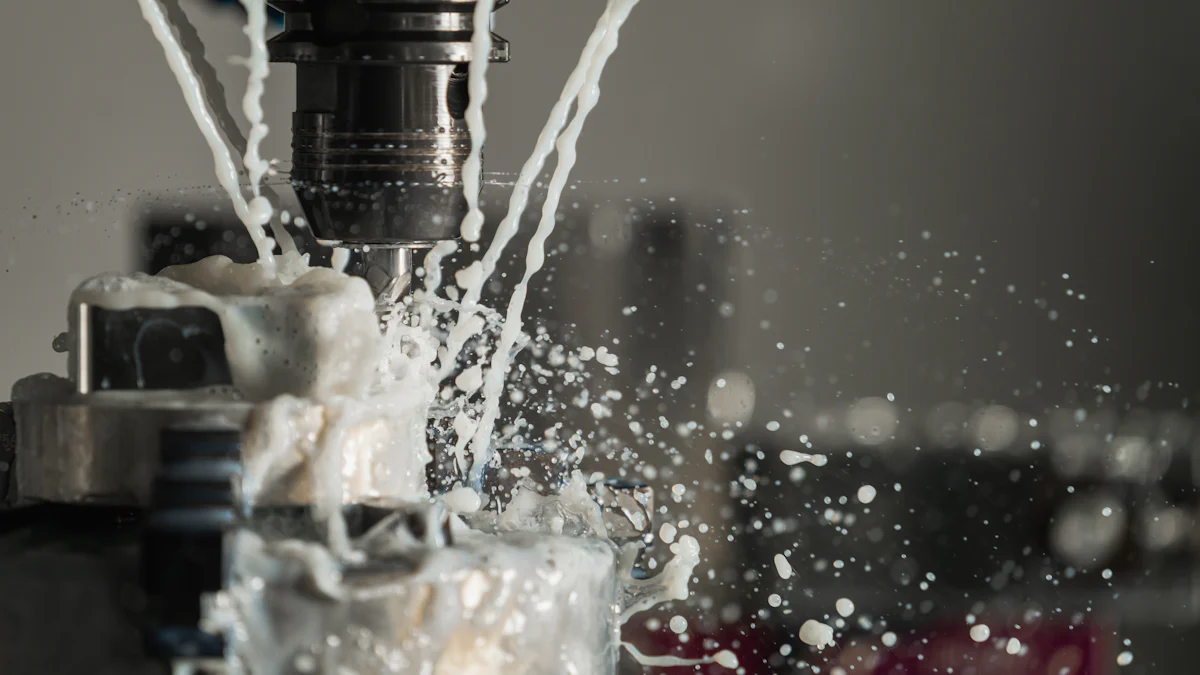
CNC machining allows you to create parts with exceptional precision. This process ensures tight tolerances, which are critical for parts used in industries like aerospace, medical, and computing. For example, aerospace components must meet strict size and location requirements to prevent catastrophic failures. Similarly, medical devices demand high accuracy to ensure safety and functionality. Advanced programming, precision tooling, and quality control make this level of precision possible. By combining technology with expertise, CNC machining consistently delivers reliable results for critical applications.
Key Takeaways
CNC machines make very accurate parts, important for safety and use in fields like airplanes and medicine.
Using good materials and tools helps make exact parts and avoids mistakes.
Taking care of CNC machines and checking them often keeps them working well and lasting longer.
Special software and programs can change things quickly to keep parts accurate.
Trained workers are important for making precise parts by setting machines right and checking quality.
What Are Tight Tolerances in CNC Machining?
Definition of Tight Tolerances
In CNC machining, tight tolerances refer to the small allowable variations in a part's dimensions or geometry. These tolerances define the acceptable range within which a parameter can deviate from its intended value. For example, if a part is designed to be 3.0 inches with a tolerance of ±0.0010 inches, the final product must measure between 2.999 inches and 3.001 inches to meet quality standards. Smaller tolerances indicate higher precision, which is essential for critical applications. Tolerances typically include an upper and lower limit, ensuring that the part remains within these boundaries to function as intended.
Importance of Tight Tolerances
The importance of tight tolerances cannot be overstated, especially in industries where safety and functionality are paramount. Parts manufactured with precise tolerances last longer and perform more reliably. For instance, in the medical field, devices must meet exact specifications to ensure patient safety. Similarly, aerospace components require precision to prevent failures during operation. Tight tolerances also reduce the risk of part rejection or failure, ensuring proper fit and performance during assembly. Without these tolerances, parts may underperform or fail, leading to costly repairs or even catastrophic consequences.
"Underperformance or part failure may occur if the tolerance is not met, which could have catastrophic results."
Applications in Critical Industries
Tight tolerances are essential in industries that demand high precision and reliability. In aerospace, components must fit seamlessly into complex assemblies to ensure safe operation. The medical sector relies on precise tolerances for devices like implants and surgical tools. Automotive manufacturing requires tight tolerances to prevent mechanical failures and ensure vehicle safety. Other industries, such as electronics, defense, and oil and gas, also depend on CNC machining tolerances to produce high-quality parts.
Industry | Typical Tolerance Ranges |
|---|---|
Medical sector | Tight tolerances required |
Aerospace | Tight tolerances required |
Automotive | Tight tolerances required |
Defense and military | Tight tolerances required |
Electronics | Tight tolerances required |
Watchmaking and jewelry | Tight tolerances required |
Oil and gas | Tight tolerances required |
These industries rely on CNC machining to achieve the precision needed for their critical applications.
Factors Influencing Tight Tolerances in CNC Machining
Material Properties
The material you choose plays a significant role in achieving tight tolerances. Metals like aluminum and stainless steel are ideal for machined parts because of their predictable machining properties. These materials offer excellent dimensional accuracy, making them suitable for critical applications. Titanium and certain plastics also perform well, but softer materials like PVC may struggle to meet the same precision standards. Selecting high-quality raw materials ensures uniformity and reduces variances during the machining process. Consistent material properties lead to better tolerance control, which is essential for producing reliable machined parts.
Machining Techniques
The machining process you use directly impacts the ability to maintain tight tolerances. Skilled operators optimize designs and adjust parameters to enhance dimensional accuracy. High-quality cutting tools and inserts ensure consistent performance, while proper fixturing minimizes misalignment. Techniques like optimizing tool paths and reducing vibrations improve the precision of machined parts. Advanced methods, such as EDM (Electrical Discharge Machining) or laser cutting, also contribute to tighter tolerances by offering exceptional control over material removal. These techniques allow you to achieve the exact specifications required for critical components.
Tooling and Equipment Quality
The quality of your tooling and equipment significantly affects the machining process. Sharp cutting tools are essential for maintaining tight tolerances, as dull tools can cause surface deformations and shallow cuts. High-quality tools with appropriate coatings and geometries ensure consistent results. Regular maintenance and calibration of CNC machines keep them operating at peak performance, which is crucial for achieving dimensional accuracy. Investing in high-precision equipment reduces errors and ensures that machined parts meet their design specifications. Reliable tools and well-maintained machines are key factors affecting tight tolerances in CNC machining.
Environmental and Operational Conditions
Environmental and operational conditions play a significant role in maintaining part tolerances during CNC machining. Factors like temperature, humidity, and machine vibrations can directly impact the precision of your machined parts. Understanding and controlling these variables ensures consistent results.
Temperature and Humidity
Temperature fluctuations can cause materials and machinery to expand or contract. This expansion or contraction leads to dimensional deviations, which affect part tolerances. For example, a slight increase in temperature may cause metals to expand, resulting in parts that exceed their specified dimensions. Similarly, humidity can alter material properties, especially in plastics or composites, reducing machining accuracy. Maintaining a stable environment with constant temperature and humidity is essential for achieving tight tolerances. Fluctuations in these conditions can also cause CNC machines to lose calibration, further compromising precision.
Environmental Factor | Influence on CNC Machining Tolerances |
|---|---|
Temperature | Affects dimensional stability due to expansion and contraction of materials. |
Humidity | Can lead to changes in material properties, affecting precision. |
Machine Vibrations
Operational conditions, such as machine vibrations, also influence part tolerances. Vibrations can cause fluctuations in part dimensions, leading to inaccuracies. They may also result in poor surface quality, which affects the overall functionality of the machined parts. Over time, vibrations accelerate tool wear, reducing the ability of the machine to maintain precise tolerances. To minimize these effects, you should ensure proper machine stabilization and use high-quality fixturing techniques.
By controlling environmental and operational conditions, you can maintain the tight tolerances required for critical applications. Stable conditions not only improve machining accuracy but also extend the lifespan of your tools and equipment.
Techniques and Technologies for Achieving Tight Tolerances
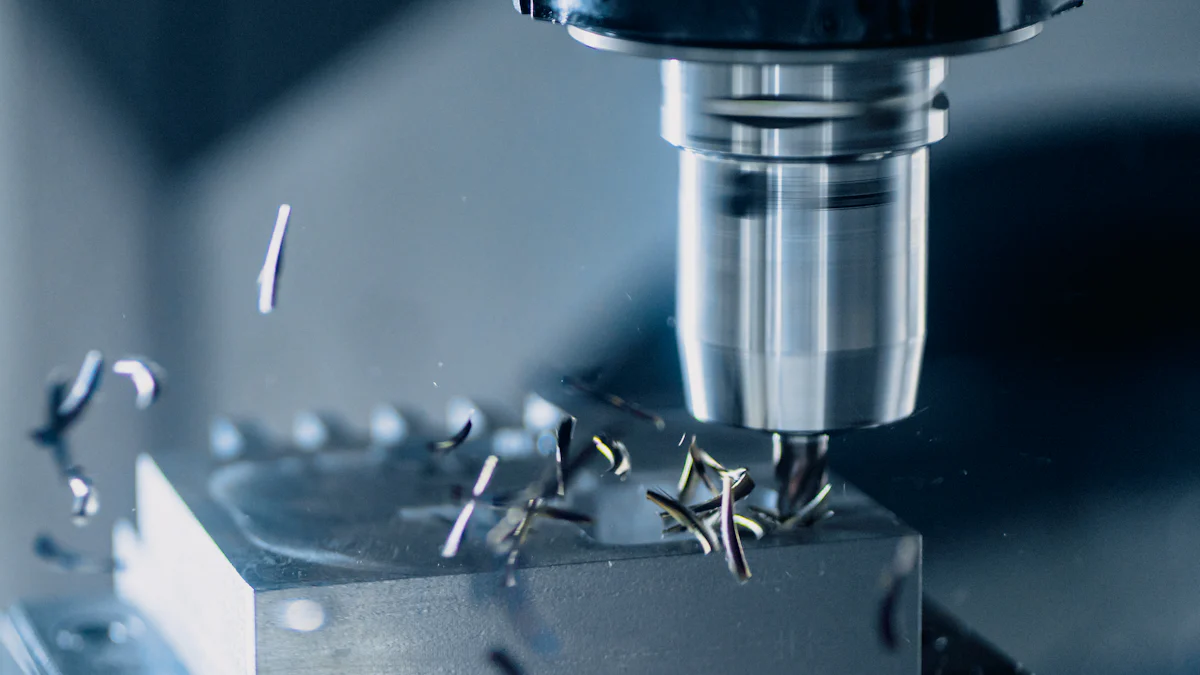
Advanced CNC Software and Programming
Advanced CNC software plays a vital role in precision machining. It allows you to create detailed programs that control every aspect of the machining process. Features like thermal compensation and advanced feedback systems help maintain tight tolerances by adjusting for environmental changes. Robust programming ensures consistent tool paths, reducing errors and improving dimensional accuracy.
Modern CNC machines also integrate advanced sensors and monitoring systems. These systems detect deviations during production and make real-time adjustments to maintain high precision. Purchasing CNC machines from reputable manufacturers ensures tighter tolerance control, as these machines often feature strong build materials that reduce vibration. This stability allows for more accurate tool movement, which is essential for producing high-precision parts.
High-Precision Tooling and Multi-Axis Machines
The quality of your tooling directly impacts the ability to achieve tight tolerances. High-quality cutting tools with appropriate geometries and coatings ensure consistent performance. Advanced cutting technology, combined with regular tool maintenance, contributes to better dimensional accuracy. Using the right tools minimizes wear and ensures that your parts meet their design specifications.
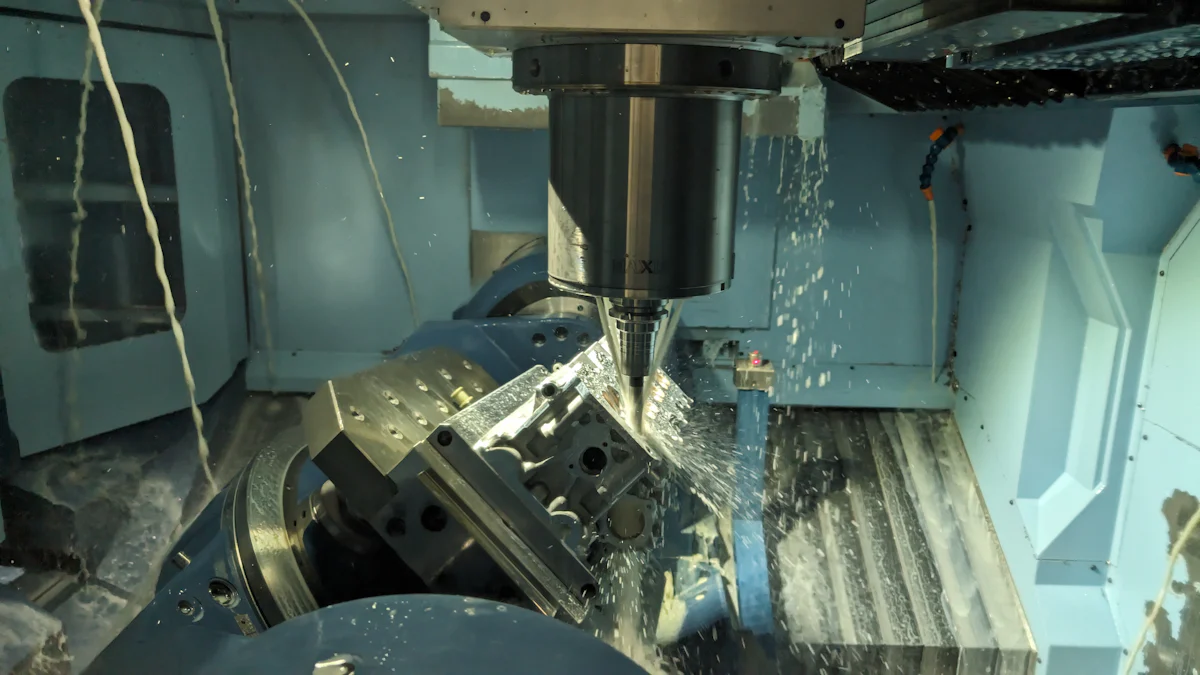
Multi-axis machines further enhance precision machining. These machines reduce the need for multiple setups, minimizing accumulated errors. They allow you to produce complex geometries in a single setup, improving both efficiency and accuracy. The ability to tilt tools or tables keeps optimal cutting positions, which enhances precision and extends tool lifespan. Optimized cutting angles also result in better surface finishes, making multi-axis machining a high-precision method for creating critical components.
Quality Control and Inspection Processes
Quality control ensures that your machined parts meet the required tolerances. On-machine inspection systems verify machining accuracy during production, allowing you to identify and correct issues immediately. This proactive approach reduces the risk of part rejection and ensures consistent results.
Modern measuring tools, such as coordinate measuring machines (CMMs), optical comparators, and precision gauges, play a crucial role in measuring and validating tight tolerances. These tools provide accurate measurements of dimensional characteristics, ensuring that your parts meet exact specifications. Regular inspections of machined parts help you detect deviations early, maintaining the high precision required for critical applications.
By combining advanced software, high-quality tooling, and rigorous quality control, you can achieve the tight tolerances necessary for high-precision parts. These technologies and techniques ensure that your components meet the highest standards of accuracy and reliability.
Fixturing and Stabilization Techniques
Fixturing plays a critical role in maintaining tight tolerances during CNC machining. It ensures that the workpiece remains stable and precisely positioned throughout the cutting process. Without proper fixturing, even minor shifts can lead to dimensional inaccuracies, compromising the quality of your parts.
Effective fixturing techniques stabilize the part and prevent distortions caused by machining stress. This stability allows you to achieve consistent results, even across large production runs. Proper fixturing also minimizes misalignment, reducing dimensional variations and ensuring that each part meets its design specifications.
Key Benefits of Fixturing Techniques
Stabilizes the workpiece during machining.
Prevents dimensional distortions caused by stress.
Ensures consistent results across multiple parts.
Advanced fixturing systems incorporate locating features like pins and stops. These features help you position the workpiece accurately, ensuring precise alignment with the cutting tools. Proper clamping force is equally important. Excessive force can deform the workpiece, while insufficient force may allow movement during machining. Striking the right balance ensures dimensional accuracy without damaging the material.
Features of Advanced Fixturing Systems
Precise locating features, such as pins and stops, for accurate positioning.
Proper clamping force to prevent deformation or movement.
Damping features to absorb vibrations and maintain stability.
Vibrations during machining can negatively impact tolerances. Fixturing systems with built-in damping features absorb these vibrations, creating a stable environment for precision cutting. This stability not only improves accuracy but also enhances surface finishes.
By investing in high-quality fixturing systems and using proper stabilization techniques, you can maintain tight tolerances and produce reliable, high-precision parts. These methods ensure that your components meet the exacting standards required for critical applications.
Challenges in Maintaining Tight Tolerances
Tool Wear and Maintenance
Tool wear is one of the most common challenges in CNC machining. As tools wear down, they lose their sharpness, which reduces the accuracy of machined parts. Worn tools can cause poor surface finishes and dimensional deviations, leading to parts that fall outside acceptable specifications. Increased cutting forces from dull tools may also exceed the tolerances required for critical components.
To address this, you need to perform regular maintenance and replace tools at appropriate intervals. Proper calibration of tools ensures consistent performance and helps you maintain tighter CNC part tolerances. Monitoring tool wear during production allows you to identify issues early, reducing the risk of scrapping or reworking parts. By prioritizing tool maintenance, you can achieve reliable precision and extend the lifespan of your equipment.
Material Variability
Material inconsistencies present another significant challenge. Different materials respond differently to machining processes. For instance, metals like aluminum and stainless steel offer predictable performance, but plastics may expand or contract due to temperature changes or moisture absorption. These variations can complicate the achievement of tight tolerances.
You can overcome this challenge by selecting high-quality materials with consistent properties. Skilled machinists also play a crucial role in adjusting machining parameters to account for material variability. By understanding the behavior of different materials, you can produce machined parts that meet exact specifications, even under challenging conditions.
Environmental Fluctuations
Environmental factors, such as temperature and humidity, can directly impact machining accuracy. Temperature changes cause materials and machine tools to expand or contract, leading to dimensional deviations in the workpiece. For example, metals may expand slightly in warmer conditions, resulting in parts that exceed their design tolerances.
Humidity can also affect certain materials, particularly plastics, by altering their properties. Additionally, temperature fluctuations can destabilize work holding fixtures, further reducing precision. To maintain tighter CNC part tolerances, you should control the machining environment. Keeping a stable temperature and humidity level ensures consistent results and minimizes the risk of errors caused by environmental changes.
Operator Expertise
The expertise of the operator plays a crucial role in maintaining tight tolerances during CNC machining. Skilled operators bring a wealth of knowledge and experience to the process, ensuring that every step is executed with precision. Their ability to make informed decisions directly impacts the quality and accuracy of the final product.
Experienced machinists excel at setting up and calibrating CNC machines. They know how to adjust machining parameters to account for material properties and environmental conditions. This expertise ensures that the machining process stays within the required tolerance limits. Operators also understand how to select the right cutting tools for specific tasks, which minimizes errors and enhances dimensional accuracy.
You can rely on skilled operators to perform initial machine calibration and ongoing maintenance. They monitor the condition of cutting tools and replace them when necessary to maintain consistent performance. Regular quality checks during production allow them to identify and correct deviations early, reducing the risk of part rejection. Operators also pay close attention to environmental factors like temperature and humidity, which can affect machining precision.
A good operator knows how to protect parts during and after machining. They use proper fixturing techniques to stabilize the workpiece and prevent distortions. Their ability to identify tool wear and adjust parameters ensures that the machining process remains efficient and accurate.
Key responsibilities of a skilled CNC operator include:
Selecting appropriate cutting tools for the job.
Calibrating machines to meet design specifications.
Performing regular maintenance and quality checks.
Monitoring environmental conditions like temperature and humidity.
Adjusting machining parameters to maintain tight tolerances.
By investing in operator training and development, you can ensure that your CNC machining processes consistently produce high-precision parts. Skilled operators are essential for achieving the accuracy and reliability required for critical applications.
Overcoming Challenges in CNC Machining
Regular Maintenance and Calibration
Regular maintenance and calibration are essential for keeping your CNC machines accurate and reliable. By following best practices, you can ensure that your machines consistently meet tight tolerances. Start by selecting and handling tools carefully to maintain precision. Tools that are improperly stored or used can lose their effectiveness, leading to dimensional inaccuracies.
Control the environment where your machines operate. Stable temperatures and humidity levels prevent material expansion or contraction, which can affect machining accuracy. Regularly train your operators on maintenance techniques and quality control practices. Skilled operators can identify potential issues early, reducing downtime and improving overall performance.
You should also inspect your machines frequently. Follow the manufacturer’s guidelines for maintenance and calibration schedules. These inspections help you detect wear or misalignment before they impact production. Strong quality controls, combined with regular upkeep, ensure that your CNC machines deliver consistent results.
Optimizing Machining Parameters
Optimizing machining parameters improves precision and helps you achieve tighter tolerances. Start by using high-quality cutting tools and inserts. These tools provide consistent performance, reducing the risk of dimensional errors.
Enhance stability during machining by improving fixturing and clamping. Properly secured workpieces minimize misalignment, ensuring accurate cuts. Refine your tool paths to reduce unnecessary movements and vibrations. Real-time monitoring systems can also help you adjust parameters during production, maintaining precision throughout the process.
By fine-tuning these parameters, you can produce parts that meet exact specifications while reducing waste and rework. This approach not only improves accuracy but also increases efficiency in your machining operations.
Investing in Advanced Tools and Software
Investing in advanced tools and software enhances your ability to maintain tight tolerances. High-quality CNC machines reduce vibrations, which improves precision during operation. Advanced software features, such as thermal compensation and feedback systems, allow real-time adjustments. These adjustments prevent small deviations from escalating into larger problems.
Modern tools and software also ensure that your components meet strict product specifications. Consistent quality output leads to higher customer satisfaction and less material waste. Over time, these investments positively impact your bottom line by reducing production costs and improving efficiency.
By upgrading your tools and software, you can stay competitive in industries that demand high precision. These technologies help you overcome challenges and maintain the reliability of your CNC machining processes.
Training and Development for Operators
Operator training plays a vital role in maintaining tight tolerances during CNC machining. Well-trained operators ensure that machines run efficiently and produce parts with high precision. By investing in their development, you can improve the overall quality of your machining processes.
Regular training sessions help operators master essential skills. These sessions teach them how to set up machines accurately and identify potential issues. For example, operators learn to replace dull tools before they affect machining accuracy. This proactive approach reduces errors and ensures consistent results.
Tip: Encourage operators to participate in hands-on training programs. Practical experience builds confidence and sharpens their problem-solving abilities.
Skilled operators bring a wide range of expertise to the table. They know how to select the right cutting tools for specific tasks. They can also program CNC machines to optimize tool paths and machining parameters. This knowledge allows them to adjust settings as needed, ensuring that parts meet tight tolerances. Additionally, experienced operators can perform manual machining and lathing operations when required.
Skill | Impact on Tight Tolerances |
|---|---|
Machine setup | Ensures accurate alignment and reduces errors. |
Tool selection | Improves cutting precision and surface quality. |
Parameter adjustments | Maintains dimensional accuracy during machining. |
Training also focuses on quality control practices. Operators learn to inspect cutting tools and assess their condition. They can identify wear or damage early, preventing deviations in part dimensions. This attention to detail ensures that your machining processes remain reliable.
By prioritizing operator development, you create a skilled workforce capable of achieving tight tolerances. Continuous learning keeps operators updated on the latest technologies and techniques, enhancing their ability to produce high-precision parts.
Tight tolerances play a vital role in modern manufacturing. They ensure machined parts fit together seamlessly, enhancing efficiency and reliability. By reducing the need for adjustments during assembly, they save time and labor costs. Precision also minimizes material waste, making production more cost-effective. In critical industries like aerospace and healthcare, tight tolerances guarantee safety and functionality, protecting both users and manufacturers.
CNC machining achieves this level of precision through advanced technology, high-quality tooling, and rigorous quality control. You can overcome challenges like tool wear or material variability by maintaining your machines, optimizing processes, and training skilled operators. These efforts ensure that machined parts meet exact specifications, even for the most demanding applications.
As a cornerstone of modern manufacturing, CNC machining continues to deliver reliable, high-precision components. Its ability to maintain tight tolerances ensures the safety, functionality, and longevity of critical parts across industries.
FAQ
What does "tight tolerances" mean in CNC machining?
Tight tolerances refer to the small allowable variations in a part's dimensions. For example, if a part must measure 2.0 inches ±0.001 inches, its size can only vary between 1.999 and 2.001 inches. This precision ensures parts fit and function correctly in critical applications.
How do CNC machines maintain tight tolerances?
CNC machines use advanced software, high-quality tools, and precise programming to maintain accuracy. Stable environmental conditions, proper fixturing, and regular maintenance also help ensure consistent results. These factors work together to produce parts that meet exact specifications.
Why are tight tolerances important in critical industries?
Tight tolerances ensure safety, reliability, and functionality. In aerospace, they prevent mechanical failures. In medical devices, they guarantee patient safety. Tight tolerances also improve part longevity and reduce the risk of assembly issues, making them essential for high-stakes applications.
Can all materials achieve tight tolerances?
Not all materials perform equally. Metals like aluminum and stainless steel offer excellent precision. Plastics and softer materials may struggle due to expansion or deformation. Choosing high-quality materials with consistent properties improves your chances of achieving tight tolerances.
How can you overcome tool wear during machining?
Monitor tools regularly and replace them when needed. Dull tools reduce accuracy and surface quality. Use high-quality cutting tools and follow a maintenance schedule. This approach minimizes errors and ensures your parts meet tight tolerances consistently.
See Also
Achieving CNC Precision Machining Standards for Component Production
Excelling in CNC Machining for High-Precision Component Creation
Grasping the Order of Precision Parts in CNC Processes
Perfecting CNC Milling Techniques for Accurate Parts Fabrication
About US
Follow Us
Your prototype holds unparalleled significance, and we deeply value its uniqueness. Collaborating with you during the preparation phase for running your prototype or parts is a commitment we gladly embrace. Whether it's a single part or a complex assembly, we are dedicated to selecting the optimal tools and pathways to bring your envisioned product to life.
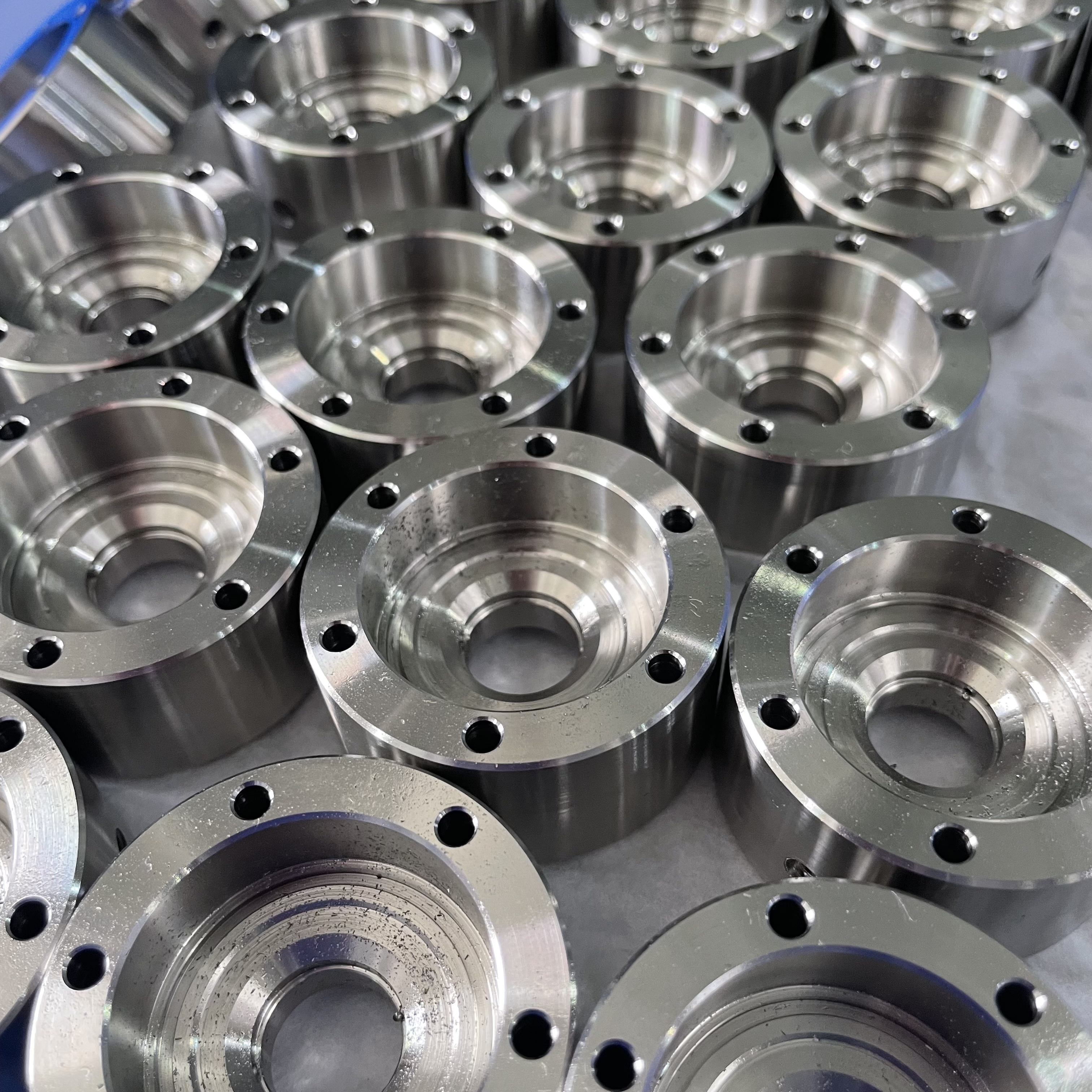
At Precision Fab CNC Machining, we specialize in producing parts for prototypes, short runs, and high-volume production. Our prototyping machine capabilities extend across metal, plastic, and wood machining, with welding fabrication services available to complement and finalize your prototype if required.
Address
Address: Room320 10F, Building A,Nanshan international building, Dayawan District, Huizhou, Guangdong, 516001 China
Contacts
billy@timaycnc.com