How CNC Technology is Transforming Modern Manufacturing

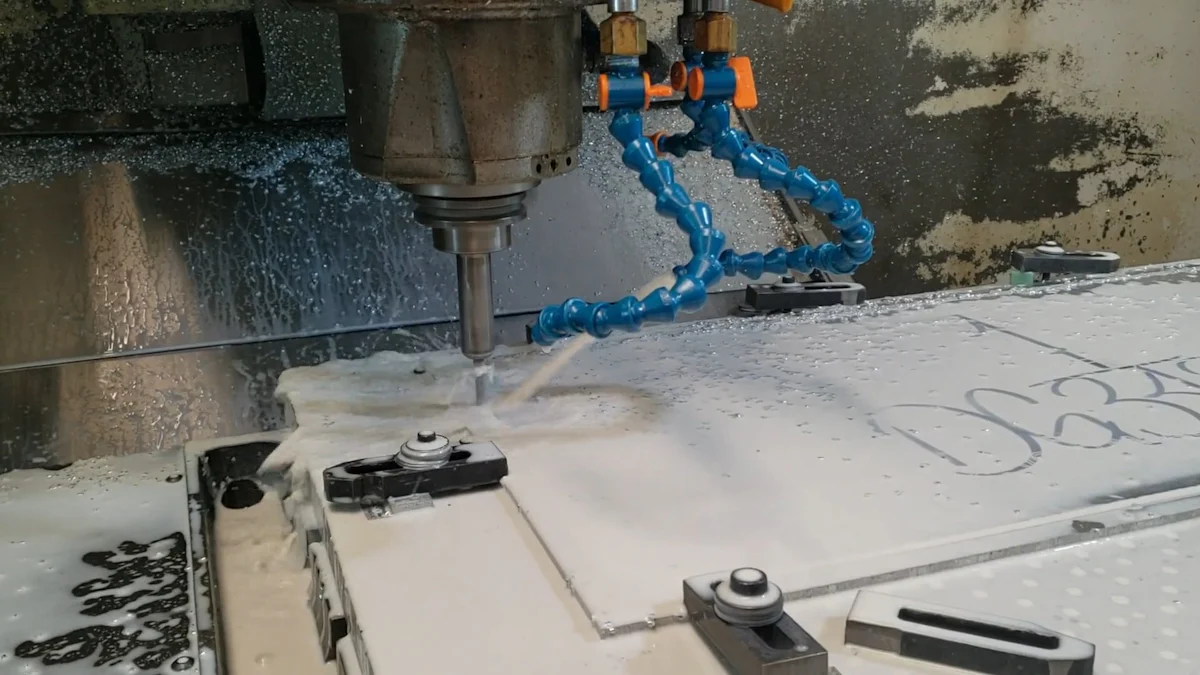
CNC technology has reshaped modern manufacturing by automating tasks and improving precision. You can see its impact in the growing global CNC machine market, which is expected to reach $128.86 billion by 2026. This growth reflects the need for cost-effective solutions and efficient manpower use. CNC machining reduces errors, minimizes material waste, and enhances productivity by running autonomously. Unlike traditional methods, CNC systems optimize processes, ensuring consistent quality. With advancements like IoT and predictive analytics, CNC technology continues to drive innovation and efficiency, making it indispensable in today’s manufacturing landscape.
Key Takeaways
CNC technology uses machines to make products more accurate and better.
There are many CNC machines, like routers and lathes, for different jobs.
IoT and AI in CNC machines help track work and fix problems faster.
CNC machines make testing new ideas and small orders quick and easy.
CNC manufacturing now focuses on saving energy and using green materials.
Understanding CNC Technology
What is CNC Technology?
Definition and core principles of CNC
CNC, or Computer Numerical Control, refers to a manufacturing process where machines operate based on pre-programmed instructions. This technology eliminates the need for manual intervention, allowing you to achieve consistent and precise results. At its core, CNC technology relies on software to control tools like drills, lathes, and mills. These tools follow specific commands to shape, cut, or refine materials into desired forms. The process ensures accuracy and repeatability, which are essential in modern manufacturing.
How CNC machines operate using programmed instructions
CNC machines function by interpreting digital instructions, often created using CAD (Computer-Aided Design) software. You input these instructions into the machine, which then translates them into physical movements. For example, a CNC milling machine might carve a block of metal into a complex part by following the programmed path. The machine's motors and sensors ensure precise execution, reducing errors and material waste. This automation allows you to focus on design and innovation rather than manual labor.
Types of CNC Machines
Overview of milling machines, lathes, routers, and more
CNC machines come in various types, each designed for specific tasks. Here are some common examples:
CNC Routers: Ideal for carving intricate designs in wood and plastics, often used in furniture and art.
CNC Bending Machines: Essential for shaping metal sheets, widely applied in automotive and construction.
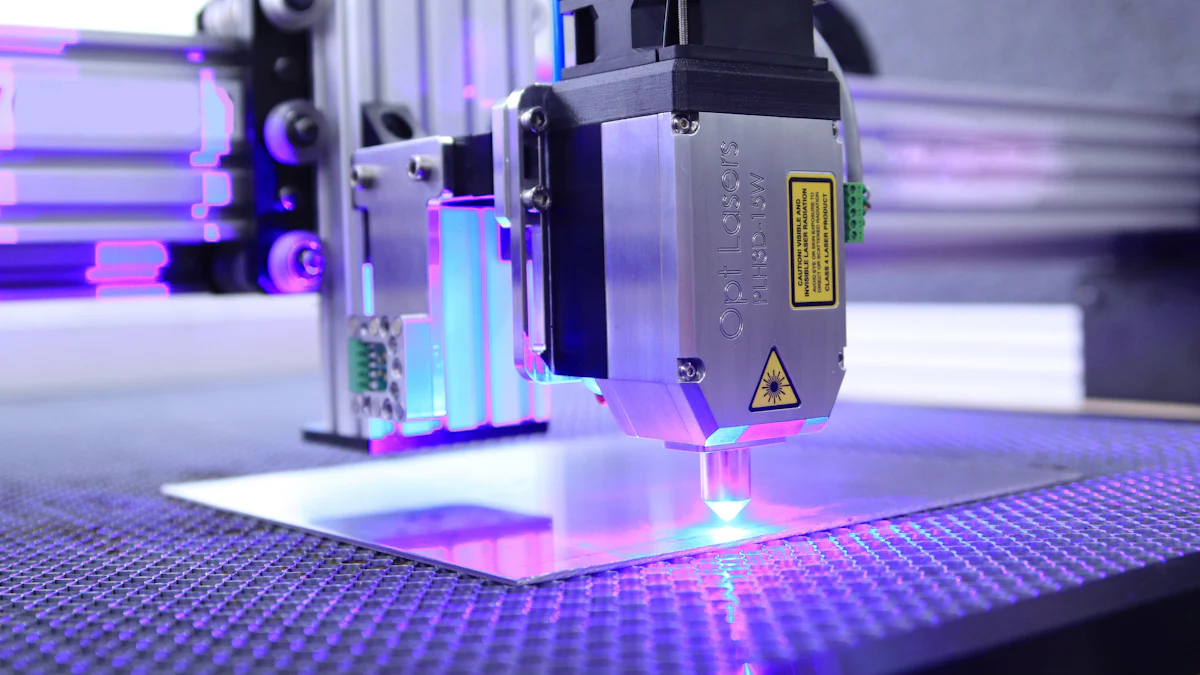
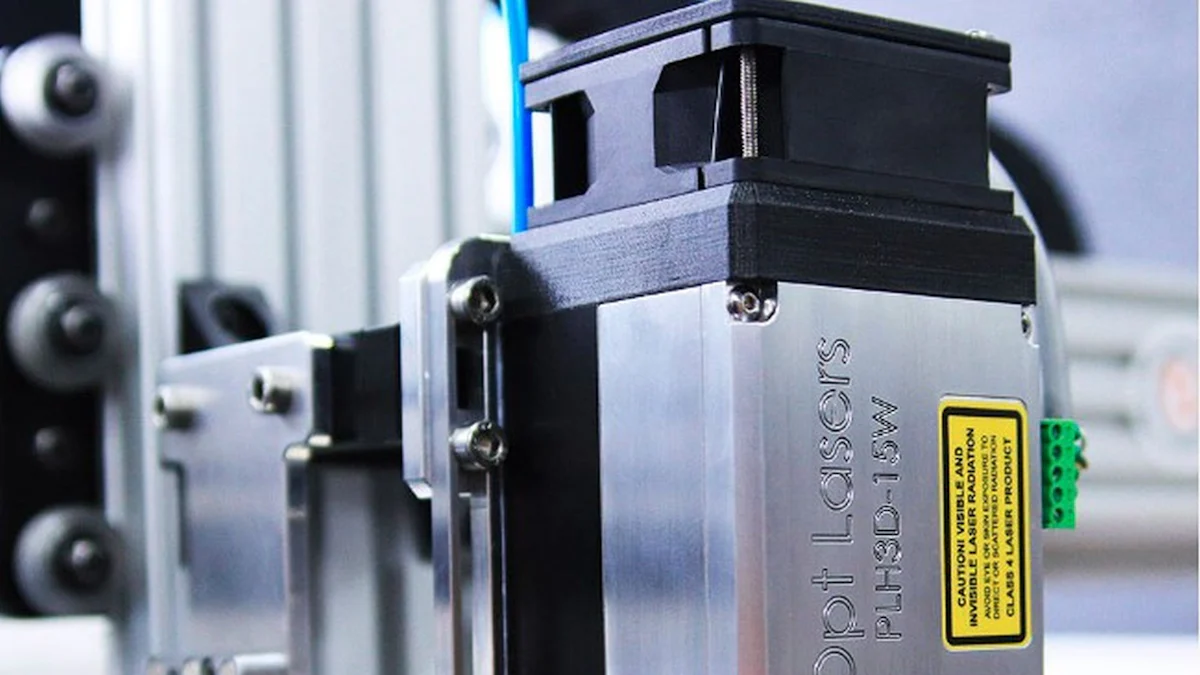
Laser Cutting Machines: Perfect for cutting metals and ceramics with precision, popular in electronics and fashion.
CNC Plasma Cutters: Best for cutting thick metals, commonly used in shipbuilding and heavy machinery.
CNC Water-Jet Cutters: Effective for cutting heat-sensitive materials, useful in aerospace and glass art.
Electric Discharge Machines (EDM): Excellent for shaping hard metals, crucial in mold-making.
CNC Grinding Machines: Used for refining surfaces in automotive and aerospace industries.
5-Axis CNC Machines: Capable of crafting intricate designs, especially valuable in aerospace.
Each machine type offers unique capabilities, enabling you to tackle diverse manufacturing challenges.
Differences between 3-axis, 4-axis, and 5-axis CNC machines
CNC machines also vary in the number of axes they use, which affects their functionality and precision:
3-axis CNC Machines: Suitable for basic tasks like drilling and cutting on the same plane. These machines are less effective for complex geometries.
4-axis CNC Machines: Add a rotational axis, allowing you to machine angled features and cylindrical parts without changing setups.
5-axis CNC Machines: Incorporate two rotational axes, enabling simultaneous movement for crafting highly complex 3D shapes. These machines reduce lead time and improve precision.
Choosing the right machine depends on your project's complexity and precision requirements.
The Evolution of CNC Technology
From Manual to Automated Machining
Transition from manual machining to numerical control
The journey from manual machining to CNC technology revolutionized manufacturing. Initially, machinists relied on manual tools, which required significant skill and time. Numerical control (NC) emerged as a game-changer, allowing you to program machines with precise instructions. This shift reduced human error and improved efficiency. NC paved the way for CNC machining, which further automated processes and enhanced accuracy.
Role of early computers in CNC development
Early computers played a crucial role in advancing CNC systems. They replaced manual programming with software-based control, making manufacturing more adaptable. Key developments included:
The introduction of the APT programming language in 1956, which enabled the first computer-controlled NC machines.
The transition from punch tape to magnetic tape, and eventually to software, which allowed faster adjustments and fewer errors.
These innovations laid the foundation for modern CNC machines, enabling you to achieve higher precision and productivity.
Key Milestones in CNC Advancements
Introduction of CAD/CAM software
The integration of CAD (Computer-Aided Design) and CAM (Computer-Aided Manufacturing) software transformed CNC machining. CAD lets you create detailed 2D or 3D models, while CAM converts these designs into machine instructions. This combination optimizes tool movements, reduces errors, and enhances efficiency. By simulating operations, you can refine processes before production begins, saving time and resources.
Integration of automation and robotics
Automation and robotics have elevated CNC technology to new heights. Robots now work alongside CNC machines, handling tasks like material loading and unloading. This integration boosts productivity and ensures consistent quality. Automated systems also allow you to run operations continuously, maximizing output while minimizing downtime.
Modern CNC Systems
Smart manufacturing and Industry 4.0
Modern CNC systems are at the heart of smart manufacturing, a key component of Industry 4.0. These systems handle diverse materials and produce intricate components with exceptional accuracy. By integrating IoT and data analytics, manufacturers can monitor operations in real time. This capability helps you improve product quality and adapt quickly to customer demands.
IoT and real-time monitoring in CNC systems
IoT has revolutionized CNC systems by enabling real-time monitoring and optimization. Sensors collect data on machine performance, allowing you to identify and address downtime issues. Predictive maintenance strategies ensure timely repairs, reducing unexpected breakdowns. Automated data collection eliminates manual processes, freeing you to focus on higher-value tasks. These advancements make CNC technology indispensable in modern manufacturing.
Applications of CNC Technology in Modern Manufacturing
Automotive Industry
Precision machining of engine components
CNC plays a vital role in producing high-quality parts for the automotive industry. You can rely on CNC machining to create components like cylinder heads, crankshafts, and drive axles with unmatched precision. For example, CNC ensures that cylinder heads and blocks are cut to exact specifications, enabling optimal engine performance. Crankshafts benefit from precise material removal, which enhances engine longevity. By using CNC, you can also achieve reliable performance in suspension and chassis components, ensuring safety and comfort under various driving conditions.
Mass production with consistent quality
CNC technology allows you to maintain consistent quality in mass production. Processes like Statistical Process Control (SPC) and First Article Inspection (FAI) ensure that every part meets strict standards. Whether you’re manufacturing gearboxes, starter motors, or body components, CNC systems deliver precise fits and finishes. This consistency reduces defects and enhances the overall reliability of vehicles. CNC also supports the production of interior panels, enabling experimentation with materials and designs to improve aesthetics and functionality.
Aerospace Industry
Manufacturing complex and lightweight components
CNC machining is indispensable in aerospace manufacturing. You can use it to produce lightweight components that improve fuel efficiency and performance. For instance, CNC enables the fabrication of intricate geometries using advanced materials like aluminum and titanium. These materials offer excellent strength-to-weight ratios, which are crucial for aircraft. CNC systems also excel in processes like milling and drilling, achieving tolerances of just a few microns. This level of precision ensures that components perform reliably under extreme conditions.
CNC machining allows you to create robust yet lightweight parts, meeting the demanding requirements of the aerospace industry. By leveraging this technology, you can enhance both safety and efficiency in aircraft design.
Ensuring safety and reliability through precision
Safety is paramount in aerospace, and CNC technology helps you meet stringent standards. The precision of CNC systems ensures that every component fits perfectly, reducing the risk of failure. For example, CNC machining is used to produce turbine blades and structural components that must withstand high stress and temperature variations. By using CNC, you can achieve the accuracy needed to ensure the safety and reliability of aircraft.
Medical Industry
Production of surgical instruments and implants
CNC technology is revolutionizing the medical field by enabling the production of surgical instruments and implants with exceptional precision. You can achieve tolerances within microns, which is critical for patient safety. CNC machining supports rapid prototyping, allowing you to test and refine designs quickly. This capability is essential for developing new medical devices. Additionally, CNC systems work with biocompatible materials, ensuring that implants and tools are both durable and safe for use.
Customization of prosthetics and medical devices
CNC machining allows you to create customized prosthetics and implants tailored to individual patients. By using imaging techniques, you can design parts that match precise specifications, improving comfort and treatment outcomes. This customization is particularly valuable in orthopedics and dental implants. For complex cases, such as cancer patients, CNC technology ensures that each implant fits perfectly with the patient’s anatomy. This level of precision enhances both functionality and quality of life for patients.
Other Industries
Electronics, furniture, and jewelry manufacturing
CNC technology has transformed industries like electronics, furniture, and jewelry by enabling precise and efficient production. You can see its impact in the creation of intricate designs and high-quality components. The following table highlights some key applications of CNC in these industries:
Industry | CNC Applications |
|---|---|
Electronics | - Metal alloy casing for products like Macbook and iPhone |
- Electronic components, PCBs, housings, jigs, semiconductor manufacturing processes, heat sinks | |
Furniture | - Intricate designs with high precision |
- Accurate production of frameworks for chairs and tables | |
- Custom furniture design catering to unique customer preferences | |
Jewelry | - Custom jewelry production like name pendants and monogram rings |
- Creation of intricate designs requiring high precision | |
- Mold making for mass production of jewelry pieces |
In electronics, CNC machining ensures the precise fabrication of casings and heat sinks, which are essential for product durability and performance. For furniture, CNC allows you to produce detailed frameworks and custom designs that meet unique customer needs. In jewelry, CNC enables the crafting of intricate patterns and molds, ensuring both beauty and consistency.
Prototyping and small-batch production
CNC technology is ideal for rapid prototyping and small-batch production. It offers several advantages that make it indispensable across industries:
Saves costs in materials, setup, and tooling, making it perfect for testing new ideas or producing limited quantities.
Allows quick iterations and modifications during prototyping, helping you accelerate product development.
Minimizes material waste, aligning with sustainability goals.
Adapts easily to design changes or custom requirements, which is crucial in fast-changing markets.
Lets you test the market with small batches, reducing risks tied to large-scale production.
By using CNC for prototyping, you can refine your designs efficiently and bring products to market faster. Its flexibility ensures you can meet evolving demands without compromising quality. Whether you’re creating a new gadget, a custom piece of furniture, or a unique jewelry design, CNC machining provides the precision and adaptability you need.
Benefits of CNC Machining in Manufacturing
Precision and Accuracy
Achieving tight tolerances in manufacturing
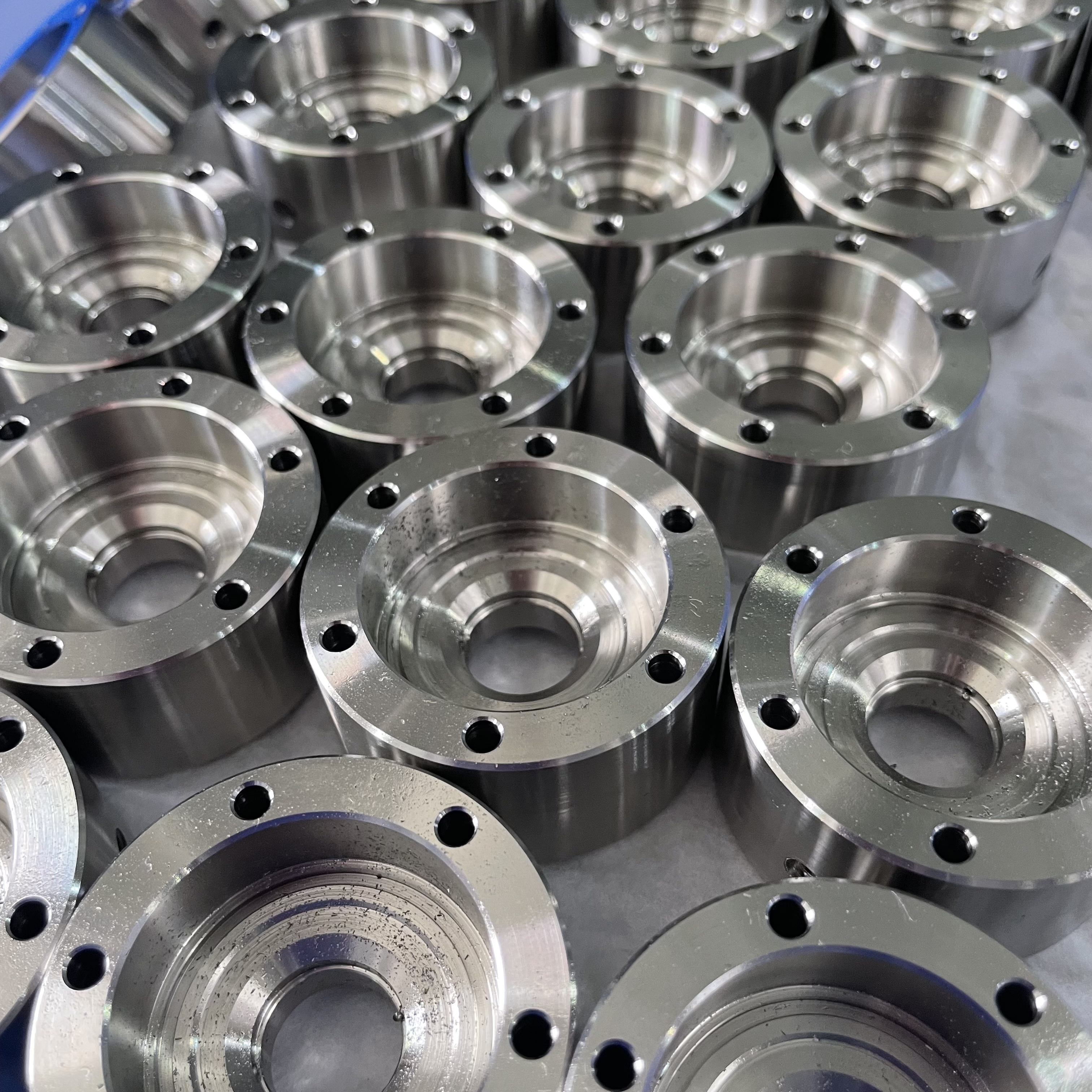
CNC machining allows you to achieve tight tolerances that are essential for industries like aerospace and medical. The automation in CNC systems ensures precision and repeatability in every production cycle. These machines follow pre-programmed commands, enabling them to control multiple axes simultaneously. This capability allows you to create intricate geometries with high accuracy. For example, CNC machines can meet the stringent tolerances required for turbine blades or surgical implants. By minimizing deviations, CNC machining ensures consistent quality across all manufactured parts.
Reducing human error in production
CNC technology significantly reduces human error by automating processes. Machines operate autonomously, requiring minimal supervision. This reduces the likelihood of mistakes caused by manual intervention. For instance, CNC systems can craft complex designs accurately, ensuring fewer defects. The table below highlights how CNC reduces human error:
Evidence Description | Impact on Human Error |
|---|---|
Fewer errors | Reduces production errors to almost zero, minimizing waste. |
Minimal human supervision | Machines operate independently, reducing manual mistakes. |
Ensures quality and accuracy | Improves precision, ensuring consistent product quality. |
By relying on CNC systems, you can enhance efficiency and focus on innovation rather than correcting errors.
Efficiency and Productivity
Faster production cycles with minimal downtime
CNC machines improve production speed by automating repetitive tasks. Flexible Manufacturing Systems (FMS) allow multiple pallets to be processed simultaneously, reducing downtime. Bar feeders ensure a steady supply of materials, while robotic arms handle intricate tasks like tool changes. These features streamline operations, enabling you to complete projects faster. Continuous operation without manual intervention further boosts productivity, allowing you to meet tight deadlines.
Automation of repetitive tasks
Automating repetitive tasks with CNC systems saves time and resources. Tasks like material loading, unloading, and repositioning are handled efficiently by robotic systems. This automation reduces idle time and ensures consistent output. For example, CNC machines equipped with bar feeders can run continuously, increasing uptime. By automating these processes, you can focus on more complex aspects of production, improving overall workflow.
Cost-Effectiveness
Reducing material waste through optimized processes
CNC machining optimizes cutting paths, reducing material waste. This efficiency lowers material costs and supports sustainable manufacturing practices. For instance, CNC systems produce parts with minimal scrap, maximizing material utilization. By reducing waste, you not only save money but also contribute to environmental sustainability.
Lowering labor costs with automated systems
Automation in CNC systems reduces the need for manual labor, leading to significant cost savings. Machines operate continuously, minimizing reliance on human operators. This reduces labor expenses while maintaining high precision and accuracy. Additionally, the reduced need for rework further lowers production costs. By investing in CNC technology, you can achieve long-term savings and improve profitability.
Flexibility and Scalability
Adapting to different materials and designs
CNC technology gives you the ability to work with a wide range of materials and designs. Advanced software like CAD and CAM allows you to make quick design changes without disrupting production. This flexibility ensures you can adapt to evolving customer needs or market trends. Whether you’re working with metals, plastics, or composites, CNC machines handle each material with precision.
Here’s how CNC technology enhances adaptability:
It uses CAD and CAM software to facilitate rapid design modifications.
It supports both small-scale and large-scale production, meeting diverse manufacturing requirements.
It accommodates a variety of materials, making it versatile for different industries.
For example, you can switch from machining aluminum for aerospace components to crafting intricate wooden designs for furniture. This adaptability reduces downtime and maximizes efficiency, helping you stay competitive in dynamic markets.
Scaling production to meet demand
CNC technology enables you to scale production efficiently, whether you need to produce a few prototypes or thousands of units. The machines operate at high speeds, optimizing productivity and reducing production times. This capability is essential for meeting fluctuating demand levels.
Key advantages of scaling with CNC include:
Faster production cycles that allow you to meet tight deadlines.
The ability to create complex designs, helping you respond creatively to market demands.
Support for just-in-time manufacturing, ensuring you can adjust production volumes quickly.
Seamless task switching, which lets you adapt to changing production needs without delays.
For instance, if demand for a product spikes unexpectedly, CNC systems let you ramp up production without compromising quality. This scalability ensures you can respond to market changes effectively, maintaining customer satisfaction and business growth.
CNC technology empowers you to adapt and scale with ease, making it a cornerstone of modern manufacturing. Its flexibility and efficiency ensure you can meet both current and future challenges head-on.
The Future of CNC Technology in Manufacturing
Integration with Artificial Intelligence
Predictive maintenance and process optimization
Artificial intelligence (AI) is reshaping CNC systems by enhancing their efficiency and reliability. You can use AI to optimize cutting paths, reducing waste and speeding up production. Machine learning models analyze historical data to predict tool wear and adjust machining parameters. This approach extends tool life and minimizes downtime. Predictive maintenance powered by AI forecasts potential machine failures by analyzing real-time sensor inputs. This capability decreases maintenance costs by up to 25% and reduces unplanned downtime by 30-40%. By monitoring machine performance in real time, AI ensures reliability and extends equipment lifespan, making operations more cost-effective.
Enhanced decision-making through machine learning
Machine learning enhances decision-making in CNC-driven production. AI systems process vast amounts of data to identify patterns and recommend adjustments. For example, they can suggest optimal machining speeds or tool changes to improve efficiency. These insights help you make informed decisions, reducing errors and improving output quality. By leveraging AI, you can achieve smarter, more adaptive manufacturing processes that respond to changing conditions in real time.
Advancements in Multi-Axis Machining
Increased complexity and precision in part production
Multi-axis CNC machines are revolutionizing part production by enabling simultaneous movement across several axes. This capability allows you to create intricate designs, such as turbine blades and elaborate molds, with unmatched precision. Five-axis machining centers tilt and rotate cutting tools, facilitating the production of complex geometries. These advancements improve accuracy and expand the range of materials you can work with, making multi-axis machining essential for industries like aerospace and medical.
Expanding capabilities for custom manufacturing
Multi-axis CNC machines offer unparalleled versatility for custom manufacturing. With up to 12 axes, these machines provide greater control and allow for the rapid production of intricate designs. You can use them to create complex parts with high accuracy, catering to diverse industries such as automotive and medical. This technology supports rapid prototyping, enabling you to test and refine designs quickly. By adopting multi-axis machining, you can meet unique customer demands while maintaining efficiency and precision.
Sustainability in CNC Manufacturing
Energy-efficient machines and processes
Energy efficiency is becoming a key focus in CNC manufacturing. Modern CNC machines use smaller motors and advanced drive electronics to reduce electricity consumption and heat generation. These energy-efficient technologies save manufacturers thousands of dollars annually in operation costs. The integration of AI and IoT further enhances production efficiency by optimizing processes in real time. In 2024, CNC machining is significantly reducing its carbon footprint, aligning with sustainability goals.
Use of eco-friendly materials and recycling
Sustainability in CNC manufacturing extends to the use of eco-friendly materials and recycling. Many CNC machines can work with recycled metals, biodegradable plastics, and advanced composites made from natural fibers. These materials reduce environmental impact while maintaining product quality. Recycling practices also promote a closed economy system, where excess material is reused. By incorporating green materials and recycling, you can contribute to a more sustainable future without compromising performance.
The transformative power of CNC technology lies in its ability to integrate AI, enhance multi-axis machining, and embrace sustainability. These advancements ensure that CNC systems remain at the forefront of modern manufacturing.
CNC technology has revolutionized manufacturing by giving you tools to achieve precision, efficiency, and innovation. Its applications span industries like aerospace, automotive, and medical, proving its versatility. You can rely on CNC systems to reduce errors, save time, and scale production effortlessly.
🚀 Future Outlook: Advancements in AI and multi-axis machining will push CNC technology even further. These innovations will help you meet evolving demands while staying competitive.
By adopting CNC technology, you position yourself at the forefront of industrial progress, ready to embrace the future of manufacturing.
FAQ
What industries benefit the most from CNC technology?
CNC technology benefits industries like aerospace, automotive, medical, electronics, and furniture. You can use it to produce precise components, lightweight parts, and intricate designs. Its versatility also supports prototyping and small-batch production, making it valuable across diverse sectors.
How does CNC machining improve manufacturing efficiency?
CNC machining automates repetitive tasks, reduces downtime, and optimizes material usage. You can achieve faster production cycles and consistent quality. Features like real-time monitoring and predictive maintenance further enhance efficiency, allowing you to focus on innovation.
Can CNC machines work with different materials?
Yes, CNC machines handle a wide range of materials, including metals, plastics, wood, and composites. You can switch between materials easily, making CNC technology adaptable for various industries and applications.
What is the difference between 3-axis and 5-axis CNC machines?
3-axis machines move along three linear axes (X, Y, Z), suitable for basic tasks. 5-axis machines add two rotational axes, enabling you to create complex 3D shapes with greater precision. These machines are ideal for intricate designs in aerospace and medical fields.
Is CNC technology cost-effective for small businesses?
CNC technology reduces labor costs, minimizes material waste, and ensures consistent quality. For small businesses, you can use it for prototyping and small-batch production, saving time and resources. Its scalability also allows you to grow operations without significant additional investment.
💡 Tip: Start with a basic CNC machine to explore its potential before scaling up.
See Also
CNC Machining Innovations Revolutionizing Precision Manufacturing Techniques
Exploring CNC Technology: Advances and Applications in Manufacturing
A Deep Dive Into Recent CNC Processing Plant Innovations
Understanding CNC Precision Machining: Benefits and Emerging Trends
Unveiling Seven Essential Advantages of CNC Machining Techniques
About US
Follow Us
Your prototype holds unparalleled significance, and we deeply value its uniqueness. Collaborating with you during the preparation phase for running your prototype or parts is a commitment we gladly embrace. Whether it's a single part or a complex assembly, we are dedicated to selecting the optimal tools and pathways to bring your envisioned product to life.
At Precision Fab CNC Machining, we specialize in producing parts for prototypes, short runs, and high-volume production. Our prototyping machine capabilities extend across metal, plastic, and wood machining, with welding fabrication services available to complement and finalize your prototype if required.
Address
Address: Room320 10F, Building A,Nanshan international building, Dayawan District, Huizhou, Guangdong, 516001 China
Contacts
billy@timaycnc.com