Why CNC Precision Parts Are Ideal for Producing Functional Prototypes

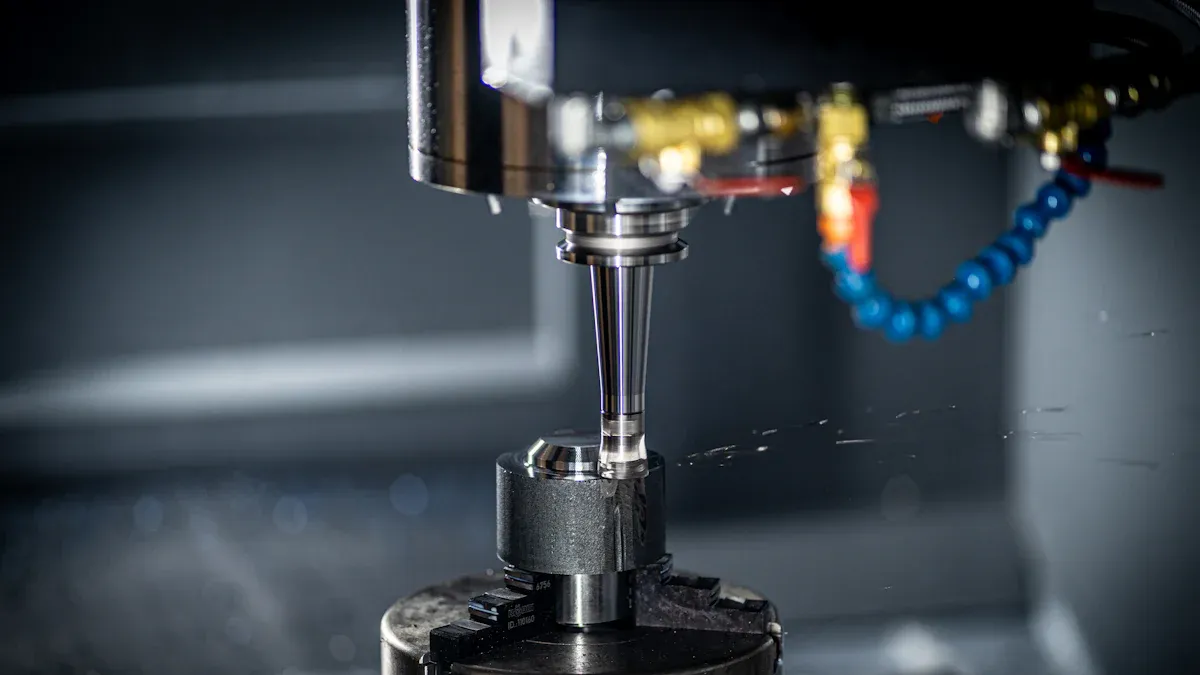
CNC precision machining application delivers unmatched accuracy, achieving tolerances as tight as 0.0001 inches. This precision ensures functional prototypes match digital designs, reducing material waste and reworks. Industries like aerospace, medical, and automotive rely on CNC for creating prototypes that replicate real-world functionality, making it the go-to solution for high-quality, reliable results.
Key Takeaways
CNC machines are very precise, with accuracy up to 0.0001 inches. This helps prototypes match digital designs perfectly.
CNC machines work fast, making prototypes quickly without using molds. This speeds up changes and gets products ready for the market faster.
CNC machines can use many materials. This helps make prototypes that look and feel like real products for different industries.
The Importance of Precision in CNC Prototype Machining
Why precision matters for functional prototypes
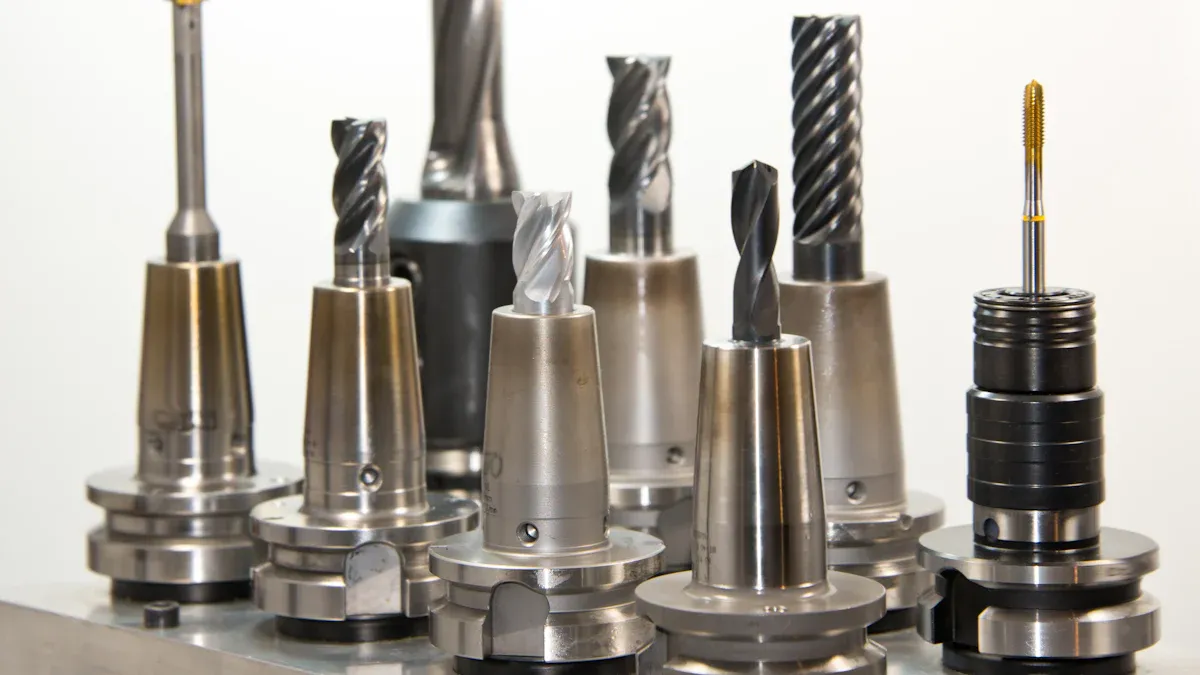
Precision is the cornerstone of creating functional prototypes. When you develop a prototype, every detail matters. CNC machining ensures that your prototypes achieve dimensional accuracy, which is critical for testing and performance. Unlike other methods, CNC machining for prototyping delivers tight tolerances, typically around ± 0.005 inches (0.13 mm). This level of precision allows you to replicate real-world functionality, ensuring that your prototype performs as intended. Without precision, prototypes may fail to meet design specifications, leading to costly revisions and delays.
How CNC machining ensures tight tolerances
CNC machines excel at maintaining tight tolerances through advanced technology and automation. These machines follow digital designs with unmatched accuracy, ensuring that each cut, drill, or mill aligns perfectly with the specifications. For example, a 3-axis milling machine can achieve tolerances of ± 0.005 inches, which surpasses many alternative prototyping methods. The table below highlights how CNC compares to other processes:
Process | Tolerance |
|---|---|
Milling (3-axis) | ± 0.005″ (0.13 mm) |
Lathe | ± 0.005″ (0.13 mm) |
Steel Rule Die Cutting | ± 0.015″ (0.381 mm) |
This precision ensures that your prototypes are reliable and ready for testing.
The role of precision in prototype testing and performance
Precision directly impacts how well your prototype performs during testing. CNC precision machining application ensures that components align perfectly with digital designs, reducing flaws and improving functionality. For instance, achieving tolerances as tight as 0.0001 inches ensures that your prototype meets real-world application requirements. This accuracy allows you to identify potential issues early, saving time and resources before mass production.
Speed and Efficiency in CNC Rapid Prototyping
Accelerating prototype production with CNC machining
CNC machining significantly accelerates the production of functional prototypes. By converting digital designs into physical models with unmatched speed, you can reduce project timelines and move closer to market readiness. Unlike traditional methods, CNC rapid prototyping eliminates the need for molds or manual fabrication, allowing parts to be produced in just days or even hours. This efficiency ensures that your design process remains agile and responsive to changes.
The impact of automation on lead times
Automation in CNC machining has revolutionized prototyping processes. Smart manufacturing technologies enhance efficiency, accuracy, and reliability, enabling faster production cycles. Automated systems handle complex tasks like tool selection and part repositioning, reducing manual intervention and minimizing errors. With CNC machines capable of producing identical parts consistently, you can achieve shorter lead times without compromising quality. This streamlined approach not only saves time but also reduces costs, making CNC precision machining application an invaluable tool for rapid prototyping.
Benefits of rapid iteration in product development
CNC machining supports rapid iteration, a critical aspect of modern product development. You can quickly modify designs and re-machine parts when flaws are detected, ensuring continuous improvement. CNC machines also allow you to switch between different materials and designs effortlessly, making them ideal for experimental or customized prototypes. By using material blocks that mimic production materials, CNC rapid prototyping provides accurate previews of final products. This iterative process fosters innovation and helps you refine your prototypes to meet real-world application requirements.
Material Versatility in CNC Machining for Prototyping
Supporting a wide range of materials for realistic prototypes
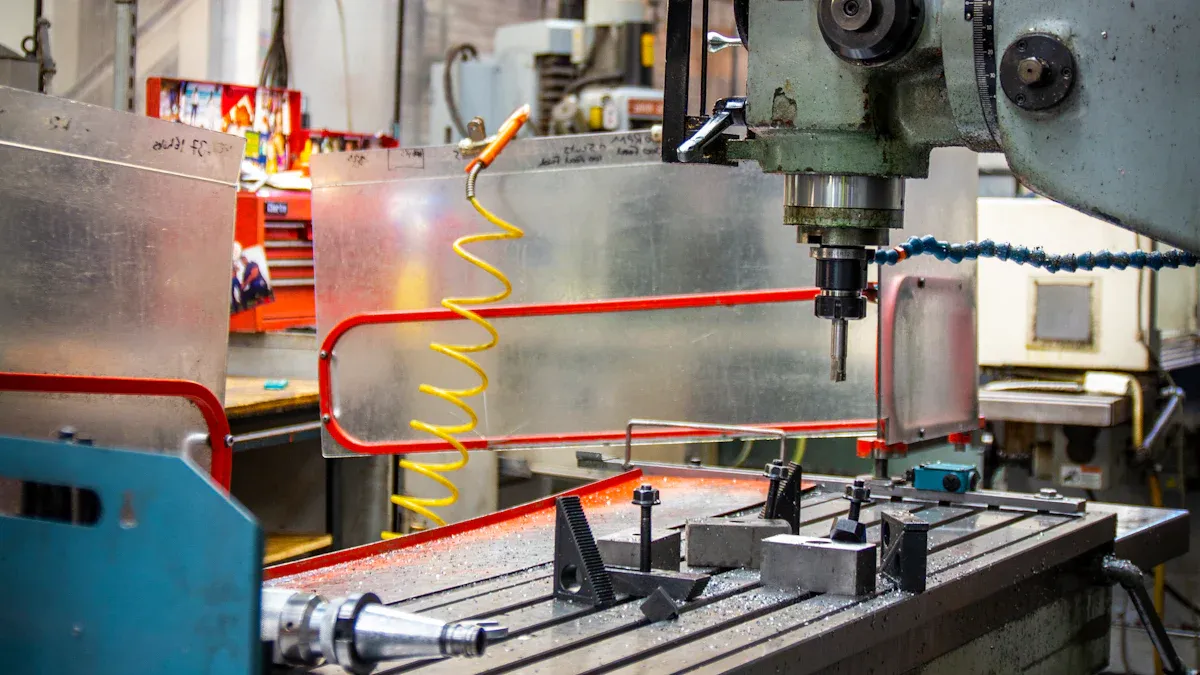
CNC machining offers unmatched versatility by supporting a broad spectrum of materials. This flexibility allows you to create prototypes that closely mimic the final product. Whether you need metals like aluminum or stainless steel for strength or plastics like ABS and polycarbonate for lightweight durability, CNC machining has you covered. Composites, known for their strength-to-weight ratio, are also an excellent choice for specialized applications. This adaptability ensures that your prototypes meet the specific demands of your project, whether for aerospace, automotive, or consumer electronics.
Material Type | Properties | Applications |
|---|---|---|
Metals | Strength, durability | Automotive, aerospace |
Plastics | Lightweight, easy to process | Consumer electronics, medical devices |
Composites | Impact resistance, strength-to-weight ratio | Aerospace, automotive |
How material selection enhances prototype functionality
Choosing the right material directly impacts the functionality of your prototype. For example, metals provide the strength needed for structural components, while plastics offer flexibility and cost-effectiveness for consumer products. Composites combine lightweight properties with durability, making them ideal for industries like aerospace. By selecting materials that align with your prototype's intended use, you can ensure better performance during functional testing. This approach also helps you identify potential design flaws early, saving time and resources.
Tip: Consider factors like machinability, dimensional stability, and material costs when selecting materials for CNC machining. These factors influence production efficiency and prototype quality.
Common materials used in CNC precision machining applications
CNC machining for prototyping accommodates a wide range of materials, making it suitable for diverse industries. Commonly used materials include:
Metals: Aluminum, brass, copper, stainless steel, steel
Plastics: PEEK, ABS, Acetal, nylon, polycarbonate, PVC, HDPE, LDPE
Composites: Known for their impact resistance and lightweight properties
Plastics are particularly popular due to their low cost and ease of machining. They are ideal for projects requiring high durability and intricate designs. Composites, on the other hand, are perfect for applications where strength and weight are critical. This material versatility ensures that CNC precision machining application meets the unique needs of your prototyping projects.
Cost-Effectiveness and Scalability in CNC Prototype Machining
Balancing affordability and quality in CNC machining
CNC machining strikes a perfect balance between affordability and quality, making it an excellent choice for prototyping. Unlike injection molding, which requires expensive molds, CNC machining eliminates the need for fixed tooling. This reduces upfront costs, especially for small-scale projects. Additionally, CNC machines produce parts with high precision, ensuring prototypes meet exact specifications without requiring costly reworks.
The table below compares the costs of CNC machining with other prototyping methods:
Prototyping Method | Setup Costs | Per-Unit Cost | Best for |
|---|---|---|---|
CNC Machining | Low | Medium | Functional Prototypes, Small Batches |
3D Printing | Very Low | Low | Complex Geometries, Fast Prototypes |
Injection Molding | High (Mold Cost) | Very Low (High Volume) | Mass Production |
This cost-effectiveness allows you to create high-quality prototypes without exceeding your budget.
Supporting both small-scale and large-scale prototyping
CNC machining offers unmatched scalability, making it suitable for both small and large production volumes. You can easily adjust production quantities to meet changing demands. This flexibility ensures that you can respond quickly to market needs while maintaining consistent quality.
CNC machines adapt seamlessly to varying production volumes.
They produce large quantities of precision-machined parts efficiently.
This scalability reduces costs associated with multiple production batches.
By maintaining optimal inventory levels, CNC machining helps you deliver the right quantity of prototypes or products at the right time.
Reducing waste and optimizing resources with CNC technology
CNC technology minimizes material waste by machining parts directly from material blocks. This precision reduces excess material usage, ensuring prototypes are reliable and cost-effective. Unlike traditional methods, CNC machining avoids the need for molds, which often result in wasted materials during design iterations.
Additionally, CNC machining supports environmentally friendly practices. It generates less waste compared to other methods like injection molding. By maintaining tight tolerances, CNC machines reduce errors and scrap, further optimizing resource usage. This efficiency not only lowers costs but also contributes to sustainable prototyping practices.
Replicating Real-World Functionality with CNC Precision Machining
Mimicking final product design and performance
CNC machining excels at replicating the design and performance of final products. By achieving high dimensional accuracy, it ensures that prototypes closely match the specifications of the intended product. This process eliminates inconsistencies often seen in manual methods, providing uniform quality across production runs. Whether you need intricate geometries or tight tolerances, CNC machining delivers precision prototypes that meet your exact requirements. Industries like aerospace and medical devices rely on this consistency to create parts that perform reliably in critical applications.
The importance of functional testing in prototyping
Functional testing is a crucial step in prototyping. CNC machining supports this by enabling rapid and precise creation of prototypes. You can test designs efficiently, ensuring they meet performance expectations before moving to mass production. The versatility of CNC machining allows you to use materials that mimic the final product, providing realistic testing conditions. For example, metals like aluminum or plastics like ABS can be used to evaluate strength, durability, and functionality. This approach helps you identify flaws early, saving time and resources.
Ensuring prototypes meet real-world application requirements
CNC machining ensures prototypes meet real-world application requirements through advanced quality control measures. These include raw material inspection, in-process checks, and final inspections. By maintaining tight tolerances and high precision, CNC machining guarantees that prototypes align with design specifications. This process allows you to test and refine your designs, ensuring they perform as intended in real-world conditions. Additionally, the ability to quickly modify prototypes supports iterative design, helping you perfect your product before launch.
CNC machining offers unmatched advantages for prototyping. You benefit from precision, speed, material versatility, and cost-effectiveness. It ensures prototypes meet real-world functionality while supporting rapid design changes. With its ability to replicate final product performance, CNC machining remains the best choice for creating high-quality prototypes. Explore the benefits of cnc machined prototypes to elevate your product development process.
FAQ
What industries benefit the most from CNC precision machining for prototypes?
Industries like aerospace, automotive, medical devices, and consumer electronics rely on CNC machining. It ensures prototypes meet strict performance, durability, and functionality standards for real-world applications.
How does CNC machining compare to 3D printing for prototyping?
CNC machining offers better precision, material versatility, and strength. 3D printing excels at creating complex geometries quickly but lacks the durability and material options CNC machining provides.
Tip: Use CNC machining for functional prototypes requiring high precision and strength. Choose 3D printing for rapid, low-cost iterations with intricate designs.
Can CNC machining handle custom or complex designs?
Yes, CNC machining handles custom and complex designs with ease. Advanced multi-axis machines create intricate geometries while maintaining tight tolerances, ensuring your prototype matches your exact specifications.
See Also
Achieving Precision in Parts Manufacturing Through CNC Machining
Improving Accuracy and Efficiency in CNC Prototyping Solutions
Investigating CNC Machining Services for High-Quality Manufacturing
Streamlined CNC Machining Services for Accurate Manufacturing Needs
Understanding CNC Precision Parts Processing in Today's Manufacturing
About US
Follow Us
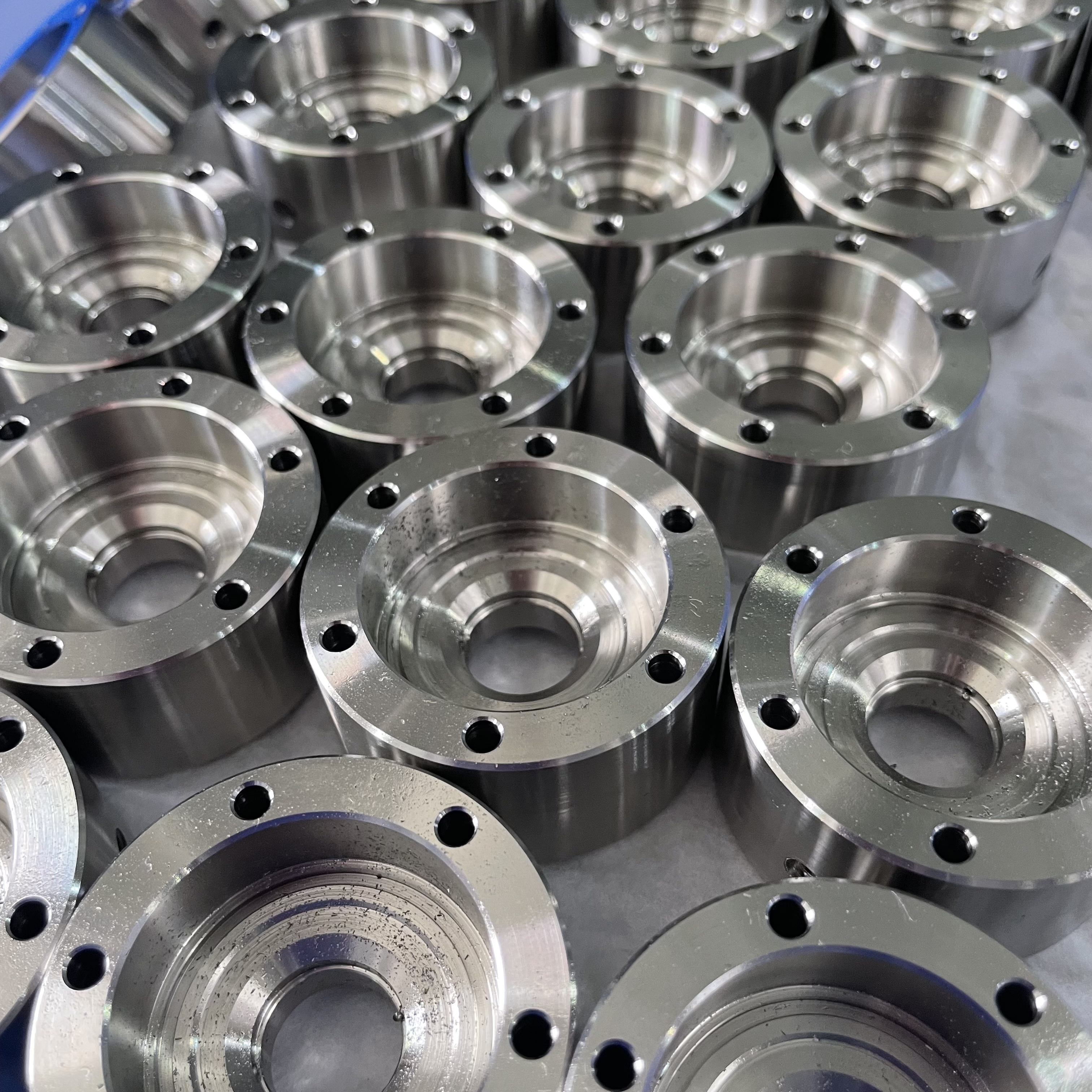
Your prototype holds unparalleled significance, and we deeply value its uniqueness. Collaborating with you during the preparation phase for running your prototype or parts is a commitment we gladly embrace. Whether it's a single part or a complex assembly, we are dedicated to selecting the optimal tools and pathways to bring your envisioned product to life.
At Precision Fab CNC Machining, we specialize in producing parts for prototypes, short runs, and high-volume production. Our prototyping machine capabilities extend across metal, plastic, and wood machining, with welding fabrication services available to complement and finalize your prototype if required.
Address
Address: Room320 10F, Building A,Nanshan international building, Dayawan District, Huizhou, Guangdong, 516001 China
Contacts
billy@timaycnc.com