How CNC Precision Part Manufacturing Ensures Consistency and Quality

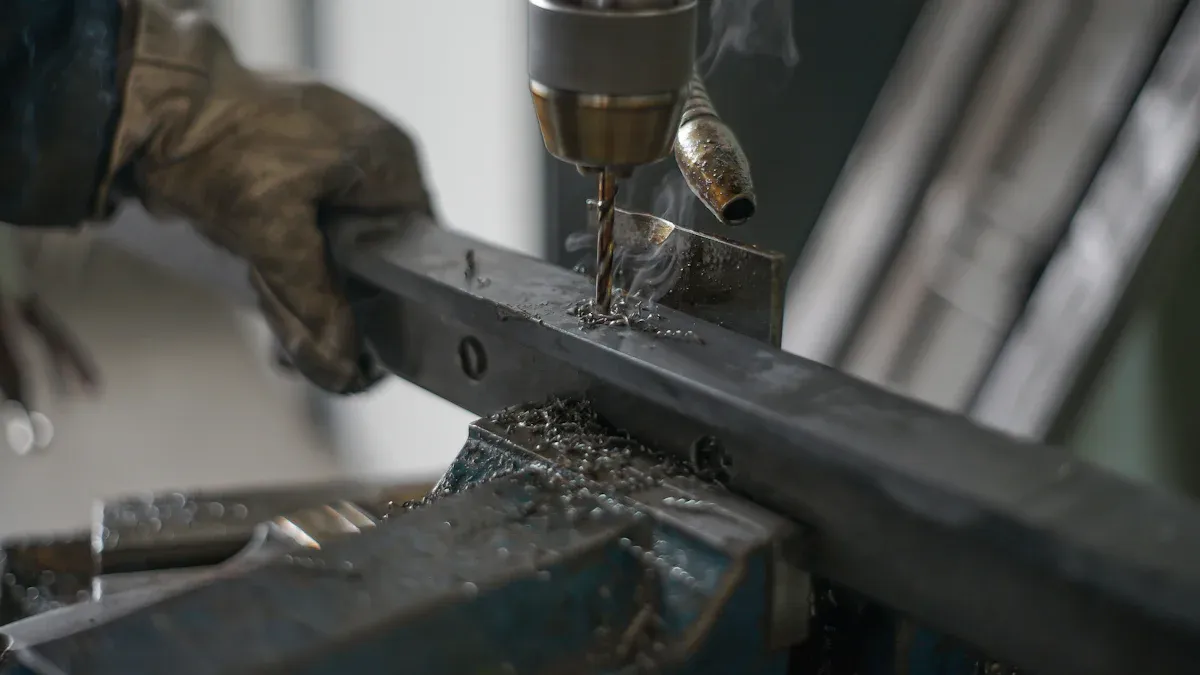
CNC precision part manufacturing delivers unmatched consistency and precision. You benefit from advanced technology that ensures micron-level accuracy, reducing waste and rework. Industries like aerospace and medical rely on this process for safety-critical components. Rigorous quality control guarantees dimensional accuracy and surface finishes, making CNC machining essential for reliable, high-quality production.
Key Takeaways
CNC machines make parts with the same quality every time.
Automation lowers mistakes, works faster, and runs all day. This makes it great for making many parts at once.
Good materials and smart software help create exact designs. This makes parts strong and correct.
CNC Technology and Precision Capabilities
Automation and Accuracy in CNC Machining
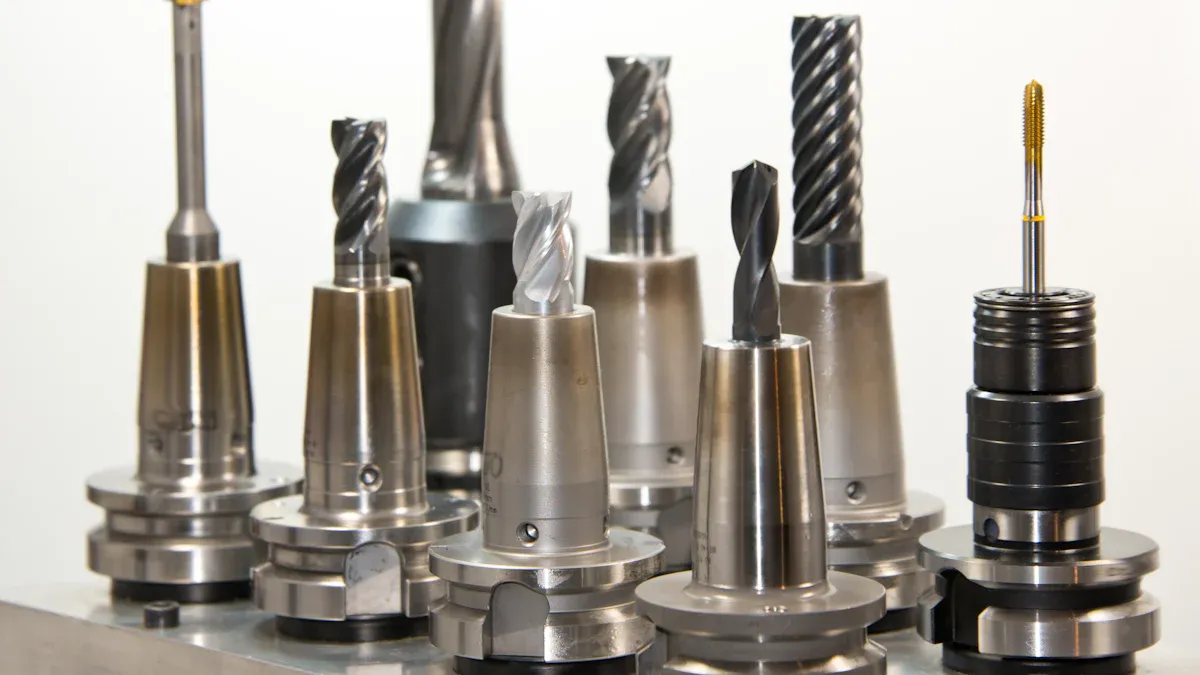
Automation in CNC machining revolutionizes the manufacturing process by enhancing both speed and accuracy. Automated systems reduce the need for manual intervention, minimizing the risk of human error. This ensures that each part produced meets exact specifications. For example, CNC machines can operate continuously, producing identical parts with consistent quality. This capability is especially valuable for mass production, where even minor deviations can lead to significant waste.
Automation also improves efficiency. Built-in tool changers and automatic adjustments reduce setup time, allowing you to focus on other critical tasks. With CNC machining, you can achieve high precision and faster production cycles, making it an ideal solution for industries requiring tight tolerances and intricate designs.
Benefit | Explanation |
|---|---|
Elimination of human error | Automation reduces the chances of mistakes that can occur with manual labor, enhancing accuracy. |
Continuous operation | CNC machines can run 24/7 without breaks, significantly speeding up production times. |
Consistency in production | Producing identical parts ensures quality and minimizes defects, crucial for mass production. |
Reduced setup time | Built-in tool changers and automatic adjustments decrease the time needed for setup. |
Achieving Tight Tolerances and Complex Designs
CNC machining excels at creating intricate geometries with high precision. Advanced CAD/CAM software enables seamless transitions from design to production, ensuring accurate tool paths. This allows you to produce parts with tolerances as tight as +/- 0.0005” for critical applications like bearing shafts or interference fits. Such precision is essential for secondary assembly processes, where even slight deviations can cause assembly failures.
Prototypes also benefit from tight tolerances, as they must function like final products. Whether you need complex designs or high precision, CNC machining ensures your parts meet the most demanding requirements.
Reducing Human Error with Advanced Systems
Advanced machinery and technology in CNC machining significantly reduce human error. Automation programs machines to perform specific tasks with precision. Real-time monitoring systems use sensors to adjust processes on the fly, ensuring consistent quality. CAD/CAM software further enhances accuracy by designing and programming the production process.
These systems work together to deliver high precision and reliability. By minimizing manual handling, you can trust CNC machining to produce parts that meet exact specifications every time.
Quality Control in CNC Precision Manufacturing
Inspection and Monitoring Processes
Effective inspection and monitoring processes are essential for maintaining dimensional accuracy and ensuring strict quality control in CNC machining. You can rely on tools like Coordinate Measuring Machines (CMM) to measure complex geometries with precision. Surface roughness testers, such as profilometers, help assess texture, while hardness testing equipment like Rockwell and Brinell testers evaluate material strength. These tools ensure that every part meets your quality standards.
Visual inspection also plays a critical role. Skilled operators compare parts against engineering drawings to verify dimensional accuracy. Non-destructive testing methods, including ultrasonic and X-ray inspections, detect internal flaws without damaging the part. Statistical Process Control (SPC) software further enhances quality control measures by monitoring process stability and identifying deviations early. These inspections ensure traceability and consistent quality checks throughout production.
Adherence to Industry Standards
Industry standards form the backbone of quality control measures in CNC machining. Certifications like ISO 9001 demonstrate your commitment to meeting customer expectations and regulatory requirements. For aerospace manufacturing, AS9100 adds stringent safety and quality criteria, ensuring parts meet the highest standards.
These standards guide your processes, ensuring traceability and dimensional accuracy. By adhering to them, you can maintain strict quality control and deliver reliable products. Whether you work in automotive, aerospace, or medical industries, compliance with these standards ensures your parts meet industry-specific demands.
Role of Data and Analytics in Quality Control
Data analytics revolutionizes quality control in CNC machining. Real-time data monitoring allows you to detect deviations early, ensuring product quality remains consistent. When issues arise, immediate corrective actions prevent small problems from escalating. This proactive approach maintains dimensional accuracy and reduces waste.
Analytics also enhances traceability. By tracking production data, you can identify patterns and optimize processes. This ensures your quality control measures remain effective and adaptable. Leveraging data analytics not only improves quality checks but also boosts overall efficiency in your manufacturing operations.
Skilled Operators and Continuous Training
Enhancing Machine Performance Through Expertise
Skilled operators play a vital role in maximizing the performance of CNC machines. Their expertise ensures that machines run efficiently and produce high-quality parts. To excel in this field, you need to master several key skills:
Understand G-code and M-code fundamentals to program and troubleshoot machines effectively.
Gain proficiency in CAD/CAM software for toolpath generation and simulation.
Learn to identify risks, inefficiencies, and opportunities at every step of the process.
These skills allow you to optimize machine performance and maintain precision. Operators who understand the implications of each action can prevent errors and improve productivity. By investing in a qualified workforce and ongoing training, you ensure that your team remains capable of handling complex machining tasks.
Tip: Regularly practicing CNC programming and simulation can sharpen your skills and boost confidence in handling advanced machinery.
Keeping Up with Technological Advancements
The rapid evolution of technology demands that you stay updated on the latest advancements in CNC machining. Emerging trends like artificial intelligence (AI) and Internet of Things (IoT) are transforming manufacturing processes. AI enhances efficiency through predictive maintenance, while IoT enables real-time monitoring and optimization.
Other advancements include multi-axis machining, which increases precision and reduces setup times, and high-speed machining (HSM), which improves surface finishes. Hybrid manufacturing, combining additive and subtractive methods, offers new possibilities for complex part production. Staying informed about these innovations ensures that you remain competitive in the industry.
Collaboration Between Teams for Better Results
Collaboration between teams significantly improves outcomes in CNC precision manufacturing. Partnering with technology companies helps you access the latest machines and software, enabling customized solutions. Working with educational institutions ensures a steady supply of skilled workers trained in modern CNC processes.
Engaging with other manufacturers fosters innovation through shared resources and collaborative R&D projects. These partnerships reduce costs and accelerate product development. By fostering teamwork, you create an environment where knowledge and resources are shared, leading to better results and higher efficiency.
Note: Collaboration not only enhances manufacturing processes but also strengthens relationships within the industry, paving the way for long-term success.
Tools, Materials, and Software for Precision
High-Quality Cutting Tools and Materials
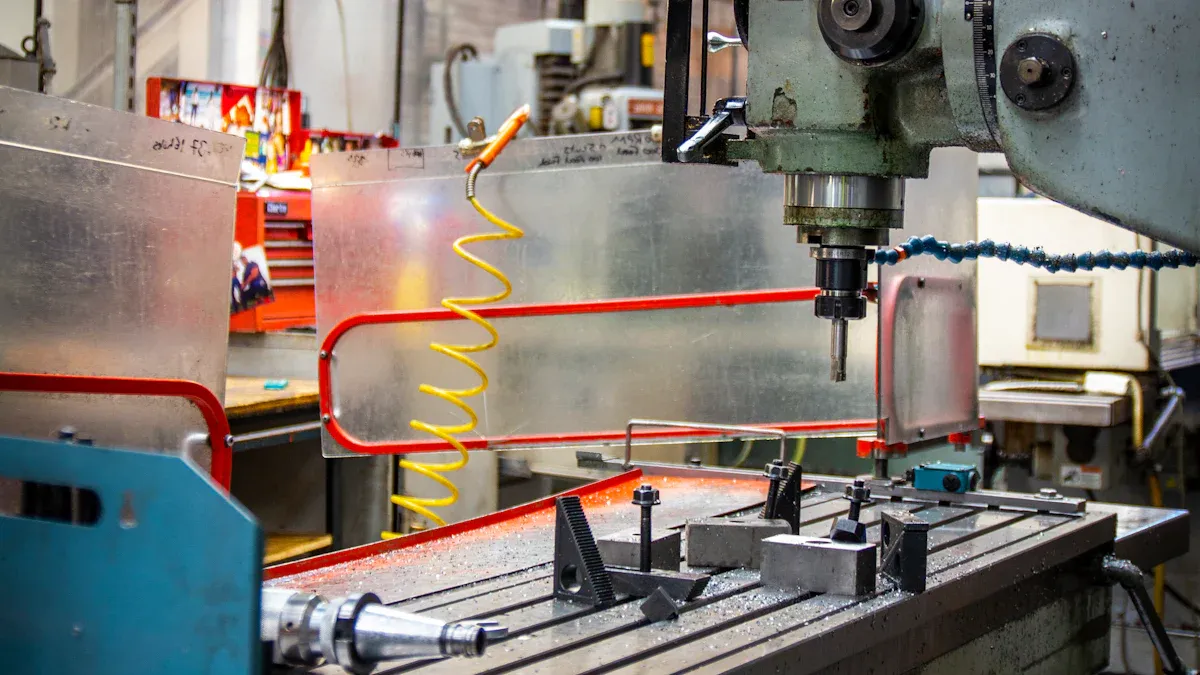
Using high-quality materials and advanced tooling ensures precision and durability in CNC machining. Premium materials minimize imperfections, delivering accurate prototypes and production parts. For example, tool steel grades like D2 and A2 offer wear resistance and dimensional stability, making them ideal for cutting tools and dies.
Tool Steel | Characteristics | Common Uses |
|---|---|---|
D2 | Wear-resistant, retains hardness up to 425°C | Cutting tools, dies |
A2 | Good toughness, excellent dimensional stability | Injection molding dies |
O1 | High hardness of 65 HRC | Knives, cutting tools |
Tool wear significantly impacts the quality of machined parts. A worn tool can cause dimensional inaccuracies and poor surface finish. Regular checks and maintenance of tooling help sustain optimal performance and reduce long-term costs. High-quality materials also enhance durability, ensuring finished parts perform reliably across industries like automotive and medical.
Tip: Consistent quality depends on using advanced tooling and equipment that meet strict industry standards.
CAD/CAM Software for Design and Manufacturing
CAD/CAM software plays a vital role in CNC machining by bridging the gap between design and production. CAD software allows you to create detailed 2D or 3D models with intricate specifications. CAM software then translates these designs into precise instructions for CNC machines, optimizing tool movements and speeds. This integration minimizes errors during the transition from design to production, ensuring efficiency and accuracy.
By automating the manufacturing process, CAM software reduces human error and shortens production times. It also identifies geometrical errors early, streamlining workflows. These features ensure high-quality products with consistent surface finishes, even for complex geometries.
Maintenance Practices for Sustained Precision
Preventive maintenance is essential for keeping CNC machines running smoothly. Regular lubrication prevents wear on moving parts, while coolant management ensures proper heat dissipation. Monitoring fluid levels and maintaining coolant systems help avoid overheating during high-speed operations.
Routine cleaning and component inspections also play a critical role. Removing debris and calibrating machine tools regularly maintain machining accuracy and extend the life of your equipment. Keeping thorough maintenance records and training employees on best practices further enhances machine performance.
Note: A clean and well-maintained machine environment prevents degradation and ensures sustained precision.
Benefits of Precision CNC Machining
Reduced Waste and Improved Efficiency
Precision CNC machining minimizes material waste and enhances efficiency in your manufacturing processes. CNC machines use CAD software to make precise cuts and drill holes, reducing errors and material scrapping. Automation eliminates human error, ensuring consistent production of identical parts. This consistency improves quality control and reduces waste.
CNC machines optimize material usage by performing complex cuts that manual methods cannot achieve.
Automated systems streamline workflows, saving time and resources.
Efficient machining paths extend tool life, lowering operational costs.
By reducing waste and improving efficiency, CNC machining supports sustainable manufacturing practices while maintaining high production consistency.
Consistent Quality and Customer Satisfaction
Precision CNC machining ensures consistent product quality, which directly impacts customer satisfaction. Advanced CAD/CAM software eliminates human error, producing uniform components with micron-level accuracy. Rigorous quality control measures identify potential issues early, ensuring parts meet specific standards.
Testing and inspection procedures guarantee reliable performance.
Compliance with industry standards builds trust and mitigates risks.
Real-time monitoring ensures precision and consistent output.
When you deliver high-quality products consistently, you enhance customer trust and satisfaction, fostering long-term relationships.
Cost-Effectiveness and Scalability
CNC machining offers a cost-effective and scalable solution for manufacturers. Selecting materials like aluminum, which are easier to machine, reduces costs. Economies of scale lower unit costs as production volumes increase. Optimized machining paths save time and extend tool life, further reducing expenses.
Quality control measures minimize errors and rework, cutting costs.
Continuous improvement practices eliminate waste and boost efficiency.
CNC machining adapts to high-volume production, meeting growing demands.
This combination of cost-effectiveness and scalability makes CNC machining an ideal choice for manufacturers aiming to balance quality and affordability.
CNC precision part manufacturing ensures consistent quality through advanced technology, strict quality control, skilled operators, and premium tools. These practices reduce waste, improve efficiency, and enhance customer satisfaction.
Partnering with a reliable CNC manufacturer offers several advantages:
Advanced machinery and experienced engineers ensure consistent, high-precision results.
Strict inspections maintain high-quality standards and eliminate errors.
Skilled technicians improve designs and streamline production processes.
Reliable manufacturers deliver projects on time, reducing costs and boosting efficiency.
By choosing the right CNC partner, you achieve superior results and maintain a competitive edge.
FAQ
What industries benefit the most from CNC precision part manufacturing?
Industries like aerospace, medical, automotive, and electronics rely on CNC machining for its ability to produce high-precision, safety-critical, and complex components efficiently.
How does CNC machining ensure consistent quality?
CNC machining uses automation, advanced software, and rigorous quality control processes to produce identical parts with micron-level accuracy, ensuring consistent quality across production runs.
Can CNC machining handle custom designs?
Yes, CNC machining excels at creating custom designs. CAD/CAM software translates your unique specifications into precise instructions, enabling the production of intricate and tailored components.
See Also
Grasping Quality Assurance in Precision Component Production
Recognizing the Significance of Precision CNC Machining Techniques
Excelling in CNC Machining for Accurate Component Fabrication
A Comprehensive Guide to CNC Precision Component Production
Comprehending the Order of Precision Mechanical Components in CNC
About US
Follow Us
Your prototype holds unparalleled significance, and we deeply value its uniqueness. Collaborating with you during the preparation phase for running your prototype or parts is a commitment we gladly embrace. Whether it's a single part or a complex assembly, we are dedicated to selecting the optimal tools and pathways to bring your envisioned product to life.
At Precision Fab CNC Machining, we specialize in producing parts for prototypes, short runs, and high-volume production. Our prototyping machine capabilities extend across metal, plastic, and wood machining, with welding fabrication services available to complement and finalize your prototype if required.
Address
Address: Room320 10F, Building A,Nanshan international building, Dayawan District, Huizhou, Guangdong, 516001 China
Contacts
billy@timaycnc.com