Why CNC Precision Machining Reduces Waste and Increases Efficiency

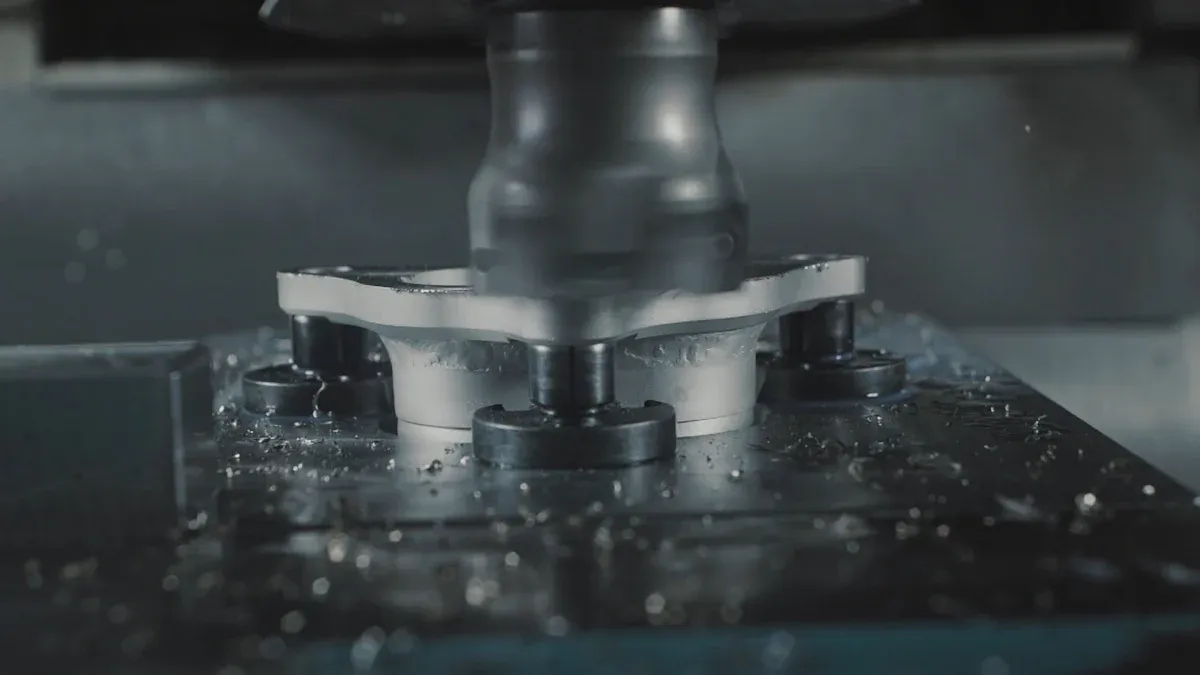
CNC machining transforms manufacturing by delivering unmatched precision and efficiency. You can achieve faster production with minimal downtime, as CNC machines execute pre-programmed tool paths at high speeds. Unlike traditional methods, they reduce material waste through accurate cutting and eliminate errors caused by manual intervention. This ensures consistent, high-quality CNC Precision Part production.
Key Takeaways
CNC machines cut materials exactly, wasting less and saving money.
These machines work automatically, reducing mistakes and making products faster.
Recycling leftover materials in CNC machining helps the planet and saves cash.
CNC Machining and Waste Reduction
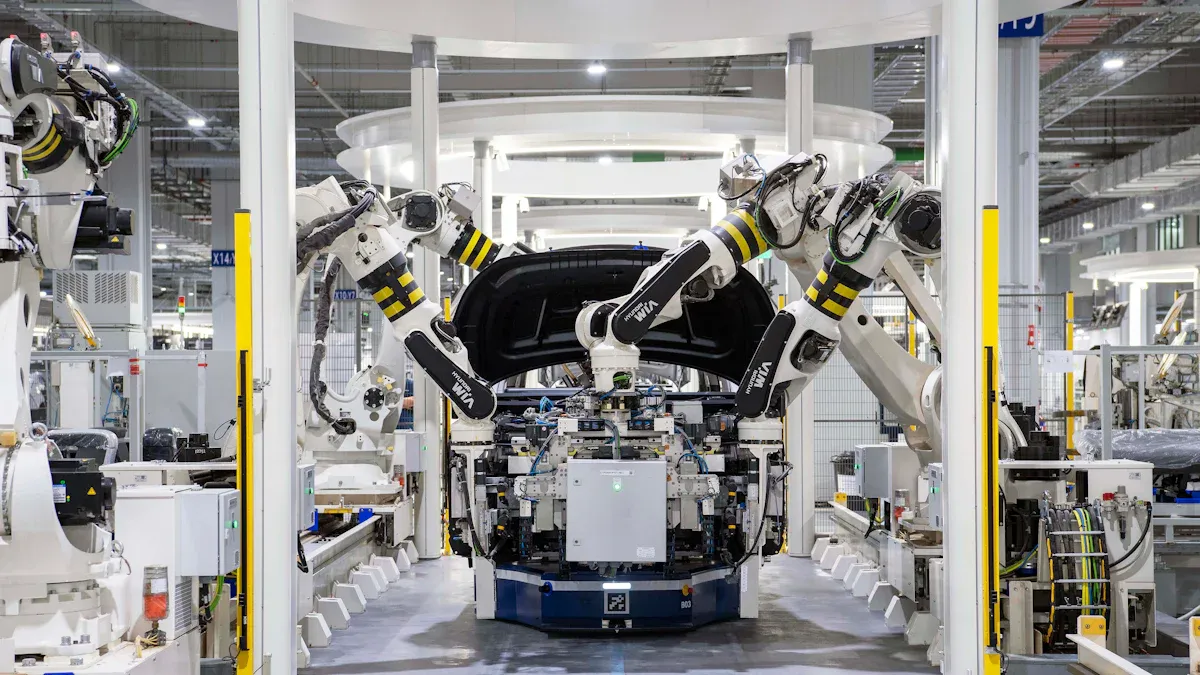
Material Optimization in CNC Precision Part Production
CNC machining ensures optimized material usage by employing advanced techniques that maximize efficiency. You can achieve this by selecting the right materials for your projects. This choice improves cutting speeds, reduces tool wear, and enhances overall machining performance. Proper feed rates and cutting speeds also play a crucial role. They not only improve surface finishes but also reduce cycle times, ensuring consistent, high-quality output.
Additionally, CNC machines utilize cutting-edge strategies like high-speed machining and adaptive toolpaths. These methods optimize cutting conditions, extend tool life, and boost productivity. For example, Company A, a precision engineering firm, reduced lead times by 50% and increased production capacity by 30% after transitioning to CNC machining. This shift also minimized material waste, showcasing the effectiveness of CNC machining in waste reduction.
Minimizing Human Error with CNC Automation
CNC machines excel at reducing human error, which is a common cause of material waste. These machines follow precise programming to perform tasks with unmatched accuracy. You can rely on them to produce identical parts every time, eliminating inconsistencies. Real-time monitoring systems further enhance this process by continuously checking and adjusting production parameters.
Automation also minimizes errors caused by fatigue or distractions. CAD and CAM software streamline the design and programming stages, reducing the likelihood of mistakes. Built-in quality control measures detect and correct errors immediately, ensuring flawless production. With CNC machining, you can achieve precision and consistency while significantly reducing waste.
Reusability and Recycling of Scrap Materials
CNC machining supports sustainability by promoting the reuse and recycling of scrap materials. Many manufacturers adopt closed-loop systems to collect, process, and reintroduce waste materials into production. This approach reduces the need for new materials and lowers costs.
In most machine shops, materials like steel, aluminum, brass, and copper are widely recycled. Carbide cutting tools can also be returned to manufacturers for recycling.
Innovations such as biodegradable cutting fluids and advanced filtration systems further enhance waste management. These technologies minimize harmful substances, making CNC machining safer for the environment. By embracing these practices, you contribute to sustainable manufacturing while reducing waste.
CNC Machining and Efficiency in Manufacturing
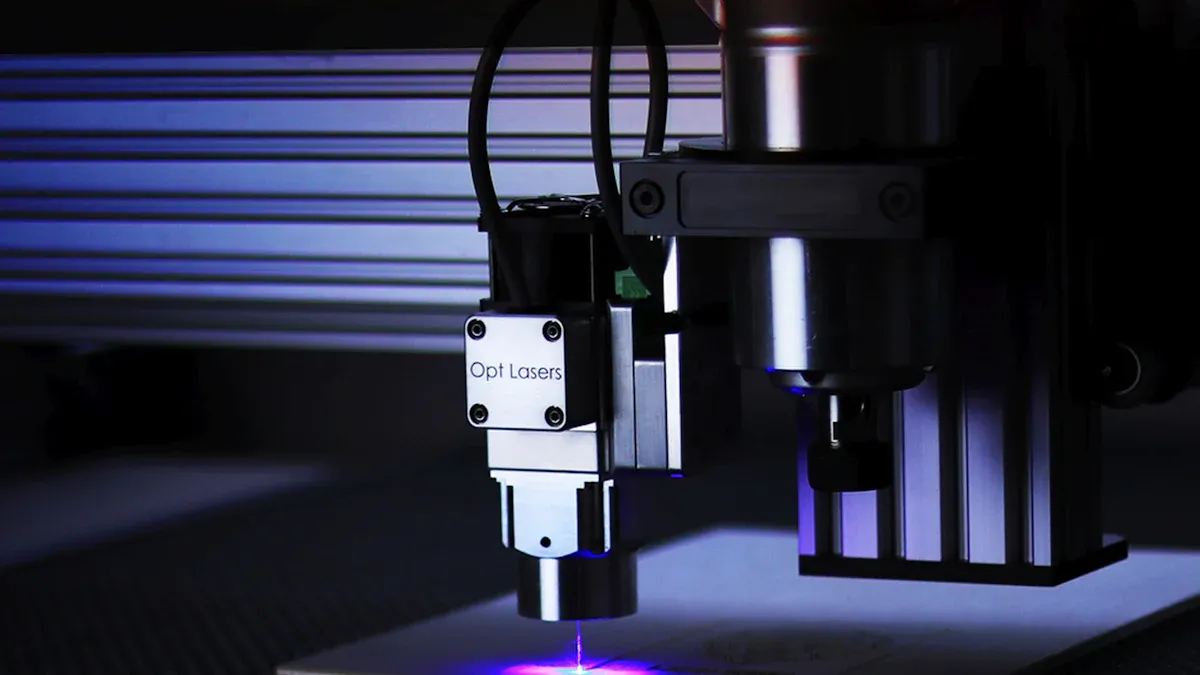
Faster Production with CNC Precision
CNC machining significantly accelerates production cycles, making it ideal for high-demand industries. Unlike manual methods, CNC machines execute pre-programmed tasks at high speeds with minimal downtime. For example, producing 100 complex parts manually can take around 50 hours, but CNC machining completes the same task in under 17 hours. This efficiency stems from features like multi-axis machining, which performs multiple operations simultaneously, and continuous operation, allowing machines to run 24/7.
Feature | Benefit |
|---|---|
Multi-Axis Machining | Performs multiple operations simultaneously |
Continuous Operation | Runs 24/7 for around-the-clock production |
Reduced Cycle Times | Consolidates operations into a single setup |
By automating processes, CNC machines minimize downtime and ensure quicker turnaround times. This combination of speed and precision makes CNC machining a cornerstone of modern manufacturing.
Consistency and Quality in CNC Precision Part Output
CNC machining ensures consistent quality in every part produced. You can rely on CNC machines to maintain tight tolerances and eliminate variations caused by manual intervention. Metrics like rejection rate and part quality rate measure this consistency. For instance:
Metric | Description |
|---|---|
Rejection Rate | The number of parts that do not conform to design specifications and must be discarded. |
Part Quality Rate | The number of quality parts produced within a given timeframe, indicating machining efficiency. |
Overall Equipment Efficiency | A measure of machine performance expressed as a percentage, considering availability and performance. |
Adhering to industry standards like ISO 9001 and AS9100 further enhances quality control. These benchmarks ensure that CNC machining meets customer expectations while reducing waste. With CNC machines, you achieve both precision and material efficiency, leading to superior output.
Integration with Smart Manufacturing for Enhanced Efficiency
Smart manufacturing technologies elevate CNC machining to new levels of efficiency. By integrating CNC machines with IoT and AI, you can monitor production lines remotely and collect real-time data. Sensors upload machining data to the cloud, enabling analysis and optimization. This reduces scrap rates and improves processing efficiency.
Predictive maintenance identifies potential issues before they cause downtime.
Real-time monitoring tracks critical factors to optimize machine performance.
Data-driven decisions enhance production processes, reduce waste, and improve quality.
These innovations address challenges like labor shortages and rising production costs. They also ensure that CNC machining remains a sustainable and efficient solution for modern manufacturing needs.
Real-World Benefits of CNC Precision Machining
Cost Savings Through Waste Reduction and Efficiency
CNC machining offers significant cost savings by reducing waste and improving efficiency. You can optimize material usage through precise cutting paths, which minimizes excess material. This approach lowers material costs and reduces the need for frequent replenishment. Additionally, CNC machines streamline operations, eliminating secondary processes that often increase expenses.
Energy-efficient practices further contribute to cost reduction. By using energy-efficient CNC machines, you can decrease energy bills while maintaining productivity. For example, one company invested in high-performance CNC machines and extended their usage across multiple shifts. This strategy reduced the hourly machine rate and maximized returns on investment.
Implementing Just-in-Time (JIT) manufacturing with CNC machining also helps reduce inventory costs. Materials arrive only when needed, ensuring efficient use of resources and minimizing waste.
Environmental Sustainability in CNC Machining
CNC machining supports sustainable practices in the manufacturing industry. By reducing material waste, it lowers the environmental impact and conserves resources. You can also adopt eco-friendly materials and biodegradable cutting fluids to further enhance sustainability. These practices align with the growing demand for environmentally responsible manufacturing.
Recycling plays a key role in CNC machining. Scrap materials like aluminum, steel, and brass can be collected and reintroduced into production. This approach supports the recycling and circular economy, reducing landfill waste. CNC machining also contributes to energy efficiency by consuming only the necessary energy for each task. Features like automatic shut-off during idle times further conserve energy.
Lower carbon emissions and energy conservation make CNC machining a greener choice. These benefits attract eco-conscious customers and improve your brand reputation.
Competitive Edge with CNC Precision Part Manufacturing
CNC precision part manufacturing gives you a competitive advantage in global markets. CNC machines deliver unmatched precision, ensuring every part meets exact specifications. This consistency enhances product quality and reduces rejection rates. High tolerances and superior surface finishes also eliminate the need for extensive post-processing.
CNC machining accelerates production times by consolidating multiple operations into a single setup. This scalability allows you to meet high-volume demands without compromising quality. Industries like aerospace, automotive, and defense rely on CNC machining for its precision and reliability. By adopting CNC technologies, you can stay ahead in the competitive manufacturing industry.
CNC precision machining transforms manufacturing by combining precision, efficiency, and versatility.
It achieves tight tolerances, automates processes, and adapts to various materials.
It reduces waste, minimizes errors, and speeds up production cycles.
It supports sustainable growth through eco-friendly practices and smarter technologies.
Adopting CNC machining helps you reduce costs, improve quality, and stay competitive.
FAQ
What industries benefit the most from CNC precision machining?
CNC machining benefits industries like aerospace, automotive, medical, and defense. You can rely on it for high-precision parts, tight tolerances, and consistent quality in demanding applications.
How does CNC machining reduce production costs?
CNC machining reduces costs by minimizing material waste, automating processes, and improving efficiency. You save money on labor, materials, and energy while maintaining high-quality output.
Can CNC machining handle complex designs?
Yes, CNC machining excels at producing complex designs. Multi-axis capabilities and advanced programming allow you to create intricate parts with precision and consistency.
💡 Tip: Always consult with a CNC expert to determine the best approach for your specific design needs.
See Also
The Significance of Precision CNC Machining in Production
Streamlined CNC Machining Solutions for Accurate Manufacturing
Enhancing Quality Through Advanced CNC Precision Machining
Perfecting CNC Machining Techniques for Precision Component Creation
The Impact of CNC Machining on Premium Precision Manufacturing
About US
Follow Us
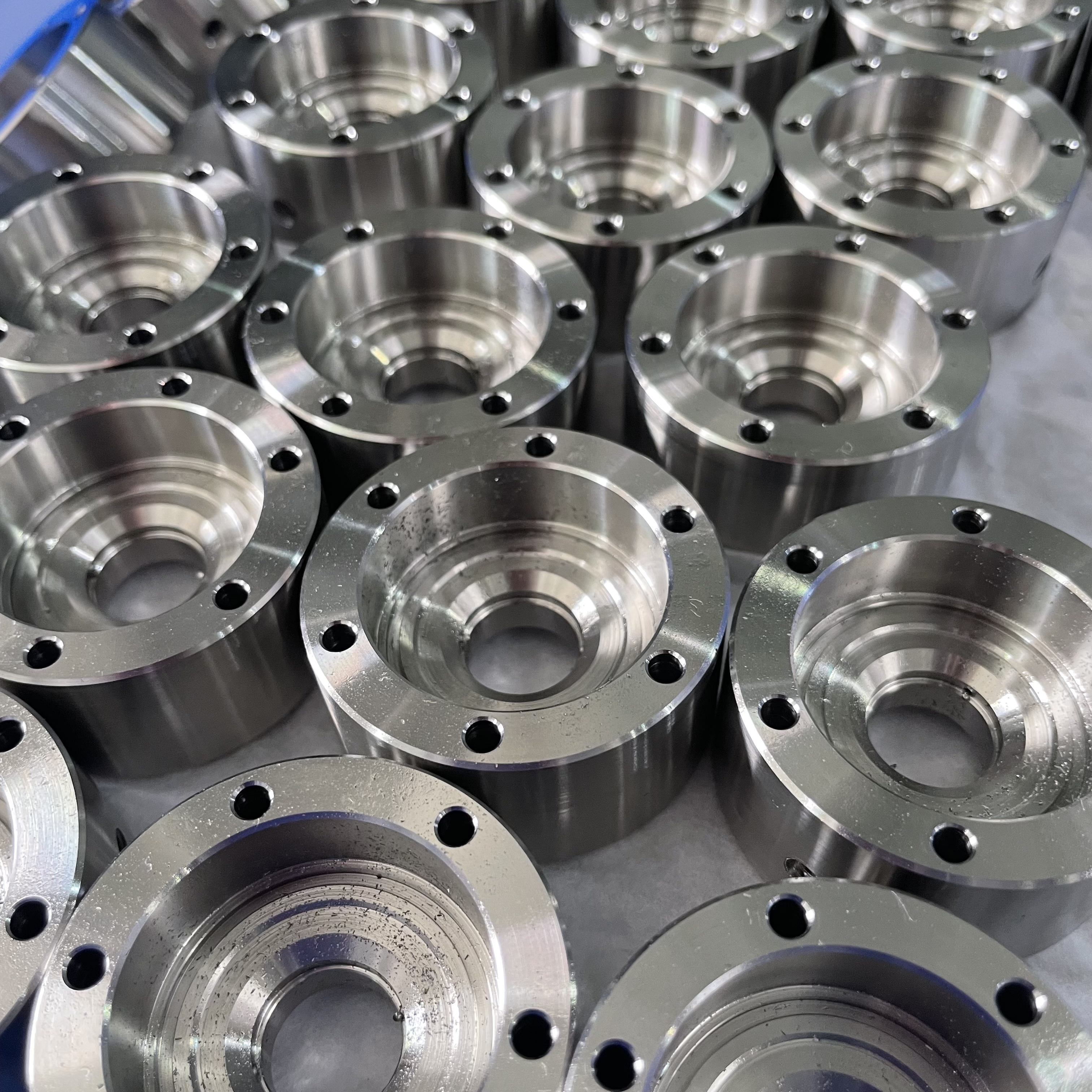
Your prototype holds unparalleled significance, and we deeply value its uniqueness. Collaborating with you during the preparation phase for running your prototype or parts is a commitment we gladly embrace. Whether it's a single part or a complex assembly, we are dedicated to selecting the optimal tools and pathways to bring your envisioned product to life.
At Precision Fab CNC Machining, we specialize in producing parts for prototypes, short runs, and high-volume production. Our prototyping machine capabilities extend across metal, plastic, and wood machining, with welding fabrication services available to complement and finalize your prototype if required.
Address
Address: Room320 10F, Building A,Nanshan international building, Dayawan District, Huizhou, Guangdong, 516001 China
Contacts
billy@timaycnc.com