How CNC Precision Parts Are Used in Consumer Electronics Manufacturing

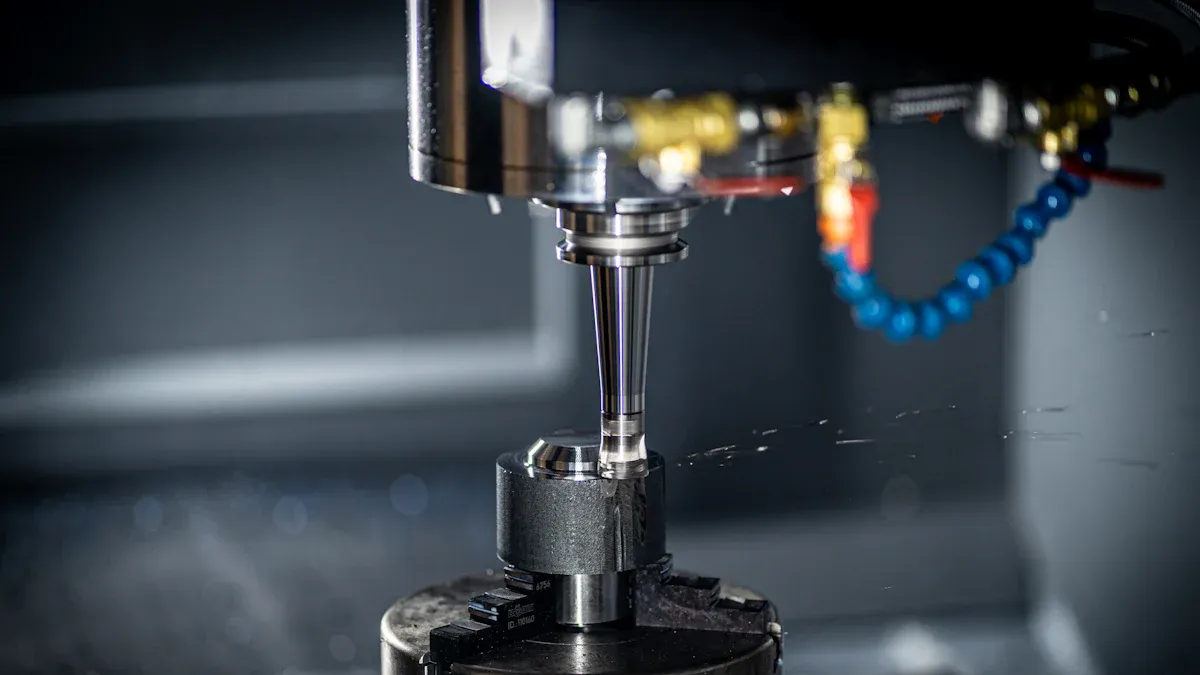
CNC precision parts play a vital role in creating modern consumer electronics. You benefit from their ability to produce intricate designs with unmatched precision. CNC machining enables manufacturers to craft complex circuits and components for smaller devices. This technology ensures tight tolerances, allowing accurate assembly and reliable performance in consumer goods.
Key Takeaways
CNC machines are very precise, making detailed designs possible.
They help create prototypes fast and adjust to market needs.
CNC parts make devices stronger and work better, like phones and watches.
CNC Machining and Its Role in Consumer Electronics
What is CNC Machining?
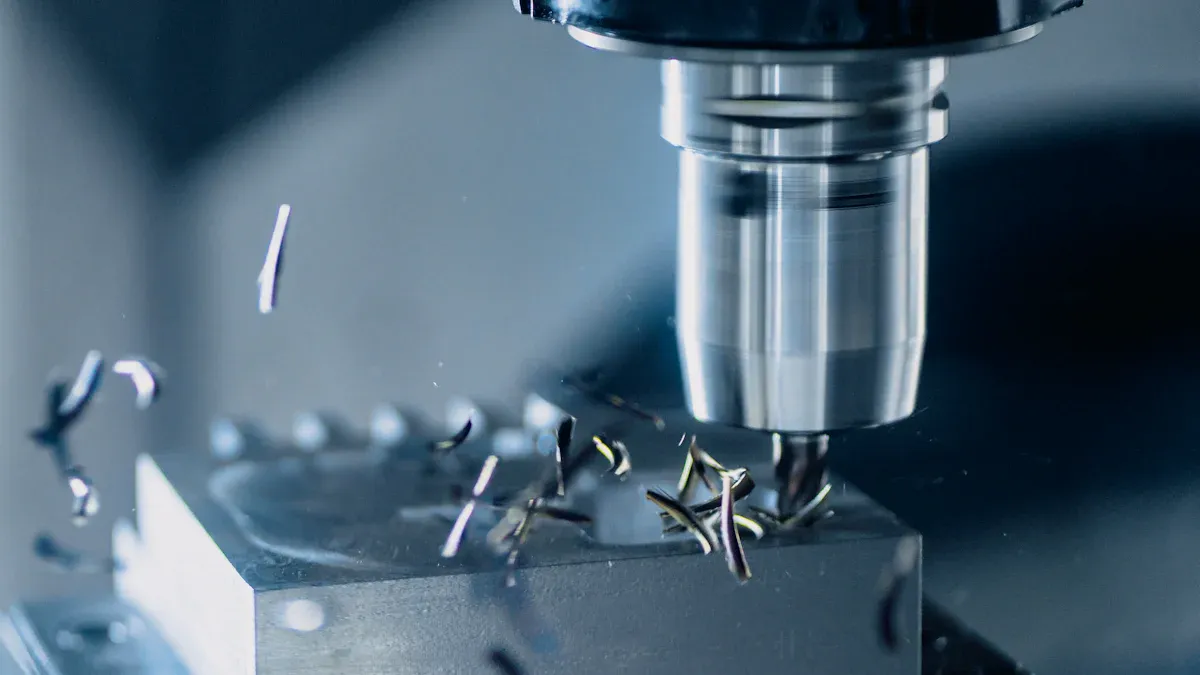
CNC machining is a manufacturing process that uses computer-controlled machines to create precise parts. The process begins with designing a digital model using CAD (Computer-Aided Design) software. This model is then converted into G-code, which guides the CNC machine's movements. You can rely on CNC machines to perform tasks like cutting, drilling, and shaping materials with exceptional accuracy. The automation of CNC machining ensures consistent results, making it a cornerstone of modern manufacturing.
The core principles of CNC machining include:
Computerized control for precise movements.
Automation to enhance productivity.
Versatility to handle various materials and operations.
Precision to meet exact specifications.
Importance of CNC Precision Parts in Electronics
CNC precision parts are essential for the functionality of consumer electronics. They ensure that components like enclosures, connectors, and heat sinks meet tight tolerances. For example, enclosures protect delicate electronic components, while heat sinks manage thermal performance. Without precision machining, achieving the intricate designs required for modern electronics would be impossible.
You see CNC precision parts in devices like smartphones, laptops, and wearables. These parts contribute to sleek designs, reliable performance, and durability. By eliminating human error, CNC machining ensures uniformity and quality in every component.
Key Features of CNC Technology for Electronics Manufacturing
CNC technology offers several features that make it ideal for the electronics industry. High precision and accuracy allow for the creation of intricate pathways in printed circuit boards (PCBs). Rapid prototyping enables you to test and refine designs quickly. Scalability ensures that CNC machines can handle both small and large production runs efficiently.
Other key features include:
Consistency in producing identical components.
Versatility to work with materials like metals and plastics.
Efficiency through continuous operation with minimal supervision.
These features make CNC machining indispensable for producing high-quality consumer electronics.
Applications of CNC Precision Parts in Consumer Electronics
Casings and Enclosures for Electronic Devices
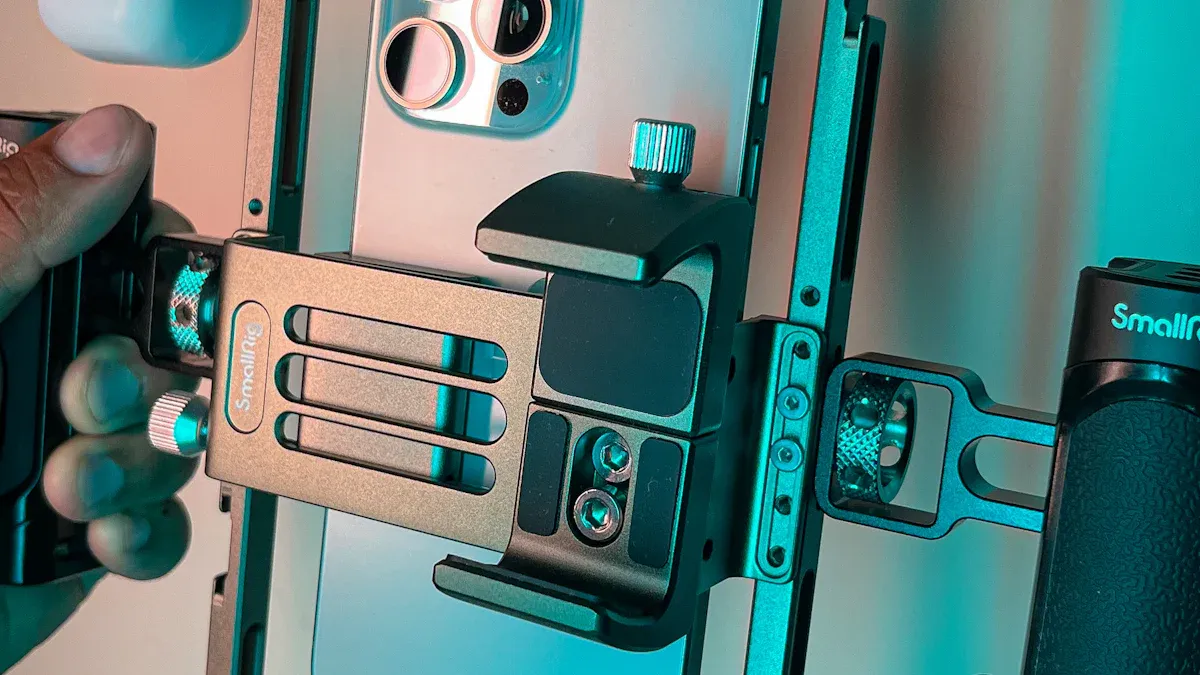
CNC machining plays a critical role in creating durable and aesthetically pleasing casings for electronic devices. These enclosures protect sensitive components from environmental and physical stresses, ensuring reliability and longevity. You’ll find CNC-machined enclosures in smartphones, laptops, and other consumer electronics. They combine functionality with sleek designs, enhancing both performance and user experience.
CNC machining ensures exact dimensions and tolerances, providing a perfect fit for internal components. This precision protects electronics from environmental factors and user-induced stress, contributing to their durability.
The materials used for CNC-machined casings vary based on application needs. Here’s a quick overview:
Material | Type | Key Properties | Common Applications |
|---|---|---|---|
Aluminum | Metal | Lightweight, corrosion resistant, good conductivity | Heat sinks, enclosures, components for heat dissipation |
Copper | Metal | Excellent thermal and electrical conductivity | Electrical contacts, circuit board components, heat exchangers |
Brass | Metal | Corrosion resistant, excellent electrical conductivity | Connectors, decorative components, terminals, switches |
Stainless Steel | Metal | Good strength-to-weight ratio, corrosion resistant | Mechanical parts, screws, enclosures |
Plastics | Non-Metal | Transparency, scratch resistance, impact resistance, lightweight | Insulation, display covers, enclosures, panels |
Composites | Non-Metal | High strength, excellent electrical insulation, flame-retardant properties | High-performance structural parts, insulators |
Heat Sinks and Thermal Management Solutions
CNC machining is essential for producing heat sinks with intricate designs that optimize thermal management. These components dissipate heat effectively, preventing overheating and ensuring the longevity of electronic devices.
CNC machining enables the creation of complex geometries and fin designs, which are vital for efficient heat dissipation. This precision helps maintain optimal operating temperatures for electronic components.
You benefit from CNC-machined heat sinks because they offer faster production times, more material options, and superior thermal conductivity compared to other methods. These features make them indispensable for managing heat in high-performance electronics.
Precision Components for Printed Circuit Boards (PCBs)
CNC machining is vital for manufacturing intricate circuit boards and other precision components for PCBs. It allows for the creation of high-precision pathways and cutouts, enabling complex circuits to fit into smaller spaces. This precision ensures that PCBs function reliably in consumer electronics like smartphones and advanced computing systems.
CNC machining also supports the production of connectors and components made from materials like copper-clad laminates and fiberglass. These parts are essential for maintaining the functionality and reliability of modern electronics.
Custom Parts for Wearables and IoT Devices
Wearables and IoT devices require custom-designed components that combine functionality with aesthetics. CNC machining enables the production of sleek frames and intricate parts for devices like fitness trackers and smartwatches. You’ll also find CNC-machined components in smart thermostats, health monitors, and other IoT gadgets.
Innovations like high-speed and 5-axis CNC machining enhance productivity and accuracy, allowing for more sophisticated designs in wearables and IoT devices.
This technology ensures precision and high-quality components, enabling manufacturers to meet the unique demands of these advanced devices.
Benefits of CNC Machining in Consumer Electronics
Precision and Accuracy for Complex Designs
CNC machining delivers unmatched precision, making it ideal for creating intricate designs in consumer electronics. You can achieve tolerances as tight as ±0.002mm, ensuring components fit perfectly and function reliably. For high-precision applications, tolerances can even reach under 10 micrometers. This level of precision is essential for producing complex electronic components like printed circuit boards and connectors.
Advanced software controls every step of the machining process, translating design specifications into exact machine actions. Regular calibration and maintenance of CNC machines further enhance accuracy. By controlling environmental factors like temperature and humidity, manufacturers prevent material expansion or contraction, ensuring consistent results.
Scalability for Mass Production and Prototyping
CNC machining offers exceptional scalability, making it suitable for both mass production and prototyping. You can quickly produce small-scale prototypes to test and refine designs without expensive tooling. This capability allows manufacturers to respond swiftly to market trends and consumer demands.
For large-scale production, CNC machines adapt easily to varying demands without significant reconfiguration. Whether you need a few custom parts or thousands of identical components, CNC machining ensures efficiency and consistency. This flexibility supports the fast-paced electronics industry, where innovation and speed are critical.
Cost-Effectiveness and Material Optimization
CNC machining reduces costs by automating the manufacturing process. Automation minimizes labor expenses and eliminates human error, leading to higher precision and fewer defects. The process also optimizes material usage, reducing waste and lowering operational costs.
By producing intricate components that fit into smaller spaces, CNC machining maximizes the use of raw materials. This efficiency not only saves money but also supports sustainable manufacturing practices. Faster production cycles and reduced setup times further enhance cost-effectiveness, making CNC machining a smart choice for electronics manufacturers.
Enabling Innovation and Customization in Electronics
CNC machining drives innovation in the electronics industry by enabling the rapid development of complex components. You can create prototypes that closely resemble the final product, allowing for thorough testing and optimization before mass production. This process supports the creation of cutting-edge devices like wearables, smartphones, and gaming accessories.
Customization is another key advantage. CNC machining allows you to produce parts in desired quantities without altering machine setups. This flexibility ensures that consumer electronics meet both functional and aesthetic requirements, enhancing their appeal and usability.
CNC precision parts form the backbone of the electronics industry. Their unmatched precision ensures reliable assembly and consistent quality. CNC machining accelerates innovation by enabling rapid prototyping and scalable production. As machining technology evolves, you can expect even greater efficiency and customization, shaping the future of cutting-edge consumer electronics.
FAQ
What makes CNC machining better than traditional manufacturing methods?
CNC machining offers unmatched precision, consistency, and efficiency. You can produce intricate designs and maintain tight tolerances, which are difficult to achieve with traditional methods.
Can CNC machining handle different materials for electronics manufacturing?
Yes, CNC machining works with metals like aluminum and copper, as well as plastics and composites. This versatility ensures you can meet diverse manufacturing needs.
How does CNC machining support innovation in consumer electronics?
CNC machining enables rapid prototyping and customization. You can test new designs quickly and create unique components, driving innovation in modern electronic devices.
See Also
CNC Precision Machining Trends for Consumer Electronics in 2024
CNC Precision Parts Processing's Impact on Manufacturing Industry
Understanding CNC Machines and Precision Engineering in Electronics
About US
Follow Us
Your prototype holds unparalleled significance, and we deeply value its uniqueness. Collaborating with you during the preparation phase for running your prototype or parts is a commitment we gladly embrace. Whether it's a single part or a complex assembly, we are dedicated to selecting the optimal tools and pathways to bring your envisioned product to life.
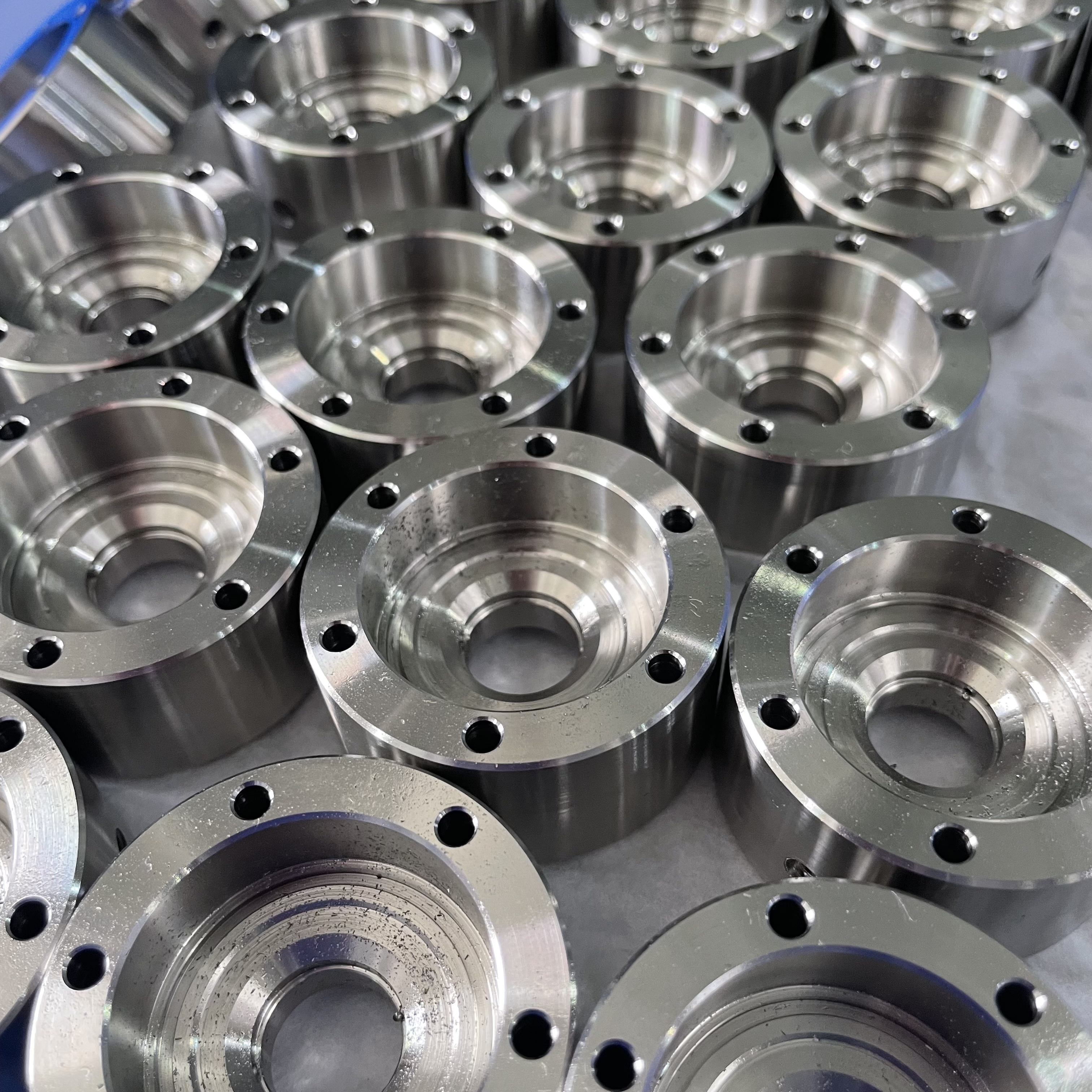
At Precision Fab CNC Machining, we specialize in producing parts for prototypes, short runs, and high-volume production. Our prototyping machine capabilities extend across metal, plastic, and wood machining, with welding fabrication services available to complement and finalize your prototype if required.
Address
Address: Room320 10F, Building A,Nanshan international building, Dayawan District, Huizhou, Guangdong, 516001 China
Contacts
billy@timaycnc.com