How CNC Prototyping is Used in the Defense and Military Sectors

CNC prototyping plays a vital role in the defense industry by delivering precision in manufacturing critical parts. You can rely on its rapid prototyping capabilities to reduce costs and improve efficiency.
Precision CNC machining enables quick iterations and optimizations, ensuring reliable components for military applications.
Quick design modifications enhance efficiency.
Reduced material waste lowers production costs.
Key Takeaways
CNC prototyping makes accurate military parts that meet tough rules.
Fast prototyping saves money and time by changing designs quickly.
CNC tools help make special parts for military needs, adding flexibility.
The Role of CNC Prototyping in the Defense Industry
Precision Metal Parts for Military Applications
CNC prototyping plays a critical role in producing precision metal parts for the defense industry. You can rely on this technology to create components that meet the strict performance standards required for military operations. CNC machining ensures high accuracy by using computer-controlled machinery to produce intricate designs with minimal variation. This capability is essential for manufacturing complex defense components with tight tolerances.
Examples of precision metal parts include aerospace components, weapon systems, and communications equipment. CNC prototyping also produces armored vehicle parts, weapon housings, and aviation components. These parts must withstand extreme conditions while maintaining reliability and performance. By meeting these demands, CNC machining supports the advanced manufacturing needs of the defense sector.
Speed and Efficiency in Defense CNC Machining
Speed and efficiency are vital in defense CNC machining. You benefit from faster research and development cycles, enabling quicker deployment of innovations. CNC technology accelerates the creation of prototypes for military tools, weapons, and machinery. This rapid prototyping capability ensures that new designs are tested and refined without delays.
CNC machining also supports large-scale production with consistent quality. It can manufacture complex parts repeatedly, meeting the high precision required for defense applications. By optimizing production speed, CNC prototyping keeps the defense industry on schedule, ensuring timely delivery of critical equipment.
Customization for Specific Military Needs
CNC prototyping offers unmatched customization for military applications. You can adapt designs to meet evolving defense requirements quickly. This flexibility allows for the creation of complex geometries and unique components tailored to specific needs. Examples include radar components, tank turret rings, and warship propellers.
The technology also supports rapid learning through the "Test-Analyze-Fix-Test" approach. You can validate designs, make modifications, and deploy prototypes efficiently. CNC machining ensures mass production consistency, producing identical parts with sub-micron tolerances. This precision guarantees optimal functionality and reliability in military-grade tools and equipment.
Applications of CNC Prototyping in Defense
Prototyping and Manufacturing Weapon Systems
CNC prototyping plays a pivotal role in the development of weapon systems. You can rely on this technology to create prototypes that meet the stringent requirements of the defense industry. CNC machining supports rapid learning through a "Test-Analyze-Fix-Test" approach, allowing you to refine designs quickly. This process accelerates the demonstration of new technologies, saving both time and money.
Successful prototypes can be deployed immediately since they are made with the same materials and tolerances as final products. For example:
4-axis CNC machines were used to develop Tomahawk missiles during the Gulf War.
Raytheon employs a FANUC six-axis robot to manufacture the 20-foot cruise missile.
This "fail fast, fail cheap" methodology ensures that you can identify and address design flaws early, reducing costs and improving efficiency. CNC prototyping technology enables military equipment manufacturers to produce reliable and high-quality weapon systems.
Components for Military Vehicles and Aircraft
CNC prototyping is essential for producing components for military vehicles and aircraft. You can achieve tight tolerances and precision, which are critical for advanced manufacturing in the defense sector. Commonly produced parts include:
Tank turret rings, gun mantlets, and gun cradles for armored vehicles.
Wing ribs, airfoils, and fuselage panels for aircraft.
Scale models for aerodynamic testing in wind tunnels.
This technology ensures mass production consistency, allowing you to create identical parts with sub-micron tolerances. CNC machining also supports the development of complex defense components, such as engine parts and tail assemblies, which require intricate designs. By optimizing material usage, CNC prototyping minimizes waste, making it cost-effective for military equipment manufacturers.
Enhancing Naval and Communication Equipment
CNC prototyping enhances the performance of naval and communication equipment. You can use this technology to produce complex parts with tight tolerances, ensuring reliability and functionality. The "Test-Analyze-Fix-Test" approach facilitates quick modifications, enabling you to adapt to evolving defense needs.
For naval applications, CNC machining supports the production of warship components, such as propellers and radar systems. In communication equipment, it accelerates the demonstration of new technologies, allowing you to validate designs efficiently. This rapid deployment capability ensures that prototypes can be field-tested and refined quickly. CNC prototyping remains a cornerstone of defense CNC machining, driving innovation and adaptability in the defense industry.
Challenges and Benefits of CNC Prototyping in Defense
Overcoming Material and Durability Challenges
In defense applications, you often face challenges when working with high-strength materials like titanium and steel. These materials ensure durability and protection in extreme environments but can lead to rapid tool wear during machining. This increases production costs and delays due to frequent tool repairs. Additionally, machining these tough materials can result in inconsistencies, making it difficult to achieve the required precision.
To address these challenges, CNC prototyping allows you to select resilient materials that meet the demands of military and defense industries. Components must withstand extreme heat, freezing cold, corrosion, and physical impact. CNC machining adapts to these requirements, ensuring long-term durability and reliability. By using advanced techniques, you can produce high-quality parts that meet the stringent standards of the defense industry.
Ensuring Tight Tolerances and Security Standards
Achieving tight tolerances is critical in defense CNC machining. You need exceptional control over manufacturing processes to meet micrometer-level tolerances. Variability in tooling or environmental conditions can cause deviations. To ensure precision, you can rely on advanced inspection technologies and climate-controlled laboratories. These measures help verify that every part meets strict requirements.
Security is another priority in defense manufacturing. CNC prototyping ensures confidentiality by partnering with certified machining manufacturers. This protects sensitive designs and maintains national security standards. By adhering to these practices, you can produce reliable components for next-gen military technology.
Benefits: Rapid Iteration, Scalability, and Quality Assurance
CNC prototyping offers rapid iteration, enabling you to test and refine designs quickly. This reduces material waste and accelerates production, ensuring timely deployment of military equipment. Scalability is another advantage. Whether you need small or large quantities, CNC machining delivers consistent results. This consistency reduces the risk of component failure, ensuring quality assurance for mission-critical applications.
By combining speed, precision, and adaptability, CNC prototyping supports the development of high-quality parts for defense applications. It remains a cornerstone of innovation in the defense industry.
CNC prototyping remains indispensable in the defense industry, driving innovation and efficiency. It ensures the production of reliable parts for military applications while adapting to evolving technologies. Future advancements will further enhance its capabilities.
Advancement Type | Description |
|---|---|
Integration of advanced robotics | Robotics advancements will enhance CNC machining capabilities. |
Greater utility of Artificial Intelligence (AI) and Machine Learning (ML) | CNC machining will increasingly leverage AI and ML for improved processes. |
More utility of additive manufacturing | Additive manufacturing will provide new applications and enhance the functionality of CNC machining. |
CNC technology accelerates prototyping, enabling quick modifications and iterations. It produces complex parts with tight tolerances, ensuring reliability and functionality. By optimizing material usage, it minimizes waste and enhances cost-effectiveness. These benefits make CNC machining a cornerstone of defense manufacturing, ensuring adaptability and precision as military technology evolves.
FAQ
What makes CNC prototyping essential for the defense industry?
CNC prototyping ensures precision, durability, and adaptability. You can create high-quality components quickly, meeting the strict standards required for military applications.
How does CNC machining handle tough materials like titanium?
CNC machining uses advanced tools and techniques to cut tough materials. You can achieve durability and precision while minimizing tool wear and production delays.
Can CNC prototyping reduce costs in defense manufacturing?
Yes, CNC prototyping minimizes material waste and accelerates production. You can refine designs quickly, reducing costs associated with errors and delays.
See Also
Overcoming Obstacles: Improving CNC Prototyping Precision And Speed
Investigating CNC Machining Solutions For Accurate Production
Revealing CNC Machining Accuracy Within The Aerospace Sector
The Impact Of CNC Machining On Premium Precision Production
Excelling In CNC Machining: Tolerances, Prototyping, And Material Choices
About US
Follow Us
Your prototype holds unparalleled significance, and we deeply value its uniqueness. Collaborating with you during the preparation phase for running your prototype or parts is a commitment we gladly embrace. Whether it's a single part or a complex assembly, we are dedicated to selecting the optimal tools and pathways to bring your envisioned product to life.
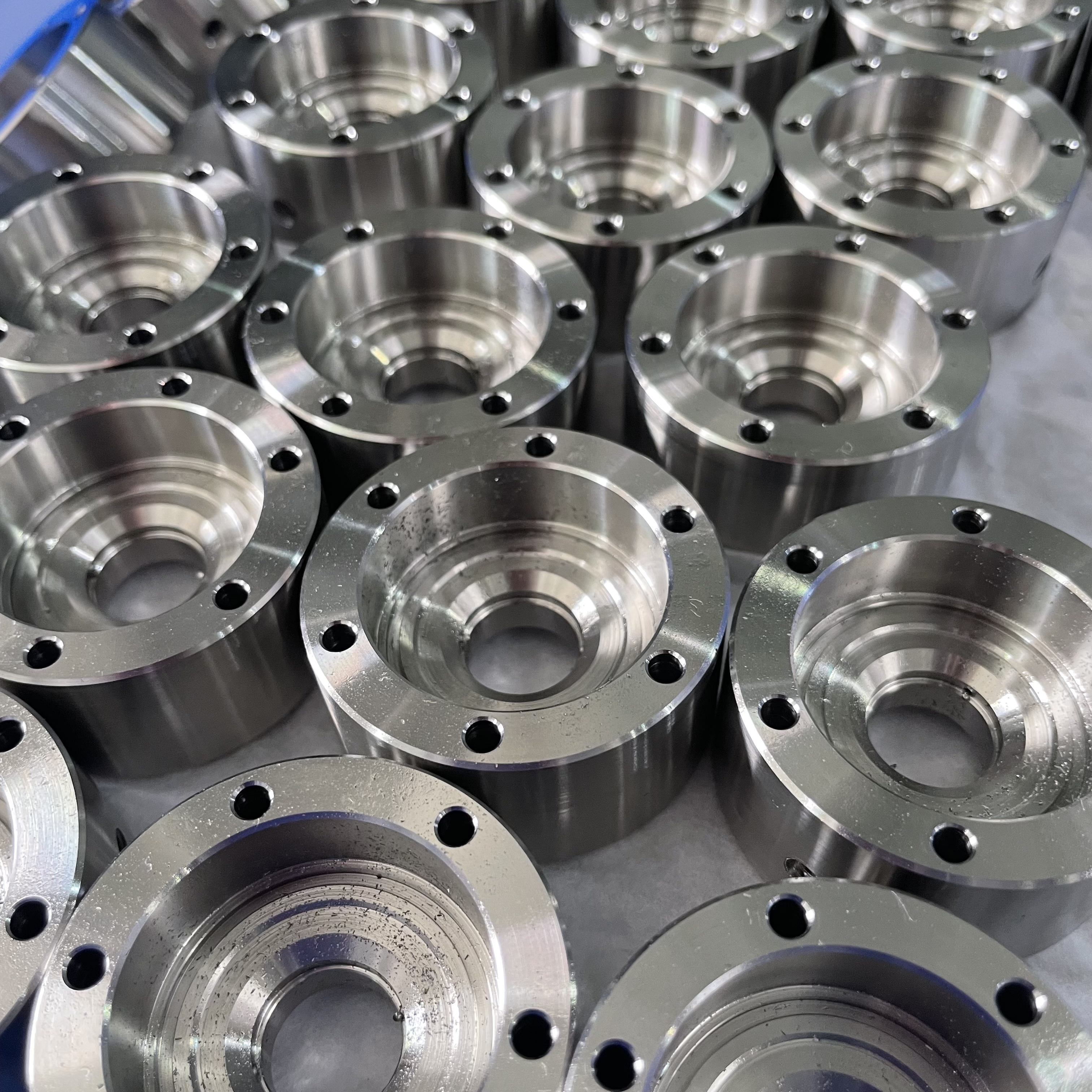
At Precision Fab CNC Machining, we specialize in producing parts for prototypes, short runs, and high-volume production. Our prototyping machine capabilities extend across metal, plastic, and wood machining, with welding fabrication services available to complement and finalize your prototype if required.
Address
Address: Room320 10F, Building A,Nanshan international building, Dayawan District, Huizhou, Guangdong, 516001 China
Contacts
billy@timaycnc.com