The Role of CNC Prototyping in the Aerospace Industry

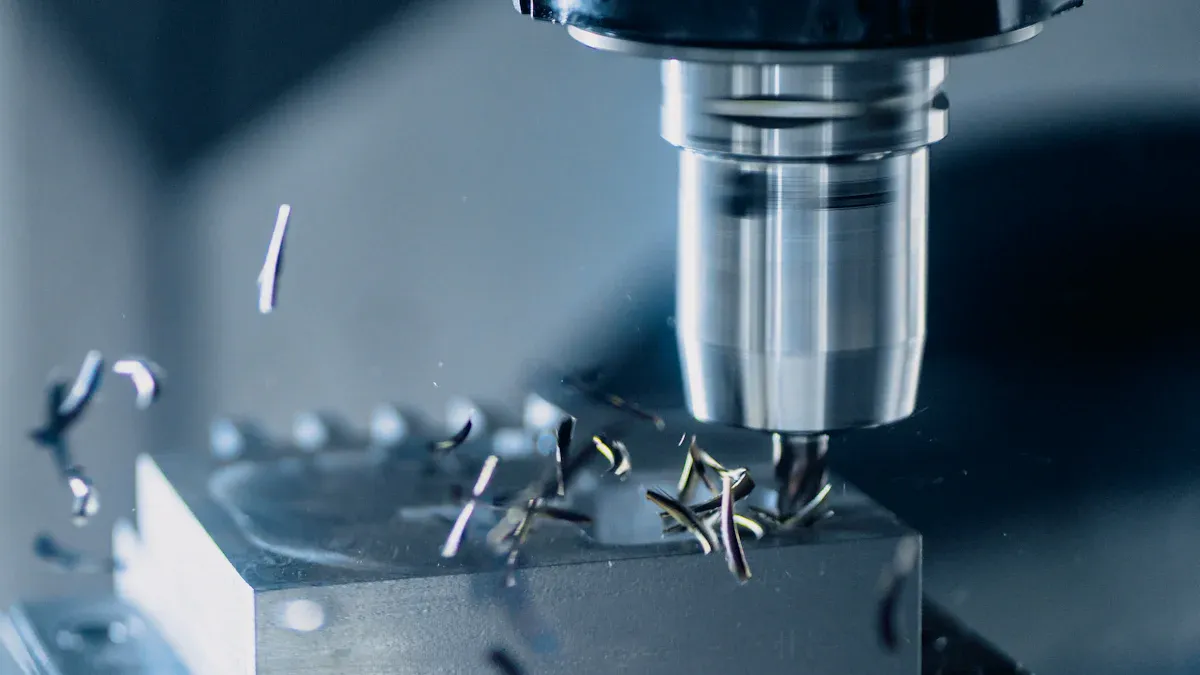
CNC prototyping revolutionizes the aerospace industry by delivering unmatched precision and consistency. It ensures components meet high quality standards, critical for safety for those on board. Engineers use simulation software to design and test parts, ensuring flawless performance. With tolerances as tight as 0.00127 mm, CNC machining guarantees reliability and compliance with strict standards.
Key Insight: Precision in CNC prototyping minimizes production errors, reducing the risk of part failure and enhancing safety.
Key Takeaways
CNC prototyping provides extreme accuracy, with tolerances as small as 0.00127 mm. This improves safety and makes aerospace parts more reliable.
The technology speeds up production, helping to quickly create and test complex designs. This is important to meet strict aerospace rules.
CNC machining works with many materials, like light metals and composites. This makes parts strong and long-lasting for aerospace use.
Understanding CNC Prototyping in Aerospace Manufacturing
What is CNC Prototyping?
CNC prototyping involves using computer numerical control (CNC) machines to create precise prototypes of components. These machines operate based on pre-programmed software that dictates their movements, ensuring high accuracy and repeatability. In aerospace manufacturing, CNC prototyping plays a pivotal role in transforming complex designs into tangible parts. By automating the machining process, it eliminates human error and achieves tolerances as fine as 0.00127 mm, which is essential for meeting the aerospace sector's rigorous standards.
Tip: CNC prototyping is not limited to prototypes. It also supports low and high-volume production, making it a versatile tool in aerospace engineering.
Importance in Aerospace Parts Manufacturing
The aerospace industry demands components that meet stringent safety and performance criteria. CNC prototyping ensures these requirements are met by offering unmatched precision, speed, and material versatility. It accelerates the development cycle, enabling you to transition from design to prototype quickly. This rapid iteration capability is crucial for testing and refining aerospace parts.
Aspect | CNC Prototyping | Traditional Manufacturing |
|---|---|---|
Precision | Variable accuracy | |
Speed | Quick iteration and turnaround times | Slower production cycles |
Material Versatility | Wide range of materials | Limited material options |
Complexity of Designs | Supports complex designs | Often limited to simpler designs |
Cost-effectiveness | More cost-effective for low volumes | Higher costs for small batches |
Efficiency | High efficiency in production | Lower efficiency |
CNC prototyping also supports research and development by enabling the creation of intricate geometries essential for aircraft performance. Its ability to work with materials like aluminum and titanium optimizes components for weight and durability, which are critical in aerospace parts manufacturing.
Key Features of CNC Machining for Aerospace
CNC machining offers several features that make it indispensable in aerospace applications. It ensures the quality and reliability of components throughout the manufacturing process, from design to post-processing. The ability to achieve near-perfect accuracy and handle complex geometries allows you to produce parts that meet the aerospace industry's exacting standards.
Precision: CNC machining achieves tolerances as fine as 0.00127 mm, ensuring consistency across all parts.
Material Versatility: It works with a wide range of materials, including lightweight metals and composites.
Efficiency: Automation reduces labor and waste, making the process cost-effective.
Complex Geometries: CNC machines in aerospace can create intricate designs that enhance aircraft performance.
By integrating with technologies like additive manufacturing, CNC machining expands its applications, making it a cornerstone of aerospace engineering.
Benefits of CNC Prototyping in the Aerospace Sector
Precision and Accuracy in Aerospace Manufacturing
CNC prototyping delivers unmatched precision and accuracy, which are essential in aerospace and defense. The ability to produce components with tight tolerances ensures that every part adheres to exact specifications. This level of precision minimizes errors, reducing the risk of part failure and enhancing safety in aerospace manufacturing. CNC machining achieves this through computer-controlled movements, which eliminate human error and guarantee consistent results.
In the aerospace sector, even minor deviations can lead to significant consequences. CNC machining ensures repeatability, allowing you to replicate designs with exact accuracy. This consistency is critical for maintaining the performance and reliability of aerospace systems. By meeting stringent industry standards, CNC prototyping plays a vital role in ensuring the quality of aerospace components.
Efficiency and Cost-Effectiveness
CNC prototyping enhances efficiency by automating the manufacturing process. This reduces labor requirements and accelerates production timelines. The use of CAD and CAM software allows CNC machines to quickly convert digital designs into physical parts, shortening the time to market. Faster production means you can deliver components more quickly, which is crucial in aerospace and defense projects.
Cost-effectiveness is another significant benefit. CNC machining minimizes material waste through its high precision, reducing overall production costs. Automation also lowers labor expenses, making it an economical choice for both prototyping and full-scale manufacturing. These advantages make CNC machining in defense a cornerstone of modern aerospace manufacturing.
Material Versatility for Aerospace Applications
CNC prototyping supports a wide range of materials, making it ideal for diverse aerospace applications. From lightweight metals like aluminum and titanium to advanced composites, CNC machining accommodates materials that meet the unique demands of the aerospace industry. For example:
Material | Properties | Applications |
|---|---|---|
Aluminum | Lightweight, corrosion-resistant, ductile | Structural components, landing gear |
Titanium | High strength-to-weight ratio, corrosion-resistant | Engine parts, hydraulic systems |
Carbon Composites | High strength, lightweight, fatigue-resistant | Aircraft skins, wings, landing gear |
This material versatility allows you to optimize components for weight, strength, and durability. Whether you are designing lightweight structural parts or high-performance engine components, CNC machining provides the flexibility needed to meet the aerospace sector's rigorous requirements.
Applications of CNC Prototyping in Aerospace
Prototyping and Testing of Aerospace Components
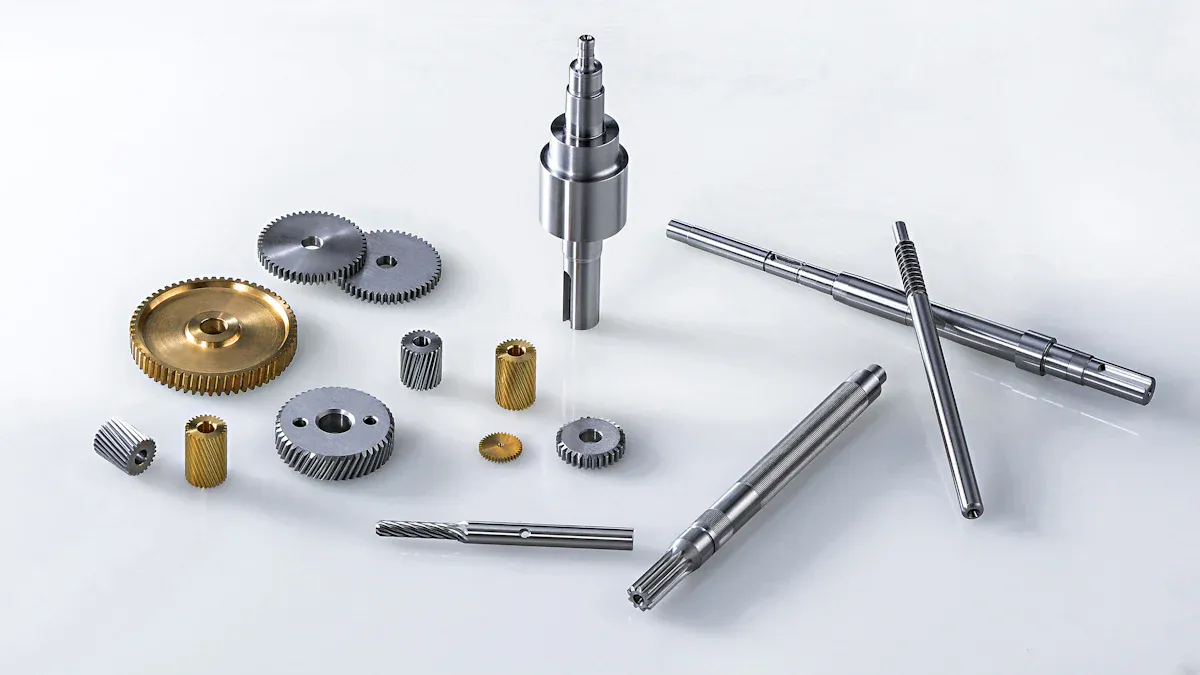
CNC prototyping plays a vital role in the prototyping and testing phase of aerospace component manufacturing. It allows you to quickly produce and test multiple iterations of a design, ensuring that each prototype meets the rigorous testing practices required in the aerospace sector. This rapid prototyping capability accelerates the development process, enabling you to refine complex designs and achieve optimal performance.
The precision of CNC machining ensures that every prototype adheres to exact specifications, minimizing errors and enhancing safety. For example, you can test intricate components like turbine blades or engine mounts, which must withstand extreme conditions during flight. By facilitating swift testing and iteration, CNC prototyping helps you meet the stringent safety and performance standards of the aerospace industry.
Tip: Use CNC prototyping to identify and address potential design flaws early in the development cycle, saving time and resources.
Manufacturing of Complex Aerospace Parts
CNC machining excels in the production of complex aircraft components that require exceptional precision and strength. It enables you to create intricate geometries that are essential for aerospace applications, such as engine mounts, fuel flow components, and landing gear parts. These components often involve lightweight materials like aluminum and titanium, which CNC machining handles with ease.
Part | Material | Manufacturing Process |
|---|---|---|
Aileron housing | 15-5PH Stainless Steel | 5-axis CNC milling |
Reflectors for wing lights | 6061-T6 Aluminum | 5-axis CNC milling |
Housing for control valve of braking system | 2024-T351 Aluminum | 4-axis CNC milling |
Hinge of flaps | Inconel 718 | 3-axis CNC milling |
The ability to achieve tight tolerances and produce lightweight components enhances fuel efficiency and aircraft performance. CNC machining also supports the manufacturing of end-use parts, ensuring they meet the aerospace sector's rigorous requirements.
Role in Research and Development
CNC prototyping is indispensable in aerospace research and development. It allows you to rapidly produce precise prototypes, enabling the swift testing of innovative designs and technologies. This capability is critical for advancing aerospace applications, as it ensures that new components meet the industry's demanding standards.
By using CNC machining, you can test and iterate designs quickly, refining them to achieve optimal functionality and safety. For instance, you can develop and test prototypes for spacecraft components or UAV systems, ensuring they perform reliably under extreme conditions. This iterative process fosters innovation and helps you stay ahead in the competitive aerospace industry.
Note: Continuous R&D supported by CNC prototyping drives the development of cutting-edge aerospace technologies, ensuring safety and performance.
Advanced Technologies in CNC Prototyping
5-Axis Machining for Complex Aerospace Parts
5-axis machining has revolutionized the production of intricate aerospace components. This advanced technology allows you to machine parts from multiple angles, reducing the need for repositioning and minimizing errors. By enabling the creation of complex geometries with tight tolerances, it ensures compliance with aviation standards. This precision is critical for safety and performance in aerospace manufacturing.
The ability to produce lightweight components with 5-axis machining directly impacts fuel efficiency and overall aircraft performance. For example, you can create parts like turbine blades or engine mounts with exceptional accuracy. This technology also reduces human error, ensuring consistent quality across all components. Its versatility makes it an indispensable tool in modern aerospace manufacturing.
Digital Twin Technology in Aerospace Manufacturing
Digital twin technology is transforming CNC prototyping by bridging the gap between virtual and physical models. It allows you to create virtual replicas of components, enabling real-time data collection and analysis. This capability enhances design validation and performance optimization, reducing the need for costly physical prototypes.
By simulating various variables, digital twins improve manufacturing precision and the quality of aerospace components. Continuous monitoring and adjustment of digital models based on actual operating conditions ensure compliance with aerospace standards. This technology accelerates innovation, helping you refine designs and optimize performance before production begins.
IoT Integration in CNC Machining
The integration of IoT into CNC machining is driving constant innovation in the aerospace sector. IoT enables real-time monitoring of CNC machines, ensuring precision and efficiency in manufacturing processes. Predictive maintenance, facilitated by IoT, reduces downtime and enhances productivity.
Enhanced automation through IoT allows you to make adjustments during operations, improving performance and precision. This technology also supports data-driven decision-making, enabling you to optimize machining processes. By leveraging IoT, you can achieve higher efficiency and maintain the stringent quality standards required in the aerospace industry.
Real-World Examples of CNC Prototyping in Aerospace
Jet Engine Component Development
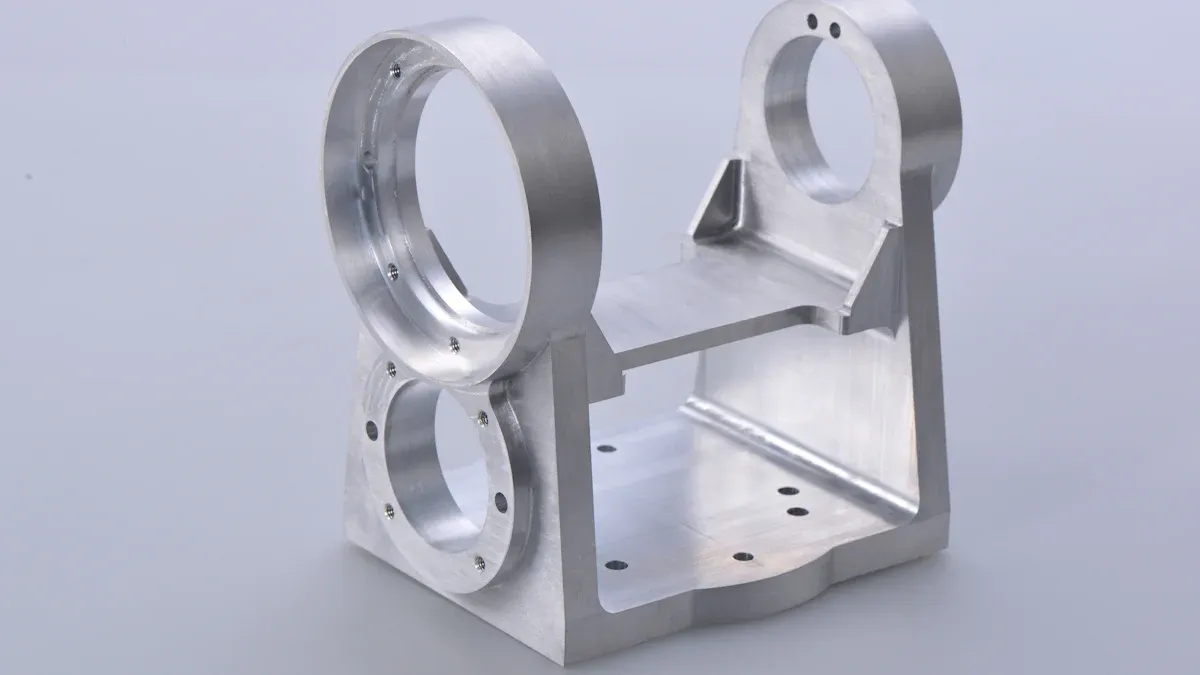
CNC prototyping plays a critical role in the development of jet engine components. You can use this technology to produce intricate parts like turbine blades and casings, which are essential for engine performance and safety. These components must withstand extreme temperatures and pressures, making precision machining indispensable. CNC machining ensures that each part meets the aerospace sector's stringent standards, reducing the risk of failure during operation.
Additionally, CNC prototyping supports the manufacturing of structural components, propulsion systems, and aerodynamic parts. These elements are vital for optimizing engine efficiency and reliability. By leveraging CNC machining, you can achieve the tight tolerances and complex geometries required for modern jet engines, ensuring superior performance and durability.
Lightweight Structural Parts for Spacecraft
In spacecraft manufacturing, weight reduction is a top priority. CNC prototyping enables you to create lightweight structural parts without compromising strength or durability. For example, CNC machining has been used to produce lattice landing legs and interstage structures for the SpaceX Falcon Heavy. These components demonstrate how CNC technology can deliver high-performance parts that meet the unique demands of space exploration.
The precision of CNC machining allows you to optimize designs for weight and functionality. By using materials like aluminum and titanium, you can further enhance the performance of spacecraft components. This capability makes CNC prototyping an invaluable tool in the aerospace industry, where every gram counts.
Rapid Prototyping for UAVs
Unmanned aerial vehicles (UAVs) benefit significantly from CNC prototyping. This technology accelerates the development cycle by enabling rapid prototyping and iteration of designs. You can quickly test and refine UAV components, ensuring they meet strict aerospace standards. CNC machining also allows for the creation of complex geometries, which are essential for UAV performance and safety.
The ability to work with a variety of materials and automate processes enhances cost-effectiveness in UAV manufacturing. High accuracy minimizes errors, ensuring that each component performs reliably. By using CNC prototyping, you can reduce production timelines and bring innovative UAV designs to market faster.
CNC prototyping remains a cornerstone of the aerospace industry, driving innovation and ensuring the production of high-performance systems. Its unmatched precision and efficiency streamline the development of intricate components, meeting the aerospace sector's rigorous standards. Emerging trends, such as integrating additive manufacturing and adopting sustainable materials, promise to further enhance its impact.
Key Takeaway: By embracing advancements like 5-axis machining and IoT, you can leverage CNC prototyping to shape the future of aerospace manufacturing, ensuring safety, sustainability, and innovation.
FAQ
What makes CNC prototyping essential in aerospace manufacturing?
CNC prototyping ensures unmatched precision, enabling you to meet strict aerospace standards. It supports complex designs, reduces errors, and accelerates production timelines, ensuring high-quality components.
Can CNC prototyping handle lightweight materials for aerospace applications?
Yes, CNC prototyping works with lightweight materials like aluminum and titanium. These materials optimize weight and strength, making them ideal for aerospace components.
How does CNC prototyping improve safety in aerospace systems?
CNC prototyping minimizes errors by achieving tight tolerances and consistent quality. This precision ensures components perform reliably, reducing risks and enhancing safety in aerospace systems.
See Also
Discovering CNC Machining's Accuracy in the Aerospace Sector
Addressing Issues to Improve CNC Prototyping Precision and Speed
CNC Precision Parts Processing: Key to Manufacturing Success
Investigating CNC Machining Solutions for Accurate Manufacturing
Achieving Excellence in CNC Machining: Tolerances and Materials
About US
Follow Us
Your prototype holds unparalleled significance, and we deeply value its uniqueness. Collaborating with you during the preparation phase for running your prototype or parts is a commitment we gladly embrace. Whether it's a single part or a complex assembly, we are dedicated to selecting the optimal tools and pathways to bring your envisioned product to life.
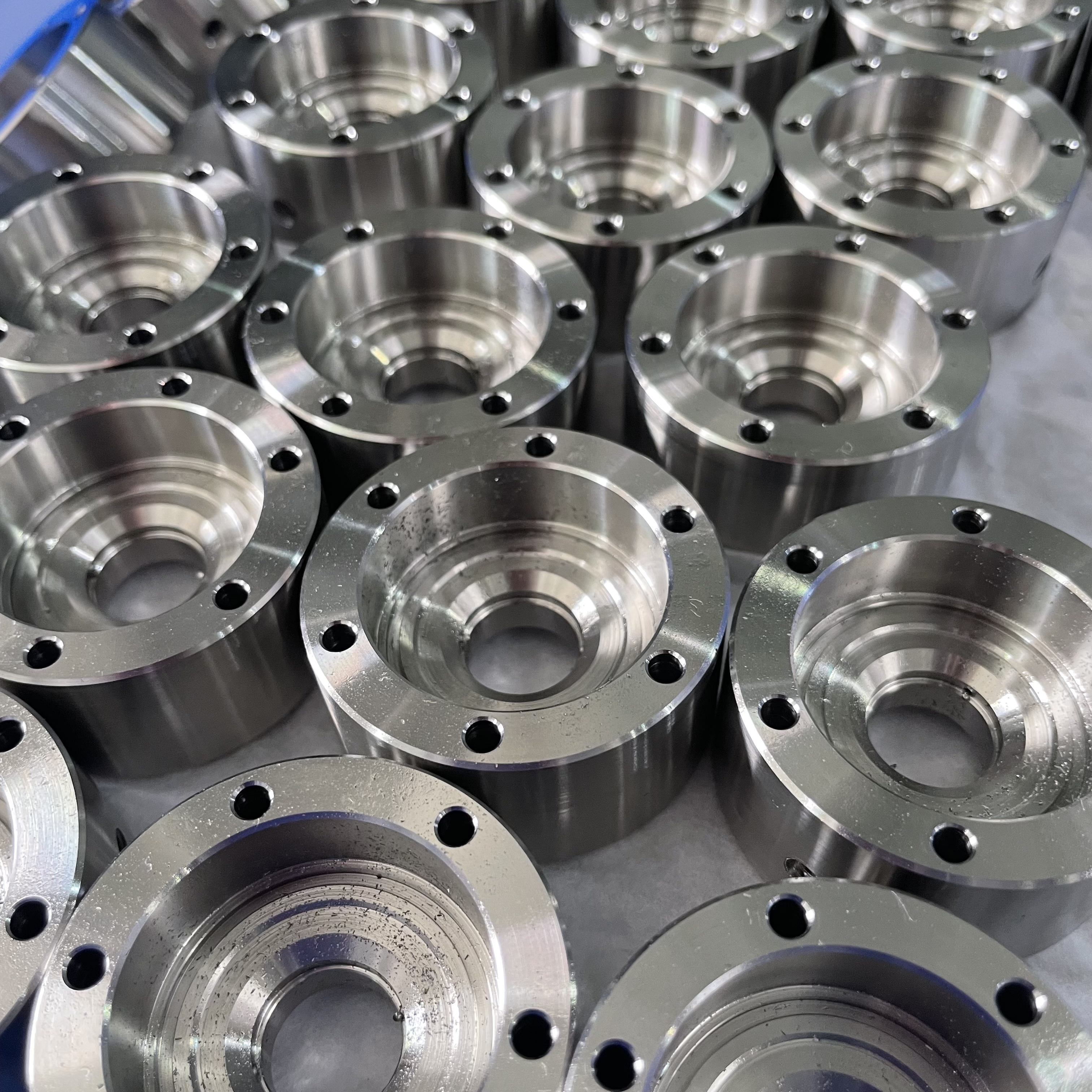
At Precision Fab CNC Machining, we specialize in producing parts for prototypes, short runs, and high-volume production. Our prototyping machine capabilities extend across metal, plastic, and wood machining, with welding fabrication services available to complement and finalize your prototype if required.
Address
Address: Room320 10F, Building A,Nanshan international building, Dayawan District, Huizhou, Guangdong, 516001 China
Contacts
billy@timaycnc.com