A Comprehensive Guide to CNC Prototyping Materials

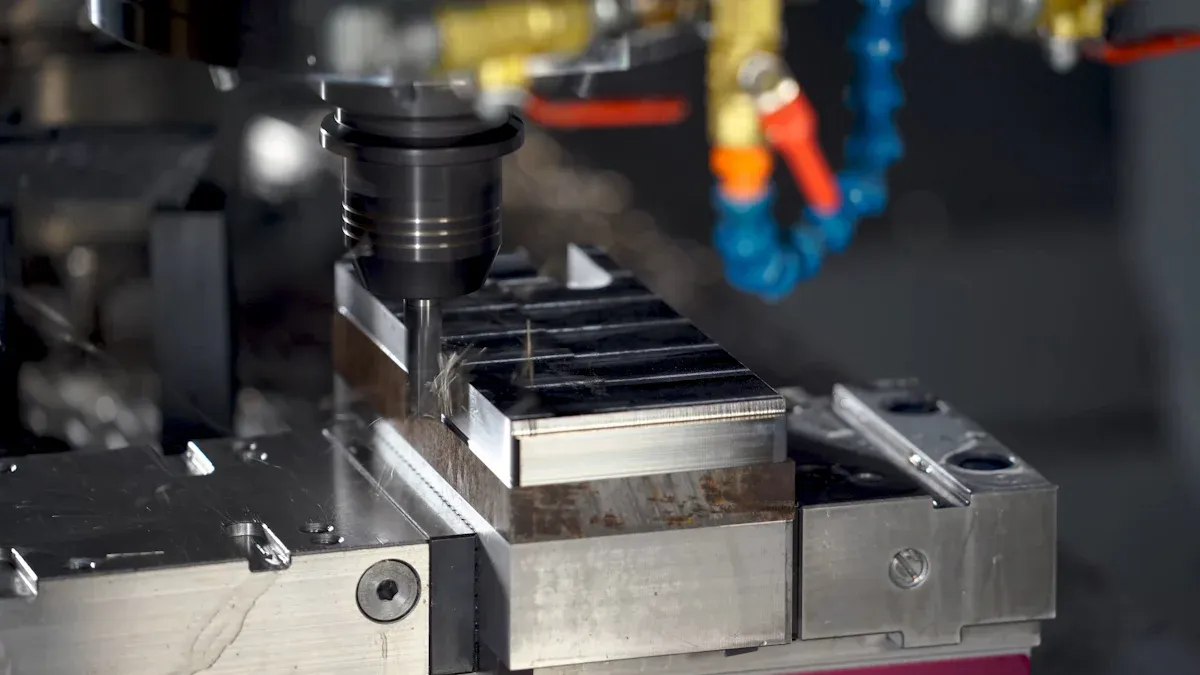
Choosing the right material is crucial in CNC prototyping. It directly affects the strength, durability, and functionality of your prototype.
Selecting the appropriate material is essential for obtaining necessary attributes such as robustness, longevity, and accuracy in CNC prototypes.
Testing with the exact material or a close substitute ensures accurate results.
Evaluating machinability improves production efficiency.
Considering cost and functionality balances performance with budget.
When you select materials carefully, you enhance the prototype’s performance and ensure project success.
Key Takeaways
Picking the right material is important for a strong prototype. Match the material's features to what your project needs.
Think about how easy the material is to shape. Easier materials save time and money, making work faster.
Choose materials that are both cheap and work well. ABS and aluminum are good choices that won’t cost too much.
Understanding CNC Prototyping and Material Requirements
Defining CNC Prototyping
CNC prototyping involves using computer-controlled machines to create precise prototypes from various materials. This process allows you to produce parts with high accuracy and repeatability, making it ideal for testing designs before full-scale production. CNC machining supports a wide range of materials, including metals, plastics, and composites, giving you the flexibility to meet specific project needs. By leveraging CNC prototyping, you can develop complex prototypes that align with your product's design and functionality requirements.
Importance of Material Selection in CNC Prototype Machining
Material selection plays a pivotal role in CNC prototype machining. The right material ensures your prototype achieves the desired strength, durability, and precision. For example, metals like aluminum and steel offer excellent mechanical properties, while plastics such as ABS and polycarbonate provide impact resistance and chemical stability. Choosing the appropriate material also affects machinability, which influences production efficiency and cost. By selecting materials that align with your prototype's application, you can enhance its performance and ensure it meets industry standards.
Tip: Always consider the end-use of your prototype when selecting materials. This ensures the final product performs as intended under real-world conditions.
Essential Material Properties for CNC Prototyping
When choosing CNC prototyping materials, focus on key properties that impact performance. Mechanical properties like strength, hardness, and tensile strength determine how well the material withstands operational stresses. Chemical resistance ensures durability in corrosive environments, while thermal conductivity is crucial for heat-sensitive applications. Additionally, machinability affects how easily the material can be shaped into the desired form, impacting both cost and production time. For instance, plastics like ABS are valued for their strength, while nylon offers stiffness and thermal stability. These attributes make them suitable for demanding applications where durability and precision are critical.
Key Factors to Consider When Choosing CNC Prototyping Materials
Strength and Durability
When selecting materials for CNC prototyping, you must evaluate their strength and durability. These factors determine how well your prototype withstands operational stresses and environmental conditions. For instance, if your product will face extreme temperatures, UV radiation, or corrosive chemicals, you need materials designed to tolerate such challenges. Mechanical properties like tensile strength, impact resistance, and wear resistance are also critical for load-bearing or high-stress applications. Metals like aluminum and steel offer excellent mechanical strength, while plastics such as ABS provide impact resistance and toughness. Always align material properties with your prototype's functional requirements to ensure optimal performance.
Machinability and Processing Ease
Machinability directly impacts the efficiency and cost of CNC machining. Materials like Aluminum 6061 and POM are easier to machine, reducing production time and tool wear. This makes them ideal for rapid prototyping and cost-effective production. On the other hand, high-performance materials like titanium are harder to machine, increasing costs and processing time. Choosing materials with high machinability not only speeds up production but also ensures precision in machined parts. For prototypes requiring intricate designs, prioritize materials that balance machinability with the desired mechanical strength.
Cost and Budget Alignment
Balancing cost and performance is essential when choosing the right material. Affordable options like ABS, aluminum, and mild steel provide excellent functionality without exceeding your budget. For example, ABS offers toughness and impact resistance, making it one of the cheapest materials for a prototype. Aluminum 6061 combines strength and corrosion resistance, making it suitable for various applications. By selecting cost-effective CNC machining materials, you can achieve high-quality prototypes while staying within budget.
Application-Specific Functionality
The end-use application of your prototype should guide material selection. Aerospace components often require lightweight yet strong materials like carbon fiber composites or titanium alloys. In contrast, medical devices demand materials that meet strict FDA standards. For consumer products, plastics like ABS or nylon offer durability and aesthetic appeal. Always consider the specific functionality your product requires to identify the best material to prototype with. This ensures your prototype aligns with industry standards and performs as intended.
Comparing Common CNC Prototyping Materials
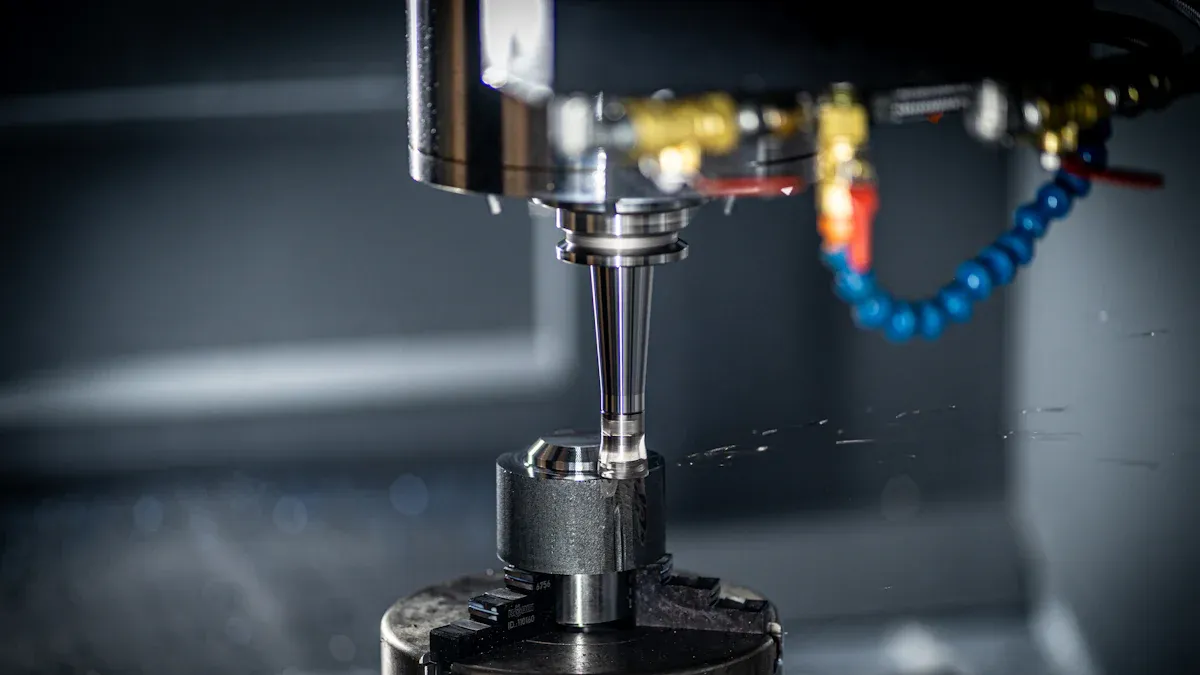
Metals: Aluminum, Steel, Brass, and Titanium
Metals are among the most popular materials for CNC prototyping due to their strength, durability, and versatility. Each metal offers unique properties that make it suitable for specific applications.
Metal | Unique Properties |
|---|---|
Aluminum | Lightweight, highly machinable, corrosion-resistant, and visually appealing. |
Stainless Steel | High strength, excellent wear and corrosion resistance, and good machinability. |
Brass | Easy to machine, corrosion-resistant, and aesthetically pleasing for decorative parts. |
Titanium | High strength-to-weight ratio, heat resistance, and biocompatibility. |
Aluminum is ideal for lightweight prototypes, while stainless steel works well for applications requiring toughness. Brass is often used for components needing a polished finish, and titanium excels in aerospace and medical products.
Plastics: ABS, Polycarbonate, Nylon, and PEEK
Plastics are widely used in CNC machining for their affordability and versatility. Each type of plastic offers distinct advantages:
ABS: High impact resistance, strength, and stiffness. It’s easy to machine and finish, making it perfect for structural prototypes. However, it has limited heat resistance and poor UV stability.
Polycarbonate: Shatter-resistant and heat-resistant, with excellent optical clarity. It’s commonly used in medical devices and automotive parts.
Nylon: Offers stiffness, wear resistance, and thermal stability. It’s suitable for mechanical components like gears and bushings.
PEEK: A high-performance plastic with exceptional chemical resistance and thermal stability. It’s ideal for demanding applications in aerospace and electronics.
Plastics like ABS and polycarbonate are cost-effective for rapid prototyping, while PEEK is better suited for high-performance prototypes.
Composites and Advanced Materials
Advanced composites such as carbon fiber and fiberglass are gaining popularity in CNC prototyping. These materials combine lightweight properties with exceptional strength, making them ideal for industries like aerospace and automotive.
Carbon Fiber Reinforced Polymer (CFRP): High strength-to-weight ratio and excellent stiffness.
Glass Fiber Reinforced Polymer (GFRP): Durable and cost-effective for structural applications.
Kevlar Reinforced Polymer: Outstanding impact resistance and flexibility.
These composites allow you to create durable yet lightweight prototypes, enhancing performance without adding unnecessary weight.
Metals vs. Plastics: Pros and Cons
When choosing between metals and plastics for CNC prototyping, consider their performance and cost differences:
Metals: Provide superior strength, durability, and heat resistance. They are ideal for small-batch, high-precision prototypes but can be more expensive and harder to machine.
Plastics: Offer lower costs, faster machining, and excellent versatility. They are better for mass production and lightweight applications but may lack the strength and heat resistance of metals.
For example, aluminum is cost-effective for metal prototypes, while ABS is one of the most affordable plastic options. High-performance plastics like PEEK can sometimes exceed the cost of metals, so align your material choice with your product’s requirements.
Environmental and Industry-Specific Considerations for CNC Prototyping
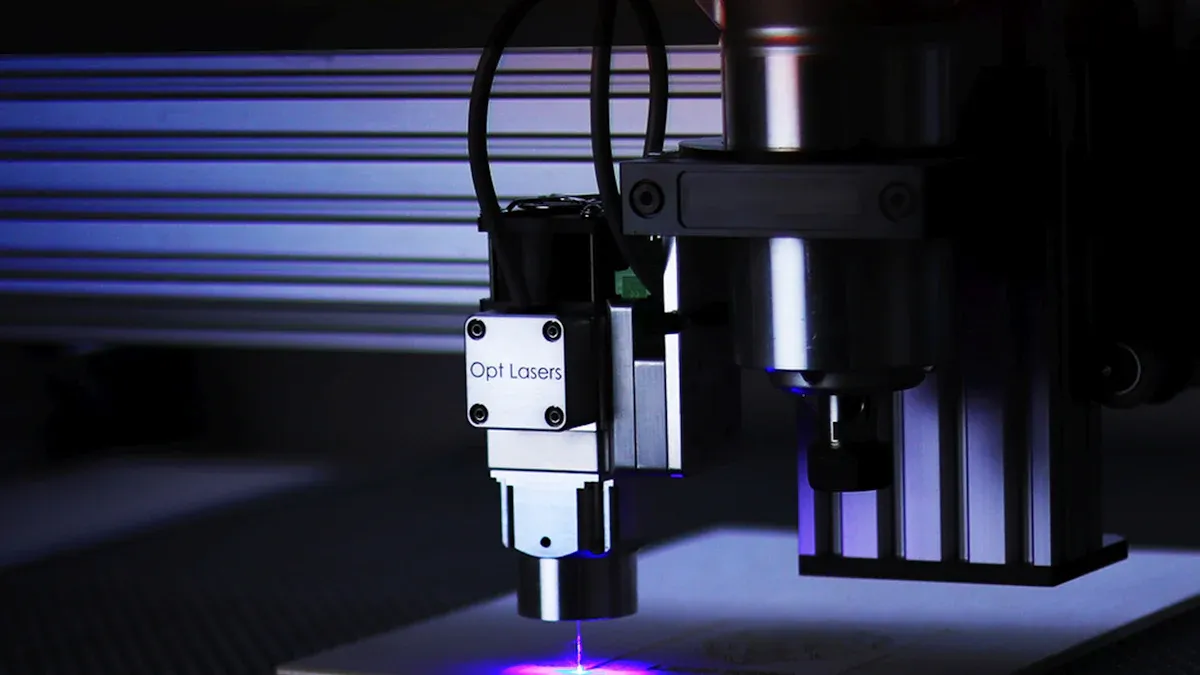
Aerospace and Automotive Material Needs
In aerospace and automotive industries, material selection plays a critical role in ensuring the performance and safety of prototypes. You need materials that offer a balance of strength, weight, and durability. For instance, aluminum is widely used due to its excellent machinability, corrosion resistance, and high strength-to-weight ratio. Nylon provides toughness and durability, making it ideal for gears and bearings. Composites like carbon fiber deliver exceptional impact resistance and fatigue resistance, which are essential for structural components.
Material | Properties | Applications |
|---|---|---|
Aluminum | Excellent machinability, great strength-to-weight ratio, corrosion resistance | Aerospace components, automotive parts |
Nylon | High strength, toughness, durability | Gears, bearings, structural components |
Composites | Strong, lightweight, impact resistance, fatigue resistance | Aerospace, automotive, industrial applications |
Plastics | Excellent mechanical properties, high strength, durability | Automotive, consumer goods, medical industries |
By choosing the right materials, you can ensure your prototypes meet the demanding requirements of these industries.
Medical and Electronics Industry Standards
Medical and electronics industries require materials that comply with strict standards to ensure safety and reliability. For medical prototypes, you must consider biocompatibility and chemical resistance. Standards like ISO 10993-1 guide the evaluation of biological hazards, while ISO 10993-5 specifies cytotoxicity testing. In electronics, materials must withstand thermal and electrical stresses. Meeting these standards ensures your prototypes align with industry regulations and perform as intended.
Standard | Title | Description |
|---|---|---|
ISO 10993-1 | Evaluation and testing within a risk management process | Guidance on assessing biological hazards for medical devices. |
ISO 10993-18 | Chemical characterization of medical-device materials | Involves compositional, extractables, and leachables evaluations. |
ISO 10993-17 | Establishment of allowable limits of leachable substances | Identifies leachable substances and quantifies risks. |
ISO 10993-5 | Tests for in vitro cytotoxicity | Specifies incubation of cultured cells with device extracts. |
When prototyping for these industries, always verify that your materials meet the necessary certifications.
Sustainability and Eco-Friendly Material Options
Sustainability is becoming a key consideration in CNC machining. You can opt for eco-friendly materials to reduce environmental impact. Recycled aluminum, for example, consumes less energy during production compared to virgin aluminum. Bamboo composites offer a renewable and durable alternative for lightweight applications. Bioplastics like PLA, derived from corn or sugarcane, are biodegradable and suitable for low-stress prototypes. Recycled plastics such as rPET help minimize pollution, while low-carbon steel reduces CO2 emissions during manufacturing.
Recycled Aluminum: Reduces energy consumption in production.
Bamboo Composites: Renewable and durable, ideal for lightweight applications.
Bioplastics: Biodegradable materials like PLA, suitable for low-stress prototypes.
Recycled Plastics: Alternatives like rPET minimize pollution.
Low-Carbon Steel: Produced with reduced CO2 emissions, suitable for various applications.
By incorporating sustainable materials, you can create prototypes that align with eco-friendly manufacturing practices.
Tips for Testing and Validating CNC Prototyping Materials
Prototyping and Stress Testing Methods
Testing your prototype is essential to ensure it meets performance expectations. Stress testing evaluates how well materials handle operational loads, extreme conditions, or prolonged use. For example, tensile tests measure a material's strength under tension, while impact tests assess its ability to withstand sudden forces. Thermal testing is also crucial for heat-sensitive applications, ensuring the material maintains stability under varying temperatures.
You can use CNC machining to create precise prototypes for testing. This process allows you to replicate real-world conditions and identify potential weaknesses. By conducting these tests, you can refine your material choices and improve the overall quality of your product.
Tip: Always document test results to track material performance and make informed decisions for future iterations.
Consulting Material Experts for Guidance
Collaborating with material experts can significantly enhance your prototyping process. These professionals help you choose materials that align with your project's requirements and limitations. They also provide insights into advanced CNC machining techniques, ensuring your prototypes meet industry standards.
Experts can identify suitable materials from a wide range of options, including metals and plastics.
They reduce design problems by addressing material limitations early in the process.
Their experience with process changes improves prototype quality and accelerates production timelines.
Working with experienced manufacturers streamlines the entire prototyping process, saving time and resources.
By consulting experts, you gain access to valuable knowledge that enhances both material selection and product development.
Iterative Testing for Optimal Material Selection
Iterative testing involves refining your prototype through repeated cycles of creation, testing, and feedback. This approach ensures your final product meets all functional and aesthetic requirements. Each iteration allows you to focus on specific adjustments, such as improving strength or reducing weight, without introducing unnecessary complexity.
Start by identifying critical properties like strength, durability, and cost.
Analyze material datasheets and create CNC prototypes to evaluate performance.
Conduct functionality tests and gather feedback after each iteration.
This process helps you align your design with project objectives while minimizing errors. Iterative testing ensures your material choice delivers the desired results, enhancing the overall success of your CNC prototyping efforts.
Selecting the right material for CNC prototyping is vital for achieving accurate, functional prototypes that reflect the final product's properties. Balancing cost, machinability, and performance ensures success. Materials like ABS or aluminum meet diverse needs, but consulting experts helps refine choices. Define goals, test materials, and validate designs for optimal results.
FAQ
What is the best material for CNC prototyping?
The best material depends on your project. Metals like aluminum offer strength, while plastics like ABS provide affordability. Match material properties to your prototype's requirements.
How do you test CNC prototyping materials?
You can test materials through stress, thermal, and impact testing. These methods evaluate performance under real-world conditions, ensuring your prototype meets functional expectations.
Can CNC prototyping use eco-friendly materials?
Yes! Options like recycled aluminum, bioplastics, and bamboo composites reduce environmental impact. These materials align with sustainable manufacturing practices while maintaining functionality. 🌱
See Also
Achieving Precision in CNC Machining: Key Techniques and Materials
Become Proficient in CNC Machining: Technical Drawings and Materials
Comprehensive Overview of CNC Machining and Precision Production
Overcoming Obstacles: Improving Accuracy and Efficiency in CNC Prototyping
2024 Handbook for Perfecting CNC Drilling Skills for Precision Components
About US
Follow Us
Your prototype holds unparalleled significance, and we deeply value its uniqueness. Collaborating with you during the preparation phase for running your prototype or parts is a commitment we gladly embrace. Whether it's a single part or a complex assembly, we are dedicated to selecting the optimal tools and pathways to bring your envisioned product to life.
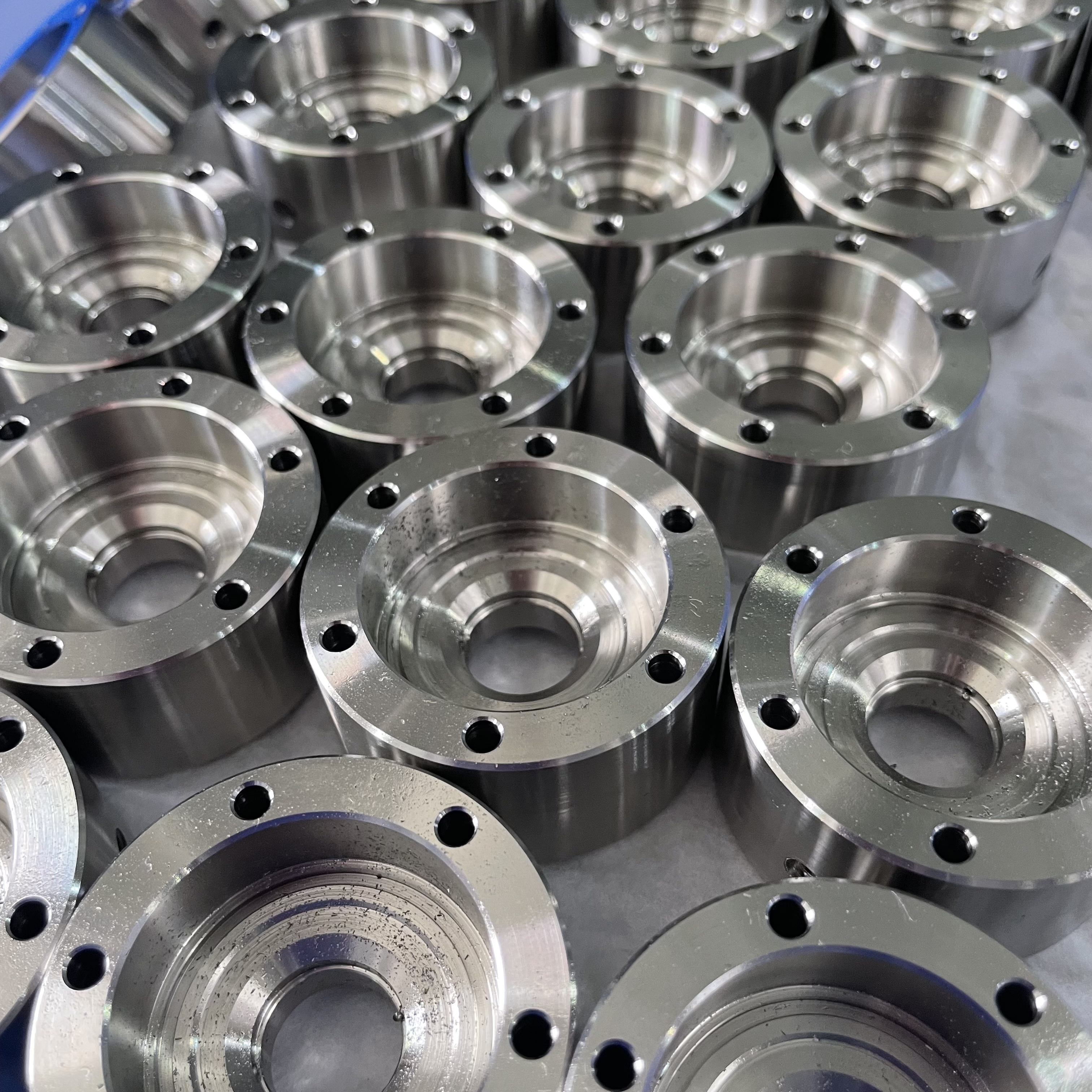
At Precision Fab CNC Machining, we specialize in producing parts for prototypes, short runs, and high-volume production. Our prototyping machine capabilities extend across metal, plastic, and wood machining, with welding fabrication services available to complement and finalize your prototype if required.
Address
Address: Room320 10F, Building A,Nanshan international building, Dayawan District, Huizhou, Guangdong, 516001 China
Contacts
billy@timaycnc.com