How CNC Helps Manufacturers Cut Costs by Reducing Waste

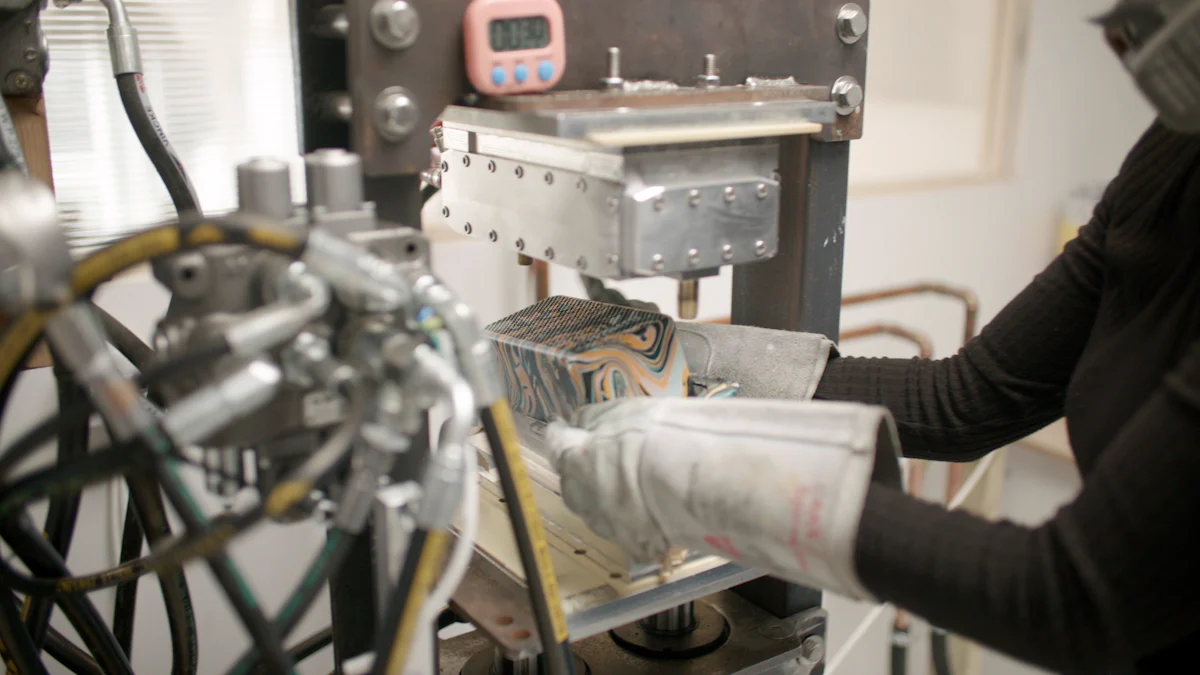
CNC technology is a game-changer for manufacturers like you. It helps you cut down on material waste while boosting efficiency. With its precision, CNC ensures you use only what’s needed, leaving little to no scrap behind. Techniques like nesting and toolpath optimization make sure every inch of material counts. Plus, CNC machines consume less energy compared to traditional methods, making them eco-friendly. They even support recycling programs and reduce coolant usage. By adopting CNC, you’re not just saving costs—you’re also contributing to sustainable manufacturing practices.
Key Takeaways
CNC machines cut materials exactly, saving money on supplies.
Methods like nesting and toolpath planning use all material wisely.
CNC machines work nonstop, cutting production time and labor costs.
Using CNC helps the environment, drawing eco-friendly customers.
Buying CNC shows your focus on smart and modern practices.
Precision and Efficiency in CNC Technology
How CNC Machines Achieve Minimized Material Waste
Precision in reducing errors and scrap
CNC machines are all about precision. They can achieve tolerances as tight as 0.001 inches, which means every cut is incredibly accurate. This level of precision ensures you use only the material you need, reducing errors and scrap. Unlike manual methods, CNC machines rely on computer-aided design (CAD) software to program movements. This ensures each cut aligns perfectly with your design, leaving no room for mistakes. By minimizing errors, you not only reduce material waste but also save on costs associated with rework or discarded parts.
Consistency in production for optimal material usage
Consistency is another strength of CNC machines. Once programmed, they produce identical parts every time, even in large production runs. This eliminates variations that could lead to wasted material. Fully automated processes also reduce human error, ensuring every piece meets your specifications. With CNC, you can count on consistent quality and effective use of materials, which boosts production efficiency and minimizes waste material.
Techniques for Reducing Material Waste
CNC nesting for maximizing material utilization
Nesting is a game-changer when it comes to maximizing material utilization. By arranging parts on a sheet in the most efficient way, you can minimize unused material. Specialized nesting software helps you optimize part orientation and reduce waste. To get started, finalize your CAD design, set up a nesting project, and choose the right material type and thickness. Then, arrange the parts for optimal orientation and run a simulation to catch errors before cutting. This process ensures you reduce material waste while improving production efficiency.
Toolpath optimization in CNC milling
Optimized toolpath planning is key to reducing waste in CNC milling. Efficient toolpaths minimize non-cutting movements, saving time and material. Adaptive tool paths adjust in real-time to varying material conditions, ensuring efficient cutting. By using different paths for roughing and finishing, you can remove material effectively while achieving the desired surface finish. These strategies not only reduce waste but also enhance overall efficiency.
Reuse and recycling of scrap materials
CNC processes make it easier to reuse and recycle scrap materials. Many manufacturers adopt closed-loop systems to collect and reintroduce waste material into production. This approach reduces waste disposal costs and supports sustainable practices. By reusing materials, you can cut costs and reduce waste, making your operations more eco-friendly.
CNC Laser Cutting and Waste Reduction
High precision cutting with minimal waste
CNC laser cutting takes precision to the next level. It uses focused laser beams to make clean, accurate cuts with minimal waste. This method is perfect for intricate designs where precision is critical. With CNC laser cutting, you can reduce material waste and achieve exceptional results, even for complex projects.
Applications of CNC laser cutting in various industries
CNC laser cutting benefits a wide range of industries. In construction, it’s used for precise structural components. The automotive and aerospace sectors rely on it for exhaust systems and chassis parts. Furniture makers use it for intricate designs, while artists create unique pieces with its help. Whether you’re in oil and gas, home décor, or artistic creations, CNC laser cutting helps you reduce waste and improve production efficiency.
Cost Savings Through Waste Reduction
Lower Material Costs
Efficient material usage reducing raw material purchases
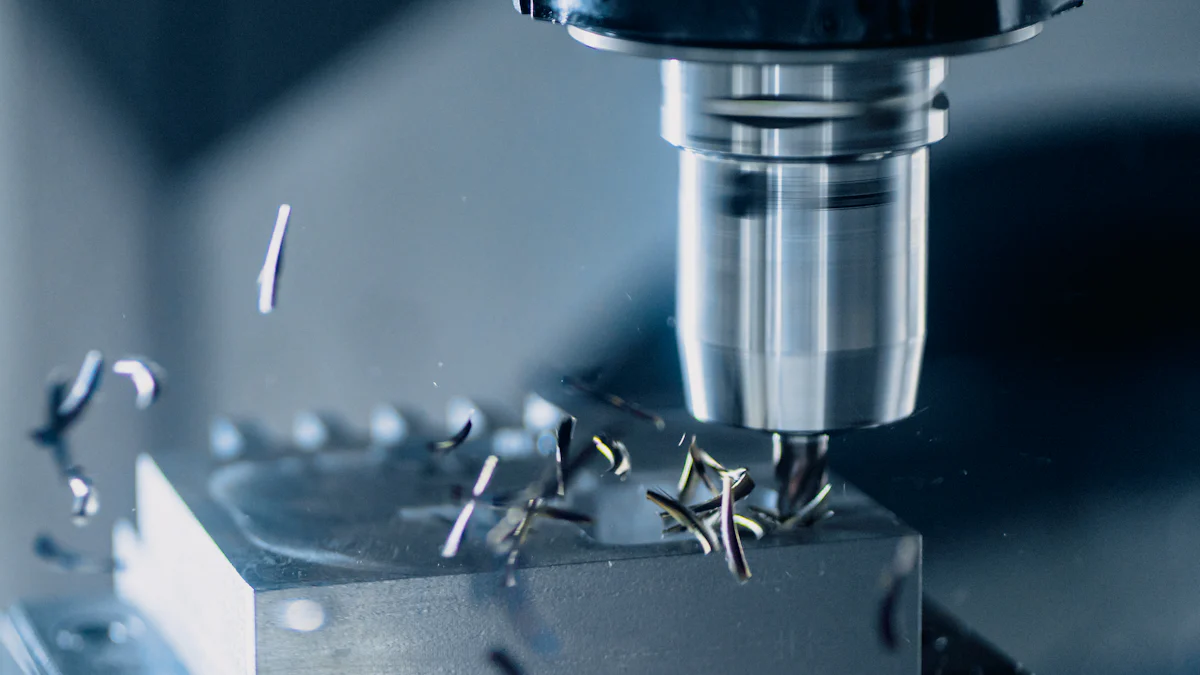
Efficient material usage is one of the biggest advantages of CNC technology. By optimizing machining paths, you can reduce cnc machining costs significantly. CNC machines cut parts with extreme precision, leaving very little excess material behind. This precision ensures you’re only using the material you need, which lowers raw material purchases. Selecting the right material for your project also plays a huge role. When you choose materials based on durability, machinability, and availability, you can achieve better results while saving money. Optimized toolpaths further enhance efficiency by reducing unnecessary passes, extending tool life, and improving surface finishes.
Minimizing scrap and rework expenses
Scrap and rework can eat into your profits, but CNC machines help you avoid these issues. Automation eliminates human error, which is a major cause of scrap in manual machining. This guarantees accurate cutting operations and reduces waste. CNC machines also produce high-quality work with minimal need for rework. This means your team can focus on other tasks, boosting productivity. By minimizing scrap and rework, you not only save on material costs but also improve overall cost efficiency.
"Automation in CNC machining eliminates the potential for human error, ensuring precise cuts and lowering scrap rates."
Energy Efficiency in CNC Processes
Optimized operations reducing energy consumption
CNC machines are designed for efficiency, and that includes energy use. You can reduce cnc machining costs by investing in modern machines with energy-efficient features. Optimizing toolpaths with CAM software minimizes unnecessary movements, saving both time and energy. Using high-efficiency cutting tools and managing coolant effectively also helps reduce energy consumption. Real-time monitoring systems can identify inefficiencies, allowing you to make adjustments and save even more.
Cost benefits of shorter production cycles
Shorter production cycles are another way CNC technology saves you money. These machines operate continuously with minimal downtime, enabling you to produce more parts in less time. Faster production means lower labor costs and quicker turnaround times for your customers. CNC automation also reduces the risk of errors, ensuring higher precision and fewer delays. By streamlining the cutting process, you can achieve greater production efficiency and meet high-demand orders without breaking the bank.
Sustainability and Cost Savings
Reducing waste disposal costs
CNC machines help you reduce material waste, which directly lowers waste disposal costs. Techniques like nesting and optimized toolpaths ensure you’re using materials efficiently, leaving less scrap to dispose of. Precise cutting also minimizes excess material, saving you money on disposal fees.
Attracting eco-conscious clients and partners
Sustainability isn’t just good for the planet—it’s good for business too. By adopting CNC technology, you can position your company as an eco-friendly manufacturer. This can attract clients and partners who value sustainable practices. Reducing material waste and energy consumption shows your commitment to the environment, which strengthens your brand reputation and opens doors to new opportunities.
Additional Benefits of CNC Technology
Improved Production Efficiency
Faster production times with minimal material waste
CNC machines are built for speed and precision. They operate continuously, producing parts faster than traditional methods. With optimized toolpaths and advanced programming, you can achieve reduced cycle times and minimize material waste. Technology integration, like sensors and CAM software, streamlines operations and eliminates delays. This means you can handle high-demand orders without sacrificing quality. Lean manufacturing practices also help you focus on waste reduction and process optimization, boosting production efficiency.
Enhanced accuracy reducing the need for corrections
CNC machines deliver unmatched accuracy. They follow pre-programmed instructions to the letter, ensuring precise cutting and consistent output quality. Advanced sensors and real-time monitoring detect errors instantly, allowing for immediate adjustments. This level of accuracy reduces the need for corrections, saving time and resources. By eliminating inconsistencies, you can maintain high-quality standards and improve fabrication processes.
Reduced Labor and Tooling Costs
Automation reducing manual intervention
Automation is a game-changer for reducing labor costs. CNC machines require fewer operators since they function independently. This minimizes human error, which often leads to scrap and rework. With CNC, you can achieve increased productivity while reducing labor costs. Operators also need less training, which lowers onboarding expenses.
Aspect | Description |
|---|---|
Minimized Operator Requirements | Fewer operators are needed due to the independent functioning of CNC milling machines. |
Reduced Human Error | Automation eliminates human error, reducing scrap and rework costs. |
Increased Productivity | CNC machines can operate continuously, producing more parts with fewer operators, lowering costs. |
Reduced Training Costs | Operators require less extensive training, lowering onboarding and training expenses. |
Lower tooling costs through efficient CNC programming
Efficient CNC programming helps you save on tooling costs. By selecting the right tools for specific tasks, you can enhance performance and extend tool life. Regular maintenance, like sharpening and timely replacements, reduces premature wear. CNC machines also allow you to use the same tools for multiple applications, cutting down on custom tooling expenses. Tool changers in CNC systems further reduce setup time and costs, making your fabrication process more efficient.
Competitive Advantage for Manufacturers
Meeting client demands for cost-effective, sustainable solutions
CNC technology helps you meet client expectations for affordability and sustainability. Automation reduces labor costs and ensures precise cutting, while optimized material usage minimizes waste. Modern CNC machines are energy-efficient, lowering your carbon footprint. These benefits make your operations more attractive to eco-conscious clients.
Strengthening brand reputation through efficient practices
Adopting CNC technology positions your business as a leader in efficiency and innovation. Companies like Precision Metal Works and Cox Manufacturing have used CNC to boost production efficiency and handle complex projects. By delivering high-quality products with reduced material waste, you can strengthen your brand reputation and gain a competitive edge in the market.
CNC technology transforms how you approach manufacturing. By using techniques like nesting, adaptive toolpaths, and part consolidation, you can reduce material waste and cut costs. Modern CNC machines also support sustainable practices, such as incorporating recycled materials and using biodegradable cutting fluids. These innovations not only save money but also enhance your brand’s eco-friendly image. With added benefits like improved efficiency and lower labor costs, CNC becomes a smart investment. If you’re looking to boost profitability and streamline operations, CNC solutions are the way forward.
FAQ
What makes CNC laser cutting machines so precise?
CNC laser cutting machines use focused beams to make clean, accurate cuts. The precision comes from advanced programming and the ability to follow exact designs. This ensures minimal waste and perfect results every time.
How does CNC cutting reduce material waste?
CNC cutting optimizes material usage through techniques like nesting and toolpath planning. These methods arrange parts efficiently on materials, leaving little scrap behind. The precision of CNC machines also ensures you only use what’s necessary.
Can CNC laser cutting work with different materials?
Yes, CNC laser cutting works with metals, plastics, wood, and more. The versatility of laser technology allows you to handle various materials with ease. This flexibility makes it ideal for industries like automotive, construction, and furniture.
Are CNC machines energy-efficient?
Absolutely! CNC machines operate with optimized toolpaths and minimal downtime. This reduces energy consumption compared to traditional methods. Modern machines also include energy-saving features, making them cost-effective and eco-friendly.
How does CNC cutting benefit sustainable manufacturing?
CNC cutting minimizes waste, reduces energy use, and supports recycling. Techniques like nesting and reusing scrap materials lower disposal costs. These practices align with sustainable manufacturing goals and attract eco-conscious clients.
See Also
How CNC Precision Parts Affect Overall Manufacturing Expenses
Streamlined CNC Machining Solutions for Accurate Production
Comparing CNC and Traditional Manufacturing Across Various Sectors
Understanding CNC Technology's Role in Modern Manufacturing Advancements
Discovering Seven Advantages of CNC Machining in Manufacturing
About US
Follow Us
Your prototype holds unparalleled significance, and we deeply value its uniqueness. Collaborating with you during the preparation phase for running your prototype or parts is a commitment we gladly embrace. Whether it's a single part or a complex assembly, we are dedicated to selecting the optimal tools and pathways to bring your envisioned product to life.
At Precision Fab CNC Machining, we specialize in producing parts for prototypes, short runs, and high-volume production. Our prototyping machine capabilities extend across metal, plastic, and wood machining, with welding fabrication services available to complement and finalize your prototype if required.
Address
Address: Room320 10F, Building A,Nanshan international building, Dayawan District, Huizhou, Guangdong, 516001 China
Contacts
billy@timaycnc.com