How CNC Services Ensure Dimensional Stability in Aluminum Parts

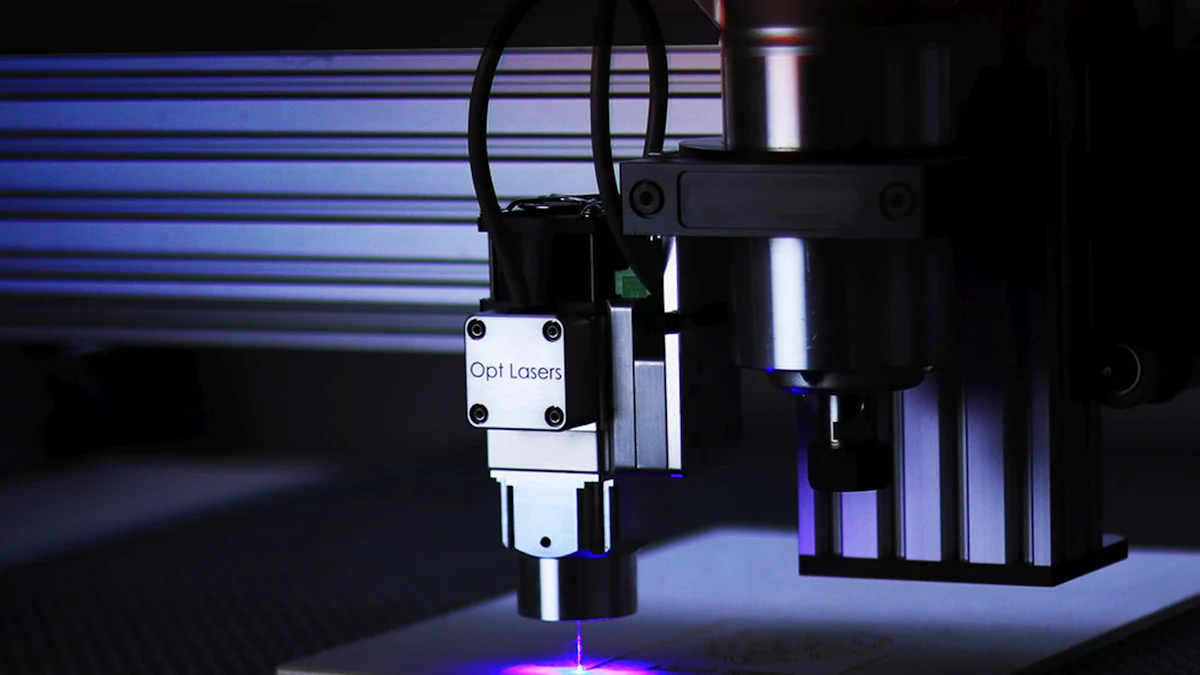
Precision is vital when working with aluminum parts, especially in industries like aerospace and automotive. Even small dimensional changes can lead to part failure or increased costs. Thermal expansion poses a significant challenge. Without proper management, it can increase tool costs by 30% and scrap rates by 20%, as shown below:
Impact Type | Poor Thermal Management | Proper Thermal Management |
|---|---|---|
Tool Costs Increase | 30% | N/A |
Scrap Rate Increase | 20% | N/A |
CNC services help you overcome these challenges. They use advanced techniques like stress-relief treatments, environmental control, and temperature compensation systems. These strategies ensure dimensional stability and maintain the quality of aluminum parts, even under demanding conditions.
Key Takeaways
CNC services use smart methods to control aluminum's heat changes. This keeps parts stable and lowers production costs.
Picking the right aluminum type and preparing it well reduces bending during machining. This makes parts higher quality.
Good heat control with proper settings and cooling is key for precise aluminum parts.
Using strong holding tools, like vacuum chucks, keeps the piece steady. This stops mistakes and saves time.
Adding stress-relief and surface treatments makes aluminum parts stronger and more accurate.
Understanding Aluminum's Thermal Expansion
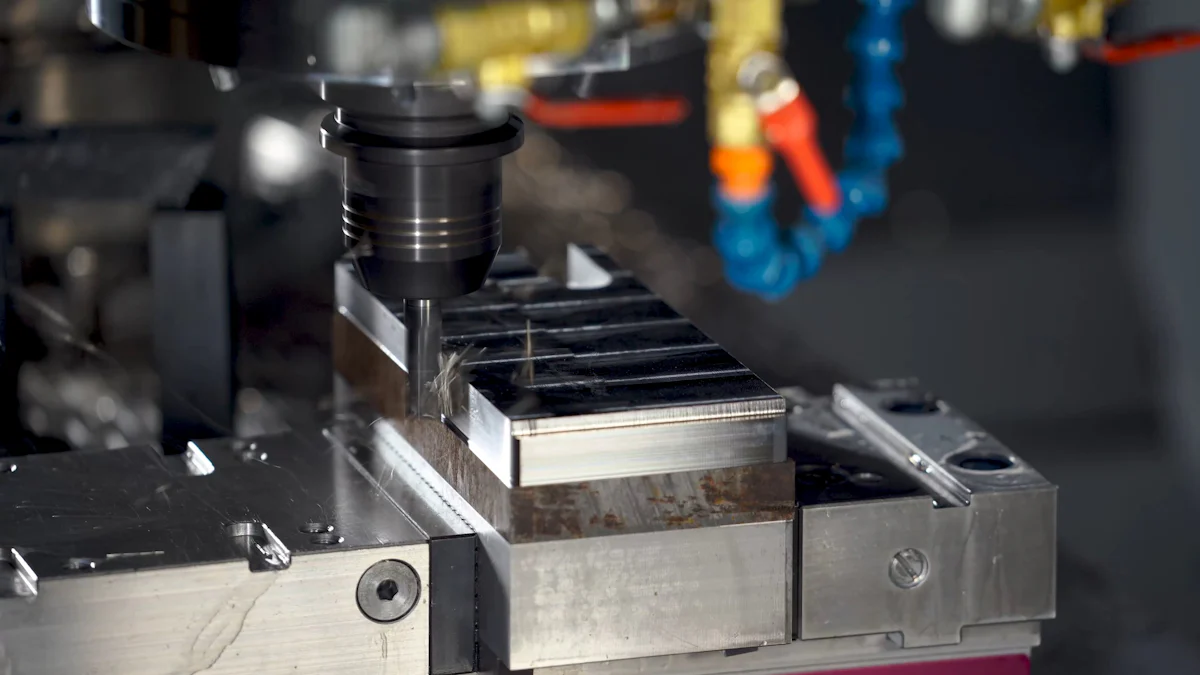
Why Aluminum Expands with Heat
Aluminum is known for its excellent thermal conductivity, but this property also makes it prone to expansion when exposed to heat. As the temperature rises, the atoms in aluminum vibrate more intensely, causing the material to expand. This behavior is a direct result of the material properties of aluminum, which include a relatively high coefficient of thermal expansion. While this characteristic is beneficial in applications like heat sinks, it can create challenges during machining. Even small temperature changes can cause noticeable dimensional changes in aluminum parts.
Impact of Thermal Expansion on Aluminum Parts Deformation
Thermal expansion can significantly affect the precision of aluminum parts. During machining, the heat generated by cutting tools can cause the workpiece to expand. This expansion leads to dimensional inaccuracies, especially in parts with tight tolerances. For example, a part designed to fit perfectly in an assembly may no longer meet specifications due to heat-induced deformation. Aluminum parts deformation caused by thermal expansion can compromise the functionality of components in industries like aerospace and automotive, where precision is critical. Without proper thermal management, the risk of producing defective parts increases.
Challenges in Maintaining Dimensional Stability During Machining
Machining aluminum presents unique challenges due to its thermal properties. The heat generated during cutting not only affects the workpiece but also impacts the CNC machine's performance. As the aluminum expands, maintaining dimensional stability becomes difficult. This is particularly problematic for complex parts with intricate designs. The material's high thermal conductivity means that heat spreads quickly, making it harder to control. Additionally, aluminum's softness can lead to tool wear, further complicating the machining process. To overcome these challenges, you need to adopt strategies that minimize heat generation and manage thermal expansion effectively.
CNC Techniques to Prevent Aluminum Parts Deformation
Material Selection and Preparation
Choosing the right material is the first step to minimize deformation in aluminum parts. You should consider alloys like 6061, 7075, or 2024. These alloys balance strength, machinability, and resistance to thermal expansion. For applications requiring extreme precision, controlled heating and cooling cycles can stabilize the molecular structure of raw aluminum, reducing the risk of deformation during machining. This preparation ensures the material remains dimensionally stable under varying thermal conditions.
Symmetrical machining is another effective technique. By machining all sides evenly, you can balance thermal and mechanical stresses. This approach prevents uneven expansion and contraction, which often leads to aluminum parts deformation. Effective clamping techniques, such as vacuum chucks or adhesive workholding, also play a critical role. These methods secure the workpiece without introducing additional stress, ensuring stability throughout the machining process.
Optimizing Machining Parameters for Heat Management
Heat management is crucial when machining aluminum. Adjusting spindle speed, feed rate, and cutting depth can significantly reduce heat generation. Lowering the cutting speed and feed rate minimizes the temperature at the tool-workpiece interface. Simulation software can help you test different parameter combinations to find the most efficient settings for your specific project.
Stratified multiple machining is another strategy to minimize deformation. By processing all cavities simultaneously, you can avoid twisting caused by uneven forces. This method ensures uniform heat dissipation, reducing the risk of thermal deformation. Selecting appropriate cutting parameters also reduces cutting forces, which helps maintain dimensional stability in aluminum parts.
Tooling Strategies to Minimize Heat Generation
The tools you use directly impact heat generation during machining. Tools designed specifically for aluminum, such as those with positive rake angles, reduce heat and power requirements. Climb milling is another effective strategy. By engaging the cutter rotation with the feed, you can generate less heat compared to conventional milling.
Coolants are essential for managing heat. You can use delivery methods like flood cooling, mist, or high-pressure systems to keep the tool and workpiece cool. High-efficiency milling techniques also help. This approach uses a larger axial depth of cut with a smaller radial depth of cut, optimizing performance while minimizing heat. Controlling speed and feed rates further ensures that heat generation remains within manageable limits.
Fixturing Solutions for Stability
Fixturing plays a critical role in maintaining the stability of aluminum parts during machining. Without proper fixturing, even minor vibrations or shifts can lead to dimensional inaccuracies. You need to ensure that the workpiece remains secure and stable throughout the process to achieve precise results.
Effective clamping techniques are essential for stability. Vacuum chucks, for instance, provide uniform pressure across the workpiece, reducing the risk of distortion. Adhesive workholding is another option, especially for thin or delicate parts. This method minimizes stress on the material while keeping it firmly in place. Both approaches help you maintain control over the workpiece during machining.
Custom fixtures designed for specific parts can further enhance stability. These fixtures conform to the shape of the workpiece, providing additional support and reducing movement. For complex or irregularly shaped parts, modular fixturing systems offer flexibility. You can adjust these systems to accommodate different designs, ensuring consistent stability across various projects.
Proper alignment of the fixture is equally important. Misaligned fixtures can cause uneven forces during machining, leading to deformation. You should always verify the alignment before starting the process. Additionally, using fixtures made from materials with low thermal conductivity can help manage heat transfer. This reduces the risk of thermal expansion affecting the workpiece.
By investing in high-quality fixturing solutions, you can minimize errors and improve the overall efficiency of your machining operations. Stability during machining not only ensures dimensional accuracy but also extends tool life and reduces waste.
Pre-machining and Post-machining Treatments
Stress Relieving to Reduce Internal Strain
Stress-relieving treatments play a vital role in reducing internal strain in aluminum parts. These methods improve dimensional stability and prevent aluminum parts deformation during machining. You can choose from several effective techniques:
Vibrational Stress Release (VSR): This method uses vibrations at the metal's resonance frequency to relieve tension. It enhances both dimensional stability and mechanical integrity.
Cryogenics: By exposing aluminum to extremely low temperatures, this process reduces residual tension. It also improves wear and corrosion resistance, resulting in stronger, more durable parts.
Annealing: This heat treatment resets the crystalline structure of work-hardened aluminum. It minimizes tension and resolves issues like warping, ensuring better machining outcomes.
Incorporating these treatments before machining ensures the material remains stable, reducing the risk of dimensional inaccuracies.
Surface Treatments for Enhanced Stability
Surface treatments enhance the stability and durability of aluminum parts. These treatments protect the material from environmental factors like corrosion and wear, which can compromise precision. Anodizing is a popular choice. It creates a protective oxide layer on the aluminum surface, improving resistance to wear and thermal effects. Another effective option is chemical conversion coating, which provides a corrosion-resistant layer without altering the part's dimensions.
These treatments not only improve the part's longevity but also maintain its dimensional accuracy during machining and in its final application. By investing in surface treatments, you ensure better quality control and performance of your aluminum components.
Dimensional Inspection to Ensure Precision
Dimensional inspection is critical for maintaining accuracy in aluminum parts. Tools like calipers, micrometers, and laser measuring devices help you verify dimensions at different levels of precision.
Tool | Precision Level | Best For |
|---|---|---|
Calipers | Moderate | Basic profiles |
Micrometers | High | Small, intricate details |
Laser Measuring Devices | Very High | Large-scale and complex profiles |
Modern automated systems now use AI and machine learning to analyze dimensions faster and more accurately. These systems detect potential issues early, allowing you to address them before they affect quality control. By combining traditional tools with advanced technology, you can achieve precise results and minimize dimensional inaccuracies in your aluminum parts.
Advanced CNC Technologies for Dimensional Stability
Real-time Monitoring and Temperature Compensation
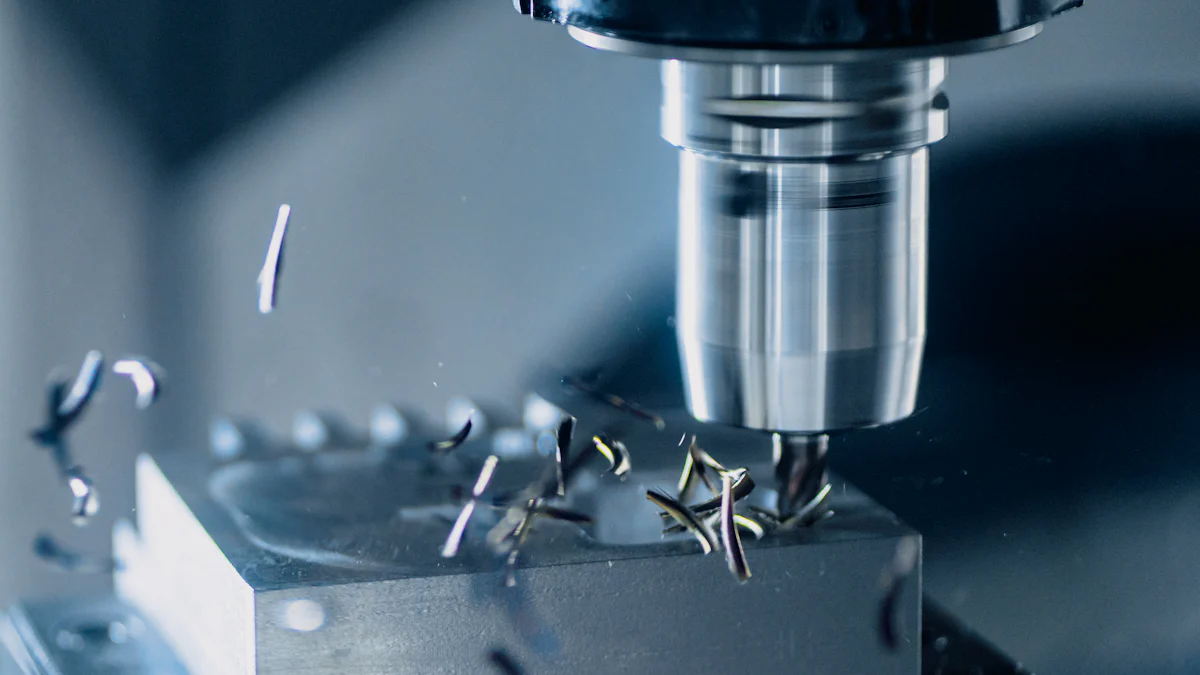
Real-time monitoring systems help you maintain precision during machining. These systems track temperature changes in both the workpiece and the machine. Sensors placed on critical components provide continuous feedback, allowing you to detect even minor temperature fluctuations. With this data, temperature compensation systems adjust the machine's operations to counteract thermal expansion. For example, if the aluminum workpiece expands due to heat, the system recalibrates the cutting path to maintain dimensional accuracy. This proactive approach ensures that your parts meet tight tolerances, even in challenging conditions.
Temperature compensation also extends the lifespan of your tools. By reducing the impact of heat on the cutting edges, you minimize wear and tear. This not only improves the quality of your aluminum parts but also lowers overall production costs.
Adaptive Machining for Thermal Expansion Control
Adaptive machining takes precision to the next level by responding dynamically to changes during the process. This technology uses real-time adaptation to counteract thermal expansion and contraction. Probing systems and tool length compensation features continuously monitor the tool and workpiece. These systems make immediate adjustments to maintain accuracy, ensuring that your parts meet design specifications despite temperature changes.
Tool length compensation adjusts the tool's position to account for thermal effects.
Probing systems measure the workpiece dimensions during machining, allowing for on-the-fly corrections.
Adaptive systems ensure consistent results, even when working with complex designs or varying environmental conditions.
By incorporating adaptive machining, you can achieve superior results with aluminum parts. This technology reduces errors, enhances efficiency, and ensures that your final products meet the highest standards.
CAD/CAM Integration for Predictive Adjustments
CAD/CAM software plays a crucial role in maintaining dimensional stability. These tools allow you to simulate the machining process before starting production. By analyzing factors like heat generation and material behavior, you can predict potential issues and make adjustments in advance. For example, you can modify cutting paths or adjust feed rates to minimize heat buildup in aluminum parts.
Predictive adjustments also help you optimize machining parameters for specific projects. With CAD/CAM integration, you can create custom strategies tailored to your material and design requirements. This level of precision ensures that your parts remain stable and accurate throughout the process.
Advanced CNC machines equipped with CAD/CAM systems offer unparalleled control and flexibility. By leveraging these technologies, you can streamline your operations, reduce waste, and deliver high-quality aluminum components.
Case Studies: CNC Solutions for Aluminum Parts Deformation
Aerospace Components with High Precision Requirements
In aerospace, precision is non-negotiable. You need parts that meet exact specifications to ensure safety and performance. CNC machining excels in producing high-precision components from aluminum. The lightweight nature of aluminum makes it ideal for aerospace applications, but its thermal expansion can pose challenges. CNC techniques address this by using real-time monitoring and adaptive machining. These technologies adjust for temperature changes, ensuring dimensional stability.
For example, CNC machines can create intricate designs for turbine blades or structural components. These parts require tight tolerances to function correctly under extreme conditions. By using advanced CAD/CAM software, you can simulate machining processes and predict potential issues. This proactive approach ensures that your aerospace components meet the highest standards of accuracy and reliability.
Automotive Parts with Tight Tolerances
Automotive manufacturing demands tight tolerances to ensure proper assembly and functionality. CNC machining helps you achieve this by employing techniques like limit tolerances, profile tolerances, and Geometric Dimensioning and Tolerancing (GD&T).
Limit tolerances define maximum and minimum sizes for dimensions, ensuring parts fit perfectly.
Profile tolerances control surface form and orientation, which is critical for components like car fenders.
GD&T uses standardized symbols to align parts precisely, essential for complex assemblies.
Aluminum is widely used in automotive parts due to its strength and lightweight properties. CNC machining ensures that these parts maintain dimensional stability, even under high temperatures. For instance, engine components and transmission housings benefit from CNC's ability to manage thermal expansion. This precision reduces waste and improves overall efficiency in automotive production.
Electronics Housings Designed for Thermal Management
Electronics housings require effective thermal management to ensure device performance. CNC machining allows you to create intricate designs for heat sinks and housings. These components, often made from aluminum, dissipate heat efficiently.
CNC machines provide the precision needed for assembling electronic components. Micro CNC machines can produce detailed patterns for heat sinks, accommodating various sizes and shapes. This level of accuracy ensures that your electronics housings meet both functional and aesthetic requirements. By using CNC machining, you can enhance thermal management and improve the longevity of electronic devices.
Aluminum thermal expansion creates significant challenges in precision industries. You face issues like deformation from excessive heat, inaccuracies in dimensions, and tool adhesion. These problems can compromise the quality of aluminum parts and increase production costs.
CNC services address these challenges with advanced techniques and technologies. Cryogenic machining absorbs heat, while precision spray cooling and coolant-impregnated tooling manage thermal buildup effectively. Intelligent toolpath optimization and hybrid machining further reduce heat generation. These methods ensure dimensional stability and prevent aluminum parts deformation.
By using CNC services, you gain long-term benefits like improved precision, faster iterations, and design flexibility. These services also enhance resistance to corrosion and increase surface hardness. CNC services ensure your aluminum parts meet the highest standards of quality and performance.
FAQ
What makes CNC machining ideal for aluminum parts?
CNC machining offers precision and adaptability. It handles aluminum's thermal expansion effectively using advanced techniques like real-time monitoring and adaptive machining. You can achieve tight tolerances, reduce waste, and ensure dimensional stability, making it perfect for industries like aerospace, automotive, and electronics.
How does thermal expansion affect aluminum machining?
Thermal expansion causes aluminum to expand when heated. This can lead to dimensional inaccuracies during machining. Without proper heat management, parts may deform, compromising their functionality. CNC techniques like temperature compensation and optimized machining parameters help you counteract these effects.
Can CNC machining handle complex aluminum designs?
Yes, CNC machining excels at producing intricate designs. Advanced CAD/CAM software allows you to simulate and optimize machining processes. You can create complex geometries, such as turbine blades or heat sinks, with high precision and minimal errors, even under challenging conditions.
What role do coolants play in CNC machining aluminum?
Coolants reduce heat at the tool-workpiece interface. They prevent thermal expansion and tool wear, ensuring dimensional stability. You can use methods like flood cooling or mist systems to keep the machining process efficient and precise.
Why is fixturing important for aluminum machining?
Fixturing stabilizes the workpiece during machining. Proper fixtures prevent vibrations and movement, ensuring accuracy. Techniques like vacuum chucks or adhesive workholding secure the material without adding stress, helping you maintain dimensional stability and reduce errors.
See Also
Uncovering The Benefits Of Aluminum CNC Machining Solutions
Satisfying Standards For Precision CNC Machining Of Components
Investigating CNC Machining Options For Accurate Production
About US
Follow Us
Your prototype holds unparalleled significance, and we deeply value its uniqueness. Collaborating with you during the preparation phase for running your prototype or parts is a commitment we gladly embrace. Whether it's a single part or a complex assembly, we are dedicated to selecting the optimal tools and pathways to bring your envisioned product to life.
At Precision Fab CNC Machining, we specialize in producing parts for prototypes, short runs, and high-volume production. Our prototyping machine capabilities extend across metal, plastic, and wood machining, with welding fabrication services available to complement and finalize your prototype if required.
Address
Address: Room320 10F, Building A,Nanshan international building, Dayawan District, Huizhou, Guangdong, 516001 China
Contacts
billy@timaycnc.com