How CNC Technology Can Transform Your Product Designs in

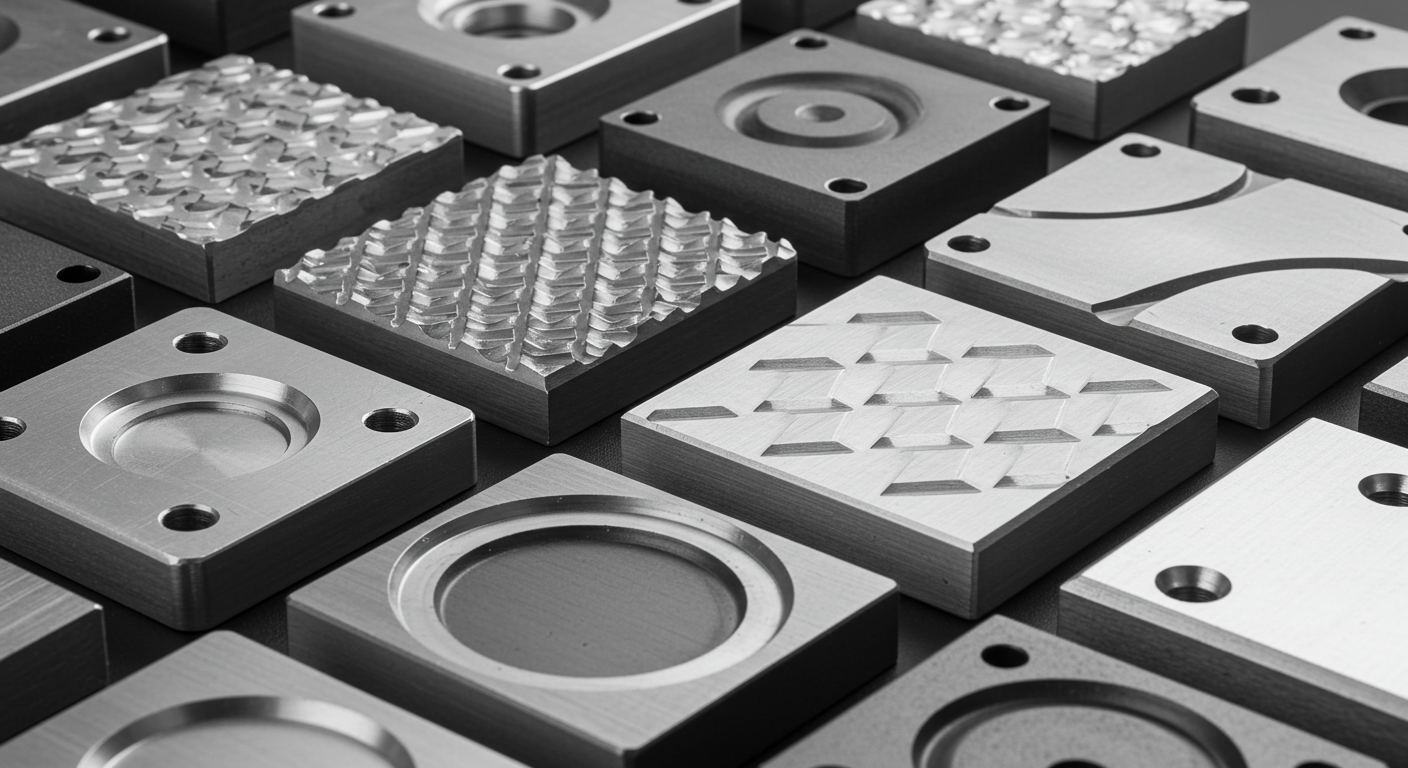
Imagine creating flawless product designs with unmatched precision and speed. CNC technology makes this possible by transforming how you approach manufacturing. It improves product quality by delivering consistent, high-precision results every time. CNC machining eliminates human error, ensuring tighter tolerances and uniformity across every part you produce.
By 2025, CNC will integrate with cutting-edge technologies like IoT and cloud computing. This combination will allow real-time monitoring and smarter operations, helping you optimize efficiency while reducing errors. Whether you're crafting intricate designs or scaling production, CNC empowers you to achieve more with less effort.
Key Takeaways
CNC machines are very precise, reducing mistakes and keeping quality steady.
Automation in CNC work cuts labor costs and reduces waste, saving money for all businesses.
AI and IoT help CNC machines work better by tracking in real-time and fixing problems early.
CNC machines can make detailed designs and custom products to fit special needs.
CNC technology is eco-friendly, using materials wisely and helping recycle them.
Precision and Accuracy in Product Designs
When it comes to creating flawless designs, precision and accuracy are non-negotiable. CNC machining has revolutionized how you achieve these goals, offering high-precision solutions that deliver defect-free products every time. Let’s explore how advancements in CNC technology ensure your designs are both precise and consistent.
Advancements in CNC Machining
Sub-micron precision for flawless product designs
CNC machining now operates at a level of precision that was once unimaginable. With sub-micron tolerances, you can create parts that meet exact specifications without compromise. Technologies like 5-axis machining and ultra-fast CNC controllers allow simultaneous movement across multiple axes, ensuring tight tolerances and unmatched repeatability. Whether you're crafting intricate components or large-scale parts, this precision engineering guarantees superior product quality.
Automation also plays a huge role here. By reducing human involvement, CNC systems eliminate errors and improve repeatability. Plasma and laser cutting technologies further enhance accuracy by minimizing heat impact and material waste. These advancements make CNC machining the go-to solution for high-precision designs.
Enhanced algorithms for error-free manufacturing
Modern CNC systems leverage AI and machine learning to take accuracy to the next level. These algorithms analyze data in real time, predicting potential issues and making adjustments on the fly. This means fewer defects and more reliable results. Digital twin technology lets you simulate and troubleshoot designs before actual machining begins, saving time and resources. With CAD and CAM software integration, you can optimize tool paths and ensure every cut is perfect.
Consistency in Quality
Eliminating variability in production
Consistency is key to maintaining high standards in manufacturing. CNC machining automates processes, reducing the likelihood of human error. This automation ensures every part matches the approved design, whether you're producing one unit or thousands. The result? Consistent quality that meets customer expectations every time.
Uniformity across large-scale manufacturing
Scaling up production often leads to variability, but CNC machining eliminates this challenge. Automated systems maintain precision across all parts, achieving tolerances within microns. Large CNC machines handle bigger tasks with fewer resources, ensuring uniformity even in high-volume manufacturing. This reliability makes CNC the backbone of consistent, large-scale production.
By combining precision, accuracy, and consistency, CNC machining empowers you to create products that stand out in quality and performance.
Efficiency and Speed in CNC Processes
When you're working on product designs, time is often your biggest challenge. That's where CNC processes shine. They help you speed up production without sacrificing quality. Let's dive into how CNC technology accelerates timelines and optimizes resources.
Accelerated Production Timelines
High-speed machining for rapid prototyping
Prototype CNC machining has revolutionized how quickly you can bring ideas to life. With high-speed machining, you can create high-quality prototypes in record time. Technologies like hybrid manufacturing combine additive and subtractive methods, letting you test designs faster. Multi-axis machining adds flexibility, allowing you to craft complex geometries with high precision. Automation and robotics further streamline workflows, reducing human error and boosting productivity. These advancements make prototype CNC machining the go-to solution for rapid prototyping.
Shortened lead times for product development
Shorter lead times mean you can move from concept to production faster. Online CNC machining services simplify the process by offering instant quoting and automated tool path generation. This reduces programming time and ensures machining parameters stay within tolerance. Integrated quality control minimizes rework, saving you time and resources. Plus, CNC machines can operate 24/7, tripling output capacity without increasing costs. These benefits of prototype CNC machining keep your projects on schedule and your customers happy.
Waste Reduction and Resource Optimization
Precise material usage for minimal waste
CNC machining excels at using materials efficiently. Advanced software programs movements with exact specifications, ensuring every cut aligns perfectly with your design. This precision reduces mistakes and minimizes scrap. Techniques like adaptive cutting and laser cutting optimize material usage, so you waste less and save more. By using only the necessary energy for each task, CNC machines also lower environmental impact.
Advanced programming to reduce scrap rates
Advanced programming takes accuracy to the next level. CNC robotics automate repetitive tasks, reducing errors and improving material utilization. Features like internal tool life monitoring and inline gauging adjust cutting parameters in real time, ensuring consistent results. This level of control significantly lowers scrap rates, helping you save on costs while maintaining high-quality prototypes.
By combining speed, efficiency, and resource optimization, CNC processes give you a competitive edge in manufacturing. Whether you're creating prototypes or scaling production, CNC technology ensures you get the job done right.
Complex Design Capabilities with CNC
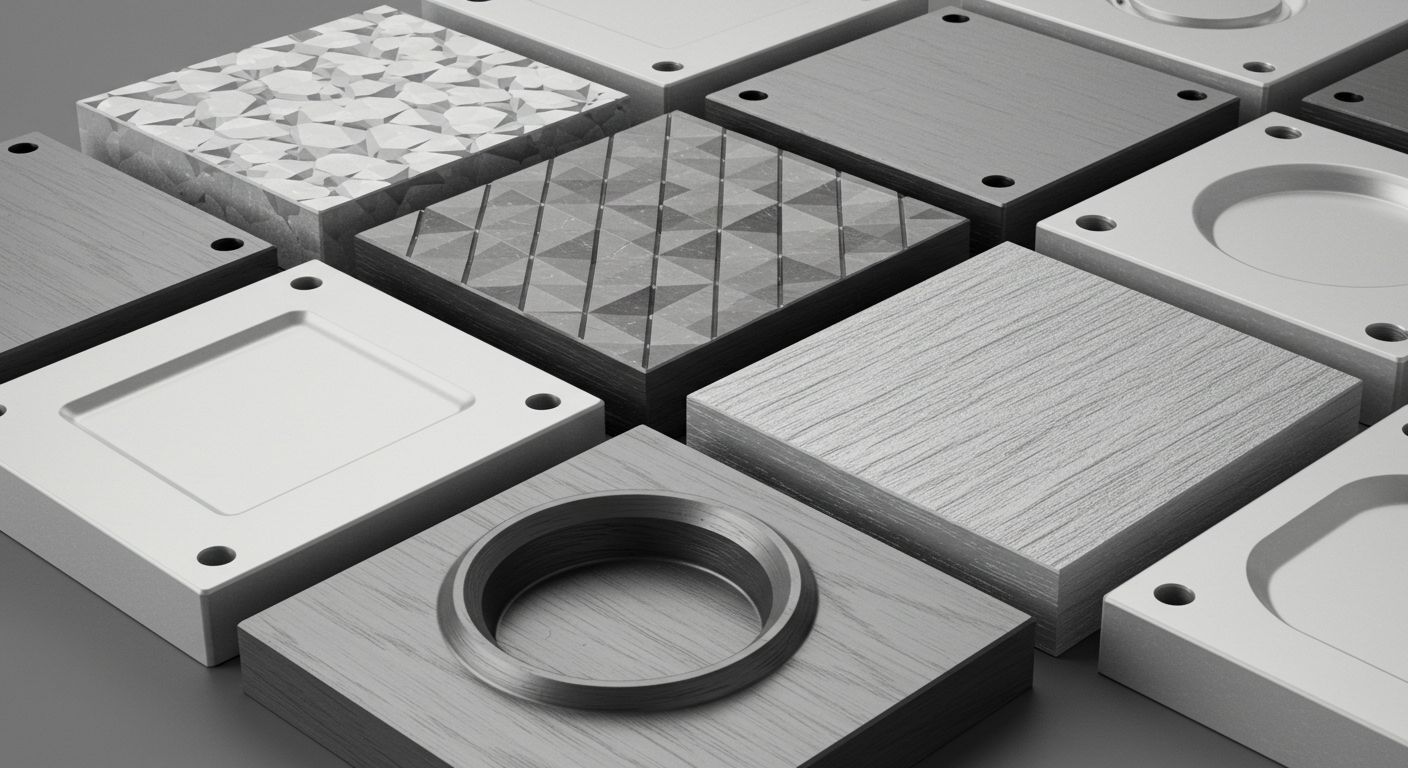
CNC technology opens up a world of possibilities for creating intricate and customized product designs. Whether you're tackling complex geometries or tailoring designs to specific needs, CNC machining ensures precision and flexibility like never before.
Supporting Intricate Product Designs
Multi-axis machining for complex geometries
Multi-axis machining takes your designs to the next level. By allowing simultaneous movement along multiple axes, it enables you to create shapes and features that traditional methods can't handle. This approach enhances precision, reduces setup time, and delivers a flawless surface finish. Imagine crafting a sculpture like the Mt. Fuji piece by Dom Riccobene, where detailed carvings come to life through advanced algorithms. Or consider the BN! Lamp by Baliza Norte, a modular lamp designed for precise assembly. These examples highlight how CNC machining brings complex designs to reality with unmatched efficiency.
Benefit | Description |
|---|---|
Enhanced Precision | Multi-axis machining allows for more accurate and precise operations due to simultaneous movement. |
Greater Efficiency | The ability to machine complex geometries reduces the need for multiple setups, saving time. |
Ability to Produce Complex Geometries | It enables the creation of intricate designs and shapes that are difficult with traditional methods. |
Improved Surface Finish | Continuous movement along multiple axes minimizes machining marks, leading to a better finish. |
Versatility | Capable of handling a wide range of complex parts and features, enhancing design possibilities. |
Achieving designs impossible with traditional methods
CNC machining makes the impossible possible. It allows you to create intricate designs like the Tri-Round Chair by Yunjae Lee, which features an interlocking structure without additional hardware. Similarly, Jörg Hugo's Ceramic Bodies use CNC-milled molds to achieve puzzle-like precision. These designs demonstrate how CNC technology enables complex design implementation that traditional methods simply can't replicate.
Customization and Flexibility
Tailoring designs to meet specific requirements
CNC machining gives you the power to customize designs effortlessly. Whether you're working with metals, composites, or polymers, CNC machines adapt to your material of choice. They also allow you to develop bespoke components tailored to your clients' needs. For example, custom packaging designs can be created with minimal adjustments to the program. This flexibility ensures your product designs meet exact specifications while maintaining consistent quality.
Quick adjustments for prototypes and final products
When you're in the prototyping phase, speed and accuracy are crucial. CNC technology lets you make rapid iterations and modifications with ease. Starting with a 3D CAD model, you can quickly convert it into CAM files for precise machining. This process minimizes lead time and ensures high tolerances. Whether you're refining a prototype or finalizing a product design, CNC machining ensures consistent results across every batch. With prototype CNC machining, you can confidently bring your ideas to life faster than ever.
Material Versatility and Sustainability in CNC Machining
CNC machining isn’t just about precision; it’s also about adaptability. In 2025, you’ll see how this technology works seamlessly with advanced materials while promoting sustainable practices. Let’s explore how CNC supports material versatility and eco-friendly manufacturing.
Compatibility with Advanced Materials
Working with metals, composites, and polymers
CNC machining gives you the flexibility to work with a wide range of materials, from durable metals like aluminum and steel to lightweight composites and versatile polymers. This adaptability means you can choose the best material for your product’s needs without compromising quality. For example, metals like aluminum and steel are not only strong but also highly recyclable, making them ideal for sustainable manufacturing. Polymers and composites, on the other hand, offer lightweight solutions for industries like aerospace and automotive. With CNC, you can machine these materials with precision, ensuring your designs meet industry standards like ISO and ASTM.
Adapting to innovative materials in 2025
The future of CNC machining lies in its ability to adapt to cutting-edge materials. In 2025, you’ll see more innovative options like biodegradable plastics and advanced alloys designed for extreme conditions. CNC machines can handle these materials with ease, thanks to their precise programming and advanced tooling. Whether you’re creating components for medical devices or high-performance machinery, CNC ensures your designs are ready for the challenges of tomorrow.
Eco-Friendly Manufacturing Practices
Reducing energy consumption in CNC processes
Sustainability is no longer optional—it’s essential. CNC machining helps you reduce energy consumption by optimizing every step of the process. Machines now use smart programming to minimize idle time and energy waste. Renewable energy sources like solar and wind power are also being integrated into CNC operations, further lowering the environmental impact. By using less energy, you not only save costs but also contribute to a greener planet.
Supporting sustainability with recyclable materials
CNC machining promotes a circular economy by enabling the use of recyclable materials. Excess material from production can be collected and reused, reducing waste sent to landfills. For instance, aluminum and steel alloys are among the most recycled materials in the world. CNC machines also work with biodegradable plastics and eco-friendly coatings, making it easier for you to create sustainable products. By choosing recyclable materials, you’re not just meeting customer expectations—you’re setting a standard for responsible manufacturing.
CNC technology combines material versatility with sustainability, giving you the tools to innovate while protecting the environment. Whether you’re working with advanced alloys or eco-friendly plastics, CNC ensures your designs are efficient, precise, and future-ready.
Integration of CNC with Emerging Technologies
Emerging technologies are reshaping how you approach CNC machining, making it smarter, faster, and more efficient. By integrating AI, IoT, and robotics, CNC systems are evolving into intelligent manufacturing solutions that deliver unmatched precision and quality.
AI and Machine Learning in CNC
Predictive maintenance for uninterrupted operations
Imagine your CNC machines diagnosing themselves before a breakdown occurs. That’s the power of predictive maintenance. AI algorithms analyze machine data to forecast potential failures, reducing unplanned downtime by up to 40%. This proactive approach keeps your operations running smoothly and minimizes costly interruptions. You’ll also save on maintenance expenses, as timely repairs prevent small issues from escalating into major problems.
AI-driven optimization of product designs
AI doesn’t just maintain your machines—it also enhances your designs. By optimizing toolpaths, AI improves production efficiency by up to 20%. It automates repetitive tasks, ensuring consistency and reducing human error. Real-time quality control powered by AI cuts defect rates by 50%, so your products meet the highest standards. With these tools, you can refine your prototype CNC machining processes and achieve flawless results.
IoT and Smart Manufacturing
Real-time monitoring for quality assurance
IoT brings real-time visibility to your CNC operations. Sensors collect data on machine performance, allowing you to spot issues instantly. This continuous feedback loop ensures your machining stays on track, enhancing quality control. Advanced reporting tools provide insights into production metrics, helping you make informed decisions. With IoT, you can maintain precision and deliver top-notch products every time.
Seamless communication between CNC systems
IoT also enables your CNC machines to "talk" to each other. This seamless communication streamlines workflows and reduces idle time. Predictive analytics powered by IoT further boosts efficiency by forecasting maintenance needs. By integrating IoT into your prototype CNC machining setup, you’ll enjoy smoother operations and lower operational costs.
Robotics and Automation in CNC
Collaborative robots enhancing workflows
Robots are transforming CNC machining by taking over repetitive tasks. Collaborative robots, or cobots, work alongside your team to enhance productivity. They handle tasks like automated tool calibration and error compensation, ensuring high-quality output. Cobots also improve workplace safety by managing hazardous materials and operating in extreme conditions.
Fully automated production for maximum efficiency
Fully automated CNC systems take efficiency to the next level. These machines run 24/7, increasing productivity and reducing labor costs. They deliver precision with tolerances as tight as +/- 0.0002 inches, ensuring consistent quality. Automation also allows quick reprogramming for new designs, making it easier to adapt to market demands. By embracing automation, you’ll maximize output while minimizing waste.
Emerging technologies like AI, IoT, and robotics are revolutionizing CNC machining. They enhance precision, streamline workflows, and ensure superior quality, giving you a competitive edge in modern manufacturing.
Cost-Effectiveness and Scalability of CNC
CNC machining doesn’t just improve quality—it also saves you money and helps your business grow. Whether you’re looking to cut costs or scale production, CNC technology has you covered.
Reducing Costs with CNC Machining
Lower labor costs through automation
Automation is one of the biggest cost-saving advantages of CNC machining. Machines equipped with automatic tool changers and robotics handle tasks with minimal operator involvement. This reduces the need for a large workforce, cutting labor costs significantly. Plus, CNC machines can run continuously, even during breaks or overnight. This maximizes spindle utilization and ensures you get the most out of your equipment. By automating repetitive tasks, you can focus your resources on innovation and strategy.
Minimizing waste and rework expenses
CNC machining is incredibly precise, which means less material waste. Advanced programming ensures every cut is accurate, reducing errors and scrap rates. Unlike traditional methods, CNC uses only the raw materials needed for your design, saving you money on supplies. Regular maintenance also keeps machines running smoothly, preventing costly breakdowns and downtime. Over time, these efficiencies add up, making CNC machining an economical choice for your business.
Tip: Investing in CNC technology now can lead to long-term savings by reducing waste and improving efficiency.
Scalability for Diverse Business Needs
Adapting CNC for small and large-scale production
CNC technology is perfect for businesses of all sizes. For large-scale production, it enhances throughput and speeds up manufacturing without sacrificing accuracy. Automated systems reduce setup errors and ensure consistent results, even for high-volume orders. On the other hand, small businesses benefit from CNC’s flexibility. Machines can be reprogrammed quickly, allowing you to switch between projects or adjust designs with ease. This adaptability makes CNC machining a cost-effective solution for both small and large-scale operations.
Supporting startups and established manufacturers
Whether you’re a startup or an industry leader, CNC machining helps you stay competitive. For startups, it offers the speed and precision needed to develop products efficiently. You can innovate faster and adapt to market demands without breaking the bank. Established manufacturers, meanwhile, can use CNC to handle larger projects while maintaining quality and consistency. By leveraging this technology, you can scale your operations and meet customer expectations with confidence.
CNC machining combines cost-effectiveness with scalability, making it a smart investment for any business. From reducing labor costs to supporting growth, it ensures you’re ready for whatever comes next.
CNC technology is revolutionizing how you approach product designs. It delivers unmatched precision, ensuring every cut and curve meets exact specifications. With advanced CAD and CAM software, you can create complex designs faster and more efficiently. Automation and multi-axis machining make it easier to produce intricate parts while maintaining consistent product quality. Plus, CNC machining supports eco-friendly practices, helping you reduce waste and operational costs.
By integrating AI, IoT, and robotics, CNC adapts to future trends effortlessly. Real-time quality control and 24/7 operation give you a competitive edge. Whether you're scaling production or refining a product design, CNC ensures superior results every time.
Tip: Businesses adopting CNC in 2025 will enjoy cost savings, improved productivity, and the ability to innovate with confidence.
FAQ
What is CNC machining, and how does it work?
CNC machining uses computer-controlled tools to shape materials into precise designs. You upload a digital design, and the machine follows programmed instructions to cut, drill, or mill the material. It’s like having a robot craftsman working with incredible accuracy.
Can CNC machines handle custom designs?
Absolutely! CNC machines excel at customization. You can upload your unique design, and the machine will create it with precision. Whether it’s a one-off prototype or a tailored product, CNC adapts to your needs effortlessly.
Is CNC machining eco-friendly?
Yes, it can be! CNC minimizes waste by using materials efficiently. Many machines also support recyclable materials and energy-saving processes. By choosing CNC, you’re taking a step toward sustainable manufacturing.
How does CNC improve production speed?
CNC machines operate 24/7 without breaks. They automate tasks, reducing manual labor and errors. With high-speed machining and real-time adjustments, you can complete projects faster than traditional methods.
What industries benefit most from CNC technology?
CNC is versatile, so it benefits many industries. Aerospace, automotive, healthcare, and consumer goods all rely on CNC for precision parts. Whether you’re crafting medical devices or car components, CNC delivers unmatched quality.
Tip: If you’re new to CNC, start with small projects to explore its capabilities. You’ll be amazed at what it can do!
See Also
Revolutionizing Precision Manufacturing Through CNC Machining Innovations
CNC Technology Journey: Past Developments and Future Innovations
Benefits of CNC Precision Machining and Its Future Directions
Understanding CNC Technology: Advances and Its Manufacturing Applications
Consumer Electronics: Key CNC Precision Machining Trends for 2024
About US
Follow Us
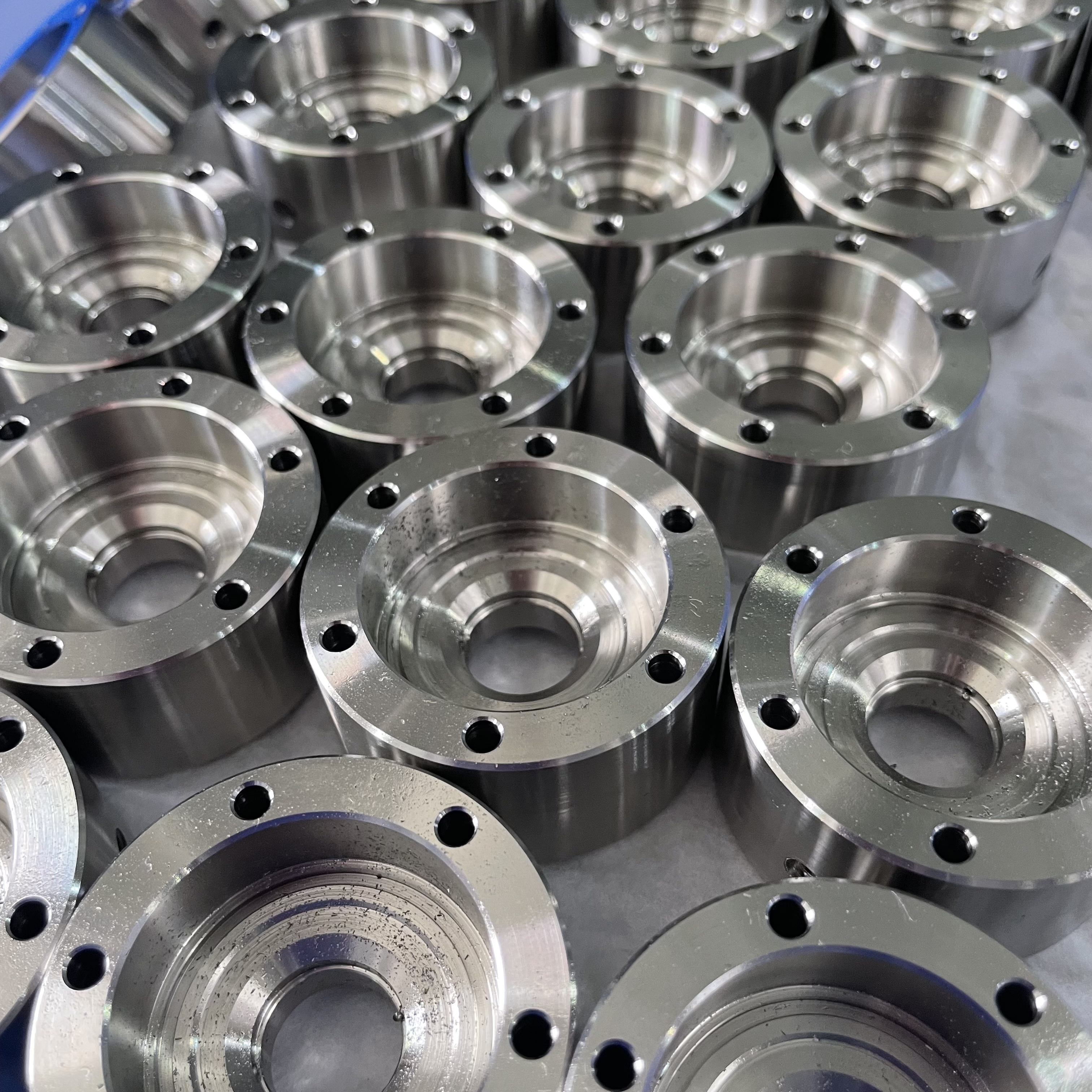
Your prototype holds unparalleled significance, and we deeply value its uniqueness. Collaborating with you during the preparation phase for running your prototype or parts is a commitment we gladly embrace. Whether it's a single part or a complex assembly, we are dedicated to selecting the optimal tools and pathways to bring your envisioned product to life.
At Precision Fab CNC Machining, we specialize in producing parts for prototypes, short runs, and high-volume production. Our prototyping machine capabilities extend across metal, plastic, and wood machining, with welding fabrication services available to complement and finalize your prototype if required.
Address
Address: Room320 10F, Building A,Nanshan international building, Dayawan District, Huizhou, Guangdong, 516001 China
Contacts
billy@timaycnc.com