Common Material Defects and How CNC Mitigates Them

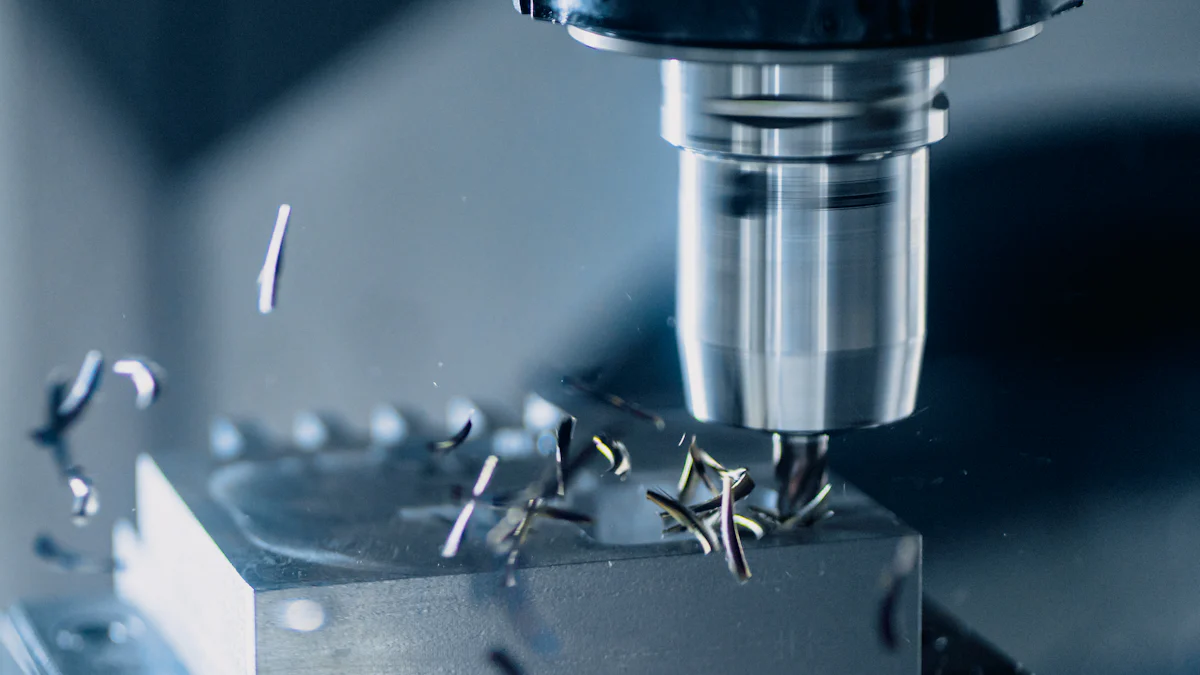
Material defects can disrupt machining quality and lead to poor results. Inconsistencies in material properties often cause uneven finishes or dimensional inaccuracies. For example, thermal expansion during machining can alter dimensions by 0.0025 mm per meter for every degree Celsius increase. CNC machining addresses these challenges with precision and automation. By optimizing the CNC milling process and ensuring material selection and compatibility, you can reduce common workpiece defects. CNC also minimizes common CNC machine problems like chip evacuation problems, improving overall machining outcomes. Understanding machining defects and their solutions ensures better results and long-term improvement.
Key Takeaways
CNC machining improves accuracy and lowers material flaws with better tool paths and modern cutting tools.
Knowing what causes surface problems, like uneven materials or worn tools, helps make better parts.
Using feedback systems in CNC machines allows quick fixes, keeping sizes correct and saving time.
Checking machines often and using heat adjustment tools are key for steady results.
Spending on tool care and tracking makes tools last longer and reduces mistakes, boosting work output.
Surface Finish Defects in CNC Machining
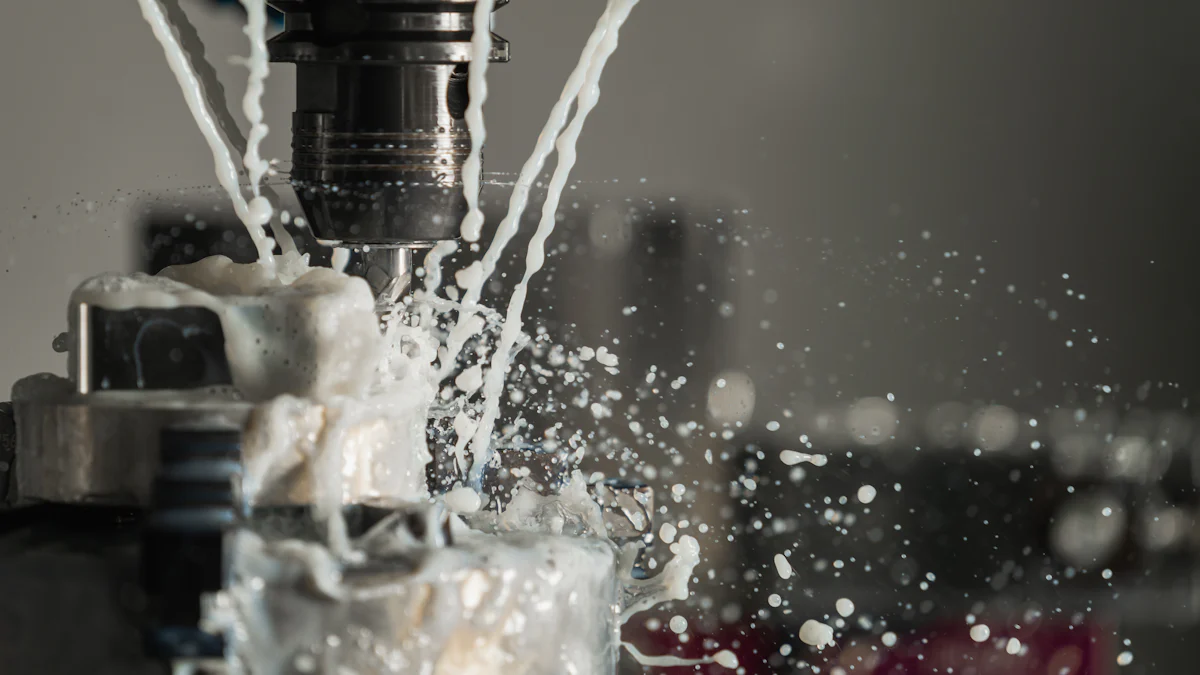
Surface finish plays a critical role in the functionality and appearance of machined parts. A poor surface finish can lead to reduced performance, increased wear, and even part failure. Understanding the causes of these defects and how CNC machining addresses them can help you achieve better results.
Causes of Surface Finish Defects
Material inconsistencies
Material inconsistencies often result in uneven machining outcomes. Variations in composition or grain structure within the same batch can cause irregularities in the surface finish. These inconsistencies may also affect chip formation and tool wear, leading to unexpected machining defects.
Tool wear or improper tool selection
Tool wear significantly impacts surface quality. Over time, tools lose their sharpness, which can result in a poor surface finish. Using the wrong tool material or geometry for a specific job can also lead to rapid wear and suboptimal results. Improper cutting parameters, such as incorrect speeds or feeds, further exacerbate these issues by generating excessive heat or chatter marks.
CNC Solutions for Surface Finish
High-precision toolpath programming
CNC machines excel in precision. By programming optimized toolpaths, you can minimize unnecessary tool movements and ensure consistent material removal. This precision reduces the likelihood of machining defects and improves surface finish quality.
Advanced cutting tools and coatings
High-quality cutting tools, such as carbide or ceramic, maintain sharp edges even at high speeds. These tools are ideal for achieving smooth finishes. Additionally, advanced coatings on tools reduce friction and heat generation, further enhancing surface quality. Techniques like high-speed machining and ultrasonic surface finishing also contribute to superior results.
Real-time monitoring and adjustments
CNC systems equipped with real-time monitoring capabilities can detect deviations in cutting parameters. Continuous observation of factors like cutting load and surface finish allows for immediate adjustments. This proactive approach prevents poor surface finish issues and ensures consistent accuracy throughout the machining process.
By addressing these common causes and leveraging CNC solutions, you can significantly improve surface finish quality and reduce machining defects.
Dimensional Inaccuracies in CNC Machining
Dimensional inaccuracies can compromise the quality and functionality of machined parts. These errors often result in inconsistent workpiece dimensions, leading to assembly issues or part failure. Understanding the causes of these inaccuracies and how CNC systems address them is essential for maintaining precision and reducing downtime.
Causes of Dimensional Inaccuracies
Thermal expansion of materials
Temperature fluctuations during machining can cause materials to expand or contract. This thermal expansion leads to dimensional changes, especially in materials like aluminum and steel, which have high thermal expansion coefficients. Without proper compensation, these changes result in inconsistent workpiece dimensions and machining defects.
Machine vibrations or misalignment
Vibrations and misalignment in the CNC machine can introduce errors in part dimensions. Vibrations, often caused by mechanical elasticity or chatter, affect the cutting tool's stability. Misaligned components or wear in machine structures can further degrade accuracy, leading to dimensional variations and unexpected downtime.
CNC Solutions for Dimensional Accuracy
Closed-loop feedback systems
CNC machines equipped with closed-loop feedback systems continuously monitor and adjust machining parameters. These systems detect deviations in real time, ensuring precise control over tool positioning and reducing dimensional inaccuracies. By maintaining consistent performance, they help prevent machining defects and minimize downtime.
Thermal compensation features
Thermal compensation features in CNC systems manage the effects of temperature fluctuations. These features automatically adjust for thermal expansion, ensuring consistent accuracy even in challenging conditions. By reducing the need for manual adjustments, thermal compensation improves efficiency and prevents unexpected downtime.
High-precision calibration and alignment
Regular calibration and alignment of CNC machines are critical for maintaining dimensional accuracy. High-precision calibration tools ensure that all machine components are correctly positioned. Proper alignment minimizes errors caused by mechanical wear or misalignment, resulting in consistent and accurate machining outcomes.
By addressing these causes and leveraging advanced CNC solutions, you can achieve precise and consistent results. Investing in these technologies reduces dimensional inaccuracies, improves productivity, and minimizes machining downtime.
Tool Breakage and Wear in CNC Machining
Tool breakage and wear are common machining defects that can disrupt operations and increase costs. Understanding the causes of these issues and how CNC systems address them can help you extend tool life and improve machining efficiency.
Causes of Tool Breakage
Excessive cutting forces
Excessive cutting forces often lead to tool breakage. When the cutting force exceeds the tool's strength, it can cause chipping or complete failure. This issue frequently arises when the tool material is incompatible with the workpiece material or when cooling and lubrication are inadequate. Poor chip evacuation can also increase cutting forces, further stressing the tool.
Improper feed rates or speeds
Incorrect feed rates or spindle speeds can accelerate tool wear and lead to breakage. High feed rates generate excessive heat, while low speeds can cause uneven cutting forces. Both scenarios reduce tool life and increase the likelihood of machining defects. Prolonged tool usage without proper adjustments also contributes to wear and eventual failure.
CNC Solutions for Tool Longevity
Optimized toolpath strategies
CNC systems allow you to optimize toolpaths for better performance. Choosing the right toolpath minimizes cutting forces and ensures consistent chip formation. Trochoidal toolpaths, for example, maintain steady engagement angles, reducing wear and extending tool life. Effective chip evacuation further protects tools from damage caused by heat and debris buildup.
Adaptive feed rate control
Modern CNC machines feature adaptive feed rate control, which adjusts cutting parameters in real time. This capability ensures that feed rates and speeds remain within safe limits, preventing excessive forces on the tool. By maintaining optimal cutting conditions, you can reduce wear and avoid unexpected tool breakage.
Predictive maintenance and tool monitoring
Predictive maintenance systems in CNC machines monitor tool wear and performance. These systems alert you to potential issues before they escalate, allowing timely repairs or replacements. Predictive maintenance reduces unplanned downtime by up to 30%, ensuring consistent machining operations. This proactive approach extends tool life and minimizes machining defects.
By addressing the causes of tool breakage and leveraging CNC solutions, you can enhance tool longevity and improve machining outcomes. Investing in advanced CNC features like adaptive control and predictive maintenance ensures higher productivity and reduced costs.
Material Deformation in CNC Machining
Material deformation is a common challenge in machining that can compromise the quality and functionality of your parts. Understanding its causes and applying CNC solutions can help you minimize material damage and improve machining outcomes.
Causes of Material Deformation
Heat generation during machining
Heat is a significant factor in material deformation. Cutting operations produce heat that affects the tool, machine, and workpiece. This thermal growth can lead to dimensional changes, reducing machining accuracy and repeatability. Variations in shop floor temperature further exacerbate these effects, requiring longer warm-up periods and frequent manual adjustments. Additionally, friction heat from machine components can alter machine alignment, leading to machining defects.
Residual stresses in raw materials
Residual stresses within raw materials can cause deformation during machining. These stresses often result from manufacturing processes like casting or forging. When you remove material, these internal stresses release unevenly, leading to warping or bending. Insufficient support during machining also contributes to elastic deformation, especially in complex or thin-walled parts.
CNC Solutions for Material Stability
Coolant systems and heat management
Effective coolant systems play a vital role in managing heat during CNC machining. Water-soluble coolants are particularly efficient, as water conducts heat 25 times better than air. High-pressure coolant systems not only cool but also improve chip evacuation and lubrication, reducing material damage caused by heat buildup. By maintaining stable temperatures, you can prevent thermal deformation and ensure consistent machining results.
Stress-relief machining techniques
Stress-relief techniques help reduce residual stresses in raw materials. Processes like annealing or low-stress grinding can stabilize the material before machining. You can also use intermediate machining steps to gradually relieve stress, minimizing the risk of deformation. These methods ensure better dimensional stability and reduce the likelihood of machining defects.
Precision fixturing and clamping
Proper fixturing and clamping are essential for preventing material deformation. Precision fixtures provide uniform support, reducing the impact of cutting forces on the workpiece. Adjustable clamps allow you to secure parts without introducing additional stress. By stabilizing the workpiece, you can achieve higher accuracy and avoid material damage during machining.
By addressing the causes of material deformation and leveraging CNC solutions, you can enhance part quality and reduce machining defects. Investing in advanced coolant systems, stress-relief techniques, and precision fixturing ensures better machining outcomes and minimizes material damage.
Cracks and Internal Defects in CNC Machining
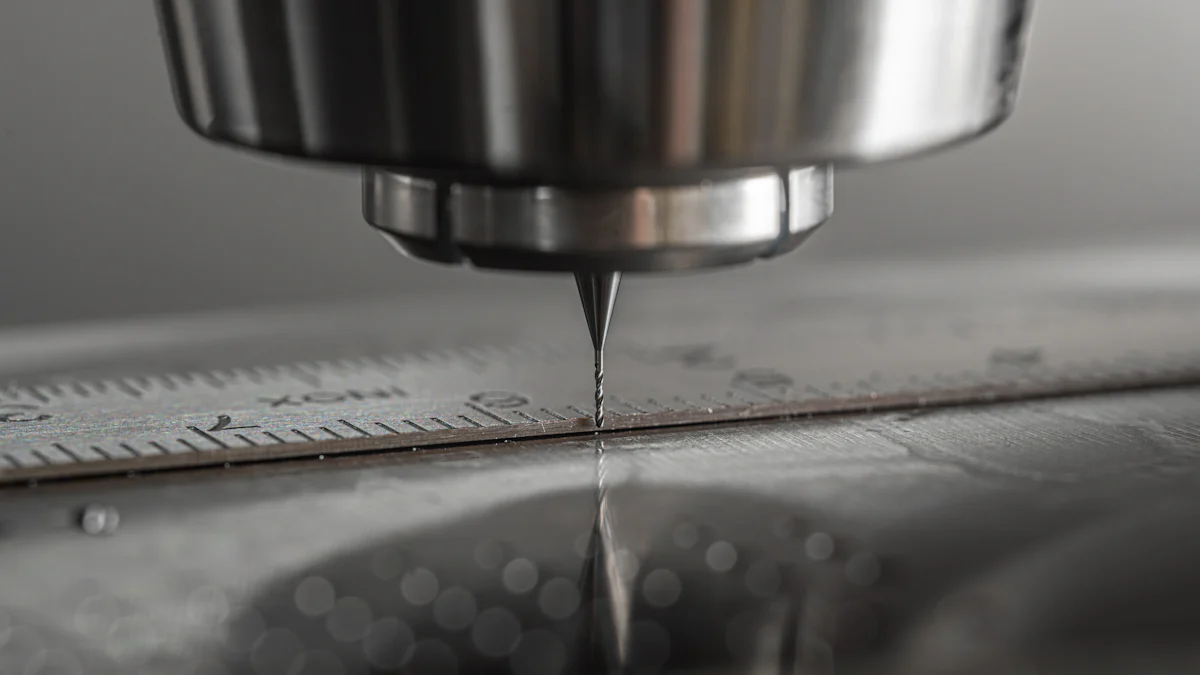
Cracks and internal defects can severely impact the structural integrity and performance of machined parts. Identifying the causes and implementing CNC solutions can help you prevent these issues and maintain high-quality results.
Causes of Cracks and Internal Defects
Poor-quality raw materials
Low-quality raw materials often contain impurities or inconsistencies that lead to internal defects. These imperfections weaken the material, making it prone to cracking during machining. Residual stresses from prior manufacturing processes, such as casting or forging, also contribute to internal flaws.
Excessive machining forces
High cutting forces can cause cracks or fractures in the workpiece. Uneven stress distribution, often caused by inappropriate tool paths or geometry, increases the likelihood of defects. Hard materials or insufficient tool strength further exacerbate this issue. The table below highlights common causes of cracks and internal defects:
Cause | Description |
|---|---|
High cutting forces | Excessive forces can lead to cracking or fracturing of machined parts. |
Inappropriate tool path & geometry | Poor tool paths can cause uneven stress distribution, leading to defects. |
Hardness of the workpiece | Hard materials can be more prone to cracking during machining. |
Insufficient tool strength | Weak tools may break under high stress, causing defects. |
Residual stresses in the material | Previous processes can leave internal stresses that lead to distortion. |
Excessive or uneven cutting forces | Can contribute to internal stress and potential warping of the part. |
Inadequate support or clamping | Lack of proper support can lead to movement and defects during machining. |
High temperatures generated during machining | Can cause thermal expansion and internal stress release. |
CNC Solutions for Preventing Cracks
Material inspection and quality control
You can reduce defects by inspecting raw materials before machining. Advanced quality control techniques, such as X-ray or ultrasonic testing, help identify impurities or inconsistencies. Selecting high-quality materials ensures better machining outcomes and minimizes the risk of cracks.
Optimized cutting parameters
CNC systems allow you to optimize cutting parameters for each material. Adjusting feed rates, spindle speeds, and tool paths reduces cutting forces and prevents stress buildup. This precision minimizes the risk of cracks and ensures consistent machining results.
Non-destructive testing integration
Non-destructive testing (NDT) methods assess material properties without causing damage. Techniques like ultrasonic testing and magnetic particle inspection detect internal flaws, inclusions, or discontinuities. Early identification of potential issues improves product quality and reliability, ensuring defect-free parts.
By addressing these causes and leveraging CNC solutions, you can prevent cracks and internal defects in your machined parts. Investing in material inspection, optimized parameters, and NDT integration enhances machining quality and reduces defects.
CNC machining offers a reliable solution for reducing machining defects and improving part quality. By using advanced features like real-time monitoring, you can track machining parameters and make immediate adjustments to maintain precision. High-quality CNC systems also include wear measurement tools, helping you replace tools at the right time to avoid defects caused by tool degradation.
To maximize these benefits, invest in regular machine maintenance and operator training. Routine inspections ensure optimal performance, while comprehensive training equips operators with the skills to handle CNC setup and monitoring. These practices not only enhance productivity but also reduce material waste, contributing to cost savings and environmental sustainability.
A thorough review process, including simulation of tool paths and collaboration between experienced operators and programmers, minimizes programming errors and ensures defect-free machining.
By leveraging these strategies, you can achieve consistent results, reduce downtime, and maintain high-quality standards in your machining operations.
FAQ
What is thermal deformation, and why does it matter in CNC machining?
Thermal deformation occurs when heat causes materials to expand or warp during machining. This affects part accuracy and quality. Managing this issue ensures consistent results and prevents defects in your final product.
How do CNC machines handle thermal effects during machining?
CNC machines use features like thermal compensation and coolant systems to manage heat. These tools stabilize temperatures, reducing the risk of thermal deformation and ensuring precise machining outcomes.
Can thermal deformation affect all materials equally?
No, different materials respond differently to heat. Metals like aluminum and steel are more prone to thermal deformation due to their high thermal expansion coefficients. Choosing the right material and machining strategy minimizes these effects.
What role does coolant play in preventing thermal deformation?
Coolant absorbs and dissipates heat generated during machining. It reduces thermal buildup, stabilizes the workpiece, and prevents thermal deformation. High-pressure coolant systems also improve chip evacuation, enhancing machining efficiency.
How can you minimize thermal deformation in complex parts?
Use stress-relief techniques, precision fixturing, and optimized cutting parameters. These methods reduce residual stresses and thermal effects, ensuring dimensional stability in intricate or thin-walled components.
See Also
Essential Guide to CNC Machining: Tolerances and Material Choices
Key Considerations for Materials in CNC Precision Machining
Clarifying Myths Surrounding CNC Milling and Design Feasibility
Exploring Core Processes in CNC Precision Machining Techniques
How CNC Precision Parts Processing Affects Production Expenses
About US
Follow Us
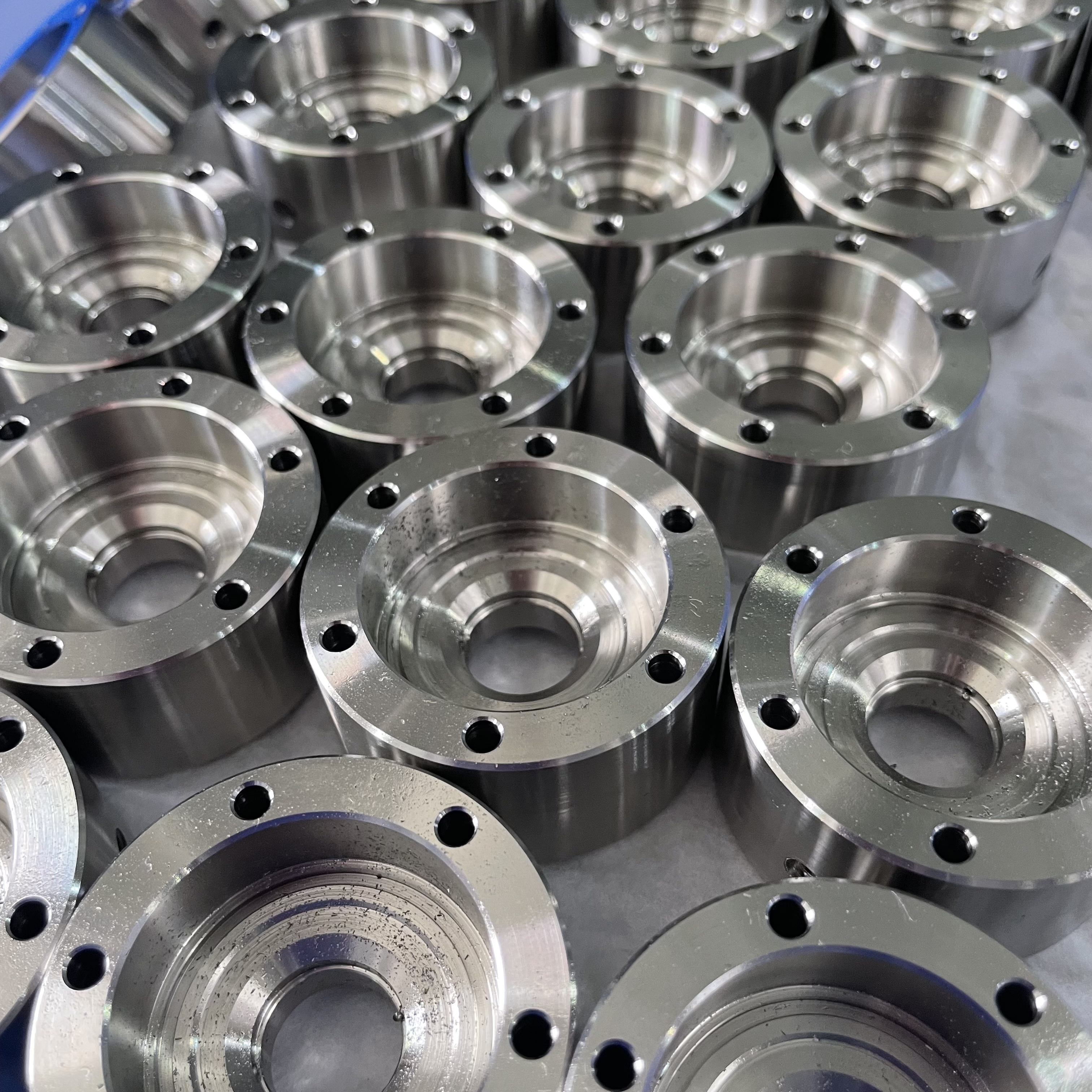
Your prototype holds unparalleled significance, and we deeply value its uniqueness. Collaborating with you during the preparation phase for running your prototype or parts is a commitment we gladly embrace. Whether it's a single part or a complex assembly, we are dedicated to selecting the optimal tools and pathways to bring your envisioned product to life.
At Precision Fab CNC Machining, we specialize in producing parts for prototypes, short runs, and high-volume production. Our prototyping machine capabilities extend across metal, plastic, and wood machining, with welding fabrication services available to complement and finalize your prototype if required.
Address
Address: Room320 10F, Building A,Nanshan international building, Dayawan District, Huizhou, Guangdong, 516001 China
Contacts
billy@timaycnc.com