How Cryogenic CNC Machining Enhances Material Properties

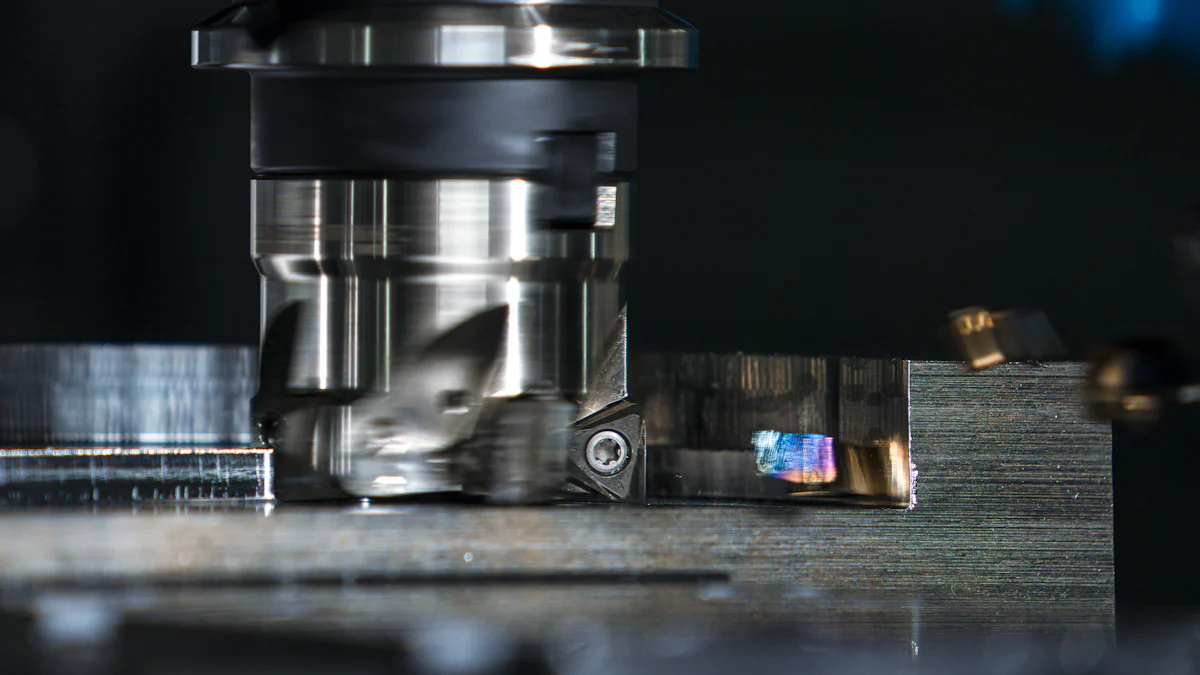
Cryogenic CNC machining uses extremely low temperatures to transform how materials are processed. By applying cryogenic cooling, you can achieve remarkable improvements in strength, durability, and surface finish. This method minimizes thermal damage and enhances machinability, especially for challenging materials like hardened steels and titanium. For example, studies show that metals processed with this technique experience better tool life and machinability. The table below highlights specific material improvements achieved through cryogenic CNC machining:
Material Type | Improvement Achieved | Reference |
|---|---|---|
Polymeric Materials | Enhanced machinability and surface integrity | Kakinuma et al. |
Metals (e.g., hardened steels, titanium, Inconel) | Improved machinability and tool life | Kaynak |
Ethylene–vinyl acetate | Effective milling for shoe soles | Dhokia et al. |
General Findings | 15-20% lower temperature compared to dry machining | Dinesh et al. |
This innovative approach ensures precision and reliability in material processing.
Key Takeaways
Cryogenic CNC machining uses very cold temperatures to make materials stronger, tougher, and smoother.
This process stops heat damage and helps tools last longer. It works well with hard materials like titanium and strong steels.
Cryogenic cooling removes the need for harmful liquid coolants. This makes it safer for the environment and saves money.
Using cryogenic machining lets you work faster and more accurately. This improves how efficiently things are made.
Industries like airplanes and medical tools use cryogenic machining. It helps them create high-quality parts that work better.
What is Cryogenic CNC Machining?
Definition and Overview
Cryogenic CNC machining is a cutting-edge process that uses extremely low temperatures to enhance machining performance. Cryogenics involves working in environments below 123 K, where materials behave differently due to the cold. In this process, cryogenic cooling, often achieved with liquid nitrogen at -321°F, plays a vital role. It improves surface integrity, reduces workpiece deformation, and enhances chip flow characteristics. For polymeric materials, cryogenic-assisted machining freezes the material, making it brittle and easier to machine. This transformation allows you to process difficult-to-machine materials with greater precision and efficiency.
How Cryogenic CNC Machining Differs from Traditional Methods
Cryogenic machining stands apart from traditional methods in several ways. The table below highlights the key differences:
Aspect | Cryogenic Machining | Traditional Machining |
|---|---|---|
Machining Rate | Twice the rate compared to traditional | Standard rate |
Power Consumption | 22.8% less power | Higher power consumption |
Greenhouse Gas Emissions | 50% less emissions | Higher emissions |
Liquid Waste | No liquid waste generated | Liquid waste generated |
Total Cost Reduction | 26% reduction per part | Higher costs |
Additionally, cryogenic-assisted machining reduces cutting temperatures by 64-67% compared to wet machining. It also decreases cutting forces by 43-53% and improves surface roughness by up to 33%. These advantages make it ideal for processing difficult-to-machine materials like titanium and Inconel. Unlike traditional methods, cryogenic cooling eliminates the need for liquid coolants, making it an environmentally friendly option.
Key Components of Cryogenic CNC Systems
Cryogenic CNC systems rely on specialized components to deliver exceptional results. These include:
Cryogenic Cooling Systems: These systems use liquid nitrogen to manage heat during machining, significantly improving tool life and productivity.
Delivery Mechanisms: Advanced mechanisms ensure precise cooling at the cutting zone, which is critical for machining performance.
Temperature Control: Systems like the ICEFLY cryogen-delivery system maintain temperatures between -250°F and 32°F, effectively combating heat that causes tool failure.
Positioning Systems: Proper placement of the cooling system ensures that the tool and workpiece are cooled efficiently, rather than the chips.
By integrating these components, cryogenic-assisted machining achieves superior results, especially when working with difficult-to-machine materials. The combination of advanced cooling and precise delivery mechanisms ensures optimal performance and durability.
How Cryogenic Cooling Works in CNC Machining
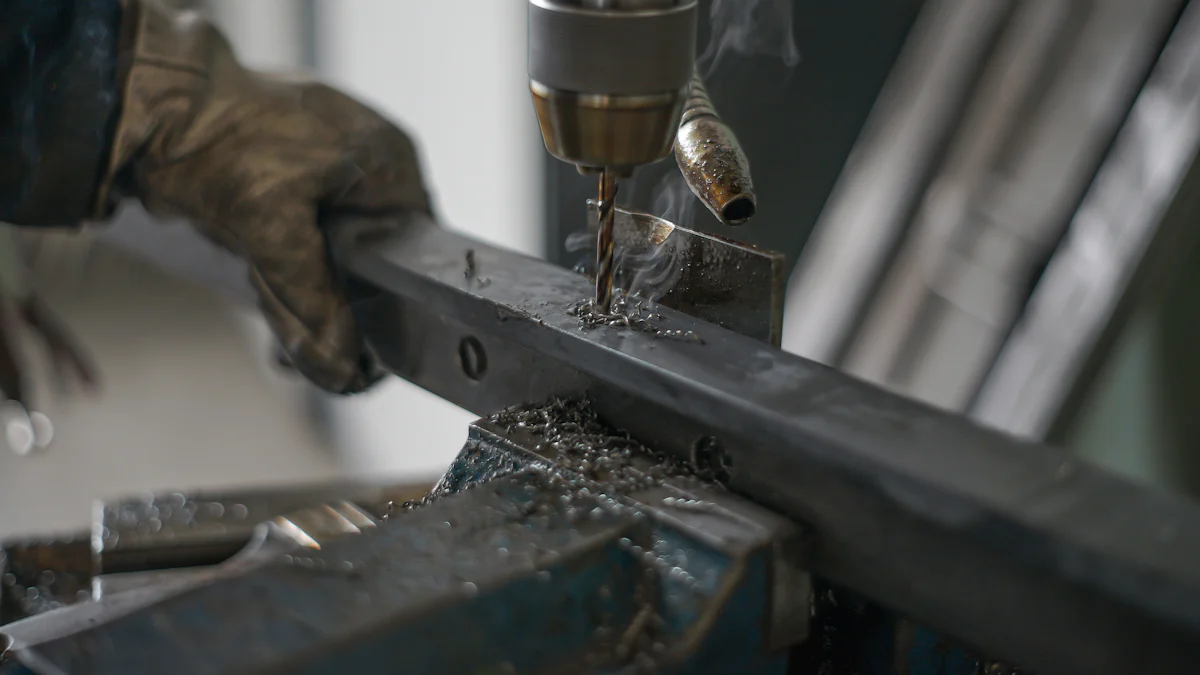
The Role of Cryogenic Cooling in Material Processing
Cryogenic cooling plays a critical role in improving machining performance by addressing challenges like high cutting temperatures and tool wear. This process uses extremely low temperatures, often achieved with liquid nitrogen, to cool and lubricate the cutting zone. By reducing heat buildup, cryogenic cooling prevents overheating and extends tool life. It also enhances surface integrity by minimizing thermal damage during machining.
The mechanisms behind cryogenic cooling include:
Convective cooling: Transfers heat away from the cutting zone through air or fluid, driven by temperature differences.
Conductive cooling: Removes heat through the tool itself, where the back end acts as a heat sink.
These mechanisms ensure that even difficult-to-machine materials like titanium and Inconel can be processed with precision and efficiency. Cryogenic-assisted machining not only improves material properties but also reduces the environmental impact by eliminating the need for liquid coolants.
Effects of Low Temperatures on Material Properties
Low temperatures significantly alter how materials behave during machining. Cryogenic machining enhances material hardness and reduces high cutting forces, making it easier to machine tough materials. For example, polymers become brittle at cryogenic temperatures, allowing you to achieve cleaner cuts. Metals like titanium and hardened steels experience less deformation, resulting in improved dimensional accuracy.
Cryogenic-assisted machining also reduces residual stress, which improves the durability of the final product. The cooling effect minimizes microcracks and enhances surface integrity, ensuring a superior finish. These benefits make cryogenic cooling an ideal choice for applications requiring high precision and reliability.
Comparison of Cryogenic Cooling and Conventional Cooling
Cryogenic cooling outperforms conventional methods in several key areas. The table below highlights its advantages:
Metric | Cryogenic Cooling | Conventional Flood Cooling |
|---|---|---|
Machining Rate | 2x | 1x |
Power Consumption | 22.8% Less | N/A |
Greenhouse Gas Emissions | 50% Less | N/A |
Liquid Waste Generation | None | N/A |
Cost Reduction | 26% | N/A |
Additionally, cryogenic machining reduces cutting temperatures by 64-67% and cutting forces by 43-53%. It also improves surface roughness by up to 33%. Compared to conventional cooling, cryogenic-assisted machining delivers better results for difficult-to-machine materials while being more environmentally friendly. This innovative approach ensures higher efficiency and superior machining performance.
Material Enhancements with Cryogenic Machining
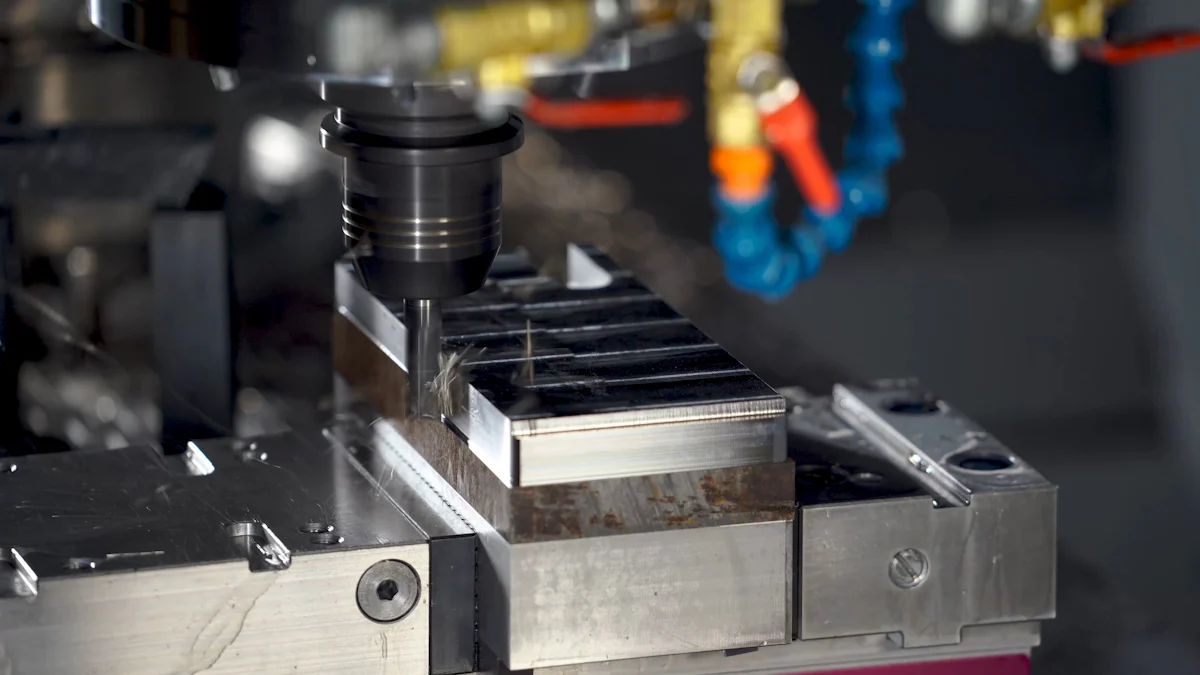
Improved Strength and Hardness
Cryogenic machining significantly enhances the strength and hardness of materials. By applying cryogenic cooling at the tool-chip interface, you can improve the hardness of the cutting tool material. This process reduces the toughness of materials, making them more brittle and easier to machine. For example:
Cryogenic cooling decreases ductility and toughness, which supports better machining performance.
It enhances the white layer during cutting, leading to molecular realignment and a smoother, harder surface.
These improvements, although minimal in thickness, can extend the wear cycle of materials. Industries like aerospace benefit greatly from this enhancement, as it ensures components withstand extreme conditions without compromising performance.
Enhanced Wear Resistance
Cryogenic machining also improves wear resistance, particularly in difficult-to-machine materials like hardened steels, titanium, and Inconel. Studies show that using liquid nitrogen during machining reduces tool softening and friction. This results in better machinability and longer tool life.
Cryogenic-assisted machining decreases cutting forces and improves surface roughness. These changes correlate directly with enhanced wear resistance. Treated tools demonstrate significantly better performance in terms of tool life compared to untreated ones. This makes cryogenic-assisted machining an ideal choice for applications requiring high durability and precision.
Reduced Residual Stress
Residual stress can weaken materials and reduce their lifespan. Cryogenic machining addresses this issue by modifying the microstructure of metals. The ultra-cold temperatures relieve residual stresses and promote a more uniform microstructure.
The XRD technique reveals that cryogenic treatment transforms tensile stress into compressive stress. Compressive stress enhances material durability and reduces the likelihood of failure under load.
Cryogenic-assisted machining also precipitates eta-carbides in steels, increasing resistance to wear and improving surface integrity. These benefits make it a preferred method for industries requiring reliable and long-lasting components.
Superior Surface Finish
Cryogenic machining delivers exceptional results when it comes to surface finish. By using cryogenic-assisted machining, you can achieve smoother and more precise surfaces compared to traditional methods. The ultra-low temperatures provided by cryogenic cooling reduce heat generation at the cutting zone. This minimizes thermal damage, which often leads to surface imperfections. As a result, the final product exhibits superior surface integrity.
When machining difficult-to-machine materials like titanium or Inconel, cryogenic-assisted machining ensures a cleaner cut. The process reduces friction between the tool and the workpiece. This prevents material smearing or tearing, which are common issues in conventional machining. You’ll notice that the finished surface has fewer irregularities and a more uniform texture.
Cryogenic machining also enhances chip flow during the cutting process. The chips become brittle at low temperatures, breaking away cleanly from the workpiece. This reduces the risk of scratches or gouges on the surface. For industries like aerospace or medical device manufacturing, where precision is critical, this improvement can make a significant difference.
Another advantage lies in the reduction of residual stress. Cryogenic-assisted machining modifies the material’s microstructure, relieving stress that could otherwise distort the surface. This ensures that the final product maintains its shape and quality over time.
By adopting cryogenic machining, you can achieve a level of surface finish that meets the highest standards. Whether you’re working with polymers or metals, this innovative approach ensures consistent and reliable results.
Applications of Cryogenic CNC Machining
Aerospace and Defense
Cryogenic CNC machining has revolutionized the aerospace and defense industries by improving machining performance and efficiency. You can achieve remarkable results when working with difficult-to-machine materials like titanium and Inconel. This process enhances tool life and reduces cycle times, which are critical for manufacturing aerospace components.
Lockheed Martin reported a 52% increase in machining speed for titanium aerospace parts using cryogenic-assisted machining.
Cryogenic cooling ensures effective temperature control, preventing defects during the machining of polymers. This improves the overall machinability of these materials.
The enhanced cutting tool life and reduced thermal damage make cryogenic machining ideal for producing high-precision components required in aerospace and defense applications.
By adopting cryogenic-assisted machining, you can meet the stringent demands of these industries while maintaining superior surface integrity and durability.
Automotive and Motorsports
In the automotive and motorsports sectors, cryogenic CNC machining plays a vital role in improving performance and efficiency. This technology significantly enhances tool performance by reducing wear and extending tool life. When machining difficult-to-machine materials like hardened steels and alloys, cryogenic machining ensures consistent results.
Operating at temperatures as low as -321°F, cryogenic-assisted machining reduces heat generation by 15-20% compared to traditional methods. Programmable liquid nitrogen flow rates allow you to optimize cooling for different tools, ensuring precise machining. Additionally, combining cryogenic cooling with minimum quantity lubrication (MQL) boosts metal removal rates and tool longevity. These advancements make cryogenic machining a preferred choice for manufacturing high-performance automotive components.
Medical Device Manufacturing
Cryogenic CNC machining offers unique advantages in medical device manufacturing, where precision and cleanliness are paramount. This process improves cycle times by 40%–400% when machining medical alloys and polymers. You can achieve smoother finishes and better wear resistance, ensuring high-quality results.
Cryogenic cooling enhances the rigidity of medical polymers, allowing for better control over burr formation. This results in burr-free parts, which are essential for maintaining cleanliness in medical applications.
The environmentally friendly nature of cryogenic-assisted machining reduces the need for post-machining clean-up, saving time and resources.
By using cryogenic machining, you can produce medical devices with superior surface integrity and durability, meeting the strict standards of the healthcare industry.
Tool and Die Industry
Cryogenic machining has transformed the tool and die industry by enhancing precision and efficiency. You can achieve superior results when working with difficult-to-machine materials like hardened steels and tungsten carbide. These materials often pose challenges due to their toughness and resistance to wear. Cryogenic-assisted machining addresses these issues by improving machinability and extending cutting tool life.
In this industry, maintaining surface integrity is critical. Cryogenic-assisted machining ensures that tools and dies retain their dimensional accuracy and finish. The ultra-low temperatures provided by cryogenic cooling reduce heat generation during machining. This prevents thermal damage, which can compromise the quality of the final product. You’ll notice that the tools produced using this method exhibit fewer defects and a longer lifespan.
Cryogenic machining also enhances the wear resistance of tools and dies. The process minimizes tool softening and reduces friction at the cutting zone. This results in cleaner cuts and less tool wear. For example, when machining molds for plastic injection or dies for metal stamping, cryogenic-assisted machining ensures consistent performance and durability.
Another advantage lies in cost savings. By extending cutting tool life and reducing the need for frequent replacements, you can lower production costs. Additionally, the environmentally friendly nature of cryogenic machining eliminates the need for liquid coolants, reducing waste and cleanup time.
If you work in the tool and die industry, adopting cryogenic-assisted machining can help you achieve higher precision, better durability, and greater efficiency. This innovative approach ensures that your tools and dies meet the highest standards of quality and performance.
Advantages of Cryogenic CNC Machining Over Traditional Methods
Enhanced Material Performance
Cryogenic machining improves material performance by altering the physical properties of both the workpiece and the cutting tool. The ultra-low temperatures reduce the coefficient of friction, which enhances machinability. You’ll notice that materials like titanium and hardened steels become easier to machine, even at higher cutting speeds. This process prevents thermal softening, which often causes workpiece material to weld to the cutting tool. As a result, you achieve a better surface finish and improved surface integrity.
The use of hybrid cooling strategies in cryogenic-assisted machining allows you to achieve tool life comparable to wet machining while maintaining higher cutting speeds. This makes it an excellent choice for machining difficult-to-machine materials. Additionally, the process enables deeper cuts without compromising cutting tool life, which boosts productivity and efficiency.
Increased Tool Life and Efficiency
Cryogenic machining significantly extends cutting tool life and enhances efficiency. The extreme cooling provided by liquid nitrogen prevents tool softening, even under high temperatures. For example, traditional flood coolants operate at around 70°F, while cryogenic machining uses liquid nitrogen at -321°F. This temperature difference can increase tool life by up to 30 times in certain applications.
The process also reduces downtime for maintenance and eliminates the need for coolant disposal systems. You can machine at twice the rate of conventional methods, which increases production capacity without additional infrastructure. A study showed that cryogenic machining consumes 22.8% less power, further improving operational efficiency. These benefits make it ideal for high-precision manufacturing.
Reduced Environmental Impact
Cryogenic machining offers a sustainable alternative to traditional methods. It eliminates the need for harmful cutting fluids, which are often associated with environmental pollution and disposal challenges. Instead, liquid nitrogen evaporates harmlessly, leaving no liquid waste or residue. This makes cleanup and recycling easier for you.
Greenhouse gas emissions are nearly 50% lower in cryogenic-assisted machining compared to conventional methods. The process also produces an environmentally friendly by-product that is safe to handle. By adopting cryogenic machining, you contribute to sustainability while reducing operational costs. This eco-friendly approach aligns with modern manufacturing goals, ensuring a cleaner and greener future.
Cost-Effectiveness in High-Precision Manufacturing
Cryogenic machining offers significant cost advantages in high-precision manufacturing. You can reduce expenses by improving efficiency and minimizing waste. This process eliminates the need for liquid coolants, which often require costly disposal and maintenance. Instead, cryogenic-assisted machining uses liquid nitrogen, which evaporates harmlessly, leaving no residue. This reduces cleanup time and operational costs.
The extended cutting tool life provided by cryogenic machining also lowers expenses. Tools last longer because the ultra-low temperatures prevent wear and softening. You can machine difficult-to-machine materials without frequent tool replacements. This reduces downtime and boosts productivity. For example, studies show that cryogenic-assisted machining can increase tool life by up to 30 times compared to conventional methods.
Energy savings further enhance cost-effectiveness. Cryogenic machining consumes 22.8% less power than traditional machining. This reduction in energy use not only lowers utility bills but also contributes to a more sustainable manufacturing process. Additionally, the faster machining rates achieved with cryogenic-assisted machining allow you to produce more parts in less time. This improves overall production efficiency.
Tip: By adopting cryogenic machining, you can achieve deeper cuts and higher cutting speeds without compromising surface integrity. This ensures consistent quality while reducing production costs.
The process also minimizes material waste. The precise cooling provided by cryogenic-assisted machining reduces thermal damage and deformation. This ensures that even difficult-to-machine materials retain their structural integrity, reducing the need for rework or scrap. These cost-saving benefits make cryogenic machining an ideal choice for industries requiring high-precision manufacturing.
Cryogenic CNC machining transforms how you process materials by leveraging ultra-low temperatures. This method enhances surface integrity, improves chip flow, and allows you to machine elastomeric structures as thin as 0.5 mm. Freezing polymeric materials changes their state from ductile to brittle, making them easier to machine. You can even use cryogenic-assisted milling as a cost-effective alternative to injection molding for applications like shoe soles.
Industries are rapidly adopting this technology. Companies like 5ME and Okuma demonstrate its benefits in aerospace part production, achieving faster processing, longer tool life, and reduced environmental impact. Cutting speeds have increased by up to 200%, especially for tough materials like titanium and Inconel. These advancements highlight cryogenic machining’s potential to become a standard in high-performance manufacturing.
FAQ
What is the main benefit of cryogenic CNC machining?
Cryogenic CNC machining improves material properties by reducing thermal damage and residual stress. It enhances tool life, surface finish, and wear resistance. You can achieve higher precision and efficiency, especially when working with tough materials like titanium or hardened steels.
How does cryogenic cooling differ from traditional cooling?
Cryogenic cooling uses liquid nitrogen to achieve ultra-low temperatures, unlike traditional methods that rely on liquid coolants. This eliminates liquid waste, reduces greenhouse gas emissions, and improves machining rates. You’ll notice better environmental sustainability and cost savings with cryogenic cooling.
Can cryogenic machining work with all materials?
Cryogenic machining works best with difficult-to-machine materials like titanium, Inconel, and hardened steels. It also enhances polymer machining by making them brittle for cleaner cuts. However, it may not be necessary for softer or easily machinable materials.
Is cryogenic machining environmentally friendly?
Yes, cryogenic machining eliminates the need for harmful liquid coolants. Liquid nitrogen evaporates harmlessly, leaving no residue or waste. This reduces environmental pollution and aligns with sustainable manufacturing practices.
Does cryogenic machining increase production costs?
No, cryogenic machining reduces costs by extending tool life, lowering power consumption, and eliminating coolant disposal expenses. You can also achieve faster machining rates, which boosts productivity and reduces overall production time.
See Also
Addressing Temperature Issues in CNC Precision Parts Production
Enhancing Quality in CNC Precision Machining Processes
Grasping Material Needs for CNC Precision Machining
About US
Follow Us
Your prototype holds unparalleled significance, and we deeply value its uniqueness. Collaborating with you during the preparation phase for running your prototype or parts is a commitment we gladly embrace. Whether it's a single part or a complex assembly, we are dedicated to selecting the optimal tools and pathways to bring your envisioned product to life.
At Precision Fab CNC Machining, we specialize in producing parts for prototypes, short runs, and high-volume production. Our prototyping machine capabilities extend across metal, plastic, and wood machining, with welding fabrication services available to complement and finalize your prototype if required.
Address
Address: Room320 10F, Building A,Nanshan international building, Dayawan District, Huizhou, Guangdong, 516001 China
Contacts
billy@timaycnc.com