Custom CNC Parts for the Military and Defense Sector

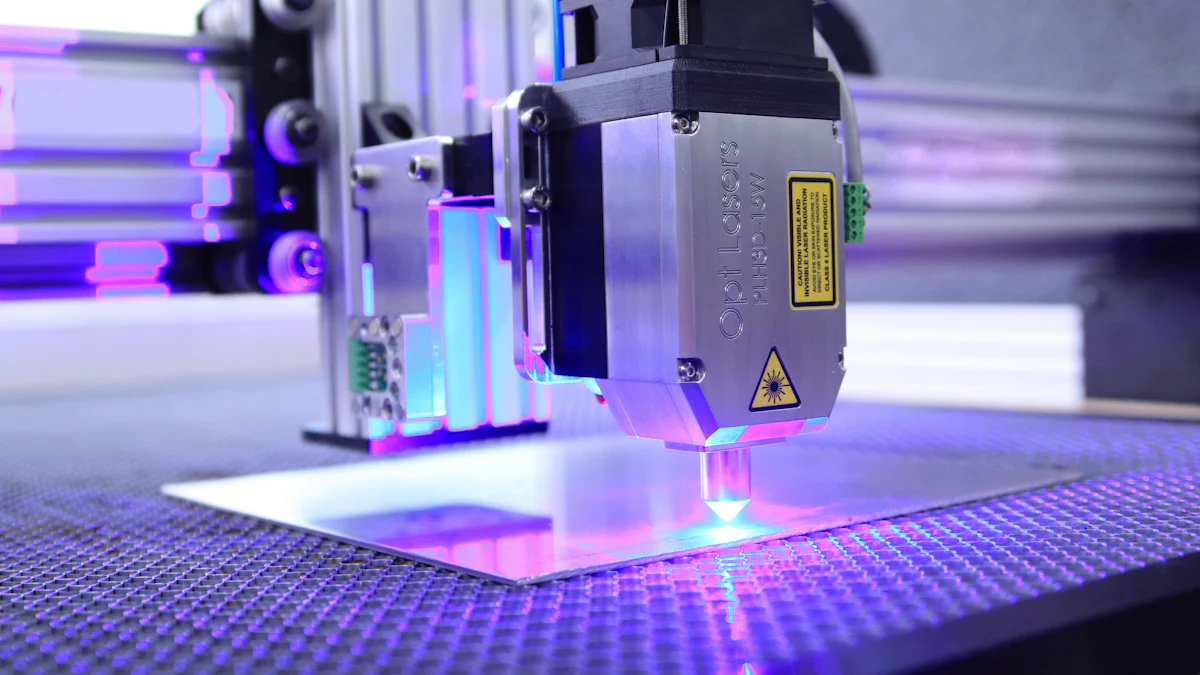
Custom CNC parts play a vital role in military and defense applications. They ensure mission-critical equipment, such as aircraft, naval vessels, and ground vehicles, operates with precision and durability. CNC Machining produces components capable of withstanding extreme conditions, including the intense heat of rocket launches, subzero space temperatures, and the corrosive environments of deep-sea exploration.
Key Takeaways
Custom CNC parts are precise and dependable for military tools.
CNC machines make strong parts fast and save money too.
Meeting military rules ensures parts work well in tough situations.
Why Custom CNC Parts Are Critical for Military and Defense
Precision for Mission-Critical Operations
Precision is a cornerstone of military and defense operations. CNC Machining ensures that components meet the exacting standards required for mission-critical equipment.
Military technologies operate in high-risk environments where failure is not an option.
Components must endure extreme conditions, ensuring reliability during operations.
Precision manufacturing supports the production of weapons, aircraft, and communication systems that function flawlessly under pressure.
For example, the F-35 Lightning II relies on CNC-machined turbine blades and exhaust nozzles to perform in extreme conditions. Similarly, precision-guided munitions depend on CNC machining for miniaturized guidance systems, enhancing accuracy and reducing collateral damage.
Durability in Extreme Environments
Military equipment often faces harsh environments, from scorching deserts to icy tundras. CNC Machining produces parts capable of withstanding these challenges.
Submarine propulsion systems require hydrodynamic efficiency for stealth and speed.
Armored vehicles rely on CNC-machined turret systems and armor components for combat effectiveness.
These examples highlight how CNC Machining delivers durable solutions that maintain performance in the most demanding scenarios.
Customization for Unique Defense Needs
The defense sector demands tailored solutions to address its unique challenges. CNC Machining offers the flexibility to create intricate designs and meet strict quality specifications.
Military-grade equipment must combine ruggedness with material diversity, such as metallic and composite parts.
Components must perform reliably in hostile conditions, ensuring the safety and effectiveness of operations.
A customized approach ensures that every part aligns with the specific requirements of the Department of Defense, enhancing operational efficiency and mission success.
Benefits of CNC Machining in the Defense Sector
Improved Operational Efficiency
CNC Machining significantly enhances operational efficiency in the defense sector by delivering precision, speed, and cost-effectiveness. Military hardware demands unparalleled accuracy to function as intended, and CNC machining ensures tight tolerances and reproducible results.
CNC machines operate continuously, ensuring a steady supply of critical components.
Automated production reduces human errors, improving safety and reliability.
Complex geometries required for military applications are achieved with ease.
Additionally, CNC machining accelerates production timelines. Automated systems enable rapid manufacturing of intricate parts, meeting urgent operational needs while reducing labor costs and material waste. This combination of speed and precision ensures defense operations remain uninterrupted and cost-efficient.
Reduced Maintenance and Downtime
Military equipment often requires swift repairs to maintain operational readiness. CNC machining addresses this need by enabling the quick production of replacement parts. This minimizes downtime and ensures mission-critical systems remain functional.
Customized tooling enhances the efficiency of maintenance crews.
Precision-manufactured parts simplify repairs and inspections.
By reducing the time and effort needed for maintenance, CNC machining supports the longevity and reliability of defense equipment, ensuring readiness for any mission.
Integration with Advanced Technologies
The integration of advanced technologies with CNC machining has revolutionized defense manufacturing. Rapid prototyping and CAD technologies allow for the creation of highly detailed designs and prototypes. These tools streamline the development process, enabling faster iterations and improved final products.
Machining Operation | Description |
|---|---|
CNC milling | Produces complex parts with smooth finishes and tight tolerances. |
CNC turning | Shapes materials into cylindrical forms and contours. |
CNC tapping | Creates threaded holes with precision. |
CNC boring | Enlarges existing holes for assembly and functionality. |
Advanced machine learning software further enhances CNC machining by identifying deviations and enabling immediate corrections. Real-time data monitoring through sensors ensures consistent quality, making CNC machining indispensable for modern defense manufacturing.
Applications of CNC Machining in Military and Defense
Aerospace and Aviation Components
CNC machining plays a pivotal role in manufacturing aerospace components for military applications. It ensures precision and durability in critical parts such as turbine blades, exhaust nozzles, and airframe structures. These components are essential for military aircraft like the F-35, which operates under extreme conditions.
CNC machining produces jet engine parts that withstand high temperatures and pressures.
It supports the creation of structural components, including wings and fuselages, ensuring aircraft integrity.
Precision-guided munitions rely on CNC machining for their guidance systems, enhancing accuracy and reducing collateral damage.
This technology also contributes to naval aviation by manufacturing submarine propulsion systems. Efficient propeller designs improve speed and maneuverability, critical for stealth operations.
Weapon Systems and Ammunition
CNC machining is indispensable in the production of weapon systems and ammunition. It ensures tight tolerances and high reliability in firearm components such as barrels, receivers, and triggers. These parts are vital for accuracy and performance in combat scenarios.
Precision-guided munitions benefit from CNC-machined guidance systems and warhead components.
Advanced CNC machines, like 4-axis systems, have been used to develop complex weapons such as Tomahawk missiles.
By enabling the production of intricate designs, CNC machining enhances the effectiveness of modern weaponry.
Communication and Surveillance Equipment
Modern military operations depend on reliable communication and surveillance systems. CNC machining ensures the precision required for these technologies.
It enables the creation of complex geometries for drones, radar systems, and satellite components.
The demand for intricate designs in these systems highlights the importance of CNC machining in defense manufacturing.
This precision ensures that communication and surveillance equipment functions flawlessly, even in challenging environments.
Vehicle and Naval Parts
CNC machining supports the production of critical components for military vehicles and naval vessels. It ensures durability and performance in harsh conditions.
Naval applications include propellers, shafts, turbines, and radar arrays.
Military vehicles rely on CNC-machined parts such as armored plates, turret systems, and engine components.
Specific examples include the aluminum grill of the Hummer H2 and turret rings for tanks.
These components enhance the operational capabilities of military vehicles and ships, ensuring readiness for diverse missions.
The CNC Machining Process: Ensuring Precision and Reliability
Advanced Machining Techniques
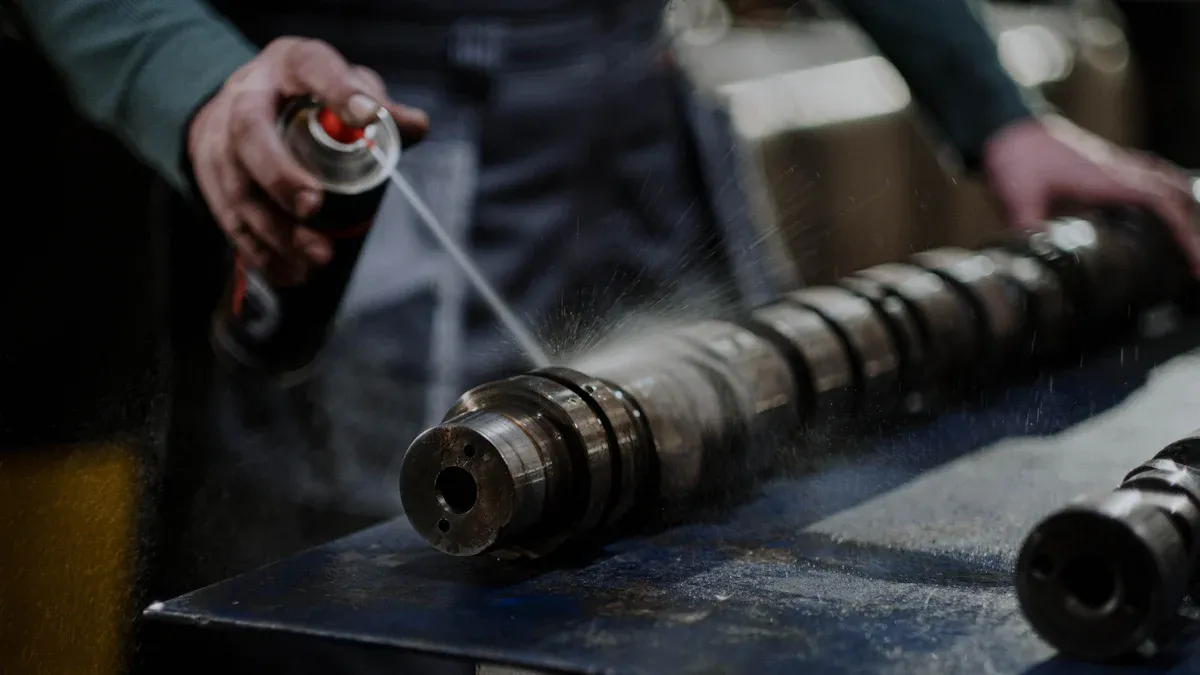
CNC machining employs cutting-edge techniques to achieve the precision required for military and defense applications. Multi-axis CNC machines, including 4-axis and 5-axis systems, enable the production of intricate components with tight tolerances. These advanced systems are essential for manufacturing complex parts such as UAV components and missile guidance systems. Ultra-precision machining ensures that every part meets the exact specifications needed for mission-critical operations.
Military CNC machining also focuses on producing reliable engine and structural components for aircraft. These parts must perform flawlessly under extreme conditions, ensuring safety and operational efficiency. By utilizing advanced machining techniques, manufacturers can deliver consistent results, minimizing the risk of equipment failure or downtime.
Rigorous Quality Control and Testing
Quality control is a cornerstone of the CNC machining process for defense applications. Manufacturers implement stringent testing protocols to ensure every component meets the highest standards.
Coordinate Measuring Machines (CMM) provide precise dimensional inspections for complex geometries.
Non-Destructive Testing (NDT), such as ultrasonic testing, evaluates structural integrity without damaging parts.
Preventive Maintenance ensures machines operate at peak performance, reducing the likelihood of errors.
Operator Training equips personnel with the skills needed to maintain precision and produce high-quality parts.
These measures guarantee that CNC-machined components meet the rigorous demands of military operations, enhancing reliability and performance.
Note: Comprehensive quality control not only ensures compliance with defense standards but also extends the lifespan of critical equipment.
Use of High-Grade Materials
The choice of materials plays a vital role in the CNC machining process for defense. High-grade materials ensure components can withstand extreme conditions while maintaining performance. Commonly used materials include:
Titanium: Offers a high strength-to-weight ratio and corrosion resistance, ideal for aircraft and marine applications.
Hardened Steel: Withstands heavy stress and wear, making it suitable for high-impact environments.
Aluminum: Lightweight and corrosion-resistant, perfect for reducing weight in aircraft structures.
Advanced Composites: Such as carbon fiber, provide high strength while minimizing weight.
These materials enable the production of durable and efficient components, ensuring military equipment performs reliably in the field.
Compliance with Military and Defense Standards
Adherence to ISO and MIL-SPEC Certifications
Military and defense applications demand strict adherence to internationally recognized standards. CNC machining manufacturers must comply with certifications that ensure quality, safety, and reliability.
ISO 9001: This standard establishes a framework for quality management systems, ensuring consistent product quality.
AS9100D: Specifically tailored for aerospace and defense, this certification builds upon ISO 9001, addressing safety and compliance requirements.
MIL-SPEC Standards: These military specifications define the performance and durability criteria for defense components.
Compliance with these certifications guarantees that CNC-machined parts meet the rigorous demands of military operations. Manufacturers adhering to these standards deliver components that perform reliably under extreme conditions, safeguarding mission success.
Note: Certification not only ensures quality but also builds trust between manufacturers and defense organizations, fostering long-term partnerships.
ITAR Compliance and Cybersecurity Considerations
The International Traffic in Arms Regulations (ITAR) plays a critical role in the production and distribution of CNC parts for military use. ITAR compliance ensures the protection of sensitive military information and prevents unauthorized access.
Manufacturers must understand ITAR and the United States Munitions List (USML).
Compliance extends to all entities in the supply chain, requiring rigorous documentation and protocols.
Non-compliance can result in severe penalties, including fines and reputational damage.
Cybersecurity is equally vital. Secure digital systems and restricted access protocols prevent breaches, ensuring the confidentiality of defense projects. By adhering to ITAR and implementing robust cybersecurity measures, manufacturers protect national security interests.
Importance of Certified Manufacturers
Working with certified manufacturers is essential for the defense sector. These companies uphold stringent quality guidelines and ensure that every component meets precise requirements.
Certified manufacturers follow strict confidentiality agreements to safeguard sensitive information.
They utilize secure storage and communication systems to prevent data breaches.
Their expertise ensures that CNC-machined parts perform flawlessly in hostile environments, contributing to troop safety.
The defense industry cannot afford defective components. Certified manufacturers bring experience and reliability, making them indispensable for mission-critical operations.
Tip: Partnering with certified CNC machining providers ensures compliance, quality, and operational success in the defense sector.
The Future of CNC Machining in Defense
Integration with AI and IoT Technologies
Artificial Intelligence (AI) and the Internet of Things (IoT) are transforming CNC machining processes in the defense sector. AI optimizes tool paths, reduces cycle times, and enhances quality control, ensuring efficient production of mission-critical components. Machine learning algorithms enable predictive maintenance by monitoring machine performance in real time. This capability minimizes unexpected downtime and reduces operational costs, which is essential for maintaining readiness in defense applications.
IoT integration further enhances CNC machining by connecting machines to a centralized network. This connectivity allows for real-time data sharing, improving decision-making and operational efficiency. For example, IoT-enabled sensors can detect deviations during machining, ensuring consistent quality. These advancements position CNC machining as a cornerstone of modern defense manufacturing.
Advancements in Materials and Machining Techniques
Innovations in materials and machining techniques are shaping the future of CNC machining for defense. Nanoscale precision enables the production of tiny components for guidance systems and sensors. Micro-electromechanical systems (MEMS) are revolutionizing applications in drones and navigation systems. Hybrid CNC systems, which combine additive and subtractive manufacturing, allow for intricate geometries and high precision.
Advancement Type | Description |
|---|---|
Additive Manufacturing | Facilitates rapid prototyping and lightweight designs for military use. |
Advanced Alloys | Provides high strength and durability for extreme conditions. |
Stealth Materials | Enables precise machining of radar-absorbing materials. |
High-Speed Machining | Reduces cycle times while maintaining quality. |
These advancements ensure that CNC machining meets the evolving demands of the defense sector.
Demand for Rapid Prototyping and On-Demand Manufacturing
The defense industry increasingly relies on rapid prototyping and on-demand manufacturing to address urgent operational needs. This shift supports the production of complex, precise, and customized parts in low volumes. Additive manufacturing plays a key role in this ecosystem, enabling the creation of lightweight components that enhance fuel efficiency and performance.
On-demand manufacturing ensures a steady supply of critical components during emergencies.
Rapid prototyping accelerates the development of innovative designs, reducing lead times.
Lightweight materials produced through additive techniques improve mobility and efficiency in military equipment.
This demand highlights the importance of CNC machining in delivering timely and reliable solutions for defense applications.
Custom CNC parts are indispensable for military and defense applications. They ensure precision, reliability, and compliance with stringent standards.
CNC machining delivers unparalleled accuracy and efficiency.
It supports cost-effective production while enhancing safety for personnel.
Military equipment, from aircraft to weapon systems, relies on CNC machining for high-quality components that meet modern warfare demands.
Note: CNC machining remains a cornerstone of innovation, driving advancements in defense technology.
FAQ
What makes CNC machining suitable for military applications?
CNC machining ensures precision, durability, and customization. These qualities meet the military's strict requirements for mission-critical components, enabling reliable performance in extreme conditions.
How does CNC machining support rapid prototyping in defense?
CNC machining accelerates prototyping by producing intricate designs quickly. This capability allows defense manufacturers to test and refine components efficiently, reducing development time.
Are CNC-machined parts compliant with military standards?
Yes, certified manufacturers adhere to ISO, MIL-SPEC, and ITAR standards. These certifications ensure CNC-machined parts meet stringent quality, safety, and security requirements for defense applications.
See Also
Streamlined CNC Machining Solutions for Accurate Manufacturing Needs
Investigating CNC Machining Options for High-Precision Production
Revealing CNC Machining Accuracy Within the Aerospace Sector
How Small Parts CNC Influences Custom R/C Hobby Creations
Satisfying Standards for Precision CNC Machining of Components
About US
Follow Us
Your prototype holds unparalleled significance, and we deeply value its uniqueness. Collaborating with you during the preparation phase for running your prototype or parts is a commitment we gladly embrace. Whether it's a single part or a complex assembly, we are dedicated to selecting the optimal tools and pathways to bring your envisioned product to life.
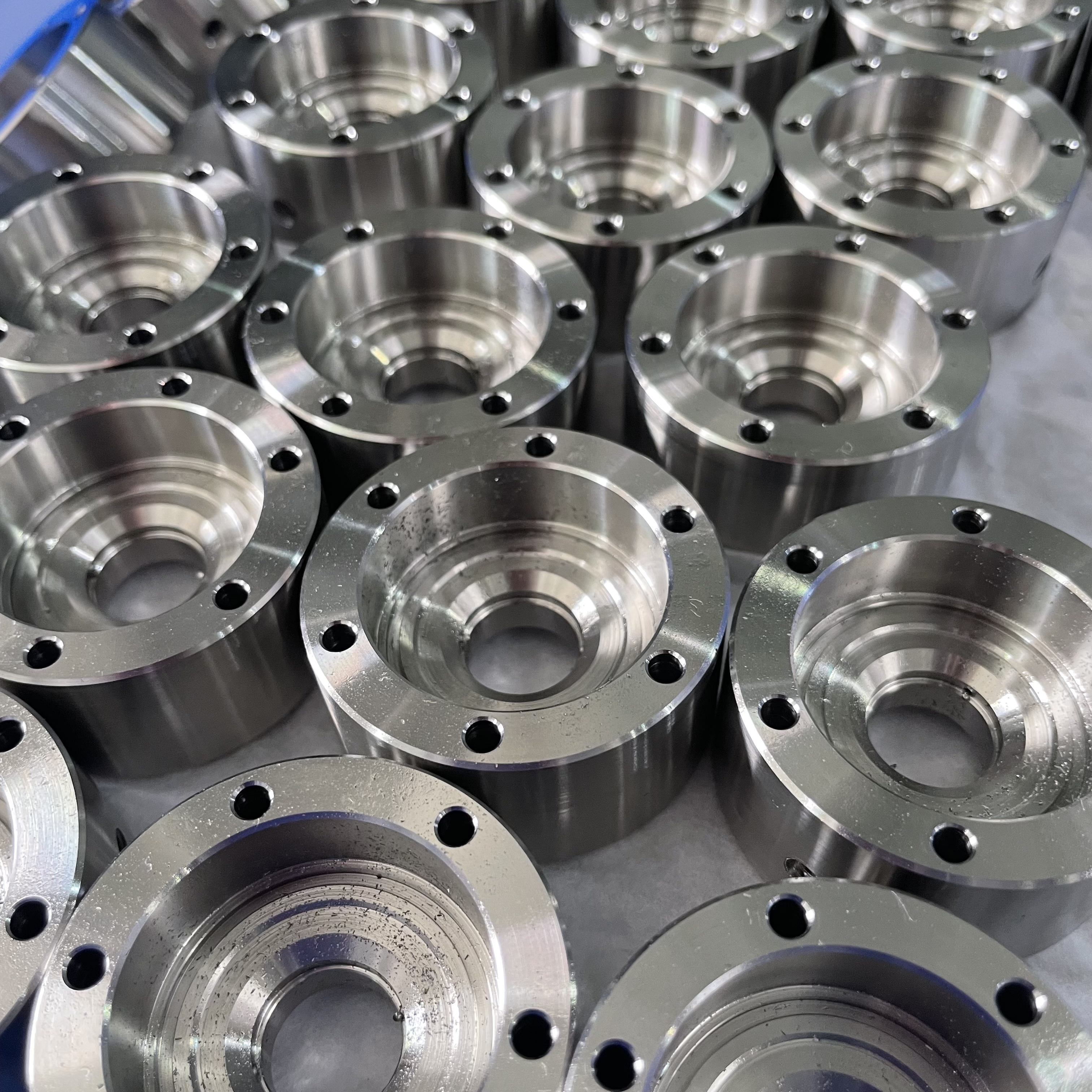
At Precision Fab CNC Machining, we specialize in producing parts for prototypes, short runs, and high-volume production. Our prototyping machine capabilities extend across metal, plastic, and wood machining, with welding fabrication services available to complement and finalize your prototype if required.
Address
Address: Room320 10F, Building A,Nanshan international building, Dayawan District, Huizhou, Guangdong, 516001 China
Contacts
billy@timaycnc.com