Custom CNC Parts for Robotics and Automation

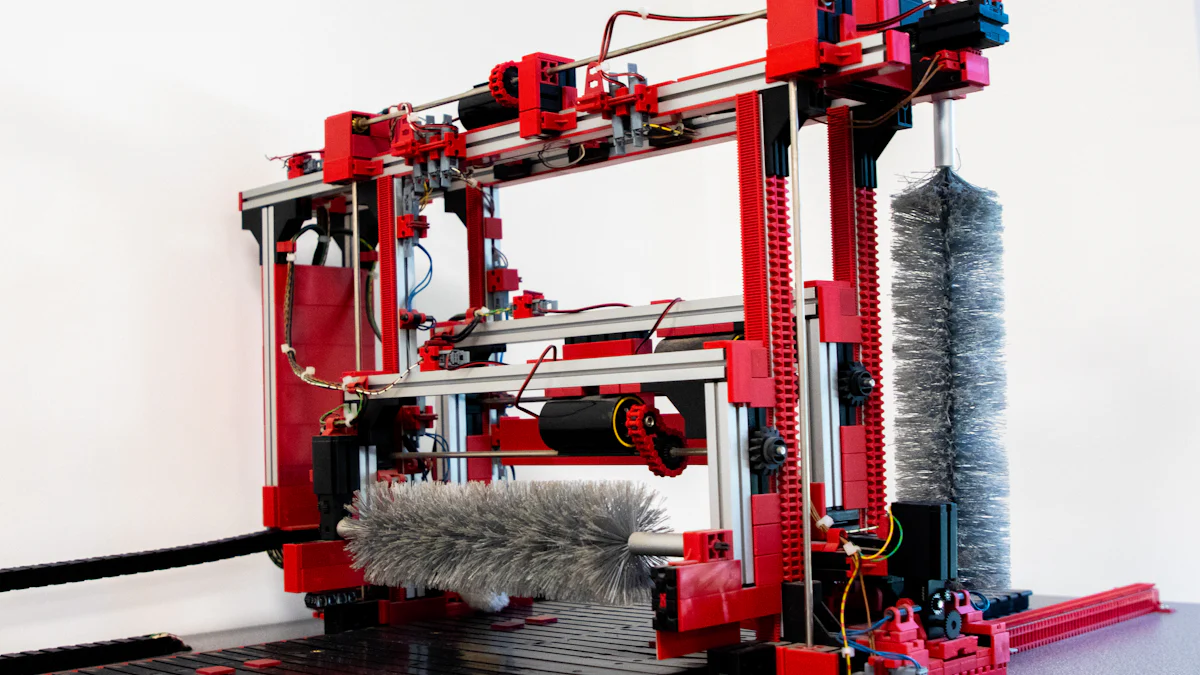
Custom CNC parts play a vital role in robotics and automation. These parts are designed to meet specific requirements, ensuring that robotic systems achieve unmatched precision and efficiency. CNC machining enables the creation of components with tight tolerances, allowing robots to perform tasks with dimensional accuracy and repeatability. For example, robot arms rely on precise specifications to move seamlessly, while end effectors require exact construction to interact effectively with their environment.
The growing adoption of robotics reflects the increasing demand for custom solutions. The industrial robotics market, valued at $17 billion in 2023, is projected to reach $32.5 billion by 2028. This growth is driven by advancements in AI and the integration of automation into industries. Custom CNC parts support this trend by offering durable materials, compact designs, and smooth surface finishes, which are essential for reducing friction and enhancing robotic performance.
As AI continues to evolve, the need for tailored components in robotics becomes even more critical. Custom CNC parts ensure that robots can operate efficiently, withstand constant stress, and adapt to the demands of modern automation systems.
Key Takeaways
Custom CNC parts help robots work better with exact movements and strong materials, making them faster.
CNC machines create parts with tight fits, so robots do tasks correctly and dependably. This is important for parts like joints and actuators.
Picking the right materials for CNC parts is key. Metals like aluminum and titanium have special features that make them last longer and work well.
Good design and testing let you quickly improve custom parts to fit specific needs.
Working with an expert CNC company that uses advanced tools and offers good support is important for making strong, high-quality parts.
Benefits of Custom CNC Parts
Improved Performance
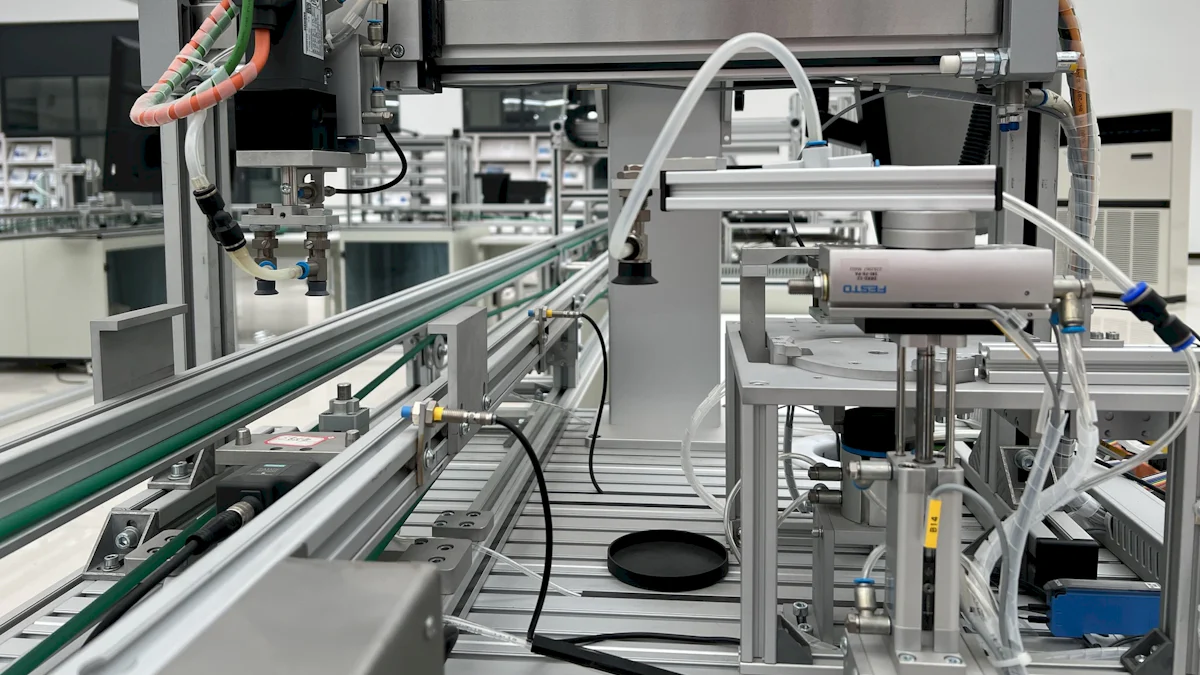
Custom CNC parts significantly enhance the performance of robotics and automation systems. These parts are tailored to meet specific operational needs, ensuring smooth and efficient functionality. For instance:
Custom CNC machining enables precise motion control, reducing friction and improving operational speed.
High durability ensures that parts withstand constant stress, extending their lifespan.
In one example, CNC-machined aluminum joints increased the operational speed of a robotic assembly line by 15%.
You can also see the impact of custom CNC parts in various case studies. For example:
Case Study Title | Description |
|---|---|
Efficiency Boost in CNC Machining Projects with Custom Drills | Improved machining efficiency of Grade 5 titanium alloy parts through custom drill bits. |
Titanium Alloy Shaft CNC Machining | Precision machining of a titanium alloy shaft, meeting client specifications. |
CNC Machined Heat Sink Optimization | Optimized machining process reduced production costs for a specific part. |
These examples highlight how custom CNC parts improve efficiency and performance in diverse applications.
Precision and Accuracy
Precision CNC machining ensures that robotics components meet tight tolerances, which is essential for accurate and repeatable movements. For example, CNC machining can achieve tolerances as tight as ±0.0002 inches, enabling robots to perform tasks with exceptional accuracy. Standard tolerances on a lathe are typically ±0.005 inches, but advanced techniques like EDM can achieve tolerances as precise as ±0.0001 inches.
Tolerance Level | Measurement (inches) | Measurement (mm) |
|---|---|---|
Standard Tolerance | ±0.005 | ±0.13 |
Precision Tolerance | ±0.002 | ±0.051 |
Reamed Holes | ±0.0005 | ±0.0127 |
Feature Locations | ±0.002 | ±0.051 |
This level of precision is critical for components like actuators and joints, which require exact dimensions to operate smoothly. By using custom CNC parts, you ensure that your robotics systems maintain consistent accuracy and reliability.
Durability and Material Options
The durability of custom CNC parts depends on the materials used. CNC machining offers a wide range of material options, each with unique properties suited for specific applications. For example:
Material | Key Properties |
|---|---|
Stainless Steel | Exceptional corrosion resistance, high strength, withstands high temperatures. |
Titanium | Incredible strength, lightweight, highly resistant to corrosion. |
AR400 | Hardness and toughness, ideal for wear and tear applications. |
AR500 | Greater hardness than AR400, suitable for extreme wear resistance. |
Aluminum | Lightweight, corrosion-resistant, ideal for structural components. |
Choosing the right material ensures that your parts can handle the conditions they will face. For instance, aluminum is lightweight and works well under static loads, while steel excels in durability and fatigue resistance. By selecting the appropriate material, you can optimize the longevity and performance of your robotics components.
Tip: Consider the machining environment and the specific stresses your parts will encounter when selecting materials. This ensures that your custom CNC parts perform reliably in their intended applications.
Types of Custom CNC Parts
Structural Components
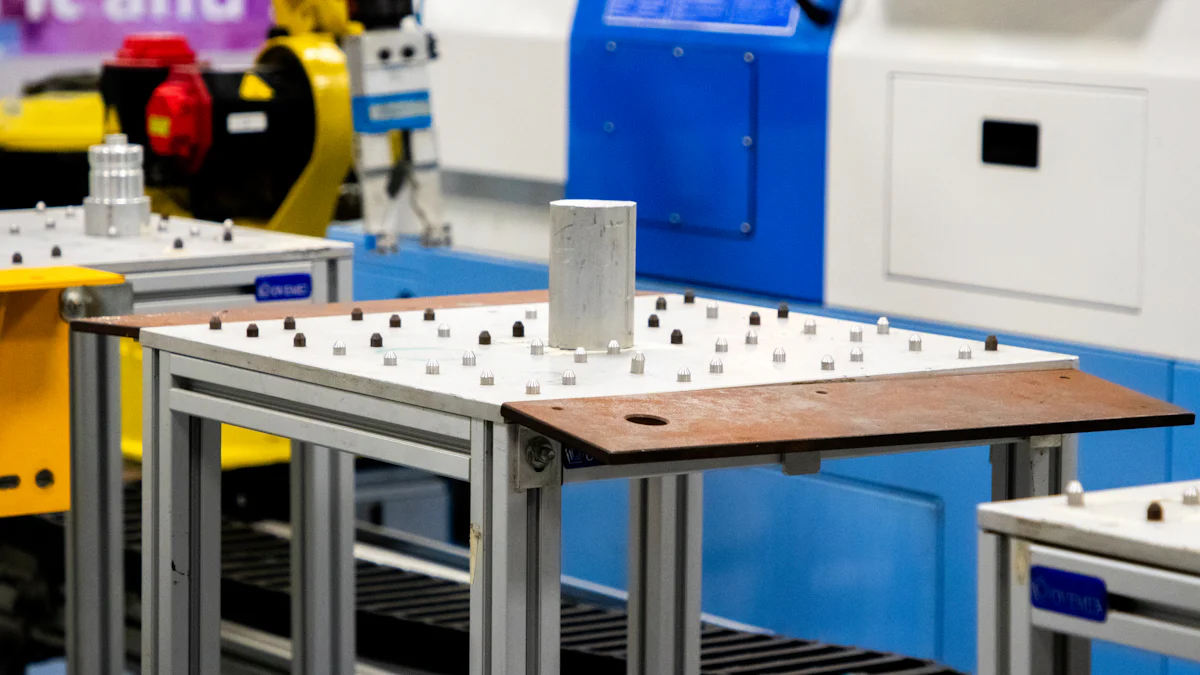
Structural components form the backbone of robotics systems. These parts provide the necessary support and stability for robotic operations. CNC machining allows you to create structural components with high precision, ensuring they meet the exact specifications required for your application. Common examples include:
Shoulder, elbow, and wrist joints.
Gears and bearings.
Housing parts and specialized fasteners.
Brackets for mounting and support.
These components must handle significant stress and maintain their integrity under various conditions. For instance, CNC-machined brackets can securely hold robotic arms in place, ensuring smooth and accurate movements. By using precision CNC machining, you can achieve tight tolerances and consistent quality, which are essential for reliable performance in robotics and automation systems.
Motion Components
Motion components are critical for enabling the dynamic movements of robotics systems. CNC machining plays a vital role in producing these parts with the precision needed for seamless operation. Examples of motion components include:
Robot arms, end effectors, and actuators.
Jigs, fixtures, and mounting brackets.
Bearings, shafts, and gears.
Housings and enclosures for motors and sensors.
Custom CNC motion components improve efficiency by ensuring accurate positioning and reducing friction during operations. For example, CNC-machined gears and bearings allow robotic joints to move smoothly, enhancing the overall performance of the system. The ability to work with various materials also ensures that these components can withstand wear and tear, making them durable and reliable for long-term use.
Specialized Parts
Specialized parts address unique challenges in robotics and automation. These components are designed to meet specific requirements, such as handling complex geometries or protecting sensitive electronics. Examples include:
Robotic arms with precision-machined joints and brackets for smooth movement.
Actuators that convert energy into motion using CNC-machined components.
Sensor housings that protect delicate electronics with durable casings.
Specialized CNC parts enhance the adaptability and efficiency of robotics systems. For instance, a custom-machined sensor housing can ensure data integrity by shielding the sensor from environmental factors. These parts also optimize production consistency, making them indispensable in modern automation systems. By leveraging AI in CNC machining, you can further refine these components to meet the evolving demands of robotics applications.
Tip: When designing specialized parts, consider the specific challenges your robotics system faces. This ensures that the components deliver optimal performance and reliability.
The Customization Process
Design and Prototyping
The design and prototyping phase lays the foundation for creating high-quality custom CNC parts. You begin by carefully planning and validating the design. Collaborating with engineers and machinists ensures the design aligns with manufacturability principles. Refining geometries reduces complexity, making production more consistent.
Key steps in this phase include:
Understanding basic and advanced design practices for CNC machining.
Optimizing part designs for manufacturability.
Implementing quality control processes during the design stage.
Prototyping accelerates the design validation process. Rapid prototyping allows you to produce parts in just a few days. This flexibility lets you experiment with different materials, shapes, and sizes. Iterative prototyping enables quick testing and refinement of multiple designs, ensuring the final product meets your exact requirements.
Tip: Use prototyping to identify potential design flaws early. This saves time and reduces costs during full-scale production.
CNC Machining Techniques
CNC machining offers a variety of techniques to create precise and durable parts for robotics components. Each method serves specific purposes, depending on the part's design and material.
Common techniques include:
CNC milling, which uses rotating cutting tools to remove material.
CNC turning, where the workpiece rotates against a cutting tool to achieve the desired shape.
Electrical Discharge Machining (EDM), a non-traditional method that removes material using electricity and thermal energy.
These techniques ensure high precision and quality. For example, CNC milling excels at creating complex geometries, while CNC turning is ideal for cylindrical parts. EDM works well for intricate designs that traditional methods cannot handle. By selecting the right technique, you can achieve tight tolerances and consistent results.
Note: The rigidity of the machining system, including the workpiece and tool, directly impacts precision. Ensure proper workholding to minimize deflection and maintain accuracy.
Quality Assurance
Quality assurance guarantees that your custom CNC parts meet specifications and perform reliably. In-process quality control (QC) detects issues early, preventing defective parts from progressing through production. Automated inspection systems or manual checks by operators ensure accuracy during machining.
Essential quality assurance measures include:
Conducting in-process QC to identify defects during production.
Using automated or manual inspections to verify part dimensions.
Performing a thorough final inspection to confirm compliance with specifications.
Strict quality control protocols enhance reliability and customer satisfaction. Early defect detection prevents failures in critical applications, reducing safety risks and financial losses. By adhering to ISO quality standards, you ensure consistent precision and defect-free parts for robotics and automation systems.
Tip: Dimensional inspections and statistical process control are vital for maintaining high-quality outcomes in CNC machining.
Choosing the Right CNC Machining Partner
Expertise and Experience
Selecting a CNC machining partner with the right expertise ensures the success of your project. Look for a provider with an ISO 9001-compliant quality management system. This certification guarantees adherence to strict quality standards. If your project involves aerospace applications, prioritize partners with AS 9100D certification, which builds on ISO 9001 and addresses industry-specific requirements.
A reliable partner should also have experience across various industries. This versatility demonstrates their ability to meet diverse needs. A strong in-house engineering team is another critical factor. These experts can design efficient and cost-effective parts tailored to your requirements. Additionally, continuous improvement teams that stay updated on the latest technologies ensure your project benefits from modern advancements.
Technology and Equipment
Advanced technology plays a vital role in producing high-quality CNC parts. Precision CNC machining allows you to achieve detailed geometries and tight tolerances consistently. Wire EDM cutting technology is ideal for creating burr-free cuts in complex shapes.
Modern equipment, such as Coordinate Measuring Machines (CMMs), ensures dimensional accuracy. Geometric dimensioning and tolerancing (GD&T) practices verify intricate geometries. High-performance tools, like carbide and ceramic-coated cutters, handle hardened materials effectively. These tools excel in high-speed machining applications, although their higher cost requires careful consideration.
The use of modern CNC machines has transformed manufacturing. Automated tools programmed by computers improve precision and reduce errors. This automation enables the production of intricate designs, optimizing workflows and meeting contemporary manufacturing standards. When choosing a partner, evaluate their equipment specifications, including the number of axes, horsepower, and software quality.
Customer Support and Communication
Effective customer support ensures a smooth partnership with your CNC machining provider. A responsive partner addresses inquiries promptly and provides regular updates. This level of communication fosters collaboration, helping you meet your manufacturing goals.
Clear communication also improves project outcomes. A provider willing to discuss design changes and rectify issues ensures your final product meets expectations. Strong customer support builds trust and enhances the overall experience, making it easier to navigate challenges during production.
Tip: Prioritize CNC machining partners who value open communication and provide consistent support throughout your project.
Custom CNC parts are essential for advancing robotics and automation. They provide unmatched precision, durability, and adaptability, enabling robots to perform complex tasks with accuracy. CNC machining achieves tight tolerances, supports diverse materials, and delivers smooth surface finishes, ensuring high-performing components.
You benefit from enhanced efficiency, reduced errors, and cost savings by investing in custom CNC parts. These parts also allow for intricate designs, improving the functionality of your automation systems. Choosing a skilled CNC machining partner ensures quality, flexibility, and reliable support, helping you meet your unique requirements.
Take the next step in optimizing your robotics systems by exploring custom CNC solutions tailored to your needs.
FAQ
What are custom CNC parts used for in robotics?
Custom CNC parts help robots perform specific tasks with precision. They include components like joints, gears, and brackets that ensure smooth movement and stability. These parts also improve the durability and efficiency of robotic systems.
How do I choose the right material for CNC parts?
You should consider the operating environment and stress levels. For lightweight needs, aluminum works well. For high strength and corrosion resistance, stainless steel or titanium is ideal. Match the material to your application for optimal performance.
Can CNC machining handle complex designs?
Yes, CNC machining excels at creating intricate designs. Techniques like CNC milling and EDM allow you to produce parts with tight tolerances and detailed geometries. This makes it perfect for robotics components requiring precision.
How long does it take to produce custom CNC parts?
Production time depends on the complexity of the design and the material. Prototyping can take a few days, while full-scale production may require weeks. Collaborating with your machining partner ensures accurate timelines.
Why is quality assurance important in CNC machining?
Quality assurance ensures your parts meet specifications and perform reliably. It prevents defects, reduces safety risks, and guarantees consistent precision. This process includes inspections during and after production to maintain high standards.
Tip: Always discuss quality control measures with your CNC machining partner to ensure reliable results.
See Also
Achieving Precision Parts Through Expert CNC Machining Techniques
How Small Parts CNC Revolutionizes Custom R/C Hobby Products
Streamlined CNC Machining Solutions for High-Precision Manufacturing
Investigating CNC Machining Options for Precision Manufacturing Needs
Perfecting CNC Turning Techniques for Precision R/C Upgrade Components
About US
Follow Us
Your prototype holds unparalleled significance, and we deeply value its uniqueness. Collaborating with you during the preparation phase for running your prototype or parts is a commitment we gladly embrace. Whether it's a single part or a complex assembly, we are dedicated to selecting the optimal tools and pathways to bring your envisioned product to life.
At Precision Fab CNC Machining, we specialize in producing parts for prototypes, short runs, and high-volume production. Our prototyping machine capabilities extend across metal, plastic, and wood machining, with welding fabrication services available to complement and finalize your prototype if required.
Address
Address: Room320 10F, Building A,Nanshan international building, Dayawan District, Huizhou, Guangdong, 516001 China
Contacts
billy@timaycnc.com