How to Customize Robot Parts for Different Robotics Applications Using CNC Machining

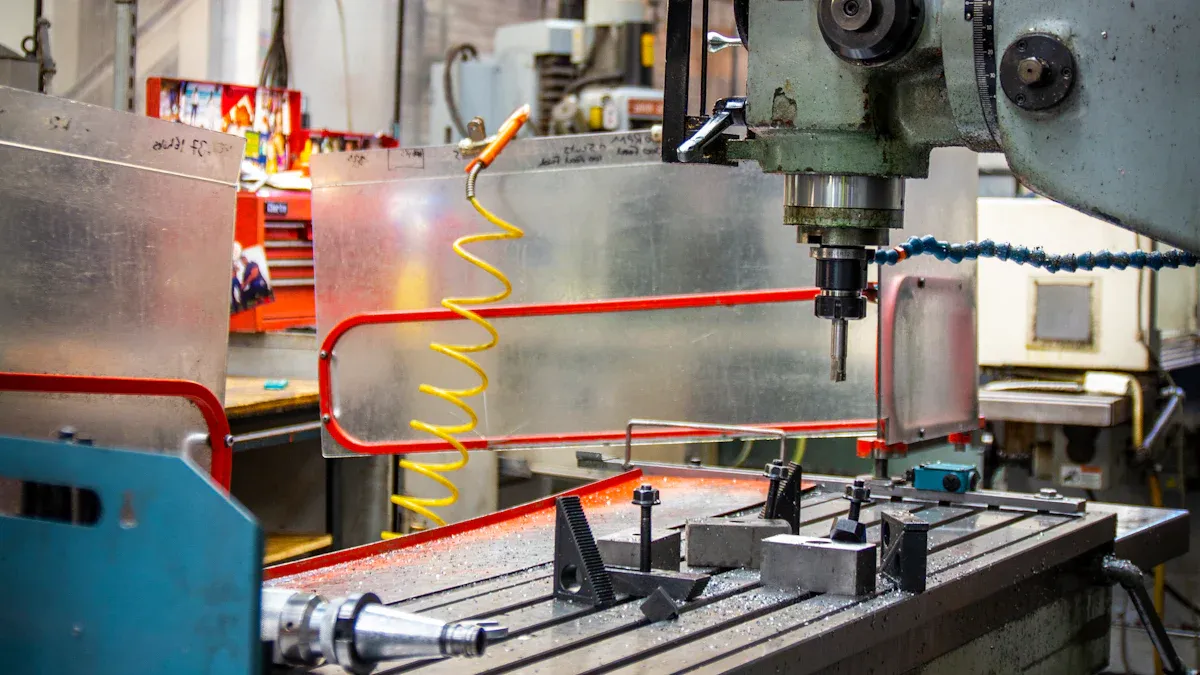
CNC machining plays a vital role in creating custom robot parts tailored to specific needs. It ensures precision, enhances adaptability, and boosts performance across industries. With trends like compact CNC robots and a growing robotics market projected to reach $32.5B by 2028, customization maximizes functionality and ensures seamless integration into specialized workflows.
Key Takeaways
Custom robot parts improve accuracy and movement, making control easier.
Choosing the right materials is important; aluminum is light for movement, while steel is strong for tough jobs.
CNC machining creates detailed designs with exact measurements, helping parts work well in tough conditions.
Importance of Custom Robot Parts
Enhancing Precision and Motion Accuracy
Custom robot parts play a critical role in improving precision and motion accuracy. You can achieve smoother movements and better control by using components tailored to specific requirements. For example:
In medical robotics, lightweight titanium parts ensure precise movements during delicate surgeries.
In industrial manufacturing, durable aluminum parts allow robots to operate efficiently under high speeds and heavy loads.
Additionally, specific components like custom crossed roller bearings minimize friction and enhance actuator performance. These bearings improve accuracy, which is essential for humanoid robots. Enhanced control leads to smoother and more responsive movements, making your robots more effective in their tasks.
Adapting to Specific Robotics Applications
Custom robot parts allow you to design robots that meet the unique demands of various applications. Industries like medical robotics, industrial automation, and military operations benefit significantly from tailored designs. For instance:
Space exploration requires robots with parts that can withstand extreme environments and limited human access.
Applications demanding weight minimization or specific payload capacities rely on custom designs.
Customization also ensures that your robots align with industrial design intent, avoiding the limitations of off-the-shelf solutions.
By adapting parts to specific needs, you can enhance the functionality and efficiency of your robots in any environment.
Overcoming Design and Functional Challenges
CNC machining enables you to address complex design and functional challenges in robotics. It offers tight tolerances up to +/- 0.0002 inches, ensuring precise and repeatable movements. For example:
CNC machines can work with a wide range of materials, including metals and plastics, providing flexibility in design.
High-precision parts improve the reliability of robots, especially in fields like aerospace and precision manufacturing.
Compact designs become achievable, allowing you to create space-saving robotic systems.
Custom machining ensures that robotic parts perform well in their target functions. With tolerances as tight as +/- 0.002 inches, you can achieve the stability and functionality required for advanced robotics.
Design Optimization and Material Selection
Principles of Effective Robot Part Design
Effective robot part design begins with precision. CNC machining allows you to achieve tight tolerances, ensuring accurate movements and seamless integration of components. Material compatibility is another key factor. You must select materials that support smooth motion and withstand operational stresses. Surface finish also plays a critical role. For example, low-friction finishes improve robotic interactions, especially in applications requiring high precision.
Design optimization often involves using CAD software and simulation tools. These tools help you test stability under various loads and refine designs before production. CNC machining excels at creating essential components like robot arms, gears, and end effectors. Each of these parts requires high precision to ensure the robot operates efficiently and reliably.
Selecting Materials for Strength, Weight, and Durability
Choosing the right material depends on your robot's application. Aluminum offers a lightweight yet strong option, making it ideal for robots requiring mobility. Steel provides exceptional strength and toughness, suitable for heavy-duty tasks, though it adds weight. Carbon fiber delivers an excellent strength-to-weight ratio but can be brittle under impact. Plastics, while cost-effective and lightweight, may lack the durability of metals.
For example:
Use aluminum for robotic arms to balance strength and weight.
Opt for steel in industrial robots handling heavy loads.
Consider carbon fiber for drones or robots needing high stiffness and low weight.
Balancing Cost and Performance in Material Choices
Balancing cost and performance requires careful consideration of material properties and budget constraints. Readily available materials like plastics or aluminum alloys often provide a good balance of affordability and functionality. For lightweight and flexible parts, plastics or rubber work well. Metals like steel or ceramics are better suited for applications demanding sturdiness.
You should also evaluate the long-term benefits of each material. While metals may have a higher upfront cost, their durability can reduce maintenance expenses over time. By aligning material selection with your robot's specific needs, you can optimize both performance and cost-effectiveness.
CNC Machining Processes for Custom Robot Parts
Key CNC Machining Techniques for Robotics
CNC machining offers several techniques to create precise and durable custom robot parts. Precision machining ensures tight tolerances of up to +/- 0.0002 inches, which is critical for accurate robotic movements. Advanced methods like 4-axis and 5-axis machining allow you to produce complex shapes with minimal errors. These techniques are ideal for crafting intricate components such as gears, robot arms, and end effectors.
The ability to work with a variety of materials, including metals like aluminum and steel, ensures that your robot parts meet specific strength and durability requirements. Additionally, CNC machining achieves surface roughness as low as Ra 0.8 µm, which is essential for reducing friction in robotic applications. This level of precision enhances the performance and reliability of robots across industries like aerospace and medical robotics.
Quality Assurance in CNC Machining
Maintaining quality in CNC machining involves several key measures. Statistical Process Control (SPC) helps you monitor machining processes by analyzing data to detect trends and variations. Regular machine maintenance, including cleaning and tool calibration, ensures consistent accuracy. Quality control software provides real-time monitoring and automates inspections, reducing the risk of errors.
Employee training also plays a vital role. Skilled operators ensure that parts meet strict tolerances and quality standards. Accurate tool calibration further guarantees that each component is produced to exact specifications, enhancing the reliability of your custom robot parts.
Benefits of CNC Machining for Complex and Intricate Designs
CNC machining excels at producing intricate designs with high precision. It allows you to create components like robot arms, gears, and actuators with tight tolerances and smooth finishes. These features are essential for seamless movement and functionality. CNC machining also supports the production of jigs, fixtures, and housings, which provide stability and protection for robotic systems.
The ability to work with diverse materials ensures that your designs achieve the necessary strength and durability. For example, CNC-machined sensors and controllers offer secure housing for electronic components, while end effectors benefit from precise fabrication for effective interaction with their environment. This versatility makes CNC machining a cornerstone of advanced robotics manufacturing.
Practical Applications of Custom Robot Parts
Medical Robotics: Precision Components for Surgical Tools
In medical robotics, precision is critical for success. CNC machining enables you to create components that meet the exacting standards of surgical tools. For example:
Robotic arms require precision-machined joints, hinges, and brackets to ensure smooth and controlled movements.
Actuators, crafted with CNC-machined parts, convert energy into precise motion.
Sensor housings protect delicate electronics, ensuring durability in demanding environments.
Medical implants, such as hip or spine replacements, rely on CNC machining for accuracy and cost-effectiveness.
These components enhance the reliability and functionality of medical robots, making them indispensable in surgeries and other healthcare applications.
Industrial Robotics: Heavy-Duty and Durable Parts
Industrial robots operate in challenging environments, requiring robust and durable components. CNC machining allows you to produce parts that withstand heavy loads and repetitive tasks. Examples include:
Robotic arms made from high-strength materials like steel or aluminum, essential for executing operations.
End effectors, designed for specific tasks, crafted with precision to ensure functionality.
Custom jigs and fixtures, which hold workpieces securely during operations, improving accuracy.
Structural components and gears, intricately designed to transfer forces and maintain stability.
These heavy-duty parts ensure industrial robots perform reliably, even under extreme conditions.
Consumer Robotics: Lightweight and Aesthetic Components
Consumer robots prioritize portability and design. CNC machining helps you create lightweight and visually appealing parts. Aluminum and plastics are often used to reduce weight while maintaining strength. For example, CNC-machined casings provide a sleek appearance while protecting internal components. Custom robot parts for consumer applications also include gears and actuators, designed for smooth operation and energy efficiency. These features make consumer robots more user-friendly and adaptable to everyday tasks.
CNC machining offers unmatched precision and adaptability for custom robot parts. You can achieve tight tolerances, smooth finishes, and durable designs tailored to specific needs. Material selection and design optimization further enhance robotic performance. By leveraging CNC machining, you unlock innovative solutions that redefine robotics across industries like aerospace, medical, and consumer applications.
FAQ
What makes CNC machining ideal for robotics applications?
CNC machining provides unmatched precision, tight tolerances, and material versatility. These features ensure your robot parts meet specific performance and durability requirements across various industries.
How do you choose the right material for custom robot parts?
Consider your robot's application. Lightweight materials like aluminum suit mobile robots, while steel works best for heavy-duty tasks. Balance strength, weight, and cost for optimal results.
Can CNC machining handle intricate robot part designs?
Yes, CNC machining excels at creating complex shapes. Techniques like 5-axis machining allow you to produce intricate components with smooth finishes and high accuracy.
See Also
Achieving Precision in Parts Manufacturing Through CNC Machining
Expert CNC Turning Techniques for RC Upgrade Component Design
How Small Parts CNC Technology Enhances Custom R/C Products
Understanding Tolerances and Materials in CNC Machining Processes
Comprehensive CNC Turning Techniques for RC Car Aluminum Components
About US
Follow Us
Your prototype holds unparalleled significance, and we deeply value its uniqueness. Collaborating with you during the preparation phase for running your prototype or parts is a commitment we gladly embrace. Whether it's a single part or a complex assembly, we are dedicated to selecting the optimal tools and pathways to bring your envisioned product to life.
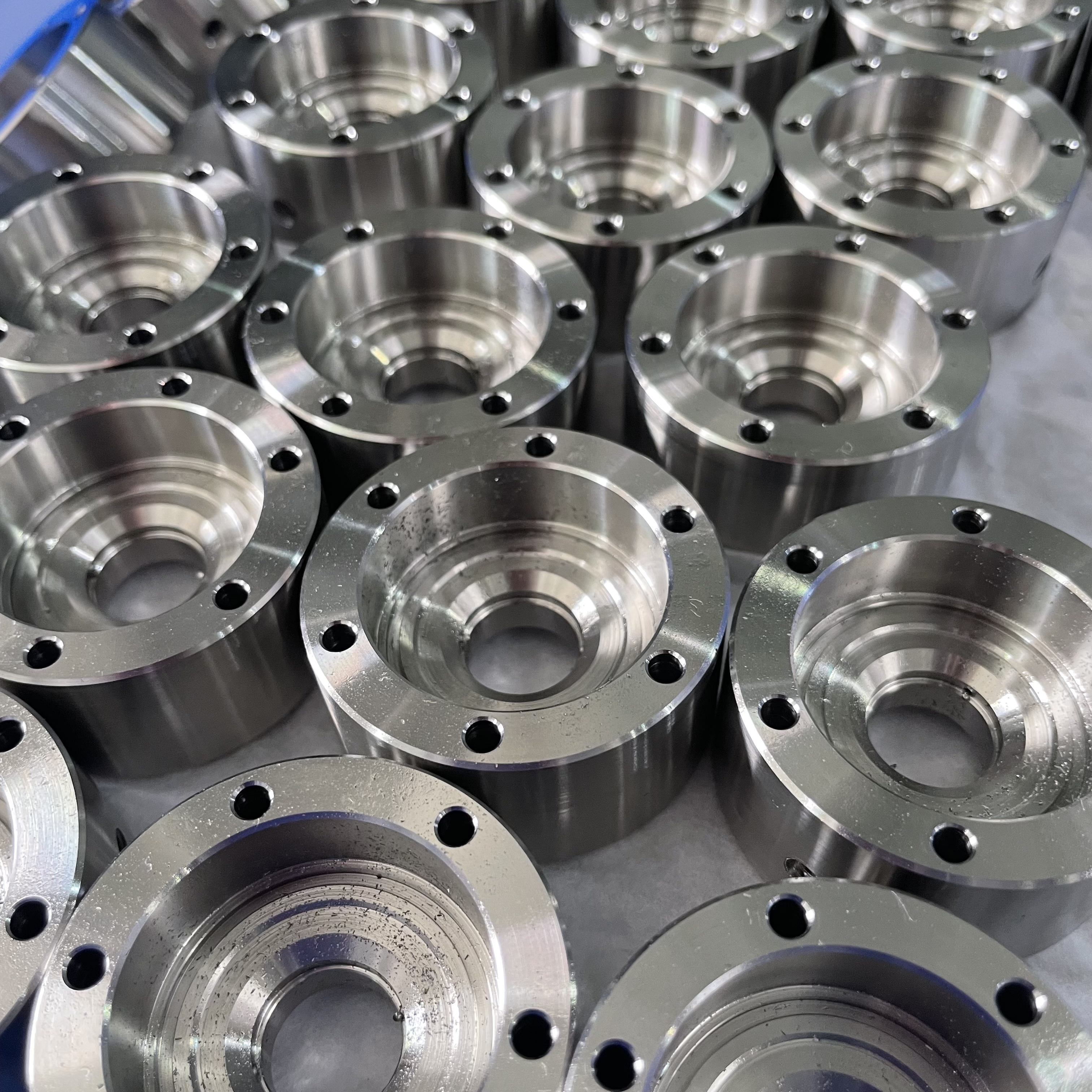
At Precision Fab CNC Machining, we specialize in producing parts for prototypes, short runs, and high-volume production. Our prototyping machine capabilities extend across metal, plastic, and wood machining, with welding fabrication services available to complement and finalize your prototype if required.
Address
Address: Room320 10F, Building A,Nanshan international building, Dayawan District, Huizhou, Guangdong, 516001 China
Contacts
billy@timaycnc.com