Design Optimization for Manufacturability in CNC Machining for CNC hardware CNC Factory CNC CNC service provider

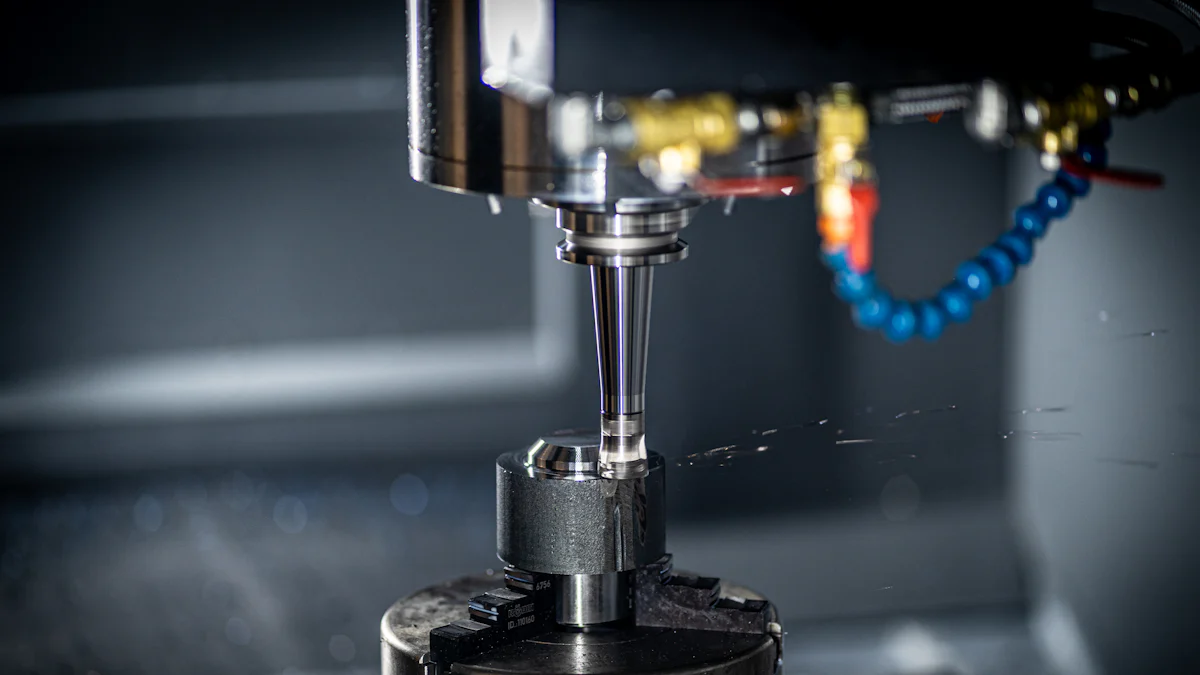
The significance of CNC hardware CNC Factory CNC CNC service provider in modern manufacturing cannot be overstated. With the global CNC machine market projected to reach $154 billion by 2032, optimizing designs for manufacturability is paramount. This blog delves into the intricate realm of design optimization, offering insights into enhancing efficiency and precision for CNC hardware, factories, and service providers. By exploring key strategies and practical examples, readers will gain valuable knowledge to elevate their CNC machining endeavors.
Understanding CNC Machining
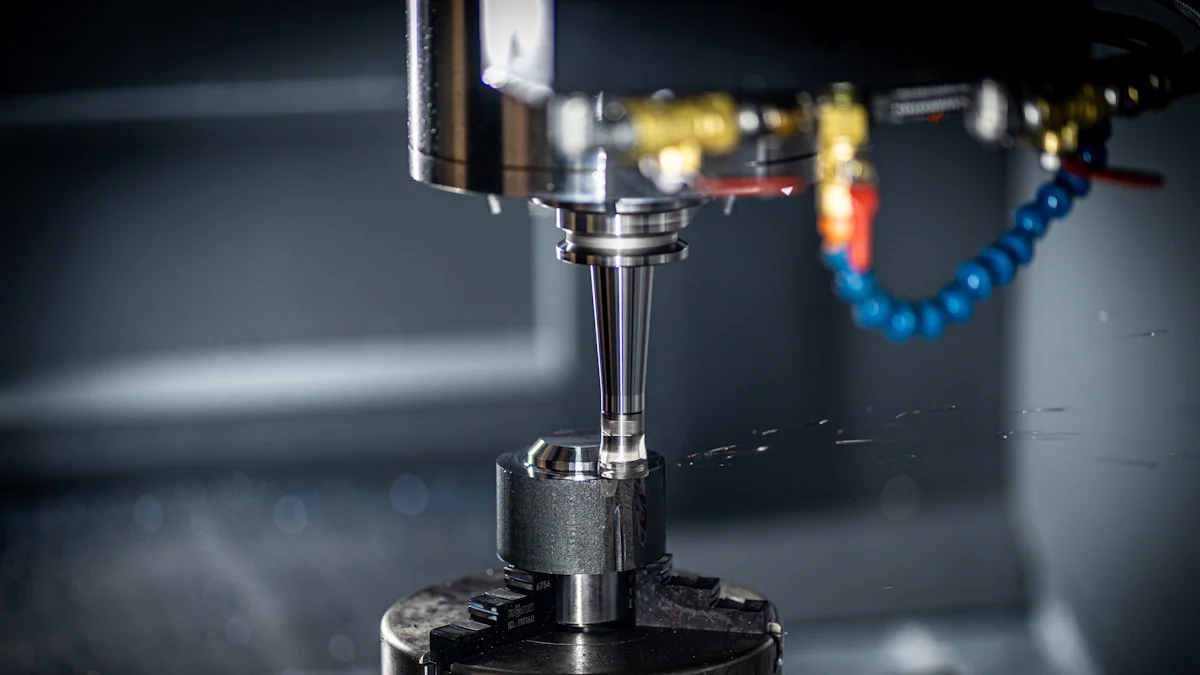
In the realm of modern manufacturing, CNC hardware CNC Factory CNC CNC service providers are pivotal entities driving innovation and precision. The utilization of Computer Numerical Control (CNC) machining has revolutionized production processes, offering unparalleled accuracy and efficiency in creating intricate components tailored to specific requirements.
Basics of CNC Machining
Definition and history
The inception of CNC machining marked a significant advancement in manufacturing technology. Initially developed for automating production processes, CNC machines have evolved to encompass a wide array of applications across various industries. The history of CNC machining traces back to the mid-20th century, with continuous technological enhancements propelling its widespread adoption today.
Key components and machinery
At the core of CNC machining lie essential components that orchestrate the precise movements and operations required for part fabrication. These include the machine tool, which serves as the primary apparatus for cutting, shaping, and finishing workpieces with utmost accuracy. Additionally, the control unit acts as the brain of the operation, interpreting digital instructions to execute intricate machining tasks seamlessly.
Types of CNC Machines
Milling machines
Milling machines represent a fundamental category within the realm of CNC machining, renowned for their versatility in shaping various materials with unparalleled precision. Equipped with rotating cutting tools, milling machines facilitate intricate operations such as drilling, slot cutting, and contouring to achieve complex part geometries efficiently.
Lathes
Lathes stand as another cornerstone in CNC machining, specializing in cylindrical part production through rotational motion. These machines excel in turning operations, where workpieces undergo precision shaping to meet stringent dimensional requirements. Lathes play a crucial role in crafting shafts, pins, and other cylindrical components vital across industries.
Other specialized CNC machines
Beyond milling machines and lathes, specialized CNC equipment caters to unique manufacturing needs across diverse sectors. From wire electrical discharge machines (EDM) enabling precise metal removal through electrical discharges to laser cutting systems delivering intricate cuts on various materials—specialized CNC machines offer tailored solutions for specific production challenges.
Principles of Design for Manufacturability (DFM)
In the realm of CNC hardware CNC Factory CNC CNC service provider, Design for Manufacturability (DFM) stands as a cornerstone philosophy guiding efficient and cost-effective part production. By integrating DFM principles into the design phase, manufacturers can streamline processes, enhance product quality, and reduce operational costs significantly.
What is DFM?
Definition and objectives
DFM encompasses a strategic approach aimed at optimizing part designs for seamless manufacturability. The primary objective of DFM is to eliminate inefficiencies in production processes by considering manufacturing constraints early in the design stage. By prioritizing ease of fabrication and assembly, DFM fosters a symbiotic relationship between design intent and manufacturing feasibility.
Benefits of DFM in CNC machining
Accelerate production time and reduce production costs
Enhance operational efficiency through improved toolpaths
Ensure high precision and quality in manufactured components
Key DFM Considerations
Material selection
When embarking on a design journey tailored for CNC hardware CNC Factory CNC CNC service provider, meticulous material selection plays a pivotal role. Opting for materials that align with the intended application requirements while balancing cost considerations is paramount. By choosing materials conducive to CNC machining processes, manufacturers can achieve optimal results in terms of part quality and performance.
Tolerances and precision
Precision engineering lies at the heart of successful CNC machining endeavors within CNC hardware CNC Factory CNC CNC service provider settings. Embracing tight tolerances while maintaining manufacturability is a delicate balance that requires careful consideration. Striking an equilibrium between dimensional accuracy and practical machinability ensures seamless production workflows without compromising part integrity.
Surface finish requirements
The surface finish of machined components holds significant implications for both aesthetics and functionality. In the context of CNC hardware CNC Factory CNC CNC service provider, understanding surface finish requirements is crucial to delivering products that meet industry standards and customer expectations. By defining clear specifications for surface finishes early in the design phase, manufacturers can uphold quality benchmarks throughout the manufacturing process.
Common DFM Techniques
Simplification of part geometry
Simplifying part geometries is a fundamental strategy employed by designers to enhance manufacturability in CNC hardware CNC Factory CNC CNC service provider environments. By minimizing complexity in part shapes and features, manufacturers can expedite machining operations, reduce material waste, and mitigate production errors effectively.
Standardization of components
Standardizing components across designs streamlines manufacturing workflows within CNC hardware CNC Factory CNC CNC service provider facilities. By incorporating standardized elements such as fasteners, connectors, or interfaces, designers promote consistency, scalability, and interchangeability across product lines. This approach not only simplifies assembly processes but also facilitates maintenance and repair activities post-production.
Minimization of machining operations
Reducing the number of machining operations required to fabricate parts is a key tenet of efficient design optimization for CNC hardware CNC Factory CNC CNC service provider applications. By minimizing intricate machining steps or tool changes, manufacturers can expedite production cycles, lower energy consumption, and enhance overall process efficiency significantly.
Design Optimization Strategies for CNC Machining
Material Optimization
Choosing the right material for the application
Selecting the optimal material is a critical decision in CNC hardware CNC Factory CNC CNC service provider environments. The choice of material should align with the component's intended function and performance requirements. By balancing cost and performance, manufacturers can ensure that the selected material enhances both the functionality and manufacturability of the part.
Geometric Optimization
Reducing complexity in part design
Simplifying part geometries is a fundamental aspect of design optimization for CNC hardware CNC Factory CNC CNC service provider settings. By minimizing unnecessary complexities, designers can streamline manufacturing processes, reduce production errors, and enhance overall efficiency.
Ensuring ease of machining
Prioritizing ease of machining is essential in CNC hardware CNC Factory CNC CNC service provider environments to facilitate smooth production workflows. Designers should focus on creating designs that are straightforward to machine, allowing for efficient fabrication without compromising precision or quality.
Avoiding excessively thin walls
Preventing excessively thin walls is crucial in optimizing part designs for CNC hardware CNC Factory CNC CNC service providers. Thin walls may compromise structural integrity during machining or post-production usage. By avoiding overly thin sections, manufacturers can ensure robust components that meet performance standards.
Adding radii to internal vertical edges
Incorporating radii into internal vertical edges is a valuable technique in enhancing machinability for CNC hardware CNC Factory CNC CNC service provider applications. Radii help reduce stress concentrations during machining, improve tool engagement, and promote smoother surface finishes on machined parts.
Process Optimization
Selecting the appropriate machining process
Choosing the right machining process is paramount in achieving optimal results within CNC hardware CNC Factory CNC CNC service provider facilities. Whether it involves milling, turning, or specialized operations like EDM or laser cutting, selecting the most suitable process ensures efficient material removal and precise part fabrication.
Reducing cycle time and improving efficiency
Efficiency plays a vital role in design optimization for CNC hardware CNC Factory CNC CNC service providers. By implementing strategies to minimize cycle times through optimized toolpaths, reduced setup changes, and enhanced programming techniques, manufacturers can boost productivity and maximize resource utilization.
Limiting thread length
Limiting thread length is a strategic consideration in optimizing part designs for CNC hardware CNC Factory CNC CNC service providers. Excessive thread lengths can increase machining complexity and lead to potential issues during production. By defining standardized thread lengths based on functional requirements, designers can simplify manufacturing processes and ensure consistent quality across components.
Designing holes with standard sizes
Standardizing hole sizes is a practical approach to design optimization within CNC hardware CNC Factory CNC services provider contexts. Using common drill sizes simplifies tool selection, reduces setup times, and promotes uniformity across parts. Designers should prioritize standard hole dimensions to enhance manufacturability and expedite production workflows.
Case Studies and Practical Examples

Successful Design Optimizations
Example 1: Automotive Component
Implementing design optimization strategies in the automotive industry has led to remarkable advancements.
Principles and Practices of Design Optimization have played a pivotal role in enhancing the manufacturability and performance of automotive components.
By prioritizing material optimization, geometric simplification, and process efficiency, manufacturers have achieved significant cost savings and operational enhancements.
The successful redesign of an automotive component exemplifies the transformative impact of design optimization in CNC hardware CNC Factory CNC CNC service provider settings.
Example 2: Aerospace Part
In the aerospace sector, precision and reliability are paramount in component design and manufacturing.
Through meticulous application of Design Optimization Strategies for CNC Machining, aerospace engineers have elevated part quality and production efficiency.
By incorporating lessons learned from past projects and embracing innovative DFM techniques, designers have overcome complex challenges to deliver cutting-edge aerospace parts.
The case study of optimizing an aerospace part underscores the critical role of design optimization in pushing the boundaries of innovation within the CNC hardware CNC Factory CNC CNC service provider domain.
Lessons Learned
Common Pitfalls and How to Avoid Them
"Understanding common pitfalls is key to refining design processes for optimal outcomes." - Principles and Practices of Design Optimization
Overlooking Material Selection Impact:
Neglecting to align material properties with machining requirements can lead to suboptimal part performance.
Prioritize material compatibility with CNC processes to enhance manufacturability without compromising structural integrity.
Ignoring Tolerance Considerations:
Excessive reliance on tight tolerances may escalate production costs without proportional benefits.
Strike a balance between precision requirements and practical machinability for cost-effective manufacturing solutions.
Neglecting Surface Finish Specifications:
Disregarding surface finish standards can result in aesthetic flaws or functional deficiencies in machined components.
Define clear surface finish requirements early in the design phase to uphold quality standards throughout production.
Best Practices for Design Optimization
"Embracing best practices fosters a culture of continuous improvement in CNC machining." - Principles and Practices of Design Optimization
Regularly Reviewing Design Iterations:
Conduct iterative reviews to identify opportunities for enhancement throughout the design process.
Embrace feedback loops from manufacturing teams to refine designs for optimal manufacturability.
Leveraging Advanced Simulation Tools:
Utilize simulation software to predict machining outcomes, detect potential issues, and optimize toolpaths proactively.
Simulate various scenarios to assess part feasibility, tool engagement, and overall machining efficiency.
In the realm of CNC hardware CNC Factory CNC CNC service provider, design optimization is the cornerstone of efficient manufacturing processes. By embracing strategies that prioritize material and geometric optimization, manufacturers can enhance product quality while reducing production costs. The future of CNC machining lies in continuous innovation and the integration of advanced design techniques to streamline operations. Readers are encouraged to implement these proven strategies in their projects to achieve remarkable cost savings and operational efficiencies.
See Also
Optimizing CNC Machining Solutions for Precise Manufacturing
Investigating CNC Machining Solutions for Accurate Production
Perfecting CNC Machining for Accurate Component Production
Mastery of CNC Machining: Precision, Prototyping, and Material Choices
About US
Follow Us
Your prototype holds unparalleled significance, and we deeply value its uniqueness. Collaborating with you during the preparation phase for running your prototype or parts is a commitment we gladly embrace. Whether it's a single part or a complex assembly, we are dedicated to selecting the optimal tools and pathways to bring your envisioned product to life.
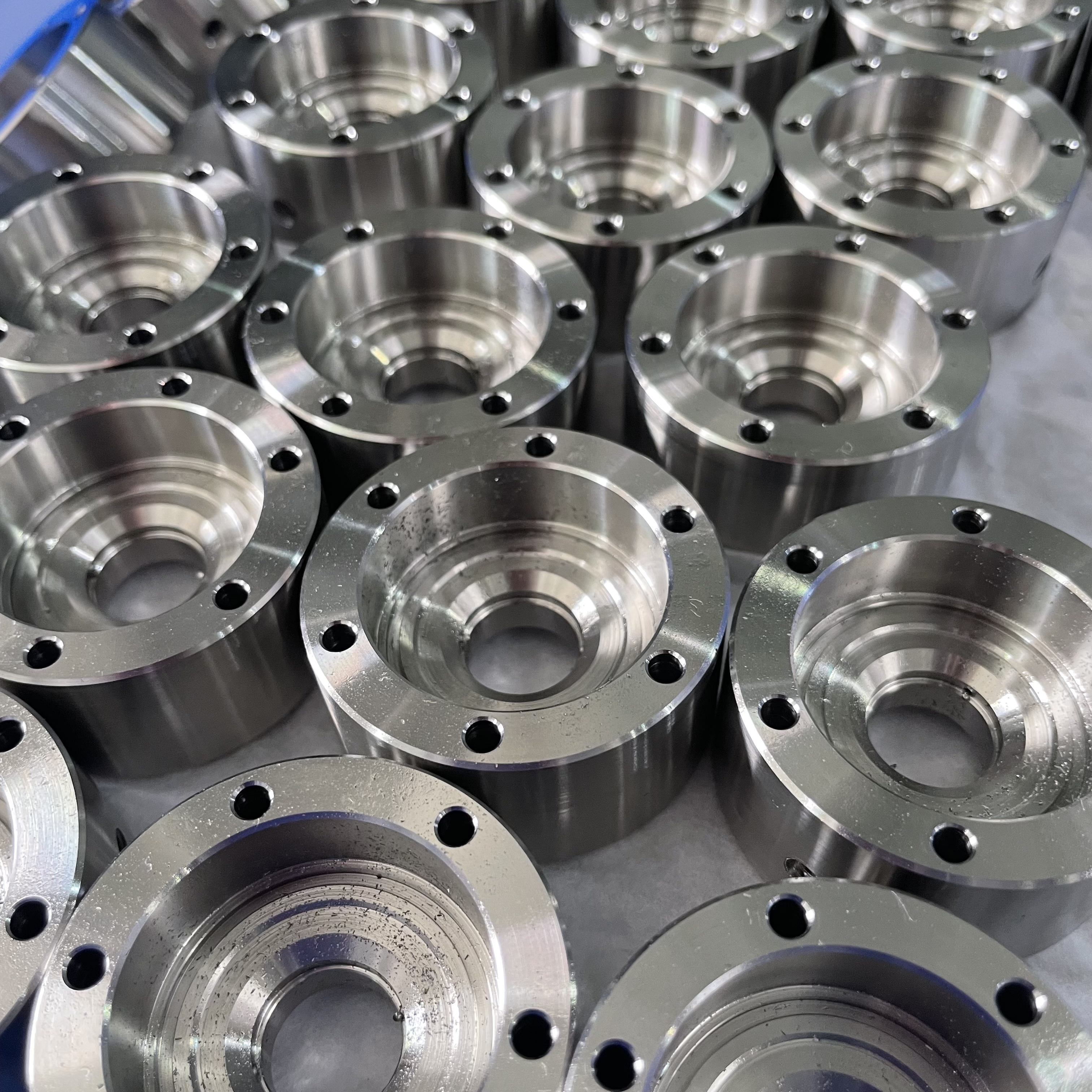
At Precision Fab CNC Machining, we specialize in producing parts for prototypes, short runs, and high-volume production. Our prototyping machine capabilities extend across metal, plastic, and wood machining, with welding fabrication services available to complement and finalize your prototype if required.
Address
Address: Room320 10F, Building A,Nanshan international building, Dayawan District, Huizhou, Guangdong, 516001 China
Contacts
billy@timaycnc.com