Understanding the Differences Between Metals, Plastics, and Composites in CNC Applications

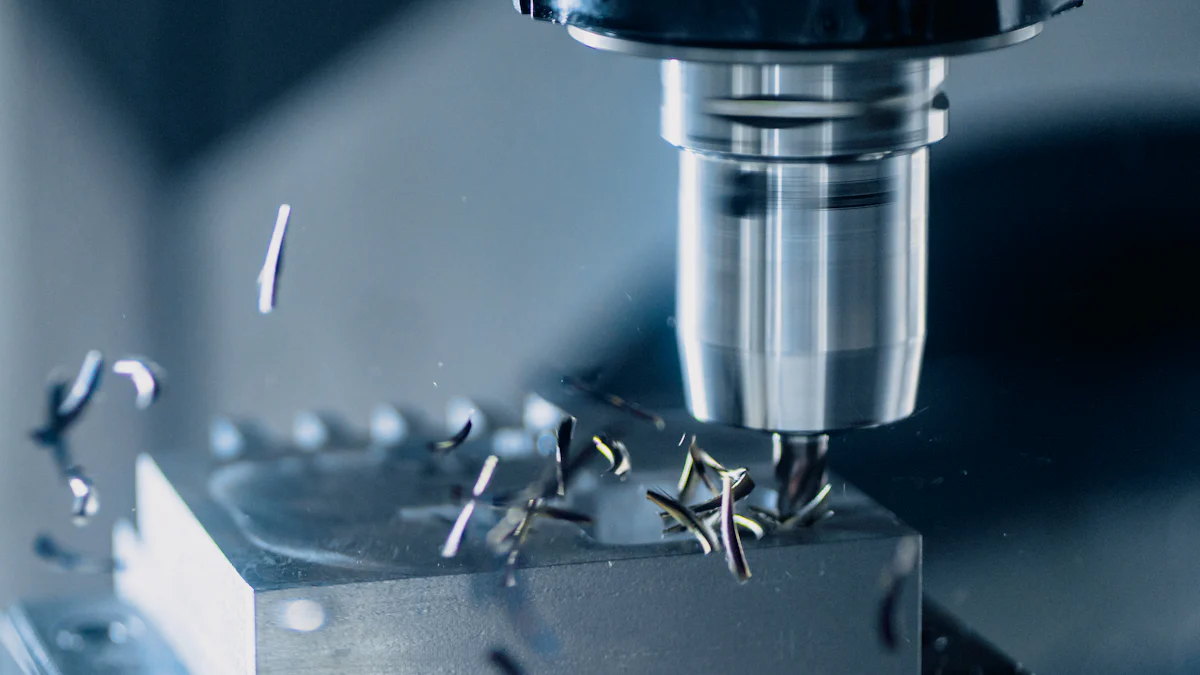
Understanding how different material options behave in CNC machining is essential for achieving project success. Material selection directly impacts functionality, durability, and cost-effectiveness. Metals provide unmatched strength and stability, plastics offer lightweight machinability, and composites excel with high strength-to-weight ratios. Choosing the right material ensures efficiency and optimal results in every application.
Key Takeaways
Metals are very strong and long-lasting, great for tough jobs in planes and cars.
Plastics are light and flexible, good for saving money and resisting rust or heat.
Composites are strong but light, ideal for detailed work in planes and cars.
Material Properties in CNC Machining
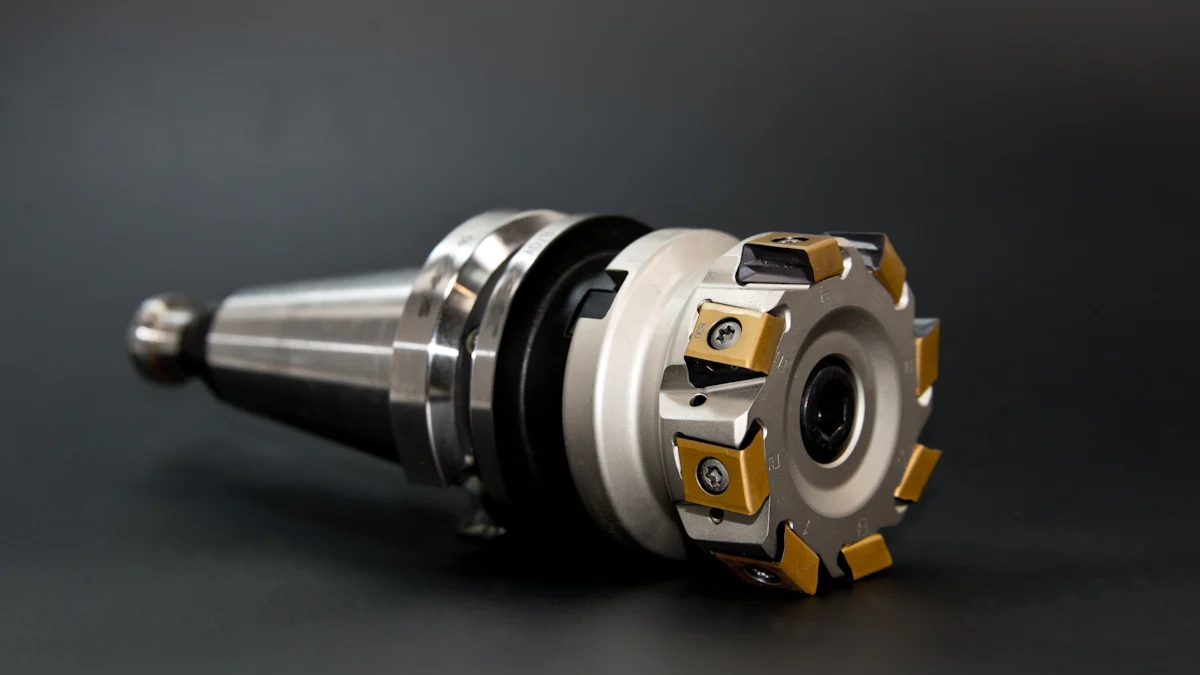
Physical Properties of Metals, Plastics, and Composites
Understanding the physical properties of CNC machining materials is essential for selecting the right option for your project. Metals, plastics, and composites each offer unique characteristics that influence their behavior during machining.
Density: Metals are denser than plastics, which makes them heavier but also more robust. Composites, like carbon fiber, strike a balance with lower density and high strength.
Thermal Properties: Metals have higher thermal conductivity, which helps dissipate heat during machining. Plastics, on the other hand, are more prone to heat buildup.
Electrical Conductivity: Metals conduct electricity, making them ideal for electrical components. Plastics act as insulators, offering advantages in non-conductive applications.
Machinability: Plastics often provide smoother finishes and shorter machining times compared to metals.
For example, aluminum, with a density of 2.7 g/cm³, offers excellent machinability and strength. In contrast, ABS plastic, with a density of 1.04 g/cm³, is lightweight and cost-effective.
Material | Density (g/cm³) | Tensile Strength (MPa) |
|---|---|---|
Aluminum | 2.7 | 310-570 |
Steel | 7.85 | 400-1500 |
ABS (Plastic) | 1.04 | 41-55 |
Carbon Fiber | 1.6 | 500-1000 |
Thermal and Chemical Behavior in CNC Machining
Thermal expansion and chemical resistance play a significant role in CNC machining. Metals, plastics, and composites respond differently to heat and chemicals, which can affect precision and durability.
Thermal expansion in plastics can cause dimensional variations, leading to misalignment in parts. Metals, with lower expansion rates, maintain better dimensional stability.
Composites, like carbon fiber, offer excellent thermal stability, making them suitable for high-precision applications.
Chemical resistance varies widely. Plastics like ABS resist many chemicals, while metals like stainless steel excel in corrosive environments.
For instance, metals like titanium withstand high temperatures without deformation, while plastics may soften or warp under similar conditions. Understanding these behaviors ensures you choose the right material for your machining needs.
Cost and Availability Considerations
The cost and availability of CNC machining materials significantly impact your project budget and timeline. Metals, plastics, and composites vary in price and accessibility.
Material | Approx. Cost (USD/kg) | Applications |
|---|---|---|
Aluminum | $5–$15 | Aerospace, automotive, electronics |
Stainless Steel | $15–$25 | Medical devices, marine, industrial |
ABS (Plastic) | $2–$4 | Prototyping, electronics, automotive |
Carbon Fiber | $30–$50 | Aerospace, mechanical parts |
Plastics like ABS are lightweight and affordable, making them ideal for high-volume production. Metals like aluminum offer a balance of cost and performance, while composites like carbon fiber, though expensive, provide unmatched strength-to-weight ratios. Availability also matters. Common metals and plastics are widely accessible, while specialized composites may require longer lead times.
By weighing cost, availability, and performance, you can select the most suitable material for your CNC machining project.
Machining Process Differences for Metals, Plastics, and Composites
Tooling and Speed Requirements
The tooling and speed requirements in the machining process vary significantly depending on the material. Metals demand wear-resistant tools like carbide to handle their strength. Steel requires slower speeds and feed rates compared to aluminum, which is softer and easier to machine. Plastics, on the other hand, need sharper cutting tools to prevent melting and built-up edges. High cutting speeds with appropriate feed rates are essential to avoid excessive heat generation. For composites, carbide or diamond-coated tools are ideal due to their abrasive nature. High-speed spindles, operating between 18,000 to 24,000 RPM, are often used for composites to minimize chip load and extend tool life.
Cooling and Lubrication Needs
Cooling and lubrication play a critical role in maintaining tool life and part integrity during CNC machining. Metals typically require flood cooling, which uses a high volume of coolant to dissipate heat effectively. Plastics, however, benefit from mist cooling, which manages temperature without introducing excessive moisture. For composites, the choice of coolant depends on the specific material and machining process, ensuring optimal performance and durability.
Precision and Surface Finish Challenges
Achieving precision and a smooth surface finish presents unique challenges for each material. Metals often require additional steps to meet high precision standards, especially when machining small parts. Plastics can deform under heat, affecting precision and surface quality. Composites, with their layered structure, may experience fraying or delamination, complicating the machining process. Careful material selection and effective communication among stakeholders ensure specifications are met.
Material-Specific Challenges in CNC Machining
Challenges of Machining Metals
When machining metals, you often face issues like tool wear and breakage. High-quality cutting tools and regular inspections help mitigate these problems. Poor surface finishes can occur due to vibrations or improper tool geometries. You can address this by minimizing vibrations and adjusting cutting parameters. Chip control is another challenge, especially with tougher metals. Selecting the right tool geometry and maintaining proper chip evacuation methods can improve efficiency.
Thermal damage is a common concern in CNC machining of metals. Controlling cutting temperatures by increasing coolant flow or using advanced coatings reduces this risk. Dimensional variations may arise if the machine setup or workholding is inadequate. Ensuring proper setup and conducting regular quality inspections ensures accuracy.
Challenges of Machining Plastics
Plastics present unique challenges due to their thermal sensitivity and flexibility. Thermal deformation often occurs during machining, leading to dimensional instability. You can prevent this by using sharp tools and optimizing cutting speeds. Material flexibility can cause poor chip formation or deformation from clamping. Proper fixturing and reduced clamping pressure help maintain part integrity.
Plastics also absorb moisture, which can degrade their strength and stability. This affects precision and may lead to chemical reactions that alter dimensions. Managing moisture exposure and selecting plastics with low moisture absorption ensures better results.
Challenges of Machining Composites
Composites, such as carbon fiber, are abrasive and cause significant tool wear. Using diamond-coated tools extends tool life and reduces frequent tool changes. Their layered structure can lead to delamination or splintering. Optimizing tool paths and adjusting feed rates minimize these risks.
Heat management is critical when machining composites. Their low thermal conductivity causes heat buildup, which can compromise structural integrity. Coolants and optimized cutting parameters help manage this issue. Tailoring cutting speeds based on material thickness also reduces damage potential.
Applications of Metals, Plastics, and Composites in CNC Machining
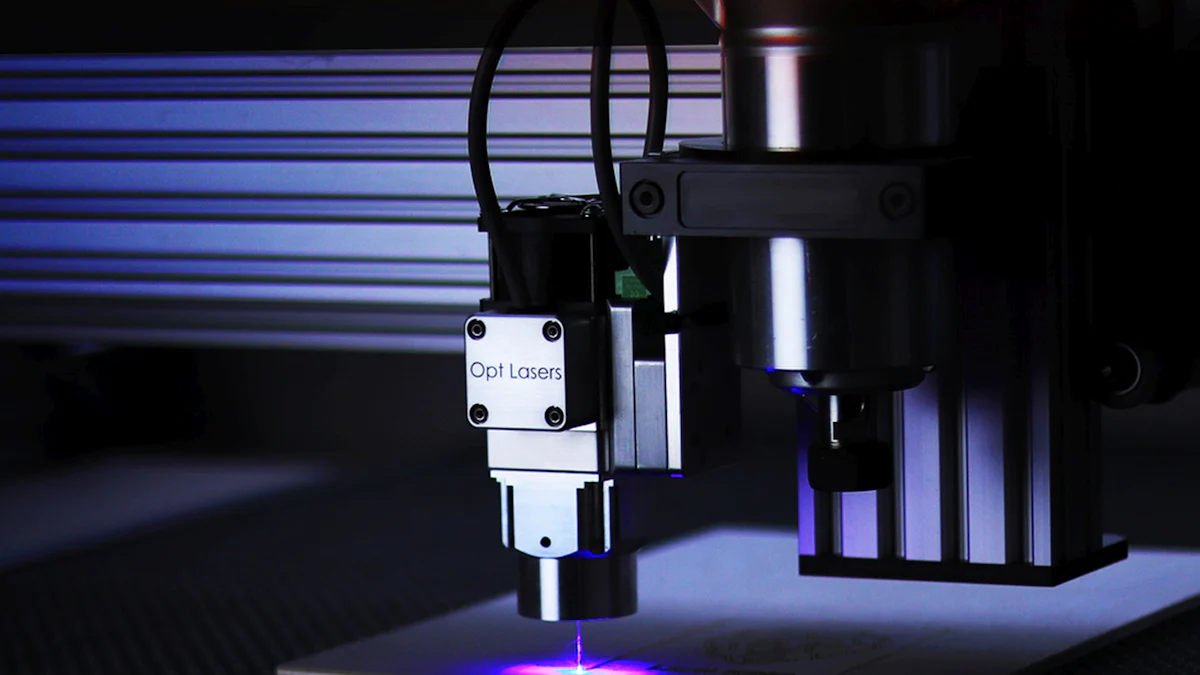
Common Applications of Metals
Metals play a vital role in CNC machining due to their strength, durability, and versatility. You’ll find metals like aluminum, stainless steel, and titanium used across various industries. Their unique properties make them indispensable for high-performance applications.
Aerospace Industry: Metals like aluminum and titanium are used for components that endure extreme conditions, such as turbine blades and structural parts.
Automotive Industry: CNC-machined metals create engine components, transmission cases, and other critical parts.
Medical Industry: Stainless steel and titanium are ideal for implants, surgical instruments, and other sterile devices.
Electronics and Semiconductor: Copper’s high conductivity makes it perfect for connectors and heat sinks.
Energy Sector: CNC machining produces parts for solar panels, turbines, and other energy systems.
Metals like aluminum offer excellent machinability, while stainless steel provides corrosion resistance. Titanium’s strength-to-weight ratio makes it ideal for aerospace and medical applications. These properties ensure metals remain a cornerstone of CNC machining.
Common Applications of Plastics
Plastics are lightweight, corrosion-resistant, and versatile, making them ideal for CNC machining projects where weight and durability matter. Their applications span multiple industries:
Load-Bearing Components: Nylon and POM are used for gears, bushings, and bearings due to their wear resistance.
Thermal Insulation: Heat-resistant plastics like PTFE perform well in HVAC systems and heat exchangers.
Chemical Environments: Plastics like PVC resist corrosion, making them suitable for impellers and marine components.
Transparent Parts: Acrylic and polycarbonate are used for optical lenses and display covers in electronics.
Protective Casings: High-impact plastics are ideal for rugged housings like vehicle bumpers and sports guards.
Plastics’ lightweight nature and resistance to chemicals make them indispensable for applications requiring efficiency and durability. For example, PTFE withstands high temperatures, while PVC offers rigidity and corrosion resistance.
Plastics’ ability to resist deformation and corrosion ensures their reliability in harsh environments, making them a go-to material for many CNC machining applications.
Common Applications of Composites
Composites combine strength and lightweight properties, making them a popular choice for CNC machining in industries requiring precision and durability.
Aerospace: Composites like carbon fiber are used for turbine blades, exhaust nozzles, and structural components.
Automotive: Lightweight composites are ideal for interior furnishings and structural parts, reducing vehicle weight.
Consumer Goods: High strength-to-weight ratios make composites perfect for sports equipment and durable consumer products.
Composites excel in applications where weight savings and durability are critical. Their high strength-to-weight ratio ensures reliability in demanding environments. For example, carbon fiber’s exceptional precision and resistance to stress make it a preferred material in aerospace and automotive industries.
Understanding the differences between metals, plastics, and composites is essential for successful cnc machining. Metals offer strength and durability, plastics provide lightweight versatility, and composites excel in strength-to-weight ratios. Each material presents unique machining challenges, from tool wear in metals to heat sensitivity in plastics and delamination in composites.
To select the right material, consider these factors:
Strength and Durability: Choose materials that withstand applied forces and resist wear.
Corrosion Resistance: Opt for materials suited for harsh environments.
Thermal Stability: Select materials that maintain properties under extreme temperatures.
Balancing technical needs with practical considerations ensures optimal results. For example:
Choose materials that meet geometric constraints to reduce residual stresses.
Manage costs and production time while maintaining precision.
Avoid overly complex designs by balancing tight tolerances with feasibility.
By aligning material properties with project goals, you can achieve efficient and precise cnc machining outcomes.
FAQ
What is the best material for high-precision CNC machining?
Metals like aluminum or composites such as carbon fiber work best for high-precision machining. They offer excellent dimensional stability and minimal thermal expansion.
How do you reduce tool wear when machining composites?
Use diamond-coated tools and optimize cutting speeds. These steps minimize wear caused by the abrasive nature of composites.
Can plastics handle high-temperature CNC machining?
Some plastics, like PTFE, can withstand high temperatures. However, most plastics soften or warp under extreme heat, so choose materials carefully.
See Also
Fundamentals of CNC Machining for Component Production
Delving Into CNC Machining: Accurate Metal Fabrication Techniques
Key Processes in CNC Precision Machining Explained
Achieving Mastery in CNC Machining: Tolerances and Prototyping
About US
Follow Us
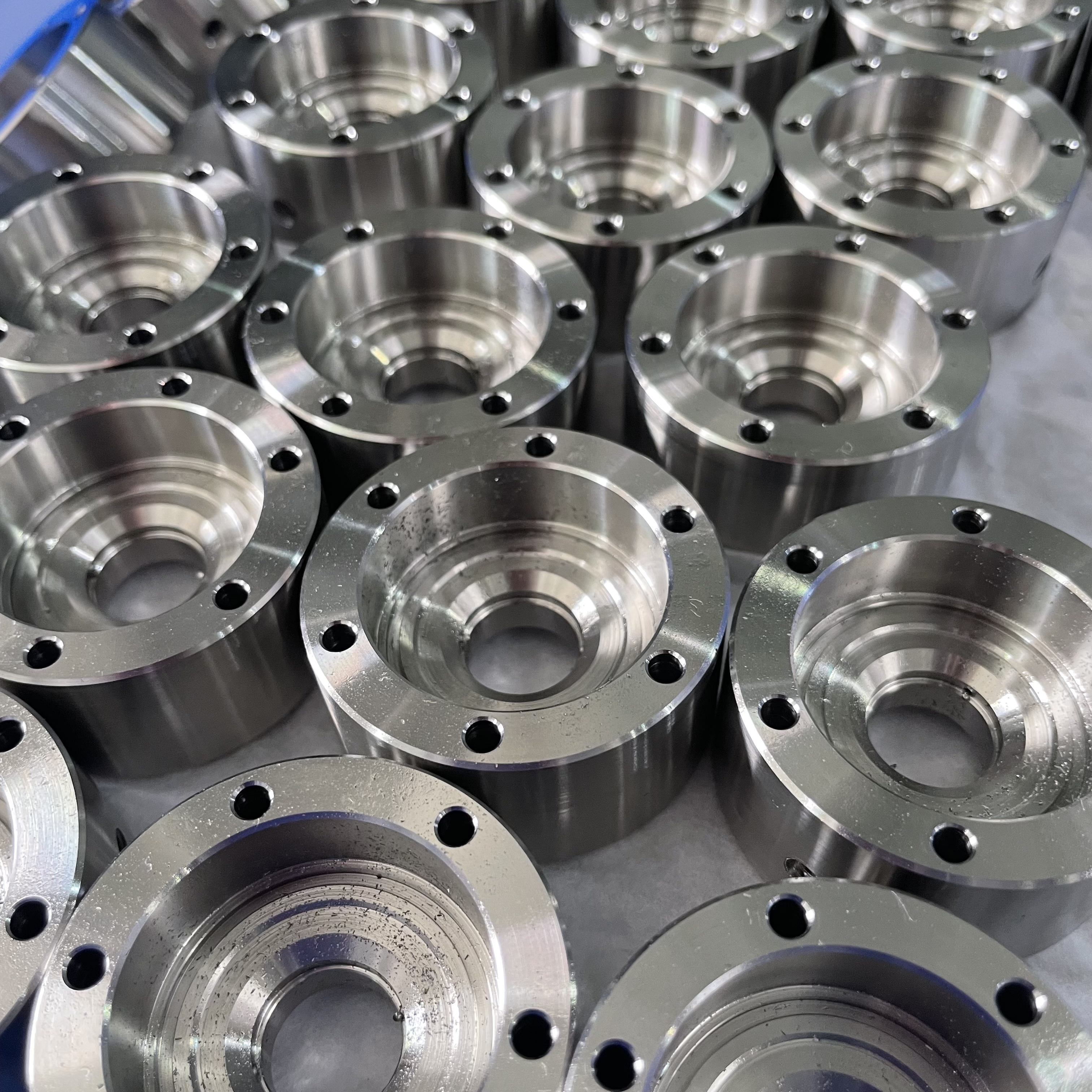
Your prototype holds unparalleled significance, and we deeply value its uniqueness. Collaborating with you during the preparation phase for running your prototype or parts is a commitment we gladly embrace. Whether it's a single part or a complex assembly, we are dedicated to selecting the optimal tools and pathways to bring your envisioned product to life.
At Precision Fab CNC Machining, we specialize in producing parts for prototypes, short runs, and high-volume production. Our prototyping machine capabilities extend across metal, plastic, and wood machining, with welding fabrication services available to complement and finalize your prototype if required.
Address
Address: Room320 10F, Building A,Nanshan international building, Dayawan District, Huizhou, Guangdong, 516001 China
Contacts
billy@timaycnc.com