Eco-Friendly CNC Composites: The Future of Manufacturing

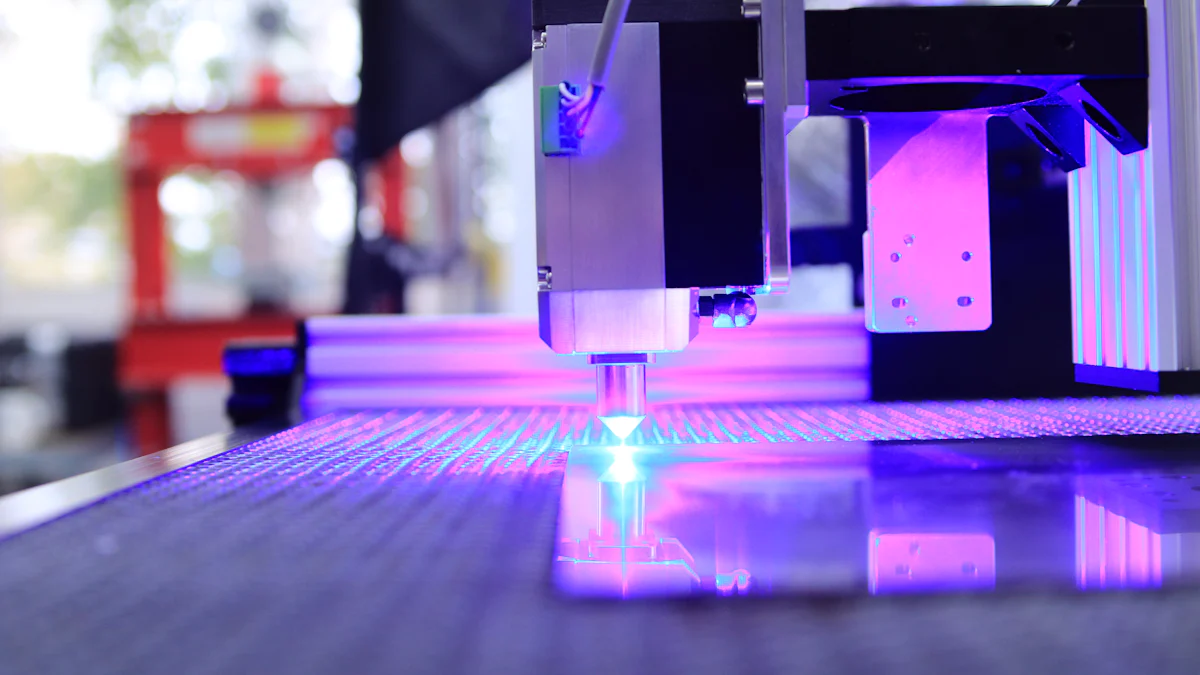
Eco-friendly CNC composites play a vital role in sustainable manufacturing. You can see how CNC machining aligns with green principles by reducing waste and energy consumption. Unlike traditional methods, CNC machines operate with precision, minimizing scrap and ensuring cleaner processes. Modern technologies, such as energy-efficient systems and coolant recycling, further enhance sustainability in manufacturing. These advancements meet the growing demand for environmentally conscious solutions while maintaining high performance. By adopting CNC machining, you contribute to a future where manufacturing balances innovation with environmental responsibility.
Key Takeaways
Green CNC composites cut waste and save energy, helping the planet.
Using recycled or natural materials in CNC composites reduces pollution and saves resources.
CNC machines work accurately, which cuts waste and boosts production efficiency.
Being eco-friendly helps the Earth, improves brand image, and draws green-minded buyers.
New tech like IoT and AI makes CNC work smarter and faster.
Understanding CNC Composites and Their Eco-Friendly Variants
What Are CNC Composites?
CNC composites are materials designed for use in computer numerical control (CNC) machining. These composites combine a matrix material with reinforcements to create a strong, lightweight, and durable product. The matrix acts as the base, while the reinforcements provide added strength and rigidity. Together, they form a material that can withstand high stress and perform well in demanding applications.
Here’s a breakdown of the key components used in CNC composites:
Component Type | Description |
|---|---|
Matrices | Types include polymer, ceramic, and metal matrices, each chosen based on specific applications. |
Reinforcements | Materials like carbon, glass, and aramid fibers enhance mechanical strength and rigidity. |
Interface | The region where matrix and reinforcements interact, crucial for load transfer and structural integrity. |
These components work together to create composites that are versatile and suitable for various industries.
Characteristics of Eco-Friendly CNC Composites
Eco-friendly CNC composites are designed with sustainability in mind. They often use recycled or renewable materials, which reduce their environmental impact. These materials emit fewer greenhouse gases during production and require less energy to manufacture. For example, recycled plastics and composite fibers are common choices for creating sustainable materials. By using these alternatives, you help lower pollution and conserve natural resources.
Another key feature of eco-friendly composites is their durability. They are engineered to last longer, reducing the need for frequent replacements. This not only saves resources but also minimizes waste. Additionally, many of these materials are recyclable, allowing them to be repurposed at the end of their lifecycle.
Comparing Traditional and Eco-Friendly Composites
Traditional composites rely heavily on virgin materials, which require significant energy and resources to produce. These materials often generate more waste and contribute to higher levels of pollution. In contrast, eco-friendly composites focus on reducing environmental harm.
Eco-friendly materials, such as recycled plastics, emit minimal greenhouse gases throughout their lifecycle.
Using recycled materials diverts waste from landfills and reduces the demand for raw resources.
Life cycle assessments show that eco-friendly composites have a smaller carbon footprint compared to traditional options.
By choosing eco-friendly composites, you support a manufacturing process that prioritizes sustainability without compromising performance.
Benefits of Eco-Friendly CNC Composites in Green Manufacturing

Reducing Carbon Footprint Through Sustainable Practices
Eco-friendly CNC composites help you reduce your carbon footprint by using sustainable materials and processes. These materials often come from recycled or renewable sources, which require less energy to produce. CNC machining enhances this by operating with precision, minimizing waste and energy consumption. When you adopt these practices, you contribute to cleaner air and lower greenhouse gas emissions. This aligns with the goals of green manufacturing, which prioritizes environmental responsibility without sacrificing efficiency.
Minimizing Material Waste in CNC Machining
CNC machining excels at reducing material waste. Its precision ensures that you use only the necessary amount of material for each project. Eco-friendly CNC composites amplify this benefit by being recyclable and reusable. This combination minimizes waste and conserves resources.
Here’s how minimizing material waste benefits you:
Benefit | Description |
|---|---|
Improved environmental impact | Reducing energy consumption and waste helps lower carbon footprint and environmental damage. |
Reduced costs | Less material waste leads to lower material purchase costs and reduced energy bills. |
Greater reputation | Sustainable practices enhance brand reputation, attracting environmentally conscious customers. |
By focusing on waste reduction, you not only save money but also strengthen your commitment to sustainability.
Energy Efficiency and Renewable Energy Integration
Energy efficiency plays a crucial role in CNC machining. Modern machines are designed to consume less energy, making them ideal for green manufacturing. Many facilities now integrate renewable energy sources to power their operations.
For example:
Wind power supports the production of components like turbine blades and bearings.
Solar power aids in manufacturing durable frames and rails.
Hydro power contributes to creating high-precision parts for generators.
Renewable Energy Source | Application of CNC Machining |
|---|---|
Wind Power | Producing sturdy components like bearings and blades from materials such as carbon fiber and metal. |
Hydro Power | Developing high-precision components for hydro generators and housing units. |
Solar Power | Manufacturing frames and rails that require high accuracy and durability. |
By combining energy-efficient CNC machining with renewable energy, you can achieve a sustainable and cost-effective manufacturing process.
Enhanced Durability and Performance of Eco-Friendly Materials
Eco-friendly CNC composites offer exceptional durability and performance, making them a reliable choice for sustainable manufacturing. These materials are engineered to withstand harsh conditions, ensuring they last longer than traditional options. Their enhanced durability reduces the need for frequent replacements, which helps you save resources and lower costs over time.
The performance of eco-friendly composites stems from their innovative design. Many of these materials incorporate recycled fibers or bio-based resins, which provide excellent strength and flexibility. For example, recycled carbon fibers retain much of their original strength, making them ideal for high-stress applications. You can rely on these materials to deliver consistent results, even in demanding environments.
Advanced technology plays a key role in improving the performance of eco-friendly composites. CNC machining allows you to shape these materials with precision, ensuring optimal functionality. This precision enhances the structural integrity of components, reducing the risk of failure. Additionally, CNC processes minimize defects, which further improves the reliability of the final product.
Eco-friendly composites also excel in thermal and chemical resistance. Many of these materials can endure extreme temperatures and exposure to corrosive substances without degrading. This makes them suitable for industries like aerospace, automotive, and renewable energy, where durability is critical. By choosing these materials, you ensure your products meet high-performance standards while supporting sustainability.
Incorporating eco-friendly CNC composites into your manufacturing processes benefits both the environment and your bottom line. Their durability and performance reduce waste, conserve resources, and enhance product quality. These materials demonstrate that sustainability and efficiency can go hand in hand.
Technological Innovations in CNC Machining for Sustainability
IoT-Driven Optimization in CNC Processes
The Internet of Things (IoT) has revolutionized CNC machining by enabling smarter and more efficient operations. Through IoT-driven optimization, you can monitor machine performance in real time, identify downtime causes, and improve overall equipment effectiveness (OEE). For example, companies using platforms like MachineMetrics have reported a 140% increase in machine utilization and OEE improvements of 40% or more. These advancements allow you to transition from preventive to predictive maintenance. Instead of scheduling maintenance based on time intervals, you can use performance data to determine the best time for servicing. This approach reduces unnecessary repairs, saves resources, and enhances productivity.
The growing adoption of IoT in smart manufacturing reflects its potential. The CNC market is projected to grow to $140.7 billion by 2029, while the Industrial IoT (IIoT) market is expected to reach $1.11 trillion by 2028. By integrating IoT into your CNC machining processes, you contribute to a more sustainable and efficient manufacturing ecosystem.
AI and Machine Learning in Material Selection
Artificial intelligence (AI) and machine learning are transforming how you select materials for CNC machining. These technologies analyze vast datasets to identify the most eco-friendly and efficient materials for your projects. AI algorithms optimize tool paths, reducing material waste and improving precision. This not only minimizes environmental impact but also enhances the overall efficiency of your operations.
In smart manufacturing, AI plays a crucial role in sustainable production practices. By leveraging machine learning, you can make data-driven decisions that align with your sustainability goals. For instance, AI can recommend recycled or bio-based materials that meet your performance requirements while reducing your carbon footprint. These innovations ensure that your manufacturing processes remain both efficient and environmentally responsible.
Hybrid Manufacturing Techniques for Eco-Friendly Solutions
Hybrid manufacturing combines additive and subtractive techniques to create a seamless production process. This approach allows you to produce complex components with greater efficiency. By keeping the entire process within a single machine, hybrid techniques reduce the risk of errors and save time. Faster prototyping becomes possible, enabling you to bring products to market more quickly.
Hybrid machining also optimizes resource use and minimizes waste. For example, additive manufacturing builds up material only where needed, while subtractive processes refine the final shape. This combination ensures that you use materials efficiently, contributing to sustainability in smart manufacturing. Whether you’re creating prototypes or final products, hybrid techniques offer a versatile and eco-friendly solution for modern manufacturing challenges.
Recycling and Reusability Innovations in CNC Composites
Recycling and reusability have become essential in making CNC composites more sustainable. You can now find innovative methods that reduce waste and extend the lifecycle of materials. These advancements not only conserve resources but also lower environmental impact.
One notable development is the use of recycled glass fibers. Companies like Infinici distribute these materials across Europe and Turkey. They also collect glass and carbon fiber waste from customers, creating a circular system that minimizes landfill contributions. Another example is the collaboration between Dallara and Tenowo. Together, they produced a Formula 2 race seat using recycled carbon fiber. This process reduced CO2 emissions by an impressive 97.5% compared to using virgin materials.
Advancement | Description |
|---|---|
Infinici Recycled Glass Fibers | Distributed in Europe and Turkey, introducing recycled nonwoven composite materials to broader markets while collecting glass and carbon fiber waste from customers. |
Dallara and Tenowo Collaboration | Producing a race-ready Formula 2 seat using recycled carbon fiber, reducing CO2 emissions by 97.5% compared to virgin materials. |
Reclaimed carbon fiber scraps are also being upcycled into new products. Elevated Materials, in partnership with Toray Composite Materials America, collects these scraps and transforms them into large billet laminates. These laminates are ideal for CNC milling, offering a sustainable alternative to traditional materials. In Japan, researchers have developed an electrical pulse method for recycling carbon fibers. This technique is highly effective and energy-efficient, making it a promising solution for large-scale recycling.
Advancement | Description |
|---|---|
Elevated Materials Partnership | Partnered with Toray Composite Materials America, Inc. to collect and upcycle reclaimed carbon fiber scraps into large billet laminates for CNC milling. |
Research in Japan | Demonstrated a novel electrical pulse method for carbon fiber recycling, showing high effectiveness and energy efficiency. |
Industrial-scale recycling is also gaining momentum. Veolia now operates a composite recycling unit capable of processing up to two tonnes of waste daily. This innovation supports smart manufacturing by integrating sustainable practices into large-scale operations.
Advancement | Description |
|---|---|
Composite Recycling Unit | Delivered to Veolia for processing up to 2 tonnes of composite waste per day, ramping up industrial-scale recycling efforts. |
These advancements demonstrate how recycling and reusability can transform CNC composites. By adopting these innovations, you contribute to a more sustainable manufacturing ecosystem while maintaining high performance.
Applications of Eco-Friendly CNC Composites Across Industries
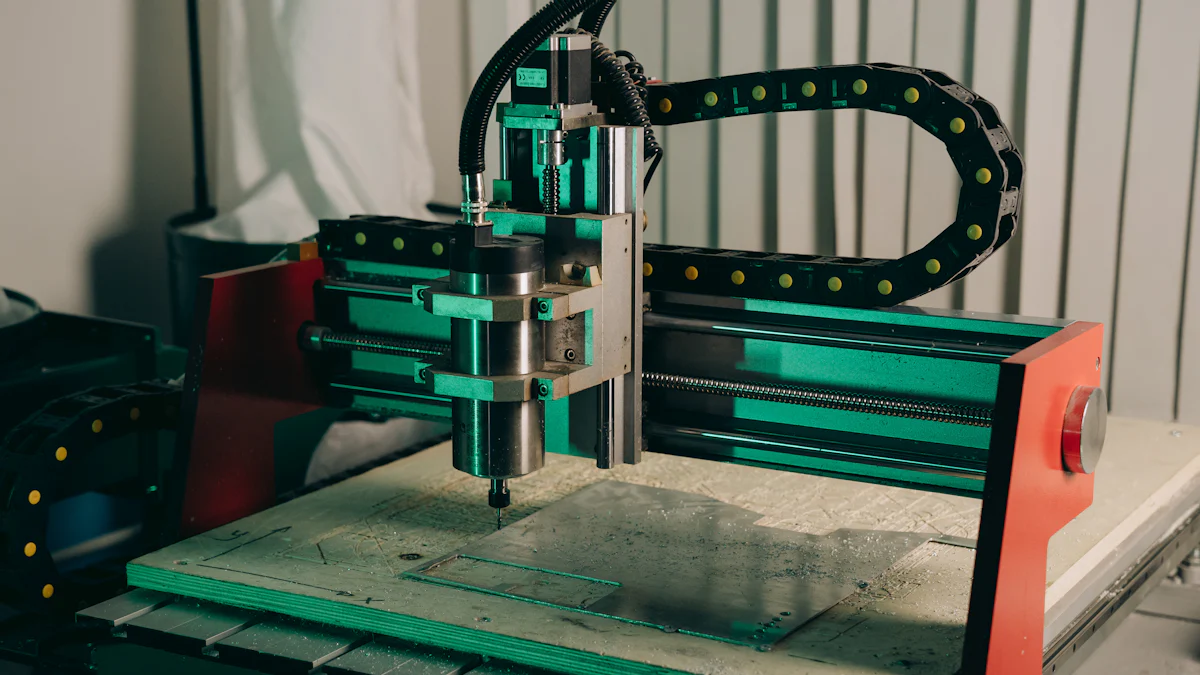
Aerospace: Lightweight and Sustainable Components
In aerospace, eco-friendly CNC composites have transformed how you approach manufacturing. Carbon fiber-reinforced polymers (CFRPs) are widely used for their lightweight and durable properties. These materials allow you to machine precision components like engine parts and structural elements. By reducing weight, you improve fuel efficiency and extend the operational range of aircraft. This not only lowers costs but also reduces greenhouse gas emissions. For example, CNC machining enables the creation of lightweight parts from materials like aluminum and titanium. These materials offer excellent strength-to-weight ratios, ensuring safety and performance without adding unnecessary bulk.
The environmental benefits of lightweight composites go beyond fuel savings. They also allow you to design innovative structures that maintain durability under extreme conditions. This makes them ideal for aerospace applications where reliability is critical.
Automotive: Advancing Green Manufacturing in Vehicles
Eco-friendly CNC composites are revolutionizing automotive manufacturing. You can now use advanced materials that are recyclable or have a lower environmental impact. CNC machining enhances precision, reducing material waste and energy consumption. This aligns with green manufacturing goals and supports the principles of a circular economy.
Here’s how these composites are advancing sustainability in the automotive sector:
Emerging technologies like FRP concrete provide cost-effective alternatives to traditional materials.
CNC technology enables easy disassembly and recycling of parts.
Lightweight composites improve vehicle efficiency by reducing weight.
By adopting these practices, you contribute to a cleaner and more sustainable automotive industry.
Renewable Energy: CNC Machining for Wind and Solar Solutions
Renewable energy relies heavily on CNC machining for innovation and efficiency. You can use this technology to create durable components for wind turbines and solar panels. For wind energy, CNC machining produces precise blades that handle stress and minimize wear. Lightweight composites reduce blade weight, improving energy capture. In solar energy, CNC machining ensures accuracy in frames and rails, which are crucial for system stability.
Other benefits include:
Quick prototyping for optimized designs.
Customization to fit diverse environmental conditions.
Use of plastics with insulating properties for solar panel components.
By integrating CNC machining into renewable energy solutions, you support a sustainable future while enhancing performance.
Consumer Goods: Designing Eco-Friendly Products
Eco-friendly CNC composites are reshaping how you design and manufacture consumer goods. These materials allow you to create products that are both sustainable and high-performing. By using recycled or bio-based composites, you reduce environmental impact while meeting consumer demand for greener alternatives.
Benefits of Eco-Friendly CNC Composites in Consumer Goods
Sustainability: You can use recycled plastics or natural fibers to produce durable goods, reducing reliance on virgin materials.
Lightweight Design: These composites help you create lightweight products, making them easier to transport and reducing shipping emissions.
Customizability: CNC machining allows you to design intricate and precise components, ensuring your products meet specific needs.
Tip: Incorporating eco-friendly materials into your designs can enhance your brand’s reputation and attract environmentally conscious customers. 🌱
Examples of Eco-Friendly Consumer Goods
Product Type | Eco-Friendly Material Used | Benefits |
|---|---|---|
Furniture | Recycled wood composites | Durable, lightweight, and reduces deforestation. |
Electronics | Bio-based polymers | Non-toxic, biodegradable, and reduces e-waste. |
Sports Equipment | Carbon fiber from recycled scraps | Lightweight, strong, and ideal for high-performance applications. |
How CNC Machining Enhances Sustainability
CNC machining ensures precision, which minimizes material waste. For example, when crafting furniture, you can optimize designs to use only the necessary amount of material. This reduces production costs and conserves resources. Additionally, CNC machines operate efficiently, consuming less energy compared to traditional methods.
By adopting eco-friendly CNC composites, you contribute to a circular economy. These materials can often be recycled or repurposed at the end of their lifecycle. This approach not only benefits the environment but also aligns with the growing consumer preference for sustainable products.
Note: The shift toward eco-friendly consumer goods is not just a trend. It’s a necessity for a sustainable future. 🌍
Overcoming Challenges in Adopting Eco-Friendly CNC Composites
Addressing Cost and Economic Feasibility
Adopting eco-friendly CNC composites often involves higher upfront costs. These materials, while sustainable, can be more expensive than traditional options due to their specialized production processes. Additionally, the need for advanced tools and equipment to handle these composites adds to the initial investment. However, you can offset these costs by focusing on long-term benefits. Eco-friendly materials often last longer, reducing replacement expenses. Their recyclability also minimizes waste disposal costs, contributing to overall savings.
To improve economic feasibility, consider scaling production. Larger production volumes can lower per-unit costs, making eco-friendly composites more affordable. Collaborating with suppliers to negotiate better pricing or investing in research to develop cost-effective alternatives can also help. By taking these steps, you can make the transition to sustainable materials more financially viable.
Ensuring Material Availability and Supply Chain Stability
The availability of eco-friendly CNC materials depends on a stable supply chain. Disruptions in sourcing recycled or bio-based materials can delay production and increase costs. To ensure stability, you need a comprehensive strategy. Collaborate closely with suppliers to establish reliable partnerships. Invest in employee training to improve supply chain management. Commit to long-term sustainability goals to align your operations with green manufacturing principles.
Diversifying your supplier base can also reduce risks. By sourcing materials from multiple regions or vendors, you can avoid over-reliance on a single source. This approach ensures a consistent supply of eco-friendly composites, even during market fluctuations.
Tackling Technical Limitations in CNC Machining
CNC machining of eco-friendly composites presents unique challenges. For instance, machining these materials generates harmful dust, which poses health risks and damages equipment. Effective dust extraction systems can address this issue, ensuring safety and equipment longevity. Additionally, the abrasive nature of composites accelerates tool wear. Using diamond-coated or polycrystalline diamond (PCD) tools can extend tool life and improve efficiency.
Other technical limitations include heat management and delamination. Excessive heat can damage tools and materials, while delamination risks the separation of composite layers. Optimizing machining parameters and implementing specialized cutting techniques can mitigate these issues. High-quality tool holders also play a crucial role in maintaining precision and reducing errors.
Limitation | Description | Solution |
|---|---|---|
Tool Wear | Abrasive nature of composites leads to accelerated wear on cutting tools. | Use diamond-coated or polycrystalline diamond (PCD) tools to extend tool life and efficiency. |
Heat Management | Excessive heat can damage both the tool and the composite material. | Optimize machining parameters to manage heat effectively. |
Delamination | Risk of layers separating during machining. | Implement specialized cutting techniques to minimize delamination. |
Dust Removal | Harmful dust can pose health risks and damage machinery. | Use effective dust extraction systems to ensure safety and equipment longevity. |
By addressing these technical challenges, you can enhance the efficiency and sustainability of your CNC machining processes.
Promoting Industry Collaboration and Policy Support
Collaboration between industries and policymakers plays a vital role in advancing eco-friendly CNC composites. You can see how partnerships between manufacturers, suppliers, and researchers are shaping sustainable practices. These collaborations focus on creating innovative solutions that reduce environmental impact while maintaining high performance. By working together, stakeholders ensure that eco-friendly materials and technologies become more accessible and widely adopted.
Governments and international organizations are also stepping in to support this transition. New regulations encourage you to adopt green manufacturing practices. These policies often provide incentives, such as tax breaks or grants, for companies that invest in sustainable technologies. For example, many countries now require manufacturers to meet stricter environmental standards, pushing the industry toward eco-friendly alternatives.
Here are some notable initiatives driving change:
CompPair Initiative: This project, part of the NERTHUS consortium, focuses on developing green composites for mobility applications. It includes innovations like fast-curing, bio-based resins and self-healing materials.
Collaborative Best Practices: Industry stakeholders are working together to establish guidelines for sustainability in CNC machining. These practices help you adopt eco-friendly methods more effectively.
You can benefit from these efforts by staying informed about emerging policies and participating in industry collaborations. Joining consortiums or attending sustainability-focused events allows you to connect with like-minded professionals. These opportunities help you share knowledge, access resources, and stay ahead in adopting green technologies.
By embracing collaboration and policy support, you contribute to a more sustainable manufacturing ecosystem. These efforts not only benefit the environment but also position your business as a leader in innovation and responsibility. 🌱
Eco-friendly CNC composites offer you a pathway to sustainable manufacturing. They reduce material waste, improve energy efficiency, and enhance operational performance. Technological advancements, such as energy-efficient machinery and recycling innovations, further support green practices. These developments integrate renewable energy sources and optimize resource use, making sustainability achievable. The growing focus on smart manufacturing systems ensures that adopting eco-friendly CNC machining aligns with industry trends. By embracing these solutions, you contribute to a cleaner environment while positioning your business as a leader in sustainable innovation.
FAQ
What makes eco-friendly CNC composites different from traditional materials?
Eco-friendly CNC composites use recycled or renewable materials. These materials reduce waste and emissions during production. They also align with sustainable practices like additive manufacturing and energy-efficient machining. Traditional materials rely on virgin resources, which increase environmental impact.
How does CNC machining contribute to sustainability in industry 4.0?
CNC machining integrates with industry 4.0 by using smart technologies like IoT and AI. These tools optimize processes, reduce waste, and improve energy efficiency. This approach supports sustainable manufacturing while maintaining high precision and performance.
Can additive manufacturing work with eco-friendly CNC composites?
Yes, additive manufacturing complements eco-friendly CNC composites. It builds components layer by layer, minimizing material waste. This method works well with recycled or bio-based composites, creating sustainable solutions for industries like aerospace, automotive, and renewable energy.
What industries benefit most from eco-friendly CNC composites?
Industries like aerospace, automotive, renewable energy, and consumer goods benefit significantly. These sectors use lightweight, durable, and recyclable materials to improve efficiency and reduce environmental impact. Industry 4.0 technologies further enhance their adoption.
Are eco-friendly CNC composites cost-effective?
Initially, eco-friendly CNC composites may cost more due to specialized production. However, their durability, recyclability, and compatibility with additive manufacturing reduce long-term costs. These materials also align with industry 4.0 goals, making them a smart investment for sustainable manufacturing.
See Also
Understanding CNC Machining: Benefits and Upcoming Innovations
CNC Technology in Manufacturing: Exploring Its Developments and Uses
CNC Milling's Future: Innovations and Diverse Applications Ahead
CNC Technology: Journey from Past Developments to Future Trends
About US
Follow Us
Your prototype holds unparalleled significance, and we deeply value its uniqueness. Collaborating with you during the preparation phase for running your prototype or parts is a commitment we gladly embrace. Whether it's a single part or a complex assembly, we are dedicated to selecting the optimal tools and pathways to bring your envisioned product to life.
At Precision Fab CNC Machining, we specialize in producing parts for prototypes, short runs, and high-volume production. Our prototyping machine capabilities extend across metal, plastic, and wood machining, with welding fabrication services available to complement and finalize your prototype if required.
Address
Address: Room320 10F, Building A,Nanshan international building, Dayawan District, Huizhou, Guangdong, 516001 China
Contacts
billy@timaycnc.com