Eco-Friendly Coatings for CNC Machined Parts

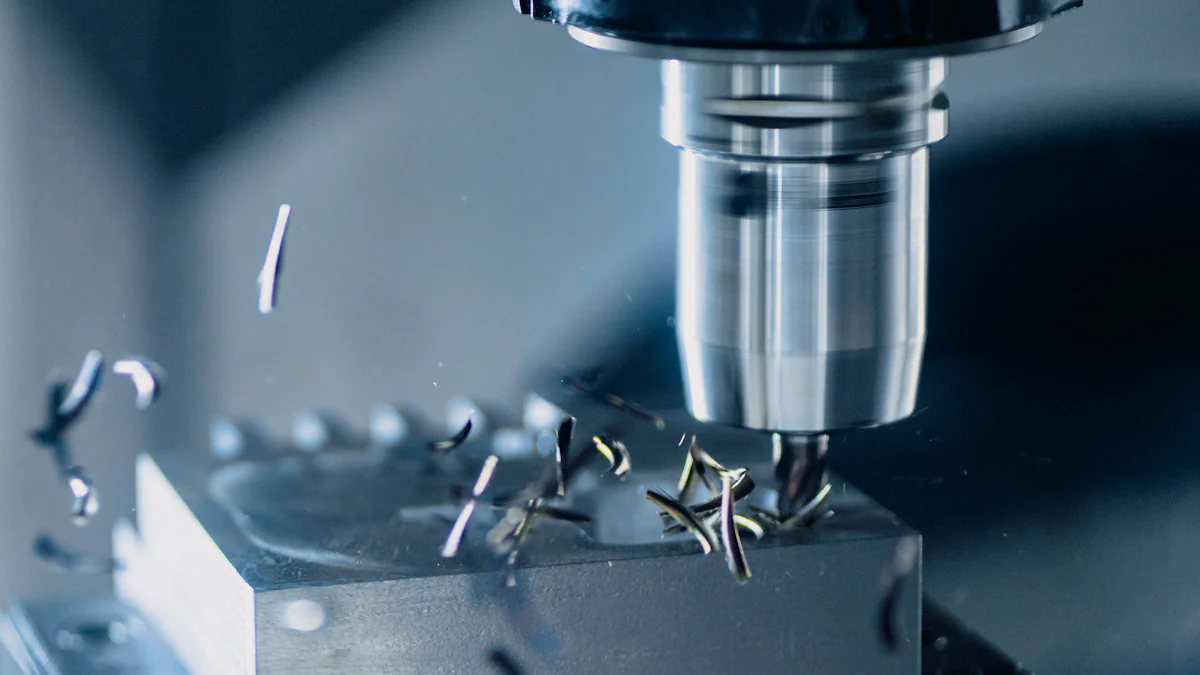
Eco-friendly coatings have become essential in CNC Machining. These coatings reduce environmental harm while improving part performance. By eliminating solvents, they lower volatile organic compound (VOC) emissions. Their recyclable nature ensures efficient resource use, and lower curing temperatures save energy. Durable coatings extend product lifespans, reducing waste and replacements. This approach not only supports sustainable manufacturing but also aligns with environmental regulations. You can achieve high-quality finishes while minimizing your ecological footprint, making these coatings a smart choice for modern manufacturing.
Key Takeaways
Eco-friendly coatings are safer for workers and the Earth. They use non-toxic materials and release fewer harmful gases.
These coatings make CNC parts last longer by resisting damage and rust.
Using eco-friendly coatings helps companies follow global green rules. It also makes their brand look better and more competitive.
Water-based and powder coatings save energy and cut down waste. They help make manufacturing cleaner and greener.
Eco-friendly coatings may cost more at first. But they save money later by needing less fixing and replacing.
Understanding Eco-Friendly Coatings
Characteristics of Eco-Friendly Coatings
Use of non-toxic, low-emission materials
Eco-friendly coatings prioritize the use of materials that are safe for both you and the environment. These coatings often incorporate natural pigments derived from minerals and plants, which are less toxic compared to synthetic dyes. Biodegradable binders, such as plant-based resins or natural oils, further reduce environmental harm. Additionally, water-based coatings use water as a solvent instead of volatile organic compounds (VOCs), significantly lowering greenhouse gas emissions and air pollution risks. This shift towards non-toxic materials ensures safer handling and application processes.
Environmentally sustainable production processes
The production of eco-friendly finishes emphasizes sustainability at every stage. Manufacturers often use renewable materials, reducing reliance on non-renewable resources. Sustainable coatings also utilize acrylic resins with low VOC levels, helping to minimize atmospheric pollution. Nearly 75% of global coatings sales now come from environmentally friendly technologies like water-based coatings, powder coatings, and high solids coatings. This trend reflects the growing commitment to sustainable practices in the coatings industry.
Characteristic | Eco-Friendly Coatings | Traditional Coatings |
|---|---|---|
Volatile Organic Compounds (VOCs) | Lower levels of VOCs | High levels of VOCs |
Material Source | Renewable materials | Often derived from non-renewable sources |
Environmental Impact | Focus on reducing environmental harm | Often contains harmful components |
Product Longevity | Emphasizes sustainability and longevity | Prioritizes finish and durability |
Safety | Biocide-free and safe for food contact | May contain harmful substances |
Benefits for CNC Machined Parts
Reduced environmental impact during manufacturing
Eco-friendly coatings help you reduce the environmental footprint of CNC machining. By adopting water-based coatings, you can replace traditional solvent-based options, leading to lower pollution and energy efficiency. Using recycled materials in these coatings also lessens the demand for raw resources, preserving natural reserves. Biodegradable materials used in surface treatments further minimize waste impact on the environment.
Enhanced durability and performance of parts
Eco-friendly coatings not only protect the environment but also improve the performance of CNC machined parts. Technologies like Physical Vapor Deposition (PVD) create dense coatings that enhance wear and corrosion resistance. Similarly, anodizing and electroplating extend the lifespan of parts by providing robust protection against environmental factors. These coatings ensure your parts remain reliable under demanding conditions.
Compliance with sustainability standards
Adopting eco-friendly finishes ensures your CNC machined parts meet global sustainability standards. Many industries now require compliance with environmental certifications, making these coatings essential for staying competitive. By aligning with these standards, you demonstrate a commitment to sustainable practices while enhancing your brand's reputation.
Types of Eco-Friendly Coatings for CNC Machined Parts
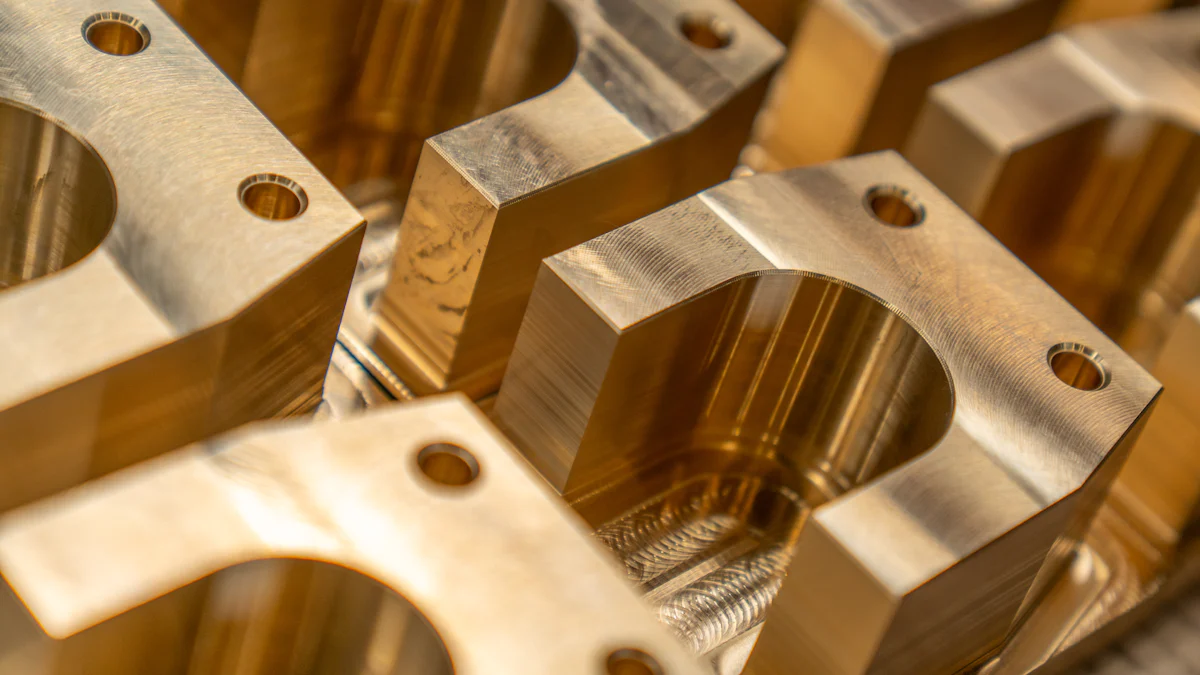
Water-Based Coatings
Low pollution and energy-efficient application
Water-based coatings offer a sustainable solution for CNC machining. These coatings minimize solvent use, helping you meet strict environmental and health safety standards. By reducing VOC emissions, they create a safer workspace and lower compliance costs. Water-based coatings also consume less energy during application, making them an energy-efficient choice. Their ability to prevent rust rivals that of oil-based systems, ensuring reliable protection for CNC machined parts.
Tip: Water-based coatings provide vibrant, long-lasting colors. Repainting becomes easier, saving you time and effort during maintenance.
Common uses in CNC machining
You can use water-based coatings for a variety of CNC machined parts. They are ideal for components requiring corrosion resistance and a smooth finish. These coatings are commonly applied in industries like automotive, aerospace, and consumer goods, where environmental compliance is critical. Their quick-drying properties also make them suitable for high-volume production environments.
Powder Coatings
VOC-free application process
Powder coatings stand out as an eco-friendly option for CNC machining. Unlike traditional paints, they emit no VOCs during application. This makes them safer for you and better for the environment. The process involves electrostatically applying powdered material to parts, which is then cured under heat. This method eliminates the need for harmful solvents, aligning with green manufacturing practices.
Waste reduction and recyclability
Powder coatings significantly reduce waste. Overspray from the application process can be captured and reused, minimizing landfill contributions. Companies often repackage or repurpose unused powder, further enhancing sustainability. High material utilization rates ensure that nearly all the coating material is used effectively, reducing overall waste. This makes powder coatings a cost-effective and environmentally responsible choice for CNC machined parts.
Note: Powder-coated metals are highly durable. They resist chipping, scratching, and peeling, ensuring long-lasting performance.
Biodegradable Finishes
Materials and their eco-friendly disposal benefits
Biodegradable materials used in coatings include bagasse, paper, and PLA (Polylactic Acid). Bagasse, derived from sugarcane, can be buried in soil after use, enriching it naturally. Paper-based finishes, like those used in egg cartons, are compostable and break down easily. PLA, a biodegradable plastic, requires industrial composting for proper disposal. These materials ensure that CNC machined parts coated with biodegradable finishes leave minimal environmental impact.
Applications in CNC machined parts
Biodegradable finishes are ideal for CNC machined parts used in disposable or short-term applications. You can find them in industries like packaging, agriculture, and consumer goods. These coatings provide friction reduction and protect parts during their lifecycle while ensuring eco-friendly disposal. By choosing biodegradable finishes, you contribute to a circular economy and reduce waste.
Advanced Coating Technologies
Physical Vapor Deposition (PVD) for high performance
Physical Vapor Deposition (PVD) offers a cutting-edge solution for eco-friendly coatings. This technology creates thin, durable layers on CNC machined parts by vaporizing solid materials and depositing them onto the surface. You can rely on PVD to enhance the performance of your components while maintaining environmental responsibility.
PVD technology stands out for its use of non-toxic materials. It avoids harmful solvents, reducing volatile organic compound (VOC) emissions. The process often incorporates water-based coatings, which are solvent-free and safer for both workers and the environment. Additionally, PVD uses non-toxic metal alloys, ensuring safety for human health and the ecosystem.
Tip: PVD coatings are ideal for applications requiring high wear resistance, such as aerospace and automotive parts.
The benefits of PVD extend beyond environmental impact. These coatings improve hardness, corrosion resistance, and thermal stability. They also provide a sleek, polished finish, enhancing the aesthetic appeal of your CNC machined parts.
Nanocoatings for enhanced protection and efficiency
Nanocoatings represent another advanced option for CNC machined parts. These coatings use nanotechnology to create ultra-thin layers that protect surfaces at a microscopic level. You can achieve superior protection against wear, corrosion, and even microbial growth with nanocoatings.
One of the key advantages of nanocoatings is their efficiency. A small amount of material covers a large surface area, reducing waste. These coatings also bond tightly to the substrate, ensuring long-lasting performance. Their hydrophobic properties repel water and dirt, keeping your parts clean and functional.
Note: Nanocoatings are widely used in medical devices, electronics, and renewable energy components due to their precision and reliability.
By choosing nanocoatings, you not only enhance the durability of your parts but also contribute to sustainable manufacturing practices. Their innovative design ensures maximum performance with minimal environmental impact.
Selecting the Right Eco-Friendly Coating
Environmental Compliance
Key certifications and standards to consider
When selecting eco-friendly coatings for CNC machining, certifications ensure you meet environmental and safety standards. Look for these key certifications:
Green Seal: Recognized for low-VOC content and safer formulas, qualifying products for LEED v4.1 and Amazon’s Climate Pledge Friendly badge.
GREENGUARD: Focuses on indoor air quality with strict emission limits, including GREENGUARD Gold for sensitive environments.
ECOLOGO: Evaluates sustainability across the product lifecycle, from materials to environmental impact.
MPI Green Performance Standard: Assesses paints and coatings based on VOCs, chemical components, and durability.
These certifications help you align with industry standards while promoting sustainable practices.
Aligning with global sustainability goals
Eco-friendly coatings contribute to global sustainability goals. They improve indoor air quality, supporting Goal 3: Good Health and Well-Being. By enhancing energy efficiency, they align with Goal 7: Affordable and Clean Energy. Their durability reduces waste, contributing to Goal 12: Responsible Consumption and Production. These coatings also protect structures, supporting Goal 15: Life on Land. By adopting these solutions, you actively participate in creating a sustainable future.
Cost-Effectiveness
Balancing initial investment with long-term savings
Eco-friendly coatings may require a higher upfront cost, but they offer significant long-term savings. Their durability reduces maintenance and replacement expenses. Powder coatings, for example, minimize waste through recyclability, lowering material costs. By investing in these solutions, you achieve cost efficiency over time.
Evaluating ROI for eco-friendly solutions
To evaluate the return on investment (ROI) for eco-friendly coatings, use this formula:
ROI = (Net Profit / Cost of Investment) x 100
For instance, an ROI of 25% indicates a favorable return. This metric helps you assess the financial benefits of adopting sustainable coatings in CNC machining.
Technical Feasibility
Compatibility with CNC machined materials
Eco-friendly coatings must suit the materials used in CNC machining. For aluminum, anodizing provides aesthetic and protective benefits. Electroplating enhances corrosion resistance for steel and stainless steel. Black oxide coatings work well with copper alloys. Ensure the coating aligns with your material's properties for optimal results.
Performance under specific operational conditions
Eco-friendly coatings perform reliably under various conditions. Water-based coatings offer low pollution and energy efficiency, making them ideal for CNC machining. Physical Vapor Deposition (PVD) creates dense, uniform layers that enhance wear and corrosion resistance. These coatings ensure your parts perform effectively in demanding environments.
Real-World Applications and Success Stories
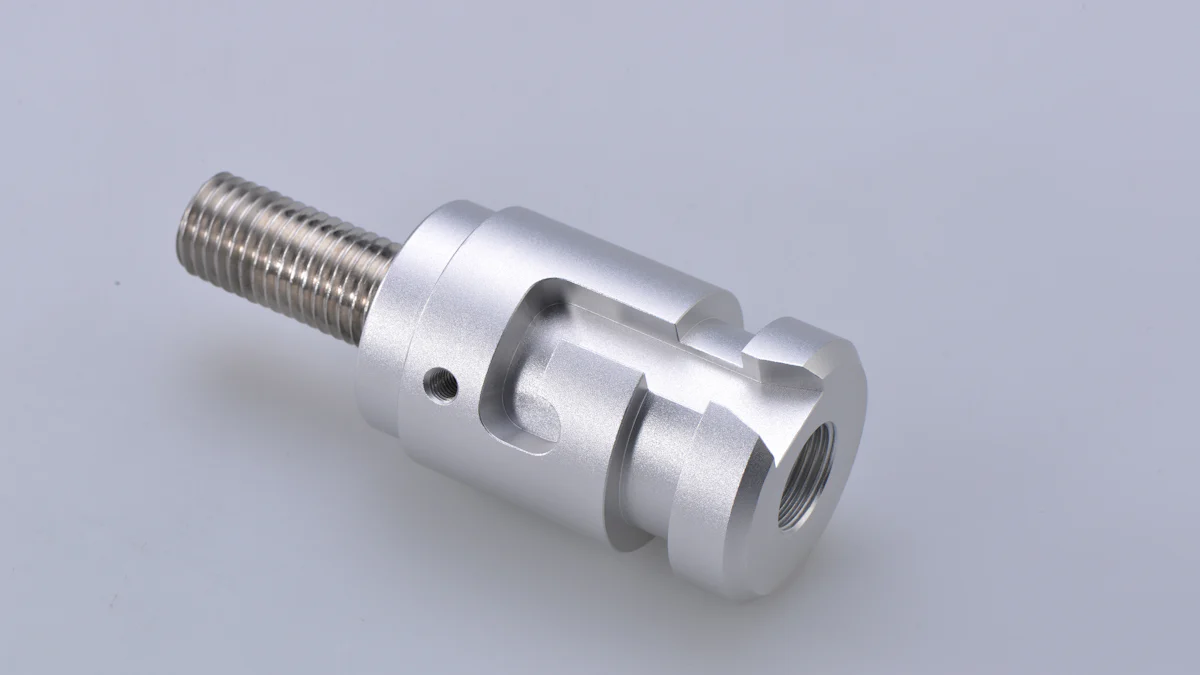
Case Studies in CNC Machining
Industries adopting eco-friendly coatings
Many industries have embraced eco-friendly coatings for CNC machining to align with sustainable practices.
The automotive industry uses water-based coatings to reduce VOC emissions while maintaining high-quality surface finishing.
The aerospace sector relies on advanced technologies like physical vapor deposition (PVD) to enhance durability and corrosion resistance.
The consumer electronics industry applies nanocoatings to protect devices from wear and environmental damage.
The medical field benefits from biocompatible coatings that ensure safety and performance enhancements for CNC machined components.
A CNC machining factory successfully adopted eco-friendly surface finishing by implementing water-based coatings and PVD technology. This approach improved product quality, reduced energy consumption, and minimized waste generation. These examples highlight how industries achieve both environmental and operational benefits through sustainable practices.
Measurable benefits and outcomes
Eco-friendly coatings deliver measurable outcomes for CNC machining. You can reduce waste by using recyclable powder coatings or biodegradable finishes. Advanced surface finishing methods like PVD improve wear resistance, extending the lifespan of parts. These coatings also enhance performance under demanding conditions, ensuring reliability. By adopting these solutions, you meet environmental regulations and improve your brand's reputation.
Tip: Track key performance indicators (KPIs) like energy savings, waste reduction, and product durability to measure the success of eco-friendly coatings.
Overcoming Challenges
Common barriers to implementation
You may face several challenges when adopting eco-friendly coatings for CNC machining:
Developing new coatings requires extensive experimentation, which takes time.
Each formulation iteration demands careful planning and assessment.
Sourcing high-quality raw materials becomes difficult due to fluctuating demand and geopolitical issues.
Additionally, raw material suppliers often lack direct connections with end users, making it hard to understand their needs. Misaligned incentives between end users and coating manufacturers can further complicate implementation.
Strategies for successful adoption
To overcome these barriers, you can adopt proven strategies:
Use water-based coatings for less pollution and energy-efficient surface finishing.
Promote PVD technology for its pollution-free process and durable performance enhancements.
Optimize surface treatment process parameters like temperature and pressure to reduce energy use and waste.
These strategies ensure you achieve sustainable practices while maintaining high-quality CNC machining results.
Eco-friendly coatings play a vital role in CNC machining. They reduce harmful chemical use, aligning your processes with sustainable practices. By minimizing environmental impact, these coatings help you meet modern manufacturing demands while protecting the planet. Their ability to enhance part performance ensures you achieve both operational efficiency and environmental responsibility.
You can benefit from the industry's progress toward sustainability. Over the past 20 years, toxic releases in the U.S. coatings sector have dropped by more than 80%. Production waste has decreased by 48%, and 97% of waste solvents are reclaimed. Globally, nearly 75% of coatings sales now come from eco-friendly technologies like waterborne and powder coatings.
Adopting these solutions ensures long-term benefits. Explore eco-friendly coatings to improve your processes, reduce costs, and contribute to a greener future.
FAQ
What makes eco-friendly coatings better than traditional coatings?
Eco-friendly coatings use green materials and reduce harmful emissions. They improve the surface finish while supporting environmentally friendly surface treatment practices. These coatings also enhance durability, ensuring longer-lasting parts and reducing the need for frequent replacements.
Can eco-friendly coatings handle harsh conditions?
Yes, they can. Advanced technologies like PVD and nanocoatings provide excellent durability. These coatings resist wear, corrosion, and extreme temperatures, making them suitable for demanding environments like aerospace and automotive industries.
How do eco-friendly coatings contribute to a circular economy?
Eco-friendly coatings promote waste reduction by using recyclable or biodegradable materials. Powder coatings, for example, allow you to reuse overspray. This approach supports a circular economy by minimizing waste and maximizing resource efficiency.
Are eco-friendly coatings cost-effective?
They are. While the initial cost may be higher, their durability reduces maintenance and replacement expenses. Powder coatings and water-based finishes also lower energy consumption, offering long-term savings.
What industries benefit most from eco-friendly coatings?
Industries like automotive, aerospace, and consumer electronics benefit greatly. These sectors rely on environmentally friendly surface treatment methods to meet sustainability goals while ensuring high-quality surface finish and durability.
See Also
Exploring Eco-Friendly Cutting Fluid Filtration Techniques for CNC
Proven Strategies for Achieving Scratch-Free CNC Aluminum Machining
A Comprehensive Guide to Anodizing CNC Machined Aluminum Heat Sinks
Navigating Environmental Standards in Ultra-Precision CNC Machining
Achieving Excellence in CNC Machining for Precision Component Production
About US
Follow Us
Your prototype holds unparalleled significance, and we deeply value its uniqueness. Collaborating with you during the preparation phase for running your prototype or parts is a commitment we gladly embrace. Whether it's a single part or a complex assembly, we are dedicated to selecting the optimal tools and pathways to bring your envisioned product to life.
At Precision Fab CNC Machining, we specialize in producing parts for prototypes, short runs, and high-volume production. Our prototyping machine capabilities extend across metal, plastic, and wood machining, with welding fabrication services available to complement and finalize your prototype if required.
Address
Address: Room320 10F, Building A,Nanshan international building, Dayawan District, Huizhou, Guangdong, 516001 China
Contacts
billy@timaycnc.com