Eco-Friendly Materials for CNC Manufacturing

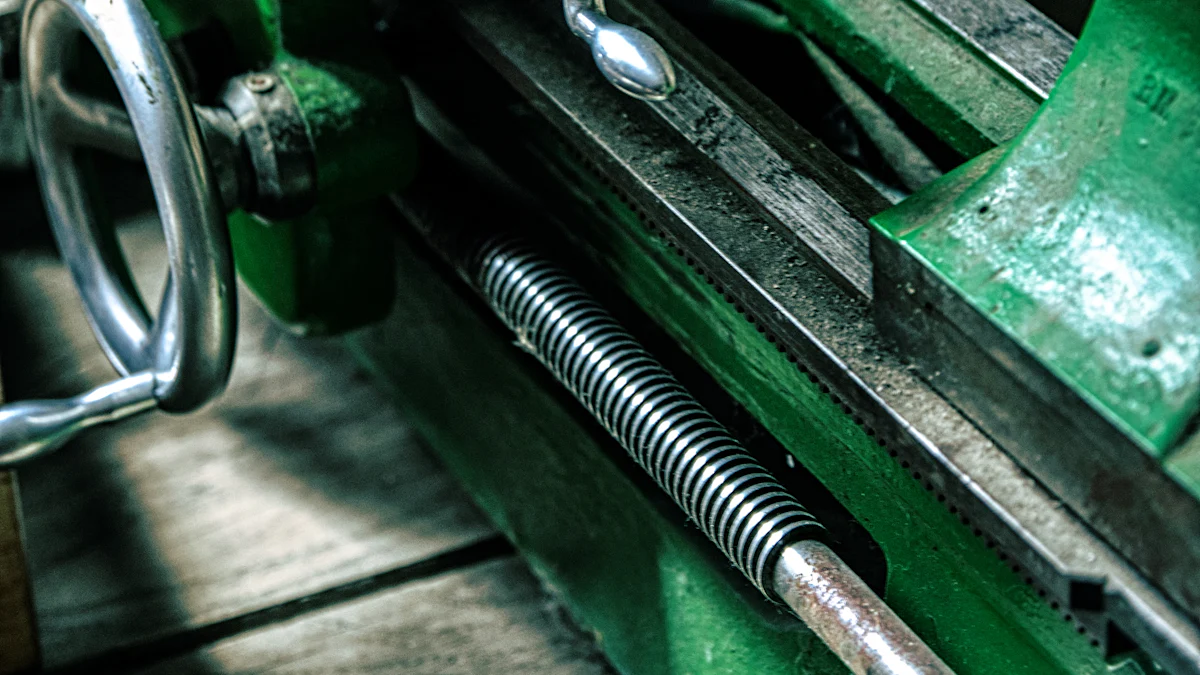
You play a vital role in promoting sustainability by choosing eco-friendly materials for CNC machining. These materials reduce environmental harm without compromising quality or durability. For example, biodegradable plastics break down naturally, minimizing waste, while recycled metals lower resource extraction and carbon emissions. By adopting such materials, you support green manufacturing facilities and environmentally friendly practices. This shift not only reduces your carbon footprint but also aligns your operations with sustainable goals, ensuring a positive impact on the planet.
Eco-Friendly Material | Benefit |
|---|---|
Biodegradable Plastics | Break down naturally, reducing long-term waste |
Recycled Metals | Diminishes resource extraction, lowers carbon footprint |
Key Takeaways
Picking eco-friendly materials like biodegradable plastics and recycled metals helps the planet and supports sustainability.
Using recycled metals saves energy and cuts carbon emissions, making CNC work greener and more efficient.
Adding bioplastics for prototypes and packaging is a better choice than regular plastics and meets the demand for eco-friendly products.
Using energy-saving CNC machines and renewable energy can lower your carbon footprint and save money.
Teaching your team about green practices helps them use eco-friendly ideas, improving efficiency and cutting waste.
Overview of Eco-Friendly Materials in CNC Machining
Key Characteristics
Biodegradability and recyclability
Eco-friendly materials used in CNC machining often stand out for their biodegradability and recyclability. These materials, such as biodegradable plastics and recycled metals, help reduce waste and support a circular economy. When you choose biodegradable options, like polylactic acid (PLA), the material naturally decomposes over time, leaving minimal environmental impact. Recyclable materials, such as aluminum or steel, can be reused multiple times, conserving resources and lowering the need for raw material extraction. Additionally, eco-friendly coatings applied to CNC-machined parts minimize the use of harmful chemicals, further enhancing sustainability.
Energy efficiency in production
Energy efficiency plays a critical role in sustainable CNC machining. Many eco-friendly materials require less energy during production compared to traditional options. For example, recycled metals consume significantly less energy during processing than virgin metals. Similarly, bioplastics often have a lower energy footprint compared to petroleum-based plastics. By incorporating these materials into your operations, you not only reduce energy consumption but also contribute to a more sustainable manufacturing process.
Common Types of Eco-Friendly Materials
Recycled metals and alloys
Recycled metals, such as aluminum and steel, are widely used in CNC machining. These materials retain their strength and durability while reducing the demand for mining and refining raw resources. By using recycled alloys, you can lower your carbon footprint and align your manufacturing practices with sustainability goals.
Bioplastics and composites
Bioplastics, like PLA and polyhydroxyalkanoates (PHA), are excellent alternatives to traditional plastics. These materials are derived from renewable sources, such as corn starch or sugarcane, and are biodegradable. Composites made from natural fibers, such as hemp or flax, also offer lightweight and durable solutions for CNC machining projects.
Natural materials like bamboo and wood
Bamboo and wood are renewable resources that bring a natural aesthetic to CNC machining. Bamboo, in particular, grows rapidly and requires minimal resources, making it a highly sustainable choice. These materials are ideal for creating furniture, decorative items, and lightweight structures, offering both functionality and environmental benefits.
Benefits of Using Eco-Friendly Materials
Environmental Advantages
Lower carbon footprint
Using eco-friendly materials in CNC machining significantly reduces your carbon footprint. Recycled metals, such as aluminum and steel, require less energy to process compared to virgin materials. This energy efficiency helps lower greenhouse gas emissions during production. Bioplastics, derived from renewable sources like corn or sugarcane, also contribute to sustainability by reducing reliance on fossil fuels. By choosing these materials, you actively support waste reduction and promote a cleaner environment.
Reduced waste and pollution
Eco-friendly materials minimize waste and pollution in manufacturing. Recyclable metals and bioplastics can be reused, supporting a circular economy. CNC machining, known for its precision, further reduces waste by optimizing material usage. For example, advanced CAM software ensures efficient nesting of parts, leaving minimal scrap. By adopting sustainable practices, you help reduce landfill waste and prevent harmful pollutants from entering ecosystems.
Economic Benefits
Cost-effectiveness through material reuse
Reusing materials in CNC machining offers cost-saving benefits. Recycled metals and plastics reduce the need for raw material extraction, lowering production costs. CNC machining's precision also minimizes waste, making it more economical.
Aspect | Benefit |
|---|---|
Material Removal Precision | Reduces waste through precise control. |
Advanced CAM Software | Facilitates efficient nesting of parts. |
Scrap Reduction | Minimizes leftover material. |
Different metals have varying recyclability ratings, but using recyclable options offsets future raw material costs. This approach aligns with sustainability goals while improving your bottom line.
Long-term business sustainability
Eco-friendly materials ensure long-term business sustainability. By reducing dependency on finite resources, you future-proof your operations. Sustainable practices also attract eco-conscious investors and partners, enhancing your company's reputation. Over time, this commitment to sustainability strengthens your market position and ensures steady growth.
Social Impact
Meeting consumer demand for sustainable products
Consumers increasingly prefer sustainable products. A recent study shows that 72% of consumers buy more environmentally friendly products than they did five years ago. Additionally, 81% plan to increase their purchases of sustainable goods in the next five years. By adopting eco-friendly materials, you meet this growing demand and position your brand as a leader in sustainability.
Enhancing corporate social responsibility
Using sustainable materials enhances your corporate social responsibility (CSR). It demonstrates your commitment to ethical practices and environmental stewardship. This approach not only builds trust with consumers but also inspires employees and stakeholders to support your mission. Companies that prioritize CSR often enjoy stronger customer loyalty and a positive public image.
Examples of Eco-Friendly Materials and Applications
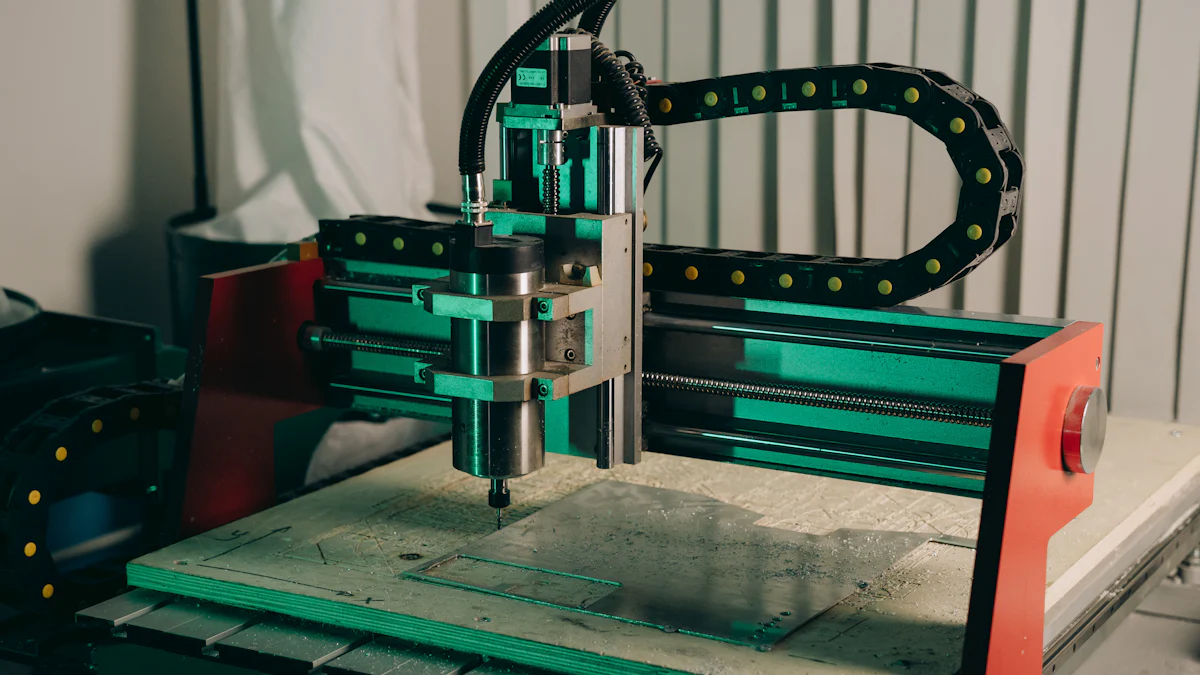
Recycled Aluminum
Applications in automotive and aerospace industries
Recycled aluminum plays a vital role in industries like automotive and aerospace. You can use it to create lightweight components, which improve fuel efficiency and reduce emissions in vehicles. For example, the automotive sector uses recycled aluminum extensively for body panels, engine parts, and wheels. This material supports large-scale closed-loop recycling systems, helping manufacturers meet their sustainability goals.
In aerospace, aluminum alloys are essential for aircraft construction. Their lightweight yet durable properties make them ideal for flight. By using recycled aluminum, you contribute to reducing emissions by nearly 30% compared to primary aluminum production. The growing demand for aluminum in Battery Electric Vehicles (BEVs) further highlights its importance in transitioning to low-carbon products. With a recycling rate of 91% for automotive aluminum, this material demonstrates how recycling metal scraps can support sustainable manufacturing practices.
Bamboo Composites
Use in furniture and lightweight structures
Bamboo composites offer a renewable and eco-friendly alternative for CNC machining projects. You can use bamboo to create furniture, decorative items, and lightweight structures. Its rapid growth and minimal resource requirements make it one of the most sustainable materials available. Bamboo composites combine natural fibers with resins to enhance strength and durability. These properties make them suitable for applications requiring both functionality and aesthetics.
For example, CNC machining can shape bamboo into intricate designs for chairs, tables, or shelving units. Its lightweight nature also makes it ideal for portable structures or temporary installations. By choosing bamboo composites, you reduce reliance on non-renewable resources while creating products that align with consumer demand for sustainable goods.
Bioplastics (e.g., PLA)
Applications in prototyping and packaging
Bioplastics, such as polylactic acid (PLA), are excellent for prototyping and packaging. Derived from renewable sources like corn starch or sugarcane, PLA offers a biodegradable alternative to petroleum-based plastics. You can use it in CNC machining to create prototypes for various industries, including consumer goods and medical devices. Its ease of use and eco-friendly properties make it a popular choice for short-term applications.
In packaging, PLA provides a sustainable solution for creating containers, trays, and wraps. These products decompose naturally, reducing long-term waste. By incorporating bioplastics into your operations, you align with global sustainability objectives and reduce your ecological footprint. This choice also supports the growing trend toward eco-friendly materials in CNC machining.
Recycled Plastics
Supporting the circular economy in manufacturing
Recycled plastics play a crucial role in advancing the circular economy within manufacturing. By reusing plastic waste, you help reduce the demand for virgin materials and minimize environmental harm. These plastics retain their structural integrity, making them suitable for various CNC machining applications. For example, recycled polyethylene terephthalate (rPET) and high-density polyethylene (rHDPE) are commonly used to create durable components for consumer goods, automotive parts, and packaging solutions.
Using recycled plastics in CNC machining allows you to support sustainable practices. These materials require less energy to process compared to producing new plastics. This energy efficiency reduces greenhouse gas emissions and conserves valuable resources. Additionally, recycling plastic waste prevents it from ending up in landfills or oceans, contributing to cleaner ecosystems.
You can also benefit from the versatility of recycled plastics. They can be molded, shaped, and machined into intricate designs, offering flexibility for a wide range of projects. By incorporating these materials into your operations, you actively participate in recycling metal scraps and other resources, promoting a more sustainable manufacturing process.
Low-Carbon Steel
Applications in construction and heavy machinery
Low-carbon steel offers an eco-friendly alternative for construction and heavy machinery applications. This material contains reduced carbon content, which lowers its environmental impact during production. You can use low-carbon steel to create structural components, machinery parts, and tools that require strength and durability.
In construction, low-carbon steel is ideal for beams, columns, and reinforcements. Its high tensile strength ensures stability while its recyclability supports sustainable building practices. For heavy machinery, this material provides the toughness needed for gears, frames, and other critical components. CNC machining enhances the precision of these parts, ensuring optimal performance and minimal waste.
By choosing low-carbon steel, you reduce your carbon footprint and contribute to sustainable development. This material aligns with global efforts to lower emissions and conserve resources. Its compatibility with CNC machining makes it a practical choice for industries aiming to adopt greener practices.
Challenges and Solutions in Adopting Sustainable Materials
Key Challenges
Limited availability of eco-friendly materials
You may face difficulties sourcing eco-friendly materials for CNC machining. The limited availability of these materials often creates inconsistencies in quality and supply. This can disrupt production schedules and make it harder to transition to sustainable practices. Manufacturers must also contend with the challenge of finding suppliers who can reliably provide high-quality sustainable materials.
Higher upfront costs
Switching to sustainable materials and practices often requires significant initial investments. Upgrading to energy-efficient machines, retraining staff, and reconfiguring processes can strain budgets.
One significant challenge lies in the initial investment required for the implementation of sustainable technologies and practices. Upgrading machinery to energy-efficient CNC machines, retraining staff, and reconfiguring existing processes may incur upfront costs that can be substantial.
Additionally, sustainable materials themselves may cost more than traditional options, further increasing expenses.
Substantial investment required in both hardware and software.
Costs associated with training skilled labor for sophisticated CNC operations.
Compatibility with CNC machining processes
Some sustainable materials may not perform well with existing CNC machining processes. Hardness, thermal reactivity, or other properties can lead to increased tool wear and longer machining times. These issues require careful material selection and advanced tooling technologies to maintain efficiency.
Practical Solutions
Investing in material research and innovation
Investing in research can help you overcome many challenges. New materials, such as biodegradable plastics and recycled metals, offer sustainable alternatives without sacrificing quality. Innovations in CNC machinery also improve energy efficiency and reduce waste, making sustainable practices more feasible.
Collaborating with sustainable suppliers
Partnering with suppliers who specialize in sustainable materials ensures a consistent supply of high-quality options. Collaboration can also lead to cost-sharing opportunities and better access to innovative materials.
Educating manufacturers on green practices
Educating your team about sustainable practices is essential. Training programs can help staff understand the benefits of energy-efficient machines and sustainable materials. This knowledge empowers them to implement eco-friendly solutions effectively, reducing costs and improving overall efficiency.
Future Trends in Sustainable CNC Machining
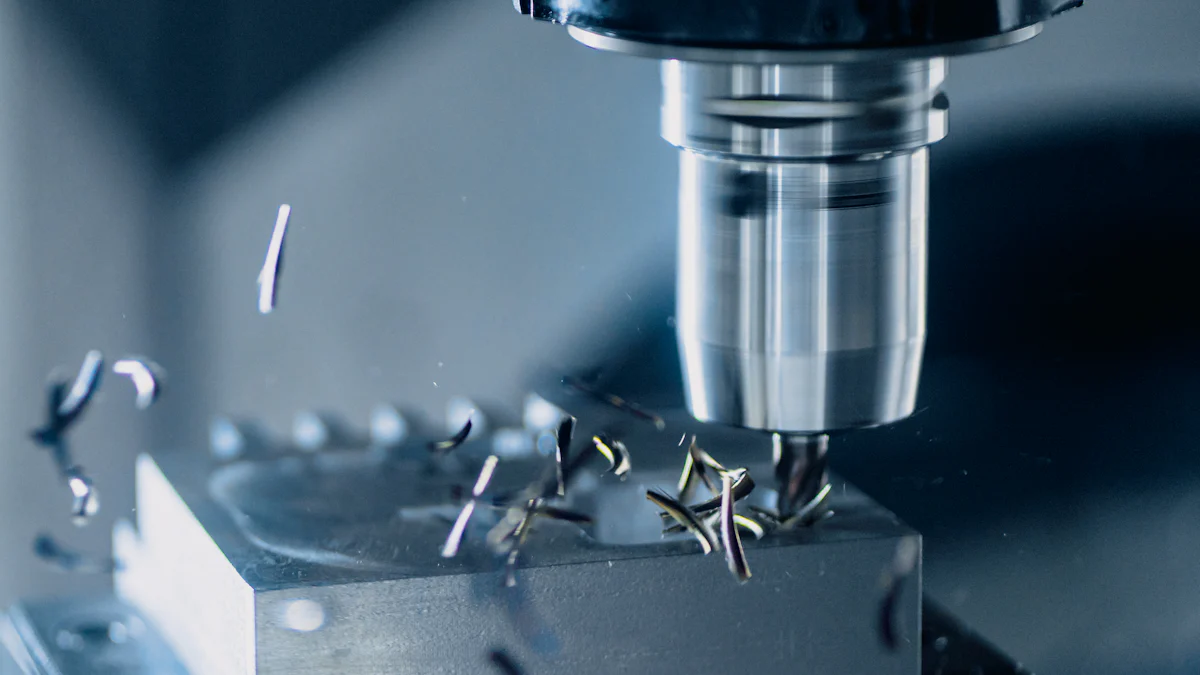
Innovations in Material Science
Development of advanced biodegradable composites
You will see significant advancements in biodegradable composites as material science evolves. These composites, derived from natural sources like plant fibers and biodegradable resins, offer a sustainable alternative to traditional materials. They break down naturally over time, reducing environmental impact without compromising quality. For example, biodegradable polymers are now used in applications like packaging and disposable medical products.
The demand for sustainable manufacturing drives the adoption of these materials in CNC machining. When paired with optimized machining parameters and appropriate tools, biodegradable composites perform exceptionally well. They provide durability and machinability while aligning with sustainability goals. By integrating these materials into your processes, you contribute to reducing waste and promoting eco-friendly practices.
Circular Economy in Manufacturing
Recycling and reusing materials within production cycles
The circular economy emphasizes reusing and recycling materials to minimize waste. In CNC machining, this approach conserves resources and reduces energy consumption. For instance, recycling metal scraps during machining requires less energy than processing virgin metals. This practice also decreases landfill strain and preserves natural resources.
You can further support the circular economy by repurposing cuttings and shavings into usable resources. CNC machining's ability to work with recycled metals and plastics aligns perfectly with this model. By adopting these practices, you enhance resource efficiency and reduce your ecological footprint.
Green Manufacturing Facilities
Adoption of energy-efficient CNC machines
Energy-efficient machines play a crucial role in sustainable manufacturing. These machines incorporate advanced technologies like power management systems and regenerative drive systems, which reduce energy consumption and operational costs. Variable speed drive technology optimizes spindle speeds and feed rates, ensuring energy efficiency without sacrificing performance.
By using energy-efficient machines, you lower your carbon footprint and improve profitability. Extended tool life and reduced waste further enhance sustainability. These benefits not only support your bottom line but also attract environmentally conscious customers.
Integration of renewable energy sources
Integrating renewable energy sources into your machining processes can significantly reduce reliance on non-renewable energy. Solar panels, wind turbines, and hydroelectric systems provide clean energy to power CNC machining operations. For example, solar power can support the production of precise frames for solar panels, while wind power aids in creating durable components like bearings and blades.
This shift to renewable energy reduces greenhouse gas emissions and aligns with global sustainability objectives. By adopting these practices, you position your facility as a leader in green manufacturing and contribute to a more sustainable future.
Eco-friendly materials play a crucial role in CNC machining by promoting sustainability and reducing environmental harm. Incorporating biodegradable plastics and recycled metals into your processes helps lower waste and carbon emissions while meeting the growing demand for sustainable products. These materials not only align with global sustainability goals but also enhance your brand's market appeal.
Adopting sustainable practices benefits businesses, consumers, and the environment. You can reduce costs by reusing materials, improve operational efficiency, and attract eco-conscious customers. Additionally, sustainable manufacturing fosters cleaner ecosystems and strengthens your corporate responsibility.
Take steps to integrate sustainable materials into your operations. Optimize cutting parameters, recycle material waste, and upgrade to eco-friendly coolants. By embracing these practices, you contribute to a greener future and position your business as a leader in sustainable CNC machining.
FAQ
What are eco-friendly materials in CNC machining?
Eco-friendly materials are sustainable options like recycled metals, bioplastics, and bamboo. These materials reduce waste and environmental harm while maintaining quality. They align with green manufacturing goals and support a circular economy.
How do recycled metals benefit CNC machining?
Recycled metals lower energy consumption and reduce the need for raw material extraction. They retain strength and durability, making them ideal for CNC machining projects. Using these metals also helps reduce your carbon footprint.
Are bioplastics suitable for CNC machining?
Yes, bioplastics like PLA work well in CNC machining. They are biodegradable and derived from renewable sources. These materials are ideal for prototyping and packaging, offering eco-friendly alternatives to petroleum-based plastics.
What challenges come with using sustainable materials?
You may face higher upfront costs, limited availability, and compatibility issues with CNC machining processes. However, investing in research, collaborating with sustainable suppliers, and educating your team can help overcome these challenges.
How does CNC machining support sustainability?
CNC machining supports sustainability through precision, which minimizes waste. It also works well with eco-friendly materials like recycled metals and bioplastics. By adopting energy-efficient machines and recycling material waste, you can further enhance sustainability.
See Also
Exploring Eco-Friendly Techniques in CNC Cutting Fluid Filtration
Streamlined CNC Machining Solutions for High-Precision Production
Grasping Essential Material Needs for CNC Precision Machining
Comprehending Environmental Standards in CNC Ultra-Precision Machining
Clarifying Myths Surrounding CNC Milling and Design Feasibility
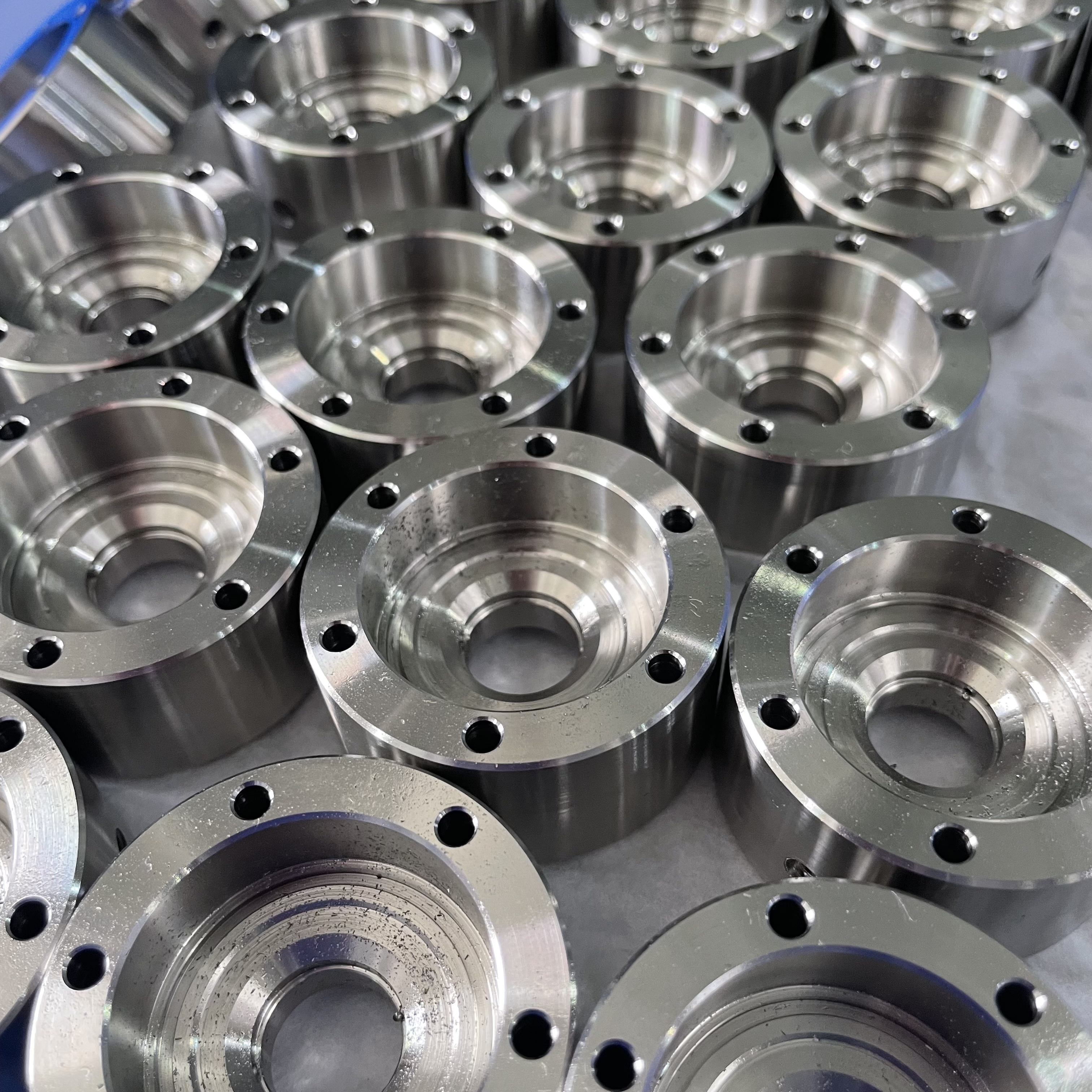
About US
Follow Us
Your prototype holds unparalleled significance, and we deeply value its uniqueness. Collaborating with you during the preparation phase for running your prototype or parts is a commitment we gladly embrace. Whether it's a single part or a complex assembly, we are dedicated to selecting the optimal tools and pathways to bring your envisioned product to life.
At Precision Fab CNC Machining, we specialize in producing parts for prototypes, short runs, and high-volume production. Our prototyping machine capabilities extend across metal, plastic, and wood machining, with welding fabrication services available to complement and finalize your prototype if required.
Address
Address: Room320 10F, Building A,Nanshan international building, Dayawan District, Huizhou, Guangdong, 516001 China
Contacts
billy@timaycnc.com