Food-Safe CNC Materials for Processing Equipment

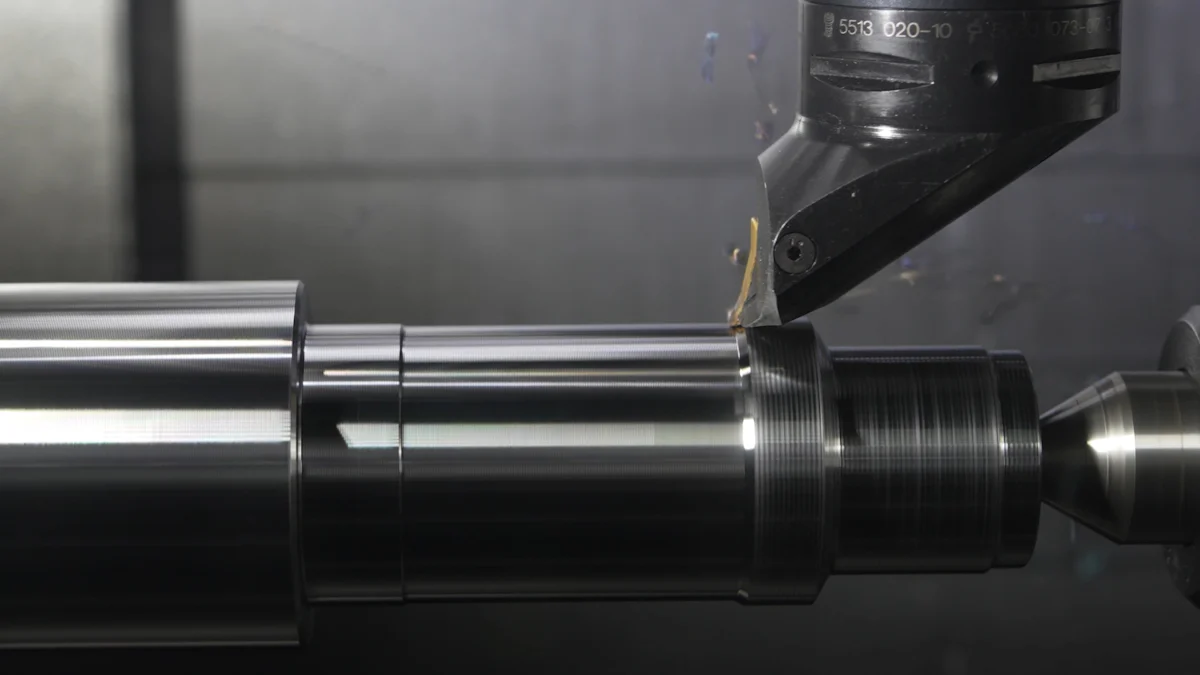
Food-safe CNC materials play a critical role in ensuring the safety and quality of food processing equipment. These materials are specifically designed to prevent contamination and maintain the integrity of food products. Using non-food-safe materials introduces significant risks:
Hazardous substances can cause severe injuries if they contact food.
Non-edible materials may transfer harmful molecules into food, endangering health.
Contaminants can alter the taste, appearance, and safety of food products.
CNC machining enables the creation of precise, durable components for food equipment. It uses materials resistant to corrosion, rust, and contamination. Smooth surfaces produced by this process reduce crevices where bacteria might grow. High-precision parts also minimize wear and tear, extending the lifespan of food processing machinery.
Key Takeaways
Pick safe materials like stainless steel or food-safe plastics. This keeps food clean and avoids contamination.
Use rust-proof materials to make equipment last longer and stay clean.
Choose strong materials that handle stress well. This lowers the chance of breaking and follows safety rules.
Go for materials that are simple to clean and care for. This helps keep food areas very clean.
Check that materials meet food safety rules from groups like the FDA or EFSA. This keeps people healthy.
Key Characteristics of Food-Safe CNC Materials
Non-Toxicity
Non-toxicity is one of the most critical factors when selecting materials for food processing equipment. You need materials that do not release harmful substances into food, ensuring consumer safety. Stainless steel is a popular choice due to its non-porous surface, which prevents bacterial growth and contamination. Plastics like PEEK and PTFE are also excellent options. These materials are inert and resistant to chemical reactions with food, making them ideal for environments requiring high hygiene standards. Titanium and ceramics further enhance safety by being non-reactive and suitable for acidic or sugary foods.
Tip: Always verify that the materials comply with food contact material (FCM) regulations from organizations like the FDA or EFSA to ensure they meet safety standards.
Resistance to Corrosion
Corrosion resistance is essential for materials exposed to moisture, cleaning agents, and food substances. Stainless steel stands out for its ability to resist rust and maintain a clean surface. Titanium offers exceptional corrosion resistance, ensuring no interaction with food products. Plastics such as PEEK and PTFE are inherently inert, allowing them to withstand harsh cleaning chemicals without degrading. The table below highlights the corrosion resistance of common food-safe materials:
Material | Corrosion Resistance Description |
|---|---|
Stainless Steel | Non-porous, easy to clean, prevents bacterial growth and contamination. |
Titanium | Highly resistant to corrosion, does not interact with foods, ensuring no contamination occurs. |
Plastics (PEEK, PTFE) | Inherently inert, do not react chemically with foods, withstand harsh cleaning chemicals. |
By choosing corrosion-resistant materials, you can extend the lifespan of your CNC-machined components and maintain food safety.
Durability and Strength
Durability directly impacts the performance and reliability of CNC-machined parts in food processing. Strong materials withstand operational stresses, reducing the risk of part failure and contamination. Stainless steel is a durable option, offering both corrosion resistance and ease of sterilization. Plastics like PEEK provide strength while remaining lightweight, making them suitable for various applications. Innovations in material science continue to enhance the durability of CNC machining materials, ensuring they meet the rigorous demands of food processing environments.
Note: Durable materials minimize production stoppages and ensure compliance with food safety regulations, saving you time and costs in the long run.
Ease of Cleaning and Maintenance
Ease of cleaning and maintenance is a critical factor when selecting food-safe CNC materials. In food processing environments, hygiene is paramount. Materials that resist contamination and simplify cleaning processes help you maintain high safety standards while reducing downtime.
Stainless steel is one of the most popular choices due to its non-porous surface. This property prevents bacteria from embedding into the material, making it easy to sanitize. Similarly, plastics like PEEK and PTFE offer excellent cleaning properties. These materials withstand harsh cleaning agents without degrading, ensuring long-term hygiene. Titanium and ceramics also excel in this area. Titanium resists corrosion and does not interact with food, while ceramics remain chemically inert, even when exposed to acidic or sugary substances.
The table below highlights the cleaning and maintenance properties of common food-safe CNC materials and their impact on food safety:
Material | Cleaning and Maintenance Properties | Food Safety Impact |
|---|---|---|
Stainless Steel | Non-porous, easy to clean, prevents bacterial growth and contamination. | Safe for almost any food processing environment. |
PEEK and PTFE | Inherently inert, withstands harsh chemicals, maintains hygiene. | Do not react chemically with foods, ensuring safety. |
Titanium | Highly resistant to corrosion, does not interact with foods. | Ensures no contamination from the material itself. |
Ceramics | Chemically inert, excellent for high-acid or high-sugar content foods. | Safe for applications involving sensitive food types. |
By choosing materials with these properties, you can streamline cleaning routines and reduce the risk of contamination. CNC Machining ensures that these materials are shaped into precise components with smooth surfaces, further simplifying maintenance. This precision minimizes crevices where bacteria might accumulate, enhancing overall food safety.
Tip: Regularly inspect and maintain your equipment to ensure that cleaning remains effective and materials retain their food-safe properties.
Common Food-Safe CNC Materials
Stainless Steel
Grades of stainless steel suitable for food contact (e.g., 304, 316)
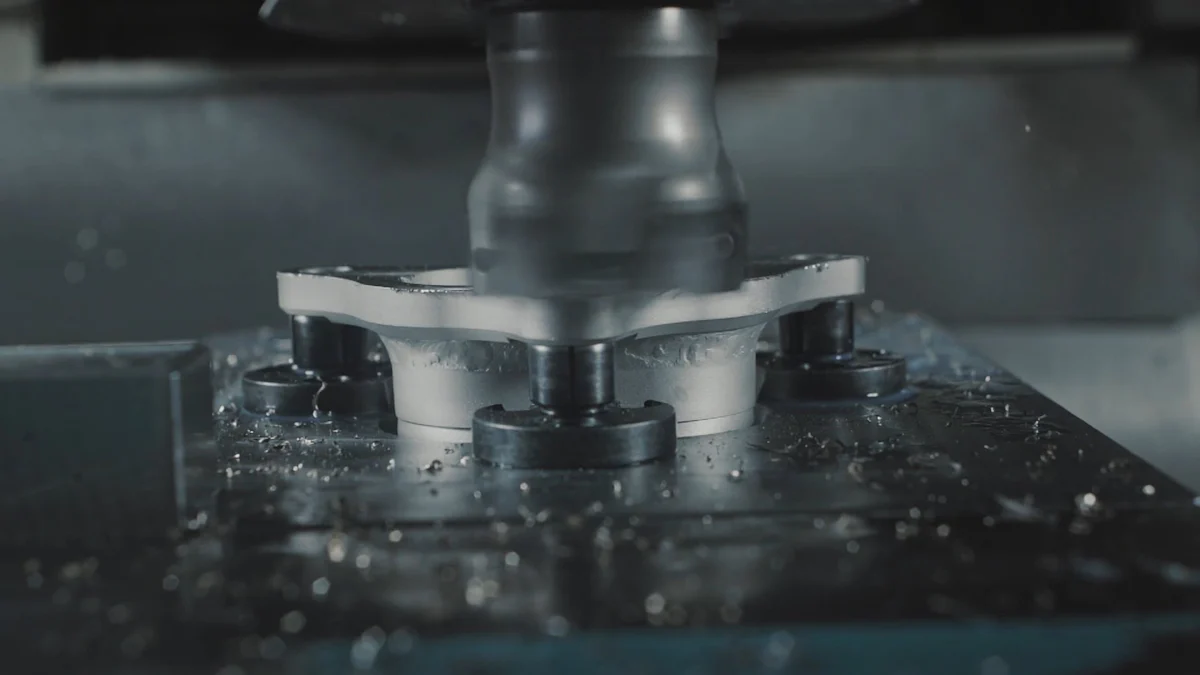
Stainless steel is one of the most widely used materials in food processing due to its excellent properties. Grades like 304 and 316 are particularly suitable for food contact. Grade 304 offers high corrosion resistance and is cost-effective, making it ideal for general food processing applications. Grade 316, on the other hand, contains molybdenum, which enhances its resistance to chlorides and harsh cleaning agents. This makes it a preferred choice for environments exposed to salt or acidic substances.
Benefits of stainless steel in food processing
You will find stainless steel indispensable in food processing for several reasons:
Its resistance to corrosion ensures compliance with health regulations.
The non-porous surface prevents bacterial growth and contamination.
Electropolishing enhances its corrosion resistance and simplifies cleaning.
Durability and strength make it suitable for high-stress applications.
These properties make stainless steel a top choice for CNC Machining in food preparation, storage, and packaging equipment.
Food-Grade Plastics
Types of food-grade plastics (e.g., PEEK, HDPE, PTFE)
Food-grade plastics like PEEK, HDPE, and PTFE are excellent alternatives to metals in certain applications. PEEK offers high strength and chemical resistance, making it suitable for demanding environments. HDPE is lightweight, durable, and resistant to moisture, making it ideal for cutting boards and conveyor components. PTFE, known for its low friction and non-stick properties, is perfect for applications requiring smooth surfaces.
Applications of plastics in food equipment
You can use food-grade plastics in various food processing equipment:
Conveyor belts and rollers benefit from their lightweight and durable nature.
Non-stick coatings and seals ensure smooth operation and hygiene.
Custom CNC-machined parts meet strict hygiene standards and are tailored to specific needs.
Plastics are corrosion-resistant and easy to clean, reducing the risk of contamination and ensuring compliance with food safety regulations.
Aluminum
Anodized aluminum for food safety
Aluminum, when anodized, becomes a viable option for food-safe applications. The anodizing process creates a protective oxide layer, enhancing its corrosion resistance and durability. This makes it suitable for lightweight components like trays, molds, and frames.
Limitations and considerations for aluminum
While aluminum offers benefits, you must consider its limitations:
Cutting tools may wear out faster when machining aluminum.
Improper machining can result in rough surfaces, which may harbor bacteria.
High thermal expansion can lead to dimensional inaccuracies.
Benefit/Limitations | Description |
|---|---|
Machinability | Aluminum is known for its high machinability, which allows for efficient cutting and shaping. |
Corrosion Resistance | Aluminum has good corrosion resistance, making it suitable for food-safe applications. |
Tool Wear | Cutting tools can wear out faster when machining aluminum, especially with improper tool materials. |
Poor Surface Finish | A rough surface can result from dull tools or improper feeds and speeds, affecting food safety. |
To maximize its potential, ensure proper machining techniques and regular maintenance of CNC tools.
Titanium
Properties of titanium for food-safe applications
Titanium offers unique properties that make it an excellent choice for food-safe applications. Its exceptional corrosion resistance ensures that it does not react with food, even in acidic or salty environments. This property makes titanium ideal for processing foods like citrus fruits or pickled products. Titanium is also lightweight yet incredibly strong, allowing you to use it in equipment where durability and ease of handling are essential. Additionally, it is non-toxic and biocompatible, ensuring that it does not leach harmful substances into food.
Another advantage of titanium is its ability to withstand extreme temperatures. Whether exposed to high heat during cooking or freezing conditions in storage, titanium maintains its structural integrity. This versatility makes it suitable for a wide range of food processing tasks.
Note: Titanium's high cost can be a limiting factor. However, its long lifespan and superior performance often justify the investment.
Common uses of titanium in food processing
You will find titanium used in various food processing applications. It is commonly employed in heat exchangers, where its thermal conductivity and corrosion resistance ensure efficient and safe operation. Titanium is also used in mixing blades and tanks for acidic or high-salt foods, as it resists degradation over time. In addition, CNC Machining allows manufacturers to create custom titanium components, such as precision nozzles and valves, tailored to specific processing needs.
Cast Iron
Suitability of cast iron for food contact
Cast iron has been a trusted material in food preparation for centuries. Its natural non-stick surface, developed through seasoning, makes it safe for direct food contact. Cast iron is also highly durable, withstanding heavy use without deforming or breaking. However, it requires proper maintenance to prevent rust, as it is not inherently corrosion-resistant. Regular seasoning creates a protective layer that enhances its food-safe properties.
Applications in cookware and processing equipment
You will often see cast iron used in cookware, such as skillets, griddles, and Dutch ovens. These items excel in heat retention and even distribution, making them ideal for cooking tasks that require consistent temperatures. In food processing, cast iron is used for grinding plates and press components, where its strength and durability are critical. While it is not as versatile as stainless steel or titanium, cast iron remains a reliable choice for specific applications.
Tip: To maintain cast iron's food-safe properties, clean it thoroughly after each use and reapply seasoning as needed.
Compliance with Food Safety Standards
FDA Regulations
Key requirements for food-safe materials in the U.S.
In the United States, the Food and Drug Administration (FDA) sets strict guidelines for materials used in food processing equipment. These regulations ensure that materials do not contaminate food or compromise its safety. You must select materials that comply with the FDA's food contact material (FCM) standards. These standards require materials to be non-toxic, non-reactive, and resistant to corrosion. For example, stainless steel grades like 304 and 316 meet these requirements due to their durability and resistance to rust. Plastics such as PEEK and PTFE also comply because they are chemically inert and easy to clean.
The FDA also mandates that materials withstand repeated cleaning and sanitization without degrading. This ensures that equipment remains safe for long-term use. By adhering to these requirements, you can maintain compliance and protect consumer health.
EU Standards
Overview of EU food safety regulations
In the European Union, food safety regulations are governed by the European Food Safety Authority (EFSA). These regulations focus on ensuring that materials in contact with food do not release harmful substances. You must use materials that meet the EU's stringent migration limits, which control the transfer of chemicals from materials to food. Stainless steel, ceramics, and food-grade plastics like HDPE and PTFE are commonly used because they meet these standards.
The EU also emphasizes traceability. You need to document the origin and processing of materials to ensure accountability. This requirement helps maintain transparency and builds trust in food safety practices. By following EFSA guidelines, you can ensure that your equipment meets the highest safety standards in Europe.
Industry-Specific Standards
Examples of standards for specific food processing industries
Different food processing industries have unique requirements for materials. For example:
Metals: Stainless steel grades like 316, 304, and 430 are widely used due to their corrosion resistance and durability. Titanium and cast iron are also suitable for specific applications.
Plastics: HDPE, LDPE, and PET are common in packaging and conveyor systems because of their lightweight and hygienic properties.
Materials like PEEK, PTFE, and ceramics are valued for their non-reactive and easy-to-clean surfaces. These materials comply with both FDA and EFSA regulations, making them ideal for industries requiring high hygiene standards. By selecting materials tailored to your industry, you can optimize performance and ensure compliance with safety standards.
Applications in Processing Equipment
Food Preparation Tools
Examples of CNC-machined tools used in food prep
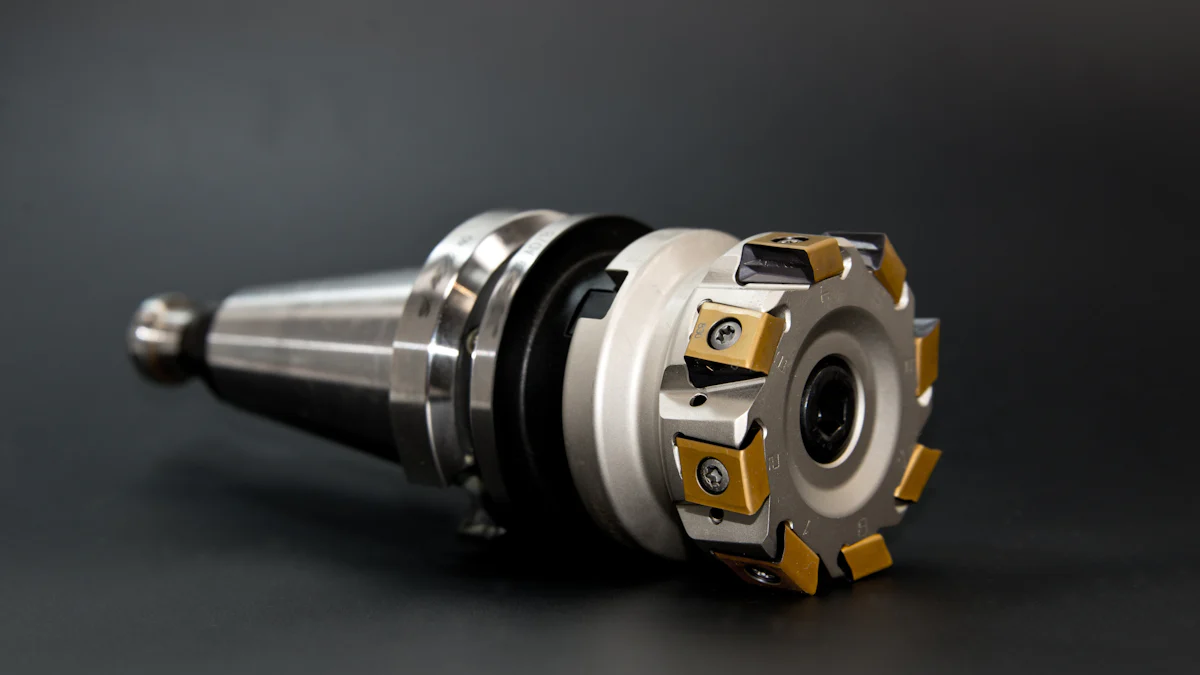
CNC machining plays a vital role in manufacturing tools for food preparation. These tools are designed to meet strict hygiene and safety standards while ensuring precision and durability. Common CNC-machined tools include:
Mixers, slicers, and grinders for processing various food textures.
Pumps and valves for transferring liquids and semi-solids.
Augers for moving bulk materials like grains or powders.
Custom cutting tools such as rotary cutters, dicing blades, and shredding blades.
These tools are crafted with food-safe materials like stainless steel and food-grade plastics. Their smooth surfaces and precise designs minimize contamination risks, making them indispensable in food preparation environments.
Packaging Equipment
Role of CNC materials in food packaging machinery
CNC materials enhance the performance and reliability of food packaging equipment. Stainless steel and food-grade plastics are commonly used due to their durability and resistance to corrosion. These materials do not harbor bacteria and are easy to clean, ensuring compliance with food safety standards.
The precision of CNC machining ensures that components fit together seamlessly. This reduces the risk of food contamination and improves the efficiency of packaging operations. For example, CNC-machined parts like sealing jaws, rollers, and guides maintain consistent performance, even under high-speed production conditions. By using CNC materials, you can achieve both hygiene and operational excellence in your packaging processes.
Conveyors and Handling Systems
Importance of food-safe materials in conveyor systems
Food-safe materials are essential for designing conveyors used in food handling. These systems must prevent contamination while maintaining efficiency. Key considerations include:
Using FDA-approved materials and lubricants to avoid introducing hazardous substances.
Designing conveyors for easy cleaning to eliminate contamination risks.
Ensuring structural designs allow cleaning without manual disassembly, reducing downtime.
CNC machining enables the production of precise components like brackets, guides, rollers, and belt pulleys. These parts are crafted from corrosion-resistant materials, ensuring long-term reliability and hygiene. By incorporating food-safe materials into conveyor systems, you can streamline food transportation while maintaining safety standards.
Utensils and Accessories
CNC-machined utensils and their benefits
CNC-machined utensils offer significant advantages in food processing applications. These utensils, crafted from materials like stainless steel and food-grade plastics, meet strict hygiene standards. Their corrosion-resistant properties ensure compliance with health regulations, while their smooth surfaces reduce the risk of bacterial growth. You can rely on these utensils for long-lasting performance, even in demanding environments.
The benefits of CNC-machined utensils include:
Resistance to corrosion and staining, ensuring food safety.
Easy cleaning and maintenance, which simplifies sanitation processes.
Precise fabrication of complex components, improving efficiency in food handling.
Customization options, allowing you to tailor utensils to specific processing needs.
Durability that withstands the rigors of food processing environments.
Innovations like antimicrobial coatings further enhance the safety of CNC-machined utensils. These coatings inhibit bacterial growth, providing an additional layer of protection. By choosing CNC-machined utensils, you can ensure reliable operation and maintain high safety standards in your food processing equipment.
Custom Machinery Components
Examples of custom CNC-machined parts for food processing
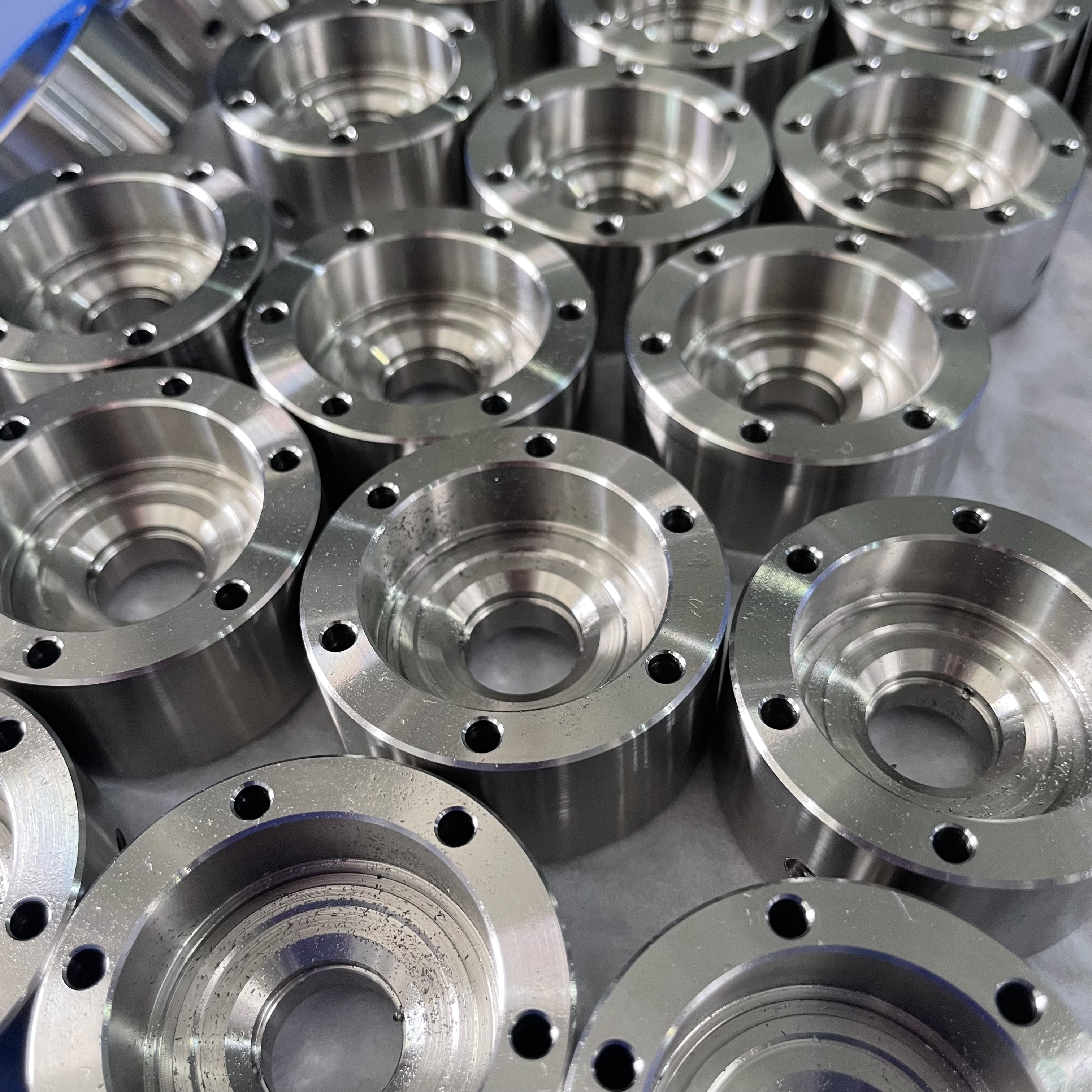
Custom CNC-machined components play a vital role in modern food processing equipment. These parts are designed to meet the unique requirements of various applications, ensuring precision and efficiency. You can find CNC-machined components in systems such as grinders, mixers, and slicers. These components include blades, shafts, and housing parts, all crafted to exact specifications.
Examples of custom CNC-machined parts include:
Positive displacement pump shafts and housings.
Components for centrifugal pumps.
Knife shafts and spray bars for coating pans.
Depositing rolls and forming mandrels.
Mechanical machine assemblies for automation systems.
CNC machining allows you to create specialized parts tailored to your equipment's needs. For instance, sanitary pumps and air wash systems benefit from precision-engineered components that ensure contamination-free operation. Advanced sensors and automation systems further improve efficiency, making CNC-machined parts indispensable in food processing.
By incorporating custom CNC-machined components, you can optimize your machinery's performance and maintain compliance with food safety standards. These parts not only enhance reliability but also extend the lifespan of your equipment, reducing downtime and maintenance costs.
Choosing food-safe CNC materials is essential for maintaining the safety and quality of food processing equipment. Materials like stainless steel, titanium, and food-grade plastics offer unique properties that prevent contamination and ensure hygiene. The table below highlights their key attributes:
Material | Key Properties |
|---|---|
Stainless Steel | Non-porous, easy to clean, prevents bacterial growth and contamination. |
Plastics (PEEK, PTFE) | Inert, non-reactive, withstands harsh cleaning, maintains hygiene. |
Titanium | Corrosion-resistant, does not interact with food, prevents contamination. |
Ceramics | Chemically inert, suitable for high-acid or high-sugar foods. |
Compliance with food safety standards, such as FDA, EFSA, and FSANZ regulations, ensures that materials meet strict hygiene and durability requirements. For example, the FDA mandates non-toxicity and resistance to corrosion, while EFSA emphasizes traceability.
To select the right material for your application, consider its mechanical strength, wear resistance, and chemical stability. The table below provides a quick comparison:
Material | Mechanical Strength | Wear Resistance | Chemical Stability |
|---|---|---|---|
Stainless Steel | High | High | High |
Titanium | Very High | Very High | Very High |
PEEK | Medium | Medium | High |
Tip: Evaluate your specific needs, such as exposure to harsh chemicals or high temperatures, to make an informed decision. Avoid materials prone to failure, as seen in a case where composite nozzles caused a 15% increase in microbial contamination due to poor surface finishes.
By prioritizing food-safe materials and adhering to industry standards, you can enhance equipment performance, ensure consumer safety, and reduce long-term costs.
FAQ
What makes a material food-safe for CNC machining?
Food-safe materials must resist corrosion, avoid releasing harmful substances, and withstand cleaning agents. They should also comply with regulations like FDA or EFSA standards. Materials like stainless steel, titanium, and food-grade plastics meet these criteria, ensuring safety in food processing environments.
Can aluminum be used in food processing equipment?
Yes, anodized aluminum is suitable for food processing. The anodizing process creates a protective layer, enhancing corrosion resistance. However, you must ensure proper machining to avoid rough surfaces that could harbor bacteria. Regular maintenance is also essential to maintain its food-safe properties.
How do I ensure compliance with food safety standards?
You should select materials certified by organizations like the FDA or EFSA. Verify that the materials are non-toxic, corrosion-resistant, and easy to clean. Document material origins and processing to meet traceability requirements, especially for EU compliance.
Are food-grade plastics as durable as metals?
Food-grade plastics like PEEK and PTFE offer excellent durability for specific applications. While not as strong as metals like stainless steel, they are lightweight, corrosion-resistant, and chemically inert. These properties make them ideal for conveyor systems, seals, and non-stick surfaces.
Why is stainless steel the most popular choice for food equipment?
Stainless steel resists corrosion, maintains hygiene, and offers exceptional durability. Its non-porous surface prevents bacterial growth, making it easy to clean. Grades like 304 and 316 meet strict food safety standards, making stainless steel a reliable choice for most food processing applications.
See Also
Exploring Eco-Friendly Approaches to CNC Cutting Fluid Filtration
Key Material Considerations for CNC Precision Machining Processes
Comprehensive 2024 Overview of CNC Machining Aluminum Alloys
Proven Strategies for Flawless CNC Machining of Aluminum Components
Enhancing Quality Outcomes Through Advanced CNC Precision Machining
About US
Follow Us
Your prototype holds unparalleled significance, and we deeply value its uniqueness. Collaborating with you during the preparation phase for running your prototype or parts is a commitment we gladly embrace. Whether it's a single part or a complex assembly, we are dedicated to selecting the optimal tools and pathways to bring your envisioned product to life.
At Precision Fab CNC Machining, we specialize in producing parts for prototypes, short runs, and high-volume production. Our prototyping machine capabilities extend across metal, plastic, and wood machining, with welding fabrication services available to complement and finalize your prototype if required.
Address
Address: Room320 10F, Building A,Nanshan international building, Dayawan District, Huizhou, Guangdong, 516001 China
Contacts
billy@timaycnc.com