Unlocking Innovation: 3 Fundamental CNC Machine Parts

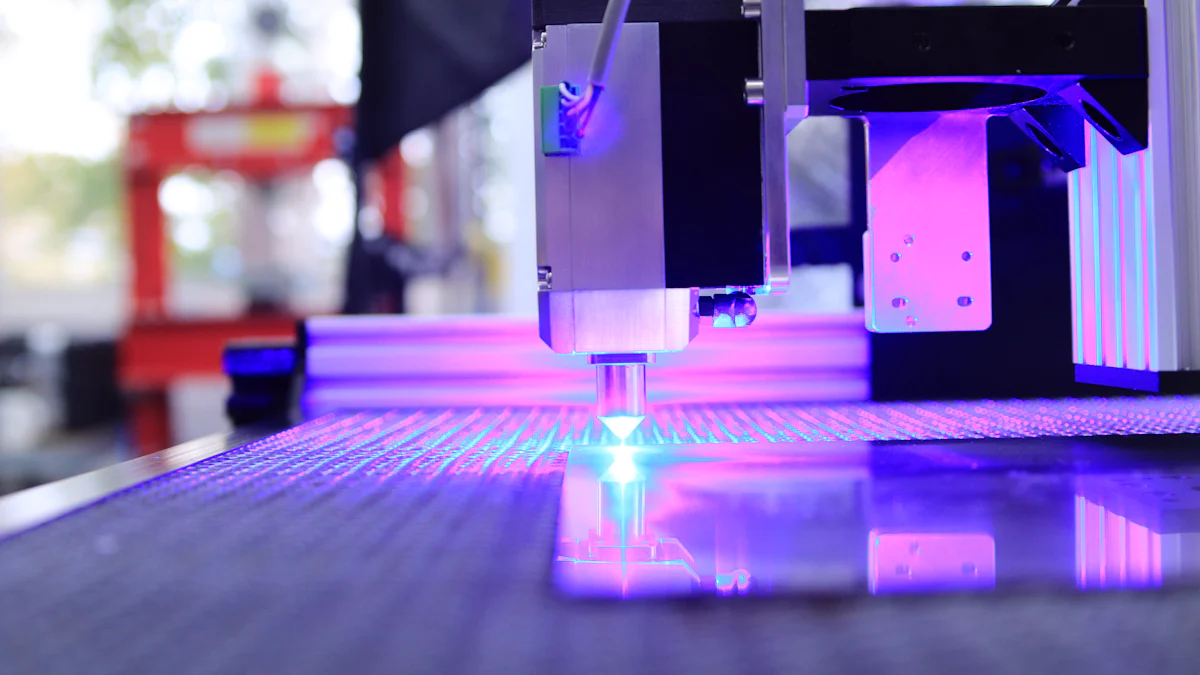
In the realm of manufacturing, CNC machines stand as technological marvels, revolutionizing precision and efficiency. Understanding the intricate components of these machines is paramount for industry professionals seeking to unlock innovation. Delving into the core mechanisms reveals a world where every part plays a crucial role in shaping the future of production. Among these components are the Control Panel, Input Device, and Machine Control Unit (MCU), each contributing uniquely to the seamless operation of CNC machines.
Control Panel
Overview
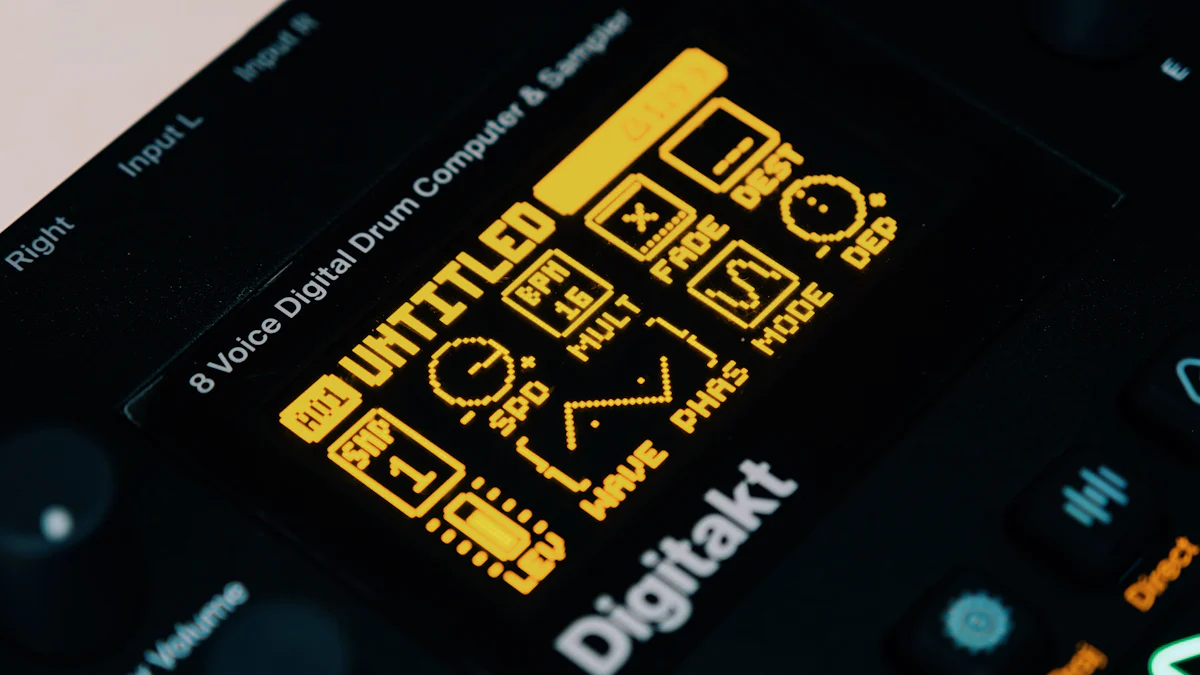
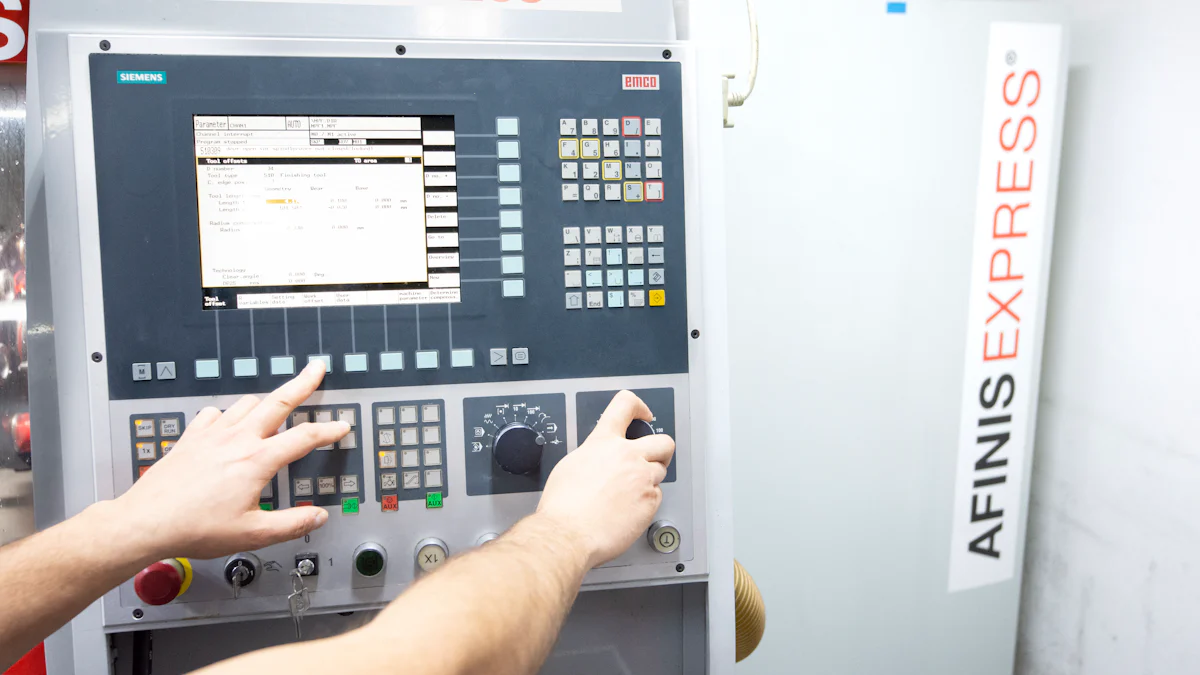
Control Panel in a CNC machine serves as the central hub for operational control. Its primary purpose is to provide operators with a user-friendly interface to manage and monitor machining processes effectively. The importance of the Control Panel lies in its ability to facilitate seamless communication between the operator and the CNC machine, ensuring precise execution of commands.
Key Features
The user interface of the Control Panel offers intuitive navigation, allowing operators to input commands effortlessly.
Various control buttons and switches on the panel enable quick adjustments to settings and parameters during operation.
Role in Innovation
By enhancing user control, the Control Panel empowers operators to fine-tune machining operations with precision, leading to improved output quality.
Its contribution to improving operational efficiency is significant, as it streamlines workflow processes and reduces downtime through swift command execution.
Input Device
Overview
The Input Device in a CNC machine plays a pivotal role in facilitating seamless data input for precision machining operations. Its definition and purpose revolve around providing a means to input commands and instructions into the system accurately. Understanding the various types of input devices available is essential for optimizing the CNC machine's performance.
Key Features
The Tape reader is a classic input device that interprets coded information from punched tapes, enabling historical data retrieval and program execution.
Utilizing RS-232-C communication, the Input Device establishes a standardized connection protocol for data exchange between the CNC machine and external devices.
Role in Innovation
By streamlining data input, the Input Device enhances operational efficiency by ensuring accurate command reception and execution.
Enabling advanced programming, this component empowers operators to implement intricate algorithms and sequences, pushing the boundaries of machining capabilities.
Machine Control Unit (MCU)
Overview
The Machine Control Unit (MCU) serves as the brain of a CNC machine, overseeing and directing its every operation. Its definition and purpose encompass the intricate task of processing commands and ensuring seamless coordination among various components. The MCU's importance in CNC machine operation cannot be overstated, as it dictates the precision and efficiency of manufacturing processes.
Key Features
With advanced processing capabilities, the MCU interprets complex algorithms swiftly, translating them into precise movements of the machine.
Through seamless communication with other components, such as the Control Panel and Input Device, the MCU orchestrates a synchronized workflow, optimizing production output.
Role in Innovation
By enhancing precision, the MCU elevates machining accuracy to unprecedented levels, meeting the demands of industries requiring intricate designs and tight tolerances.
Its support for complex operations enables CNC machines to tackle diverse manufacturing tasks with ease, from simple cuts to intricate multi-axis machining processes.
CNC machines are indispensable in the production processes of automotive and electronics industries, providing the necessary level of accuracy for intricate parts.
The market demand for customized components in the power generation and energy sector drives the utilization of CNC machines to develop intricate designs and produce high-precision parts.
Using CNC parts has significantly enhanced the manufacturing industry by increasing precision, consistency, speed, and versatility, leading to improved efficiency and productivity.
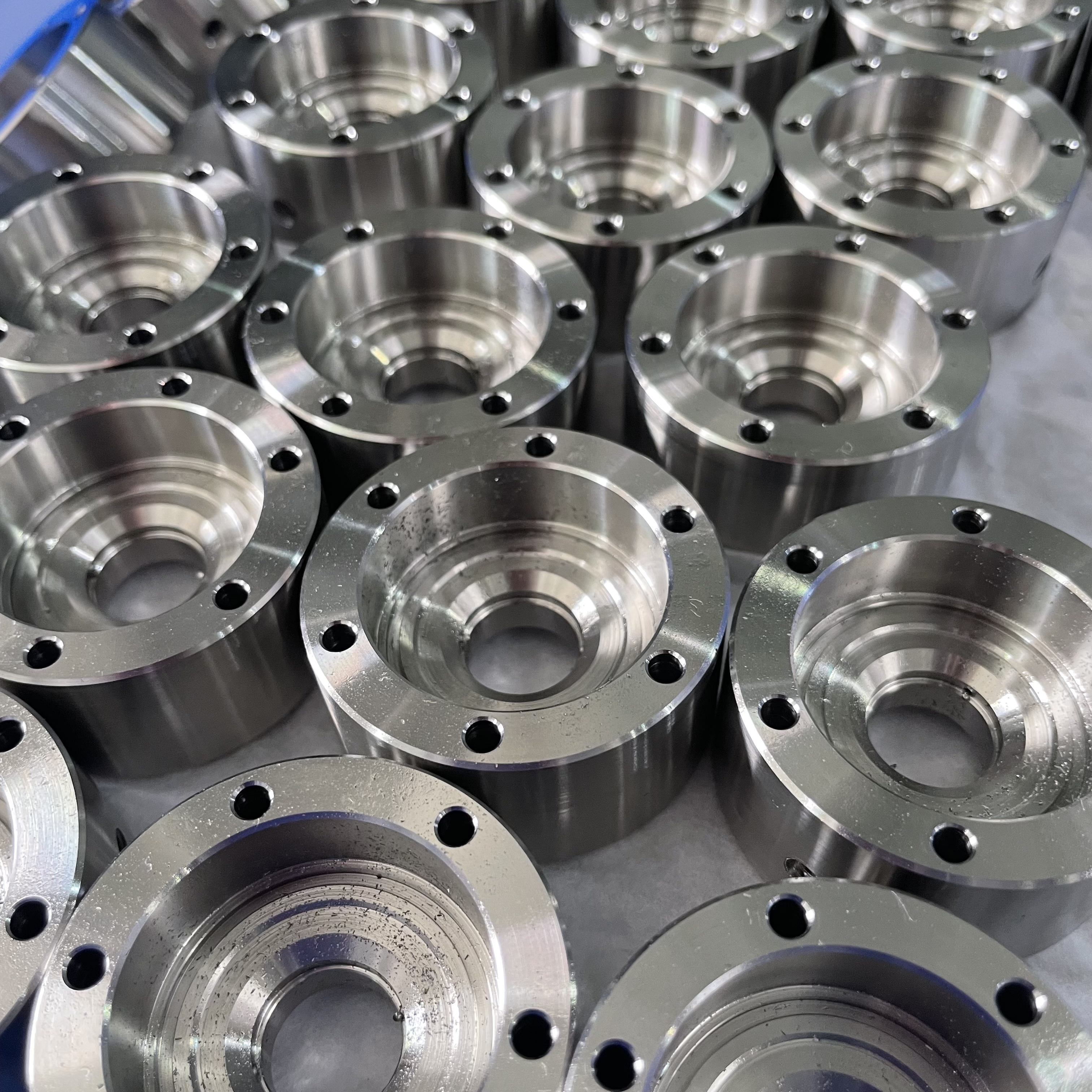
CNC parts are extensively employed in producing automotive components like engine parts, suspension components, and steering systems due to their precision and consistency in meeting required specifications.
See Also
Discovering CNC: Evolution and Future Technological Advancements
Grasping Key Steps in CNC Precision Machining
Perfecting CNC Turning: Crafting Precision RC Upgrades
Grasping Fundamentals of CNC Machining for Component Production
About US
Follow Us
Your prototype holds unparalleled significance, and we deeply value its uniqueness. Collaborating with you during the preparation phase for running your prototype or parts is a commitment we gladly embrace. Whether it's a single part or a complex assembly, we are dedicated to selecting the optimal tools and pathways to bring your envisioned product to life.
At Precision Fab CNC Machining, we specialize in producing parts for prototypes, short runs, and high-volume production. Our prototyping machine capabilities extend across metal, plastic, and wood machining, with welding fabrication services available to complement and finalize your prototype if required.
Address
Address: Room320 10F, Building A,Nanshan international building, Dayawan District, Huizhou, Guangdong, 516001 China
Contacts
billy@timaycnc.com