The Future of CNC in Manufacturing Lightweight Structural Materials

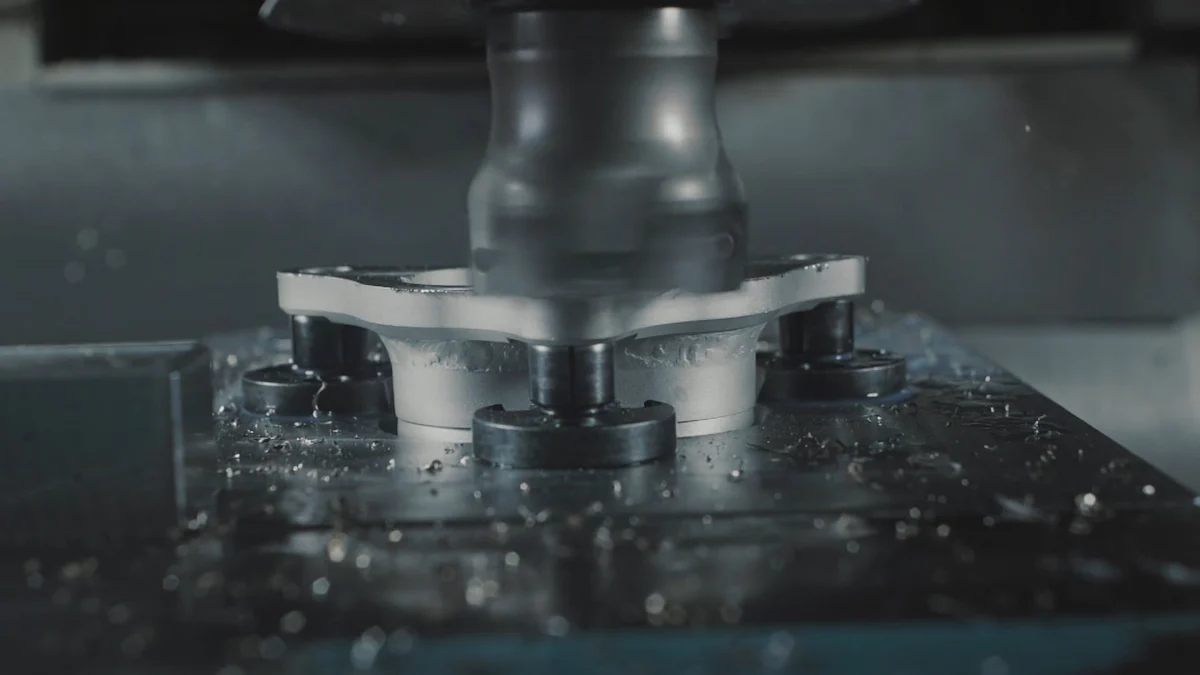
CNC machining plays a vital role in creating lightweight structural materials. You rely on this technology to achieve unmatched precision and efficiency in industries like aerospace and automotive. Computer numerical control systems allow you to work with high-strength, lightweight materials, which are essential for aerospace components. These systems also help you produce intricate geometries that traditional methods cannot replicate.
In the automotive sector, CNC ensures consistent production of large volumes of parts with tolerances as fine as ±0.001". This precision reduces material waste and speeds up production. Advancements in CNC technology continue to transform manufacturing, enabling you to meet strict industry standards while optimizing costs and sustainability.
Key Takeaways
CNC machines are very precise and can make detailed designs.
Lightweight materials like aluminum and titanium improve fuel use and speed.
New tech like AI and IoT is changing CNC systems.
Recycling and energy-saving systems help protect the environment in factories.
CNC's future will bring better tools for faster and greener work.
CNC Machining and Lightweight Structural Materials
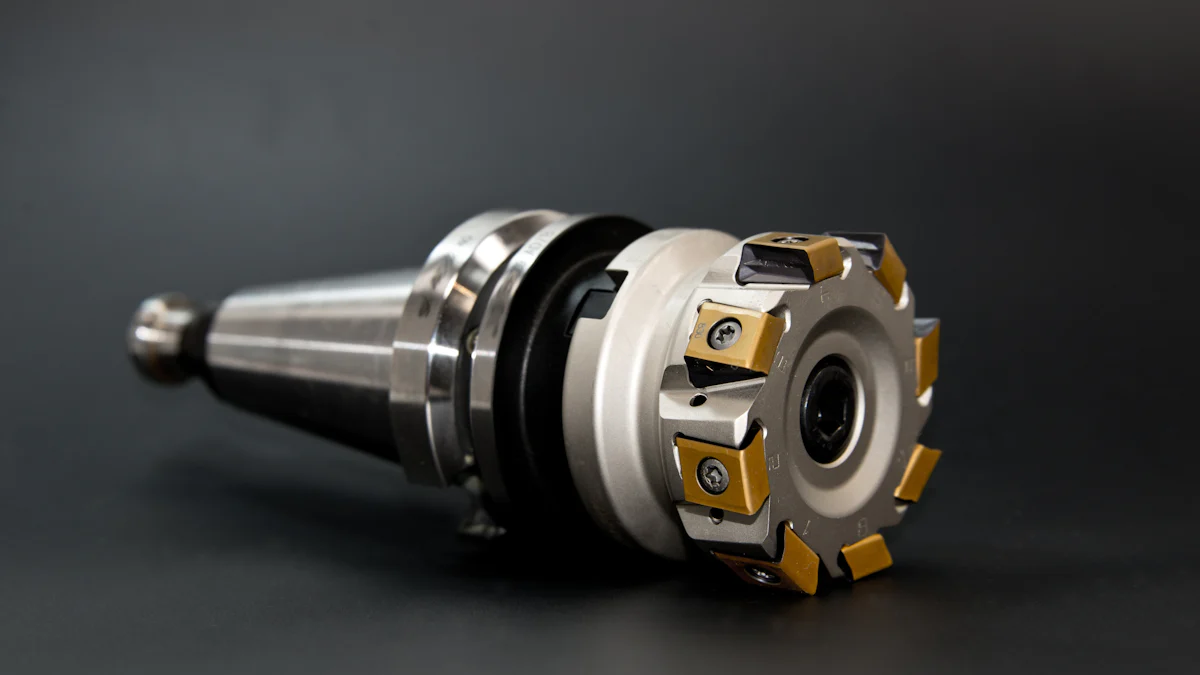
Defining CNC Machining
CNC machining, or computer numerical control machining, is a manufacturing process that uses pre-programmed software to control machinery. You can use CNC to create precise parts by cutting, drilling, or milling materials with exceptional accuracy. This technology allows you to produce intricate designs and complex geometries that traditional methods cannot achieve. For industries like aerospace and automotive, CNC machining ensures tight tolerances, often within a thousandth of an inch. This level of precision is critical for safety and performance, especially when working with lightweight components.
Characteristics of Lightweight Structural Materials
Lightweight materials are essential for industries focused on weight reduction and efficiency. These materials, such as aluminum, titanium, and magnesium alloys, offer high strength-to-weight ratios, corrosion resistance, and temperature tolerance. Aluminum alloys are easy to machine and form, making them ideal for many applications. Titanium alloys, while harder to machine, provide excellent strength and heat resistance. Magnesium alloys are lightweight and machinable but require precautions against oxidation. The table below highlights the machinability of common lightweight materials:
Material | Machinability |
|---|---|
Aluminum | Excellent |
Titanium | Fair (harder to machine) |
Magnesium | Good |
Beryllium | Fair (due to brittleness) |
High-Strength Steel Alloys | Fair (requires specialized tooling) |
Why CNC Machining is Essential for Lightweight Materials
CNC machining is indispensable for processing lightweight materials. It enables you to create complex shapes that are lighter and more efficient than those made with conventional methods. This is particularly important in aerospace, where reducing the weight of components enhances fuel efficiency and performance. For example, reducing an aircraft's weight by just one kilogram can significantly lower fuel consumption and operating costs. CNC machining techniques also allow you to produce smaller, intricate parts that contribute to the overall lightweight design. By using high-strength materials like aluminum and titanium, you can achieve robust yet lightweight components that meet the demands of modern manufacturing.
Current Applications of CNC Machining in Lightweight Material Manufacturing
CNC Machining in Aerospace and Automotive Industries
You see CNC machining playing a critical role in aerospace and automotive industries. In aerospace, it ensures the production of high-quality aerospace components with unmatched precision. Lightweight materials like aluminum alloys, titanium, and composite materials dominate aerospace applications. These materials reduce the weight of aerospace components, improving fuel efficiency and performance. For example, aluminum 7075 and titanium alloys are widely used in aerospace part production due to their strength and machinability.
In the automotive sector, CNC machining supports the creation of lightweight yet durable parts. High-performance polymers like PEEK and ULTEM, along with carbon fiber composites, are common in automotive manufacturing. These materials enhance vehicle efficiency by reducing weight without compromising safety. CNC machining techniques allow you to achieve high precision in aerospace components and automotive parts, ensuring they meet strict industry standards.
Advanced Aerospace CNC Machining for Precision and Efficiency
Advanced aerospace CNC machining has revolutionized aerospace manufacturing. You can now produce intricate geometries and complex designs with high precision. This is essential for aerospace applications where even minor inaccuracies can compromise safety. CNC machining in aerospace also enables you to work with challenging materials like titanium and superalloys, ensuring durability and performance under extreme conditions.
Automation in CNC systems further enhances efficiency. You can achieve faster production cycles and consistent quality, which are vital for aerospace manufacturing. Advanced aerospace CNC machining also supports the integration of lightweight materials into designs, reducing the overall weight of aircraft. This contributes to lower fuel consumption and operational costs, making aerospace manufacturing more sustainable.
Material Optimization and Waste Reduction
CNC machining contributes significantly to material optimization and waste reduction. Adaptive cutting, for instance, uses real-time feedback to optimize the cutting tool's path. This reduces waste and extends tool life. Laser cutting, another CNC machining technique, enhances accuracy and minimizes waste from inaccurate cuts. Smaller cut widths also reduce material usage, making the process more efficient.
You can reuse material waste and scrap for other projects, such as prototypes or test parts. This approach not only reduces waste but also lowers energy consumption and carbon emissions. By adopting CNC machining, you make manufacturing processes more sustainable and cost-effective.
High-Volume Production with CNC Technology
CNC technology has revolutionized high-volume production in industries that rely on lightweight materials. You can now produce large quantities of parts with unmatched precision and consistency. This is especially important in sectors like aerospace and automotive, where lightweight components play a critical role in performance and efficiency.
One of the key advantages of CNC machining is its ability to create smaller, lighter parts compared to traditional methods. This is possible because CNC systems can handle complex geometries with ease. Advanced CAM software allows you to cut intricate shapes directly into workpieces, eliminating the need for secondary operations. This not only speeds up production but also ensures that each part meets strict quality standards.
In aerospace manufacturing, CNC machining enables the production of lightweight components that enhance fuel efficiency and aircraft performance. For example, you can fabricate intricate designs using materials like aluminum or titanium, which are both strong and lightweight. These components reduce the overall weight of the aircraft, leading to lower fuel consumption and operational costs.
CNC technology also excels in reducing waste during high-volume production. Adaptive cutting techniques optimize the tool path, minimizing material loss. This makes the process more sustainable and cost-effective. Additionally, the precision of CNC systems ensures that every part is identical, which is crucial for maintaining consistency in large-scale manufacturing.
By using CNC machining, you can achieve faster production times without compromising on quality. The ability to produce lightweight yet durable components in high volumes gives you a competitive edge in today’s demanding markets. Whether you are in aerospace, automotive, or another industry, CNC technology helps you meet production goals efficiently.
Emerging Trends in CNC Machining for Lightweight Materials
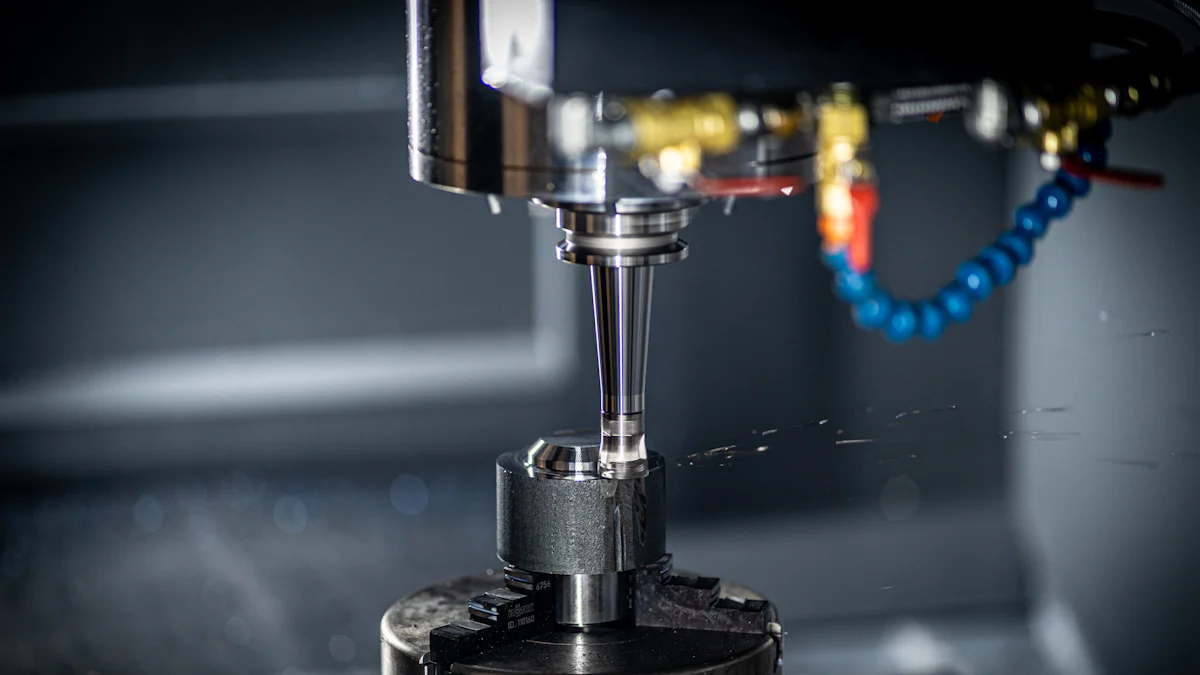
Automation and Smart CNC Systems
Automation and smart CNC systems are transforming how you approach lightweight material manufacturing. Industry 4.0 technologies, such as IoT and big data, enhance production control and efficiency. These systems enable real-time communication between machines, ensuring optimal resource utilization and reducing operational costs. For example, integrating robotics with CNC systems increases production speed and minimizes human error.
Smart CNC systems also allow you to monitor operations in real time. IoT integration provides data sharing and proactive maintenance, which optimizes efficiency. This is especially beneficial when working with advanced materials like carbon fiber reinforced polymers. These materials demand precision, and smart systems ensure consistent quality. By adopting automation, you streamline production processes and reduce costs while meeting the performance goals of industries like automotive and aerospace.
AI Integration in CNC Processes
Artificial intelligence is revolutionizing CNC machining. AI-powered systems analyze vast amounts of data to optimize machining parameters. This helps you achieve higher precision and efficiency when working with lightweight materials. For instance, AI can predict tool wear and adjust machining processes to extend tool life. This reduces downtime and enhances productivity.
AI also improves the capabilities of 5-axis CNC machining. These machines handle complex geometries with ease, making them ideal for lightweight structures. By integrating AI, you can automate decision-making processes, ensuring consistent results. This is particularly useful in applications of CNC machining where precision is critical, such as aerospace and medical device manufacturing. AI-driven CNC systems empower you to push the boundaries of what is possible in lightweight material production.
Hybrid Manufacturing Techniques for Lightweight Structures
Hybrid manufacturing combines additive and subtractive processes, offering you unparalleled flexibility. Additive techniques, like 3D printing, allow you to create intricate internal structures, such as lattices or fluid channels. Subtractive methods, like CNC machining techniques, refine these structures to meet exact specifications. This combination enables you to produce lightweight components with complex geometries that traditional methods cannot achieve.
Hybrid techniques are especially valuable when working with advanced materials. For example, you can use additive methods to build a titanium lattice and then employ 5-axis CNC machines to finish the part. This approach improves efficiency and reduces material waste. By adopting hybrid manufacturing, you unlock new possibilities for creating lightweight structures that are both strong and efficient.
Advanced Tooling for Complex Geometries
Advanced tooling plays a critical role in achieving complex geometries during cnc machining. You often encounter intricate designs in industries like aerospace and automotive, where lightweight materials must meet strict performance standards. To handle these challenges, modern tooling solutions have evolved to deliver precision and efficiency.
One key innovation is multi-axis tooling. With tools designed for 5-axis cnc systems, you can machine parts with complex curves and angles in a single setup. This reduces production time and ensures consistent quality. For example, aerospace components often feature intricate internal channels for weight reduction. Advanced tooling allows you to create these features without compromising structural integrity.
Tool materials have also advanced. High-performance coatings, such as diamond-like carbon (DLC) or titanium aluminum nitride (TiAlN), enhance tool durability. These coatings reduce wear when machining tough materials like titanium or carbon fiber composites. You can achieve longer tool life and maintain precision over extended production runs.
Another breakthrough is modular tooling systems. These tools let you swap out components quickly, minimizing downtime. Modular designs also improve flexibility, enabling you to adapt to different manufacturing requirements. By using advanced tooling, you can tackle complex geometries with confidence and efficiency.
IoT-Enabled Real-Time Monitoring in CNC Systems
IoT-enabled real-time monitoring has transformed cnc machining by improving efficiency and reducing downtime. With IoT technology, you gain valuable insights into machine performance and operational data.
Real-time monitoring increases machine utilization. Sensors track performance metrics, helping you identify and address downtime issues quickly. Predictive maintenance becomes possible through IIoT (Industrial Internet of Things) sensors. These sensors analyze data to predict when maintenance is needed, allowing you to schedule repairs before failures occur. This approach reduces unexpected breakdowns and extends machine life.
Automated data collection is another advantage. IoT systems gather data without manual input, freeing operators to focus on higher-value tasks. For example, instead of manually logging machine performance, you can rely on IoT systems to provide accurate, up-to-date information. This improves productivity and ensures consistent quality in cnc machining.
IoT technology also enhances process optimization. By analyzing data trends, you can adjust machining parameters to improve efficiency. This is especially useful when working with lightweight materials, where precision is critical. IoT-enabled systems help you maintain tight tolerances and reduce material waste, making your manufacturing processes more sustainable.
By integrating IoT into your cnc systems, you can achieve higher efficiency, lower costs, and better overall performance.
Challenges and Solutions in CNC Machining of Lightweight Materials
Material Limitations and Machinability Challenges
When working with lightweight materials, you face unique challenges. While materials like aluminum and brass offer excellent machinability, tougher options such as titanium increase tool wear. This makes machining more difficult and demands advanced techniques to maintain precision. Lightweight materials often lack specific features required for certain projects. For example, magnesium is lightweight but prone to oxidation, requiring extra precautions during machining.
Each material requires tailored strategies to optimize quality. Aluminum allows faster processing with minimal tool wear, but titanium demands specialized tooling and coatings to handle its toughness. These variations complicate the machining process, especially when you aim to balance efficiency and cost-effectiveness. Lightweight materials are also less cost-efficient compared to traditional options, adding another layer of complexity to your manufacturing processes.
Cost Implications of Advanced CNC Systems
Investing in advanced CNC systems can strain your budget. These systems offer cutting-edge features like real-time monitoring and AI integration, but they come with high upfront costs. For small-scale operations, this can be a significant barrier. Maintenance and tooling expenses further add to the financial burden.
However, the long-term benefits often outweigh the initial investment. Advanced CNC systems improve efficiency and reduce waste, saving you money over time. Automation minimizes labor costs, while precision machining reduces material waste. By carefully evaluating your production needs, you can determine whether the benefits justify the costs. Leasing or financing options may also help you manage expenses while upgrading your manufacturing capabilities.
Addressing Tool Wear and Maintenance
Tool wear is a common issue in CNC machining, especially when working with tough materials like titanium. You can mitigate this by using advanced coatings such as Aluminum Titanium Nitride (AlTiN) or Diamond-like Carbon (DLC). These coatings enhance tool hardness and reduce wear, extending tool life.
Coolants and lubricants also play a crucial role. Water-soluble oils and synthetic fluids improve cooling and lubrication, preventing overheating during machining. Real-time monitoring systems, such as vibration analysis and acoustic emission monitoring, help you detect tool wear early. This allows you to schedule maintenance proactively, avoiding unexpected downtime.
Adopting best practices in tool management further enhances efficiency. Comprehensive tracking systems and regular staff training ensure optimal tool usage. By implementing these strategies, you can maintain high-quality machining while minimizing disruptions.
Enhancing Sustainability in CNC Processes
You can enhance sustainability in CNC processes by adopting practices that reduce environmental impact while maintaining efficiency and precision. One effective approach involves optimizing energy usage. By integrating renewable energy sources like solar, wind, or geothermal power into your operations, you can significantly lower your carbon footprint. Energy-efficient machine tools also help conserve resources without compromising performance.
Improving material efficiency is another critical step. Reusing material waste and scrap for prototypes or test parts minimizes waste. Closed-loop systems further enhance material utilization by recycling leftover materials back into the production cycle. These strategies not only reduce waste but also lower operational costs.
Advanced cutting techniques play a vital role in sustainable manufacturing. Adaptive cutting adjusts tool paths in real time, reducing material waste and extending tool life. Laser cutting offers precise results with minimal waste, making it ideal for lightweight materials. These methods ensure you achieve high precision while conserving resources.
To further promote sustainability, consider these actionable steps:
Reuse material waste for secondary projects to maximize resource utilization.
Optimize part geometry and tool paths to minimize excess material.
Adjust cutting speeds to conserve energy and extend tool lifespan.
By implementing these measures, you align your processes with sustainable manufacturing goals. Using eco-friendly materials and recycling programs also contributes to a greener production environment. These practices not only reduce environmental impact but also enhance your operational efficiency, ensuring you meet industry demands responsibly.
The Future of CNC Machining in Lightweight Structural Materials
CNC Machining for Aerospace and Next-Generation Materials
You are witnessing a shift in aerospace manufacturing as CNC machining adapts to next-generation materials. These materials, such as carbon fiber composites and advanced alloys, demand precision and innovation. CNC machining for aerospace now integrates hybrid manufacturing techniques, combining additive and subtractive processes. This approach allows you to create intricate geometries while maintaining the strength and lightweight properties essential for aerospace applications.
For example, hybrid machines can switch between 3D printing and CNC machining, enabling you to produce complex parts with fewer setups. Additive manufacturing builds internal structures like lattices, while CNC machining refines them to meet exact specifications. The table below highlights emerging trends in CNC machining for next-generation aerospace materials:
Trend | Description |
|---|---|
Additive Manufacturing | Integrates 3D printing with CNC machining to produce complex parts with unique geometries. |
Hybrid Manufacturing | Combines additive design freedom with CNC precision for aerospace parts. |
Hybrid Machines | Switches between adding material with 3D printing and subtracting material with CNC machining. |
These advancements ensure you stay competitive in aerospace manufacturing by meeting the demands for lighter, stronger, and more efficient components.
Advancing Sustainability Through CNC Innovations
CNC machining continues to drive sustainability in lightweight material manufacturing. Smart technologies, such as Industry 4.0 and IoT, optimize operations and reduce environmental impact. You can use AI and machine learning to enhance productivity while lowering energy consumption. Multi-axis computational machining minimizes material waste and energy usage, making your processes more efficient.
Sustainability efforts also focus on using recycled materials and energy-efficient systems. Lightweight component designs, such as those made from carbon fiber composites, improve fuel efficiency in vehicles and aircraft. Automated production ensures consistent output while reducing waste. By adopting these innovations, you align your manufacturing processes with environmental goals.
Key sustainability practices include:
Precision material use to reduce scrap.
Recycling and reusing waste materials.
Energy-efficient operations to lower power consumption.
Safer, water-based coolants to reduce chemical use.
These measures not only reduce your environmental footprint but also enhance operational efficiency.
Transforming Industry Standards with CNC Advancements
Constant innovation in CNC machining is transforming industry standards. Multi-axis machining centers allow you to create intricate parts with fewer setups, improving both accuracy and efficiency. Automation and robotics streamline complex processes, reducing downtime and ensuring consistent results.
AI and machine learning play a pivotal role in optimizing tool paths and predicting wear. These technologies enhance quality control and process optimization. IoT-enabled machines monitor performance in real time, alerting you to maintenance needs and improving uptime.
In aerospace manufacturing, advanced CNC techniques like 5-axis machining and additive manufacturing are essential for competitiveness. These innovations enable you to meet the high precision and efficiency demands of aviation, defense, and space industries. By embracing these advancements, you set new benchmarks for quality and sustainability in manufacturing.
Predictions for the Next Decade in CNC Technology
The next decade will bring transformative changes to CNC machining. You can expect advancements that will redefine precision, efficiency, and sustainability in manufacturing. Emerging technologies like artificial intelligence and machine learning will play a pivotal role. These tools will help you optimize machining processes, predict tool wear, and improve overall productivity. AI-driven systems will allow CNC machines to adapt in real time, ensuring consistent quality even in high-demand environments.
In aerospace, the demand for lightweight materials will continue to grow. Future trends in aerospace CNC machining will focus on integrating hybrid manufacturing techniques. These methods combine additive and subtractive processes, enabling you to create intricate designs with minimal waste. For example, hybrid systems will allow you to produce complex aerospace components, such as lattice structures, with unmatched precision.
Automation will also dominate the future of CNC. Smart factories equipped with IoT-enabled CNC systems will provide real-time monitoring and predictive maintenance. This will reduce downtime and improve operational efficiency. You will benefit from faster production cycles and lower costs, especially when working with advanced materials like carbon fiber composites.
Sustainability will remain a key focus. CNC machining will adopt energy-efficient practices and eco-friendly materials. You will see innovations like closed-loop recycling systems and renewable energy integration. These advancements will help you meet environmental goals while maintaining high performance.
The future of CNC technology promises exciting possibilities. By embracing these innovations, you will stay competitive in industries like aerospace and beyond.
CNC machining remains a cornerstone in manufacturing lightweight structural materials. It enables you to create robust, lightweight components with precision, enhancing fuel efficiency in aerospace and automotive applications. Emerging technologies like AI and IoT are revolutionizing CNC systems, optimizing processes, and reducing waste. Sustainability is also advancing through energy-efficient practices and the use of recycled materials. As these innovations evolve, you can expect CNC machining to redefine industry standards, driving efficiency and environmental responsibility. The future promises transformative impacts, ensuring CNC continues to lead in precision manufacturing.
FAQ
What makes CNC machining ideal for lightweight materials?
CNC machining provides unmatched precision and efficiency. You can create intricate designs and complex geometries while maintaining the strength of lightweight materials. This process minimizes waste and ensures consistent quality, making it essential for industries like aerospace and automotive.
How does CNC machining reduce material waste?
CNC systems optimize cutting paths and use adaptive techniques. These methods reduce excess material and improve efficiency. You can also reuse scrap materials for prototypes or secondary projects, further minimizing waste and lowering costs.
Can CNC machines handle advanced materials like carbon fiber?
Yes, CNC machines can process advanced materials like carbon fiber composites. Specialized tooling and coatings ensure precision and durability. You can achieve tight tolerances and complex geometries, making CNC machining ideal for high-performance applications.
What are the benefits of IoT in CNC machining?
IoT enables real-time monitoring and predictive maintenance. You can track machine performance, reduce downtime, and optimize operations. This technology improves efficiency and ensures consistent quality, especially when working with lightweight materials.
Is CNC machining sustainable?
Yes, CNC machining supports sustainability through energy-efficient practices and material optimization. You can reduce waste, recycle materials, and use renewable energy sources. These efforts align your manufacturing processes with environmental goals while maintaining high performance.
See Also
CNC Machining Aluminum Alloys 6061 And 7075: A 2024 Overview
Innovations In CNC Milling: Future Trends And Applications
Understanding CNC Technology: Advancements And Manufacturing Applications
CNC Precision Machining: Benefits And Upcoming Trends Ahead
CNC Technology Journey: Evolution And Future Trends Explored
About US
Follow Us
Your prototype holds unparalleled significance, and we deeply value its uniqueness. Collaborating with you during the preparation phase for running your prototype or parts is a commitment we gladly embrace. Whether it's a single part or a complex assembly, we are dedicated to selecting the optimal tools and pathways to bring your envisioned product to life.
At Precision Fab CNC Machining, we specialize in producing parts for prototypes, short runs, and high-volume production. Our prototyping machine capabilities extend across metal, plastic, and wood machining, with welding fabrication services available to complement and finalize your prototype if required.
Address
Address: Room320 10F, Building A,Nanshan international building, Dayawan District, Huizhou, Guangdong, 516001 China
Contacts
billy@timaycnc.com