The Future of CNC Machining in Robotics and Automation

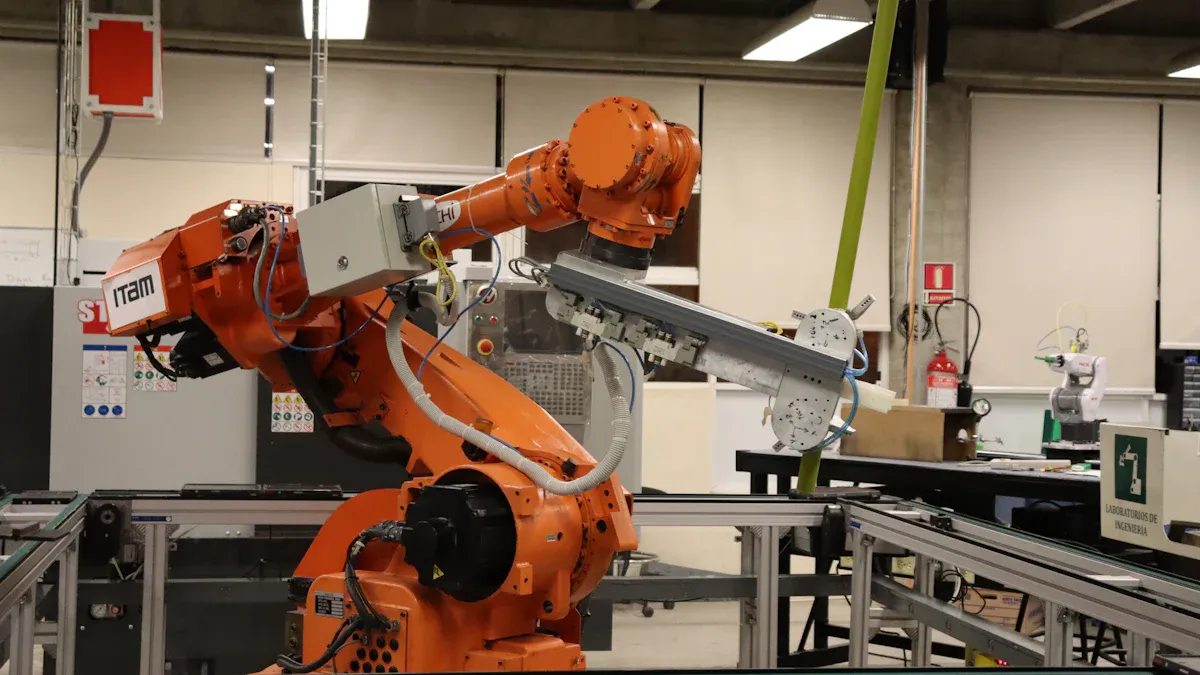
CNC machining is undergoing a remarkable transformation as robotics and automation redefine its capabilities. Autonomous systems now optimize toolpaths and adjust in real time using advanced AI, delivering unmatched precision. You can see how automation simplifies routine tasks while providing real-time insights into production. These innovations help manufacturers adapt quickly and stay competitive in a fast-changing market.
Key Takeaways
CNC machining uses smart machines to make detailed parts accurately. It removes the need for manual work and gives steady results.
Robots and automation make CNC machining faster by doing tasks like moving materials and switching tools. This allows machines to work all day and reduces breaks.
Adding AI to CNC machines makes them work better, checks quality, and predicts repairs. This helps companies stay ahead in a changing market.
Understanding CNC Machining and Its Role in Robotics and Automation
Defining CNC Machining
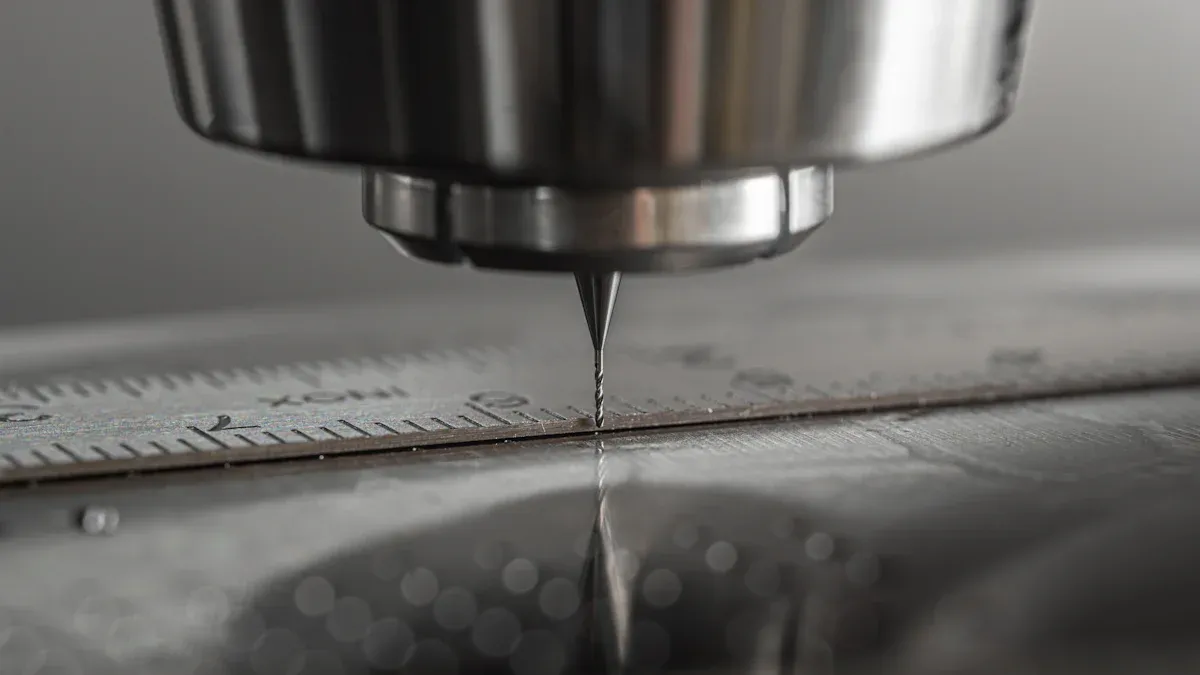
CNC machining, or computer numerical control machining, is a manufacturing process that uses pre-programmed software to control machinery. This technology allows you to produce complex parts with high precision. The key components of a CNC machine include the input device, machine control unit (MCU), and machine tools.
The input device loads CNC programs into the machine.
The MCU translates G-code into instructions for the machine.
Machine tools, such as cutting tools, perform the actual machining operations.
This process eliminates the need for manual intervention, ensuring consistent and accurate results. CNC machining has become a cornerstone of modern manufacturing, especially in industries requiring intricate designs and tight tolerances.
The Role of Robotics in CNC Machining
Robotics has revolutionized CNC machining by enhancing precision and productivity. Robotic systems can perform machining tasks with exceptional accuracy and repeatability, which improves the quality of the final product. Industries like aerospace and automotive rely on CNC robotics for their speed and consistency.
Robotic arms also handle non-machining tasks, such as loading and unloading materials, which increases efficiency. Adaptive control systems, powered by AI, adjust machining parameters in real-time based on sensor feedback. This integration allows you to achieve complex geometries that traditional CNC machines struggle to produce.
How Automation Enhances CNC Processes
Automation plays a crucial role in improving CNC machining efficiency. Automated systems reduce manual work by handling tasks like material loading, unloading, and repositioning. Bar feeders provide a steady supply of materials, minimizing downtime. Robotic arms streamline operations by performing intricate tasks, such as tool changes.
Automated CNC systems can operate 24/7, maximizing machine uptime and meeting high production demands. These systems optimize machining paths, reducing cycle times and increasing throughput. Automation also minimizes human error, ensuring flawless execution and boosting overall productivity. With advancements in AI in CNC machining, automation continues to push the boundaries of what’s possible in the CNC machining industry.
Benefits of CNC Robotics and Automation
Improved Efficiency and Productivity
CNC robotics and automation have revolutionized manufacturing by significantly boosting productivity. Automated CNC equipment operates continuously, eliminating downtime caused by breaks or shift changes. This 24/7 operation allows you to meet high production demands while reducing lead times.
Robots maintain consistent performance, ensuring machines run smoothly and produce more output in less time.
Automation tools streamline processes, reducing errors in data entry or order handling. This not only saves time but also protects your factory's reputation.
By integrating AI in CNC machining, you can optimize machining paths and reduce cycle times. These advancements ensure that your operations remain efficient and competitive in the ever-evolving CNC machining industry.
Enhanced Precision and Quality
Robotic machining offers unparalleled precision, making it indispensable in industries like aerospace and medical device manufacturing. Robots execute machining tasks with consistent accuracy, producing high-quality parts while minimizing waste.
AI-powered systems further enhance quality assurance by analyzing historical data and detecting flaws in technical drawings. Smart sensors provide real-time data, enabling you to optimize processes and maintain superior quality standards. These technologies ensure that your products meet the stringent requirements of modern manufacturing.
Cost Reduction and Sustainability
CNC automation delivers long-term cost benefits by reducing labor expenses and minimizing material waste. Advanced software optimizes cutting paths, ensuring efficient use of materials. This not only lowers costs but also supports sustainable practices.
Automated CNC equipment reduces energy consumption and material waste, contributing to eco-friendly production.
Implementing sustainable practices, such as energy-efficient operations, helps you reduce environmental impact while saving costs.
By adopting these smart factory solutions, you can maximize ROI and align with the latest CNC industry trends. These practices not only enhance your factory's performance but also position you as a leader in sustainable manufacturing.
Trends Shaping the Future of CNC Machining
Artificial Intelligence in CNC Robotics
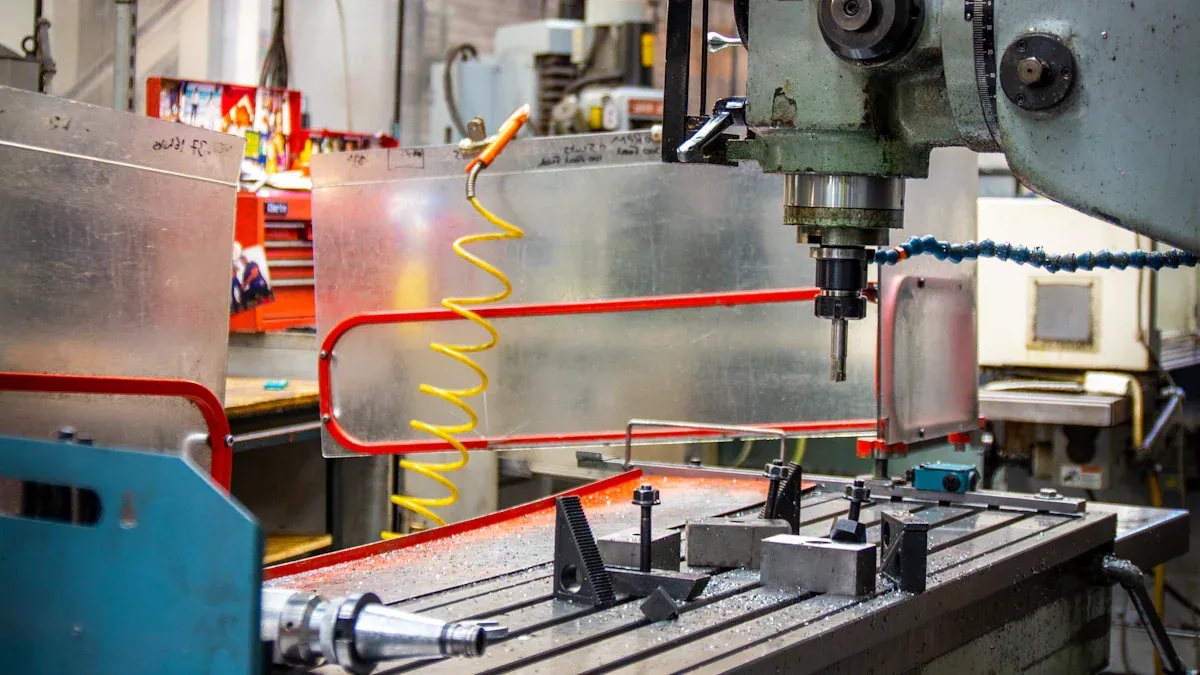
Artificial intelligence is transforming CNC robotics by introducing machine learning algorithms that allow machines to learn and adapt. These systems analyze data to optimize operations, enhancing both precision and efficiency. For example, AI-driven CNC machines can adjust machining parameters in real time, ensuring consistent quality. Predictive maintenance powered by AI reduces unplanned downtime by identifying potential issues before they occur.
AI applications extend across industries like automotive, aerospace, and medical devices. These advancements make CNC robotics more versatile and impactful. Real-time data analysis further improves performance by enabling immediate adjustments during machining. With AI in CNC machining, you can achieve higher productivity and precision, setting new standards in the CNC machining industry.
Collaborative Robots in Manufacturing
Collaborative robots, or cobots, are revolutionizing CNC automation by working alongside human operators. Cobots handle repetitive tasks like loading and unloading CNC machines, performing inspections, and even changing tools. This reduces downtime and increases efficiency. Cobots also enhance safety by taking on tasks involving excessive heat or noise, protecting workers from hazardous conditions.
Their ease of use makes them appealing to manufacturers. Cobots can replicate human actions without requiring extensive programming knowledge. This flexibility allows you to deploy them quickly, streamlining operations and boosting productivity. By integrating cobots, you can focus on complex tasks while robots handle routine operations.
Sustainable and Eco-Friendly Practices
Sustainability is a growing focus in CNC machining. Smart technologies from Industry 4.0 reduce energy consumption and improve efficiency. Multi-axis computational machining minimizes material waste, while advanced materials like composites contribute to eco-friendly production.
Lean manufacturing principles align production with demand, reducing excess material usage. Closed-loop systems allow you to reuse materials, cutting down on waste. By adopting these sustainable practices, you can lower costs and reduce your environmental impact. These trends highlight how new technologies are shaping a greener future for CNC machining.
Challenges in CNC Machining and Automation
High Costs of Implementation
Implementing CNC automation can be expensive, especially for small and medium-sized manufacturers. You need to consider several cost factors when adopting automated CNC machines. Equipment costs, including sensors and actuators, can range from $1,000 to $5,000 per component. Software and licensing fees often add $10,000 to $50,000 annually, with custom solutions starting at $20,000. Installation and integration services, which require professional expertise, cost $100 to $200 per hour. Additionally, training employees can cost between $5,000 and $10,000 per person.
Maintenance expenses also add to the financial burden. Annual maintenance contracts typically account for 15-20% of the original equipment cost, with spare parts adding another 10%. If you aim for full automation, the costs can exceed $500,000, depending on the scale and customization required. These high upfront and ongoing costs make it challenging for businesses to adopt CNC machining technologies quickly.
Workforce Training and Skill Development
The rapid evolution of CNC machining and robotics demands a skilled workforce. However, many machinists lack the expertise to operate advanced automated CNC machines. To address this, large manufacturers often partner with educational institutions to create apprenticeship programs. Smaller shops can benefit from online courses and workshops, which are cost-effective and accessible.
National initiatives like the ACE program also play a crucial role. This program combines online training with hands-on sessions to prepare operators, designers, and engineers for CNC automation. By investing in these training opportunities, you can bridge the skill gap and ensure your workforce is ready for the challenges of modern manufacturing.
Integration and Maintenance Complexities
Integrating robotics into CNC machining systems presents several challenges. Communication issues often arise due to the need for complex protocols. Robots may struggle with difficult grasp points on workpieces, reducing efficiency. Travel time between the robot and the CNC machine can also lead to productivity losses.
Compatibility issues between existing CNC machines and new automation systems further complicate the process. Custom engineering solutions and specialized software are often required, increasing costs and lead times. These challenges highlight the importance of careful planning and expert support when implementing CNC automation in your operations.
The Future of CNC Machining in Robotics and Automation
Emerging Technologies and Innovations
The future of CNC machining is being shaped by groundbreaking technologies that enhance efficiency and precision. Advanced automation is streamlining processes, reducing manual intervention, and improving productivity. IoT integration connects machines, enabling real-time data analysis and smarter decision-making. AI and machine learning are revolutionizing predictive maintenance, helping you avoid costly downtime.
Hybrid manufacturing techniques, which combine traditional and additive methods, are gaining traction. These methods allow you to create complex parts with greater flexibility. Enhanced software tools now offer better design and simulation capabilities, making it easier to optimize production. Multi-axis machining is another innovation, enabling the creation of intricate components with unmatched accuracy.
These advancements are not just improving operations but also driving the digital transformation of manufacturing. By adopting these technologies, you can stay ahead in a competitive market.
The Impact of Industry 4.0 on CNC Machining
Industry 4.0 is redefining CNC machining by integrating automation, robotics, and IoT. Machines now communicate in real-time, optimizing production processes and reducing waste. Advanced sensors and IoT devices create a highly interconnected environment, allowing for real-time monitoring and control. This connectivity improves efficiency and ensures better resource utilization.
Predictive maintenance systems, powered by AI, enhance reliability by identifying potential issues before they occur. Automated virtual metering systems enable real-time quality assurance, improving inspection processes. These innovations not only boost operational efficiency but also contribute to sustainability by minimizing energy consumption and material waste.
Industry 4.0 represents a significant leap forward, transforming CNC machining into a smarter, more efficient process. By embracing these changes, you can unlock new levels of productivity and precision.
Predictions for the Next Decade
The next decade will bring exciting advancements in CNC machining. Increased automation and the integration of AI and IoT will continue to enhance efficiency and precision. Smart factories, driven by digital transformation, will dominate the manufacturing landscape. These factories will leverage real-time data analytics to optimize operations and reduce costs.
The future of CNC robotics will see a shift toward remote monitoring and control, enabling you to manage operations from anywhere.
Emerging trends include the adoption of AI for enhanced design processes and operational efficiency. The industrial metaverse, a virtual environment for manufacturing, will also play a key role. These developments will not only improve productivity but also make CNC machining more sustainable and adaptable to changing demands.
By staying informed and embracing these innovations, you can prepare for the future and maintain a competitive edge in the industry.
The evolution of CNC machining with robotics and automation has transformed manufacturing. You now benefit from greater flexibility, as CNC robotics can easily switch between tasks. Automation enhances efficiency and precision, allowing machines to perform intricate operations while reducing risks for workers. These advancements make production faster, safer, and more adaptable to changing demands.
Looking ahead, advancements in CNC technology will unlock new opportunities in industries like aerospace and electric vehicles. However, challenges such as skilled labor shortages and the need for sustainable practices require attention. By embracing innovation and addressing these challenges, you can position your operations for long-term success in a competitive market.
FAQ
What industries benefit the most from CNC machining and automation?
Industries like aerospace, automotive, and medical manufacturing benefit the most. These sectors demand high precision, efficiency, and the ability to produce complex parts consistently.
How does CNC automation reduce production costs?
CNC automation minimizes material waste, reduces labor expenses, and optimizes energy usage. These factors lower overall production costs while maintaining high-quality output.
Tip: Investing in automation upfront can lead to significant long-term savings for your business.
Can small manufacturers adopt CNC automation effectively?
Yes, small manufacturers can adopt CNC automation by starting with scalable solutions like cobots or modular systems. These options offer flexibility and lower initial costs.
See Also
CNC Technology Journey: Past Innovations and Future Directions
Benefits of CNC Precision Machining and Its Future Outlook
CNC Milling Innovations: Future Trends and Diverse Uses
Understanding CNC Technology: Progress and Its Manufacturing Uses
Transformative Effects of CNC Machining on Precision Manufacturing
About US
Follow Us
Your prototype holds unparalleled significance, and we deeply value its uniqueness. Collaborating with you during the preparation phase for running your prototype or parts is a commitment we gladly embrace. Whether it's a single part or a complex assembly, we are dedicated to selecting the optimal tools and pathways to bring your envisioned product to life.
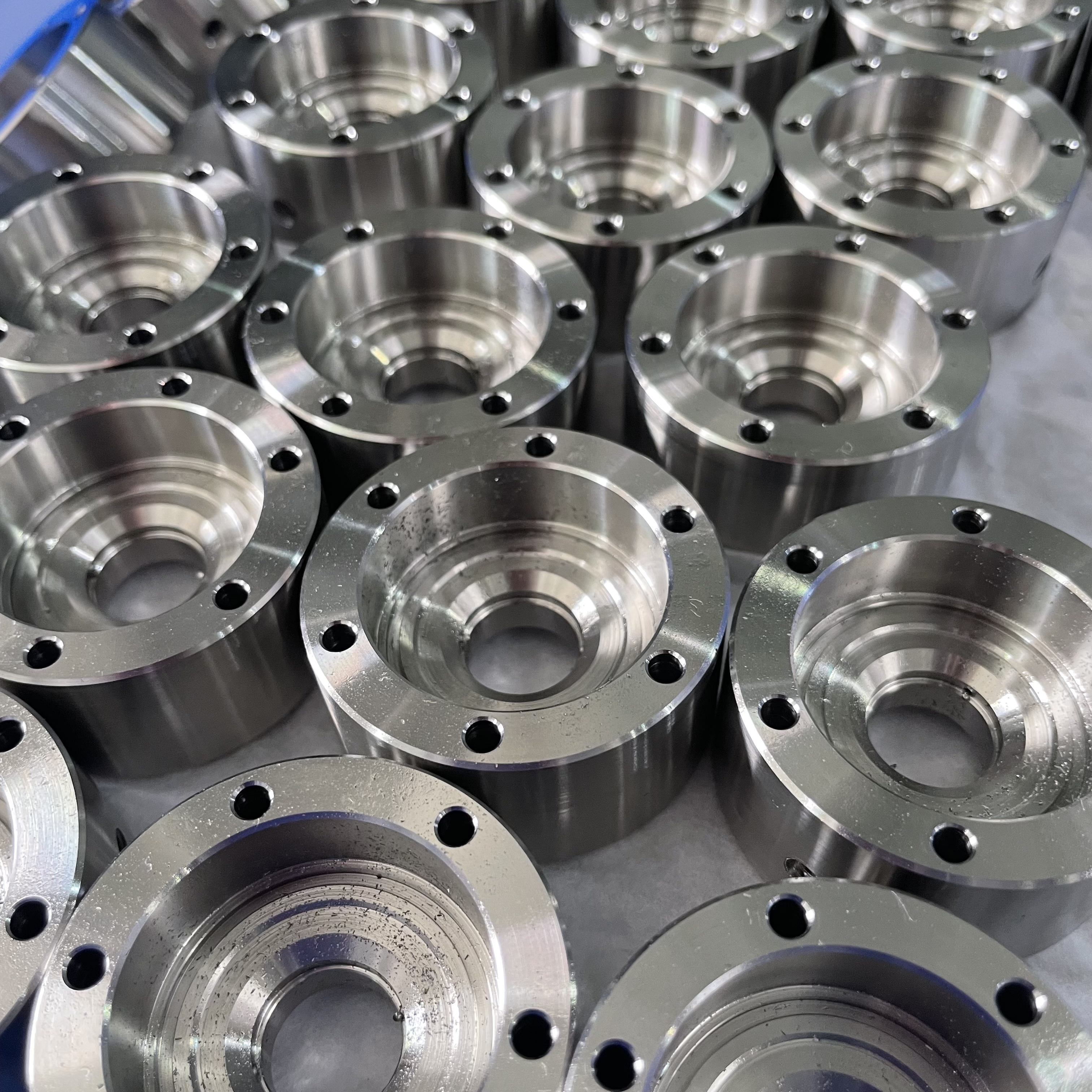
At Precision Fab CNC Machining, we specialize in producing parts for prototypes, short runs, and high-volume production. Our prototyping machine capabilities extend across metal, plastic, and wood machining, with welding fabrication services available to complement and finalize your prototype if required.
Address
Address: Room320 10F, Building A,Nanshan international building, Dayawan District, Huizhou, Guangdong, 516001 China
Contacts
billy@timaycnc.com