How CNC Services Minimize Production Errors

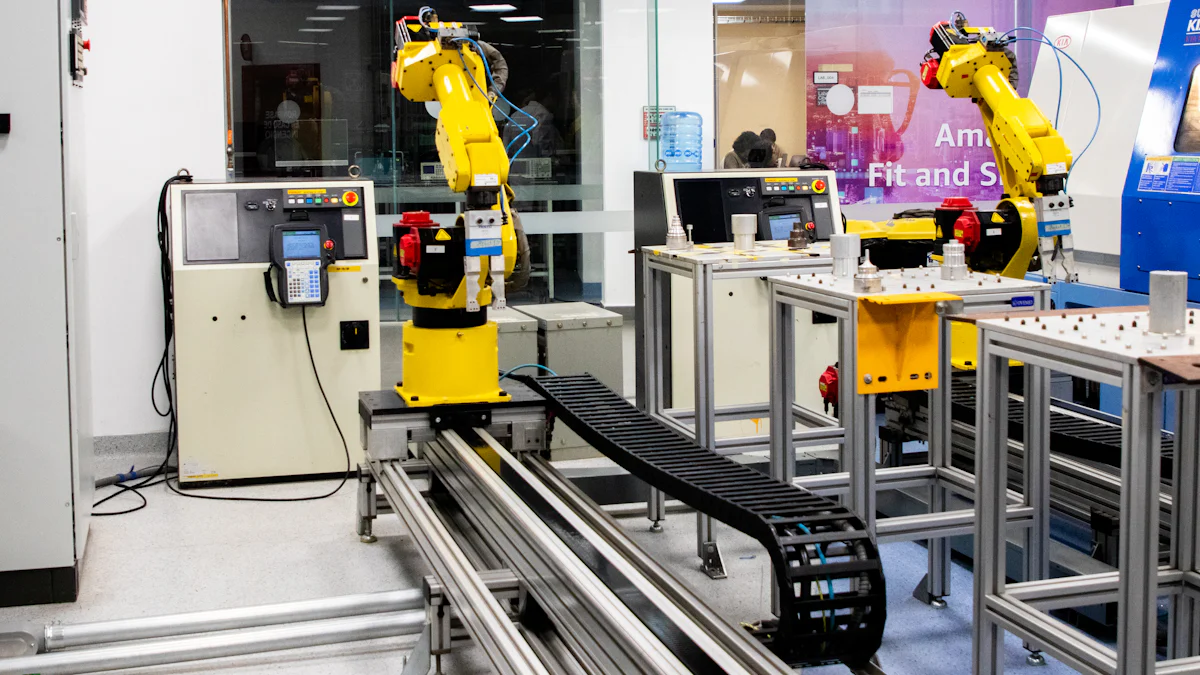
CNC machining services play a vital role in minimizing errors during production. These services use computer-controlled systems to replace manual operations, ensuring consistent results. You can rely on CNC machining to eliminate common issues like programming errors caused by incorrect data input or improper setup. It also prevents problems like tool damage, which often leads to burn marks or deformed edges. By maintaining optimal feed rates and speeds, CNC machining ensures smooth finishes and reduces tool deflection. Additionally, advanced systems address power supply issues, keeping machines running efficiently. These benefits of CNC machining make it a reliable solution for achieving precision and quality.
Key Takeaways
CNC machines work automatically, lowering mistakes and giving steady results.
Accurate and precise CNC work improves quality, perfect for planes and medical tools.
Live monitoring in CNC finds problems fast, fixing them quickly to avoid errors.
Using CAD/CAM tools makes designing easier and reduces mistakes, saving time.
CNC machines help the environment by using materials wisely and cutting waste.
Key Features of CNC Machining That Reduce Errors
Automation and Elimination of Human Error
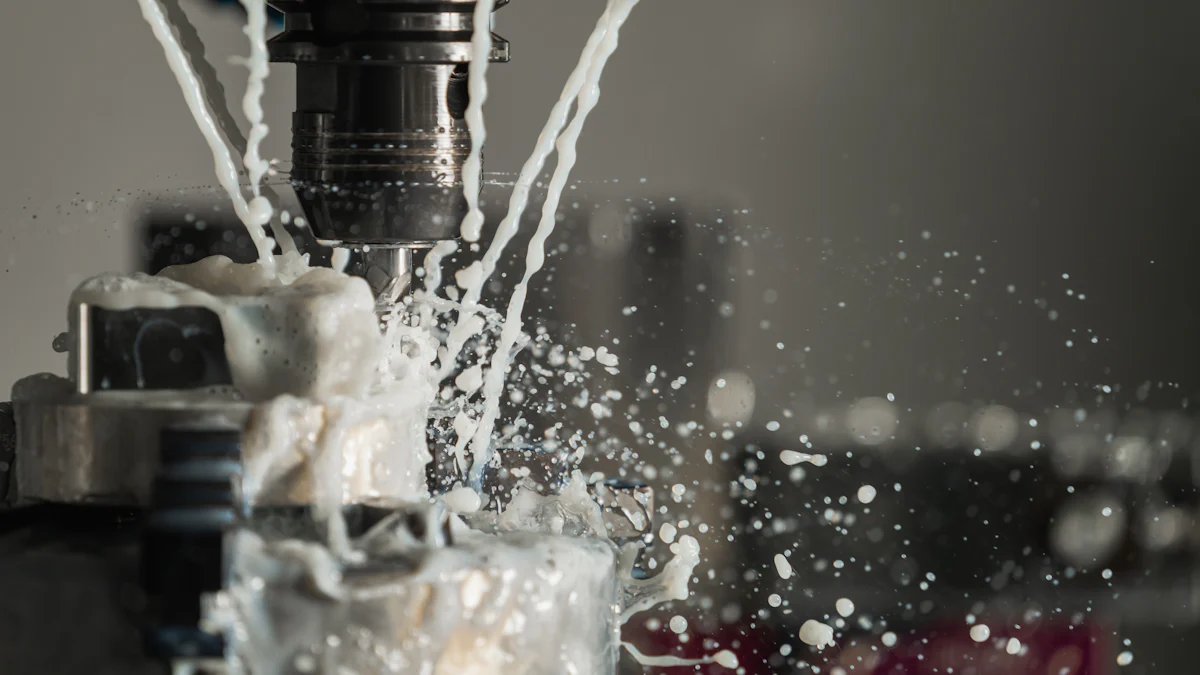
CNC machining services rely on automation to eliminate human error, ensuring consistent results in every production cycle. Unlike manual machining, which depends on operator skill, CNC systems execute precise tool movements programmed into the machine. This approach reduces the risk of mistakes caused by fatigue or distraction. For example, CNC machines can measure and cut materials with unmatched accuracy, producing identical parts repeatedly without inconsistencies.
Automation also simplifies complex tasks. CAD and CAM software streamline the design and programming process, minimizing errors during setup. Real-time error reporting systems further enhance reliability by identifying and resolving issues quickly. With CNC machining, you can achieve high repeatability and precision, even for intricate designs, without worrying about human limitations.
Precision and High Tolerance Levels
CNC machining excels in delivering tight tolerances, making it ideal for industries requiring extreme precision. Whether you need parts for aerospace, medical devices, or electronics, CNC machining services can meet your specifications. For instance, processes like milling, lathing, and engraving achieve tolerances as tight as ± 0.005″ or 0.13 mm. This level of accuracy ensures that every component fits perfectly, reducing the need for rework.
The precision of CNC machining stems from its ability to control tool movements in small increments. Unlike traditional methods, CNC systems maintain consistent quality across multiple workpieces. This capability is crucial for applications where even minor deviations can compromise functionality. By using CNC machining, you can produce high-quality parts with minimal variation, enhancing overall product reliability.
Real-Time Monitoring and Feedback Systems
Real-time monitoring is a cornerstone of CNC machining services, enabling you to detect and correct errors during production. These systems collect data on parameters like spindle speed, feed rate, and tool position. Advanced software analyzes this data to identify potential issues, such as tool wear or overheating, before they affect the final product.
Alerts generated by monitoring systems allow operators to adjust machining parameters instantly. Some CNC machines even use AI and machine learning to predict defects based on data trends, further reducing errors. Simulation tools also play a role by testing machining programs before execution, ensuring optimal performance. With these technologies, CNC machining not only minimizes errors but also improves efficiency and quality control.
Technologies in CNC Machining Services for Error Reduction
CAD/CAM Integration for Seamless Production
CAD/CAM integration plays a critical role in reducing types of CNC machining errors. This technology bridges the gap between design and manufacturing, ensuring precise execution of your projects. By directly transferring design data from CAD software to CAM systems, you eliminate the cause of error associated with manual data entry. This seamless transition enhances efficiency and scalability in your production process.
The integration between CAD and CAM software is fundamental in ensuring a seamless transition from design to production. It allows for the direct transfer of design data to CAM systems, minimizing errors and discrepancies that can occur when manually translating designs.
With CAD/CAM integration, you can optimize toolpaths for improved machining quality. This technology also enables pre-production simulations, allowing you to test designs and toolpaths before machining begins. These simulations prevent potential errors and ensure precision and accuracy in the final product. Additionally, the high degree of automation provided by CAD/CAM systems enhances communication between design and manufacturing, further reducing CNC machining parts error solutions.
Multi-Axis Machining for Complex Geometries
Multi-axis machining is essential for producing intricate parts with high precision and accuracy. Unlike traditional methods, this technology allows you to machine complex geometries in a single setup. By reducing the need for multiple setups, you minimize the cause of error that arises from repositioning workpieces. This approach ensures consistent measurements and enhances product quality.
The ability of multi-axis machines to move in four or more directions enables the cutting tool to approach the workpiece from various angles. This flexibility eliminates the loss of precision caused by repositioning steps. With multi-axis machining, you achieve precise execution of complex designs while improving efficiency and scalability in your operations.
Quality Assurance Processes in CNC Machining
Quality assurance is vital for ensuring error-free production in CNC machining. Effective quality control measures involve using advanced inspection and measurement techniques to verify the accuracy of machined components. Tools like micrometers, calipers, and Coordinate Measuring Machines (CMMs) play a key role in maintaining dimensional accuracy.
Coordinate Measuring Machines (CMMs) provide automated measurements for complex geometries.
Optical measurement systems and laser scanners ensure precise inspection of surface finishes and dimensions.
Regular inspections help identify tool wear and maintain machine calibration.
Quality control measures also include evaluating surface finish and material properties to meet industry standards. By implementing these processes, you can enhance product quality and ensure that your parts meet customer expectations. These inspections not only prevent errors but also contribute to improved machining quality and efficiency.
Benefits of Reducing CNC Machining Parts Error
Improve Product Accuracy and Consistency
Reducing CNC machining parts error directly helps you improve product accuracy and consistency. CNC machining services excel in achieving tight tolerances and precise measurements. This precision ensures that parts fit together seamlessly, reducing the risk of malfunctions or failures. By minimizing deviations and defects, CNC machining guarantees consistent operations, which eliminates errors caused by human intervention. This consistency is critical in industries where even minor inaccuracies can compromise the functionality of the final product. When you improve product accuracy, you enhance the reliability of your production process and ensure that every component meets the desired specifications.
Enhanced Product Quality and Customer Satisfaction
Error reduction in CNC machining significantly enhances product quality, which directly impacts customer satisfaction. Automation in CNC systems minimizes production errors, helping you avoid costly manufacturing mistakes. This precision ensures that your products meet high-quality standards, which builds trust with your customers. Additionally, reducing errors lowers material waste and production costs, making your operations more efficient. Customers value reliable products, and when you deliver consistent quality, you increase their satisfaction. The higher reliability of CNC-machined parts also reduces the likelihood of returns or complaints, further strengthening your reputation.
CNC automation reduces production errors, saving costs for manufacturers.
Fewer errors prevent critical mistakes, improving customer satisfaction.
Reliable products with enhanced quality lead to better customer experiences.
Reduced Material Waste and Sustainable Practices
Minimizing CNC machining parts error also supports sustainable practices by reducing material waste. CNC machines optimize material usage, ensuring that only the necessary amount is consumed during the production process. This efficiency not only conserves resources but also reduces pollution associated with manufacturing. For example, CNC machines consume energy only as needed, which lowers overall energy usage. By adopting CNC machining, you contribute to resource preservation and energy efficiency while maintaining high product quality.
Benefit | Description |
|---|---|
Energy Efficiency | CNC machines consume only the necessary energy to complete tasks, reducing overall energy usage. |
Pollution Reduction | By minimizing waste, CNC machining helps decrease pollution in manufacturing processes. |
Resource Preservation | The use of CNC machines aids in conserving natural resources by optimizing material usage. |
When you reduce waste and adopt sustainable practices, you not only improve your production process but also align with environmentally conscious manufacturing standards.
Increased Efficiency and Faster Turnaround Times
CNC machining services significantly boost efficiency and reduce production times. These systems operate continuously without breaks, unlike manual processes that rely on human operators. You can run CNC machines 24/7, allowing you to meet tight deadlines and handle large production volumes with ease. This uninterrupted operation ensures faster completion of projects.
Automation in CNC machining eliminates time-consuming manual tasks. For example, once you program the machine, it executes the entire process without requiring constant supervision. This streamlined workflow reduces delays caused by human intervention. Additionally, CNC machines perform multiple operations, such as drilling, cutting, and milling, in a single setup. This capability minimizes the time spent on repositioning workpieces or switching tools.
Tip: Use CNC machines to handle repetitive tasks efficiently. This approach frees up your team to focus on other critical aspects of production.
Advanced features like multi-axis machining further enhance efficiency. These machines can process complex designs in fewer steps, saving valuable time. Pre-production simulations also play a role by identifying potential issues before machining begins. This proactive approach prevents costly errors and ensures smooth operations.
Efficiency Boosters | How They Help |
|---|---|
24/7 Operation | Enables continuous production to meet deadlines. |
Automation | Reduces manual intervention and speeds up processes. |
Multi-Axis Machining | Handles intricate designs in fewer steps, saving time. |
Pre-Production Simulations | Identifies errors early, ensuring smooth and efficient production. |
By adopting CNC machining, you can achieve faster turnaround times without compromising quality. This efficiency allows you to deliver products to your customers quickly, giving you a competitive edge in the market. Faster production also means you can take on more projects, increasing your overall profitability.
Real-World Applications of CNC Machining Services
Aerospace and Automotive Industries
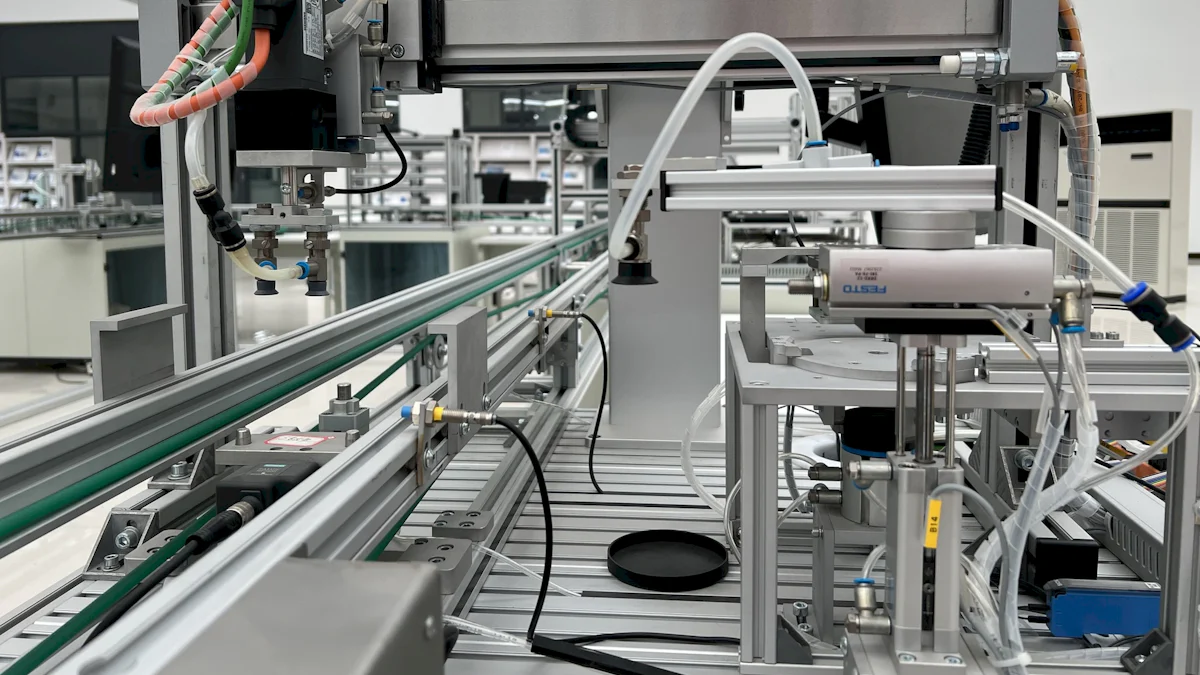
CNC machining plays a critical role in the aerospace and automotive sectors, where precision and safety are paramount. You can rely on CNC machines to produce components with tolerances within microns, ensuring flawless performance in high-stakes environments. For example:
Aircraft parts, such as turbine blades and structural components, require unmatched accuracy to meet safety standards.
CNC machines use sensors to monitor cutting forces and temperature, reducing errors and improving product quality.
Adaptive machining adjusts cutting parameters in real time, achieving precision down to the micron level.
In the automotive industry, CNC machining enables the mass production of identical parts without compromising quality. This repeatability ensures that every component, from engine blocks to transmission parts, meets strict specifications. By using CNC technology, you can achieve the consistency and reliability needed for vehicles to perform safely and efficiently.
Medical Device Manufacturing
The medical field demands precision and reliability, and CNC machining delivers on both fronts. This technology allows you to create highly refined components that meet stringent regulatory standards. Unlike manual methods, which are prone to variability, CNC machining ensures exact specifications for every part.
The introduction of 5-axis CNC machining has revolutionized medical device production. Tools can move in five directions simultaneously, enabling the creation of complex forms and contours. This capability is essential for producing intricate devices like surgical instruments and implants. Additionally, rigorous testing and continuous monitoring during machining ensure that all parts adhere to strict quality standards. By leveraging CNC machining, you can produce medical devices that enhance patient outcomes and meet industry demands.
Electronics and Consumer Goods Production
CNC machining is indispensable in electronics and consumer goods manufacturing. It allows you to produce intricate components quickly without requiring a tooling stage. This speed is ideal for rapid design iterations, especially when using CAD software.
The ultra-high precision of CNC machining makes it perfect for creating small, complex parts used in electronic assemblies. For example, tight tolerances ensure that components fit seamlessly into devices like smartphones and laptops. This technology also supports the miniaturization trend in electronics, enabling the production of tiny parts with exceptional accuracy. Whether you're manufacturing circuit boards or consumer goods, CNC machining ensures high-quality results with minimal post-processing.
Note: CNC machining not only enhances production efficiency but also supports innovation in industries that demand precision and reliability.
CNC machining services give you unparalleled control over production processes, minimizing errors and enhancing efficiency. By automating tasks, these systems reduce waste and improve sustainability. Technologies like CAD/CAM integration and multi-axis machining ensure precise control, enabling you to create complex designs with ease. CNC machines also operate continuously, maximizing productivity and reducing downtime.
Adopting CNC machining services allows you to control costs by avoiding manufacturing mistakes and minimizing material waste. This technology improves product quality and consistency, ensuring every part meets exact specifications. Businesses that embrace CNC machining gain better control over their operations, staying competitive in a fast-paced market.
CNC machining not only enhances control over production but also ensures long-term cost savings and improved product quality.
FAQ
1. What industries benefit the most from CNC machining services?
Industries like aerospace, automotive, medical devices, and electronics benefit greatly. These sectors demand high precision, tight tolerances, and consistent quality. CNC machining ensures reliable production of intricate parts, meeting strict industry standards.
Tip: If your industry requires precision and repeatability, CNC machining is an excellent choice.
2. How does CNC machining improve production efficiency?
CNC machines operate continuously without breaks, unlike manual processes. Automation eliminates repetitive tasks, reducing delays. Multi-axis machining and pre-production simulations also speed up production by minimizing errors and optimizing workflows.
Note: Faster turnaround times mean you can handle more projects and meet tight deadlines with ease.
3. Can CNC machining reduce material waste?
Yes, CNC machining optimizes material usage by cutting only what is necessary. This precision reduces scrap and conserves resources. Energy-efficient operations also contribute to sustainable manufacturing practices.
Benefit | How It Helps |
|---|---|
Reduced Scrap | Minimizes material waste. |
Energy Efficiency | Lowers energy consumption. |
Sustainability | Supports eco-friendly production. |
4. What makes CNC machining better than manual machining?
CNC machining offers unmatched precision, repeatability, and efficiency. Unlike manual methods, it eliminates human error and ensures consistent quality. Advanced features like real-time monitoring and multi-axis capabilities further enhance performance.
Emoji Insight: 🛠️ CNC machining = Precision + Speed + Reliability!
5. Is CNC machining suitable for small-scale production?
Yes, CNC machining works well for both small and large-scale production. Its flexibility allows you to create prototypes or limited runs without compromising quality. You can also scale up production seamlessly when needed.
Tip: Use CNC machining for prototypes to test designs before full-scale production.
See Also
Understanding CNC Cutting Precision: Its Critical Role in Engineering
Streamlined CNC Machining Solutions for High-Quality Production
Investigating CNC Machining Options for Accurate Manufacturing Processes
Addressing Issues: Improving CNC Prototyping Precision and Productivity
Enhancing Production Standards Through CNC Precision Machining Techniques
About US
Follow Us
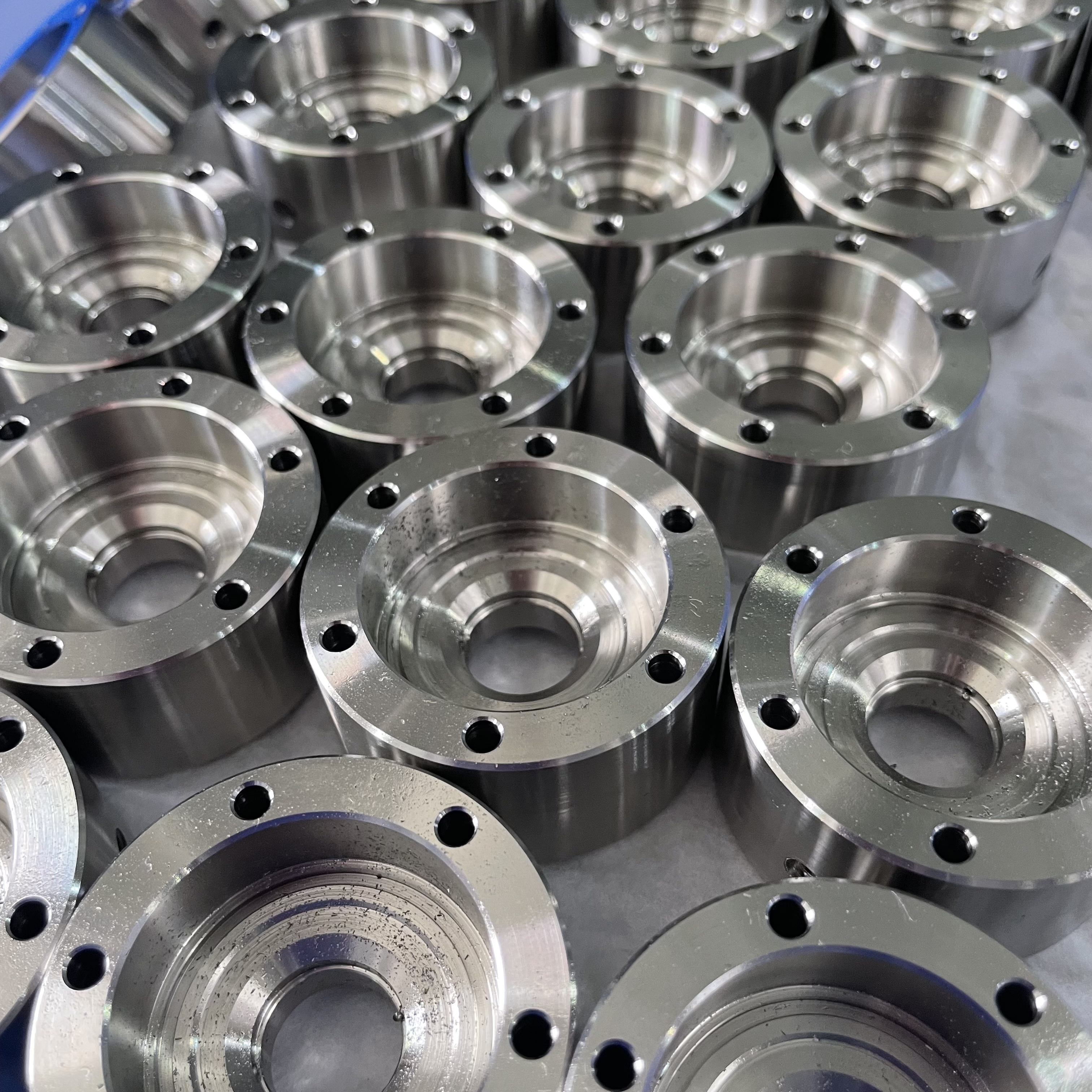
Your prototype holds unparalleled significance, and we deeply value its uniqueness. Collaborating with you during the preparation phase for running your prototype or parts is a commitment we gladly embrace. Whether it's a single part or a complex assembly, we are dedicated to selecting the optimal tools and pathways to bring your envisioned product to life.
At Precision Fab CNC Machining, we specialize in producing parts for prototypes, short runs, and high-volume production. Our prototyping machine capabilities extend across metal, plastic, and wood machining, with welding fabrication services available to complement and finalize your prototype if required.
Address
Address: Room320 10F, Building A,Nanshan international building, Dayawan District, Huizhou, Guangdong, 516001 China
Contacts
billy@timaycnc.com