Marine-Grade Alloys for CNC Machined Components

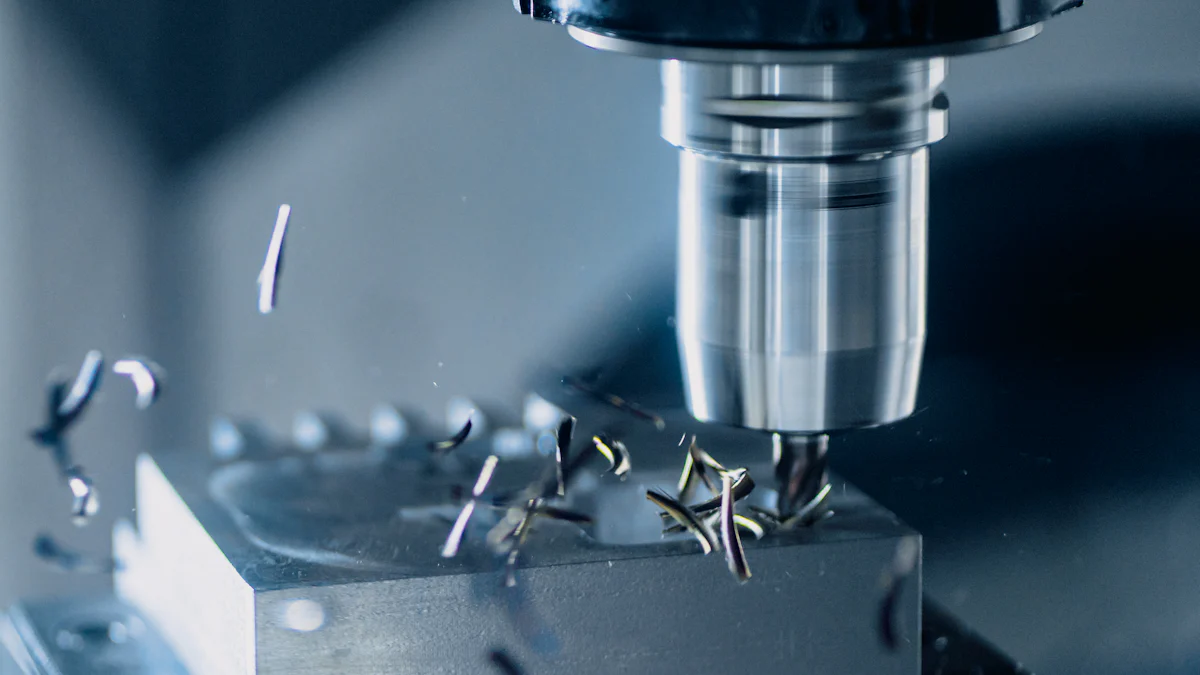
Marine environments present unique challenges for metal components. Saltwater exposure accelerates corrosion, while high pressure and temperature fluctuations test material strength. You need alloys that can withstand these conditions without compromising performance. Marine-grade alloys, like 5086 aluminum, resist corrosion by forming a protective layer. However, some alloys, such as those with high magnesium content, may face issues like surface pitting during anodizing. Selecting the right alloy ensures your CNC Machining process delivers durable, high-quality components that thrive in harsh marine conditions.
Key Takeaways
Marine-grade metals fight rust, lasting longer in salty water. Use metals like aluminum 5083 or stainless steel 316 for strong results.
Pick metals that are tough and handle stress well. Titanium Grade 5 and bronze are great for marine use.
Choose metals that are easy to shape for CNC machines. Aluminum 6061 is good for saving time and money.
Use light metals to save fuel and boost boat performance. Aluminum is strong but doesn’t add much weight.
Finish surfaces properly, like with anodizing or electroplating. This helps stop rust and makes parts last longer.
Challenges in Marine Environments
Corrosion from Saltwater Exposure
Saltwater is one of the most aggressive elements your components will face in marine environments. It accelerates corrosion, leading to material loss that weakens the alloy's structure. Over time, this degradation can compromise the strength and integrity of your components, increasing the risk of failures or accidents.
The chemical reactions in saltwater make corrosion even more damaging. Moisture and oxygen trigger the corrosion process, while sodium chloride in seawater intensifies it. Electrochemical reactions occur, where iron in alloys acts as an electrochemical cell. At the cathode, water reacts to form hydroxide ions, while at the anode, iron loses electrons to form ferrous ions. These ions combine with chloride to create ferrous chloride, which further oxidizes into ferric chloride and ferric oxide. This cycle continues, causing severe damage to unprotected materials.
High Pressure and Temperature Fluctuations
Marine environments subject your components to extreme pressure and temperature changes. Submerged parts, such as those in deep-sea applications, endure immense hydrostatic pressure. This pressure can deform or crack materials that lack sufficient strength or fatigue resistance.
Temperature fluctuations also pose a challenge. Components exposed to both cold seawater and warm engine systems experience thermal expansion and contraction. This constant stress can weaken the material over time, leading to fatigue or failure. You need alloys that maintain their structural integrity under these conditions.
Mechanical Wear in Marine Operations
Marine operations involve constant movement, friction, and impact. Propellers, shafts, and other moving parts face mechanical wear from repeated use. Abrasive particles in seawater, such as sand or debris, can accelerate this wear. Over time, this leads to surface degradation, reducing the efficiency and lifespan of your components.
To combat these challenges, you must select alloys with high wear resistance. Materials like bronze and titanium excel in such conditions, offering durability and reliability in demanding marine applications.
Essential Properties of Marine-Grade Alloys
Corrosion Resistance
Marine environments expose your components to saltwater, which accelerates corrosion. To combat this, you need alloys with excellent corrosion resistance. These materials form protective oxide layers that shield the surface from further damage. For example, aluminum alloys like 5083 and stainless steel 316 excel in resisting rust and pitting caused by seawater.
Corrosion-resistant alloys reduce maintenance needs and extend the lifespan of your components. This property is especially critical for parts like hull fittings, propellers, and underwater fasteners. By choosing the right alloy, you ensure your components remain reliable even in the harshest marine conditions.
Tip: Always consider the specific marine application when selecting an alloy. Some environments, like brackish water, may require higher corrosion resistance than open seawater.
Strength and Fatigue Resistance
Marine components face constant stress from waves, currents, and mechanical operations. Alloys with high strength and fatigue resistance can handle these forces without cracking or deforming. Titanium alloys, such as Grade 5, are known for their exceptional strength-to-weight ratio. Similarly, bronze alloys resist fatigue and wear, making them ideal for moving parts like bearings and gears.
Fatigue resistance ensures your components can endure repeated stress cycles over time. This property is vital for safety-critical parts, such as ship hulls and offshore platform structures. Strong alloys also perform well under high pressure, such as in deep-sea applications.
Machinability for CNC Machining
Machinability determines how easily an alloy can be shaped into precise components using CNC Machining. Alloys with good machinability allow you to achieve tight tolerances and smooth finishes. Aluminum 6061, for instance, is highly machinable and widely used for marine parts. Stainless steel and titanium alloys, while tougher to machine, can still deliver excellent results with the right tools and techniques.
Good machinability reduces production time and costs. It also ensures your components meet exact specifications, which is crucial for performance and durability in marine environments. By selecting alloys that balance machinability with other properties, you optimize both manufacturing efficiency and product quality.
Lightweight and Weldability
Lightweight alloys play a crucial role in marine applications. Reducing the weight of components improves fuel efficiency and enhances vessel performance. For example, aluminum alloys like 5083 and 6061 offer excellent strength while remaining lightweight. These alloys are ideal for parts like hulls, decks, and structural components. By choosing lightweight materials, you can reduce the overall load on your vessel without compromising durability.
Did you know? A lighter vessel consumes less fuel, which lowers operational costs and reduces environmental impact. This makes lightweight alloys a sustainable choice for marine engineering.
Weldability is another critical property to consider. Many marine components require welding during assembly or repairs. Alloys with good weldability ensure strong, reliable joints that can withstand harsh marine conditions. Aluminum alloys, particularly 5083, excel in this area. They allow you to create seamless welds that resist corrosion and maintain structural integrity. Stainless steel alloys, such as 316, also offer excellent weldability, making them suitable for underwater applications.
When selecting an alloy, you must balance lightweight properties with weldability. Some materials, like titanium, are lightweight but require specialized welding techniques. Others, like bronze, may be heavier but offer exceptional strength and corrosion resistance. Understanding your specific application helps you make the right choice.
Tip: Always consult with a welding expert when working with marine-grade alloys. Proper welding techniques ensure the longevity and safety of your components.
By prioritizing lightweight and weldable materials, you can optimize your designs for performance, efficiency, and durability in marine environments.
Top Marine-Grade Alloys for CNC Machined Components
Aluminum Alloys
Aluminum 5083
Aluminum 5083 stands out for its exceptional corrosion resistance, especially in saltwater environments. This alloy belongs to the 5000 series, which is known for its high magnesium content. It offers excellent strength and weldability, making it a popular choice for marine applications like hulls and structural components. Its ability to resist pitting and stress corrosion ensures durability in harsh conditions. You can also machine this alloy effectively, achieving precise results for components requiring tight tolerances.
Aluminum 6061
Aluminum 6061 provides a balance of strength, machinability, and corrosion resistance. It contains magnesium and silicon, which enhance its mechanical properties. While it is less corrosion-resistant than 5083, it remains a versatile option for marine parts like brackets and fittings. This alloy is highly machinable, allowing you to create complex shapes with CNC Machining. Additionally, it can be anodized to improve its resistance to saltwater, making it suitable for both surface and submerged applications.
Stainless Steel Alloys
Stainless Steel 316
Stainless steel 316 is a top choice for marine environments due to its high chromium and molybdenum content. These elements form a protective oxide layer, preventing rust and pitting caused by saltwater. This alloy performs well in high-salinity conditions, making it ideal for underwater fasteners, propeller shafts, and other critical components. Its durability and low maintenance requirements make it a cost-effective option for long-term use.
Stainless Steel 304
Stainless steel 304 offers good corrosion resistance, though it is slightly less effective than 316 in marine environments. It is a versatile and affordable option for components exposed to less aggressive conditions, such as deck fittings and railings. This alloy is easy to machine and weld, allowing you to create durable parts with minimal effort.
Bronze Alloys
Silicon Bronze
Silicon bronze is highly resistant to saltwater corrosion, making it a reliable choice for marine hardware like bolts and nuts. Its strength and durability allow it to withstand heavy use in harsh conditions. This alloy also resists marine biological fouling, ensuring long-lasting performance in underwater applications.
Aluminum Bronze
Aluminum bronze excels in resisting saltwater corrosion and wear. Its enhanced strength makes it suitable for demanding applications like ship propellers and underwater bearings. This alloy also offers excellent machinability, enabling you to produce precise components for critical marine operations.
Titanium Alloys
Titanium alloys are among the most reliable materials for marine applications. Their unique properties make them stand out in environments where saltwater and pressure challenge other metals. These alloys resist corrosion better than stainless steel and maintain their strength under extreme conditions. Their lightweight nature also makes them ideal for marine equipment that requires both durability and reduced weight.
Titanium Grade 5
Titanium Grade 5, also known as Ti-6Al-4V, is a high-performance alloy. It combines excellent strength with corrosion resistance, making it suitable for demanding marine environments. This alloy forms a stable oxide layer that protects it from saltwater erosion. You can rely on it for components like propeller shafts, underwater housings, and fasteners.
Its high strength-to-weight ratio allows you to design lightweight yet durable parts. This property is especially useful for vessels and equipment where weight reduction improves efficiency. While machining Titanium Grade 5 can be challenging, advanced CNC Machining techniques help achieve precise results. With proper tooling and strategies, you can create components that meet tight tolerances and perform reliably in harsh conditions.
Titanium Grade 2
Titanium Grade 2 offers exceptional corrosion resistance, particularly in seawater and brine. Its chemically stable oxide film ensures long-term protection against saltwater damage. This alloy is slightly less strong than Grade 5 but provides excellent toughness and ductility. These qualities make it easier to machine and weld, which simplifies manufacturing and repairs.
You can use Titanium Grade 2 for applications like heat exchangers, piping systems, and marine hardware. Its resistance to hydrothermal fluids makes it a dependable choice for offshore platforms and underwater structures. The lightweight nature of this alloy also reduces the overall load on marine vessels, improving fuel efficiency and performance.
Did you know? Titanium alloys resist various natural water conditions and common salt solutions better than many other marine-grade alloys. This makes them a top choice for long-lasting marine components.
By choosing the right titanium alloy, you ensure your components withstand the challenges of marine environments while maintaining high performance and durability.
CNC Machining Techniques for Marine-Grade Alloys
Tooling and Cutting Strategies
When machining marine-grade alloys, you need to select the right tools and cutting strategies to achieve precision and durability. Harder alloys like titanium and stainless steel require carbide or diamond-coated tools. These materials resist wear and maintain sharpness during machining. For softer alloys, such as aluminum, high-speed steel tools work effectively.
You should also adjust cutting speeds and feeds based on the alloy. For example, titanium alloys need slower cutting speeds to prevent overheating, while aluminum allows faster speeds. Using coolant during machining reduces heat buildup and extends tool life. Additionally, multi-axis CNC Machining enables you to create complex shapes with tight tolerances, ensuring your components meet marine application requirements.
Surface Finishing for Corrosion Protection
Surface finishing plays a critical role in protecting marine-grade alloys from corrosion. You can use several techniques to enhance the durability of your components:
Anodizing strengthens the natural oxide layer on aluminum, improving corrosion and wear resistance.
Chromate Conversion Coating adds a protective chromate layer to aluminum surfaces.
Organic Coatings like polyurethane or epoxy create a barrier against corrosive elements.
Cathodic Protection uses sacrificial anodes to shield alloys from corrosion.
Electroplating deposits a metal layer onto the surface, enhancing corrosion resistance.
Inhibitors slow down the corrosion process chemically.
Surface Treatments modify the alloy surface to improve resistance.
Choosing the right finishing method depends on your alloy and application. For example, anodizing works well for aluminum, while stainless steel benefits from organic coatings or electroplating.
Heat Treatment and Stress Management
Heat treatment improves the mechanical properties of marine-grade alloys, making them more suitable for CNC machined components. For aluminum alloys like 5083, heating and rapid cooling increase hardness and strength. This process ensures your parts can handle high-pressure marine environments. Similarly, the T6 heat treatment for 6061 aluminum enhances strength while maintaining ductility.
Stress management is equally important. CNC machining can introduce residual stresses into your components, which may lead to warping or cracking. Post-machining heat treatments, such as annealing, relieve these stresses and stabilize the material. By managing stress effectively, you ensure your components maintain their shape and performance over time.
Achieving Precision and Tolerances
Achieving precision and tolerances in CNC machining for marine-grade alloys requires careful planning and execution. Marine components often demand tight tolerances to ensure proper functionality in harsh environments. However, several challenges can arise during the machining process.
Common issues include thermal expansion, tool wear, and vibrations. Thermal expansion occurs when heat generated during machining causes the material to expand, leading to dimensional inaccuracies. Tool wear reduces cutting efficiency, affecting the precision of the final product. Vibrations during machining can create uneven surfaces or misalignments, compromising the quality of the component.
To overcome these challenges, you need advanced machining techniques and specialized tooling. High-performance tools, such as carbide or diamond-coated cutters, maintain sharpness and resist wear. Regular inspection and replacement of tools ensure consistent results. Using dampening methods and securing the workpiece firmly minimizes vibrations, improving surface quality and dimensional accuracy.
Rigorous quality control is essential for maintaining tolerances. You should implement regular inspections during and after machining to detect deviations early. Coordinate measuring machines (CMMs) and laser scanning systems provide precise measurements, ensuring components meet specifications. Additionally, multi-axis CNC machining allows for complex geometries with high precision, reducing the need for secondary operations.
Environmental factors also play a role. Controlling the machining environment, such as maintaining stable temperatures, reduces the risk of thermal expansion. Coolants help dissipate heat, protecting both the material and the tooling. By addressing these factors, you can achieve the precision and tolerances required for marine-grade components.
Precision ensures that your components fit seamlessly and perform reliably in demanding marine applications. By adopting the right strategies and tools, you can produce high-quality parts that meet the stringent requirements of marine environments.
Marine-grade alloys play a vital role in CNC machining for marine environments. Their corrosion resistance, strength, and machinability ensure your components perform reliably under harsh conditions. Alloys like aluminum 5083, stainless steel 316, and titanium Grade 5 stand out for their durability and versatility.
When selecting an alloy, focus on key factors:
Corrosion resistance for long-term safety.
High tensile strength and fatigue resistance for structural integrity.
Weldability for seamless fabrication.
Investing in high-quality alloys reduces maintenance costs and extends the lifespan of marine components, making them a cost-effective choice for your projects.
FAQ
What makes an alloy "marine-grade"?
Marine-grade alloys resist corrosion, withstand pressure, and endure wear in saltwater environments. These materials form protective layers or contain elements like chromium or magnesium to prevent rust. They also maintain strength and durability under harsh marine conditions, ensuring long-lasting performance.
Can you machine titanium alloys easily?
Titanium alloys are harder to machine than aluminum or bronze. You need specialized tools, slower cutting speeds, and coolant to prevent overheating. With proper CNC machining techniques, you can achieve precise results despite the challenges.
Which alloy is best for underwater components?
Stainless steel 316 and titanium Grade 5 excel underwater. Both resist saltwater corrosion and maintain strength under pressure. Titanium offers a lightweight option, while stainless steel provides cost-effective durability for submerged applications like fasteners and propeller shafts.
How do you protect alloys from corrosion?
Surface treatments like anodizing, electroplating, or organic coatings shield alloys from corrosion. You can also use cathodic protection or inhibitors. Choosing the right method depends on the alloy and its marine application.
Why is weldability important for marine alloys?
Weldability ensures strong, reliable joints during assembly or repairs. Marine components often require welding to maintain structural integrity. Alloys like aluminum 5083 and stainless steel 316 offer excellent weldability, making them ideal for marine environments.
See Also
CNC Machining Aluminum Alloys 6061 And 7075: A 2024 Overview
Key Material Considerations For CNC Precision Machining Explained
CNC Machining 7075 Aluminum Alloy: Processes And Uses Explained
Benefits Of Utilizing Aluminum CNC Machining Services Explored
Anodizing CNC Machined Aluminum Heat Sinks: A Comprehensive Guide
About US
Follow Us
Your prototype holds unparalleled significance, and we deeply value its uniqueness. Collaborating with you during the preparation phase for running your prototype or parts is a commitment we gladly embrace. Whether it's a single part or a complex assembly, we are dedicated to selecting the optimal tools and pathways to bring your envisioned product to life.
At Precision Fab CNC Machining, we specialize in producing parts for prototypes, short runs, and high-volume production. Our prototyping machine capabilities extend across metal, plastic, and wood machining, with welding fabrication services available to complement and finalize your prototype if required.
Address
Address: Room320 10F, Building A,Nanshan international building, Dayawan District, Huizhou, Guangdong, 516001 China
Contacts
billy@timaycnc.com