Material Cost vs. Performance in CNC Machining

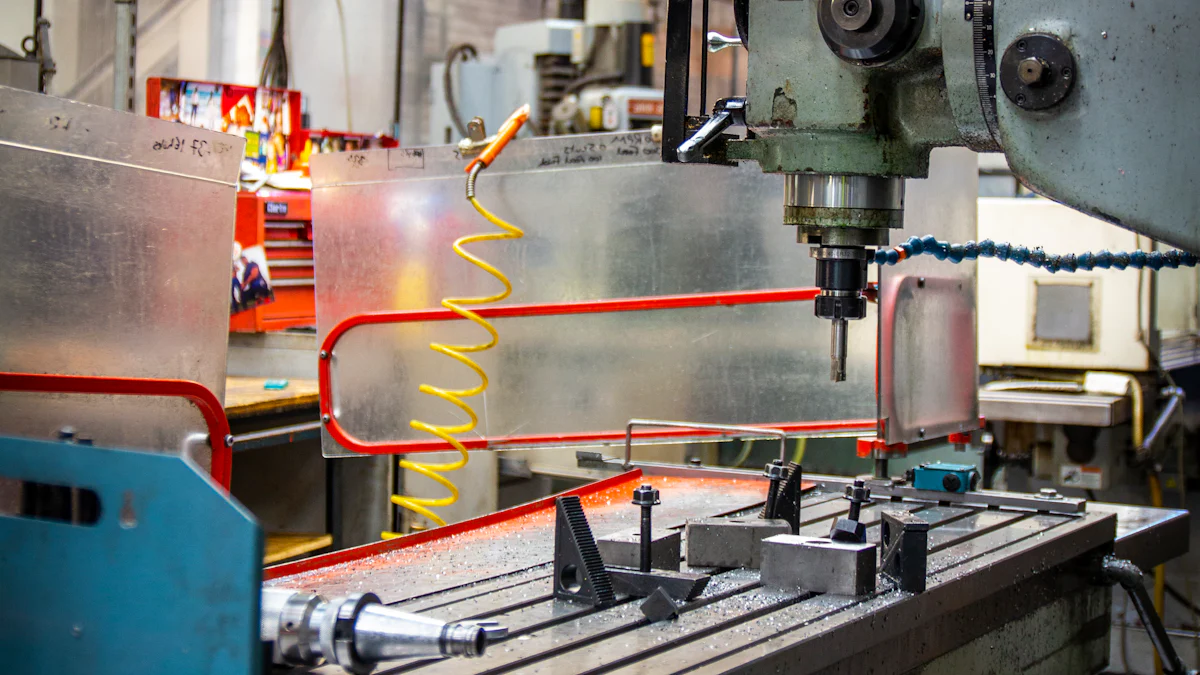
Material selection plays a crucial role in CNC machining. The right material impacts both cost and performance, making it essential to weigh factors like machinability, durability, and application needs. For instance, aluminum, costing $1 to $5 per pound, offers excellent machinability and reduces tool wear, making it a popular choice for cost-effective CNC machining. In contrast, high-performance materials like titanium, priced at $10 to $20 per pound, deliver superior strength but come at a premium. Understanding these trade-offs ensures you achieve optimal results without overspending.
Key Takeaways
Picking the right material is key to balancing cost and performance. Use aluminum for saving money or titanium for better strength.
The material you pick affects project costs a lot. Easy-to-machine materials, like aluminum, save money by cutting machining time and tool wear.
The strength and quality of your product depend on the material. For example, stainless steel works well in wet areas because it resists rust.
Keep track of material prices and supply problems. Changes in the market can raise costs, so plan early to avoid delays and extra expenses.
Talk to material suppliers and CNC experts at the start. Their advice helps you pick the best materials and improve your machining process.
Importance of Material Selection in CNC Machining
Impact on Project Costs
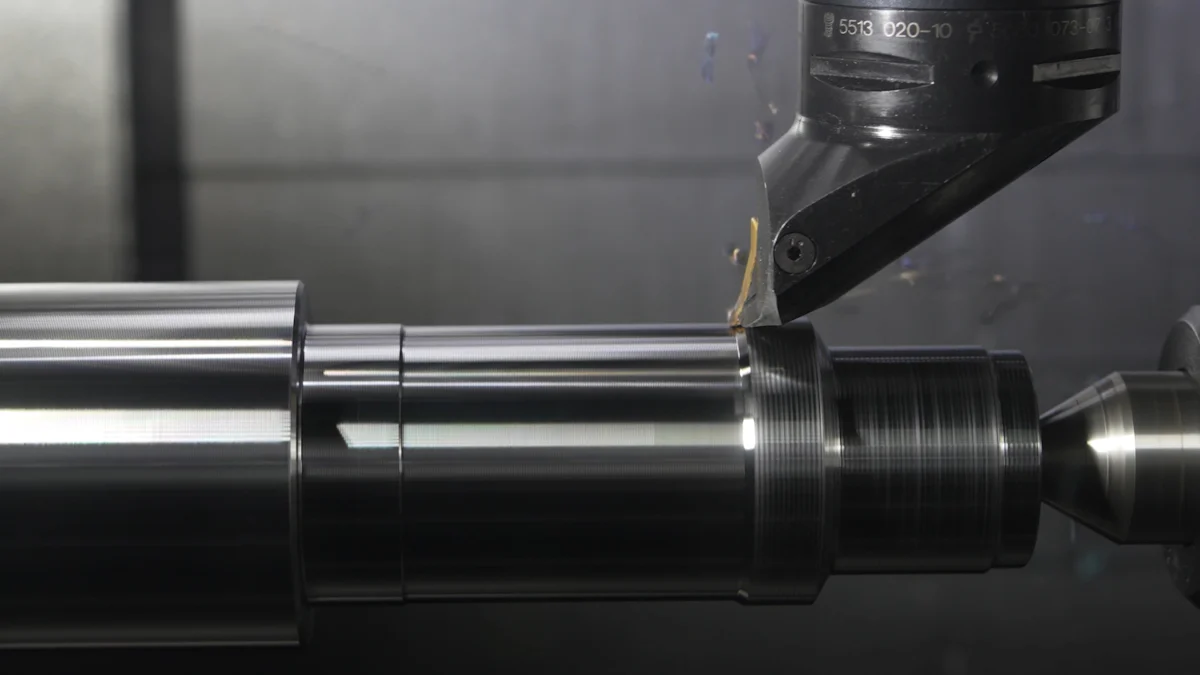
Material selection directly affects the overall cost of CNC machining projects. Choosing materials with high machinability, such as aluminum, can reduce machining time and tool wear, leading to lower production costs. On the other hand, harder materials like titanium may have higher raw material costs but can sometimes be more efficient to machine due to their properties.
The availability of materials also plays a significant role. Market fluctuations and supply chain challenges can increase costs, making it essential to consider both current prices and long-term availability. For example, aluminum is often more affordable than copper or titanium, but its thermal conductivity and hardness can influence machining ease and expenses. By carefully evaluating these factors, you can optimize your project budget without compromising quality.
Influence on Product Quality and Longevity
The material you choose impacts the durability and performance of the final product. For instance, stainless steel grades like 304 and 316 are ideal for environments with high humidity or chemical exposure due to their corrosion resistance. Similarly, aerospace applications often rely on titanium alloys for their exceptional strength-to-weight ratio, ensuring both durability and efficiency.
Highly machinable materials, such as aluminum alloys like 6061, allow for precise dimensions and smoother finishes. However, poor material choices can lead to excessive tool wear and reduced productivity. Selecting the right material ensures your product meets quality standards and performs well over time.
Real-World Examples of Material Selection
Real-world examples highlight the importance of material selection in CNC machining. In aerospace, switching to aluminum for a complex component reduced manufacturing costs by 25% and production time by 15%. Electrical components often use brass or copper for their excellent conductivity and machinability, resulting in faster production cycles and lower costs.
In corrosive environments, stainless steel grades like 316 are preferred for their resistance to chemical damage. Similarly, PEEK is chosen for its high chemical resistance in harsh conditions. These examples demonstrate how thoughtful material selection can enhance both performance and cost-efficiency.
Factors Influencing Material Cost
Raw Material Prices
Raw material costs significantly impact CNC machining expenses. The price of materials varies based on type, market demand, and global economic conditions. For example, metals like aluminum are relatively affordable, while steel and plastics such as polycarbonate (PC) are more expensive. The table below highlights the unit prices of common materials
Market fluctuations and inflation often cause raw material costs to rise. Supply chain disruptions also contribute to price volatility, especially for metals like aluminum and steel. Staying updated on these trends helps you make informed decisions and manage CNC manufacturing costs effectively.
Availability and Supply Chain Challenges
The availability of materials plays a crucial role in determining their cost. Global supply chain disruptions can delay material sourcing and increase expenses. For instance:
Lockdowns during the pandemic caused production delays and raw material shortages.
Geopolitical tensions further exacerbated these issues, leading to price volatility.
Just-in-time manufacturing practices became vulnerable, making it harder to secure materials on time.
These challenges emphasize the importance of planning ahead. By sourcing materials early or exploring alternative suppliers, you can mitigate delays and control costs.
Processing and Machining Costs
The type of material you choose directly affects CNC machining costs. Materials with high machinability, like aluminum, are easier to process and reduce overall expenses. In contrast, harder materials like stainless steel or ceramics require more time and specialized tools, increasing costs. The table below provides an estimate of machining costs for various materials:
Material | Surface Finish | Unit Price (Estimated) |
|---|---|---|
Aluminum | As Machined | $15 – $50 |
Stainless Steel | As Machined | $25 – $60 |
Steel | As Machined | $20 – $55 |
Brass | As Machined | $15 – $50 |
Copper | As Machined | $20 – $55 |
ABS | As Machined | $5 – $100 |
Nylon | As Machined | $10 – $120 |
POM (Delrin) | As Machined | $15 – $140 |
CNC machining is a subtractive process, meaning excess material is removed to create the final part. This adds to the overall cost, especially for expensive materials. Choosing the right material for your project ensures a balance between performance and cost-efficiency.
Factors Influencing Material Performance
Strength and Durability
Strength and durability are critical when selecting materials for CNC machining. You need to consider factors like tensile strength, toughness, and wear resistance to ensure the material can handle the demands of your application. For high-stress environments, materials with excellent load-bearing capacity and stiffness, such as steel or titanium, are ideal. Toughness is equally important, especially for parts exposed to impact or vibration. Wear resistance becomes essential for components subjected to friction, as it prevents premature failure and extends the product's lifespan.
For example, aerospace applications often require lightweight yet strong materials like titanium alloys. These materials reduce weight without compromising structural integrity. Similarly, stainless steel is preferred for marine components due to its corrosion resistance and ability to withstand harsh conditions.
Machinability and Ease of Processing
Machinability directly impacts the performance and cost of CNC machining. Materials like aluminum and brass are easier to machine, reducing tool wear and production time. This makes them cost-effective options for many projects. On the other hand, harder materials like stainless steel or ceramics require specialized tools and slower machining speeds, increasing costs but offering superior durability.
When choosing a material, you should also consider dimensional stability. This property ensures the material maintains its shape during machining, which is crucial for precision industries like aerospace and medical devices. While easier-to-machine materials lower costs, harder materials may justify their higher expense with long-term performance benefits.
Application-Specific Requirements
Your material selection should align with the specific needs of your application. For aerospace and automotive industries, materials like aluminum and magnesium are popular for their excellent strength-to-weight ratios. Medical devices often require stainless steel 316 due to its corrosion resistance and compatibility with sterilization processes. Thermoplastics are another option for lightweight components that maintain structural integrity.
Each application has unique demands. For example, titanium alloys are ideal for aerospace components where weight reduction and strength are priorities. In contrast, stainless steel outperforms carbon steel in marine environments because of its superior resistance to corrosion.
Environmental and Regulatory Considerations
Environmental and regulatory factors play a significant role in material selection for CNC machining. These considerations not only impact the operating environment but also influence the ecological footprint of your project. Choosing materials that align with sustainability goals can make your machining processes more environmentally friendly.
Some materials are better suited for extreme conditions, offering resistance to moisture, heat, or corrosion. For example, advanced high-temperature alloys perform well in harsh environments, while biodegradable plastics provide eco-friendly alternatives for specific applications. Recycled materials, such as aluminum or steel, are also excellent choices for reducing waste and promoting sustainability.
🌱 Tip: Opting for reusable or recyclable materials can help you minimize environmental impact without sacrificing performance.
Regulatory standards are equally important, especially in industries like food, medical devices, and chemicals. Government bodies enforce strict guidelines to ensure materials meet safety and performance criteria. For instance, the UK Health and Safety Executive provides regulations for material selection, focusing on factors like corrosion resistance and chemical compatibility. Compliance with these standards ensures your products are safe and meet industry requirements.
Key industries with strict material regulations:
Food processing
Medical devices
Petroleum and chemical manufacturing
Sustainability is becoming a priority across industries. By selecting materials with low environmental impact, you can contribute to greener manufacturing practices. Options like recycled metals or biodegradable plastics not only reduce waste but also align with global efforts to combat climate change. Incorporating these materials into your CNC machining projects ensures you stay ahead of evolving environmental expectations.
🌍 Note: Balancing regulatory compliance with sustainability can enhance your product's marketability and long-term value.
Environmental and regulatory considerations are essential for responsible material selection. By prioritizing eco-friendly options and adhering to industry standards, you can achieve high-quality results while supporting a sustainable future.
Cost vs. Performance Trade-offs in CNC Machining
Aluminum: Lightweight and Cost-Effective
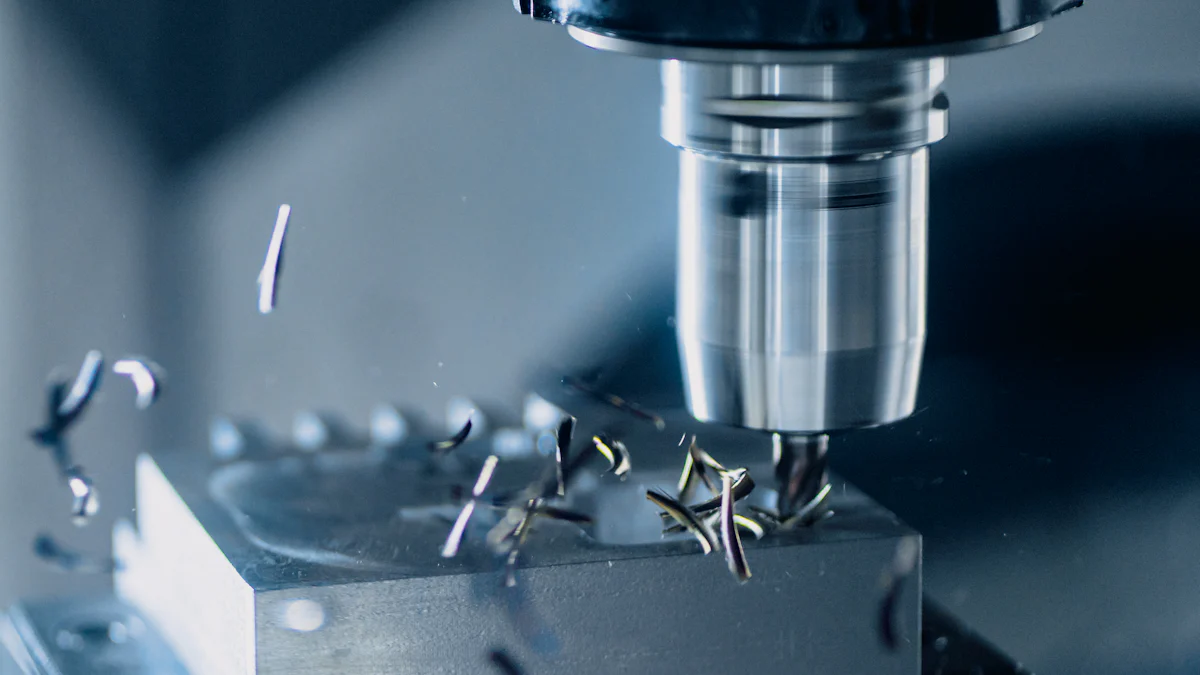
Aluminum stands out as an ideal CNC machining metal due to its unique combination of properties. It is easier to machine compared to many other materials, which reduces production time and lowers costs. This makes it a cost-effective choice for projects requiring high efficiency. Aluminum also offers a superior strength-to-weight ratio, making it perfect for weight-sensitive applications like aerospace and automotive components. Its natural resistance to corrosion enhances the longevity of parts, reducing the need for additional coatings or treatments.
You can rely on aluminum for applications where lightweight durability is essential. For example, aluminum alloys like 6061 are widely used in CNC machining because they balance machinability, strength, and affordability. Compared to metals like titanium or stainless steel, aluminum provides a more budget-friendly option without sacrificing performance.
Steel: Strength and Versatility
Steel offers unmatched versatility in CNC machining. Mild steel is a cost-effective option with good machinability, making it suitable for general-purpose applications. Stainless steel, on the other hand, provides excellent strength and corrosion resistance, making it ideal for harsh environments. However, stainless steel is less machinable than aluminum, which increases tool wear and machining time. This can lead to higher costs for projects requiring precision.
Despite these challenges, steel remains a popular choice for its durability and adaptability. For example, industries like construction and manufacturing often use steel for components that require high strength and wear resistance. While it may not be as lightweight as aluminum, steel's robustness makes it a reliable material for demanding applications.
Titanium: High Performance at a Premium Cost
Titanium is a high-performance material that excels in demanding applications. Its exceptional strength-to-density ratio makes it a top choice for aerospace and medical industries. Titanium is also highly resistant to corrosion, ensuring long-lasting performance even in extreme environments. Additionally, it is biocompatible and non-toxic, making it suitable for medical implants and devices.
However, titanium comes with challenges. It is more expensive than stainless steel and harder to machine due to its toughness. Specialized tools and techniques are often required, which increases machining costs. The table below highlights the advantages and disadvantages of using titanium in CNC machining:
Advantages of Titanium | Disadvantages of Titanium |
|---|---|
Highly resistant to corrosion | More expensive than stainless steel |
Excellent strength-to-density ratio | More difficult to machine due to hardness |
Biocompatible | Welding requires specialized techniques |
Non-toxic and environmentally friendly | Sensitive to contamination during welding |
Titanium is best suited for projects where performance outweighs cost considerations. For example, aerospace components benefit from its lightweight strength, while medical devices rely on its biocompatibility.
Plastics: Affordable for Specialized Applications
Plastics offer a cost-effective solution for specialized CNC machining applications. Their affordability and versatility make them a popular choice for industries requiring lightweight and durable components. You can use plastics to create prototypes, precision parts, or components for non-high-stress environments. Their machinability reduces production time and tool wear, which helps lower overall costs.
Several types of plastics stand out for their unique properties:
ABS (Acrylonitrile Butadiene Styrene): This material is economical and easy to process. It works well for prototypes and applications that don’t require high strength. Its shock resistance adds to its appeal for low-stress uses.
POM (Polyoxymethylene or Delrin): Known for its excellent dimensional stability and low friction, POM is ideal for precision parts. It offers a balance of performance and cost, making it a reliable choice for intricate designs.
Nylon and Acetal: These materials are easy to machine and provide good mechanical properties. They are suitable for applications where metal-like strength isn’t necessary but durability is still important.
Plastics also excel in applications where weight reduction is critical. For example, industries like automotive and consumer electronics often rely on plastics to improve efficiency and reduce costs. By choosing the right type of plastic, you can achieve high performance without exceeding your budget.
Composites: Advanced Properties with Higher Costs
Composites bring advanced properties to CNC machining, justifying their higher costs. These materials combine two or more components to deliver superior performance. You’ll find composites particularly useful in industries like aerospace, automotive, and marine, where strength, weight, and durability are critical.
The table below highlights the key properties of composites and their benefits:
Property | Description |
|---|---|
Strength and Stiffness | Carbon fiber composites are known for exceptional strength and stiffness, ideal for high-performance applications. |
Weight | The lightweight nature of composites is crucial in industries like aerospace and automotive, improving fuel efficiency. |
Corrosion Resistance | Composites offer excellent resistance to corrosion, beneficial in marine and chemical processing applications. |
Thermal Conductivity | Composites like carbon fiber have low thermal conductivity, advantageous for thermal insulation applications. |
Composites like carbon fiber and fiberglass provide unmatched strength-to-weight ratios. For example, carbon fiber composites are widely used in aerospace to reduce weight while maintaining structural integrity. In marine environments, composites resist corrosion better than metals, ensuring longer lifespans for components.
Although composites require a higher initial investment, their long-term benefits often outweigh the costs. Their durability reduces maintenance needs, while their lightweight properties improve energy efficiency. By incorporating composites into your CNC machining projects, you can achieve advanced performance tailored to demanding applications.
Tips for Achieving Cost-Effective CNC Machining
Define Project Requirements Clearly
Defining your project requirements upfront is essential for achieving cost-efficient machining. A well-defined plan minimizes unnecessary expenses and ensures the final product meets your expectations. Start by simplifying part designs to reduce machining steps. For example, standardizing features and using uniform wall thickness can prevent machining issues. Avoid deep pockets or sharp internal corners, as these complicate the process and increase costs.
You should also select materials that balance cost and functionality. Aluminum and certain plastics are easier to machine, reducing tool wear and production time. Additionally, applying cost-effective tolerances and minimizing manual finishing processes can further lower expenses. Early involvement of suppliers or CNC experts can help identify cost-saving opportunities and streamline your machining requirements.
💡 Tip: Use standardized components and efficient tooling strategies to reduce complexity and machining time.
Prototype with Multiple Materials
Prototyping with different materials allows you to evaluate cost and performance before committing to full-scale production. Testing multiple options helps you identify the most suitable material for your project while optimizing machining costs. The table below highlights how different materials impact cost-effectiveness and production time:
Material | Cost Effectiveness | Machinability | Impact on Production Time |
|---|---|---|---|
Aluminum | High | Easy | Reduces time and tool wear |
Titanium | Low | Difficult | Increases time and costs |
Recyclable | Moderate | Varies | Reduces waste and expenses |
By experimenting with materials like aluminum, titanium, or recyclable options, you can balance cost and performance. For instance, aluminum offers high machinability and cost efficiency, making it ideal for prototypes. Recyclable materials, on the other hand, help reduce waste and align with sustainability goals.
🛠️ Note: Prototyping also allows you to refine designs and identify potential machining challenges early.
Consult Material Suppliers and CNC Experts
Collaborating with material suppliers and CNC experts ensures you make informed decisions during the machining process. Suppliers can provide valuable insights into material properties and availability, helping you choose options that meet your project’s needs. They also ensure quality assurance by offering materials that comply with industry standards.
CNC experts bring technical expertise to the table. They guide you in selecting materials that align with your machining requirements and assist in optimizing production processes. Their advice can help you reduce costs by recommending efficient tooling strategies and advanced manufacturing technologies.
🔍 Tip: Engage with suppliers and experts early in the project to identify cost-saving opportunities and avoid delays.
Balance Long-Term Costs with Initial Investment
Balancing long-term costs with your initial investment is essential for achieving cost-effective CNC machining. While upfront expenses may seem high, investing in advanced equipment and efficient processes often leads to significant savings over time. By evaluating the total cost of ownership, you can make smarter decisions that benefit your project in the long run.
Modern CNC machines with advanced features can reduce operational costs and improve productivity. For example, automated tool changers save time and lower labor costs by minimizing manual intervention. Multi-axis capabilities enhance machining versatility, allowing you to complete complex tasks with fewer setups. Integrated software improves precision and reduces errors, which minimizes waste and ensures higher-quality products. The table below highlights these features and their benefits:
Feature | Benefit |
|---|---|
Automated Tool Changers | Boosts productivity and reduces labor |
Multi-Axis Capabilities | Increases machining versatility |
Integrated Software | Enhances precision and reduces errors |
Faster Production Times | Lowers overall operational costs |
Higher Precision | Improves product quality and reduces waste |
To maximize your investment, consider these steps:
Evaluate the total cost over the machine's lifetime, including maintenance and operational expenses.
Set a minimum payback period to ensure the investment aligns with your financial goals.
Increase machine utilization by scheduling more shifts or optimizing production schedules.
Lower the hourly machine rate by using the equipment intensively and efficiently.
These strategies help you spread the initial investment across a longer period, reducing the impact on your budget. For instance, a high-quality CNC machine may cost more upfront but will save you money through faster production times and reduced waste. By focusing on long-term benefits, you can achieve a balance between performance and cost, ensuring your projects remain competitive and profitable.
💡 Tip: Regular maintenance and operator training can further extend the lifespan of your equipment, maximizing your return on investment.
Material selection plays a pivotal role in achieving cost-effective CNC machining. To balance cost and performance, you must understand your project’s requirements, including application needs and environmental conditions. Evaluate materials based on their mechanical strength, thermal resistance, and electrical conductivity. High-performance options like tool steel offer exceptional properties but come at a premium. More economical choices, such as aluminum or plastics, provide good machinability and lower costs.
A structured approach ensures optimal results. Consider factors like strength, surface finish, and budget constraints. Use methods like weighted property scoring or performance indices to compare materials quantitatively. By aligning material properties with your project goals, you can achieve superior outcomes while managing costs effectively.
FAQ
What is the most cost-effective material for CNC machining?
Aluminum is one of the most cost-effective materials. It offers excellent machinability, reduces tool wear, and has a good strength-to-weight ratio. Its affordability and versatility make it ideal for many applications, including aerospace and automotive components.
💡 Tip: Use aluminum alloys like 6061 for a balance of strength, machinability, and cost.
How do I choose the right material for my project?
Define your project’s requirements, such as strength, durability, and environmental conditions. Compare materials based on their properties and costs. Prototyping with multiple materials can help you identify the best option for your needs.
🛠️ Note: Consult CNC experts to align material properties with your application goals.
Why are some materials harder to machine than others?
Materials like titanium or stainless steel have higher hardness and toughness, which increases tool wear and machining time. Softer materials, such as aluminum or plastics, are easier to machine and require less energy and specialized tools.
🔍 Fact: Harder materials often provide better durability but come with higher machining costs.
Can I use recycled materials for CNC machining?
Yes, recycled materials like aluminum or steel are excellent options. They reduce waste and align with sustainability goals. Recycled materials often maintain the same performance as new ones, making them a cost-effective and eco-friendly choice.
🌱 Tip: Check with suppliers to ensure the recycled material meets your quality standards.
How do environmental factors affect material selection?
Environmental factors like humidity, temperature, and chemical exposure influence material performance. For example, stainless steel resists corrosion in marine environments, while high-temperature alloys perform well in extreme heat.
🌍 Note: Consider regulatory requirements and sustainability goals when selecting materials for specific environments.
See Also
Grasping Material Needs for CNC Precision Machining Success
Unraveling CNC Milling Costs: Understanding Precision Machining Expenses
Key Elements Impacting CNC Precision Parts Processing Costs
CNC Precision Parts Production: Factors That Affect Costs
Excelling in CNC Machining: Tolerances, Prototyping, and Materials
About US
Follow Us
Your prototype holds unparalleled significance, and we deeply value its uniqueness. Collaborating with you during the preparation phase for running your prototype or parts is a commitment we gladly embrace. Whether it's a single part or a complex assembly, we are dedicated to selecting the optimal tools and pathways to bring your envisioned product to life.
At Precision Fab CNC Machining, we specialize in producing parts for prototypes, short runs, and high-volume production. Our prototyping machine capabilities extend across metal, plastic, and wood machining, with welding fabrication services available to complement and finalize your prototype if required.
Address
Address: Room320 10F, Building A,Nanshan international building, Dayawan District, Huizhou, Guangdong, 516001 China
Contacts
billy@timaycnc.com