How Material Density Affects CNC Machining Process and Tooling Choices


Material density plays a critical role in CNC machining. It influences cutting speed, feed rate, and tooling requirements. For instance, lower-density materials allow higher speeds and deeper cuts, while denser materials demand slower speeds and robust tools. By considering density, you can optimize machining efficiency, reduce tool wear, and achieve precise project outcomes.
Key Takeaways
Material density affects how fast tools can cut. Softer materials can be cut faster, but harder ones need slower speeds to protect tools.
Picking the right tools is important for different materials. Harder materials need strong tools with special coatings to handle heat and friction.
Cooling and lubrication are very important in CNC machining. They reduce heat, make tools last longer, and improve the surface, especially with harder materials.
Understanding Material Density in CNC Machining
Defining Material Density
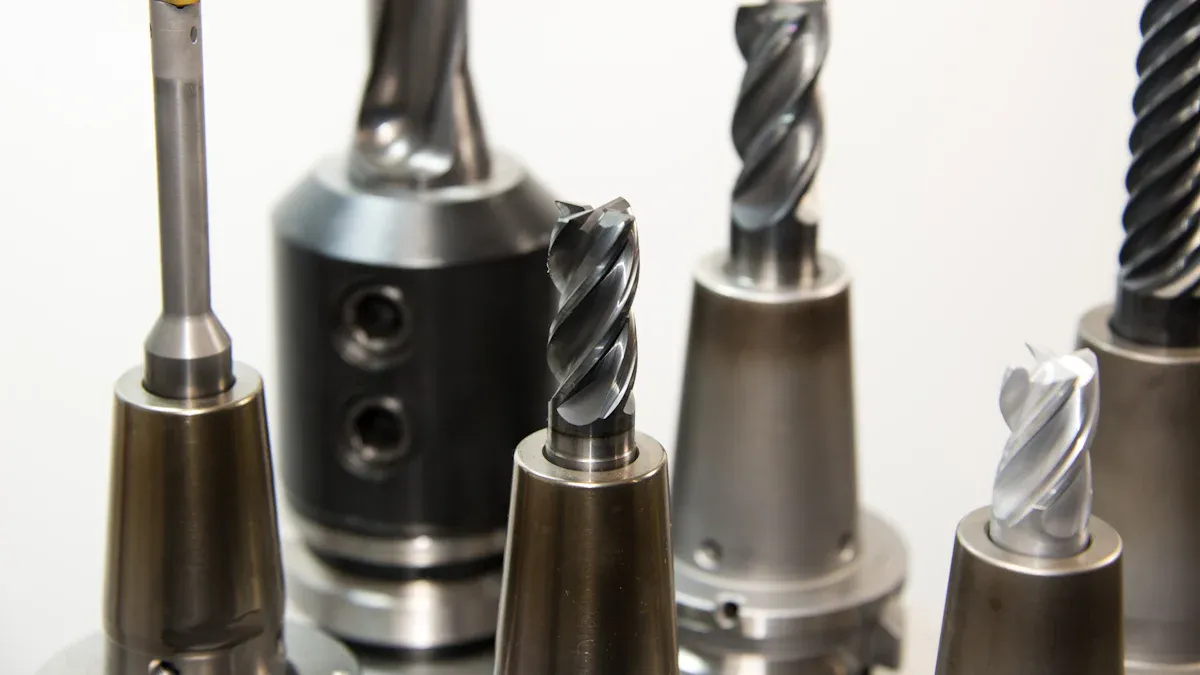
Material density refers to the mass of a material per unit volume, typically measured in grams per cubic centimeter (g/cm³). It determines how compact or heavy a material is for its size. In CNC machining, density directly influences how a material behaves during cutting, shaping, and finishing processes. For example, denser materials like steel require more force and slower cutting speeds, while lightweight materials such as aluminum allow faster machining with less wear on tools. Understanding density helps you predict how a material will respond to machining operations.
Role of Density in CNC Machining Materials
Density plays a critical role in determining the machining parameters and outcomes. It affects cutting speed, feed rate, and depth of cut. Lower-density materials, such as aluminum alloys, can handle higher speeds and feed rates, enabling quicker production. On the other hand, denser alloys like 7075 aluminum require slower speeds to prevent excessive tool wear and maintain surface quality. By adjusting machining parameters based on density, you can enhance efficiency, extend tool life, and achieve precise results. This understanding is especially important when working with common materials used in CNC machining, such as aluminum, steel, and titanium.
Examples of Material Densities (e.g., Aluminum Density)
Different materials have unique density values that influence their machining behavior. For instance, aluminum has a density of 2.7 g/cm³, making it lightweight and easy to machine. Steel, with a density of 7.85 g/cm³, offers greater strength but requires more robust tooling. Titanium, at 4.5 g/cm³, balances strength and weight, making it ideal for aerospace applications. The table below highlights the density of these common materials:
Material | Density (g/cm³) |
|---|---|
Aluminum | 2.7 |
Steel | 7.85 |
Titanium | 4.5 |
By understanding these values, you can select the right CNC machining materials and optimize your machining process for efficiency and accuracy.
Effects of Density on CNC Machining Parameters
Cutting Speed and Feed Rate Adjustments
Material density directly affects cutting speed and feed rate in CNC machining. Lower-density materials, like aluminum alloys, allow higher cutting speeds and feed rates. This improves machining efficiency and reduces production time. However, denser materials, such as steel, require slower speeds and lower feed rates to maintain tool life and achieve precise results.
For example, aluminum alloys like 5052, 6061, and 7075 demonstrate varying machinability due to their density differences. The table below highlights recommended adjustments for cutting speed and feed rate:
Aluminum Alloy | Density (g/cm³) | Recommended Cutting Speed Adjustment | Recommended Feed Rate Adjustment |
|---|---|---|---|
5052 | 2.68 | High cutting speed | Higher feed rate |
6061 | 2.70 | Moderate cutting speed | Moderate feed rate |
7075 | 2.81 | Lower cutting speed | Lower feed rate |
By tailoring these parameters to the material's density, you can enhance machining performance and achieve optimal results.
Tool Wear and Heat Management
Density also influences tool wear and heat generation during CNC machining. Denser materials generate more friction and heat, accelerating tool wear. This can compromise machining accuracy and increase tooling costs. To counteract this, you should use tools with wear-resistant coatings, such as titanium nitride (TiN), and apply proper cooling techniques.
Lightweight materials like aluminum produce less heat, reducing tool wear and extending tool life. However, even with these materials, maintaining adequate lubrication ensures consistent performance and prevents overheating.
Achieving Surface Finish and Accuracy
Material density plays a crucial role in achieving desired surface finishes and dimensional tolerance. Lower-density materials, such as aluminum, allow deeper cuts and smoother finishes due to their machinability. Denser materials, like steel, require shallower cuts to maintain accuracy and avoid tool deflection.
The table below outlines recommended depth of cut adjustments based on density:
Aluminum Alloy | Density (g/cm³) | Recommended Depth of Cut |
|---|---|---|
5052 | 2.68 | Deeper cuts |
6061 | 2.70 | Moderate depth of cut |
7075 | 2.81 | Shallower cuts |
By adjusting cutting parameters to match the material's density, you can achieve precise surface finishes and maintain tight dimensional tolerance.
Tooling Choices for Different Material Densities
Selecting Tools for High-Density Materials
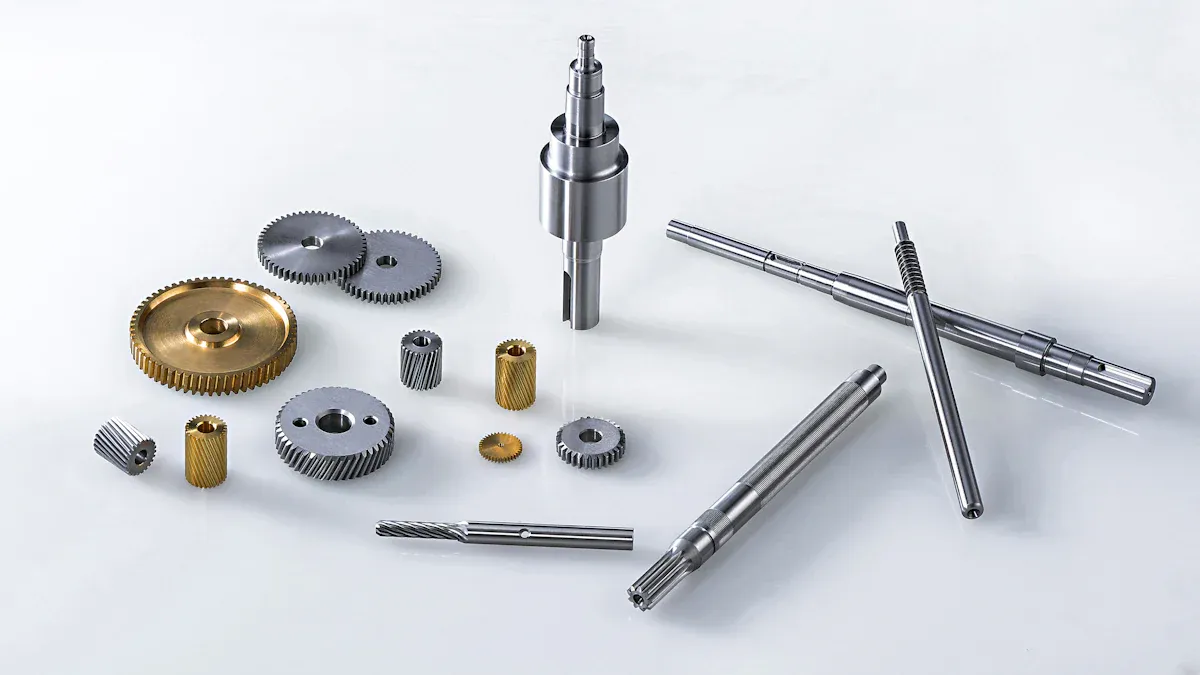
High-density materials, such as steel and titanium, demand robust tooling solutions to handle their strength and machining challenges. You should prioritize high-quality tools to ensure consistent performance and durability. Proper coatings, like titanium nitride (TiN), are essential to reduce wear and overheating during machining. Managing heat effectively is critical, especially when working with exotic materials, to prevent unintended heat treatment.
To select the best tools for high-density materials, consider these practices:
Use tools specifically designed for hard materials to enhance machinability.
Consult cutting tool manufacturers for expert advice tailored to your material.
Diversify your tool vendors to access a variety of options suited for different machining needs.
By following these steps, you can improve machining efficiency and extend tool life when working with the hardest materials to CNC machine.
Wear Resistance and Tool Coatings
Tool coatings play a vital role in enhancing wear resistance and maintaining precision. For high-density materials, coatings like aluminum titanium nitride (AlTiN) offer excellent thermal stability and durability. The table below highlights some effective coatings and their applications:
Coating Type | Key Properties | Applications |
|---|---|---|
TiN | Good general wear resistance | Broad applications |
AlTiN | High-performance, thermal stability | Stainless steels, superalloys |
TiB2 | High hardness, good wear resistance | Aluminum alloys, nonferrous applications |
Selecting the right coating ensures your tools withstand the demands of machining dense materials while maintaining dimensional tolerance.
Tooling for Lightweight Materials (e.g., Aluminum)
Lightweight materials like aluminum require specialized tooling to maximize machinability. Tools with a higher helix angle and more flutes improve chip clearance, ensuring smoother operations. Higher cutting speeds are also necessary due to aluminum's low density, which reduces cutting forces and extends tool life.
To optimize tooling for aluminum, consider these factors:
Use advanced cooling systems to prevent overheating during machining.
Ensure proper coolant flow to maintain acceptable temperatures for both the tool and workpiece.
Employ precision controls to achieve consistent accuracy and repeatability.
By tailoring your tooling choices to aluminum density, you can achieve superior surface finishes and maintain tight tolerances.
Practical Applications of Density in CNC Machining
Machining Aluminum and Other Low-Density Materials
Aluminum and other low-density materials offer unique advantages in CNC machining. Their lower density allows for faster cutting speeds and higher feed rates, improving machining efficiency. Aluminum, in particular, stands out due to its high strength-to-weight ratio, making it ideal for aerospace and automotive applications.
Key characteristics of aluminum machining include:
High machinability, enabling smoother operations and reduced tool wear.
The ability to use tools with more flutes and higher helix angles for better chip clearance and surface finishes.
Excellent corrosion resistance due to its protective oxide layer.
Characteristic | Aluminum | Steel |
|---|---|---|
Density | Much lower than steel | Higher density |
Machinability | Easier to machine, faster speeds | More abrasive, slower speeds |
Corrosion Resistance | Excellent due to protective oxide layer | Prone to rust unless treated |
Understanding aluminum density helps you optimize cutting parameters and tooling choices, ensuring superior machining performance and dimensional tolerance.
Challenges with High-Density Materials
Machining high-density materials like steel and titanium presents several challenges. These materials generate more heat and friction, leading to rapid tool wear. Runout issues can also compromise machining quality and increase scrap rates.
To overcome these challenges, you should:
Use wear-resistant tools with advanced coatings like aluminum titanium nitride (AlTiN).
Ensure proper heat management through effective cooling and lubrication.
Invest in high-quality toolholders to reduce runout and improve precision.
By addressing these factors, you can maintain machining accuracy and extend tool life, even when working with the most demanding materials.
Industry-Specific Examples and Use Cases
Material density plays a critical role in various industries. In aerospace, lightweight alloys like 6061 aluminum are used for wing frames and fuselages due to their strength and low weight. Automotive manufacturers rely on 7075 aluminum for engine components, where high strength is essential. For body panels and fuel tanks, 5052 aluminum offers excellent corrosion resistance and machinability.
Industry | Part Application | Recommended Alloy | Density (g/cm³) | Benefit |
|---|---|---|---|---|
Aerospace | Wing frames, fuselage | 2024, 6061 | 2.70 – 2.78 | Lightweight, high strength |
Automotive | Engine, suspension | 7075 | 2.81 | High strength for stress areas |
Automotive | Body panels, fuel tanks | 5052 | 2.68 | Lightweight, corrosion resistant |
By selecting materials with the right density for your application, you can achieve optimal performance and meet industry-specific requirements.
Tips for Optimizing CNC Machining Based on Density
Choosing the Right CNC Machining Materials
To achieve machining optimization, you must choose the right material for your project. The density of the material significantly impacts its suitability for specific applications. For instance, lightweight materials like aluminum are ideal for aerospace and automotive industries due to their high strength-to-weight ratio. On the other hand, denser materials like steel are better suited for heavy-duty applications requiring durability and strength.
When selecting materials, consider the following factors:
Purpose: Match the material to the intended use. For example, avoid using metals for toys.
Stress Load: Opt for materials with strong mechanical properties for high-stress applications.
Weight Capacity: Ensure the material can support the required load without compromising performance.
Understanding these factors helps you choose the right material and achieve better machining outcomes.
Adjusting Parameters for Efficiency and Tool Life
Adjusting machining parameters based on material density ensures efficiency and extends tool life. For example, aluminum alloys with lower density allow higher cutting speeds and feed rates, while denser materials like titanium require slower speeds to prevent tool wear.
The table below highlights recommended adjustments for different aluminum alloys:
Aluminum Alloy | Density (g/cm³) | Cutting Speed Adjustment | Feed Rate Adjustment | Depth of Cut |
|---|---|---|---|---|
5052 | 2.68 | High | Higher | Deeper |
6061 | 2.70 | Moderate | Moderate | Moderate |
7075 | 2.81 | Lower | Lower | Shallower |
By tailoring these parameters, you can optimize machining performance and maintain dimensional tolerance.
Importance of Cooling and Lubrication
Cooling and lubrication play a vital role in managing the effects of density during CNC machining. Coolants dissipate heat generated during cutting, preventing damage to tools and materials. They also improve surface finishes by removing debris and reducing friction.
Key benefits of proper cooling and lubrication include:
Enhanced tool life and performance.
Improved surface finishing and dimensional tolerance.
Prevention of overheating, especially when machining dense materials.
Incorporating effective cooling systems ensures consistent machining results and extends the lifespan of your tools.
Material density significantly influences CNC machining processes and tooling. Lower-density materials allow faster cutting speeds and deeper cuts, while higher-density alloys require slower speeds and robust tools. The table below highlights these differences:
Parameter | Lower Density Alloys (e.g., 5052) | Higher Density Alloys (e.g., 7075) |
|---|---|---|
Cutting Speed | Higher speeds can be used | Requires reduction in speed |
Feed Rate | Higher feed rates can be applied | Lower feed rates for precision |
Depth of Cut | Deeper cuts are tolerable | Shallower cuts recommended |
Tooling | Less robust tools suffice | Coated tools recommended |
Balancing material selection, machining parameters, and tooling ensures optimal outcomes. For example:
Choose materials suited to the application, such as aluminum for lightweight parts or steel for durability.
Adjust cutting speeds and depths to match the material's density.
Use proper cooling and lubrication to enhance tool life and surface finish.
By prioritizing density considerations, you can improve machining efficiency, reduce tool wear, and achieve precise results.
FAQ
What is the role of material density in CNC machining?
Material density affects cutting speed, feed rate, and tooling. It determines how efficiently you can machine materials and achieve desired results.
How do you choose tools for high-density materials?
Select robust tools with wear-resistant coatings. These tools handle the strength of dense materials and improve the machining process.
Can you create custom CNC parts with lightweight materials?
Yes, lightweight materials like aluminum are ideal for custom CNC parts. They offer high machinability and excellent strength-to-weight ratios.
See Also
Exploring Material Needs for CNC Precision Machining Success
How CNC Parts Processing Impacts Overall Manufacturing Expenses
Navigating CNC Machining: Key Tolerances, Prototyping, and Materials
A Comprehensive Guide to CNC Machining and Material Choices
Analyzing Key Factors That Influence CNC Parts Processing Costs
About US
Follow Us
Your prototype holds unparalleled significance, and we deeply value its uniqueness. Collaborating with you during the preparation phase for running your prototype or parts is a commitment we gladly embrace. Whether it's a single part or a complex assembly, we are dedicated to selecting the optimal tools and pathways to bring your envisioned product to life.
At Precision Fab CNC Machining, we specialize in producing parts for prototypes, short runs, and high-volume production. Our prototyping machine capabilities extend across metal, plastic, and wood machining, with welding fabrication services available to complement and finalize your prototype if required.
Address
Address: Room320 10F, Building A,Nanshan international building, Dayawan District, Huizhou, Guangdong, 516001 China
Contacts
billy@timaycnc.com